Color & Carat
Which Diamond Shape Looks Biggest for Its Carat Weight?
By the Vanora Diamond team
Published Last reviewed 5 min read

Quick answer
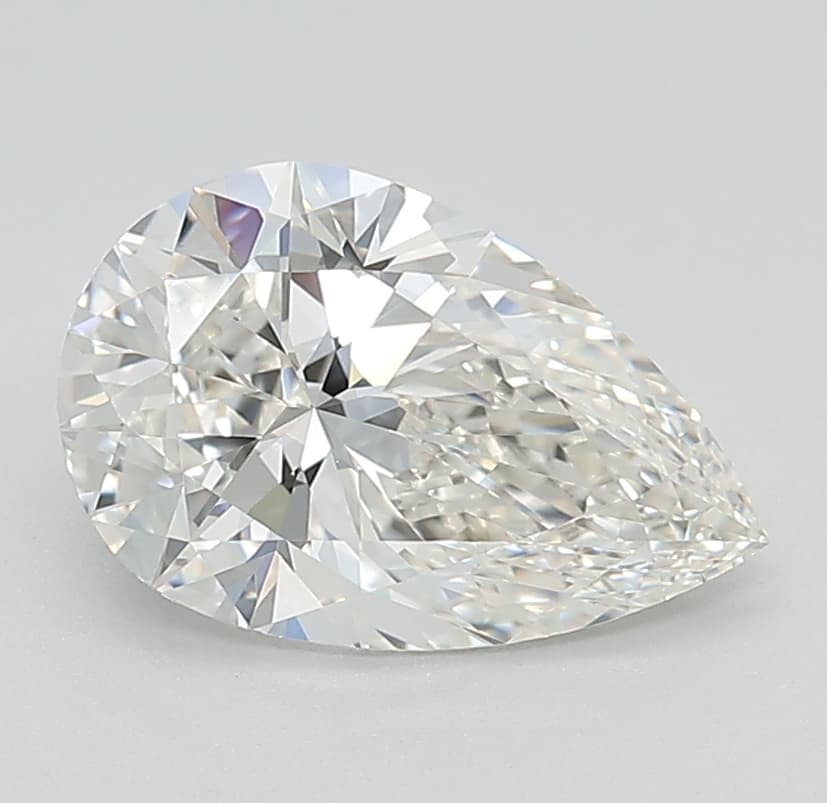
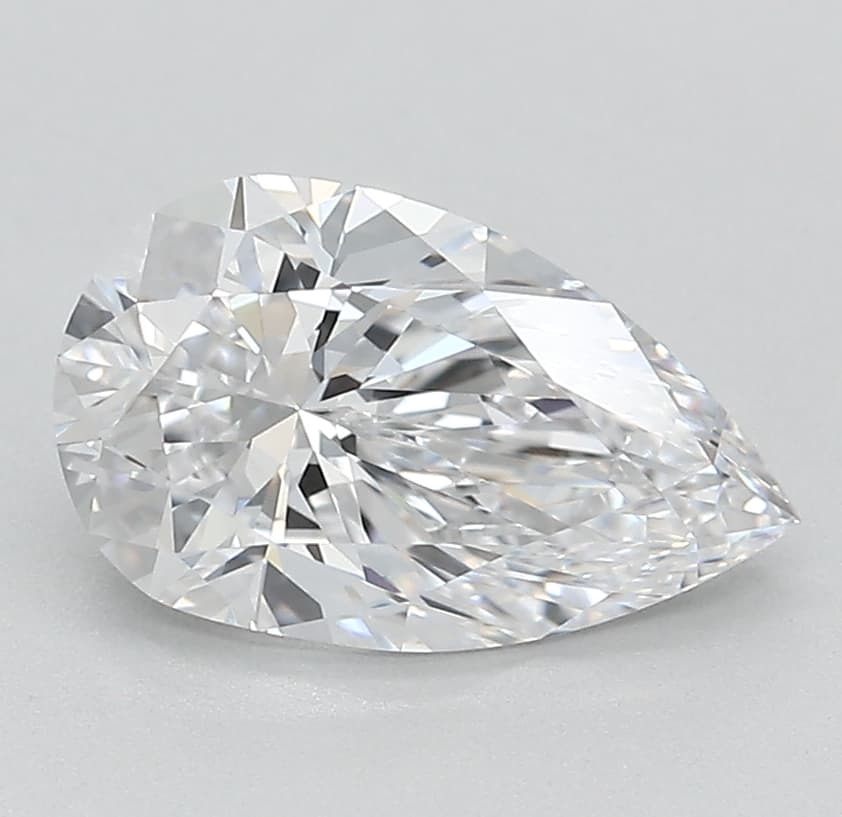
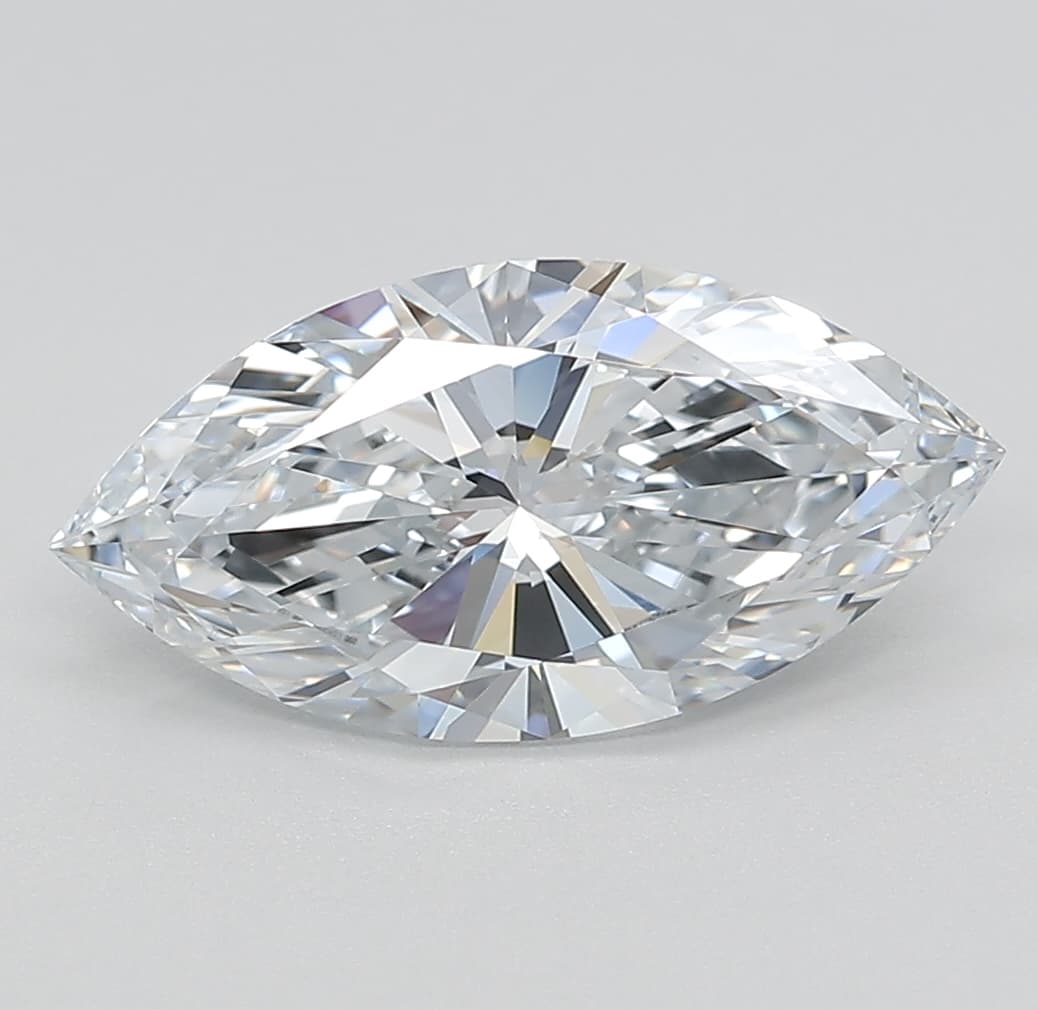
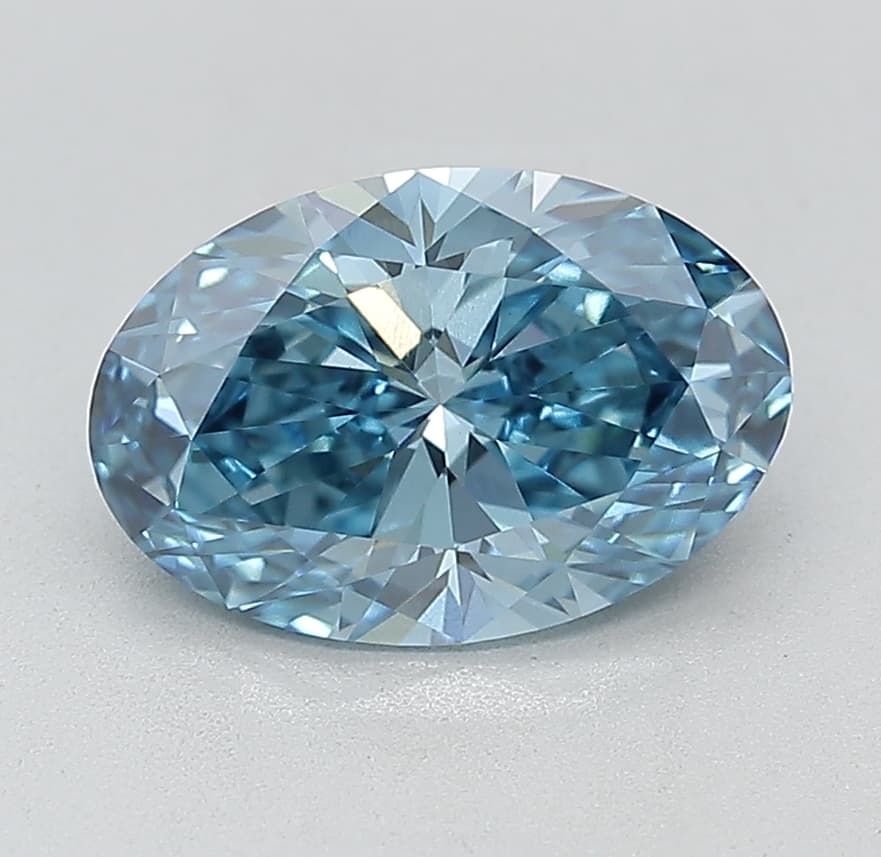
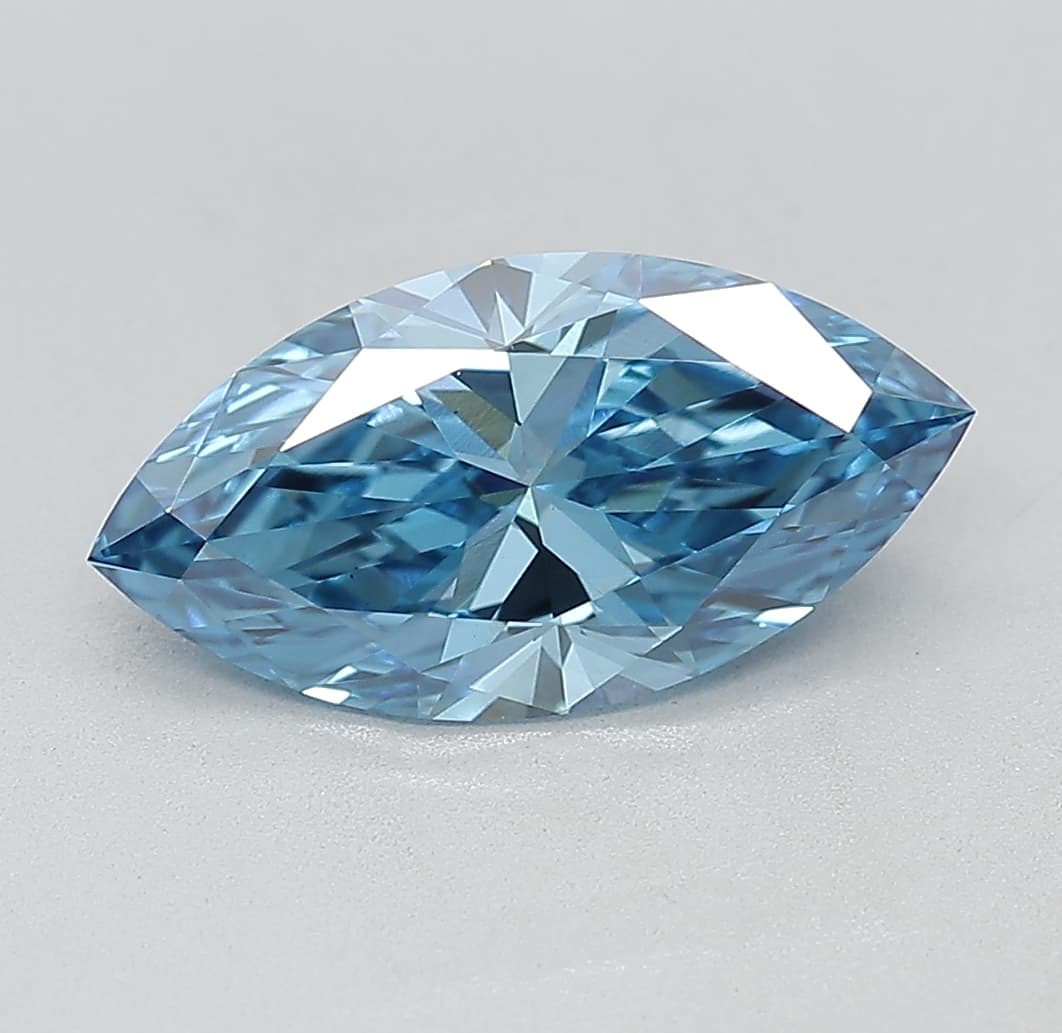
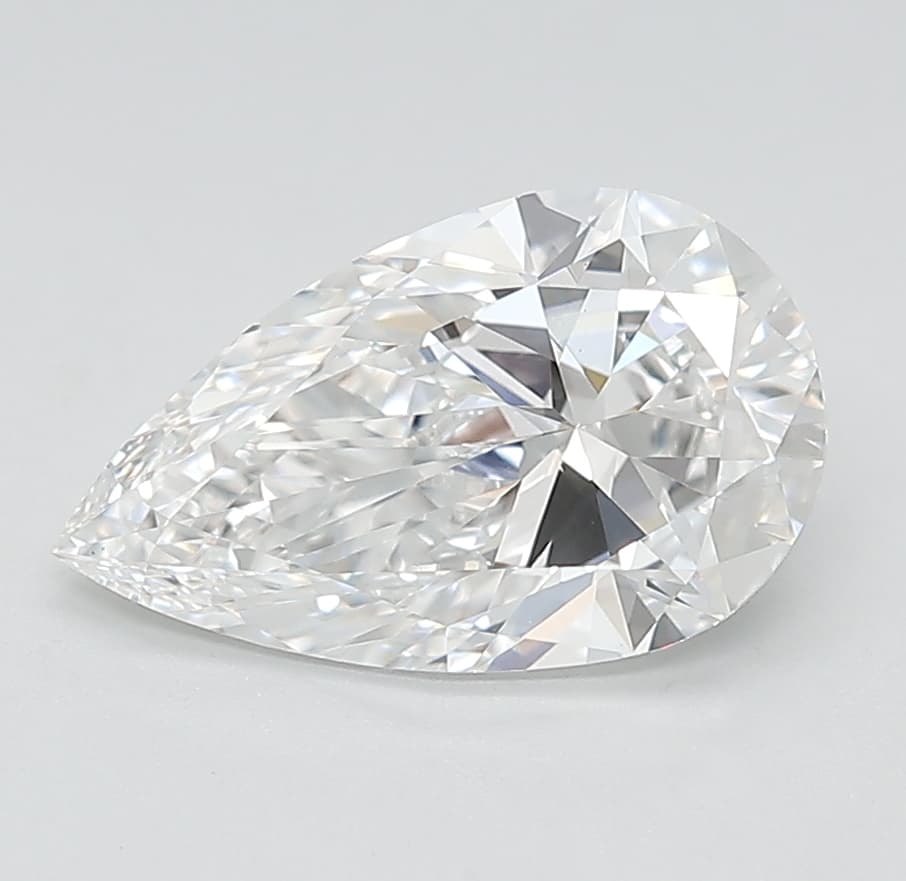
Carat for carat, elongated shapes look biggest: a marquise, oval or pear typically shows roughly 10 to 15 percent more face-up area than a round of the same weight, while princess, square radiant and asscher cuts show less because they carry more weight below the girdle. Within any shape, a higher length-to-width ratio and a sensible, not excessive, depth add spread, so compare the millimeters.
Why some shapes face up larger
A diamond’s weight is its whole volume, but you only see its outline from above. Two things decide how much of the weight ends up in that outline:
- How deep the shape is cut. Depth is measured against the width of the stone. In an elongated shape the width is the short side, so the depth stays modest while the length stretches out. More of the weight goes into length you can see.
- How much of the outline is filled. A square fills its outline completely; points and rounded ends leave some of the length-by-width rectangle empty.
Shapes such as princess, asscher and square radiant are typically cut deep, with depths often from the mid-60s to over 70 percent of the width, so a lot of their weight sits in the pavilion. Elongated brilliants such as ovals, pears and marquises are typically cut around 60 to 63 percent, and spread their weight along their length.
Approximate face-up area by shape at 2 carats
The table compares typical well-proportioned 2 carat stones. Sizes come from commonly used weight formulas with typical depths for each shape; face-up area is estimated from length and width with a factor for the outline (an ellipse for rounds and ovals, less for points, a little less than a full rectangle for cut corners). Actual stones vary by 5 percent or more either way, so treat this as a guide to tendencies:
| Shape | Ratio used | Approx. size | Approx. face-up area | Compared with a round |
|---|---|---|---|---|
| Marquise | 1.95 | 12.9 × 6.6 mm | 59 mm² | about 15% more |
| Oval | 1.45 | 10.4 × 7.1 mm | 58 mm² | about 13% more |
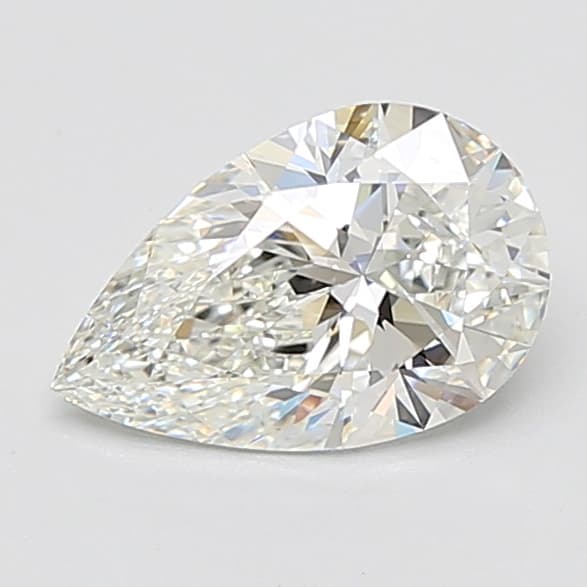
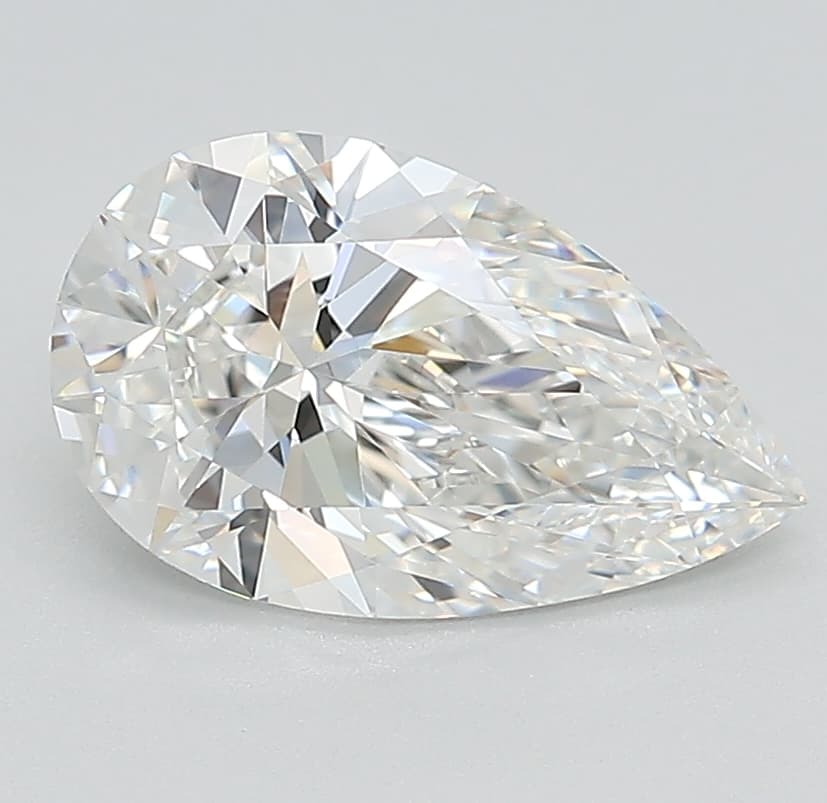
| Pear | 1.60 | 11.2 × 7.0 mm | 57 mm² | about 11% more |
| Cushion, elongated | 1.40 | 9.2 × 6.6 mm | 57 mm² | about 10% more |
| Radiant, rectangular | 1.45 | 9.2 × 6.3 mm | 55 mm² | about 7% more |
| Round | 1.00 | 8.1 mm | 52 mm² | — |
| Emerald | 1.45 | 8.8 × 6.0 mm | 50 mm² | about 3% less |
| Cushion, square | 1.05 | 7.5 × 7.1 mm | 50 mm² | about 3% less |
| Radiant, square | 1.03 | 7.3 × 7.0 mm | 47 mm² | about 8% less |
| Princess | 1.01 | 6.9 × 6.9 mm | 47 mm² | about 9% less |
| Asscher | 1.02 | 7.0 × 6.9 mm | 44 mm² | about 15% less |
Because every dimension scales with the cube root of weight, these percentages stay roughly the same at 1 carat or 5 carats. Notice that the shape name matters less than the outline: an elongated cushion or radiant spreads larger than a round, while a square one spreads smaller.
| Shape | Stones | Median length (mm) | Median width (mm) |
|---|---|---|---|
| Marquise | 9 | 13.22 | 6.72 |
| Oval | 14 | 10.68 | 7.21 |
| Pear | 29 | 11.57 | 7.12 |
| Cushion | 5 | 9.56 | 6.69 |
| Radiant | 35 | 9.28 | 6.38 |
| Round | 17 | 8.20 | 8.26 |
| Emerald | 5 | 8.83 | 5.83 |
| Princess | 3 | 7.03 | 6.91 |
Length and width tell different stories
Face-up area is not the only thing the eye reads. Length stands out, so elongated stones often look even larger than their area suggests, and they make the finger look longer and slimmer.
Width is a different matter. In the table, a 2 carat marquise is about 6.6 mm wide, while a 2 carat round is about 8.1 mm. If what you want is coverage across the finger, a round, a fuller oval or a heart covers more of it than a slender marquise. Our post on how big a 2 carat oval looks works through finger coverage size by size.
Hearts are a special case: they are often cut a little wider than long, so they look broad on the hand, while their cleft and point leave some of the outline empty. Their face-up area is roughly in line with a round of the same weight.
Ratio and depth within a shape
Within one shape, two settings change the spread:
- Length-to-width ratio. At 2 carats, an oval at a ratio of 1.30 shows roughly 56 mm², and one at 1.70 roughly 61 mm². Higher ratios add mostly length.
- Depth percentage. A stone cut deeper than usual hides weight below the girdle. A 2 carat oval at 64% depth faces up around 56 mm², against around 60 mm² at 58%.
There is a limit. A stone cut too shallow can show windowing, a see-through, washed-out center, and a very thin girdle is more vulnerable to chips. The goal is a stone within the common ranges for its shape, not the largest possible spread.
Antique and less common shapes
- Old European: a round antique cut with a smaller table and a higher crown. It usually faces up a little smaller than a modern round of the same weight, in exchange for its broad, flashy sparkle.
- Old miner: a cushion-like antique cut. Square ones face up like a square cushion; elongated ones spread more.
- Dutch marquise: pointed at both ends like a marquise, but with straighter, more angular sides. It looks just as long, but stones are sometimes cut deeper than a classic marquise, so compare the measurements rather than assuming the same spread.
Choosing between spread and sparkle
If looking big for the weight is your priority, start with an oval, pear or marquise, choose a ratio toward the longer end of the common range, and compare length × width on the IGI reports or stone pages. A slim band and fine prongs make the stone look larger by contrast, and a halo adds visible size around it.
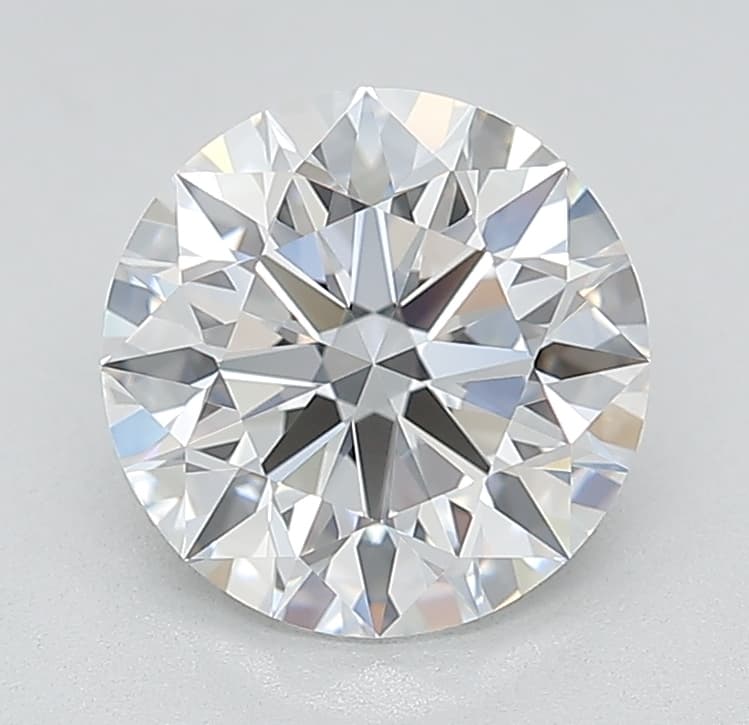
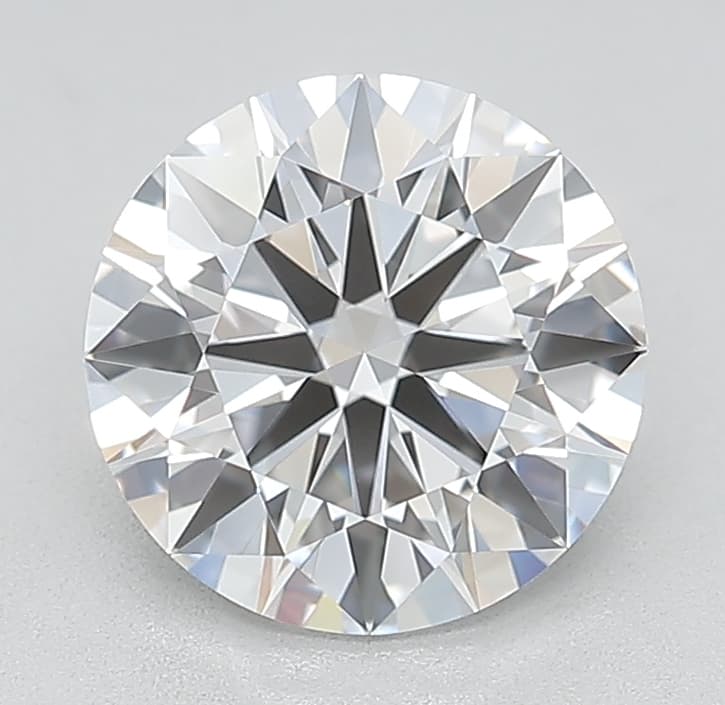
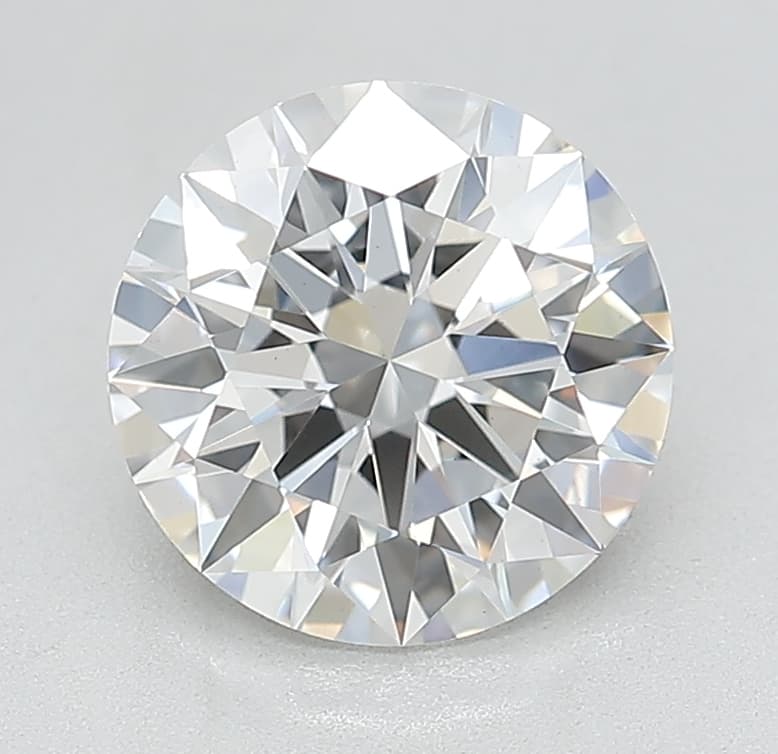
Then let the cut have the final say. A well-cut round with slightly less spread can look brighter, and bigger in practice, than a poorly cut fancy shape. The best way to choose is to compare a few actual stones of the same weight. The suggestions below show live elongated shapes and rounds from 2.00 to 2.49 carats side by side, and a diamond specialist can help you compare their measurements and videos.
A well-cut round with slightly less spread can look brighter, and bigger in practice, than a poorly cut fancy shape. Compare a few actual stones of the same weight.
Frequently asked questions
Which diamond shape looks the biggest?
Elongated shapes look biggest for their weight. A marquise, oval or pear typically shows roughly 10 to 15 percent more face-up area than a round of the same carat weight, and its length makes it look larger still. Elongated cushions and radiants also spread more than a round.
Does an oval diamond look bigger than a round of the same carat weight?
Usually, yes. At common ratios an oval has roughly 10 to 15 percent more face-up area than a round of the same weight, and it looks longer. A round is a little wider, though, so it covers more of the finger’s width.
Which diamond shape looks smallest for its carat weight?
Shapes that are cut deep, such as asscher, princess and square radiant, tend to face up smallest for their weight, because more of the weight sits below the girdle. They are chosen for their look and sparkle rather than for spread.
Does a deeper diamond look smaller?
Yes. A stone cut deeper than the common range for its shape carries more weight below the girdle, so it faces up smaller than its carat weight suggests. Compare the length and width on the stone pages or IGI reports of stones with similar weights.
Glossary terms in this article
More on Color & Carat in the journal.