Rings & Jewelry
Halo or No Halo: Choosing Center Stone Size and Shape
By the Vanora Diamond team
Published Last reviewed 5 min read

Quick answer
A halo frames the center diamond with a ring of small stones, so the ring’s overall footprint is larger than the center stone alone; a solitaire shows only the center, so the center has to carry all of the size you want. Round, cushion and oval centers are the classic halo shapes, and every shape needs a halo made to its exact measurements, so choose the loose center stone first either way.
What a halo does, and what it does not
A halo is a border of small diamonds, often called melee, set close around the center stone. It usually follows the center’s outline, and it is often paired with small stones set along the band.
What a halo does:
- Enlarges the footprint: the ring’s face-up outline becomes the center plus the halo, which reads as a bigger shape from a distance.
- Adds sparkle around the edge: many small facets catch light around the center.
- Protects the girdle to some degree, because the halo sits around the stone’s edge.
What it does not do is change the center stone. Up close, the center’s own size, cut and color are still what you see first. A hidden halo, set under the center where it shows mainly from the side, adds sparkle to the profile without changing the face-up outline.
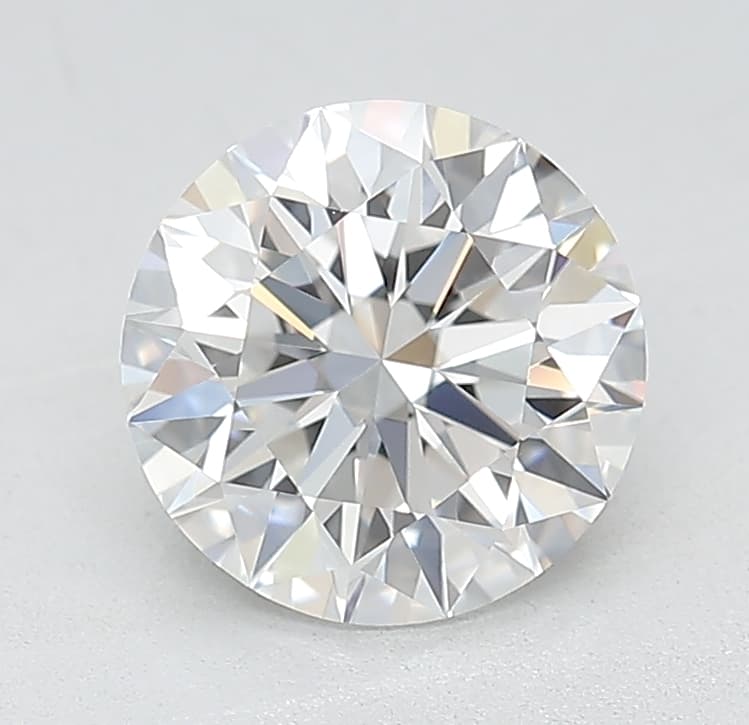
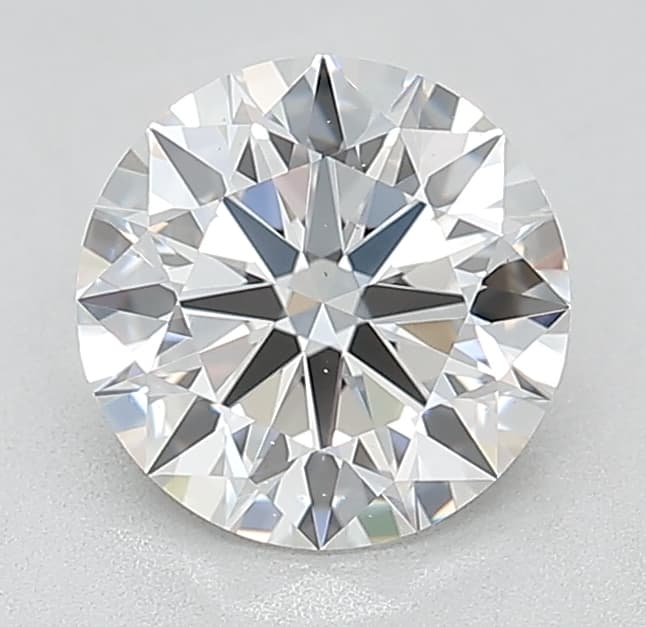
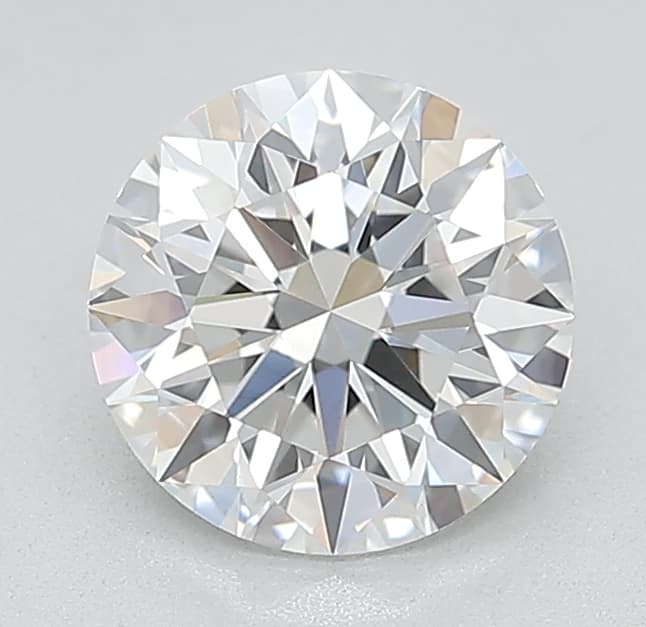
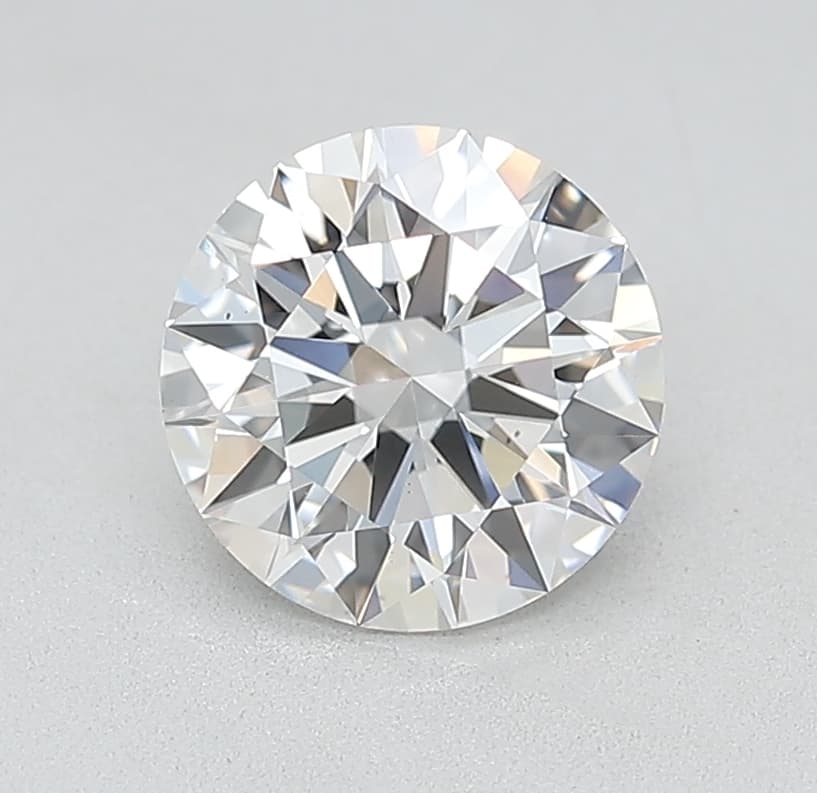
You choose the loose lab-grown center stone with us; the halo and its small stones come from a jeweler of your choice, who builds the setting around your center.
Center stone size with a halo and without
| Question | Solitaire | Halo |
|---|---|---|
| What sets the face-up size? | The center stone alone | The center plus the halo |
| Where does the eye go? | Straight to the center’s outline and cut | The overall shape, then the center |
| Shapes that suit it | Any shape | Rounds, cushions and ovals especially; any shape with a fitted halo |
| Maintenance | Prongs to check | Prongs plus many small stones to check and clean |
A halo adds roughly the width of one small stone plus a little metal on each side, so it enlarges the outline by a few millimeters overall. The exact figure depends on the size of the halo stones, so ask your jeweler for the finished outer dimensions.
That leads to two ways of choosing. With a halo, you can choose the center for its own beauty and let the halo add presence. With a solitaire, put more of your decision into the center’s face-up size, because nothing else adds to it. Either way, compare millimeters rather than carats; our carat weight guide explains why.
On a smaller finger, a large center with a halo can cover most of the finger’s width. Check the planned outer size against the ring size to mm chart.
Which center shapes suit a halo
- Round: the simplest halo, an even circle of small stones.
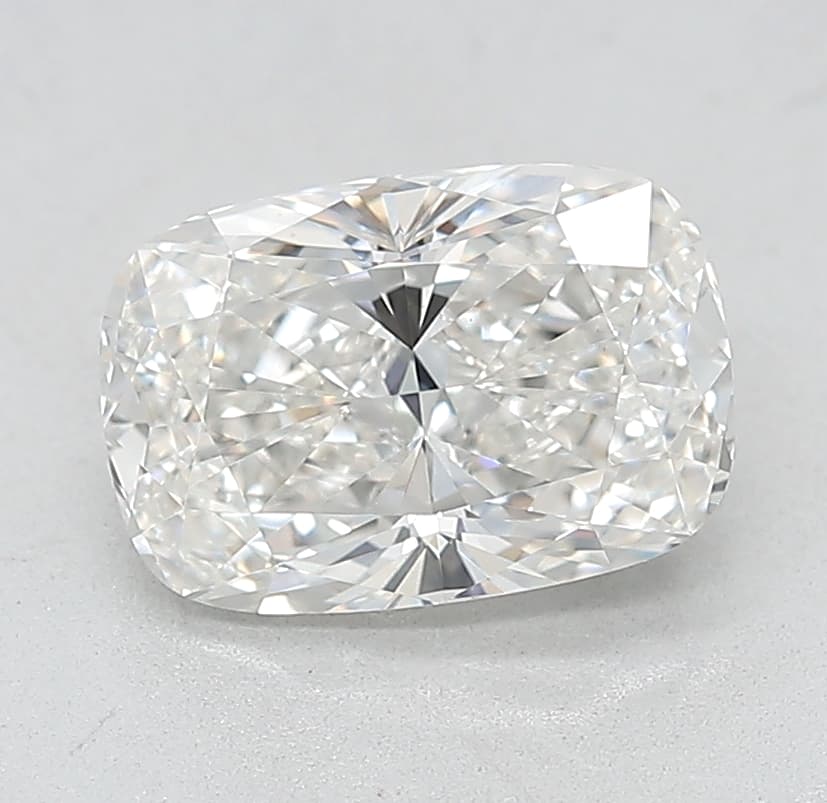
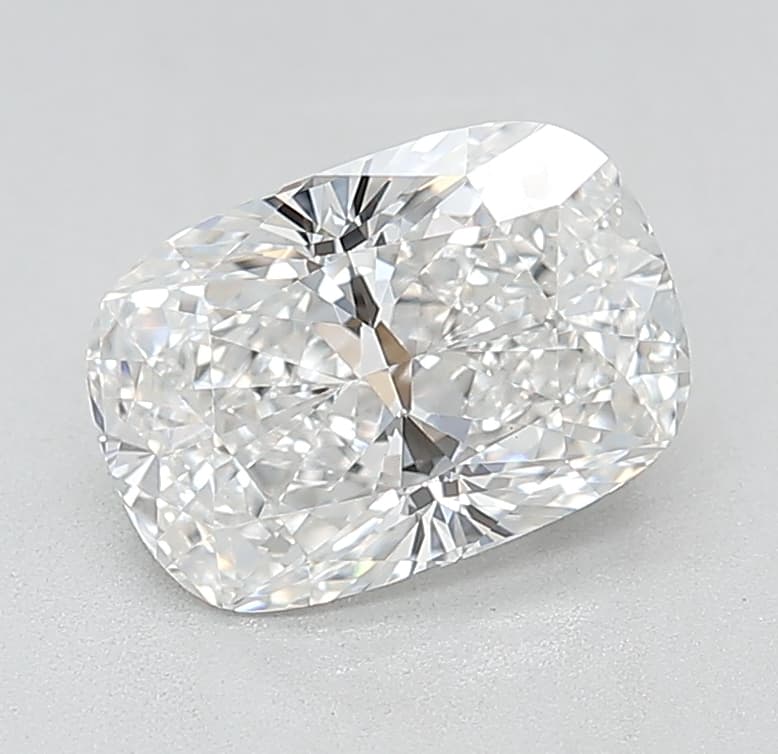
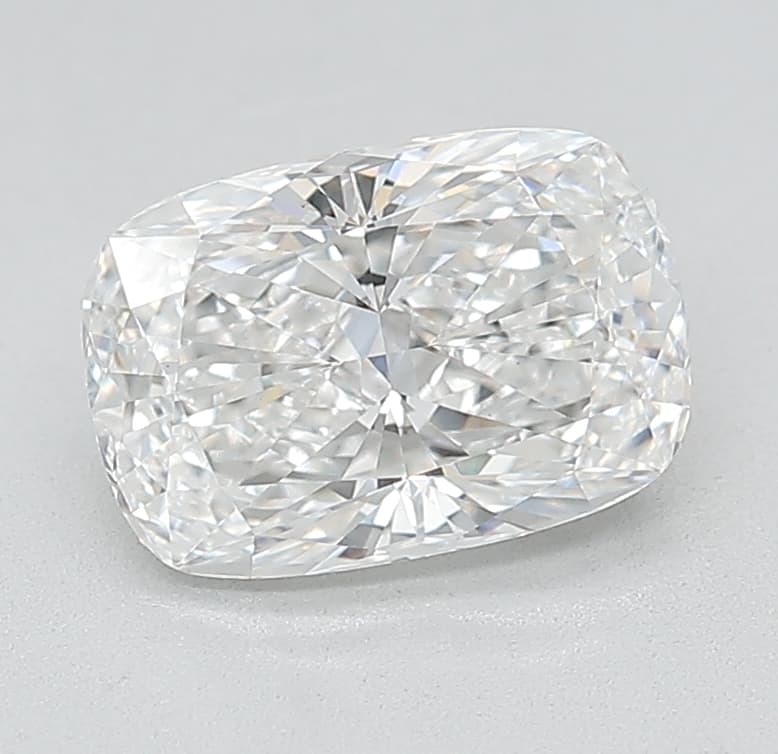
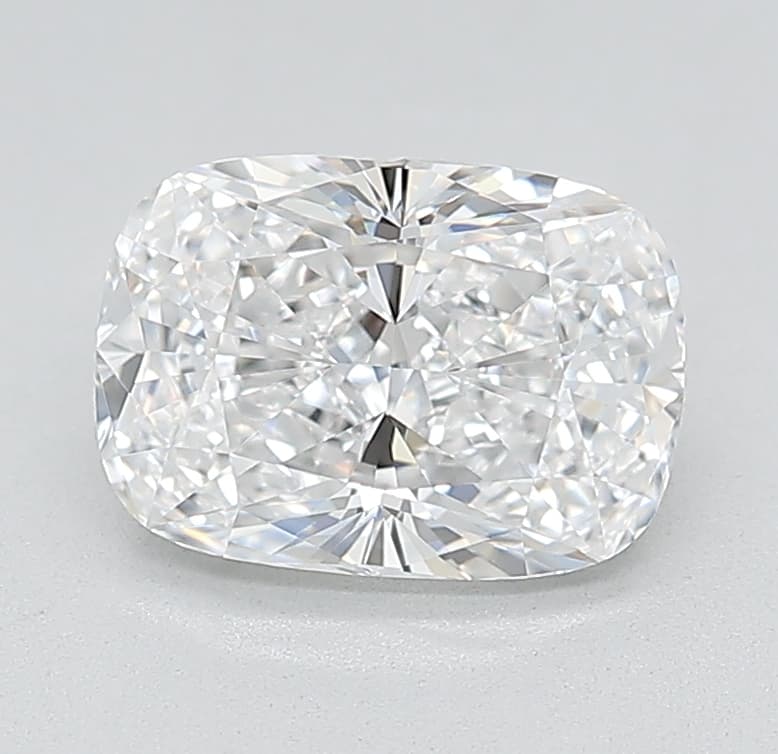
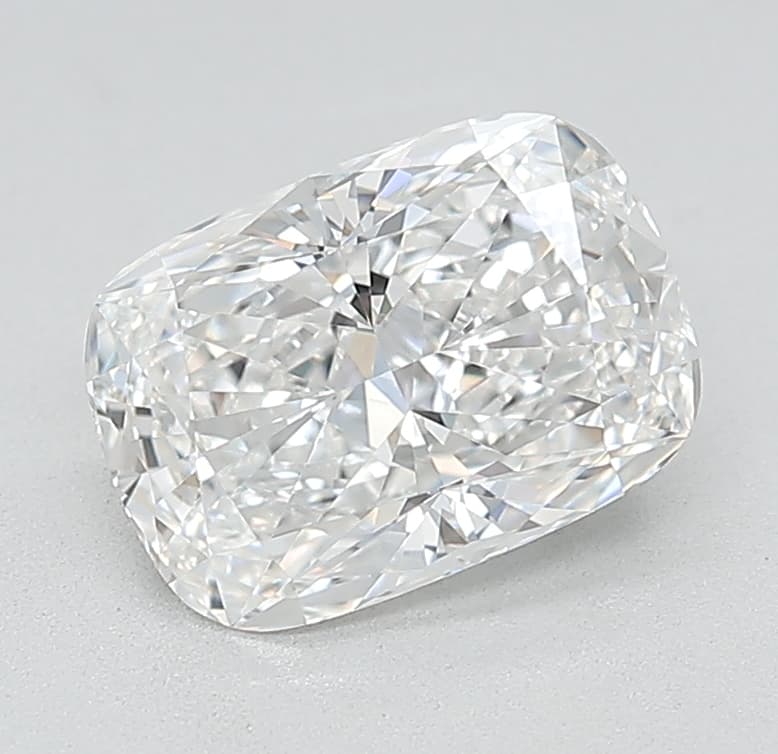
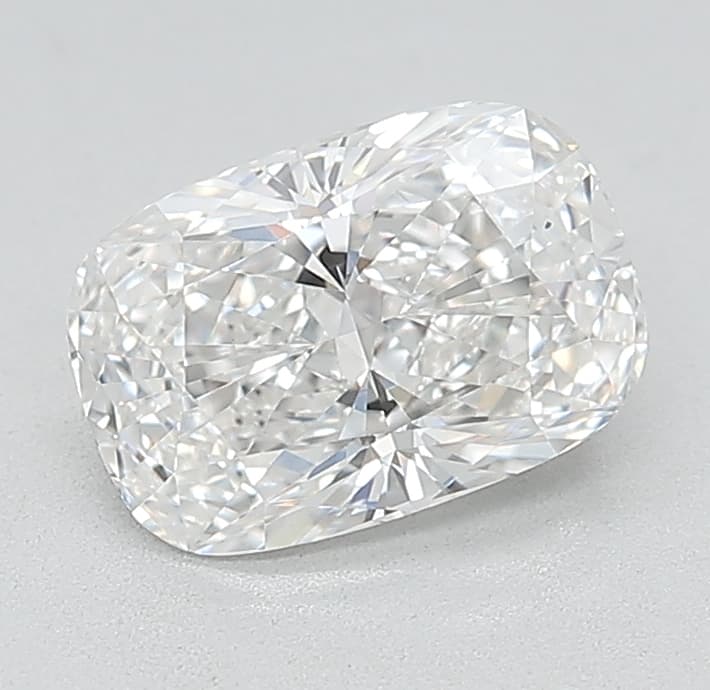
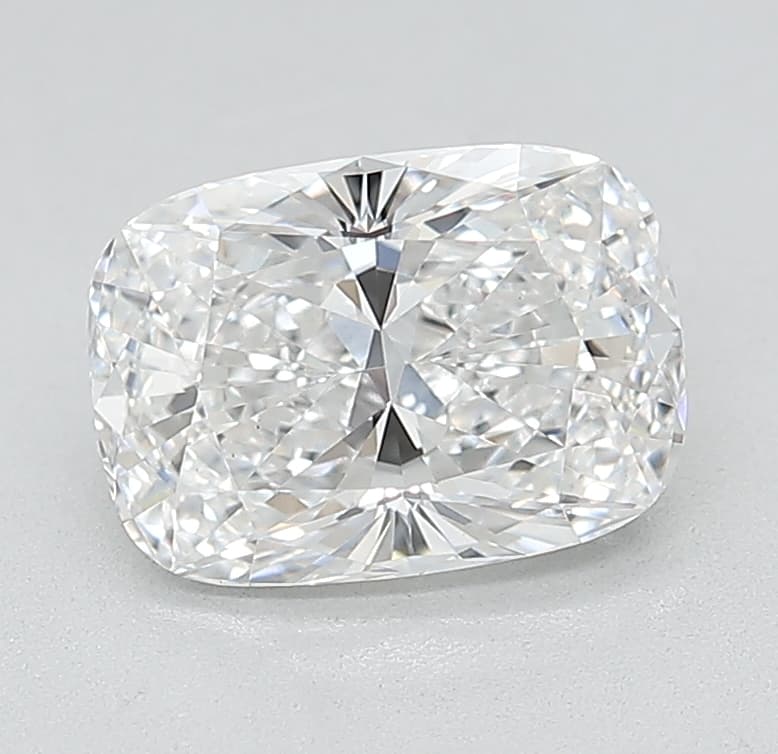
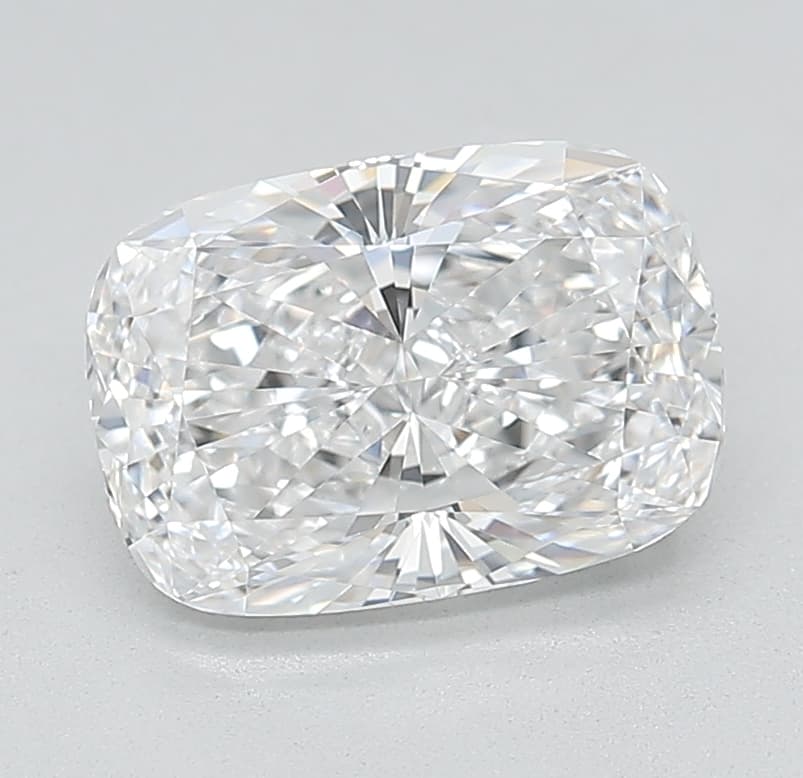
- Cushion: a classic halo shape; the halo can follow the cushion’s outline or turn it into a round footprint.
- Oval: a halo emphasizes the elongated outline.
- Pear, marquise and heart: the halo traces the points, so the center’s outline symmetry matters even more; a crooked point produces a crooked halo.
- Emerald and radiant: a fitted halo with crisp corners suits the straight sides; a soft, rounded halo changes the character of the shape.
- Princess: a halo surrounds the sharp corners, though each corner still needs its own prong or protection.
Because the halo is made to the center’s outline, an even outline with mirrored sides is worth more in a halo ring than in a solitaire.
- Typical L/WAbout 1.00
- Typical L/W1.00–1.05 square1.10–1.30 elongated
- Typical L/W1.30–1.50
- Typical L/W1.45–1.75
- Typical L/W1.30–1.50
- Typical L/W1.00–1.05
Halo styles worth knowing
"Halo" covers several designs, and each one changes how much the center has to do:
- Fitted halo: follows the center’s outline closely, so an oval stays an oval and a pear stays a pear. It adds presence without changing the shape.
- Contrasting halo: a different outline from the center, such as a cushion center inside a round halo. The overall footprint takes the halo’s shape.
- Double halo: two rows of small stones. It enlarges the footprint further and suits designs where the overall shape matters more than the center alone.
- Hidden halo: a row of small stones under the center, visible mainly from the side. The face-up look stays close to a solitaire.
Ask your jeweler for a drawing at actual size with the center’s real measurements; it is the easiest way to compare styles before anything is made.
Ask your jeweler for a drawing at actual size with the center’s real measurements. It is the easiest way to compare halo styles before anything is made.
Color and the halo
The small stones in a halo are usually colorless or near colorless. Sitting right next to them, the center is compared with them all the time. A center noticeably warmer than its halo can look warmer than it would in a solitaire, so ask your jeweler what color range the halo stones will be and keep the center within or above it.
Contrast works the other way for fancy colors. A pink or blue center framed by white stones looks more saturated by comparison, a contrast that halo designs can use on purpose. Our post on diamond color and metal covers how the metal adds to the effect.
When a solitaire is the better choice
A solitaire tends to suit you if:
- you want the stone’s own outline and cut to be the whole design, especially with an emerald cut, whose calm step-cut look can feel busy inside a halo;
- you prefer fewer small stones to check and clean;
- you want a straightforward fit next to a wedding band;
- you may want to resize later, which is usually simpler with a plain band than with a band set with small stones all the way round.
Our solitaire center stone guide covers choosing a stone that carries the ring on its own.
Choosing the center either way
The quality rules do not change with the design: aim for a lively cut, an eye-clean stone and a color that suits the metal and the halo stones.
- Decide halo or solitaire, at least provisionally, because it changes how much size the center needs to carry.
- Shortlist centers by shape and face-up measurements.
- Check outline symmetry, especially for a halo.
- Share the length, width and depth with your jeweler before you buy, so the halo or head is made to that stone.
A halo can also be added later: a jeweler can make a new head for the same stone. The suggestions below are centers that suit either design, and our specialists can help you compare them.
Frequently asked questions
Does a halo make the center diamond look bigger?
A halo makes the ring’s overall face-up outline larger, which reads as a bigger shape from a distance. Up close, the center stone’s own size is unchanged, so choose the center for the size and quality you want to see at close range.
What size center stone works with a halo?
Any size can work. A halo adds roughly the width of one small stone plus a little metal on each side, so check the finished outer dimensions with your jeweler and compare them with the width of the finger, especially for larger centers on smaller fingers.
Do halo rings need more maintenance than solitaires?
Usually a little more. A halo has many small stones, each held by tiny prongs or beads of metal, so it is worth having a jeweler check the setting from time to time and cleaning around the small stones, where dirt collects.
Can I add a halo to a solitaire later?
Often, yes. A jeweler can make a new head with a halo for the same center stone, built to its exact measurements. The diamond itself is not changed.
Glossary terms in this article
More on Rings & Jewelry in the journal.