Skip to contentसीधे मुख्य सामग्री पर जाएँસીધા મુખ્ય સામગ્રી પર જાઓ
Vanora Diamond

Diamond glossary

Depth percentage

Last reviewed

Definition

Depth percentage, or total depth, is a diamond’s height from the table to the culet divided by its width (the average diameter for a round), expressed as a percentage.

Diagram
Parts of a diamond: side view of a round brilliantThe flat table is on top. The crown slopes down from it to the girdle, the thin band at the widest point. Below the girdle the pavilion narrows to the culet at the bottom. The diameter is measured across the girdle and the total depth from the table to the culet. Highlighted: the total depth, from the table to the culet; divided by the diameter it gives the depth percentage.DiameterDepthTableCrownGirdlePavilionCulet
The parts of a round brilliant diamond, seen from the side. Highlighted: the total depth, from the table to the culet; divided by the diameter it gives the depth percentage.

It is not the same as the depth in millimeters. The measurements line on an IGI report, or a GIA report issued before October 2025, gives the size, for example 6.45 - 6.48 x 3.99 mm for a round. Dividing the depth (3.99 mm) by the average diameter (about 6.47 mm) gives a total depth of about 61.7%, the figure printed on the report’s proportions diagram. GIA’s laboratory-grown assessment, issued since October 2025, prints the depth percentage but no measurements in millimeters. For fancy shapes, the depth is divided by the width, not the length.

Common guideline ranges

Commonly cited ranges, which vary slightly between sources:

Shape Common depth range
Round 59% to 62.5%
Oval 58% to 63%
Pear 58% to 64%
Radiant 61% to 67%
Cushion, emerald 61% to 68%
Princess 64% to 75% (often 68% to 74%)

Why it matters

Depth controls how light travels inside the stone and how much weight sits where you cannot see it from above.

  • Too deep: extra weight is hidden below the girdle, so the stone faces up smaller than its carat weight suggests, and the center can look dark.
  • Too shallow: the stone spreads wide for its weight, but light can pass straight through the pavilion and leave a washed-out "window" in the middle.

Total depth is the sum of crown height, girdle thickness and pavilion depth, so two stones with the same figure can be built quite differently. For round brilliants, the cut grade accounts for this. For fancy shapes, compare the depth with the table and watch a video before you decide.
Back to the full glossary

Shop live stock

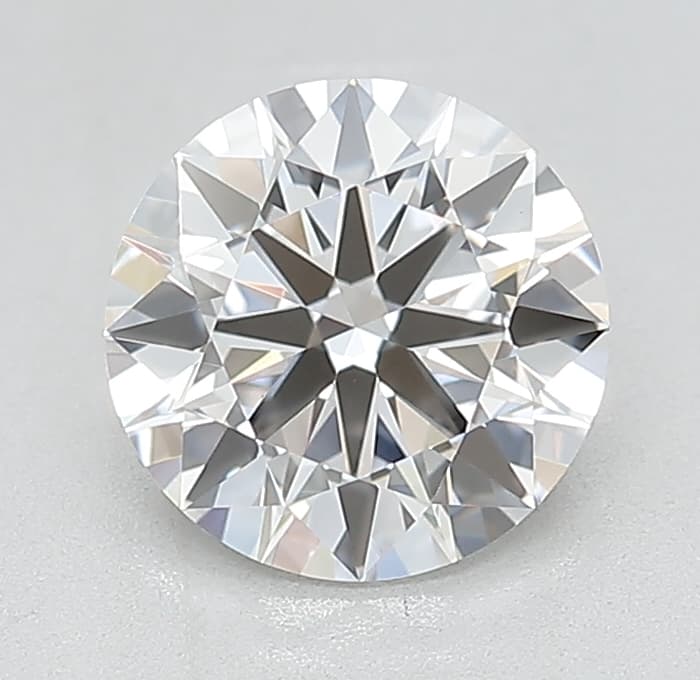
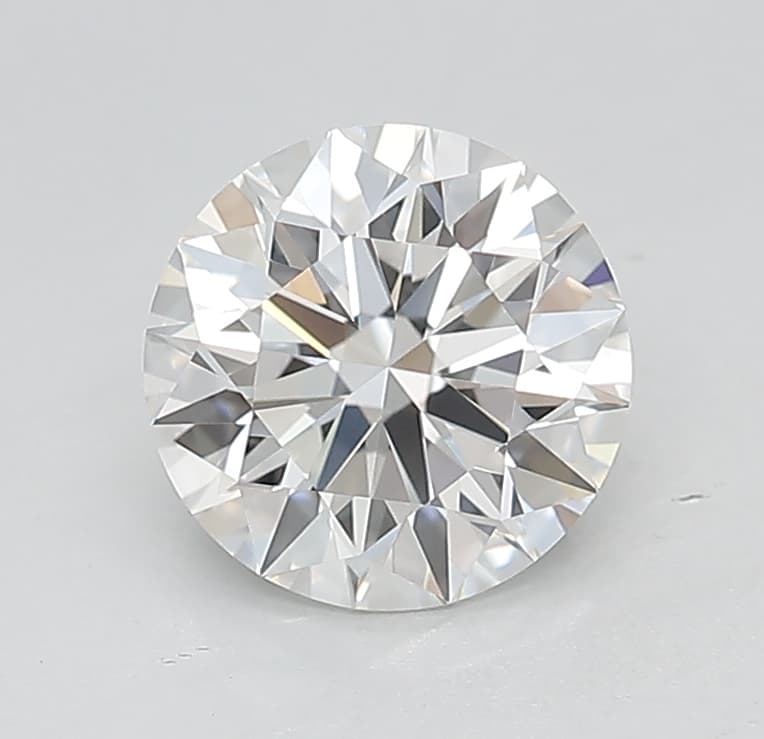
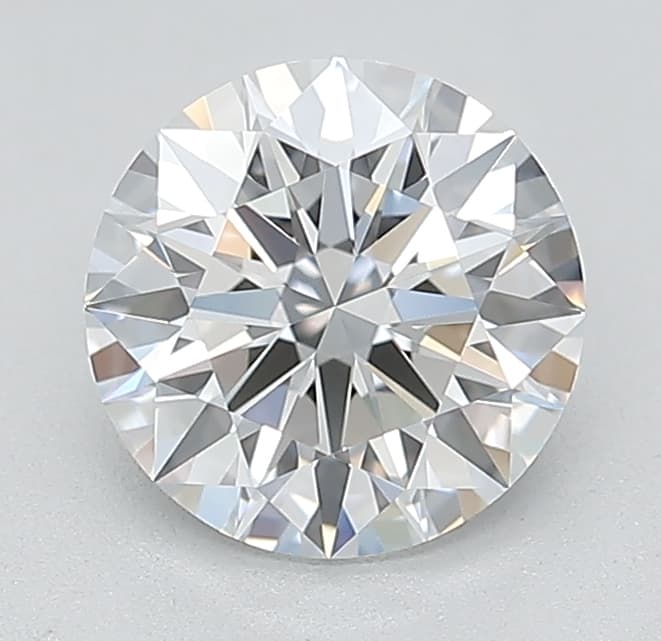
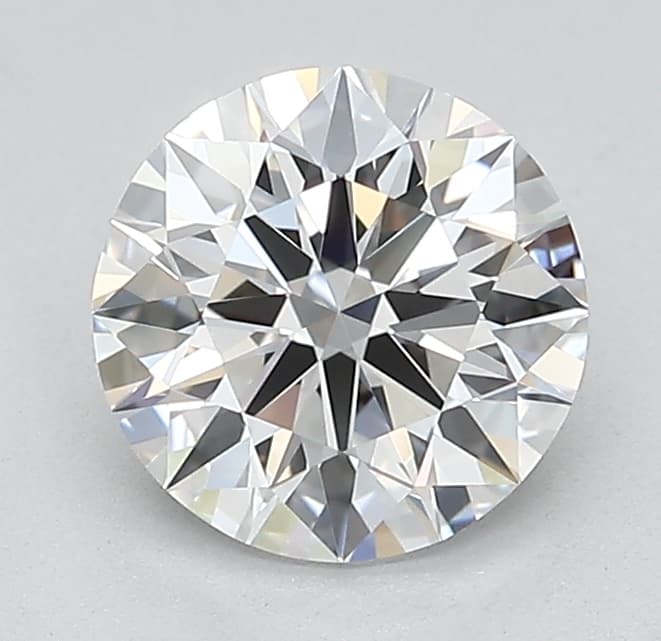
Round lab-grown diamonds with a total depth of 59% to 62.5%

479 lab-grown diamonds listed now.

See all: Round lab-grown diamonds with a total depth of 59% to 62.5%
  • Diamond Cut

    What a diamond cut grade measures, how IGI and GIA grade cut, the proportions that matter for round and fancy shapes, and how to judge cut before you buy.

  • Carat Weight

    What carat weight measures, how it relates to a diamond’s face-up size, approximate round diameters by carat, and how cut and shape change the spread.

  • Round

    How to choose a round lab-grown diamond: what the cut grade means, commonly used table, depth and angle ranges, what to check, and size by carat weight.

Talk to a specialist

Ask about any of our stones, arrange a viewing, or tell us your specification and we will suggest the closest matches. We confirm every stone live before any hold, and stay with you from search to delivery.

Or email info@vanoradiamond.com

Lab-grown diamonds

Your cart

Your cart is empty.

Add a lab-grown diamond from its page or the diamond list.

Browse lab-grown diamonds