Guide
Diamond Cut: How Cut Grades Work for Lab-Grown Diamonds
Last reviewed
Quick answer
Cut is how well a diamond’s facets are proportioned, aligned and finished, and it affects brightness and life more than color, clarity or carat. For round brilliants, IGI and GIA reports (not GIA’s lab-grown assessment) give an overall cut grade: aim for Ideal (IGI) or Excellent (GIA) with Excellent polish and symmetry. Fancy shapes can get a cut grade from IGI, not GIA; judge them also by proportions, symmetry and a video.
What a cut grade measures
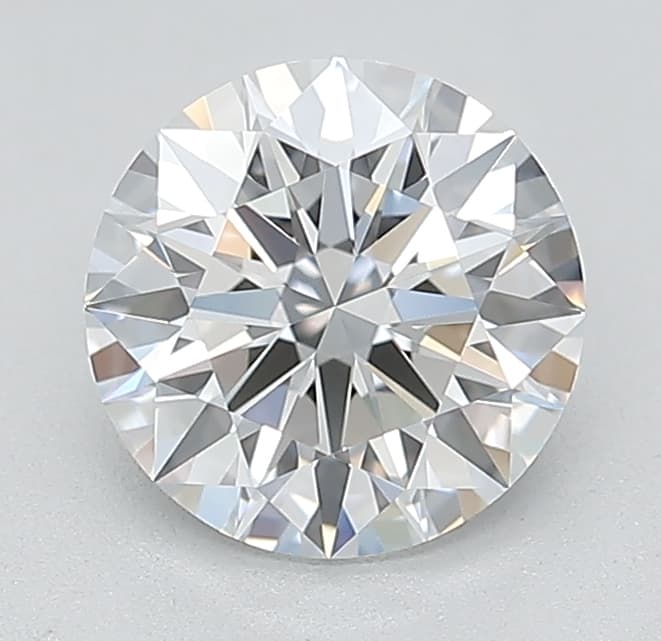
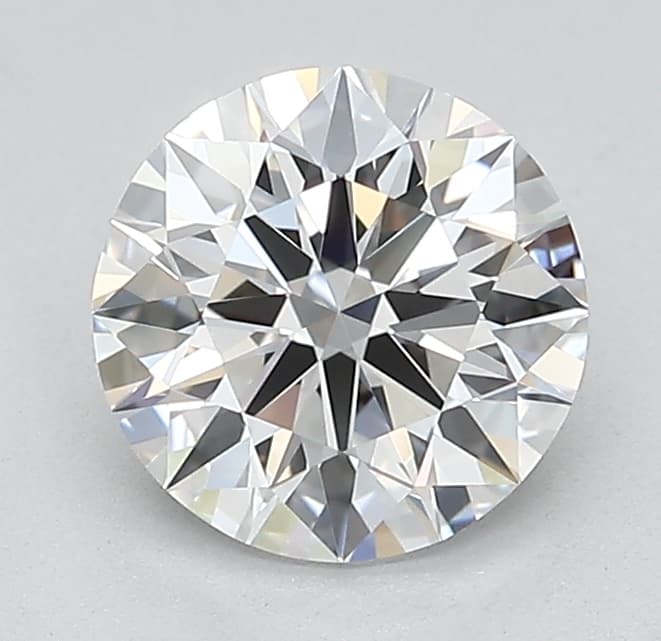
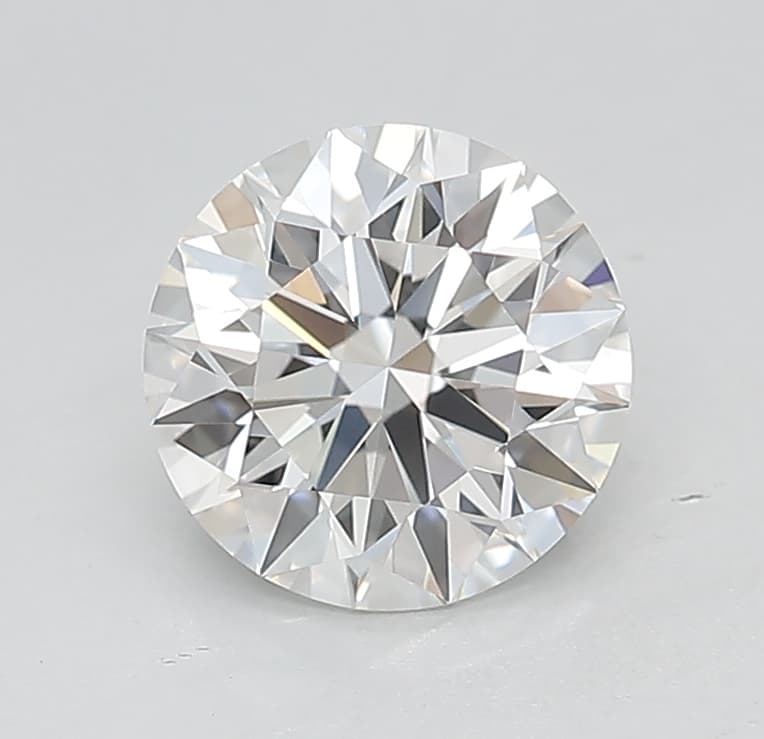
A cut grade is about how a diamond handles light, not about its shape. "Oval" or "pear" is the shape; cut is how well that shape has been faceted. A well-cut diamond returns light that enters through the top back out through the top. A poorly cut one lets light escape through the bottom or sides, so parts of the stone look dark or glassy.
Gemologists describe the result in three ways:
- Brightness: the white light reflected back to your eye.
- Fire: flashes of spectral color, caused by the diamond splitting white light (dispersion).
- Scintillation: the sparkle and the pattern of light and dark areas you see as the stone or your head moves.
Laboratory-grown diamonds have the same optical properties as mined diamonds, so the same cut rules apply. Cut quality depends on the cutter and the proportions they chose, not on whether the rough was grown or mined.
Cut grades on IGI and GIA reports
Both labs give an overall cut grade to round brilliant diamonds, because their proportions can be measured against a well-researched model. The scales differ slightly between labs:
| Lab | Cut grades, best to lowest |
|---|---|
| IGI | Ideal, Excellent, Very Good, Good, Fair, Poor |
| GIA | Excellent, Very Good, Good, Fair, Poor |
IGI's top grade is Ideal; GIA's is Excellent. The two scales come from different labs and are not a strict one-to-one match, so when you compare stones graded by different labs, look at the actual proportions as well as the grade.
Since October 2025, GIA no longer issues color and clarity grades for colorless and near-colorless lab-grown diamonds. Its Laboratory-Grown Diamond Quality Assessment classifies each stone as Premium or Standard, and for round brilliants the cut grade is one of the criteria behind that classification, but the assessment does not print the cut grade itself. IGI reports, and GIA lab-grown reports issued from October 13, 2020 to September 30, 2025, list the full grades; earlier GIA lab-grown reports gave ranges. See our guide to diamond certificates for details.
- Ideal
- Excellent
- Very Good
- Good
- Fair
- Poor
- Excellent
- Very Good
- Good
- Fair
- Poor
- ProportionsTable, depth, crown and pavilion angles, and the girdle
- FinishPolish of the facet surfaces and the symmetry of their placement
- The result: lightBrightness, fire and scintillation, the sparkle you see as the stone moves
The proportions behind a round cut grade
A cut grade summarizes a set of measurements printed on the report. The ranges below are common guidelines used by many buyers and cutters for round brilliants with top light performance. They are not lab rules: labs grade the combination of measurements, and a stone slightly outside one range can still earn a top grade.
| Measurement | Common guideline range |
|---|---|
| Table | 54% to 58% |
| Total depth | 59% to 62.5% |
| Crown angle | 34° to 35° |
| Pavilion angle | 40.6° to 41° |
| Girdle | Thin to slightly thick |
| Culet | None or pointed |
Crown and pavilion angles work together. A slightly steeper crown can suit a slightly shallower pavilion and the reverse, which is why a single number never tells the whole story. A very thick girdle or a deep pavilion adds weight without adding visible size, so the stone faces up smaller than its carat weight suggests.
Polish and symmetry
Most reports grade two finish qualities, usually on an Excellent-to-Poor scale (GIA’s lab-grown assessment since October 2025 does not print them):
- Polish describes the smoothness of the facet surfaces: tiny polish lines or drag marks.
- Symmetry describes how precisely the facets are shaped, placed and aligned.
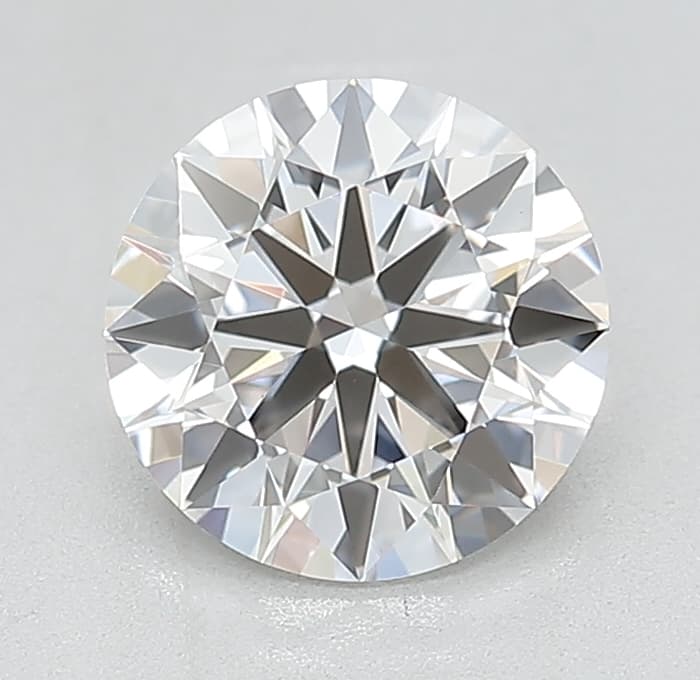
Differences between Excellent and Very Good polish are rarely visible without magnification. Symmetry has a larger visual effect, because misaligned facets disturb the pattern of light, and precise symmetry is what produces the hearts and arrows pattern in some round brilliants. A common shorthand for the best-finished rounds is "triple Excellent": Excellent (or Ideal) cut, polish and symmetry.
Judging cut in fancy shapes
IGI has graded the cut of fancy shapes, from Excellent to Poor, since September 2022; GIA does not. IGI announced it on September 1, 2022, and Ideal remains its top grade for rounds only. With or without a cut grade, you judge the cut of ovals, pears, radiants, cushions, emeralds and other fancy shapes from the measurements and from how the stone looks:
- Length-to-width ratio: sets the outline, from chunky to slender. Each shape has a range most people find balanced.
- Depth and table: each shape has its own common ranges; our shape guides list them.
- Bow-tie: a dark band across the center of ovals, pears, marquises and hearts. Almost all have some; a strong, wide bow-tie is the problem.
- Windowing: a washed-out, see-through area in the middle, usually from a pavilion that is too shallow.
- Extinction: dark areas that stay dark as the stone moves.
A clear video under even lighting tells you more than any single number. Our shape guides cover each outline in detail, starting with oval, radiant and pear.
How to choose on cut
- Round brilliants: start with the top cut grade (IGI Ideal or GIA Excellent) and Excellent polish and symmetry, then check that table and depth sit near the ranges above.
- Fancy shapes: pick the length-to-width ratio you like first, then filter on Excellent polish and symmetry and watch the video for bow-tie and windowing.
- Check the spread: compare the millimeter measurements of stones of similar weight (IGI reports print them; GIA’s lab-grown assessment since October 2025 does not). Two stones of the same carat weight can face up at noticeably different sizes.
- Ask for a second look: a specialist can review the report, video and measurements with you before you buy.
Because cut drives how a diamond looks more than any other grade, it is usually the last place to compromise. Color and clarity can often step down a grade or two with no visible difference; a poor cut is easy to see.
Frequently asked questions
What is the best cut grade for a lab-grown diamond?
For round brilliants, the top grade is Ideal on IGI reports and Excellent on GIA reports. For fancy shapes such as oval or pear, IGI’s top cut grade is Excellent and GIA gives none, so also look for Excellent polish and symmetry and check the proportions and a video.
Is an IGI Ideal cut better than a GIA Excellent cut?
They are the top cut grades of two different labs, so they are not directly interchangeable. Both indicate a well-proportioned round brilliant. When comparing across labs, compare the table, depth, crown and pavilion angles on the reports rather than the grade names alone (GIA’s lab-grown assessment since October 2025 shows table and depth but no angles).
Do oval, pear and other fancy shapes get a cut grade?
On an IGI report, they can: IGI has graded the cut of fancy shapes, from Excellent to Poor, since September 2022, while Ideal stays its top grade for rounds only. GIA gives fancy shapes no cut grade. Either way, judge the cut from the length-to-width ratio, depth and table percentages, and from a video that shows how much bow-tie or windowing the stone has.
Does cut affect how big a diamond looks?
Yes. A stone cut too deep or with a very thick girdle carries weight that does not show from the top, so it faces up smaller than a well-cut stone of the same carat weight. Compare the millimeter measurements (IGI reports print them; GIA’s lab-grown assessment since October 2025 does not), not just the carat weight.
Is cut quality different for lab-grown and natural diamonds?
No. Lab-grown and natural diamonds have the same optical properties and are graded on the same cut scales. Cut quality depends on the proportions the cutter chose and the precision of the work, not on where the rough came from.