Shapes & Cuts
The Dutch Marquise Diamond: What It Is and Who It Suits
By the Vanora Diamond team
Published Last reviewed 5 min read

Quick answer
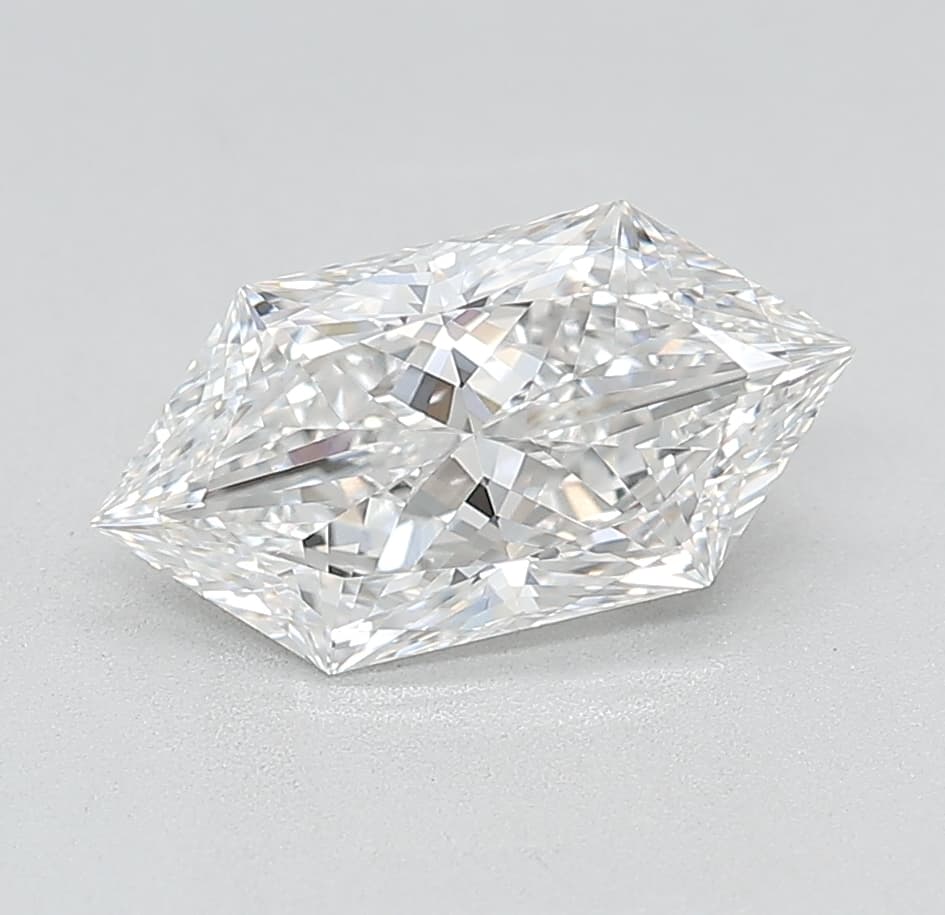
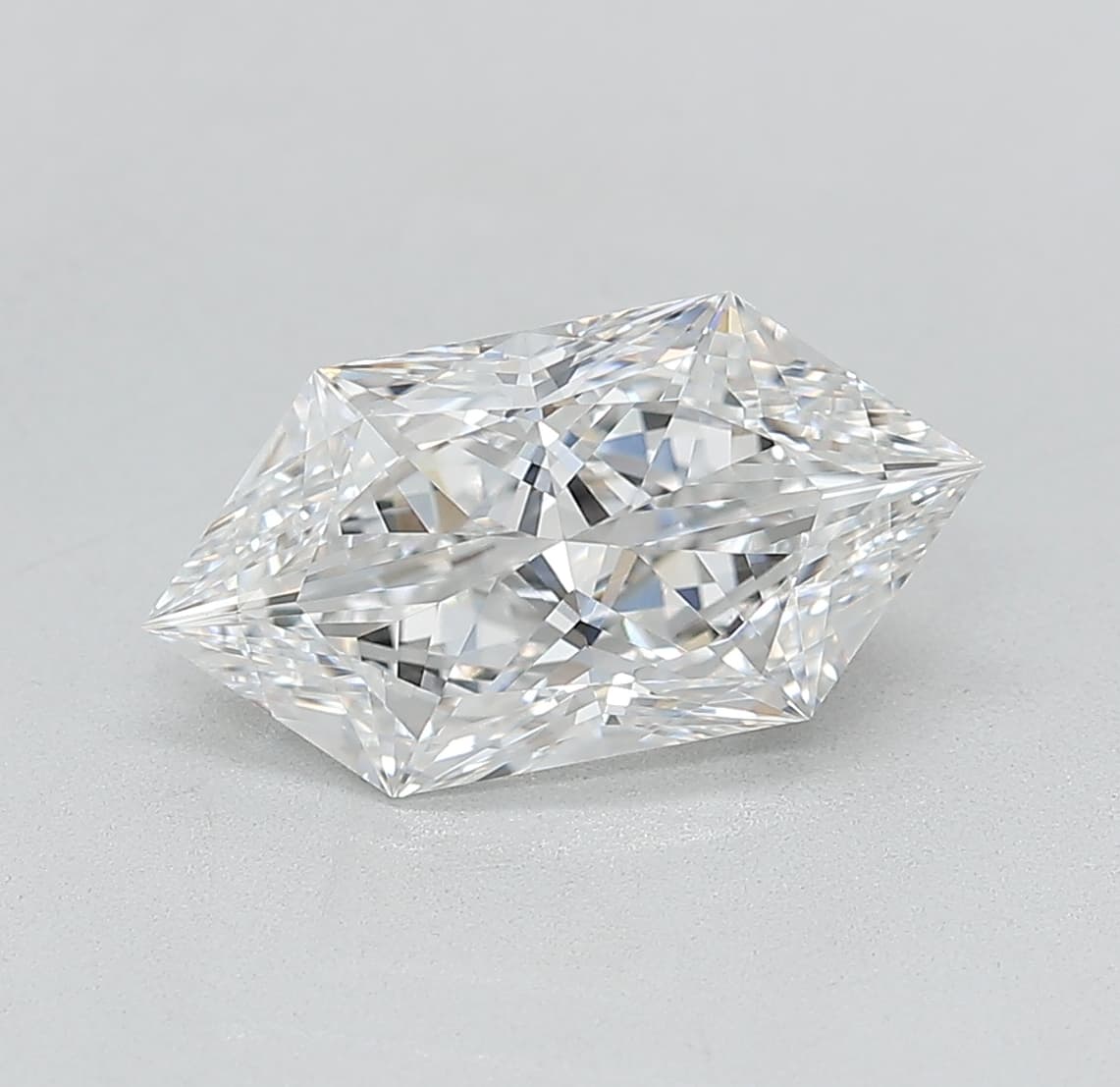
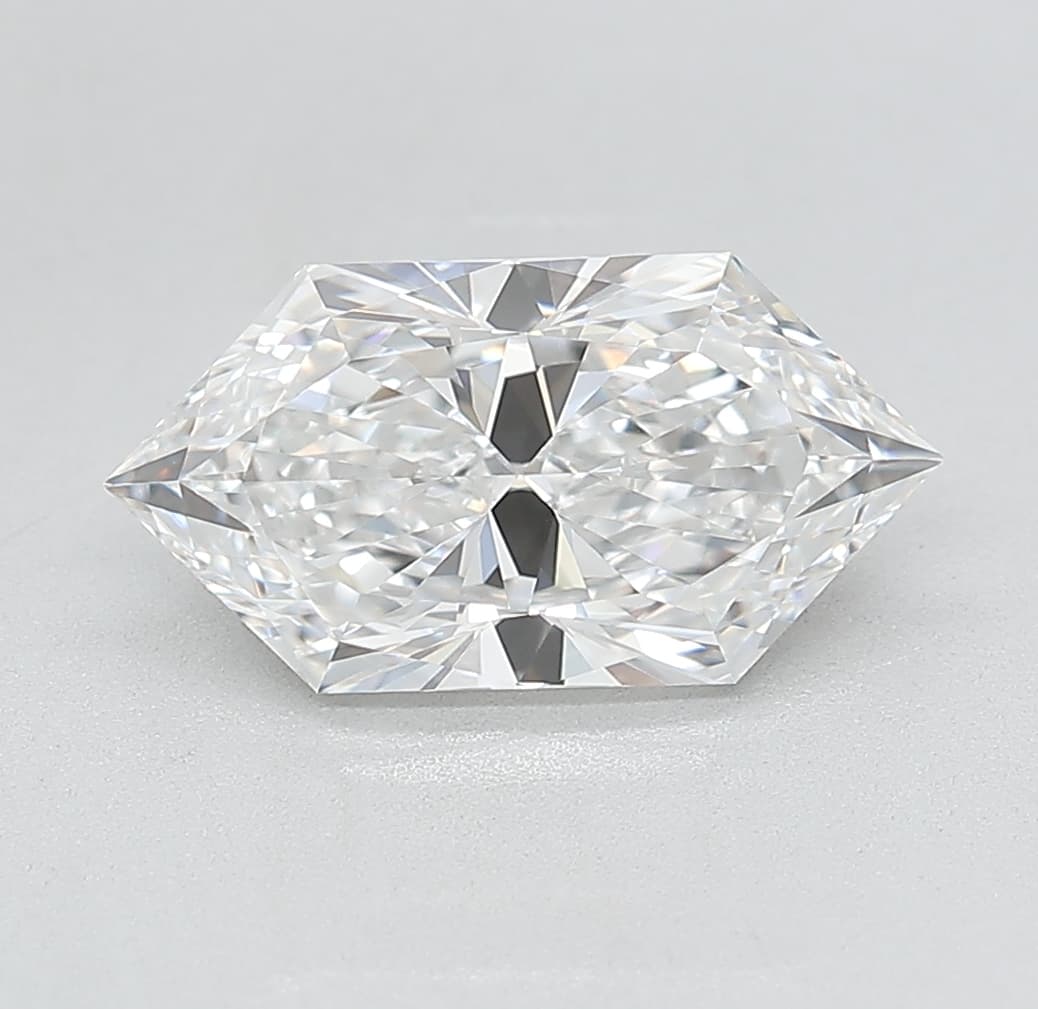
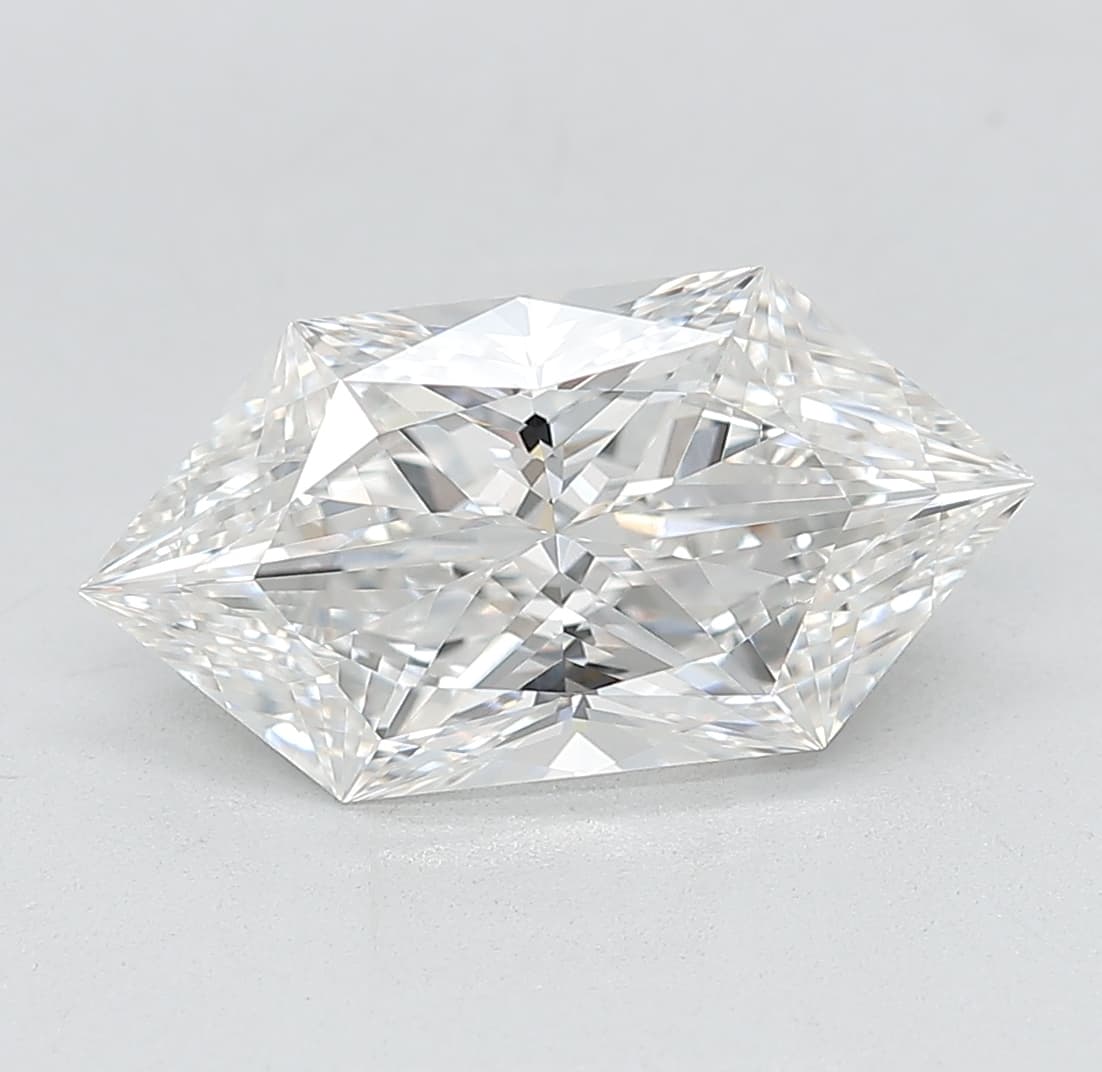
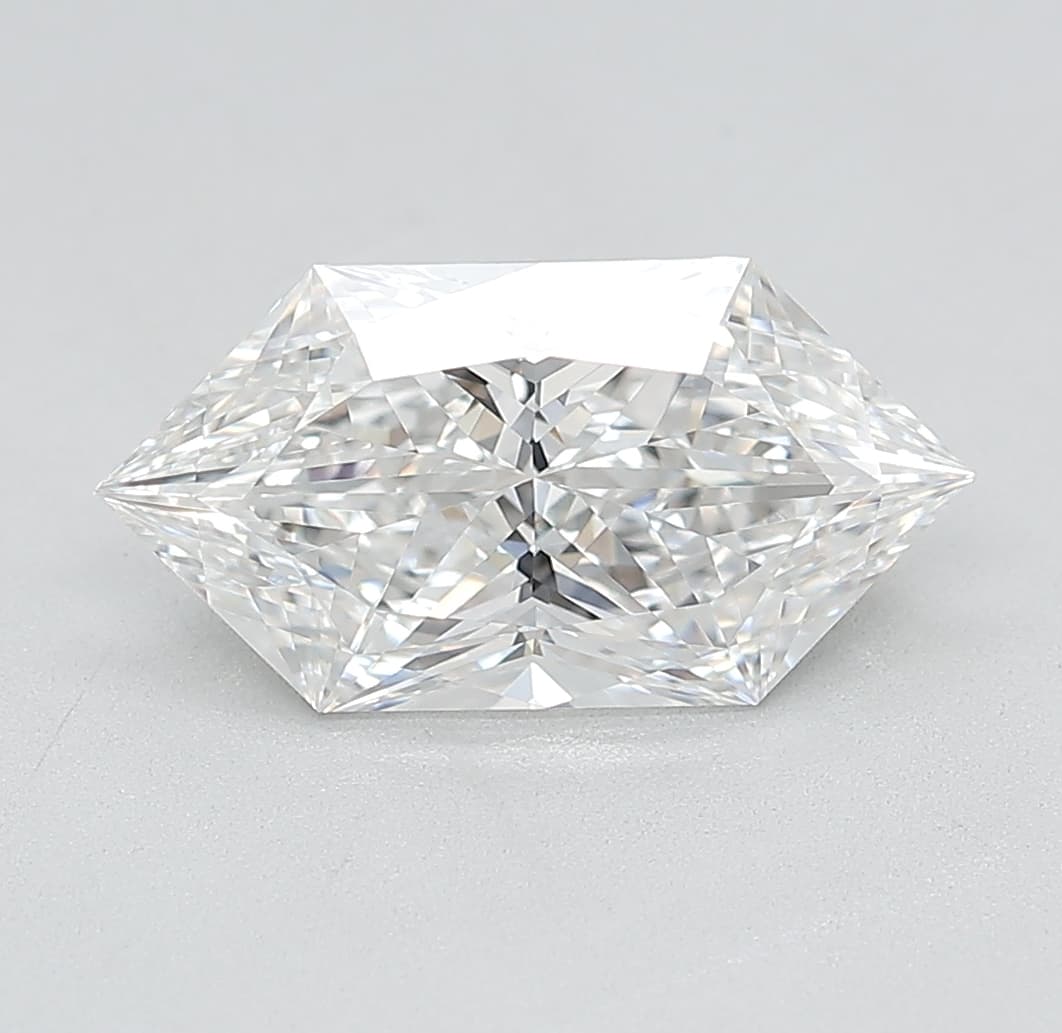
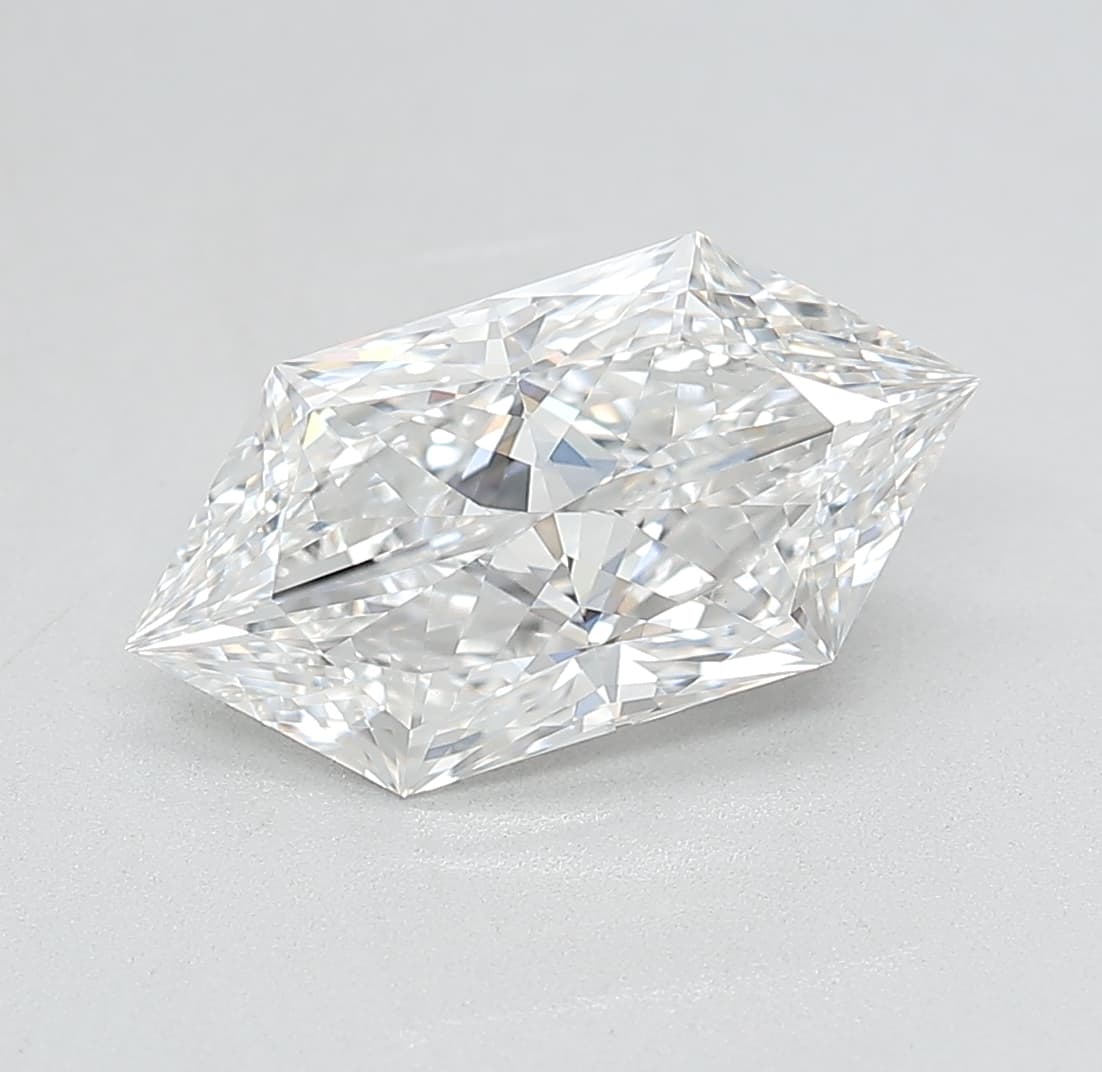
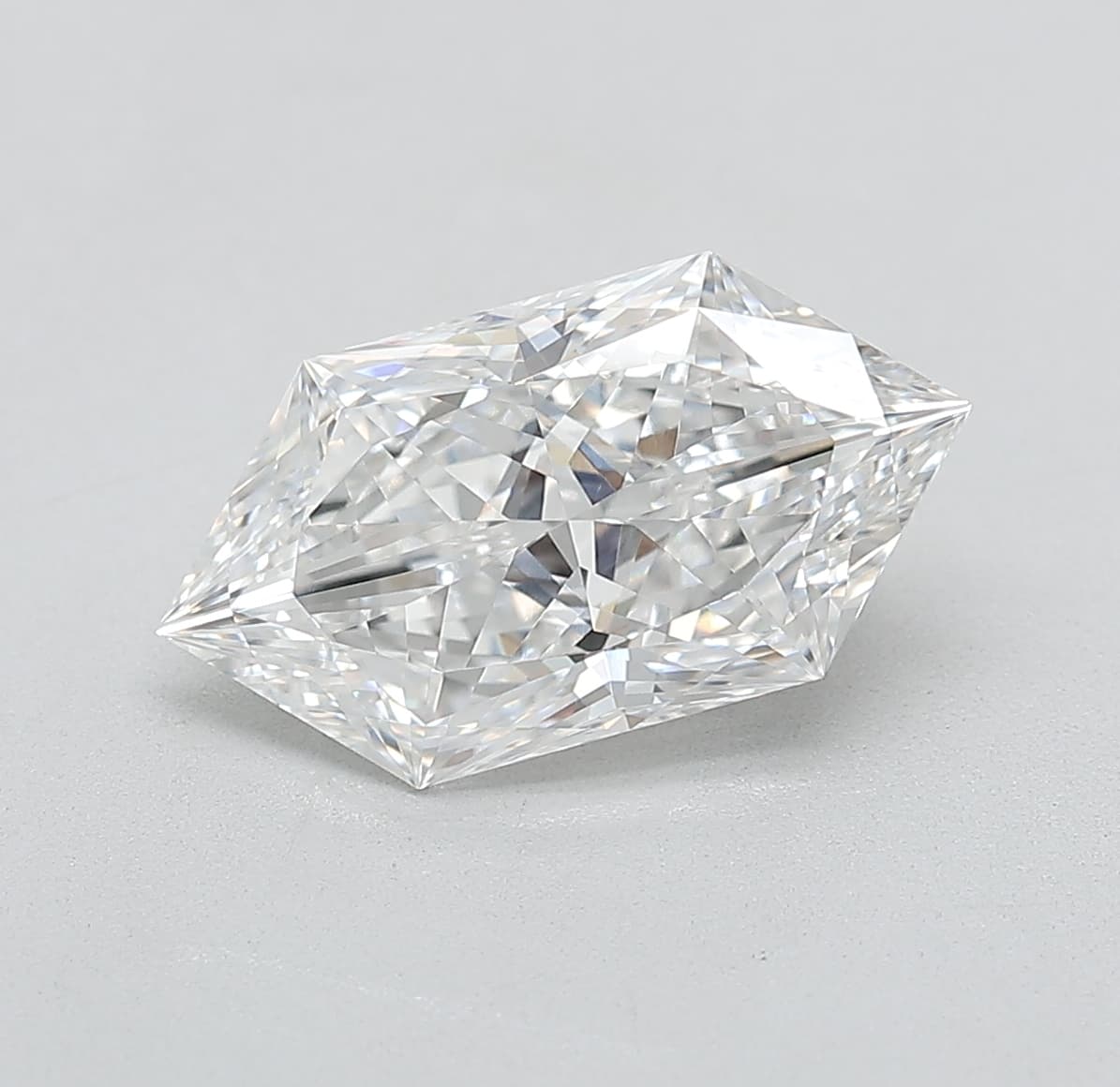
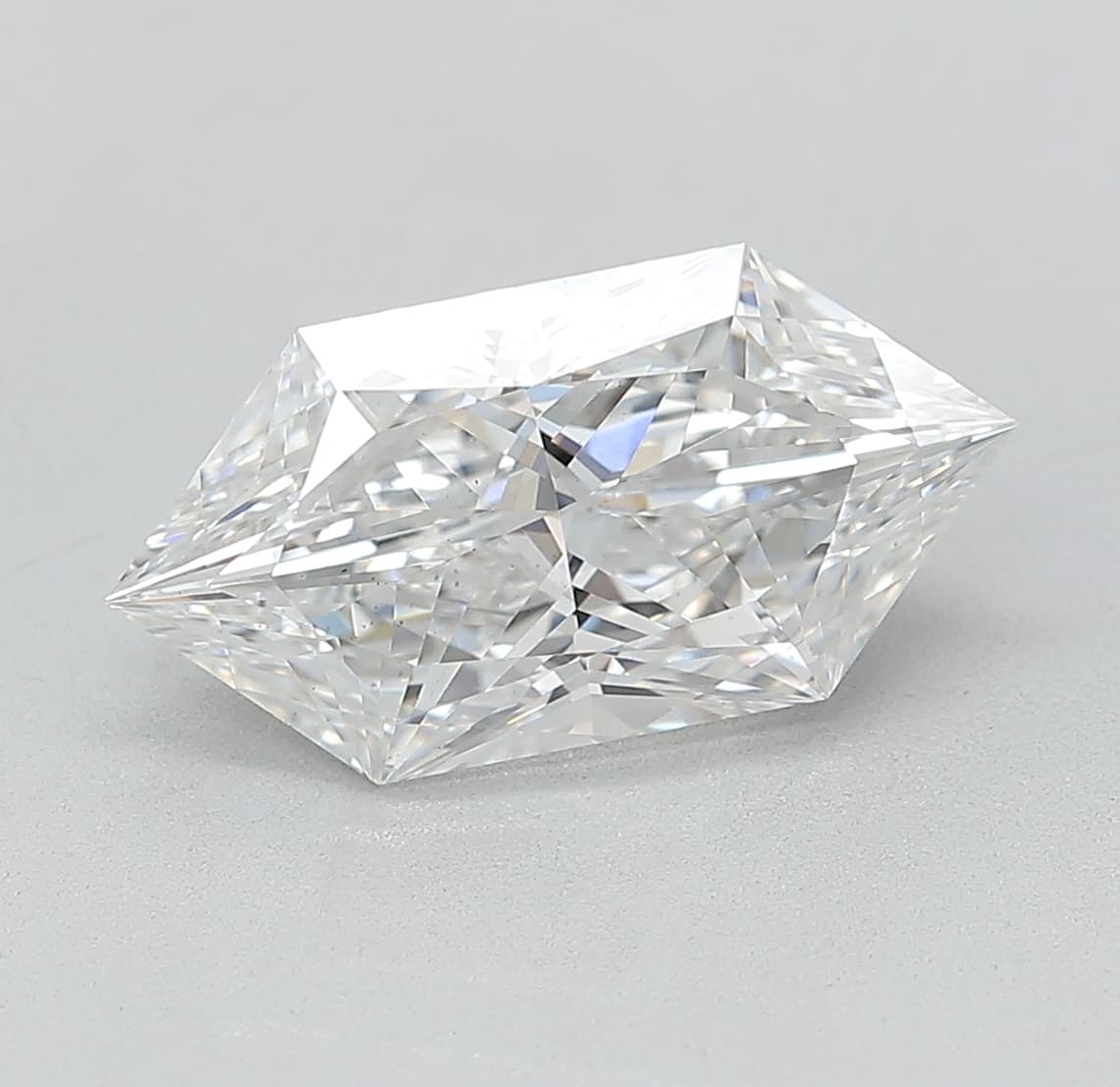
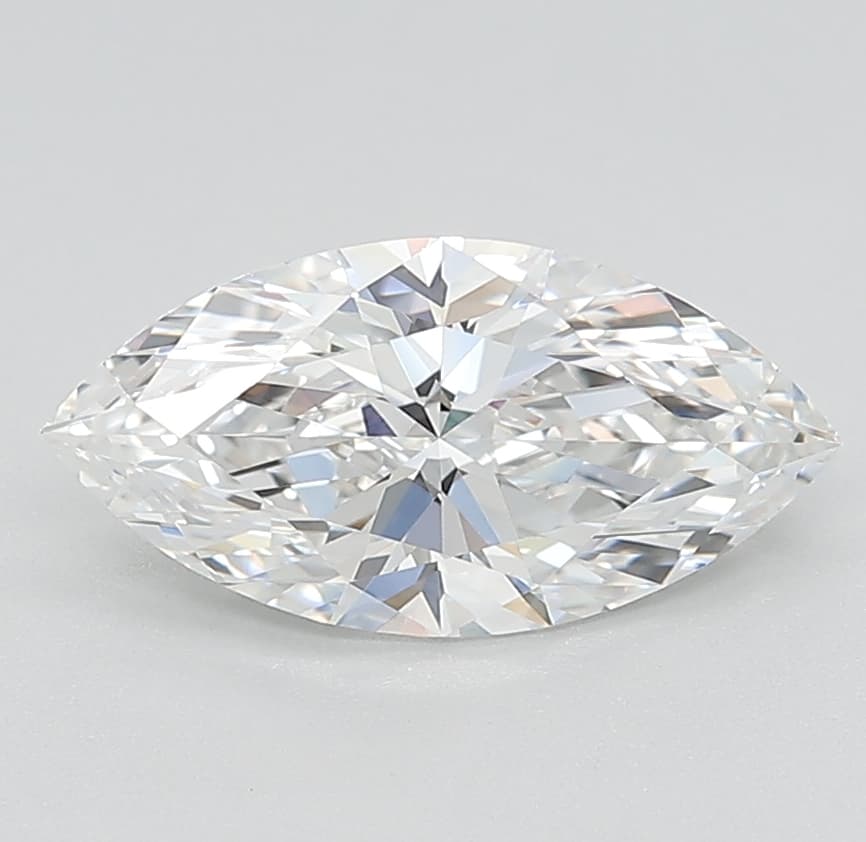
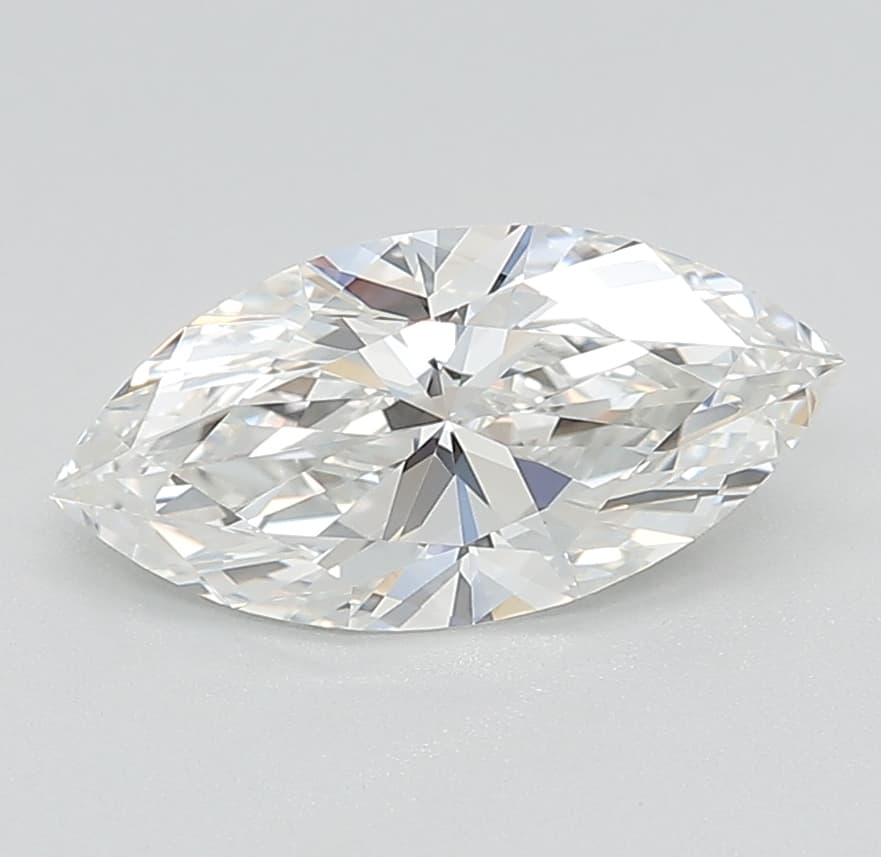
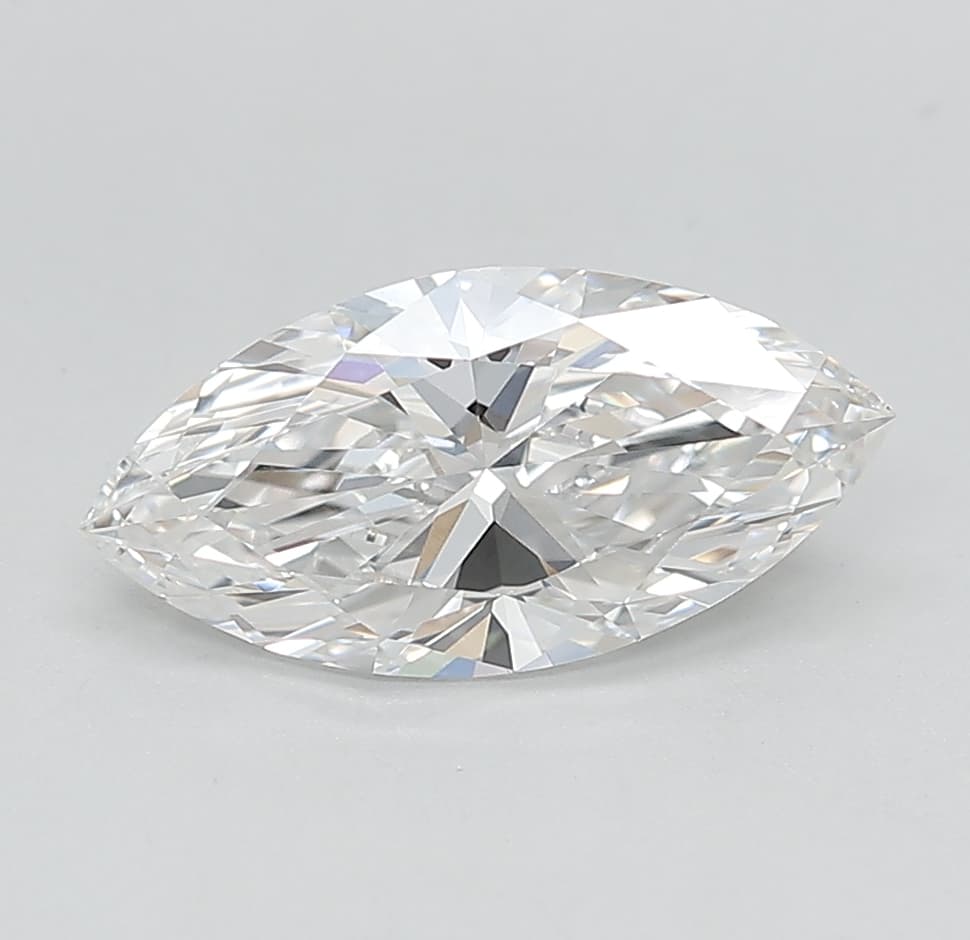
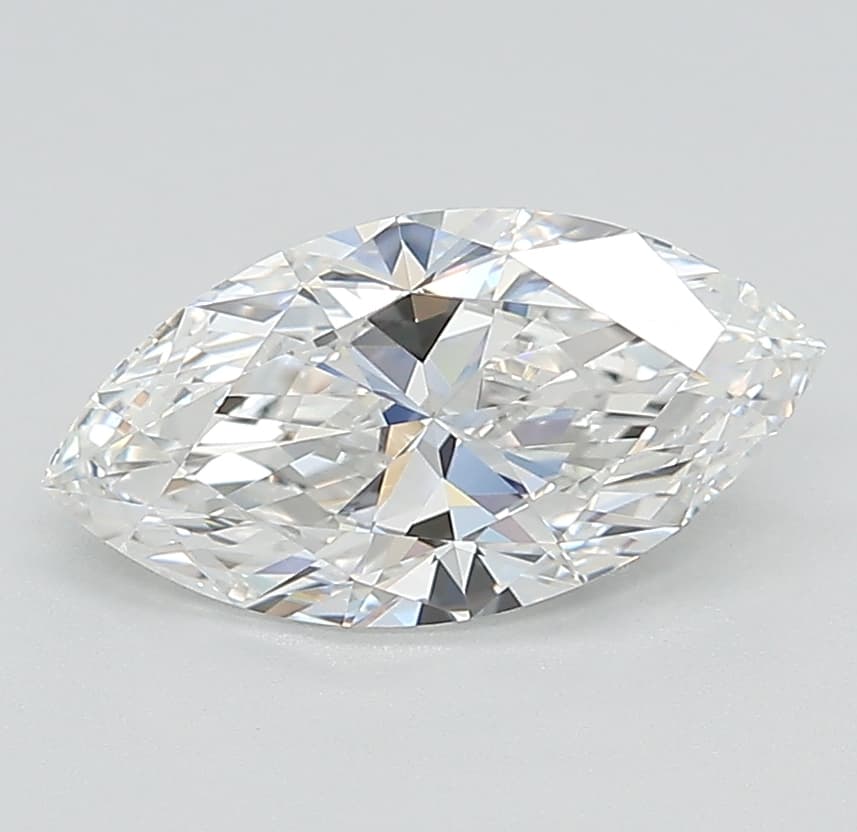
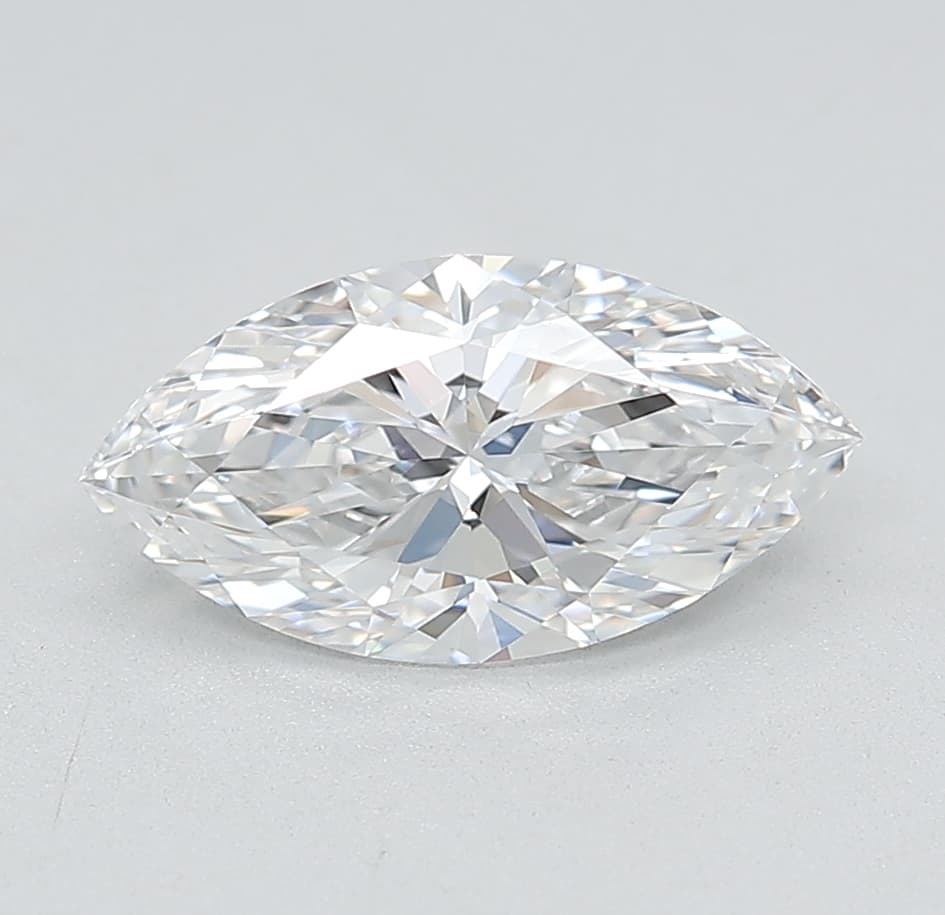
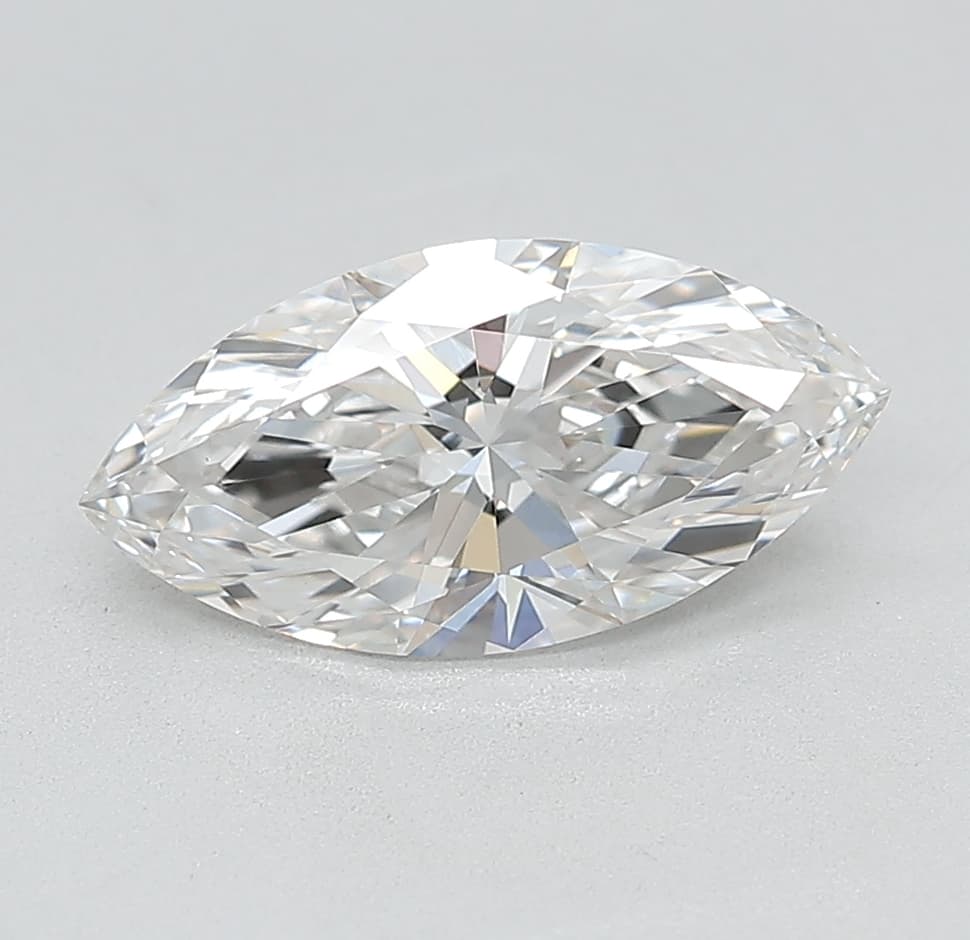
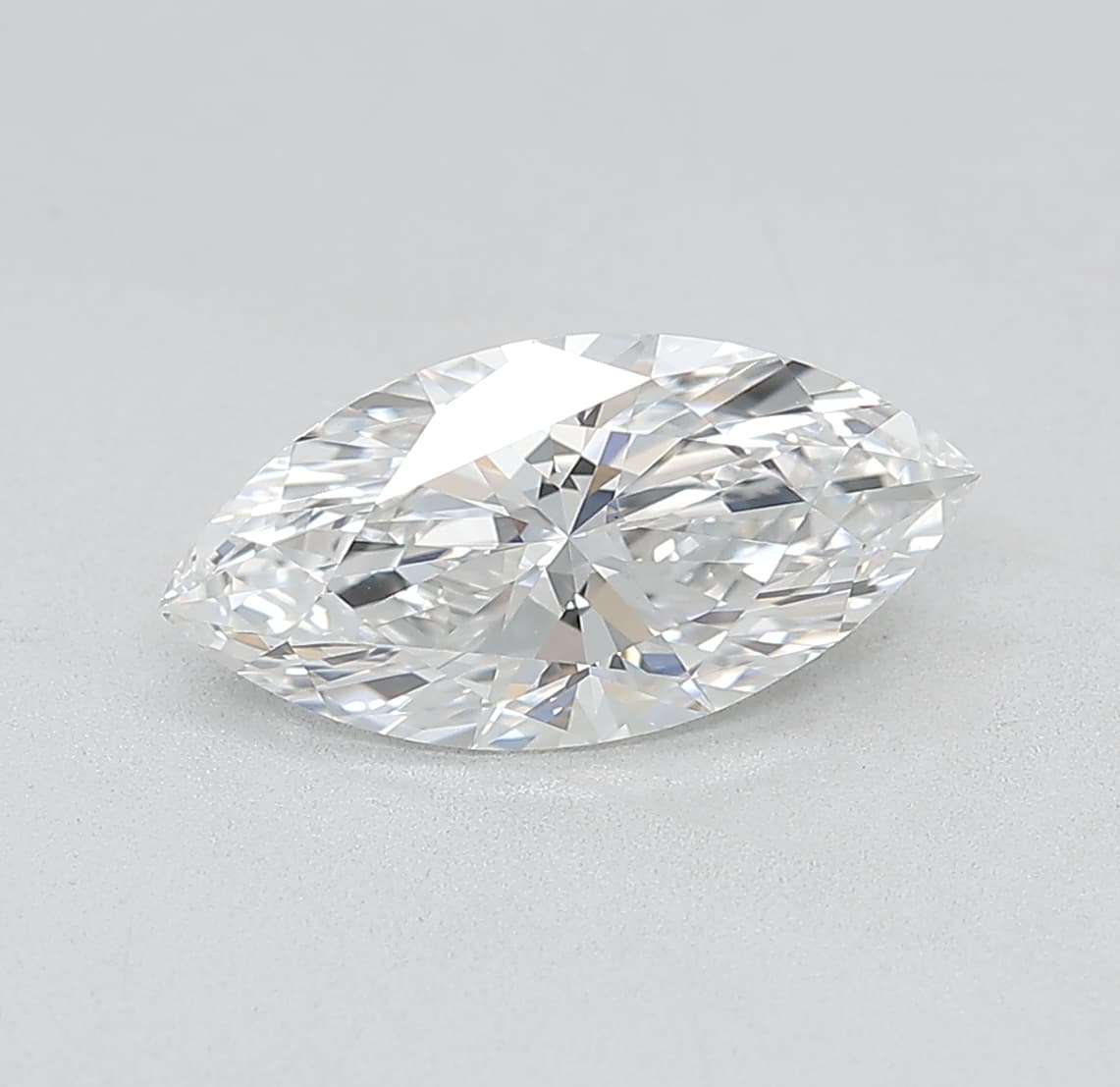
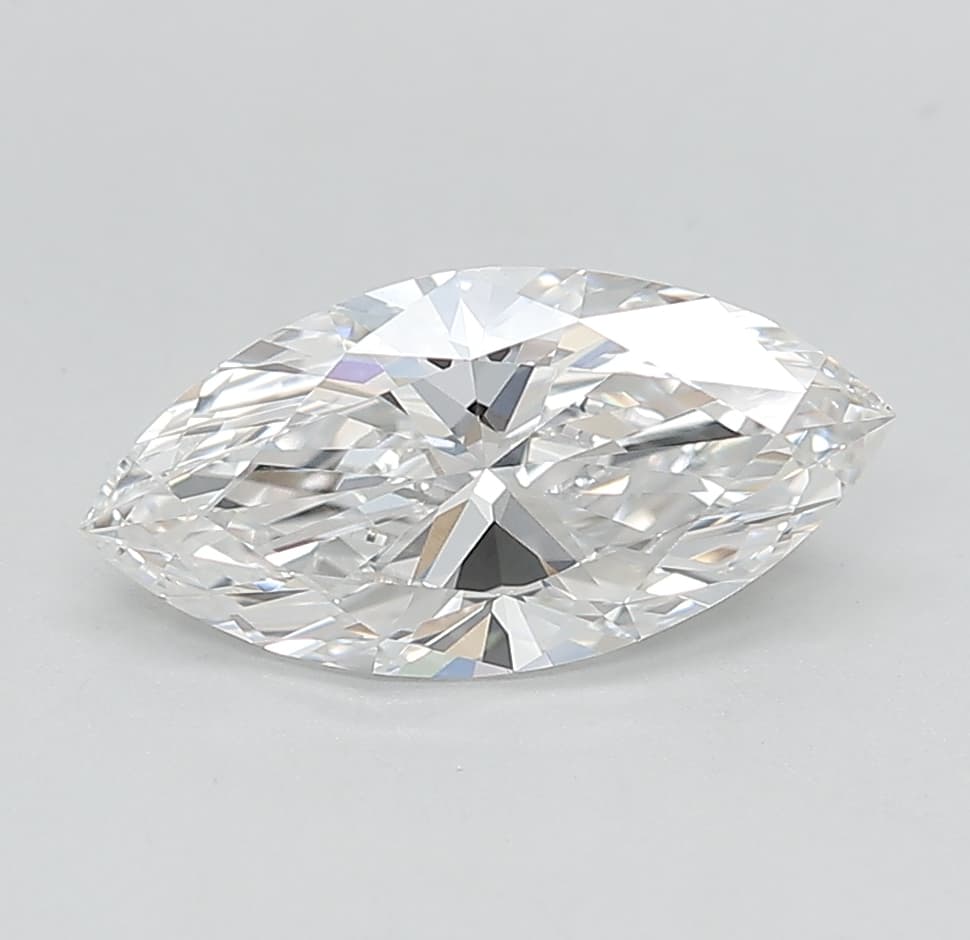
A Dutch marquise is an elongated diamond with a point at each end, like a classic marquise, but with straighter, more angular sides, so its outline reads as a stretched hexagon rather than a smooth curve. The name is a trade description, not a standardized lab shape, so outlines and facet patterns vary by cutter. It suits people who love the length of a marquise but want a crisper, more geometric look.
What is a Dutch marquise diamond?
Picture a classic marquise: long and narrow, with gently curved sides that meet in a point at each end. Now straighten those curves into a few flatter lines that change direction at the widest part of the stone. That is the idea behind the Dutch marquise. The ends stay pointed, but the silhouette becomes more angular, closer to an elongated hexagon than to the boat-like curve of a traditional marquise.
"Dutch marquise" is a name used by cutters and sellers rather than a shape with fixed rules. Two stones sold under the name can differ in how straight the sides are, how sharp the angles look and how the facets are arranged. Grading reports may describe the shape in their own words, so look at the photo and video, not just the label.
A lab-grown Dutch marquise has the same optical and physical properties as any other diamond of its cut. The report states that it is laboratory-grown. IGI has graded the cut of fancy shapes, from Excellent to Poor, since September 2022; GIA does not. So whether a Dutch marquise carries a cut grade depends on the lab and the report.
- Typical L/W1.75–2.25
- Dutch MarquiseL/WVaries by cutter
How is a Dutch marquise different from a classic marquise?
| Dutch marquise | Classic marquise | |
|---|---|---|
| Sides | Straighter, with visible angles | Smooth, continuous curves |
| Outline | Stretched hexagon | Elongated, boat-like curve |
| Overall feel | Geometric, architectural | Soft, romantic, vintage |
| Points | Pointed at both ends | Pointed at both ends |
| Proportion guidelines | None widely agreed | Commonly cited ratio about 1.75 to 2.25 |
Both shapes carry their weight along their length, so both tend to look long on the finger. The difference is in the edges. A classic marquise draws the eye along a curve; a Dutch marquise draws it along straight lines and corners, which is why it often pairs well with clean, modern settings.
Because there are no widely agreed proportion ranges for the Dutch marquise, the classic marquise guidelines are a reasonable starting point for the ratio, but treat them loosely. For more on the classic shape, see our article on choosing a marquise.
Who does the Dutch marquise suit?
- Marquise lovers who want something more modern: you keep the length and the points, but lose the vintage curve.
- Fans of geometric and Art Deco jewelry: the straight edges echo hexagons, baguettes and step-cut side stones.
- East-west designs: set across the finger, the angular outline reads as a bold, graphic line.
- Stacks and two-stone rings: the crisp outline holds its own next to other shapes and bands.
It may not suit you if you want a soft, rounded silhouette, where an oval or classic marquise is the better match, or if you would rather have no points to protect at all.
What should you check before choosing a Dutch marquise?
Symmetry of the outline
Imagine folding the stone in half along its length, then across its width. Both halves should match each time. The angles where the sides change direction should sit at the same height on both sides, and both points should line up on the central axis. Small differences are easy to see in an angular shape, so the symmetry grade and the photo both matter.
The points
Check both tips for chips, nicks or inclusions in the photos and video. The points are the thinnest parts of the stone. Read the girdle description on the report too: an extremely thin girdle is more fragile at the tips.
Depth and spread
Some Dutch marquises are cut noticeably deeper than the common range for a classic marquise. Extra depth carries weight below the girdle, where it does not add face-up size. Compare the depth percentage and the millimeter length and width of stones of similar weight rather than the carat weights alone.
Light and contrast
Watch the video for even brightness along the length of the stone. Like other elongated shapes, a Dutch marquise can show a darker band across the middle; a faint one that moves with the stone is normal, while a broad band that stays dark is worth avoiding. On our stone pages you can see each stone in a photo and a 360° view, and many have an ASET image as well.
- Step 1: Fold it lengthwiseImagine folding the stone along its length: both halves should match.
- Step 2: Fold it acrossThen fold it across its width: both ends should match as well.
- Step 3: Check the anglesWhere the sides change direction, the angles should sit at the same height on both sides.
- Step 4: Check the pointsBoth points should line up on the central axis, with no chips or nicks at the tips.
How do color and clarity show in a Dutch marquise?
Elongated shapes with points tend to show body color a little more at the ends than in the middle. In the colorless range this rarely matters. If you are looking at near-colorless grades, check the ends in the video, or set the stone in yellow or rose gold, which makes a faint warmth less noticeable.
For clarity, the goal is an eye-clean stone rather than a particular grade. Pay special attention to anything near a point, where an inclusion matters for durability as well as looks. Our clarity guide explains the grades.
How should a Dutch marquise be set?
The two points need protection. A V-prong (also called a chevron prong) at each end is the usual choice, because it wraps the tip instead of gripping it from one side. Many designs add a pair of prongs at the widest part of the stone, where the sides change direction; placed there, they follow the angular outline rather than fighting it.
A bezel is the most protective option and suits the geometric character of the shape, though it covers a little of the stone’s edge. For an east-west setting, check how a wedding band will sit beside the long side of the stone.
If you plan to wear the ring every day, ask the jeweler setting it to check the prongs over the points from time to time, as you would with any pointed shape.
A V-prong (or chevron prong) at each end wraps the tip instead of gripping it from one side. A pair of prongs at the widest part, where the sides change direction, follows the angular outline.
How to find a Dutch marquise you will love
Because the name covers a range of outlines, the best approach is to look at several stones side by side. Our inventory lists the Dutch marquise as a shape of its own, separate from the classic marquise, so you can compare the two directly.
- Decide how angular you want the outline to be, using the photos and 360° views.
- Compare the length and width in millimeters for stones of similar weight.
- Check the points, the girdle and the depth on the report.
- Watch the video for even brightness and a moderate bow-tie.
The stones below are live Dutch marquises, shown next to a set of classic marquises for comparison. If you would like a second opinion on a particular stone, one of our diamond specialists can go through it with you.
Frequently asked questions
What is the difference between a Dutch marquise and a regular marquise?
Both are long, narrow diamonds with a point at each end. A regular marquise has smoothly curved sides, while a Dutch marquise has straighter, more angular sides that give it a stretched, hexagon-like outline.
Is a Dutch marquise a step cut or a brilliant cut?
The name describes the outline, and facet patterns vary by cutter. Watch the video to see whether the stone shows a scattered, brilliant-style sparkle or broader flashes, and choose the look you prefer.
What length-to-width ratio should a Dutch marquise have?
There is no widely agreed range for this shape. The common guideline for a classic marquise, about 1.75 to 2.25, is a reasonable starting point, but choose by eye and compare the millimeter measurements on the reports.
Does a Dutch marquise need V-prongs?
It is strongly advisable. The two points are the thinnest, most exposed parts of the stone, and a V-prong or a bezel at each end protects them from chips.
Glossary terms in this article
More on Shapes & Cuts in the journal.