Shapes & Cuts
Princess vs Asscher: Two Square Diamonds, Two Personalities
By the Vanora Diamond team
Published Last reviewed 5 min read

Quick answer
Princess and asscher cuts are both square, but they look very different: a princess is a brilliant-style cut with four sharp corners and crisp, lively sparkle, while an asscher is a step cut with cropped corners, a nearly octagonal outline and a calm pattern of concentric squares often called a windmill. A princess hides inclusions better but needs its corners protected; an asscher shows clarity and color more openly but has sturdier corners. Choose the personality first, then set clarity and color to suit.
Two square diamonds at a glance
| Princess | Asscher | |
|---|---|---|
| Outline | Square with sharp, pointed corners | Square with cropped corners, nearly octagonal |
| Faceting | Brilliant style | Step cut |
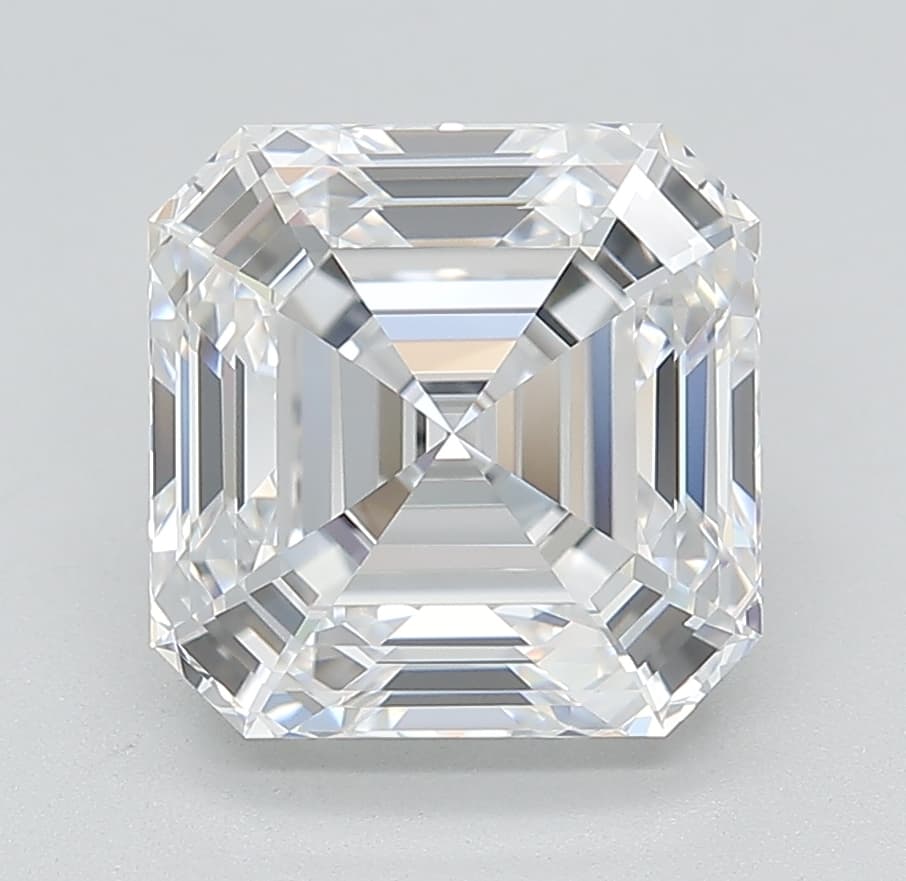
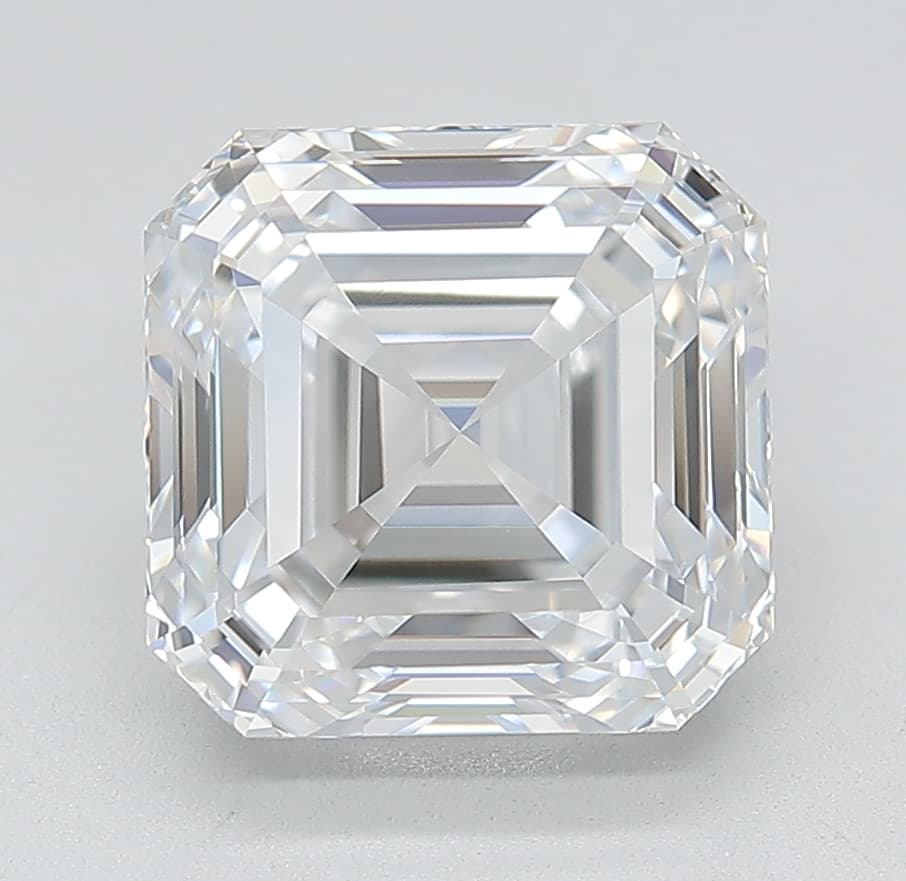
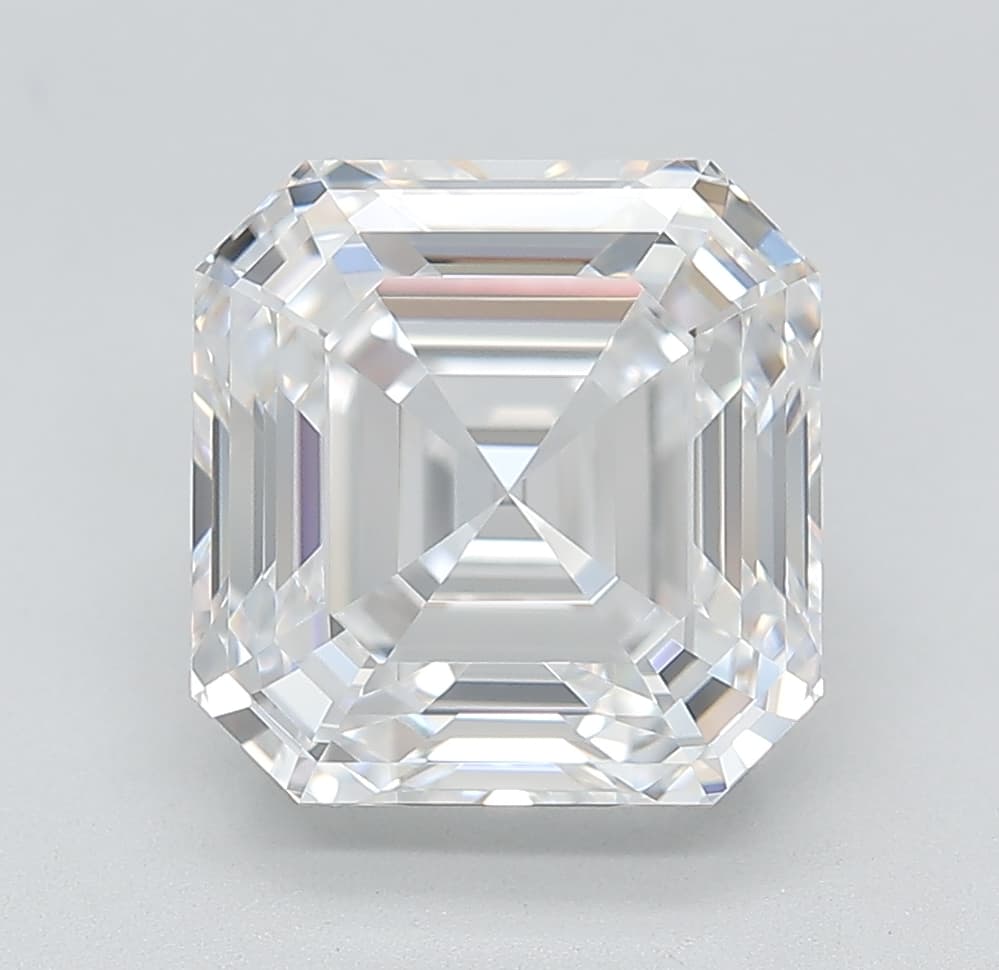
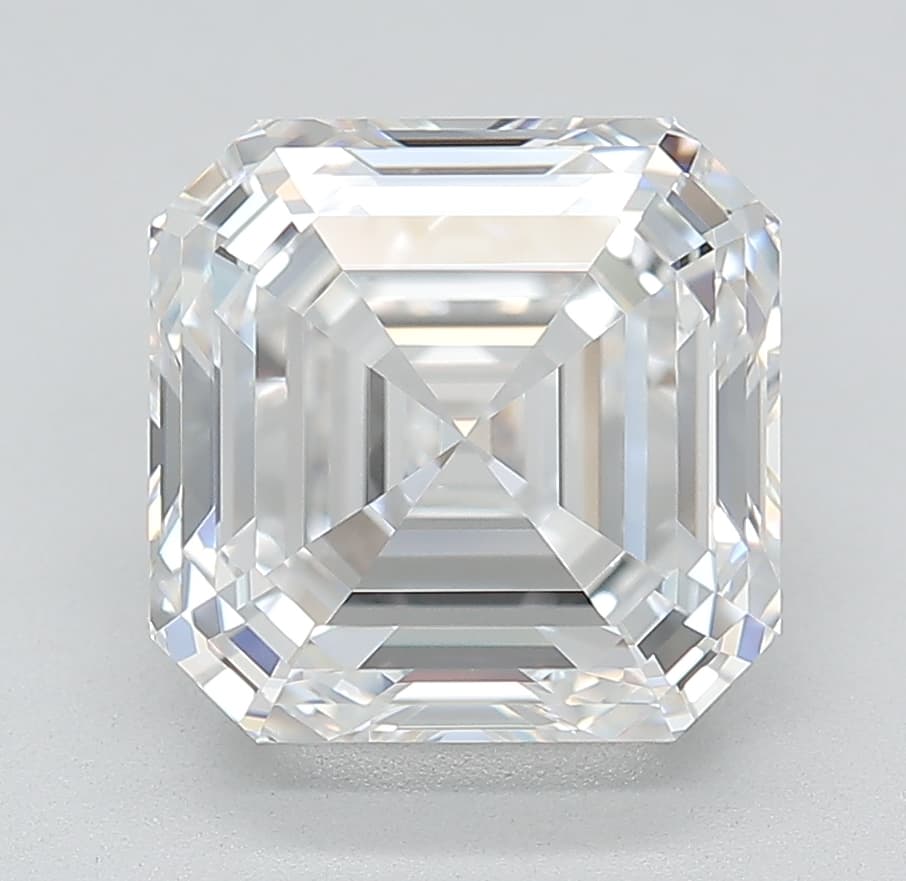
| Face-up pattern | An X or cross from corner to corner | Concentric squares, the "windmill" |
| Look | Bright, crisp sparkle | Broad flashes, the "hall of mirrors" |
| Shows inclusions | Less readily | More readily |
| Corners | Exposed, need protection | Cropped, sturdier |
| Common depth guideline | About 64% to 75% | About 60% to 70% |
Both shapes are commonly cut at a length-to-width ratio of about 1.00 to 1.05 for a true square, and on an IGI report either can carry a cut grade. IGI has graded the cut of fancy shapes, from Excellent to Poor, since September 2022; GIA does not. Our princess and asscher guides list the full proportion guidelines; this article is about choosing between them.
- Typical L/W1.00–1.05
- Typical L/W1.00–1.05
Where does each cut come from?
The asscher cut is named after the Amsterdam cutting family who developed it in the early 1900s. Its stepped, geometric look suits Art Deco design, and it is an obvious choice for vintage-inspired square rings.
The princess cut is much younger, a modern design from the second half of the twentieth century. It was created to bring brilliant-style sparkle to a square outline with sharp corners, and it has a clean, contemporary feel.
Both are made today as lab-grown diamonds, cut in the same way as any diamond of the shape. A lab-grown asscher is a modern stone in a historic style, and its report states that it is laboratory-grown.
How do they look on the hand?
The princess
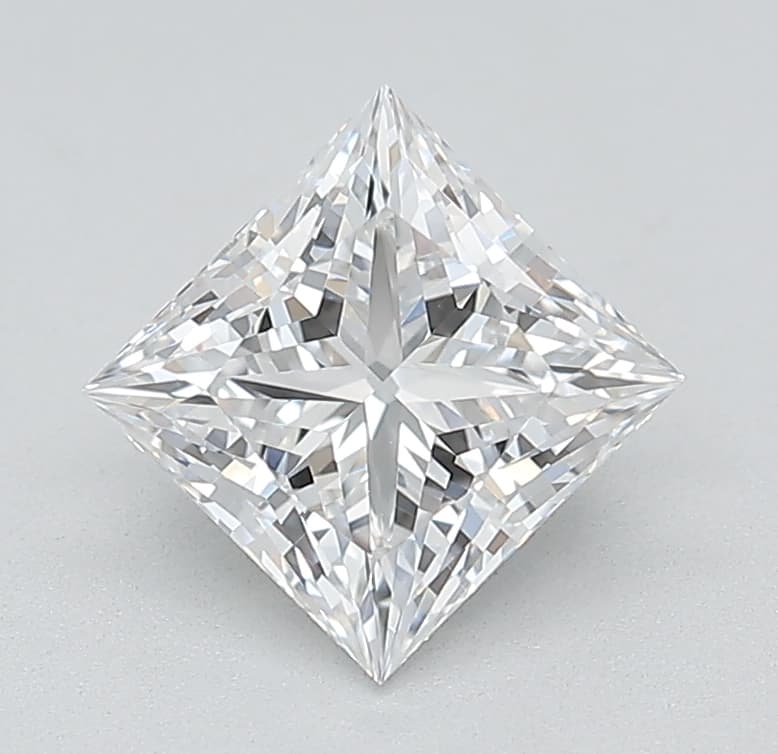
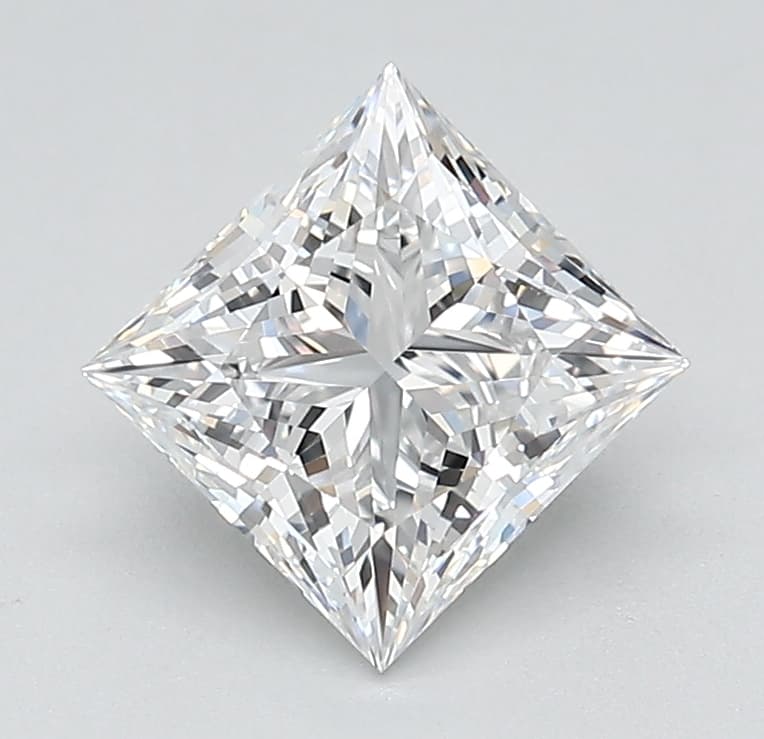
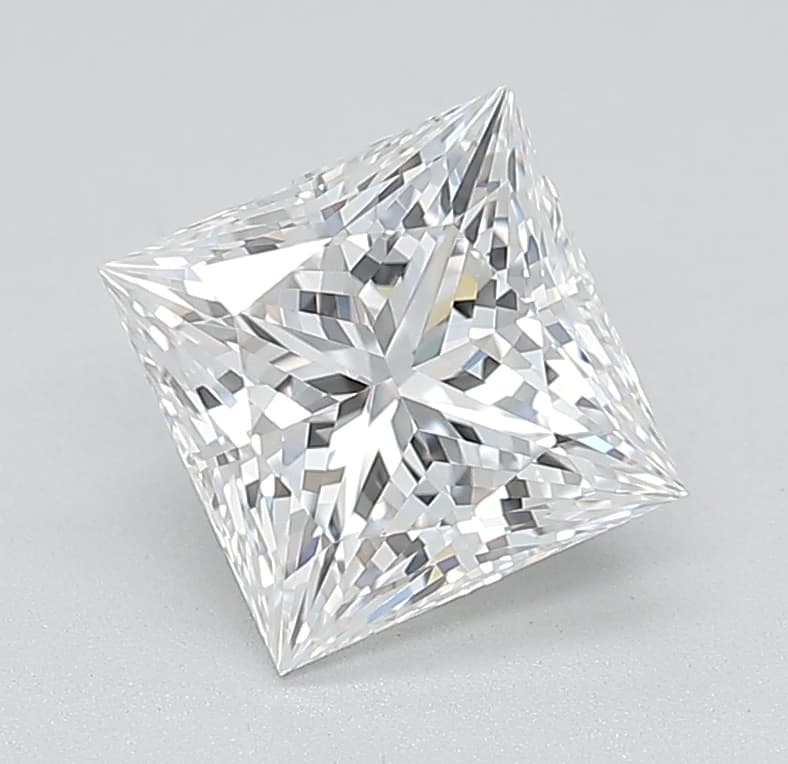
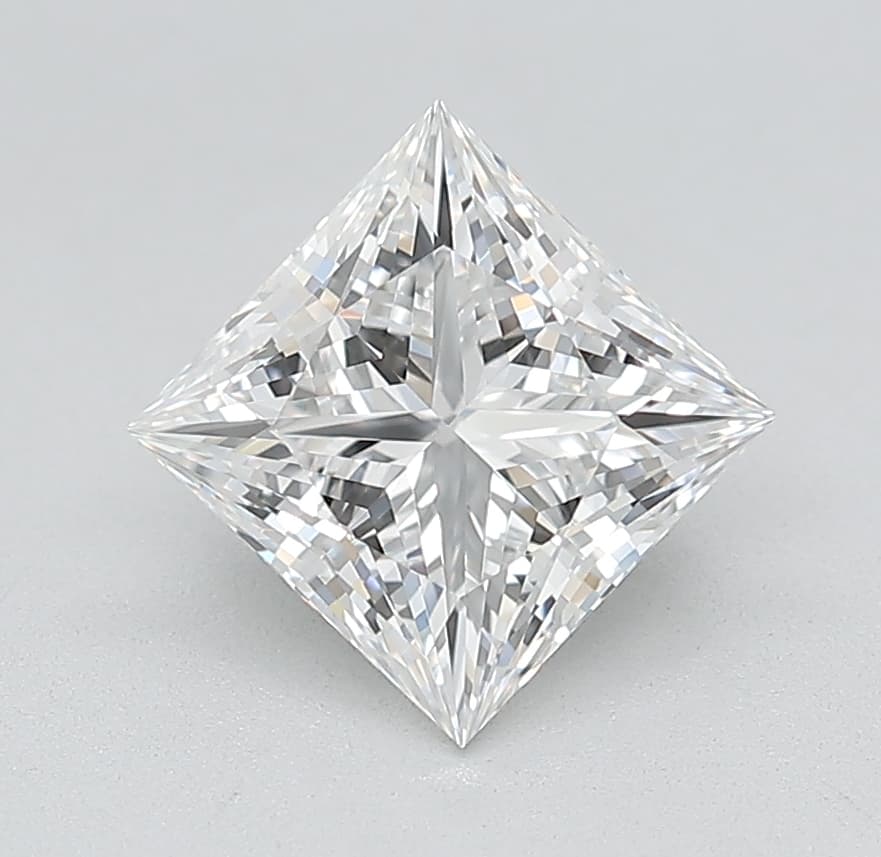
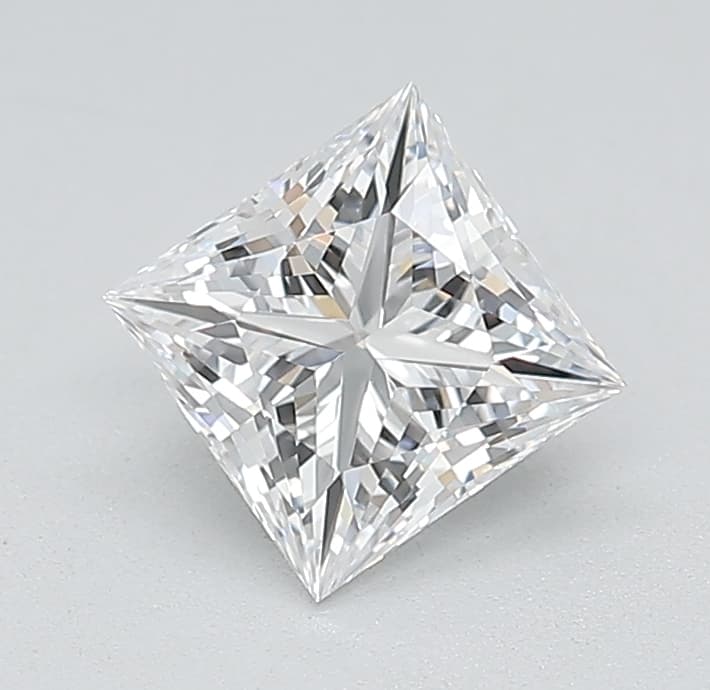
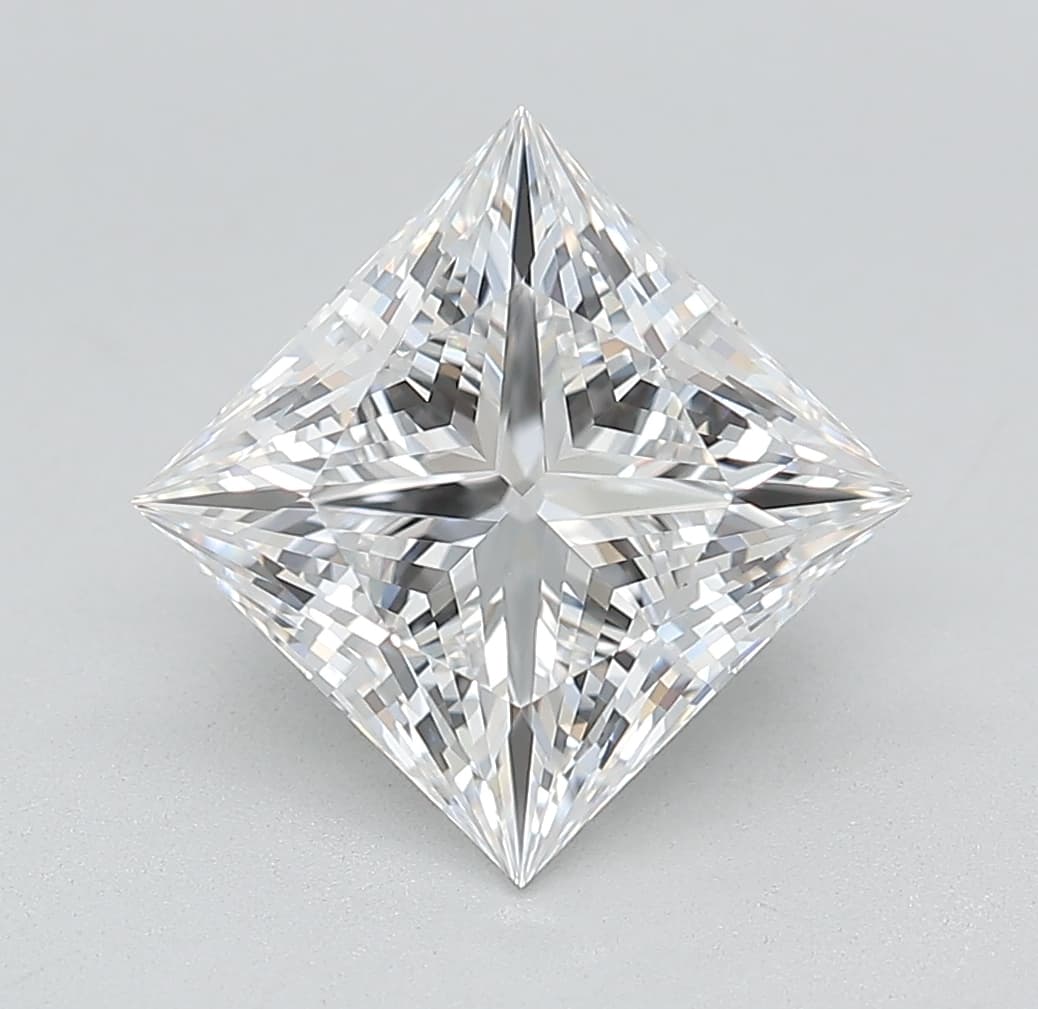
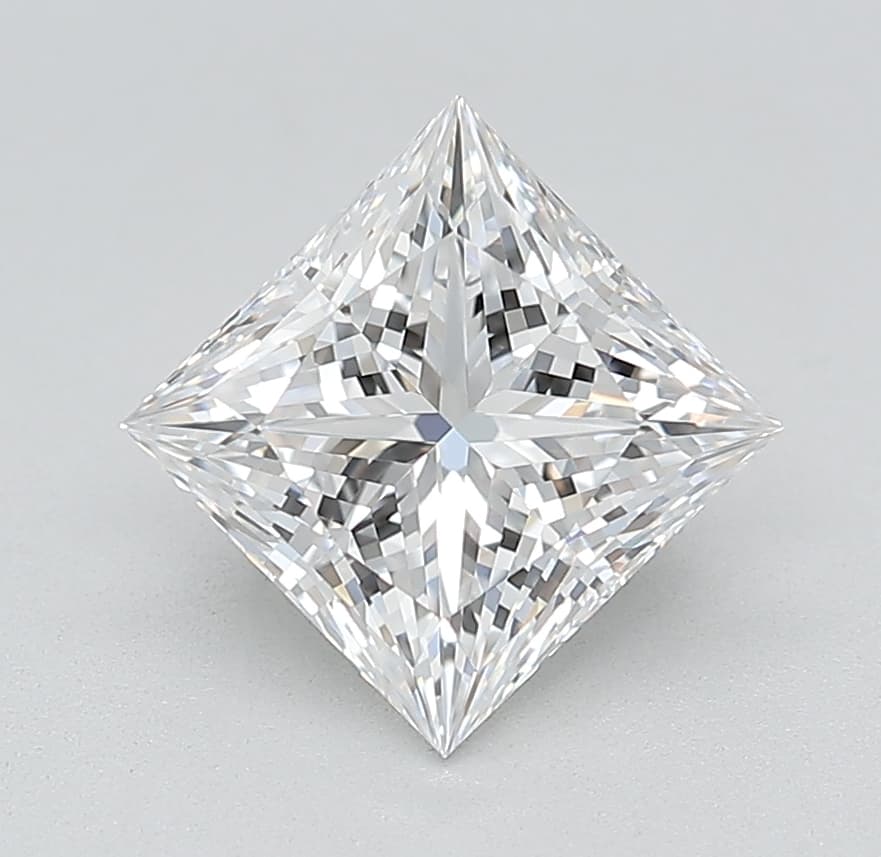
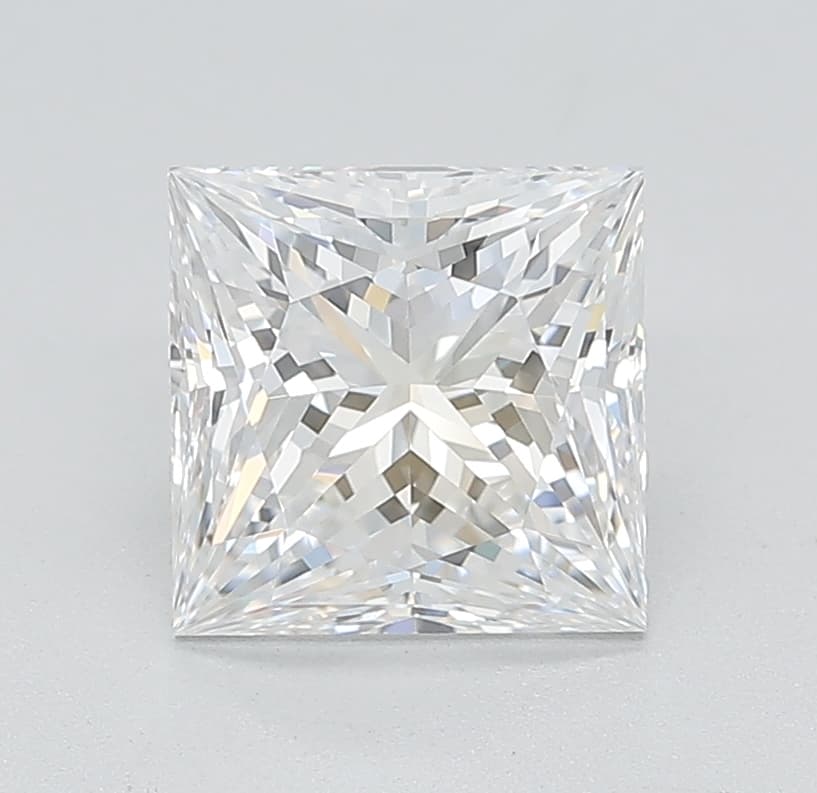
A princess breaks light into many small, bright reflections, often with a visible X running from corner to corner. It reads as crisp, modern and sparkly in almost any light, and its sharp corners give it a bold, graphic outline. Set on one corner, with a point toward the fingertip, it becomes a diamond shape, a less common but striking option.
The asscher
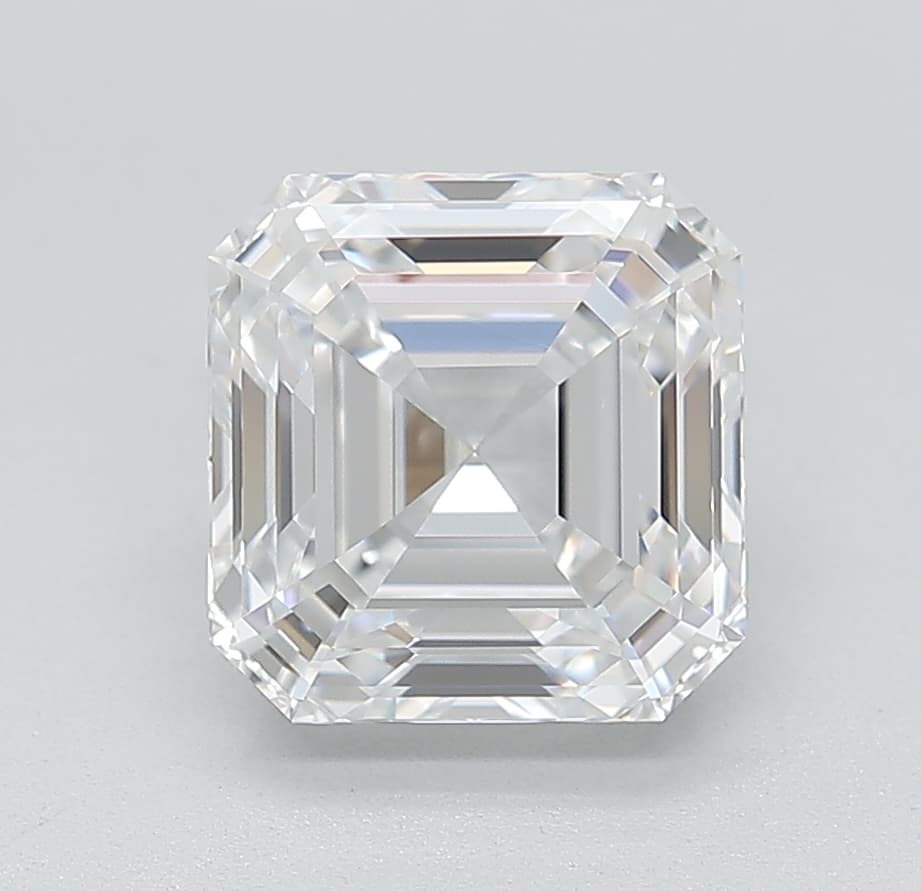
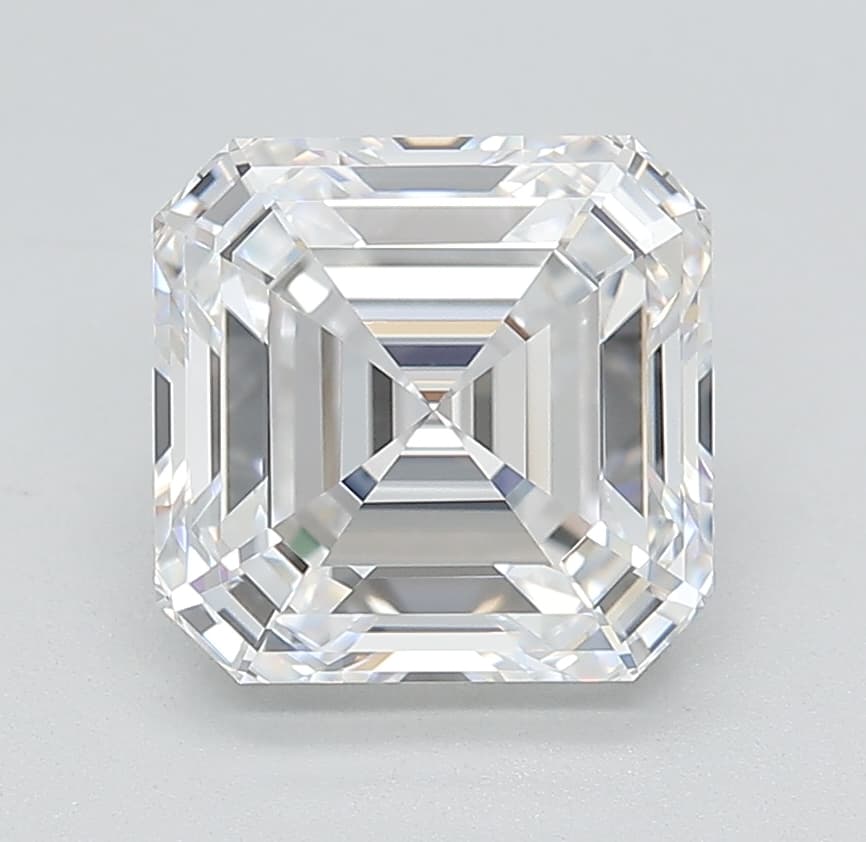
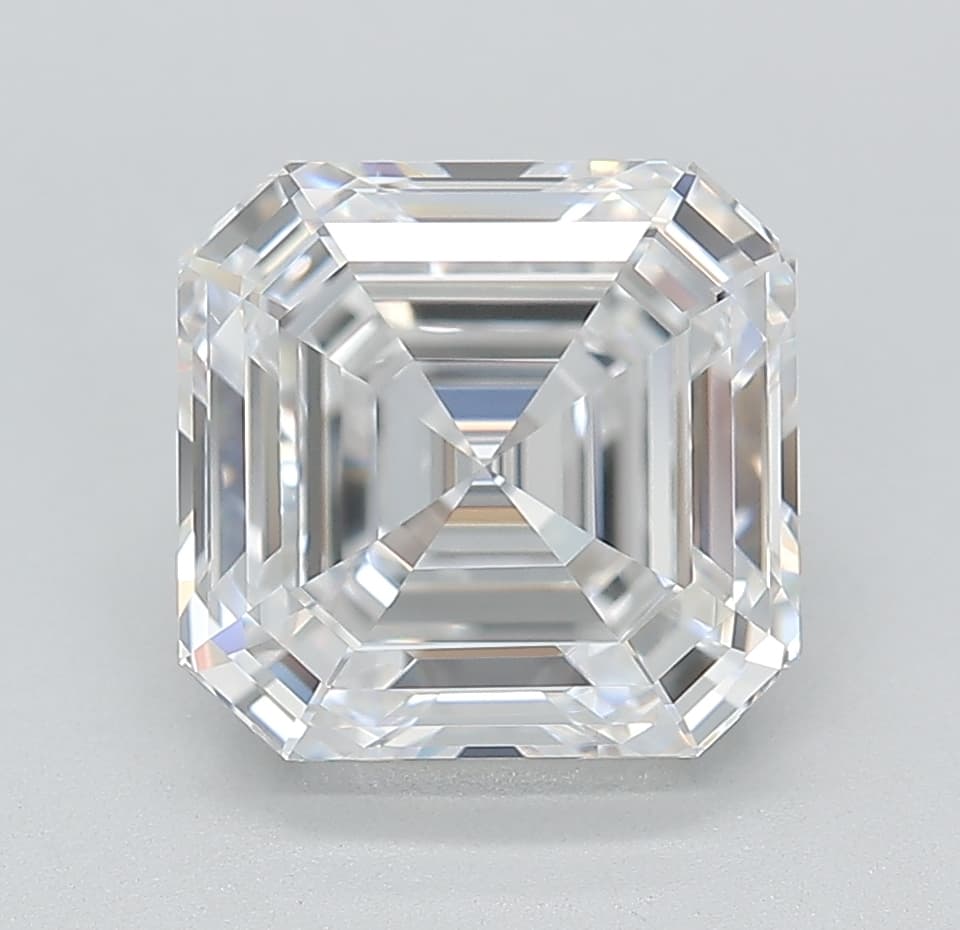
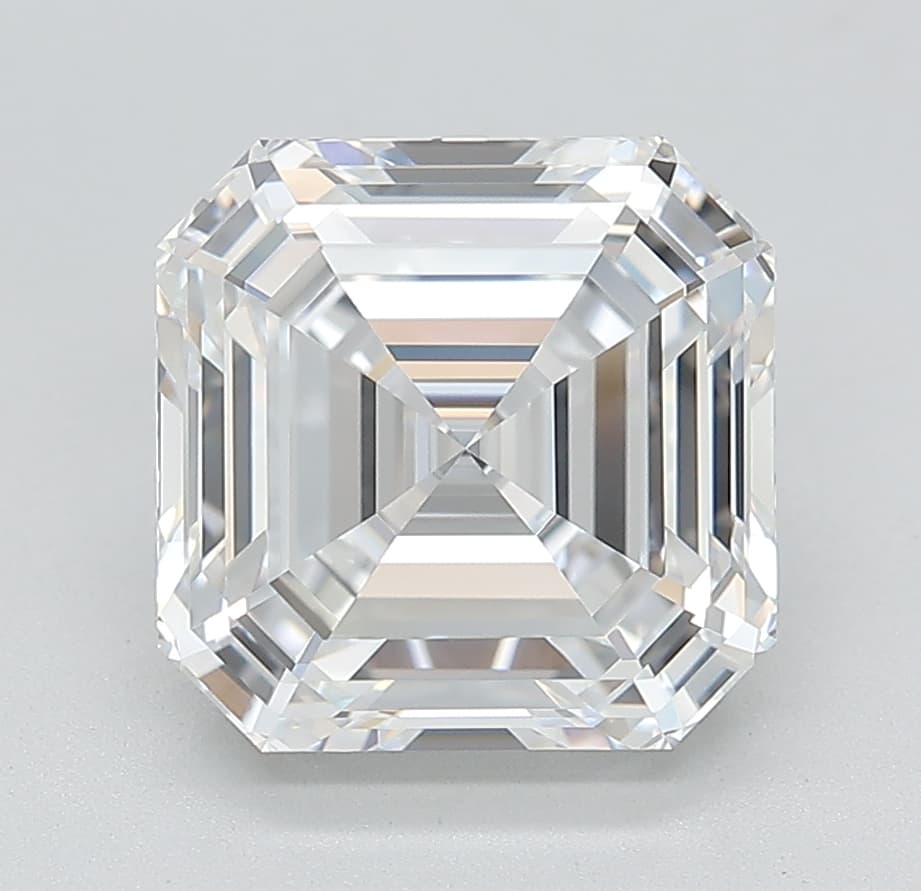
An asscher shows broad flashes of light and dark that move across the stone as it tilts. In a well-cut stone, the corner facets line up into concentric squares with lines running toward the center, so looking into it can feel like looking down a square tunnel. It reads as calm, precise and quietly glamorous rather than sparkly.
If you are unsure, watch videos of both shapes in the same lighting; the difference is immediately clear.
Clarity and color: where the step cut asks for more
The large, open facets of an asscher act like windows into the stone. Inclusions that a princess would hide among its sparkle can be easy to see, especially in the center of the table. A common approach is to start at VS1 or higher for an asscher and confirm in the video that it is eye-clean. Body color also shows more readily through broad facets, so buyers who want a very white look often choose a colorless grade, and a brown, gray or milky tinge is easier to notice.
A princess is more forgiving. Brilliant faceting masks small inclusions and a hint of body color well, so an eye-clean princess does not always need a top clarity grade. Some people notice a little more color in the corners than in the center, and an inclusion at a corner deserves a closer look because it sits in the most exposed part of the stone.
| Princess | Asscher | |
|---|---|---|
| Clarity starting point | VS2 to VS1, confirm eye-clean | VS1 or higher, check the table closely |
| Color for a white look | Colorless to high near-colorless | Colorless, or high near-colorless by choice |
These are common starting points, not rules; the video tells you more than the grade.
Corners, durability and settings
Princess: the four sharp corners are the thinnest, most exposed parts of the stone and can chip from a knock. A V-prong (or chevron prong) over each corner is the usual protection, and a bezel or a setting that encloses the corners is another option. Check the girdle description on the report: an extremely thin girdle is more fragile at the corners. Avoid designs that leave the corners bare on a ring you wear every day.
Asscher: cutting off the corners removes the sharp points, which makes an asscher less vulnerable. Four prongs, often claws or double claws, or a bezel are common. Keep the prongs neat, because the corner facets are part of the windmill pattern.
Both shapes pair well with straight bands, step-cut side stones such as baguettes, and halos, which suit the princess especially well.
The four sharp corners of a princess are its thinnest, most exposed parts. A V-prong over each corner is the usual protection, and an extremely thin girdle on the report means more fragile corners.
Size, depth and spread
Both shapes are commonly cut deeper than a round brilliant, and the princess in particular often sits at a high depth percentage. A stone at the deep end of its range, or beyond it, carries weight that does not show from the top, so it faces up smaller than its carat weight suggests.
The fair comparison is face-up width in millimeters. Two square stones of the same weight can differ noticeably in width, and the width is what you see on the finger. Compare the measurements on the reports, and if you can, look at the stones in our 360° views, which show the outline and the pattern from every angle.
Which one is for you?
Choose a princess if you want maximum sparkle in a square, a modern and graphic look, and a stone that forgives small inclusions.
Choose an asscher if you love Art Deco and vintage design, prefer calm flashes to glitter, and want sturdier corners, accepting that clarity and color will show more.
If neither feels right, a square cushion offers soft corners with brilliant sparkle (see elongated vs square cushions), and the radiant vs emerald comparison covers the rectangular versions of the same brilliant-or-step choice.
The suggestions below show live princess cut and asscher cut lab-grown diamonds. Our stock changes as stones are reserved and sold, so if you do not see the right stone, one of our diamond specialists can help you look for it.
Frequently asked questions
What is the difference between a princess cut and an asscher cut?
Both are square. A princess has sharp corners and brilliant-style facets that give lively sparkle, while an asscher has cropped corners and long, parallel step facets that form a pattern of concentric squares and give broad flashes of light.
Which is more durable, a princess or an asscher cut?
An asscher’s cropped corners are less exposed than the sharp corners of a princess, so it is less prone to chipping at the corners. A princess is still a sound choice when each corner is covered by a V-prong or bezel.
Which hides inclusions better, a princess or an asscher?
A princess. Its brilliant-style facets mask small inclusions, while the open facets of an asscher make them easier to see, so many buyers choose a higher clarity grade for an asscher.
Is an asscher the same as a square emerald cut?
They are close relatives. Both are square step cuts with cropped corners, but an asscher usually has larger cropped corners, giving a more octagonal outline and its windmill pattern. Sellers do not always use the names consistently, so judge the stone itself.
Glossary terms in this article
More on Shapes & Cuts in the journal.