Diamond glossary
Table percentage
Last reviewed
Definition
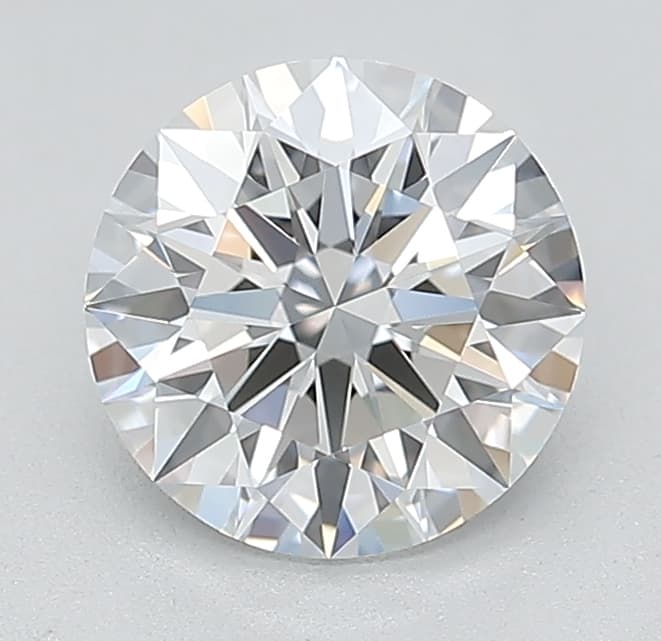
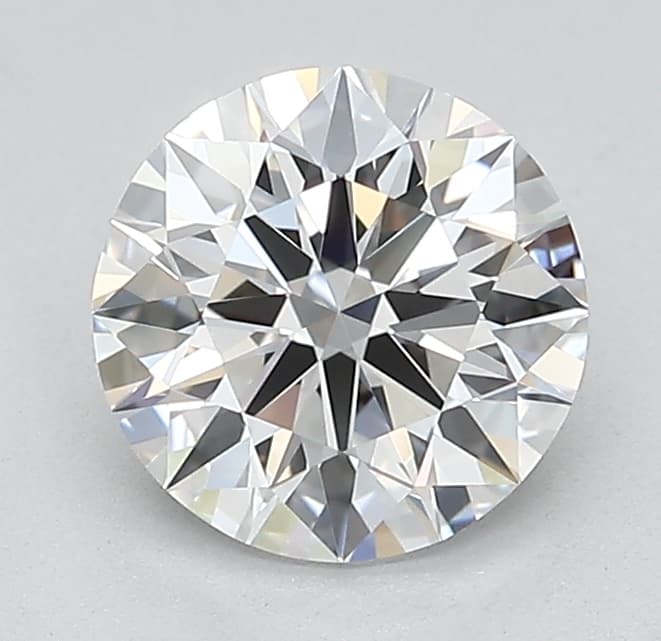
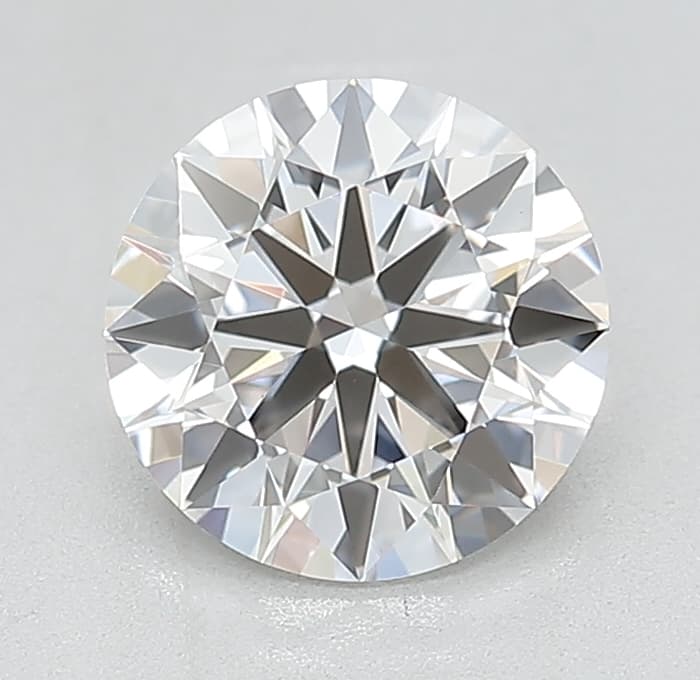
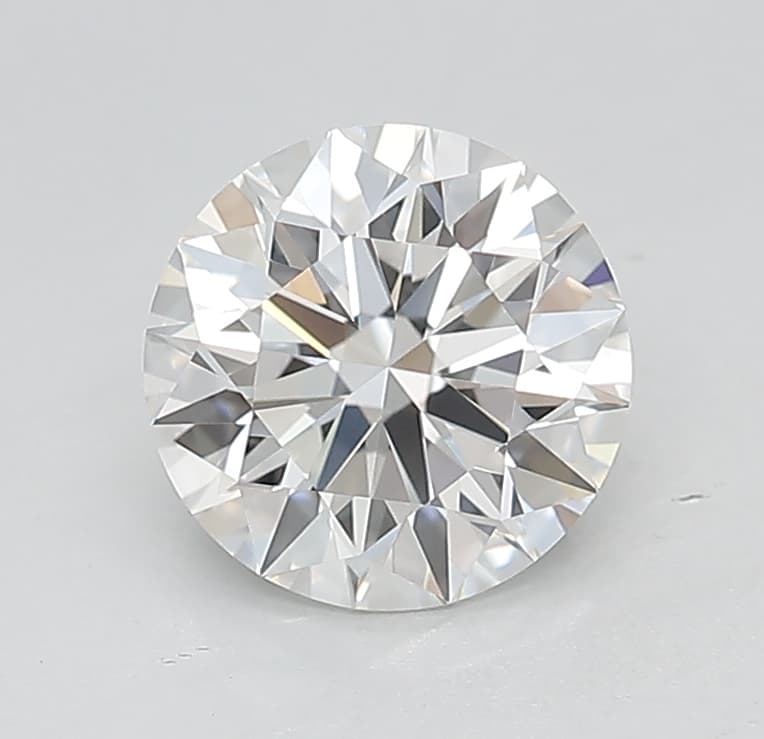
Table percentage is the width of a diamond’s table, the large flat facet on top, expressed as a percentage of the diamond’s width or, for a round, its average diameter.
For a round brilliant, the table is measured edge to edge and divided by the average girdle diameter. For fancy shapes such as ovals or emeralds, it is divided by the width of the stone, the shorter dimension. IGI and GIA both print the figure on the proportions diagram of a full grading report, next to the total depth, girdle and culet.
Common guideline ranges
These are common guidelines, not lab rules, and sources vary slightly:
| Shape | Commonly cited table range |
|---|---|
| Round | 54% to 58% |
| Oval, pear, marquise, heart | 53% to 63% |
| Asscher | 55% to 68% |
| Cushion | 58% to 68% |
| Emerald, radiant | 61% to 69% |
| Princess | 64% to 75% |
Why it matters
The table is the main window into the diamond. A larger table tends to favor brightness, the white light returned to your eye, but with a low crown it usually shows less fire. A smaller table tends to go with a taller crown, which favors fire. The result depends on the crown angle and pavilion angle as much as on the table itself, so a table a point or two outside the range is not a problem on its own.
Use the table as a quick check, not a verdict. For round brilliants, the overall cut grade already weighs the table against the other proportions. IGI has graded the cut of fancy shapes, from Excellent to Poor, since September 2022; GIA does not. Even with a cut grade, read a fancy shape’s table together with the depth, the length-to-width ratio and a video of the stone.