Diamond glossary
Length-to-width ratio
Last reviewed
Also called L/W ratio
Definition
Length-to-width ratio (L/W ratio) is a diamond’s length divided by its width, a single number that describes how elongated or square its outline is.
- Typical L/W1.00–1.05
- Typical L/W1.00–1.05
- Typical L/W0.90–1.10
- Typical L/W1.00–1.05 square1.10–1.30 elongated
- Typical L/W1.00–1.05 square1.20–1.40 rectangular
- Typical L/W1.30–1.50
- Typical L/W1.30–1.50
- Typical L/W1.45–1.75
- Typical L/W1.75–2.25
IGI reports, and GIA reports issued before October 2025, print the measurements in millimeters as length x width x depth (GIA’s laboratory-grown assessment since October 2025 does not). An oval measured at 9.00 x 6.30 x 3.90 mm has a ratio of 9.00 divided by 6.30, or about 1.43. A ratio of 1.00 means the outline is as wide as it is long; the higher the number, the longer and slimmer the stone looks. For a round, the two diameters on the report should be almost identical.
Common guideline ranges by shape
These are common guidelines based on what many buyers find balanced. Sources vary, and the right ratio is partly a matter of taste.
| Shape | Commonly cited L/W range |
|---|---|
| Princess, asscher | 1.00 to 1.05 |
| Heart | 0.90 to 1.10 |
| Cushion | 1.00 to 1.05 square, 1.10 to 1.30 elongated |
| Radiant | 1.00 to 1.05 square, 1.20 to 1.40 rectangular |
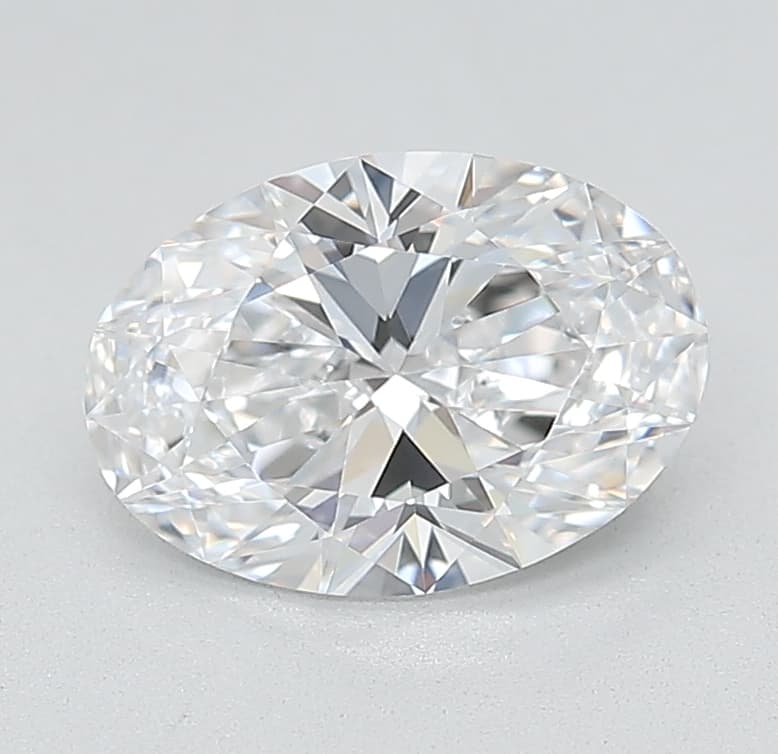
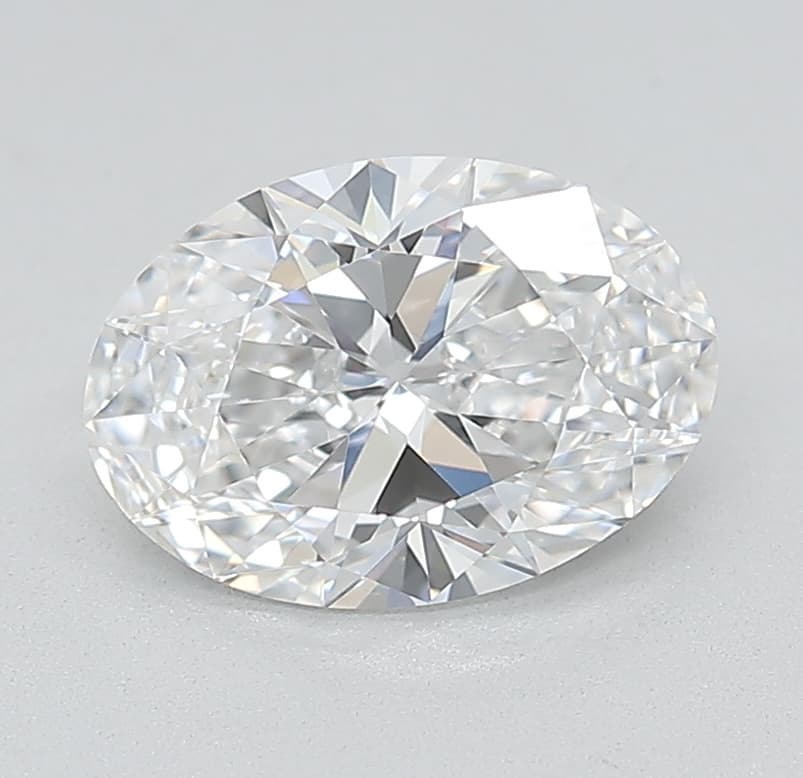
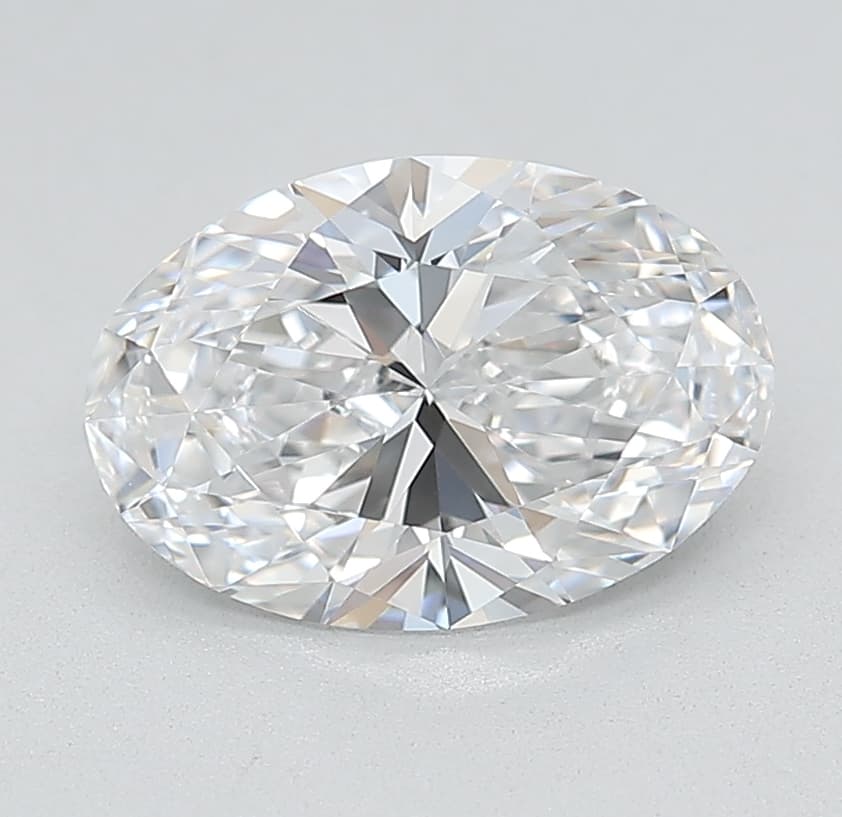
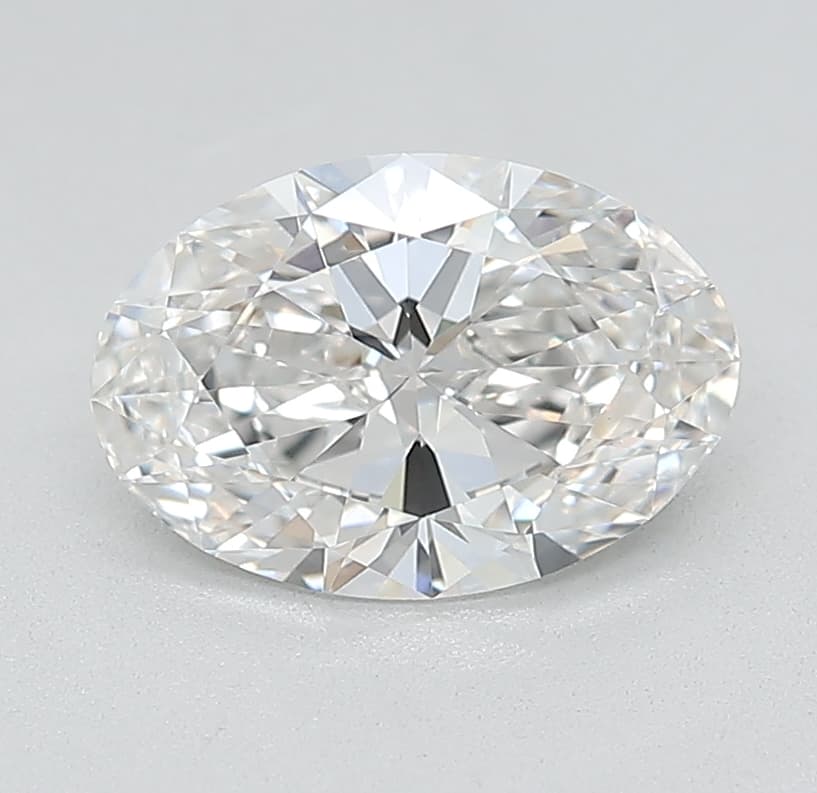
| Oval | 1.30 to 1.50 (many like 1.35 to 1.45) |
| Emerald | 1.30 to 1.50 |
| Pear | 1.45 to 1.75 (many like 1.55 to 1.70) |
| Marquise | 1.75 to 2.25 (many like 1.85 to 2.10) |
Why it matters
For fancy shapes, the ratio is one of the first things to decide, because it sets the outline you will see every day and no grade on the report captures it. Two ovals of the same carat weight can look quite different: a higher ratio looks longer and slimmer on the finger, a lower one rounder and fuller. Pick the ratio you like first, then compare polish, symmetry and a video. The oval and pear guides go into more detail.