Rings & Jewelry
Bezel Settings: The Best Diamond Shapes and Proportions
By the Vanora Diamond team
Published Last reviewed 5 min read

Quick answer
A bezel wraps a rim of metal around the diamond’s edge, which protects the girdle, points and corners and gives a smooth, snag-free profile. Rounds, ovals and cushions are the simplest shapes to bezel, while pears, marquises, hearts and princess cuts gain the most protection. Choose a stone with a girdle that is not extremely thin, a depth within common ranges and an even outline, because the bezel traces that outline exactly.
What a bezel setting is
In a bezel setting, a thin wall of metal surrounds the diamond. The jeweler places the stone in the bezel, then pushes and burnishes the top edge of the wall over the girdle so it holds the stone all the way round. Instead of a few prongs gripping the stone at points, the metal holds the entire edge.
There are two main versions:
- Full bezel: metal around the whole outline, the most protective option.
- Partial or half bezel: metal on two opposite sides or over the ends only, leaving the rest of the edge open to show more of the stone.
Most bezels today are open underneath, so light can reach the pavilion and the underside can be cleaned. Lab-grown diamonds have the same hardness as mined diamonds, and a bezel adds protection to the parts of the stone most exposed to knocks. You choose the loose diamond with us, and a jeweler of your choice makes the bezel to fit it.
Which shapes work best in a bezel
| Shape | Why it suits a bezel | Notes |
|---|---|---|
| Round | A smooth, even curve, the simplest bezel to make | A good choice for an everyday ring |
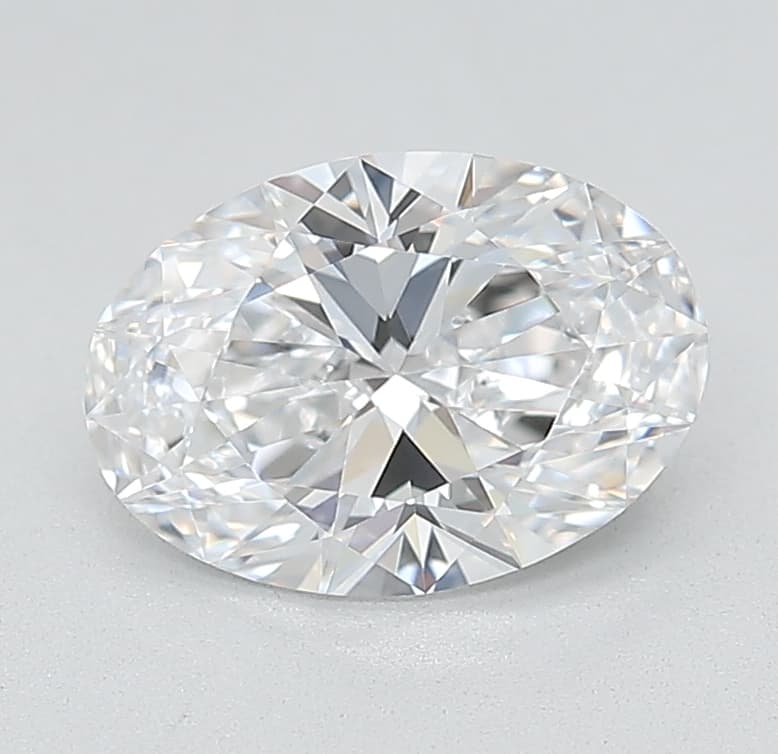
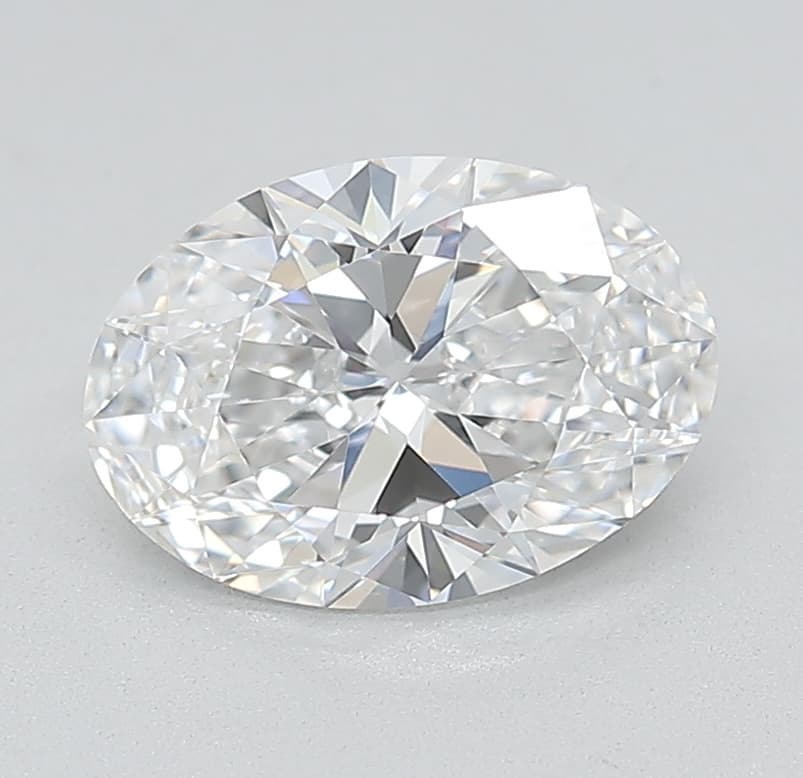
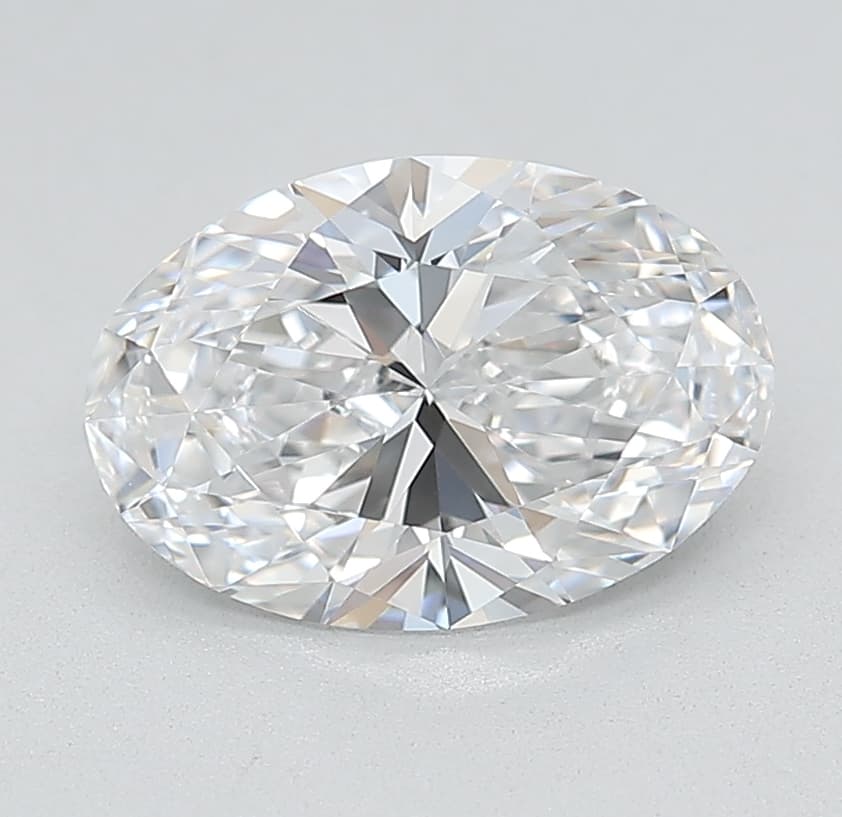
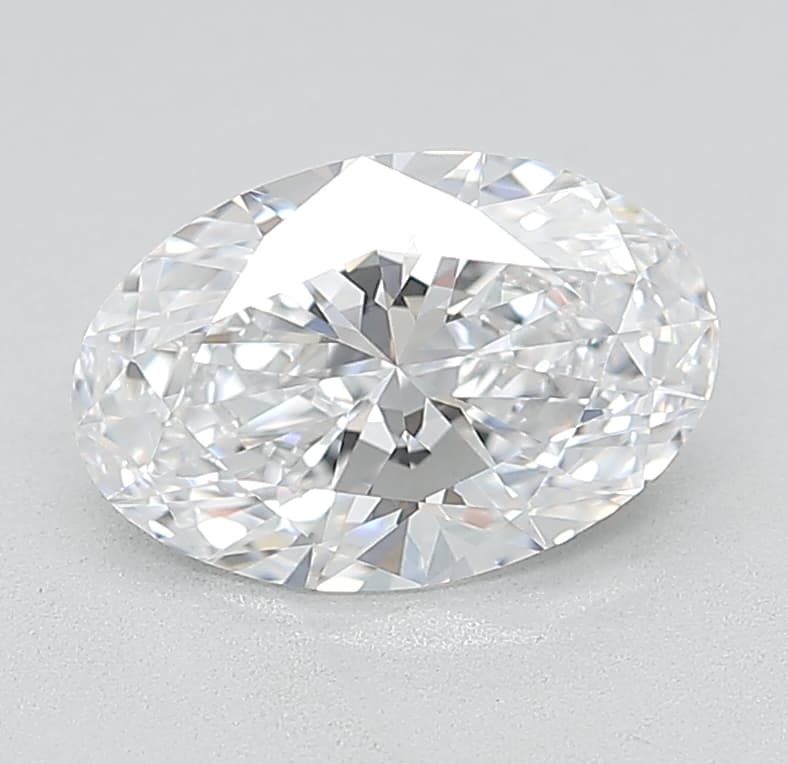
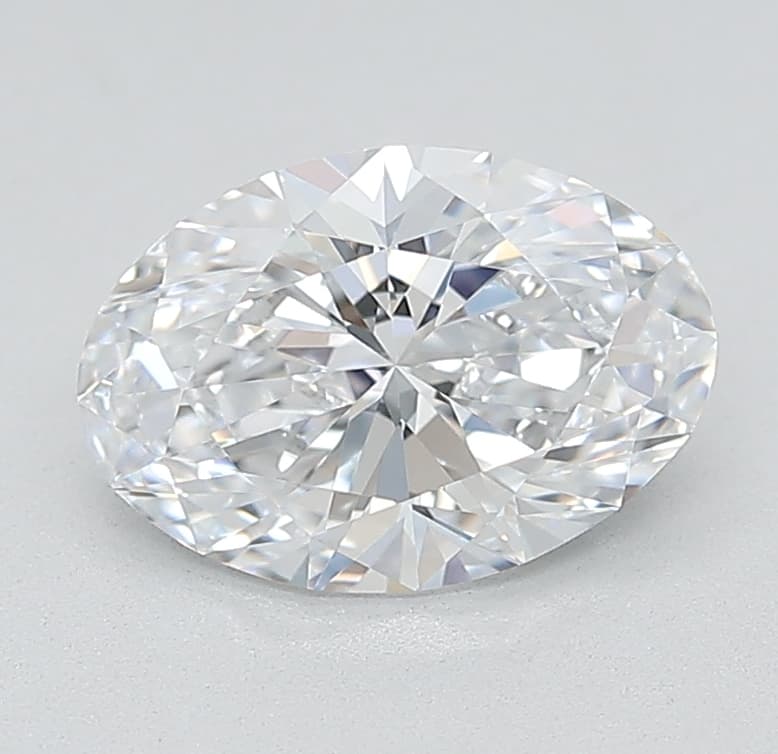
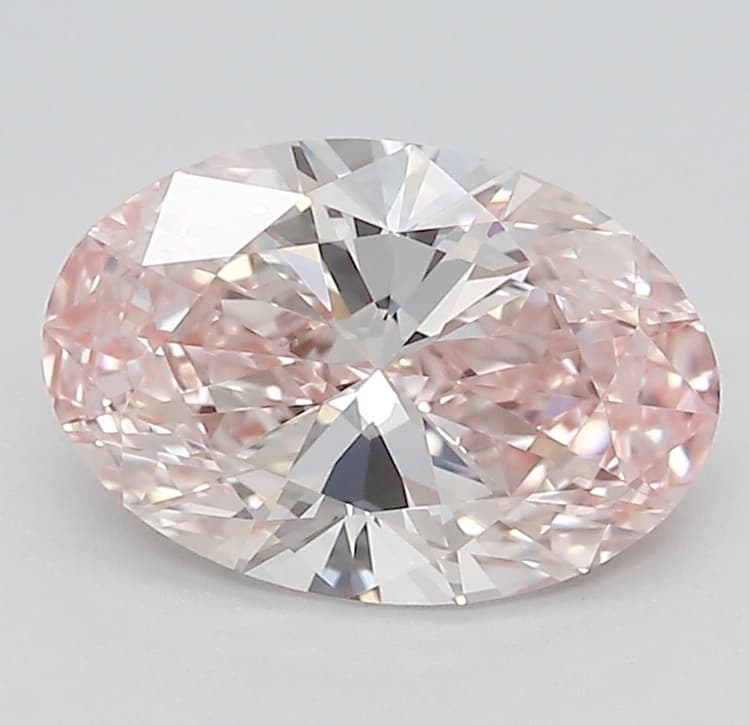
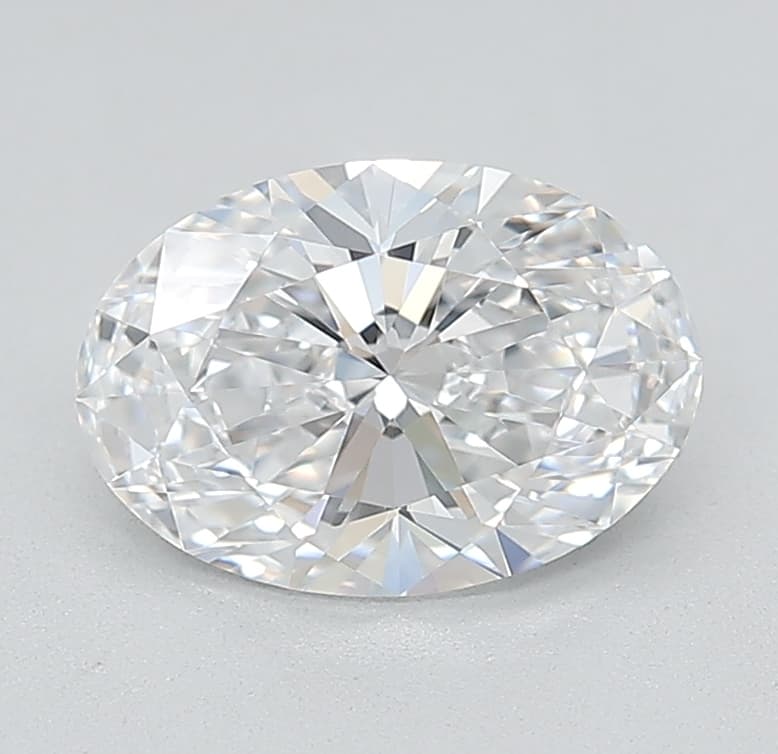
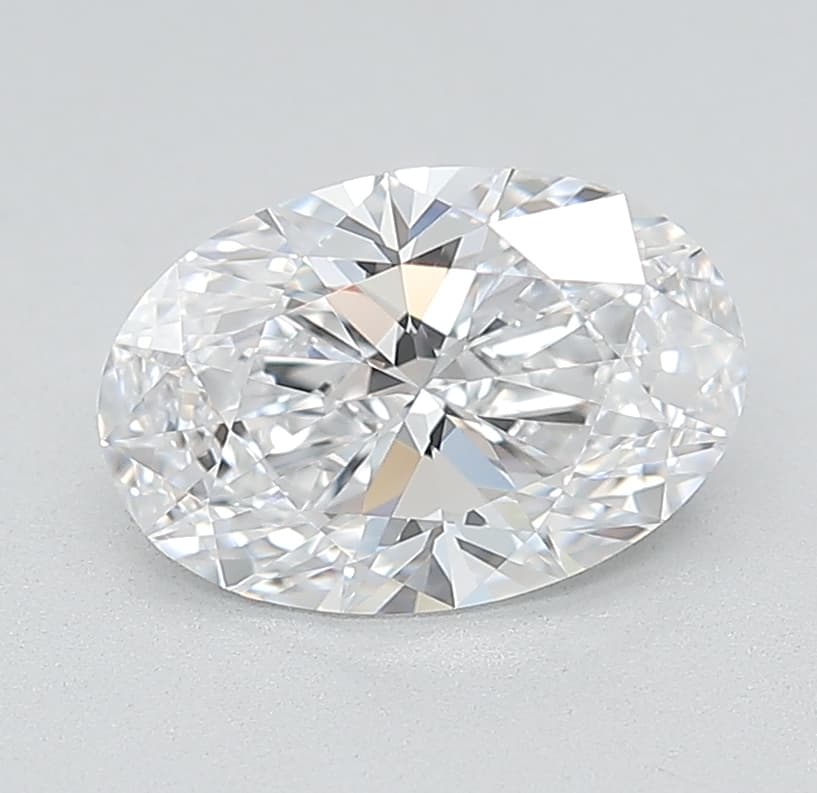
| Oval and cushion | No sharp points; the curve follows easily | Outline symmetry shows in the metal rim |
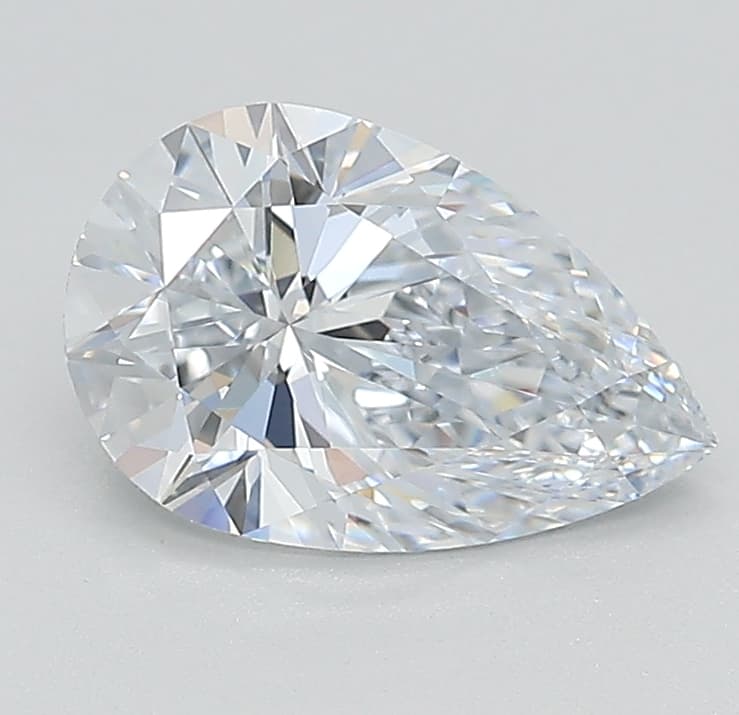
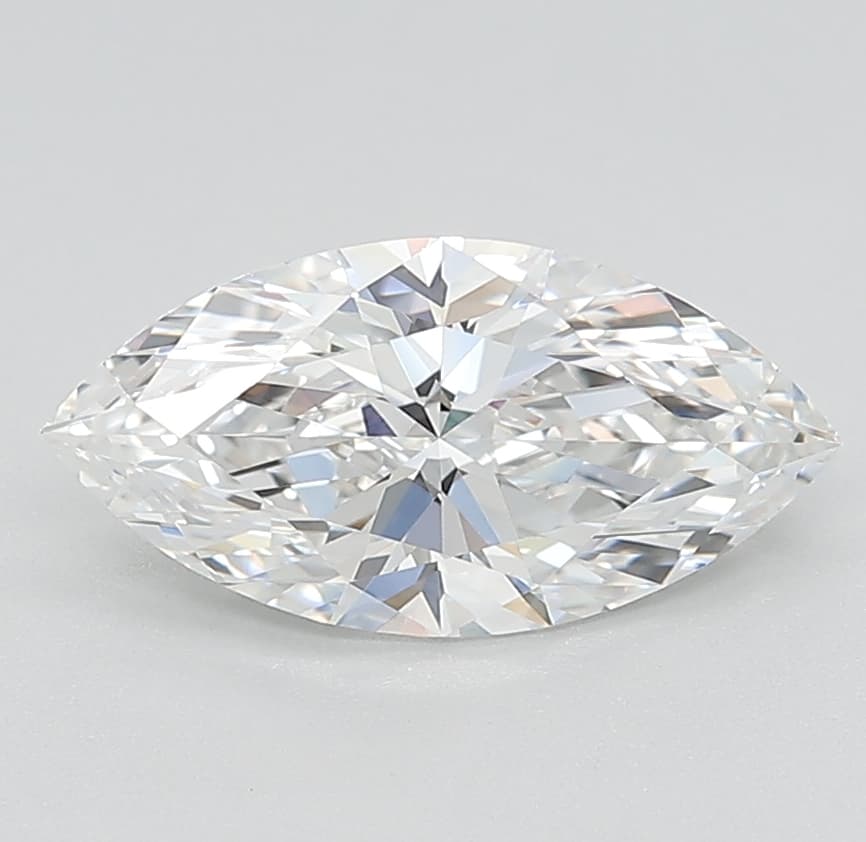
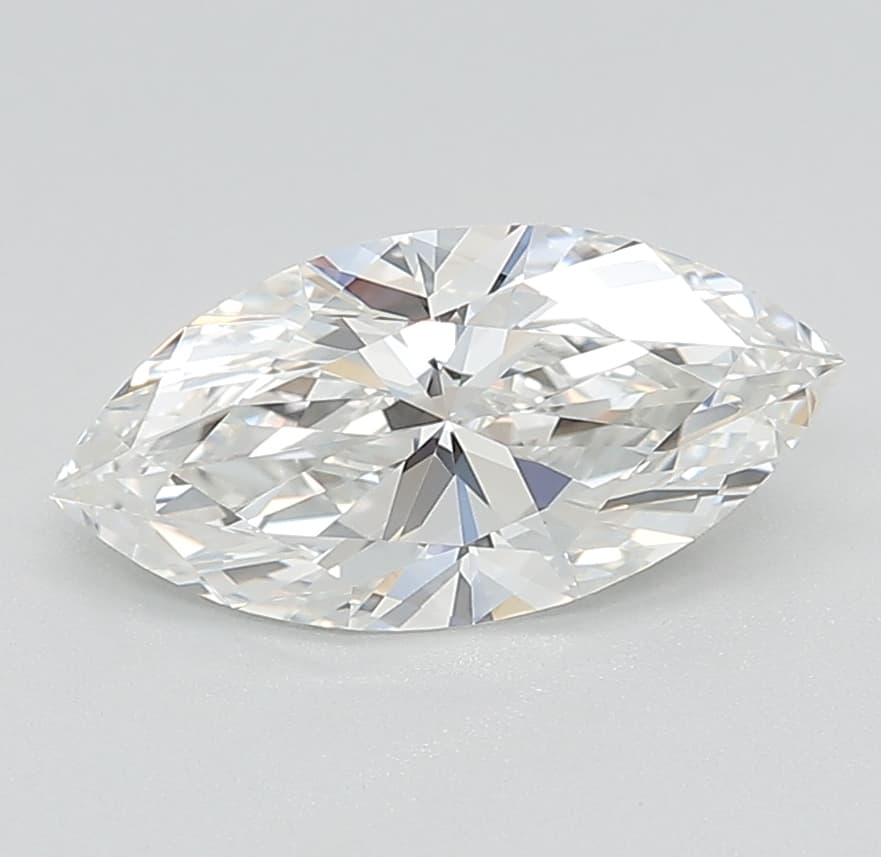
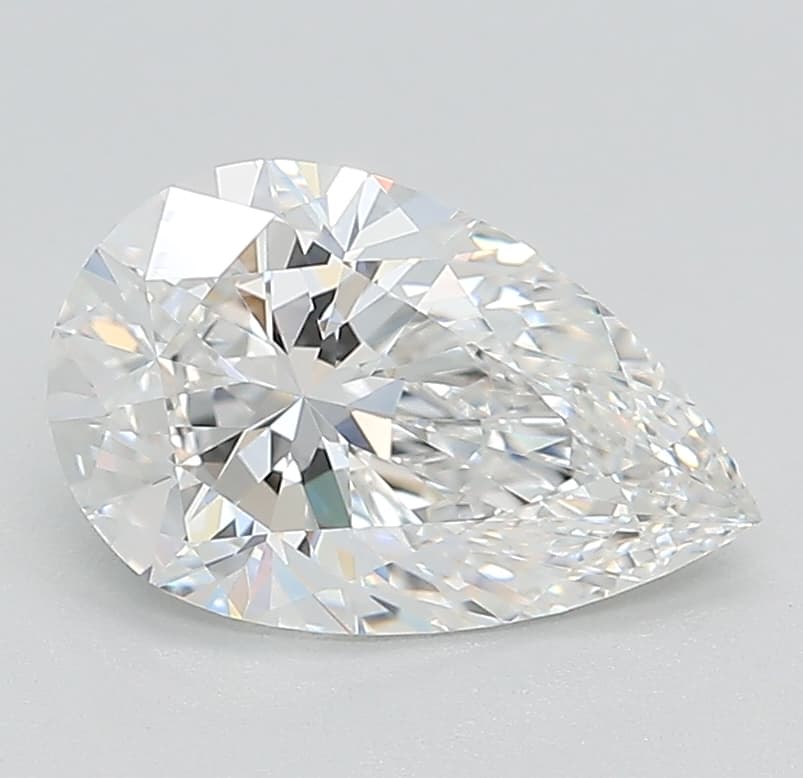
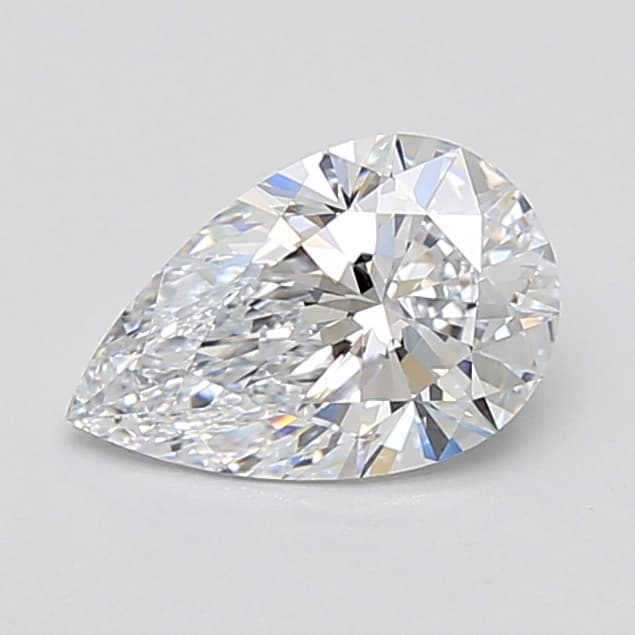
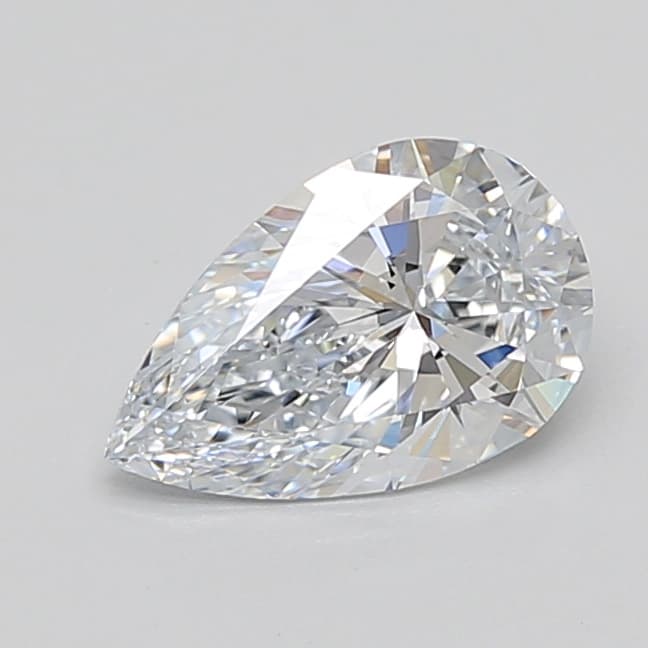
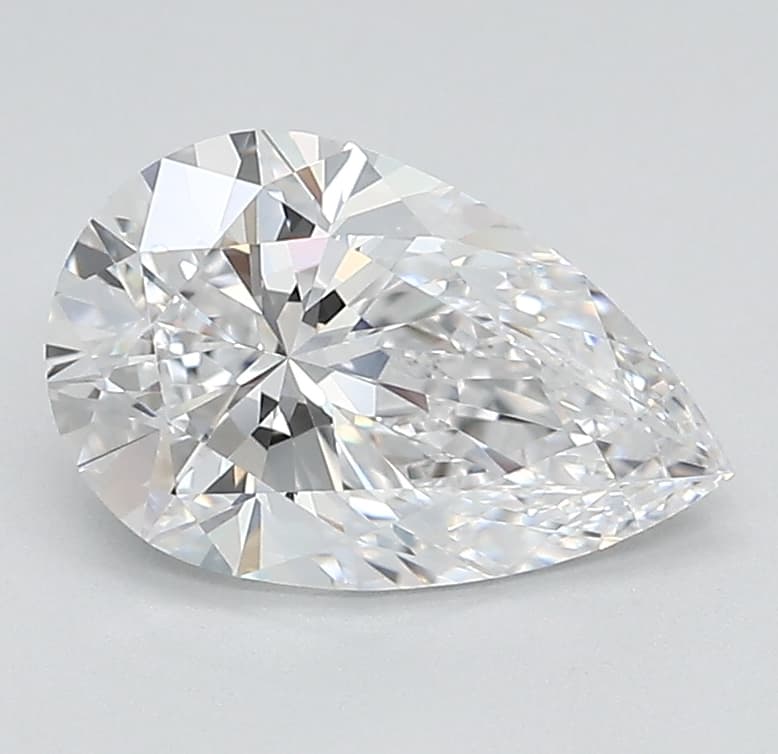
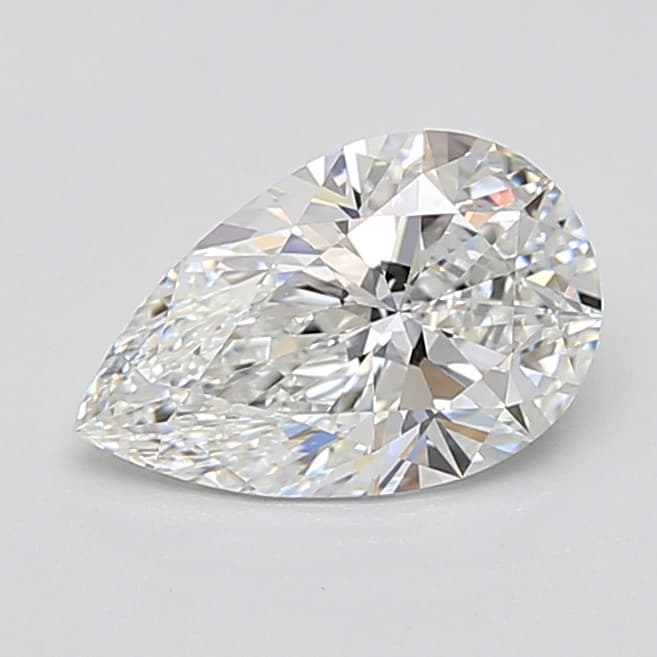
| Pear, marquise, heart | The bezel covers the points, the most fragile part of the stone | The largest gain in protection |
| Princess | Covers four sharp, exposed corners | Corners must sit snugly in the bezel |
| Emerald, radiant | Straight sides and cropped corners take a crisp frame | Suits a clean, architectural look |
| Old European, old miner | Works well with care | The high crown needs a taller bezel wall |
Almost any shape can be bezel set. The more points and corners a stone has, the more a bezel helps; the softer the outline, the easier it is to make.
- Typical L/WAbout 1.00
- Typical L/W1.30–1.50
- Typical L/W1.00–1.05 square1.10–1.30 elongated
- Typical L/W1.45–1.75
- Typical L/W1.75–2.25
- Typical L/W0.90–1.10
- Typical L/W1.00–1.05
- Typical L/W1.30–1.50
Proportions that matter for a bezel
A bezel touches the whole edge of the stone, so a few details on the report matter more than they would with prongs.
Girdle
The girdle description is the first thing to check. An extremely thin girdle is more vulnerable while the metal is pushed over it, and a very thick one adds weight that does not show from the top. A girdle in the thin to slightly thick range is a common target, and an even girdle helps the bezel close evenly.
Depth
The bezel cup has to hold the stone’s full height. A deeper stone sits taller in the setting, and an old European or old miner with a high crown needs a taller wall. Stones within the common depth percentage ranges in each shape guide give the jeweler the most room to keep the setting low.
Outline
The bezel traces the outline exactly, so any unevenness shows as an uneven rim of metal. For ovals, pears and hearts in particular, look for mirrored sides and a centered point in the 360° view.
Measurements
Give your jeweler the length, width and total depth from the IGI report or our stone page (GIA's assessment since October 2025 gives no millimeters). A bezel is made to fit, and accurate measurements make the fit clean.
How a bezel changes the look
- Face-up size: the rim covers a thin sliver at the edge of the crown, so the stone can look slightly smaller than in prongs. A fine, thin bezel edge keeps the difference small; some buyers choose a slightly larger stone to allow for it.
- Outline: the metal draws a clear line around the stone. In white metal it blends with a colorless diamond; in yellow or rose gold it frames it with a warm edge.
- Color: the metal sits right against the stone, so a yellow or rose gold bezel reflects warm tones into it. That can soften a near-colorless stone, and some buyers who want a colorless look choose a white metal bezel cup on a gold band. Our post on diamond color and metal covers this in detail.
- Sparkle from the side: a bezel encloses the edge, so a stone can look a little less bright from the side than in an open prong setting. Face-up, a well-cut stone still looks lively, and keeping the underside clean helps.
Who a bezel suits
A bezel is a practical choice if you:
- work with your hands or wear your ring during sport, gardening or other activities;
- catch prongs on knitwear, gloves or hair;
- like a low, smooth profile that stacks well with other bands;
- want a pear, marquise, heart or princess and would like its points or corners covered.
A bezel also has a few trade-offs to know about. The metal rim can dent or wear if it takes a hard knock, though a jeweler can usually reshape or tighten it. Resetting the stone later takes a little more work than lifting prongs. And because the rim shows, its finish (polished, brushed or with a fine milgrain edge) is part of the design, so look at examples with your jeweler.
Bezels are not only for rings. They are a common choice for solitaire pendants and stud earrings, and they suit the lower-profile designs in our post on diamonds for men’s rings.
A bezel rim can dent or wear if it takes a hard knock, though a jeweler can usually reshape or tighten it. Resetting the stone later takes a little more work than lifting prongs.
Choosing a diamond for a bezel with us
- Pick the shape, using the table above to weigh protection against how much of the edge you want to show.
- Read the girdle description on the report, and the depth against the shape’s common ranges.
- Check the outline in the 360° view, since the bezel will trace it.
- Send your jeweler the exact measurements from the report or stone page before you buy.
The suggestions below are stones that suit a bezel well, and our diamond specialists can help you read a report before you decide.
Frequently asked questions
Does a bezel setting make a diamond look smaller?
Slightly. The metal rim covers a thin sliver at the edge of the crown, so a bezel-set stone can look a little smaller than the same stone in prongs. A fine, thin bezel edge keeps the difference small.
Is a bezel setting more secure than prongs?
A bezel holds the whole edge of the stone rather than a few points, and it covers the girdle, points and corners, so it is one of the most protective settings. Well-made prongs are also secure, but they leave more of the edge exposed and need checking from time to time.
Which diamond shapes are best for a bezel setting?
Rounds, ovals and cushions are the simplest to bezel because their outlines have no sharp points. Pears, marquises, hearts and princess cuts gain the most protection, because the bezel covers their points or corners.
Can any diamond be bezel set?
Almost any shape can be. Check the girdle on the report, since an extremely thin girdle needs extra care while the metal is pushed over it, and give your jeweler the exact length, width and depth so the bezel fits.
Glossary terms in this article
More on Rings & Jewelry in the journal.