Shapes & Cuts
Old European Cut Lab-Grown Diamonds vs Modern Round Brilliants
By the Vanora Diamond team
Published Last reviewed 6 min read

Quick answer
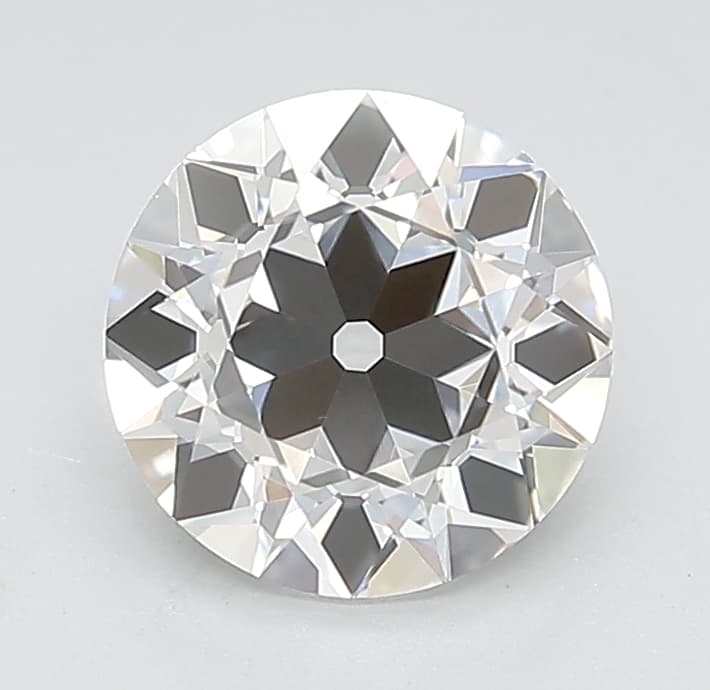
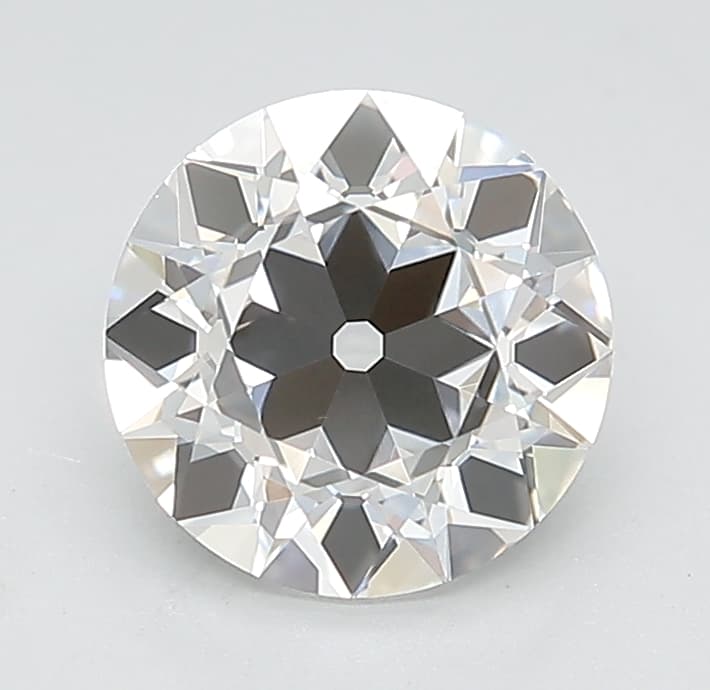
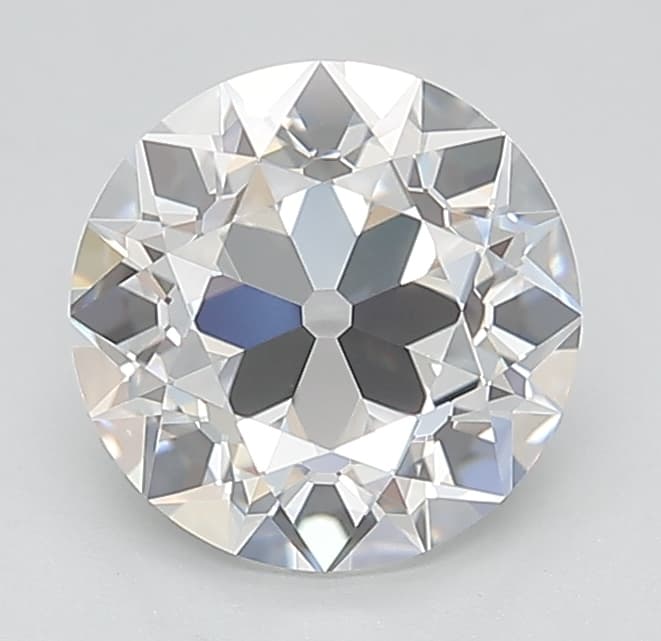
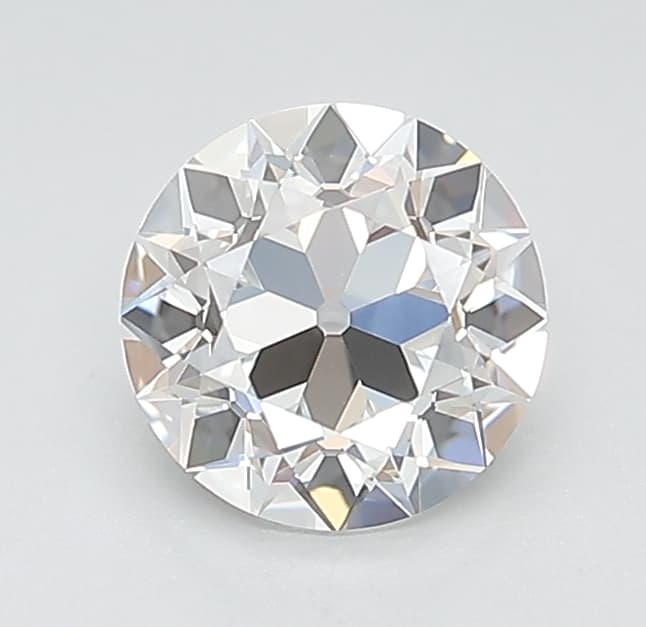
An old European cut is a round, antique-style diamond with a small table, a tall crown, short lower facets and an open culet, so it shows broad, colorful flashes rather than the fine, even sparkle of a modern round brilliant. A lab-grown old European is a new laboratory-grown diamond cut to recreate that look, not an antique. Because it usually has no cut grade, you choose one by its proportions, culet, height and how it looks on video.
What makes an old European cut different from a modern round?
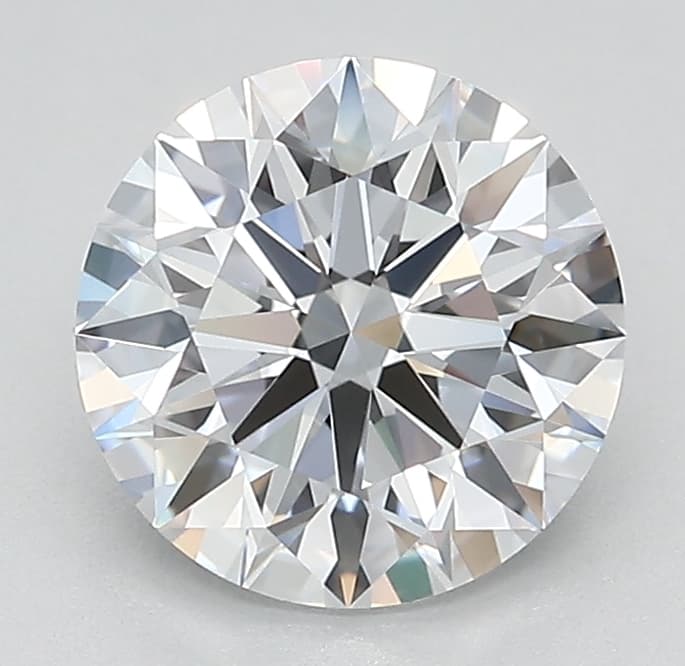
From across a room, an old European cut and a modern round brilliant look alike: both are round, and both have a similar number of facets arranged around a central table. The difference is in the proportions and the shape of those facets, and it changes the whole personality of the stone.
| Feature | Old European cut | Modern round brilliant | What you notice |
|---|---|---|---|
| Table | Small | Larger, commonly 54% to 58% | More of the top is crown facets |
| Crown | Tall and steep | Lower | The stone sits higher and shows more colored flashes |
| Lower-half facets | Short | Long and slim | Broad, blocky flashes instead of many fine ones |
| Culet | Open, often visible | None or pointed | A small circle at the center |
| Cut grade | Usually none: not a modern round brilliant | Ideal to Poor on IGI reports | You judge the cut by eye |
The lower-half facets are the detail few people hear about, yet they shape the look more than anything else. In a modern round, long, slim lower facets split each reflection into many small points of light. In an old European, the shorter lower facets leave the main pavilion facets broad, so they return larger, bolder flashes. People often call the result chunky, and it is the main reason the two cuts look so different up close.
Where does the old European cut come from?
The old European cut was the main round diamond cut from the late nineteenth century into the early decades of the twentieth. It followed the cushion-shaped old mine cut: as mechanical methods made truly round outlines practical, cutters kept the small table, tall crown and open culet of the older style in a circular form.
Over the following decades cutters gradually enlarged the table, lengthened the lower facets and shrank the culet. Stones from that in-between stage are often called transitional cuts, and the process led to the modern round brilliant described in our round guide.
A lab-grown old European has no antique history of its own. It is a modern laboratory-grown diamond cut to recreate the look, and its grading report states that it is laboratory-grown. You can verify the report number on igi.org or gia.edu. That is the appeal for many buyers: the character of an antique stone with a new diamond and a current report.
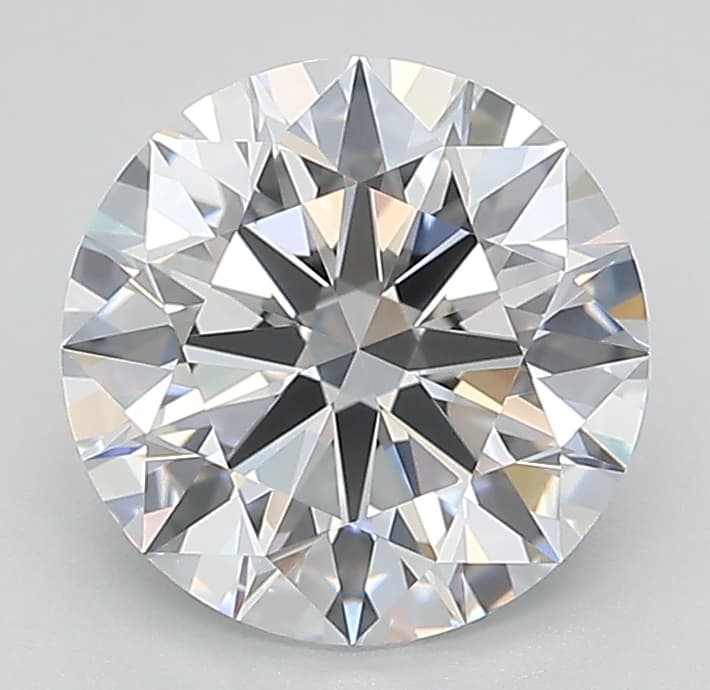
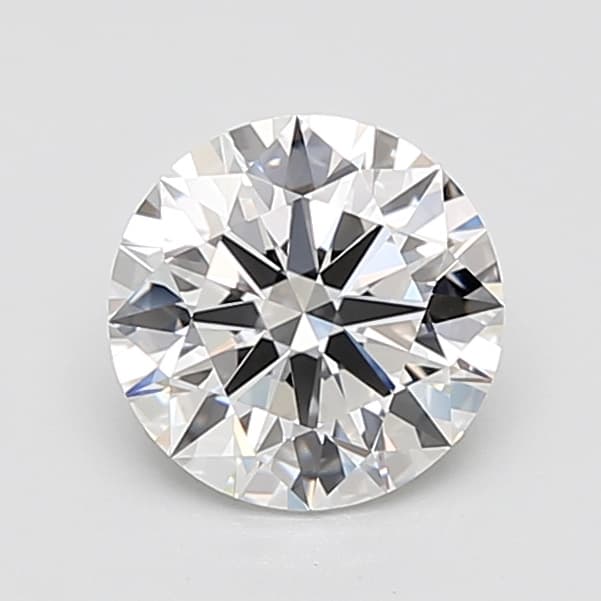
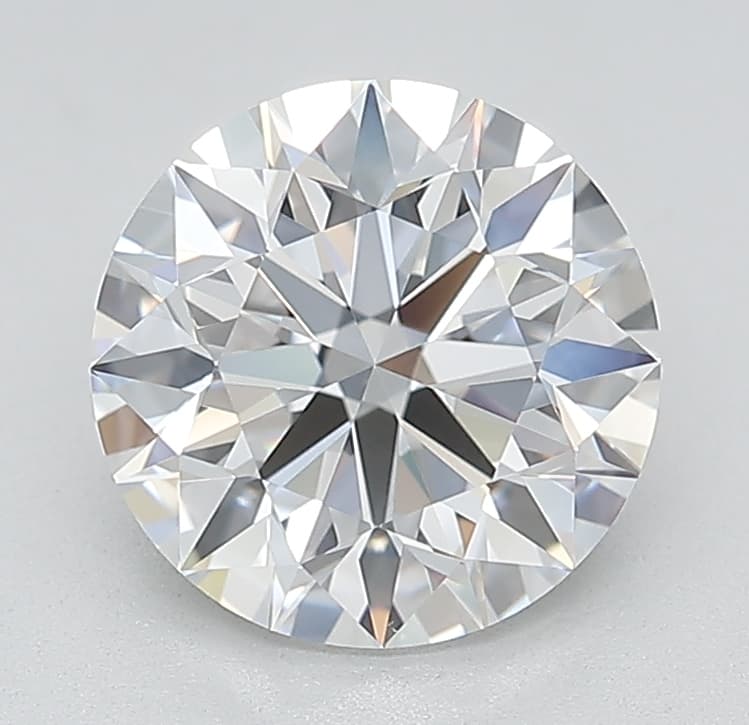
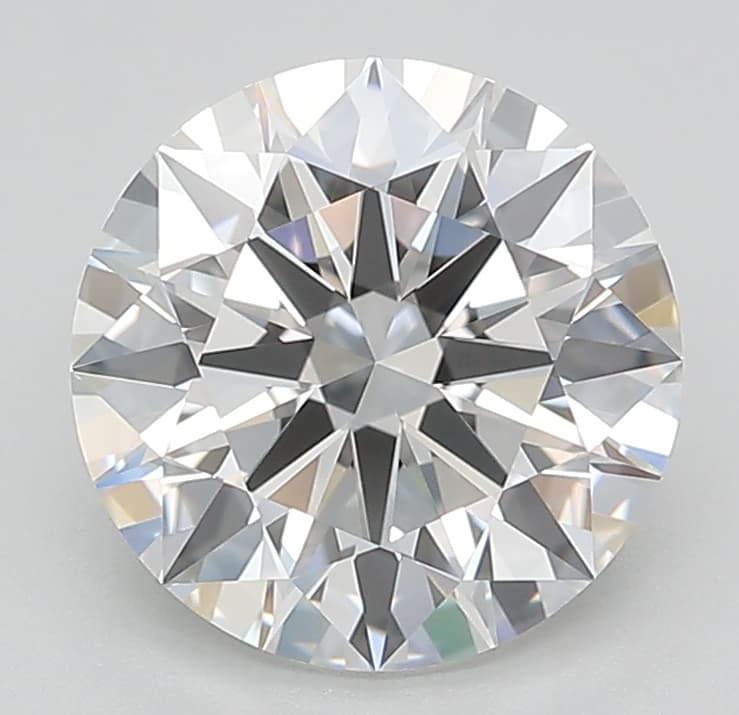
- Typical L/WAbout 1.00–1.10
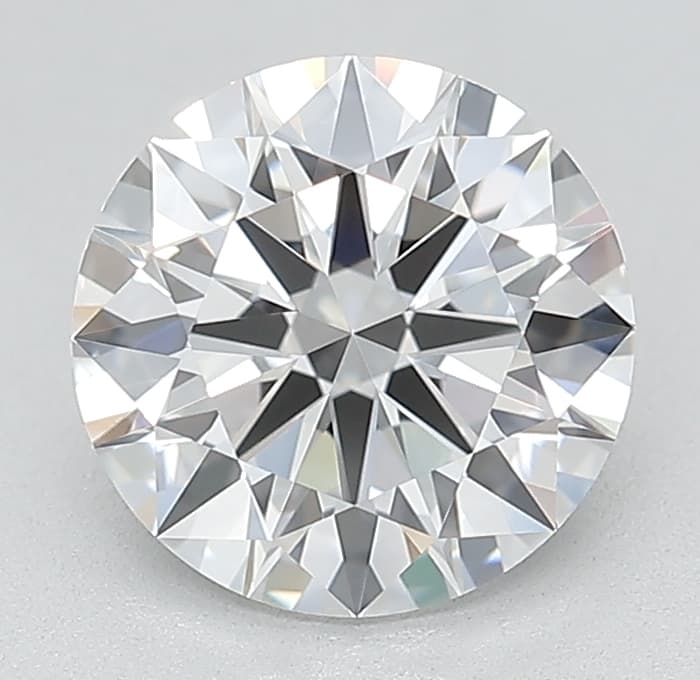
- Typical L/WAbout 1.00
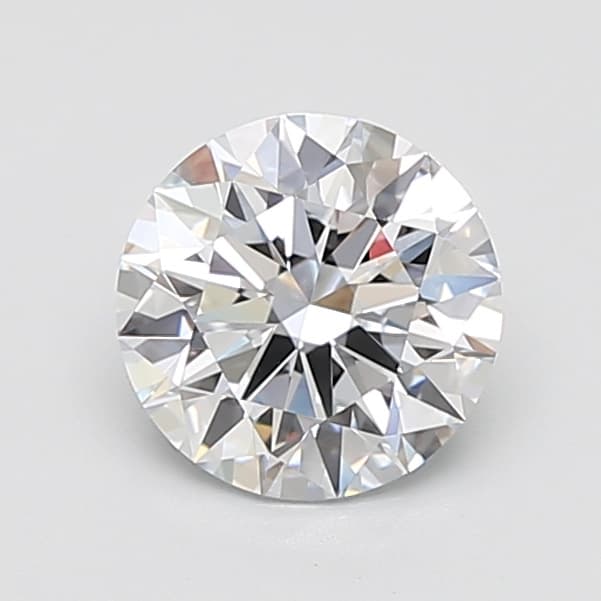
- Typical L/WAbout 1.00
How does an old European cut look in real life?
In different kinds of light
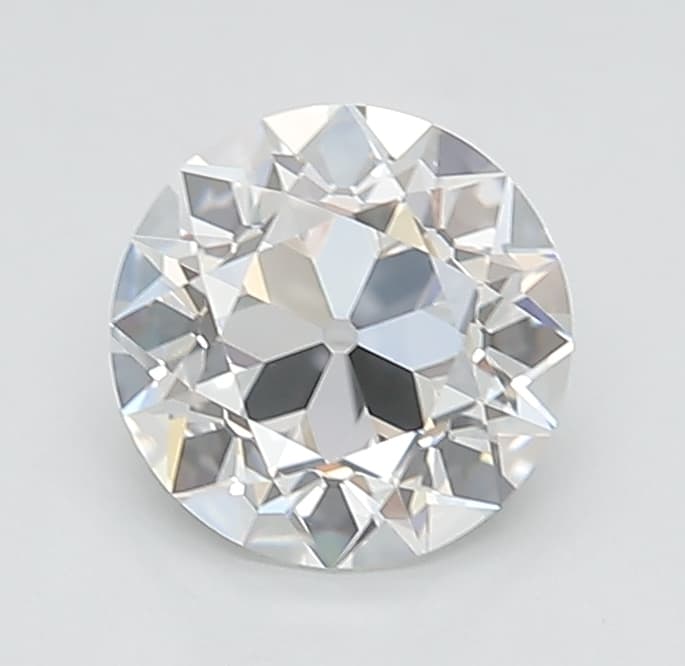
Broad facets respond strongly to point light sources such as spotlights, candles and the sun, where an old European shows bold flashes and plenty of color. In soft, diffuse light, such as an overcast day or an evenly lit office, a modern round usually looks brighter overall, while an old European looks softer and more glowing. Neither is a flaw, but it is worth seeing videos taken in more than one kind of light before you decide.
The culet
Looking straight down, you can often see the open culet as a small circle at the center of the stone. In a well-cut stone it is centered and small enough to read as a detail rather than a hole. It is part of the character of the style, not a defect.
Size for the weight
With a tall crown, more of the stone’s height sits above the girdle, and some old European cuts also carry weight in a thicker girdle. The result can be a smaller diameter than a modern round of the same carat weight. Compare the millimeter measurements on the reports rather than the carat weights, and do not rely on size charts made for modern rounds.
A tall crown, and sometimes a thicker girdle, can leave an old European cut smaller across than a modern round of the same carat weight. Compare the measurements on the reports rather than size charts made for modern rounds.
Who is an old European cut a good fit for?
- Antique and antique-style rings: a modern round can look busy and very bright next to old side stones or in a period mounting. An old European usually suits milgrain, engraved or Art Deco designs better.
- Adding to or repairing an heirloom: if you are replacing a lost center stone, matching the character of the remaining stones matters more than matching grades on paper.
- People who find modern rounds too icy: the broader flashes and warmer glow feel calmer to some eyes.
- Anyone who wants a round with a difference: the outline is classic, but the look is not the one everyone else is wearing.
It may not suit you if you want the brightest possible stone in every kind of light, or if you would rather lean on an overall cut grade. In that case a modern round with a top cut grade, or with a hearts and arrows pattern, is the simpler choice.
How do you judge an old European cut from the report and video?
There are no standard target proportions for this style, so use the report to confirm the features you want and the video to judge the result:
- Table and crown: a small table and a tall crown are what make the look. A stone with a large table has lost much of the antique character. If the report lists a crown angle, expect it to be steeper than on a modern round.
- Culet: reports describe the culet size in words, from small to very large. Use the video to see whether it reads as a neat circle or a dark spot, and check that it is centered.
- Roundness: the closer the minimum and maximum diameters, the rounder the outline.
- Height: the total depth in millimeters tells you how tall the stone is, which matters for low settings.
- Polish and symmetry: Excellent or Very Good is a sensible starting point.
On our stone pages you can look at each stone in a photo and a 360° view, and for many stones an ASET image as well. An ASET image maps where a diamond gathers light; an even, balanced pattern with no large pale patches suggests the light is being returned rather than leaking out.
Color, clarity and setting choices
Color is partly a matter of style. A colorless grade reads crisp and bright and matches white metal and colorless side stones. A slightly warmer grade gives a more period look, especially in yellow or rose gold. Either way, check the video for a brown, gray or milky tinge, which the color grade does not describe.
Clarity deserves a closer look than in a modern round. Broad facets and an open culet give you a clearer view into the stone, so inclusions near the center can be easier to see. Aim for an eye-clean stone and look through the table toward the culet in the video. Our clarity guide explains the grades.
Setting: the round outline has no corners to protect. Allow for the tall crown when you choose the setting height. Six prongs, a bezel or a milgrain-edged bezel all suit the style, and a slim band keeps attention on the stone.
Old European or modern round: how to decide
Choose an old European if you love bold, colorful flashes, you are matching an antique design, or you want a round with more personality. Choose a modern round if you want the most even brightness in all lighting and the reassurance of an overall cut grade. If you like the antique character but prefer a squarish outline, look at the old miner, its cushion-shaped relative.
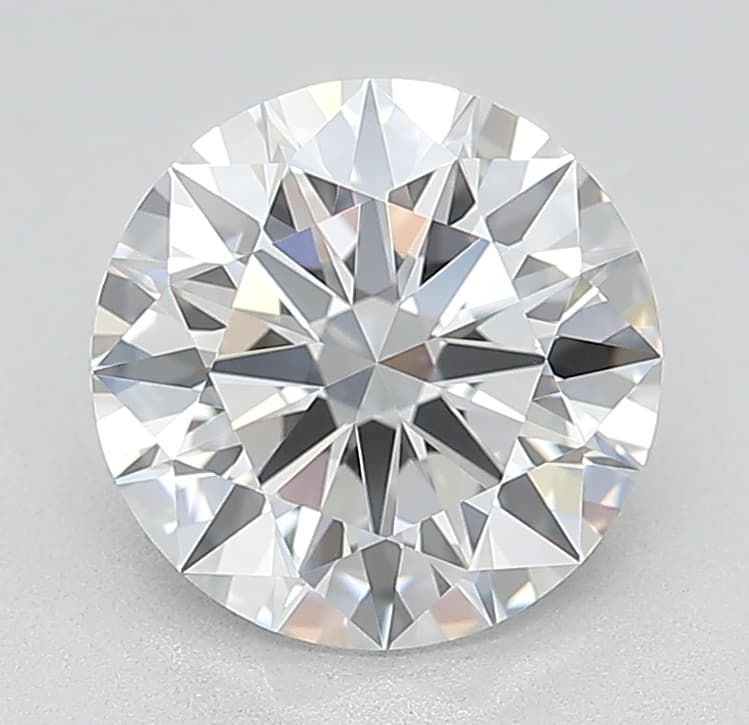
The old European cuts in our inventory are listed below alongside a set of modern rounds, so you can compare the two looks on video. If you would like to see them side by side, one of our diamond specialists can arrange a viewing or go through the reports with you.
Frequently asked questions
Is an old European cut the same as a transitional cut?
No. A transitional cut sits between the old European cut and the modern round brilliant, with features of both, such as a somewhat larger table, longer lower facets and a smaller culet than a classic old European.
Can an old European cut diamond be lab-grown?
Yes. Laboratory-grown diamonds can be cut in any style, including the old European cut. A lab-grown old European is a modern stone cut to recreate the antique look, and its grading report states that it is laboratory-grown.
Will an old European cut look smaller than a modern round of the same weight?
It can. A tall crown and sometimes a thicker girdle put more of the weight where it does not add to the diameter. Compare the millimeter measurements on the reports rather than the carat weights.
Is an old European cut a good choice for an antique-style ring?
It is often the best fit. Its broad flashes and open culet match the look of period side stones and mountings, where a modern round can look noticeably brighter and busier than the stones around it.
Glossary terms in this article
More on Shapes & Cuts in the journal.