Buying & Care
How to Clean a Diamond Ring at Home, and What to Avoid
By the Vanora Diamond team
Published Last reviewed 5 min read

Quick answer
Soak the ring in warm water with a few drops of mild dish soap, brush gently under and around the stone with a soft toothbrush, rinse it in a bowl rather than over an open drain, and pat it dry with a lint-free cloth. Avoid chlorine bleach, abrasive powders and toothpaste, and take care with ultrasonic and steam cleaners if the ring has small stones, other gems or a delicate setting. A lab-grown diamond is cleaned exactly like a mined one.
Why a diamond ring loses its sparkle
A diamond does not fade or cloud with age. When a ring looks dull, the cause is almost always a film on the stone. Diamond’s surface attracts oil and grease, so skin oils, hand cream, soap residue and everyday grime build up, mostly on the underside of the stone and around the prongs, where you cannot easily see or reach.
That matters because a diamond’s sparkle depends on light entering through the top, reflecting off the facets underneath and coming back out. A greasy film on those lower facets interferes with the reflections, and the stone looks flat. Clean it, and the brightness returns.
A lab-grown diamond is the same material as a mined diamond, with the same hardness and surface, so everything here applies equally to both. See our lab-grown vs natural guide for how the two compare.
The routine: warm water, mild soap, soft brush
This is the standard gentle method for a diamond in a sound setting, and you need nothing special for it:
- Fill a small bowl with warm water, not hot, and add a few drops of mild dish soap.
- Soak the ring for 20 to 30 minutes to loosen the film.
- Brush gently with a soft toothbrush kept only for this, paying most attention to the underside of the stone and the spaces between the prongs, where grime collects.
- Rinse in a second bowl of clean warm water, or under the tap with the sink plugged, so the ring cannot slip down the drain.
- Dry with a soft, lint-free cloth, or let it air-dry on a clean towel.
Handle the ring by the band rather than the stone when you put it back on, since fingertips leave a fresh layer of oil on the diamond. A quick clean whenever it looks dull, and a longer soak now and then, keeps it at its best.
What to avoid
The diamond itself is very hard to harm with household products. The risk is to the metal, the setting and any other gems in the piece.
| Avoid | Why |
|---|---|
| Chlorine bleach and pool or hot-tub water | Chlorine can attack gold alloys and, over time, weaken prongs |
| Toothpaste, baking soda and abrasive powders | They scratch gold and platinum and dull the polish of the metal |
| Harsh household cleaners | They can discolor metal and damage other gems or finishes |
| Boiling water or sudden temperature changes | Other gemstones in the piece may not tolerate them |
| Paper towels and tissues | Fibers catch on prongs and they can leave lint behind |
| Pins or sharp tools to pick out dirt | They can scratch the metal and loosen the stone |
Jewelry cleaning solutions sold for diamonds are fine to use if you follow the label, but check that they are suitable for every material in your piece.
Ultrasonic and steam cleaners: when to be careful
Jewelers clean diamonds with ultrasonic baths and steam, and both work well on a solid diamond in a secure setting. At home, use them with care:
- Ultrasonic cleaners shake dirt loose with high-frequency vibration. The same vibration can loosen stones in a worn setting, and it can work small stones out of pavé or channel settings.
- Steam cleaners use heat and pressure, which some other gemstones do not tolerate.
- Other gems in the piece may not be safe in either. Emeralds, opals, pearls and many treated gemstones are commonly kept out of ultrasonic baths and away from steam.
If in doubt, stick to soap and water, and ask your jeweler before using a machine on a ring with side stones or an older setting.
Ultrasonic vibration can loosen stones in a worn setting and work small stones out of pavé or channel settings, and steam can harm other gems. If in doubt, stick to soap and water and ask your jeweler.
Habits that keep it clean, and safe, for longer
A few habits cut down on cleaning and protect the setting:
- Put the ring on after hand cream, sunscreen, hair products and perfume, not before.
- Take it off for the gym, gardening, heavy lifting and cleaning with household chemicals. Hard knocks can bend prongs, and a diamond can chip if struck on a thin edge or a point.
- Take it off before swimming. Chlorine is hard on gold, and fingers shrink in cold water, so rings slip off more easily.
- Store it on its own, in a soft pouch or a lined box compartment. Diamond can scratch other jewelry, and other diamonds can scratch it.
- Do not pull it off by the stone. Gripping the head of the setting puts pressure on the prongs; slide the ring off by the band.
When to see a jeweler
Home cleaning keeps a ring bright; a jeweler keeps it secure. Have the setting checked at regular intervals, and straight away if:
- the stone moves, rattles or turns when you touch it;
- a prong catches on clothing or looks flattened, bent or thin;
- you can see a gap between the stone and a prong;
- the ring has taken a hard knock.
A jeweler can also clean and polish the metal professionally, and replate white gold when its rhodium finish wears. Before any repair that uses heat, such as re-tipping prongs or resizing, tell the jeweler what the stones are so they can plan the work. Keep your grading report handy: the laser inscription on the girdle lets you confirm, after any work and where the setting leaves it visible, that the stone you get back is yours.
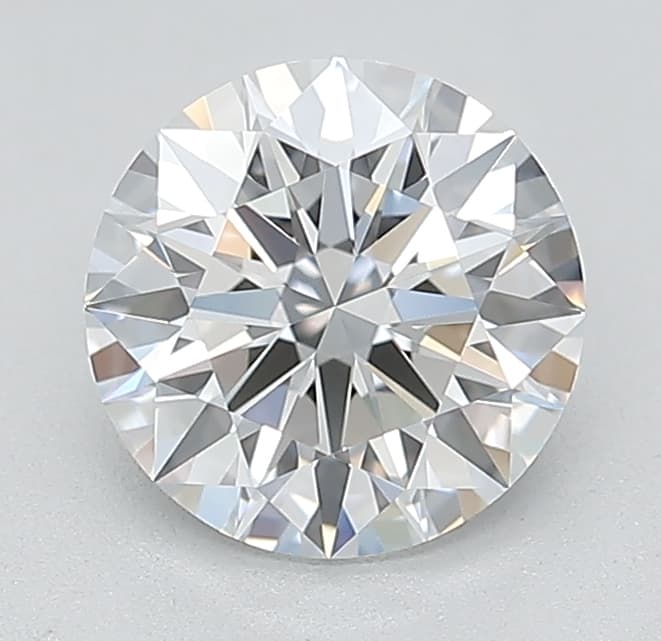
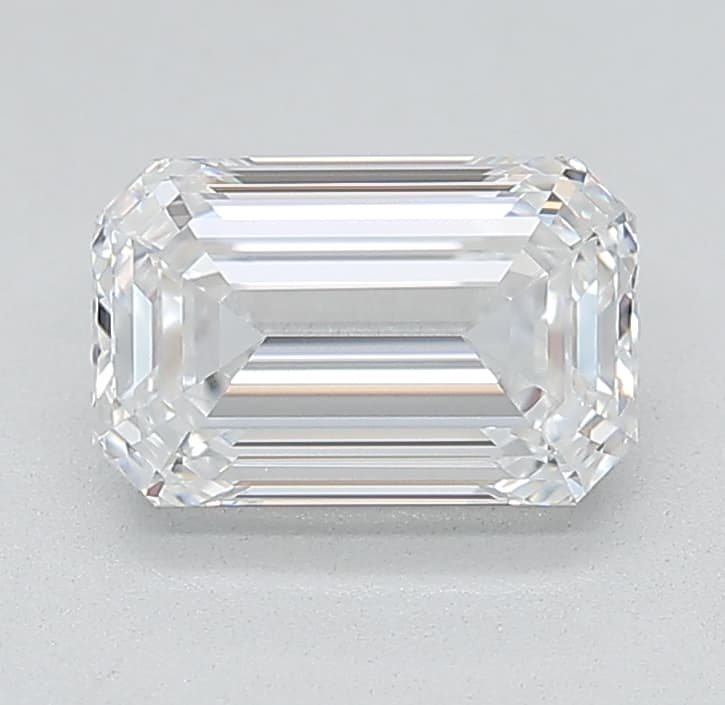
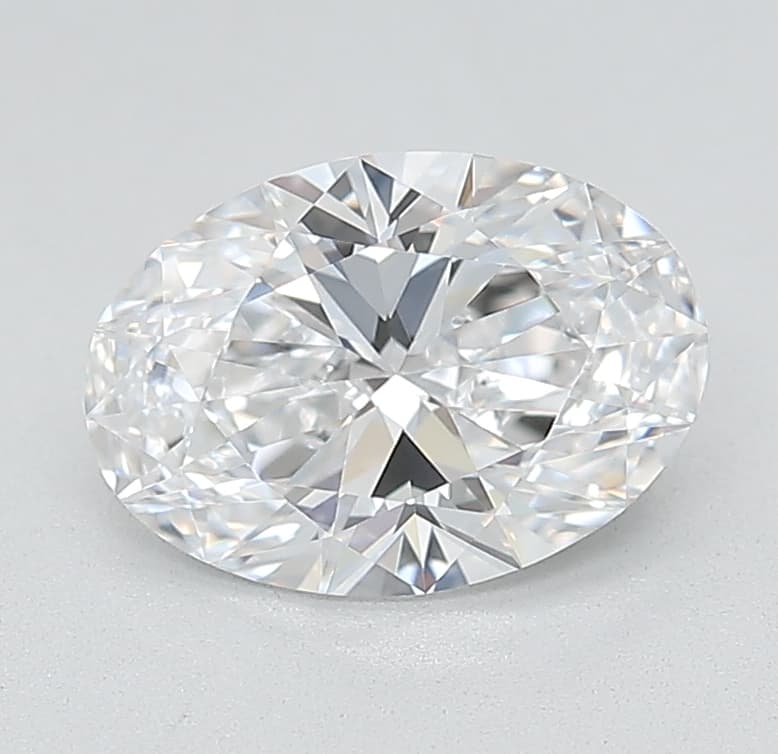
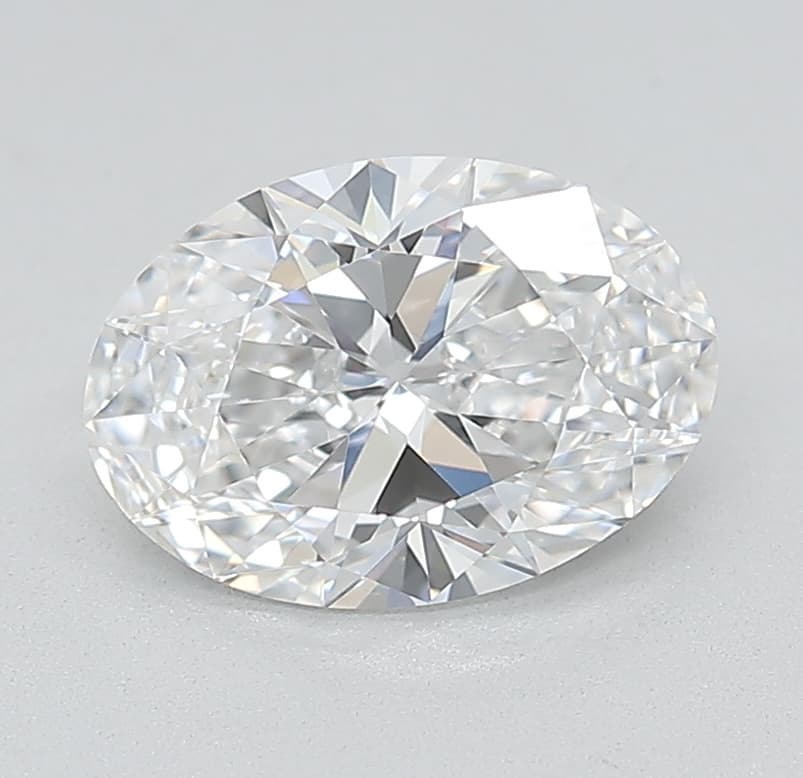
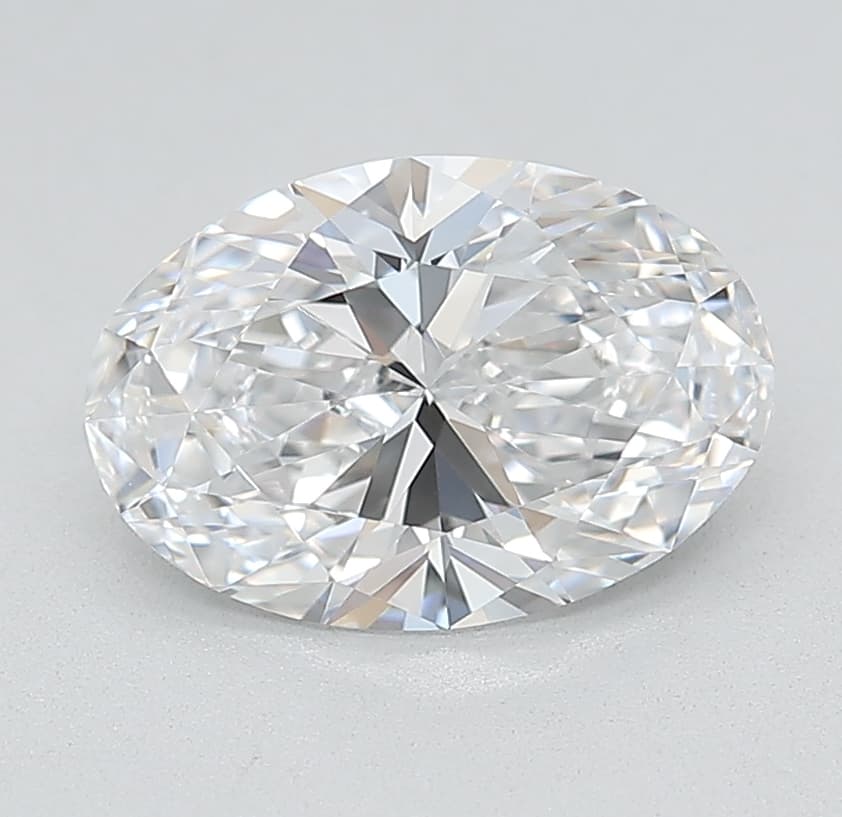
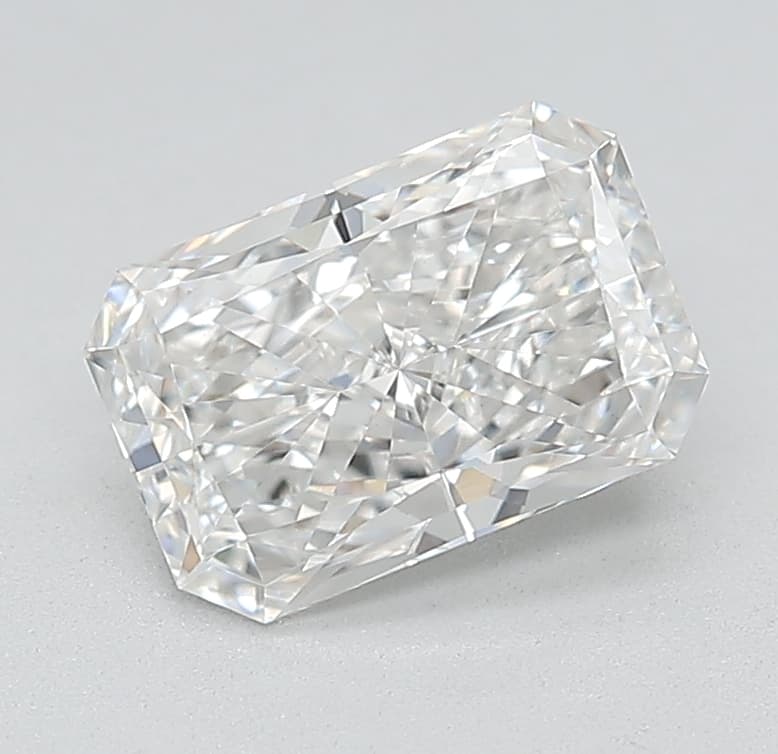
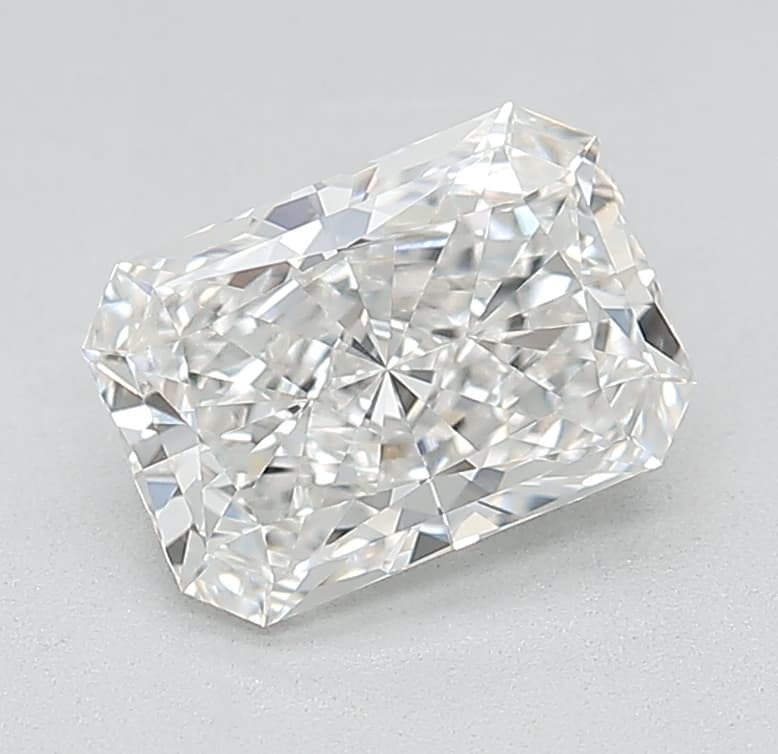
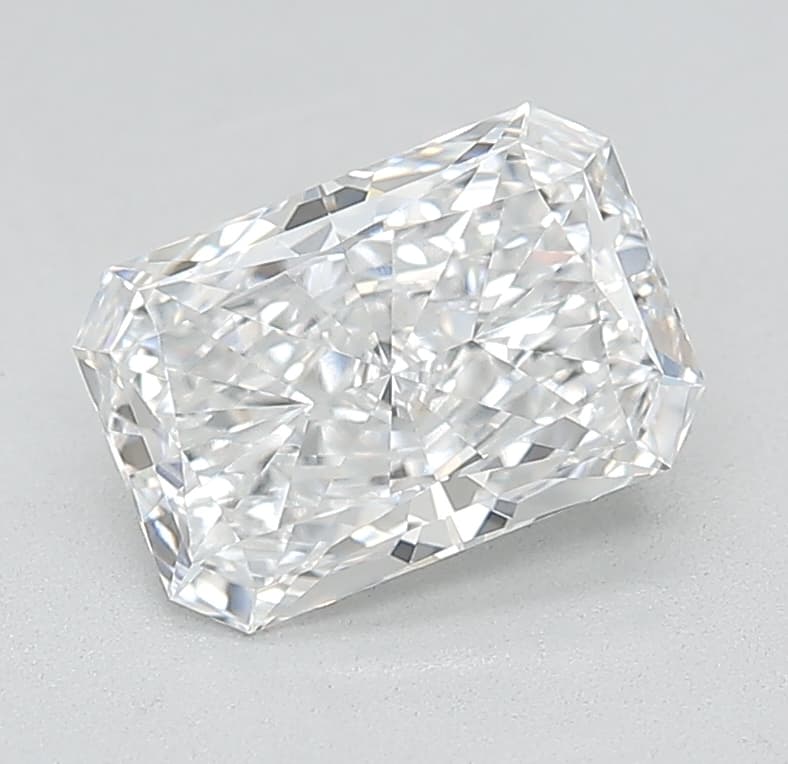
If you are still choosing, a shape without exposed points is the simplest to live with day to day, and the stones below are a good place to start.
Frequently asked questions
Can I clean a lab-grown diamond the same way as a natural one?
Yes. A lab-grown diamond is the same material as a mined diamond, with the same hardness and surface, so warm water, mild dish soap and a soft toothbrush work exactly the same way.
Is toothpaste safe for cleaning a diamond ring?
No. Toothpaste is mildly abrasive. It will not harm the diamond, but it can scratch gold and platinum and dull the finish of the metal. Use mild dish soap and a soft brush instead.
Are ultrasonic cleaners safe for lab-grown diamonds?
The diamond itself is fine, but the vibration can loosen stones in a worn setting and work small stones out of pavé or channel settings, and some other gemstones are not safe in them. If the ring has side stones or an older setting, ask your jeweler first.
How often should I clean my diamond ring?
Whenever it starts to look dull; for a ring worn every day, a quick soap-and-water clean is worth doing regularly. Have a jeweler check the prongs and setting at regular intervals, and straight away if the stone ever feels loose.
Glossary terms in this article
More on Buying & Care in the journal.