Rings & Jewelry
Diamond Stud Earrings: How to Match a Pair
By the Vanora Diamond team
Published Last reviewed 5 min read

Quick answer
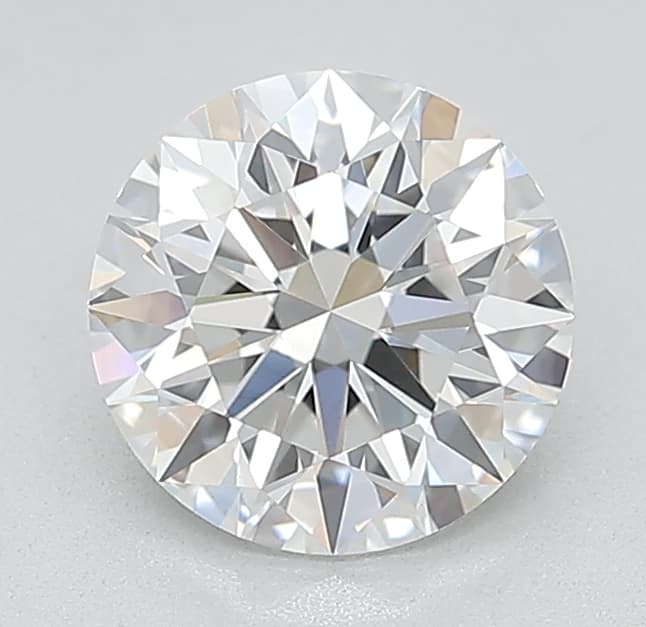
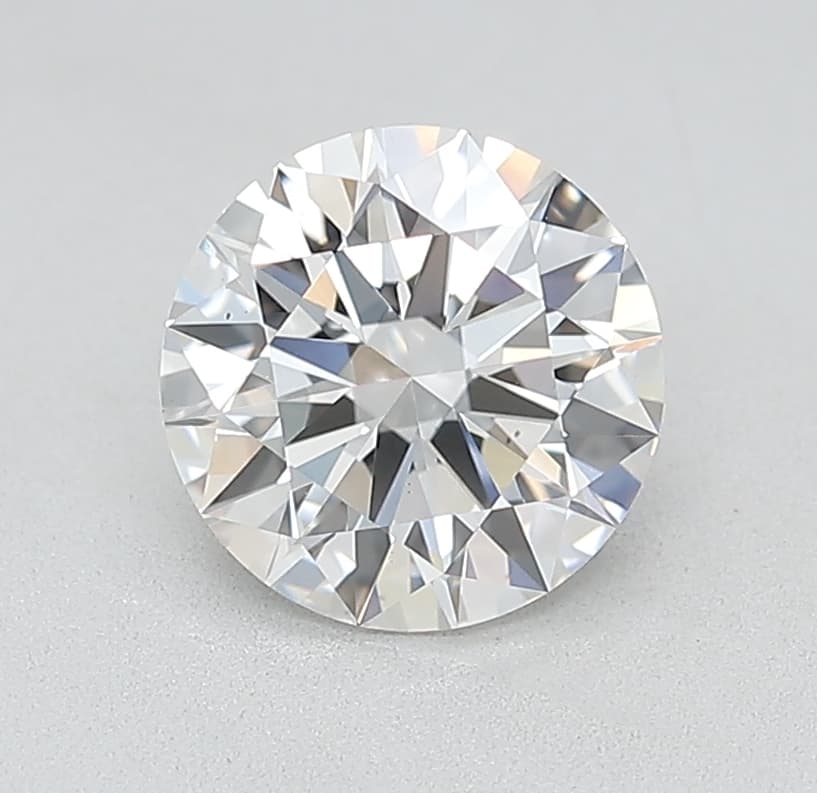
A well-matched pair of stud earrings has the same shape, near-identical face-up measurements and color and clarity grades that are the same or very close, so the two stones look alike from any angle. Match by millimeters rather than carat weight, keep cut quality and fluorescence consistent, and remember that the total carat weight of a pair is split between two stones. We offer matched pairs of lab-grown diamonds; ask our diamond specialists for details.
What a matched pair means
Stud earrings are seen together, on either side of the face, and usually from a little distance. That is forgiving in one way, since small inclusions disappear, and demanding in another: any difference between the two stones in size, brightness or color is easy to notice, because the eye compares them.
A matched pair has:
- the same shape and cutting style;
- face-up measurements as close as possible, in millimeters;
- the same or adjacent color grades;
- similar clarity, with both stones eye-clean;
- similar cut quality and proportions, so they sparkle alike;
- matching fluorescence, so they look alike in daylight too.
You choose loose lab-grown diamonds with us, and a jeweler of your choice sets them as studs. We offer matched pairs; ask our diamond specialists for details.
Size: total carat weight and each stone
Earrings are often described by total carat weight, the combined weight of both stones. A pair described as 2 carats total is usually two stones of about 1 carat each. Always check the weight and measurements of each stone.
For well-cut round brilliants, approximate diameters per stone are:
| Each stone | Pair total | Approximate diameter of each |
|---|---|---|
| 0.50 ct | 1.00 ct | 5.1 mm |
| 0.75 ct | 1.50 ct | 5.9 mm |
| 1.00 ct | 2.00 ct | 6.4 to 6.5 mm |
| 1.25 ct | 2.50 ct | 7.0 mm |
| 1.50 ct | 3.00 ct | 7.4 mm |
| 2.00 ct | 4.00 ct | 8.1 mm |
These figures are approximate and depend on the cut; see our carat weight guide. The right size depends on the earlobe and how you like to wear them: a stone that looks generous on a small lobe can look modest on a larger one. If you can, hold a printed circle of the diameter against your ear in a mirror.
| Weight | Stones | Median length (mm) | Median width (mm) |
|---|---|---|---|
| 1.00–1.09 ct | 19 | 6.46 | 6.48 |
| 1.25–1.37 ct | 9 | 7.04 | 7.08 |
| 1.50–1.64 ct | 8 | 7.51 | 7.56 |
Matching measurements, color, clarity and cut
Measurements
Two stones of the same carat weight can differ in diameter if one is cut deeper. Compare the measurements on both stone pages or IGI reports and choose the pair whose diameters, or lengths and widths, are closest. For elongated shapes, match the length-to-width ratio too, or one stone will look fuller than the other.
Color
The same color grade is the safest choice. GIA stones assessed since October 2025 carry only Premium or Standard, not a letter grade, so for those compare the videos side by side. In the colorless range, D to F, adjacent grades are hard to tell apart face-up; lower down the scale, a one-grade difference is easier to see when two stones sit side by side. See the diamond color guide.
Clarity
Earrings are seen at a distance, so an eye-clean pair is enough for most people. Similar clarity matters less than both stones being clean to the eye.
Cut
For rounds, the same cut grade and similar table and depth percentages give the two stones the same sparkle pattern. A hearts and arrows pair is an option if you like very precise optical symmetry. Our diamond cut guide explains the grades.
| Grade | Group | What it means |
|---|---|---|
| D | Colorless | No color, or traces a grader detects only against master stones |
| E | Colorless | No color, or traces a grader detects only against master stones |
| F | Colorless | No color, or traces a grader detects only against master stones |
| G | Near colorless | Slight color when compared face-down; often hard to see face-up |
| H | Near colorless | Slight color when compared face-down; often hard to see face-up |
| I | Near colorless | Slight color when compared face-down; often hard to see face-up |
| J | Near colorless | Slight color when compared face-down; often hard to see face-up |
| K | Faint | A faint warm tint that many people can see face-up |
| L | Faint | A faint warm tint that many people can see face-up |
| M | Faint | A faint warm tint that many people can see face-up |
Which shapes make good studs
- Round: the classic stud, easy to match because rounds carry a cut grade and have no orientation to worry about.
- Princess: a square, modern look; the sharp corners need prongs that cover them.
- Cushion: soft and pillowy; match the facet pattern as well as the size, since crushed-ice and larger-facet cushions look different.
- Oval and pear: elongated studs, often worn with the length running vertically; match the ratio closely and plan which way each points.
- Emerald: a calm, step-cut look that shows clarity and color more openly, so match both carefully.
Fancy shapes are harder to match than rounds, because outline and ratio have to agree as well as size and grades. That is exactly where a specialist’s second look helps.
Settings and backs to discuss with your jeweler
- Four-prong basket: shows the most of the stone and suits rounds and princess cuts.
- Three-prong martini: a cone-shaped setting that lets the stone sit close to the earlobe.
- Six prongs: a rounder outline and more points of grip.
- Bezel: a rim of metal around the stone, smooth and protective; see our post on bezel settings.
For the backs, push (friction) backs are the simplest. Screw backs, which thread onto the post, and locking backs are more secure, which is worth considering for larger stones. Heavier studs can also tilt forward on the lobe, so ask your jeweler about support for the size you choose.
Replacing one stud of a pair
If one earring has been lost, the remaining stone is your reference. The more you know about it, the closer the match:
- The grading report, if you have it: an IGI report gives the shape, measurements, color, clarity, cut and fluorescence to match; a GIA assessment issued since October 2025 gives fewer details.
- Without a report, a jeweler can measure the diameter and depth and give an opinion on the grades.
- A photo beside a ruler in daylight helps a specialist judge size and color when the stone cannot be sent.
An exact twin is not always available, so the aim is a stone that looks the same when worn: the same diameter to within a small margin, the same or an adjacent color grade and an eye-clean interior. If no close enough match turns up, matching a completely new pair is sometimes the better route.
The remaining stone is your reference. Its grading report gives the details to match; without one, a jeweler can measure it, and a photo beside a ruler in daylight helps a specialist judge size and color.
How to get a matched pair from us
- Find one stone you like in the suggestions below or in our listings of 1 carat or round stones.
- Ask our diamond specialists about a matched pair, giving the shape, size and grades you have in mind.
- Send your jeweler the measurements, then add both stones to your cart and check out together.
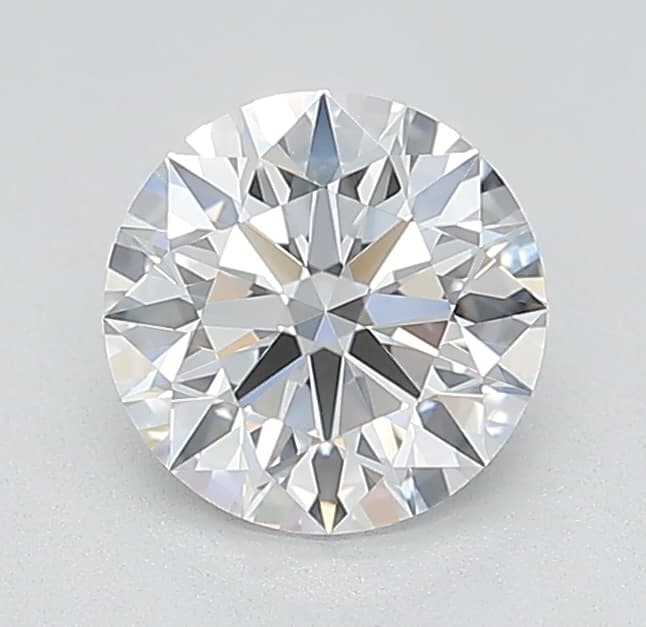
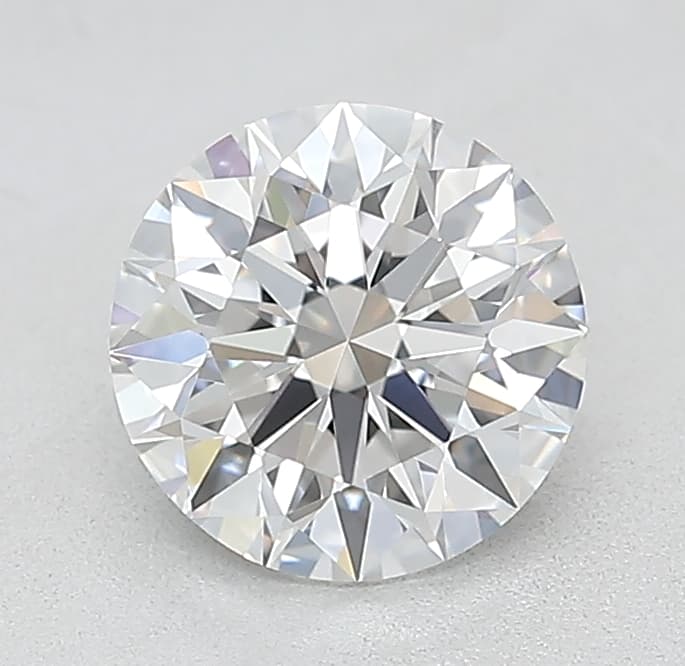
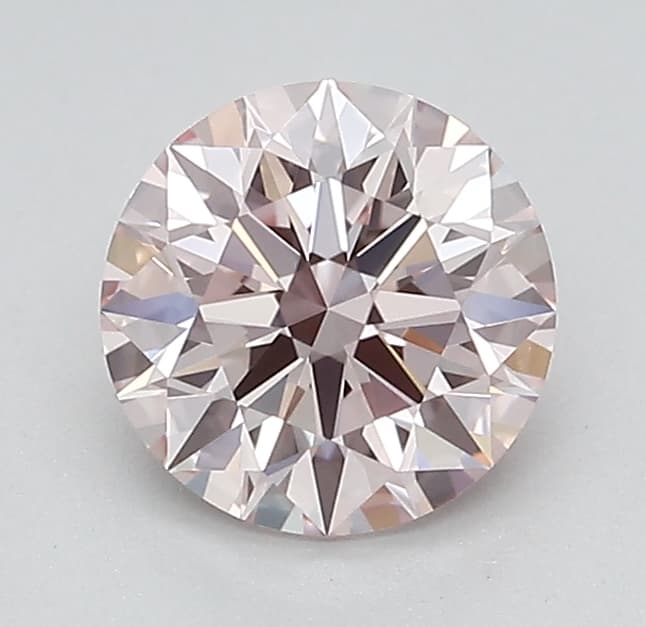
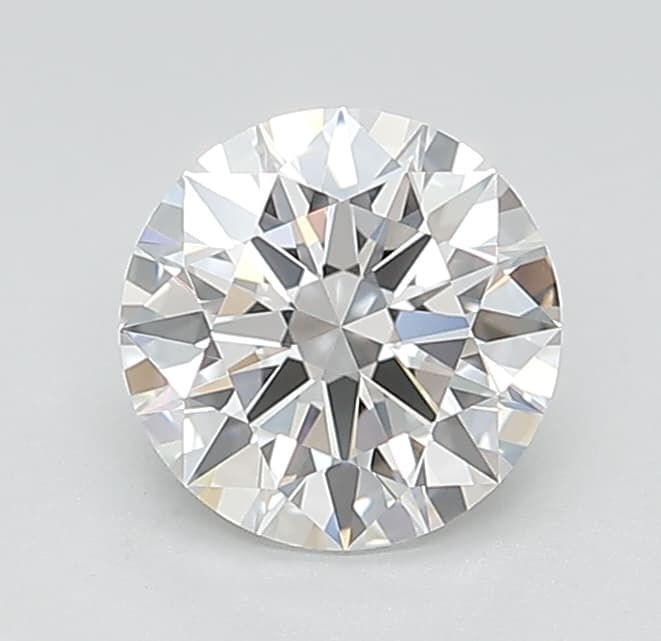
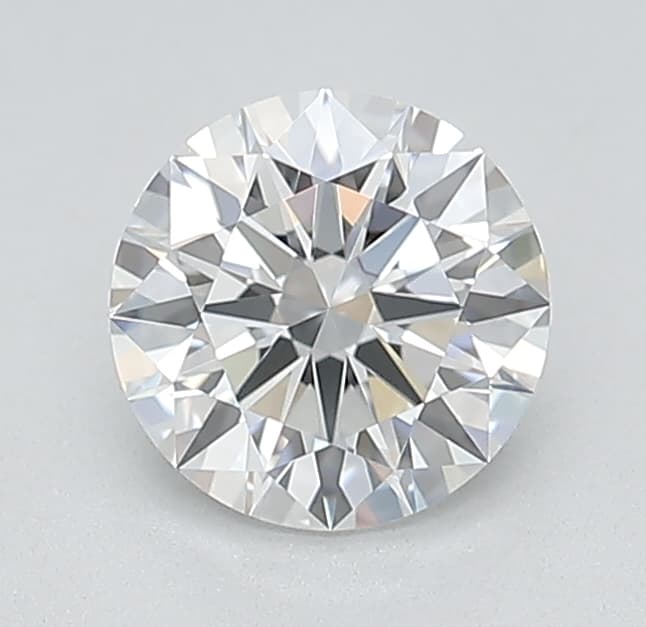
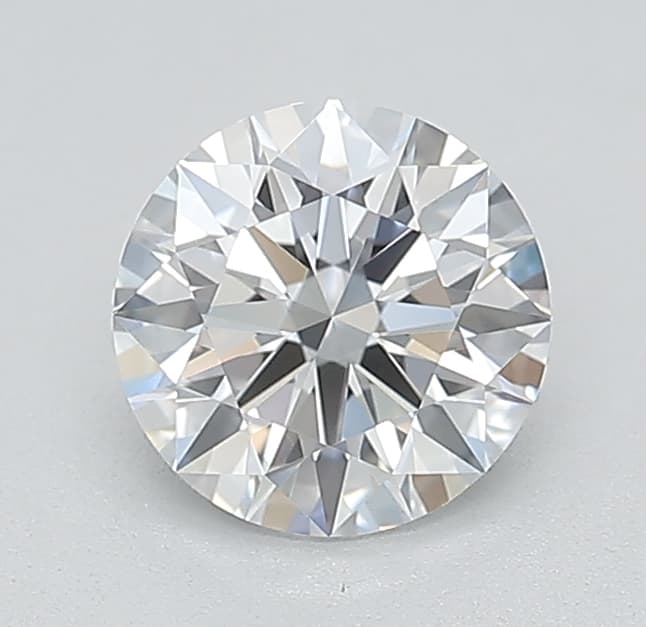
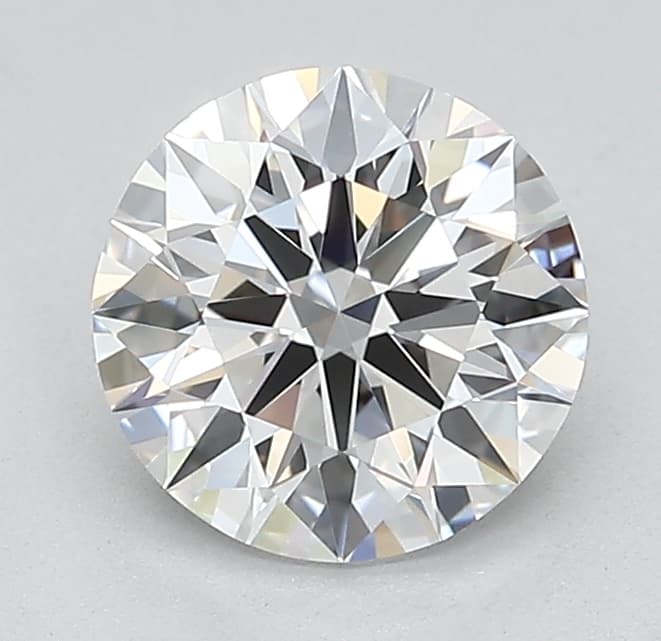
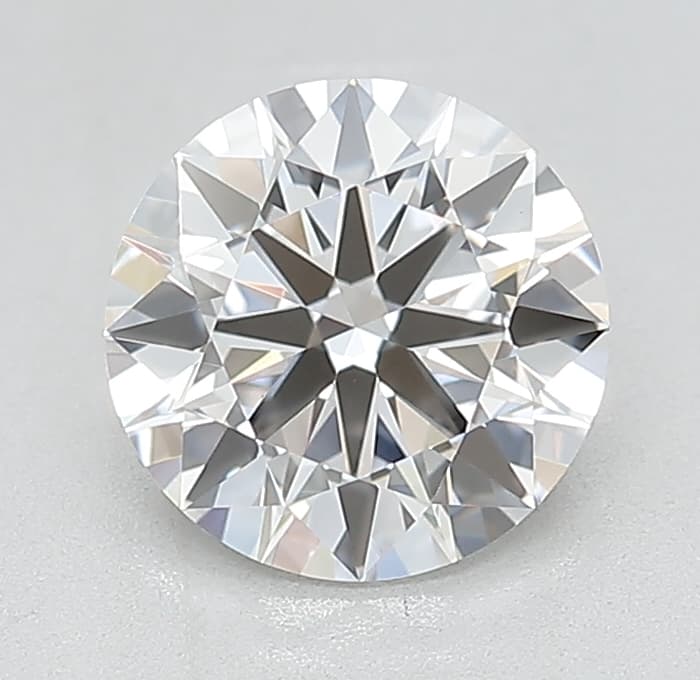
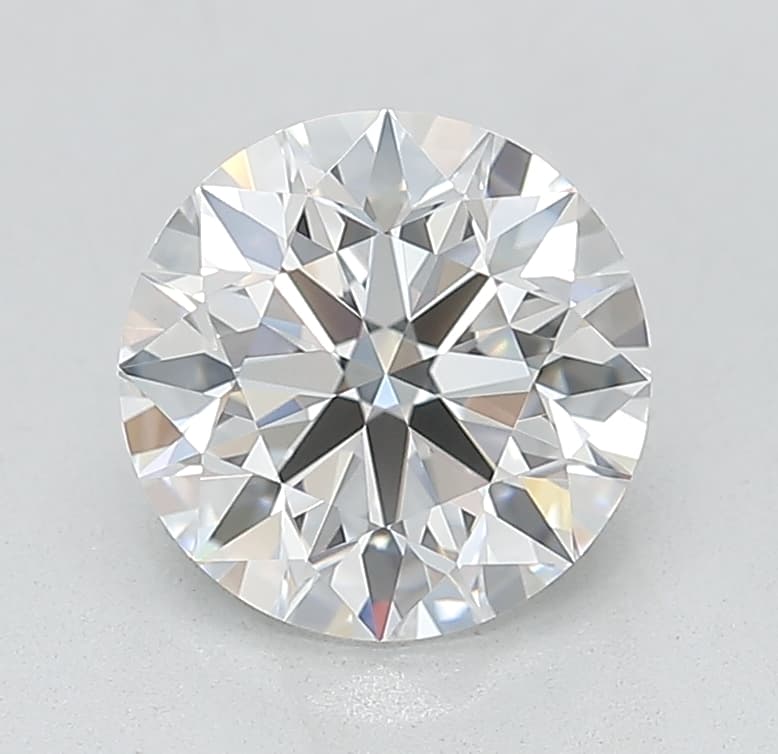
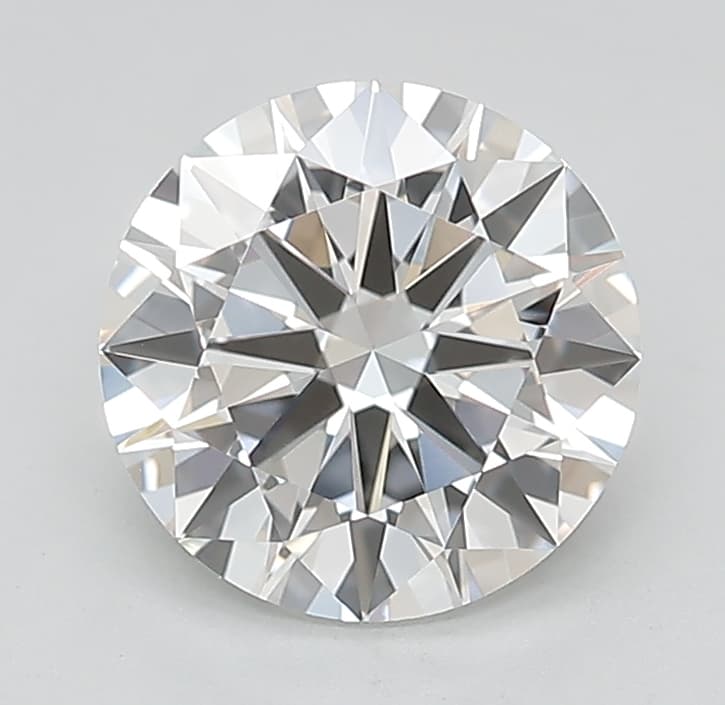
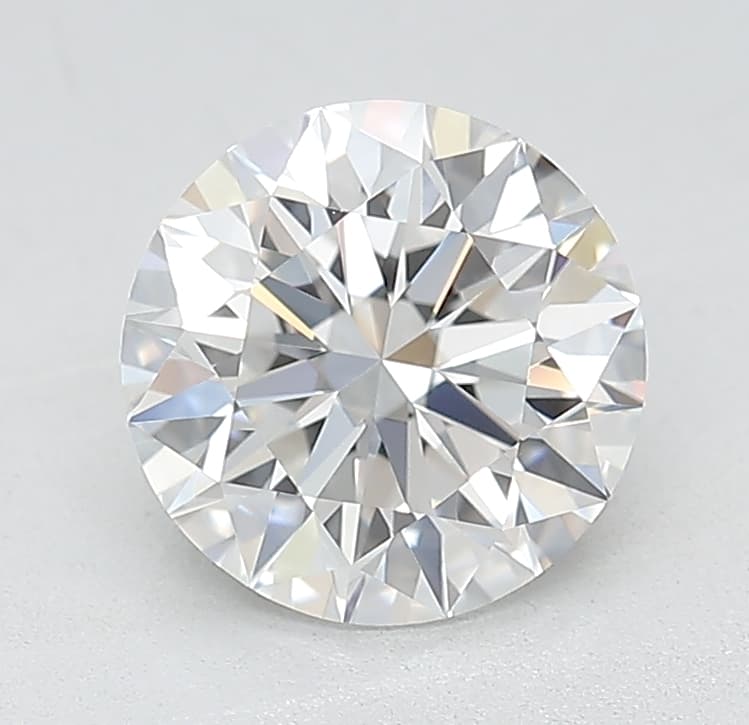
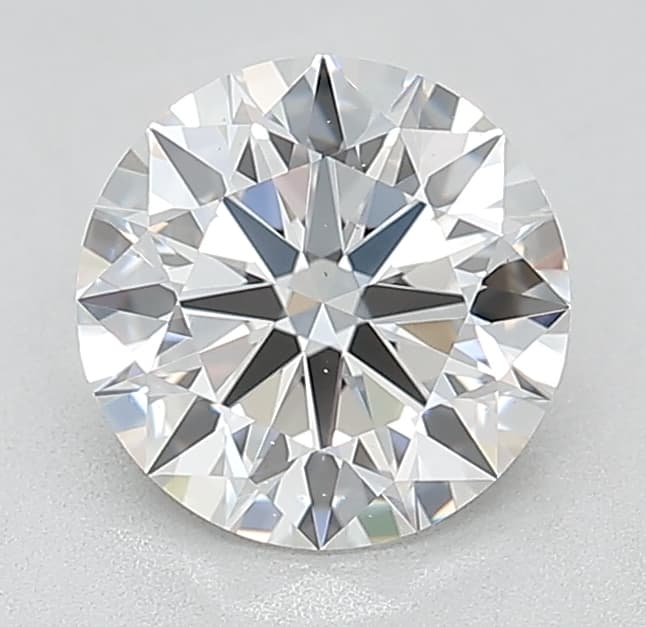
The suggestions below show single stones in typical stud sizes. Any of them can be the start of a pair: ask our diamond specialists for details.
Frequently asked questions
What size diamond stud earrings should I choose?
It depends on the earlobe and how you like to wear them. As an approximate guide, a well-cut 0.50 carat round is about 5.1 mm across and a 1 carat round about 6.4 to 6.5 mm. Holding a printed circle of the diameter against your ear in a mirror is a simple way to judge.
What does 2 carats total weight mean for stud earrings?
Total carat weight is the combined weight of both stones, so a pair described as 2 carats total is usually two stones of about 1 carat each. Check the weight and measurements of each stone on its own report or stone page.
Do both stud earrings need the same color and clarity grade?
The same color grade is the safest choice, because differences show when two stones are seen together. For clarity, what matters most is that both stones are eye-clean. Matching cut quality and fluorescence helps them look alike too.
Can you match a pair of diamonds for earrings?
Yes. We offer matched pairs of loose lab-grown diamonds; ask our diamond specialists for details. A jeweler of your choice then sets them.
Which earring backs are most secure?
Screw backs, which thread onto the post, and locking backs are generally more secure than simple push backs. They are worth considering for larger or more valuable stones.
Glossary terms in this article
More on Rings & Jewelry in the journal.