Rings & Jewelry
Choosing a Lab-Grown Diamond for a Solitaire Pendant
By the Vanora Diamond team
Published Last reviewed 5 min read

Quick answer
A solitaire pendant is seen from further away than a ring, so the priorities shift: face-up size, a clear outline and a lively cut matter most, and an eye-clean stone in a color that suits the metal is enough. Round, pear, oval and heart shapes read clearly at a distance, while the setting and bail decide how the stone hangs and moves, so choose the loose diamond by its measurements and have your jeweler build the pendant around it.
How a pendant is seen
A ring is seen up close, often by its wearer. A pendant is usually seen at conversational distance, against skin or fabric, with light falling on it from above, and it moves as the wearer moves. Those differences change what matters:
- Outline and size are noticed first, because detail is lost at a distance.
- Sparkle in motion matters more than in a ring: a lively cut catches the light as the pendant sways.
- Small inclusions that might be visible in a ring under close inspection are much harder to see on a pendant.
You choose the loose lab-grown diamond with us; a jeweler of your choice makes the pendant and fits the chain. Our diamond specialists can help with the stone.
Shapes that read well on a chain
| Shape | How it looks as a pendant | Points to check |
|---|---|---|
| Round | Even sparkle from every angle; simple and versatile | Cut grade on the report |
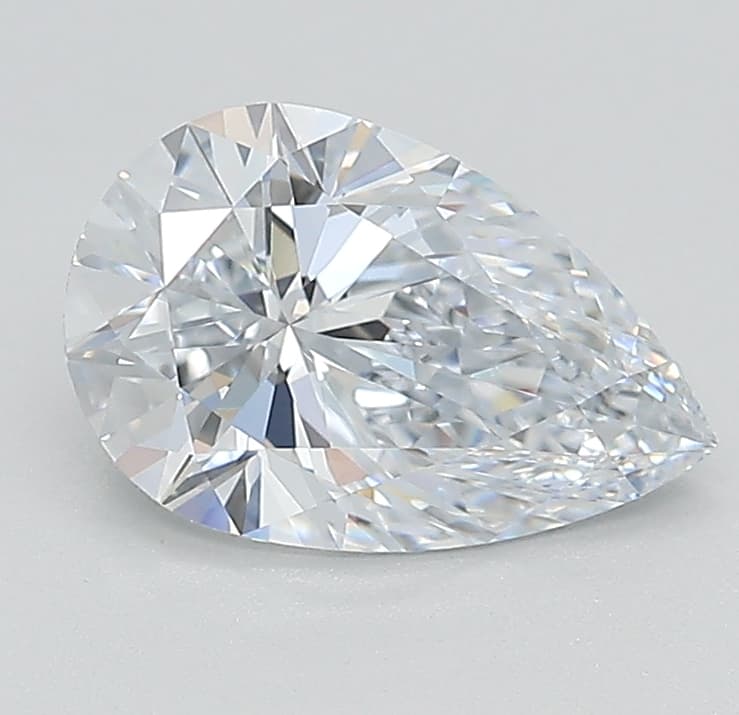
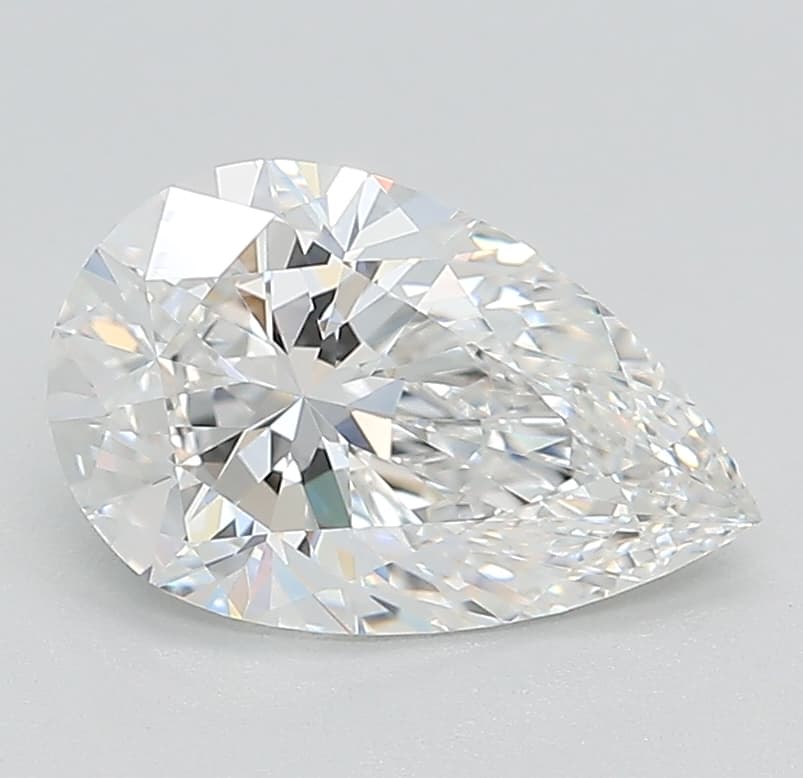
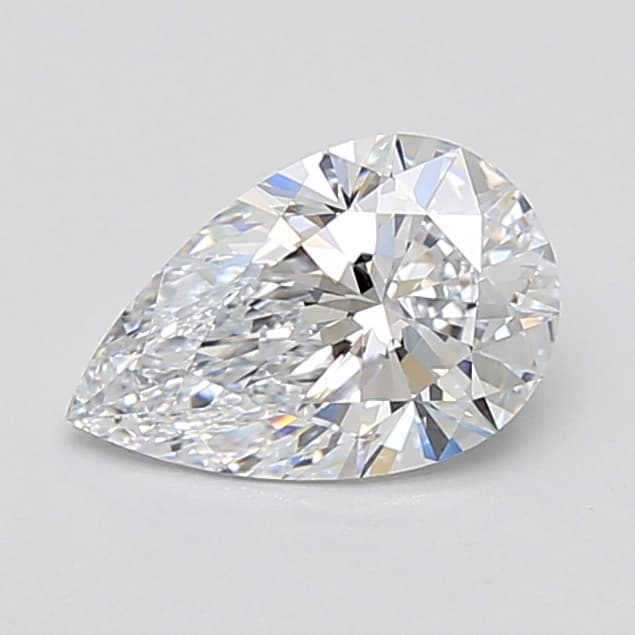
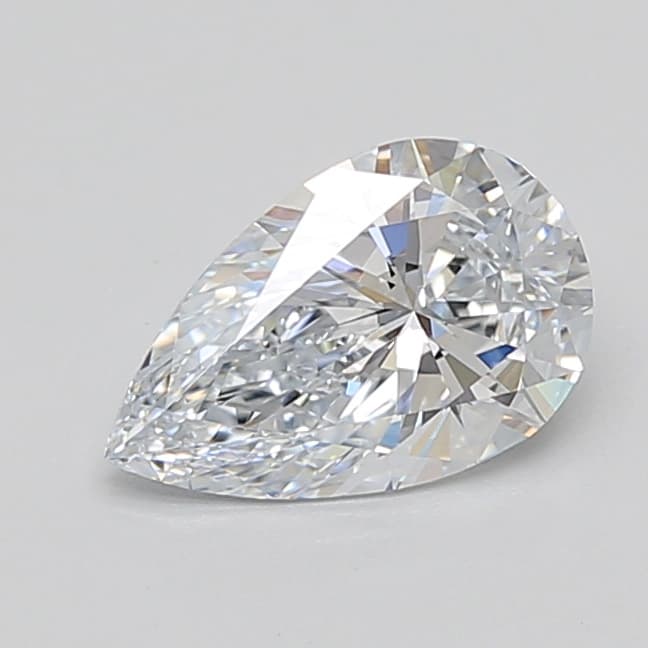
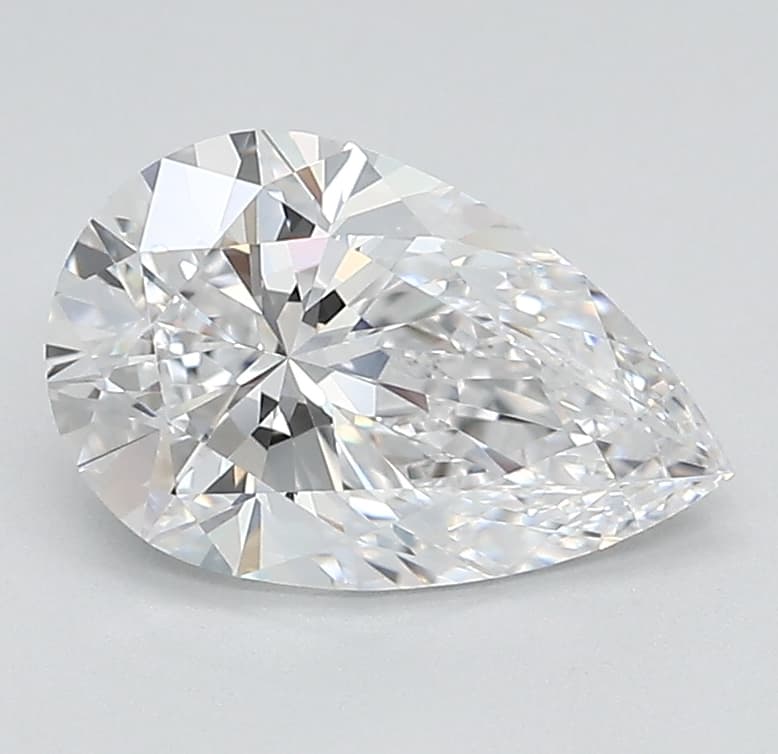
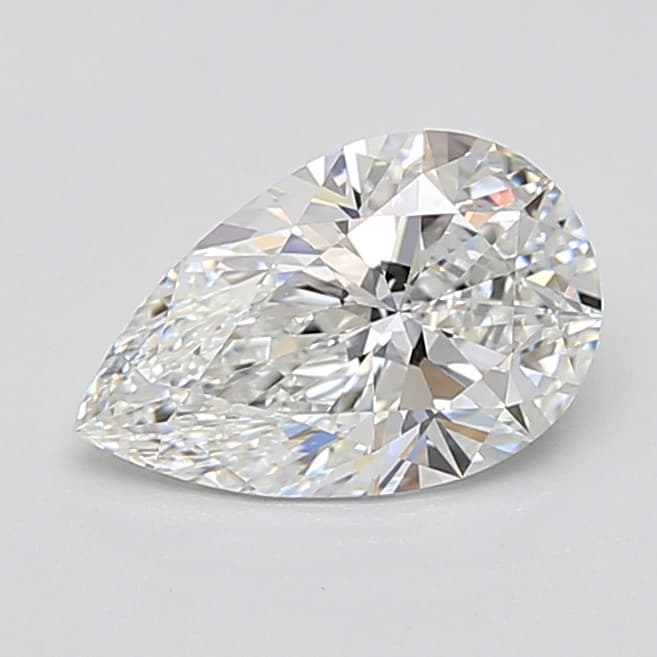
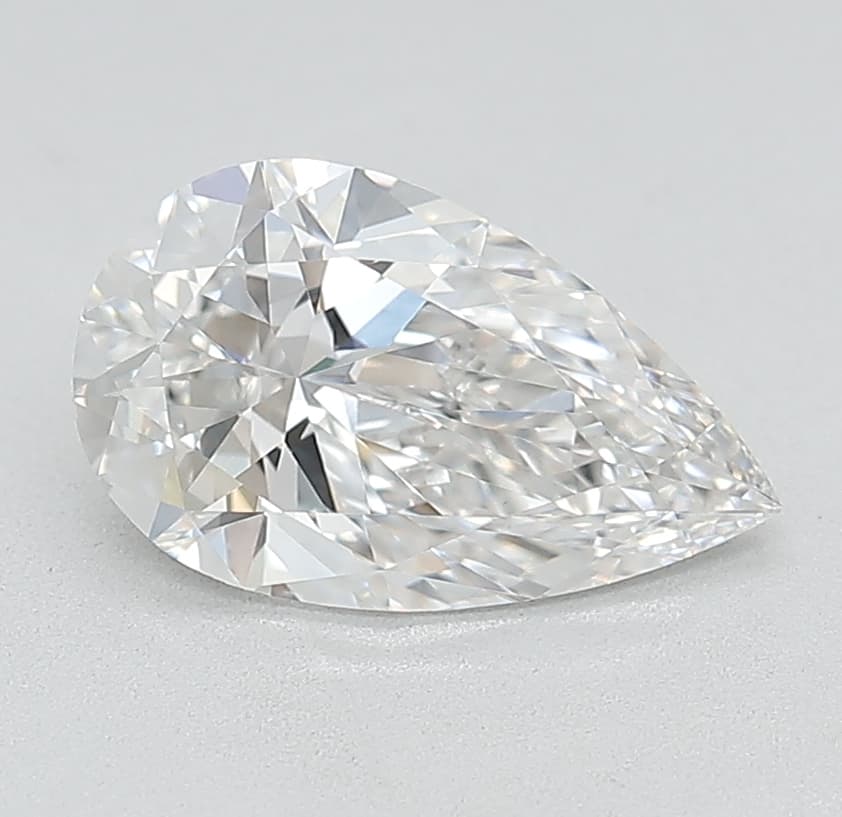
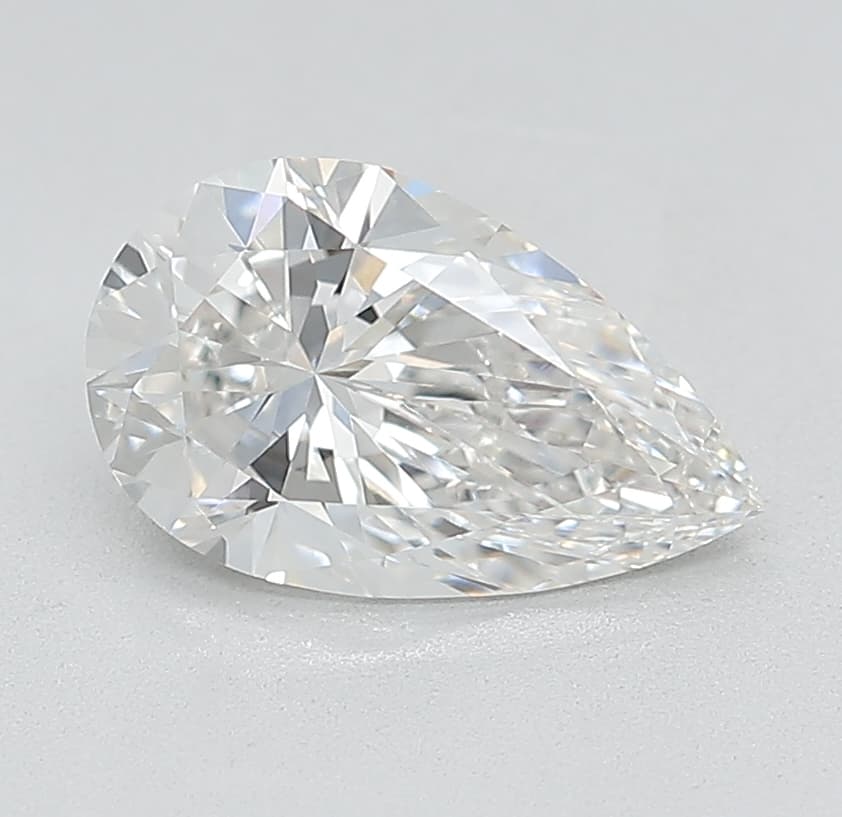
| Pear | A classic drop shape, usually hung point down | Symmetry, and a prong or bezel over the point |
| Oval | Elongated and soft; hangs vertically | Ratio and bow-tie |
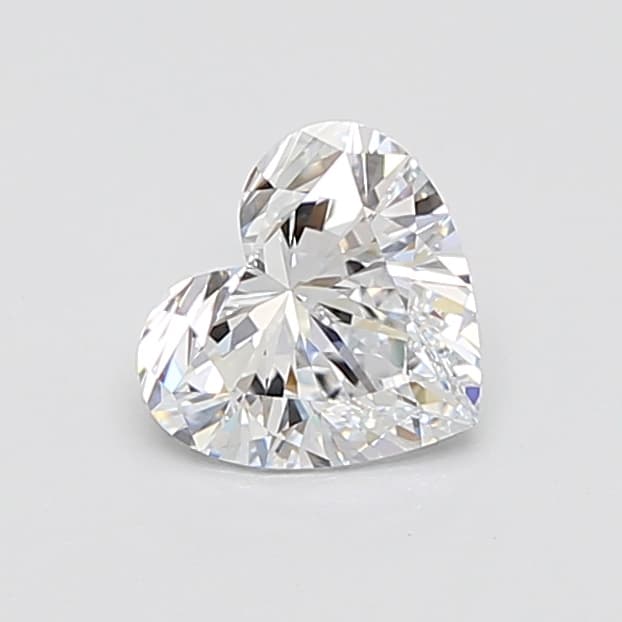
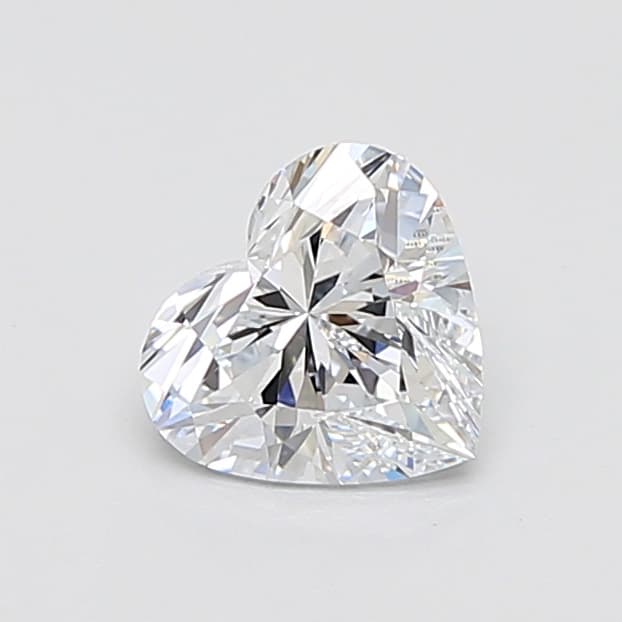
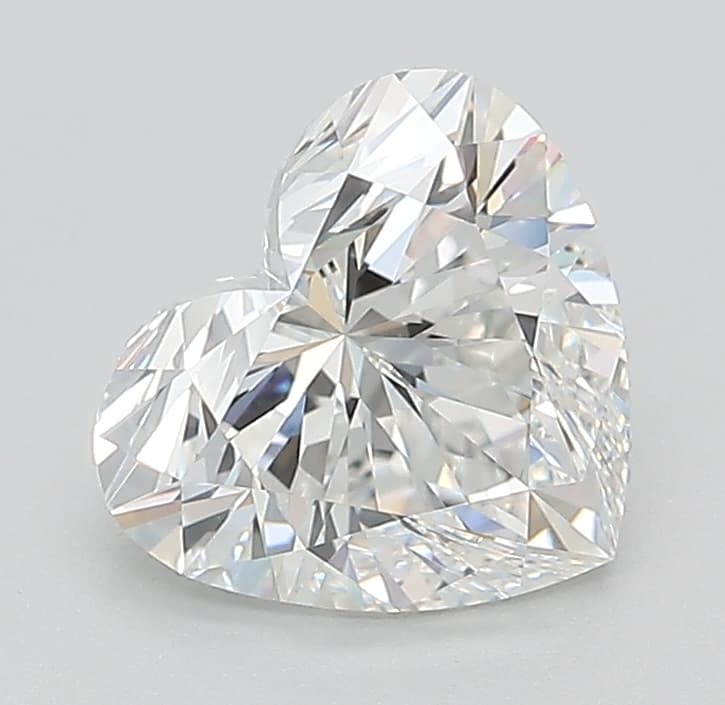
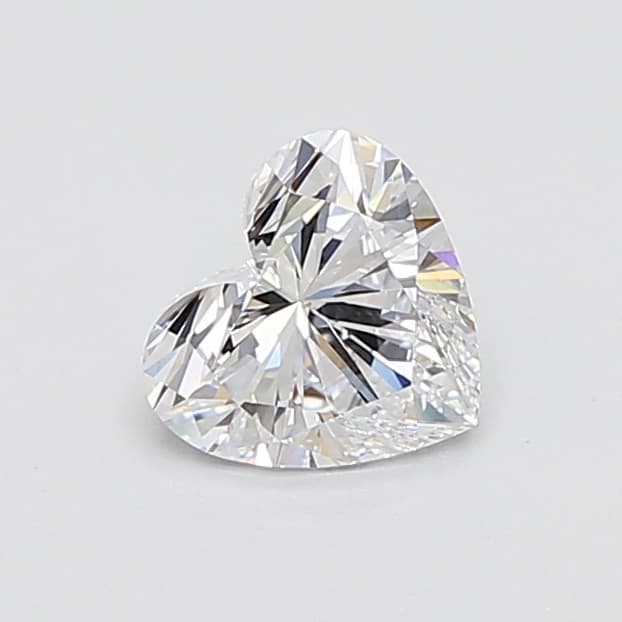
| Heart | Lobes at the top, point down | Size large enough for the shape to read |
| Marquise | Long and slender | Both points protected |
| Emerald | Clean, geometric flashes | Clarity and color show more openly |
| Old European | Antique-style, chunky flashes | Height of the setting for the high crown |
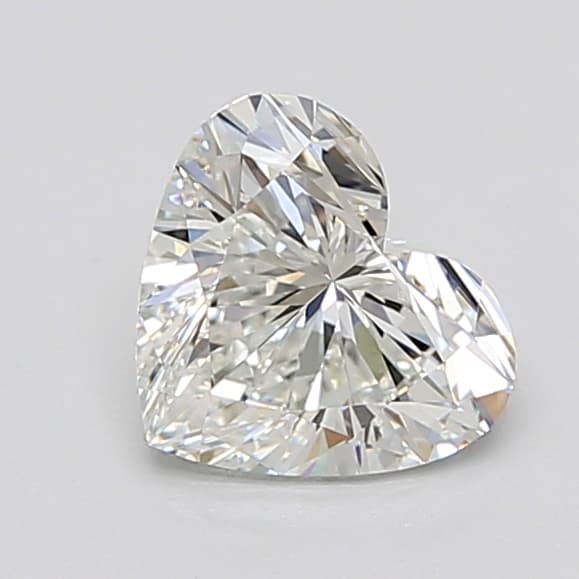
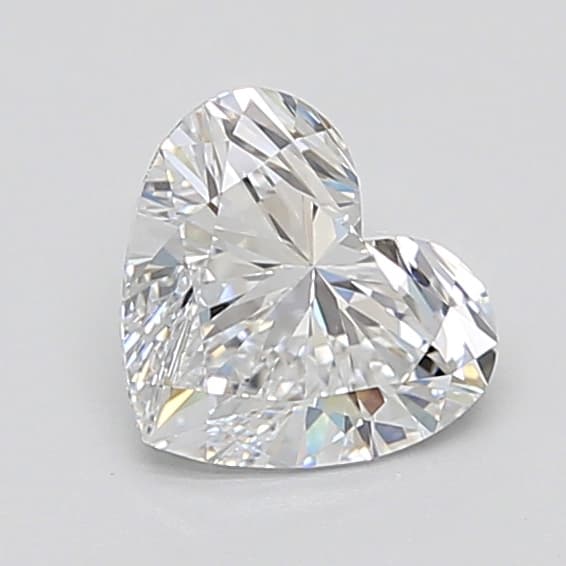
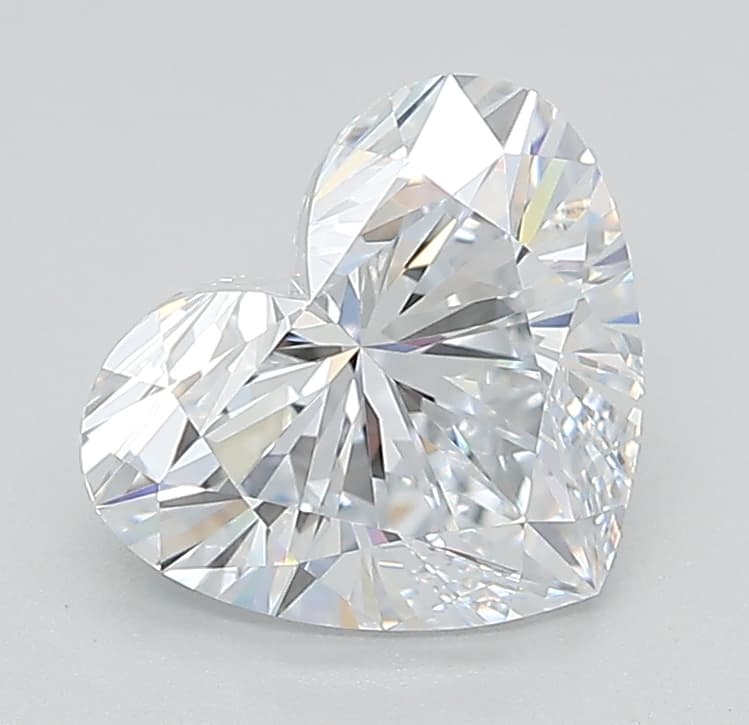
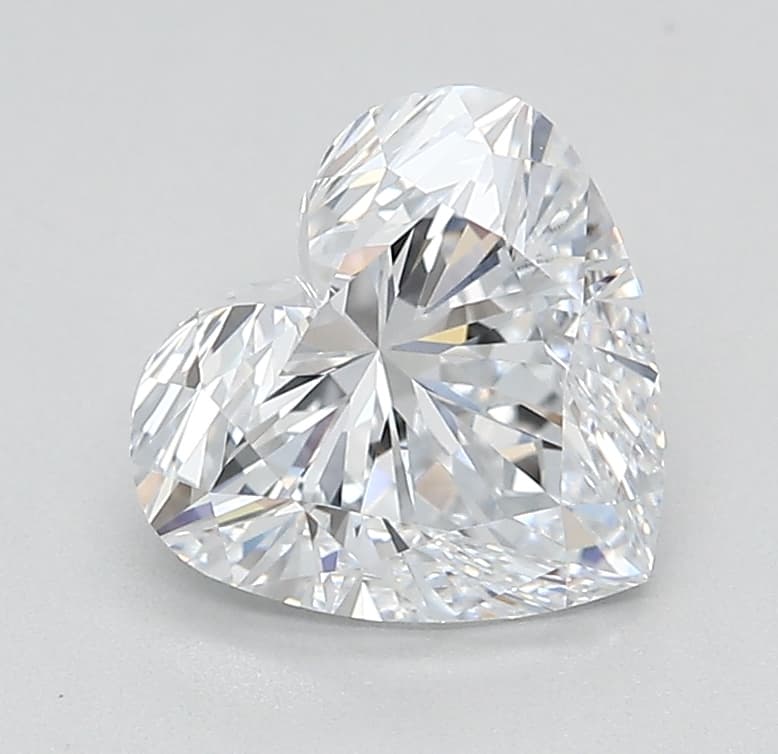
Hearts deserve a note: at small sizes the outline can be hard to read, especially once prongs cover the lobes and point, and a pendant is seen from further away than a ring. If the heart shape matters to you, compare millimeter measurements and look at the stone in its 360° view.
- Typical L/WAbout 1.00
- Typical L/W1.45–1.75
- Typical L/W1.30–1.50
- Typical L/W0.90–1.10
- Typical L/W1.75–2.25
- Typical L/W1.30–1.50
- Typical L/WAbout 1.00
Size on the neckline
For well-cut round brilliants, approximate diameters are:
| Carat weight | Approximate diameter |
|---|---|
| 0.50 ct | 5.1 mm |
| 1.00 ct | 6.4 to 6.5 mm |
| 1.50 ct | about 7.4 mm |
| 2.00 ct | about 8.1 mm |
| 3.00 ct | about 9.3 mm |
These figures are approximate; for pears, ovals and hearts, read the length and width on the stone page or IGI report, because elongated shapes look larger for their weight. Our carat weight guide explains why.
Chain length changes the effect as well. As an approximate guide, a chain of about 16 inches (around 41 cm) sits near the base of the neck and one of about 18 inches (around 46 cm) falls just below the collarbone, though both depend on the wearer’s build. A larger stone suits a sturdier chain and bail, so mention the stone’s size to your jeweler early.
| Weight | Stones | Median length (mm) | Median width (mm) |
|---|---|---|---|
| 1.00–1.09 ct | 8 | 9.11 | 5.66 |
| 1.50–1.64 ct | 38 | 10.50 | 6.49 |
| 2.00–2.19 ct | 29 | 11.57 | 7.12 |
Color, clarity and cut for a pendant
- Clarity: aim for an eye-clean stone. Because a pendant is seen at a distance, there is little to gain from a higher grade unless you want one for its own sake. Step cuts such as the emerald cut are the exception, since their open facets show the inside of the stone more clearly.
- Color: a pendant often rests against skin and sits in its setting metal, which affects how white it looks. White metals make warmth easier to notice and yellow or rose gold makes it harder to see; our post on diamond color and metal goes into detail.
- Cut: a lively cut is what makes a pendant catch the light as it moves. For rounds, start with the top cut grade; for fancy shapes, use an IGI cut grade where the report has one, Excellent or Very Good polish and symmetry, and check the 360° view for an even pattern without a heavy bow-tie.
Settings and the bail
The setting
- Four-prong basket: shows the most of the stone and suits rounds and ovals.
- Three-prong: a minimal look; for a pear or heart, one prong is often a V-prong over the point.
- Bezel: a smooth rim of metal that will not catch on clothing or hair and protects the edge; see our post on bezel settings.
The bail
The bail is the loop that connects the pendant to the chain. A fixed bail keeps the pendant in one place; a sliding pendant, where the chain passes through the bail or the setting, can move along the chain. The size of the bail limits which chains will fit.
Balance
A pendant that is heavy at the top can tip forward and face down rather than out. Ask your jeweler how the setting will hang, especially for larger stones and taller settings.
A pendant that is heavy at the top can tip forward and face down rather than out. Ask your jeweler how the setting will hang, especially for larger stones and taller settings.
Fancy color and antique-style pendants
A pendant is an easy place to wear a stone with more personality, because it is not compared with a wedding band and is seen from a little distance:
- Fancy colors: a pink or blue lab-grown diamond reads clearly as color on a chain. The report describes the hue and its intensity, from Fancy Light through Fancy Vivid and Fancy Deep, and stronger color reads more clearly at a distance; see fancy color for how it is graded.
- Antique-style cuts: an old European or old miner stone gives broad, chunky flashes that suit a vintage-style setting. Their high crowns need a slightly taller setting.
For fancy colors, the metal matters too: white metals keep blue looking cool, and rose gold echoes pink.
Choosing the stone with us
- Pick the shape that reads best at a distance for the look you want.
- Choose the size from the millimeter measurements and the chain length you plan.
- Aim for eye-clean and lively rather than the highest grades.
- Give your jeweler the stone’s measurements before you buy.
A pendant pairs naturally with studs, and our post on matching diamond stud earrings covers that side. The suggestions below are shapes that suit a solitaire pendant, and our specialists can help you choose.
Frequently asked questions
What size diamond is best for a solitaire pendant?
There is no single best size. It depends on the look you want, the chain length and the wearer’s build. As an approximate guide, a well-cut 1 carat round is about 6.4 to 6.5 mm across; elongated shapes such as pears look larger for their weight, so compare millimeter measurements.
Which diamond shape works best for a pendant?
Round, pear, oval and heart shapes all read clearly at a distance. A pear is a classic drop shape, a round gives even sparkle from every angle, and a heart needs enough size for its outline to read once it is set.
Which way should a pear-shaped pendant point?
Pear pendants are usually hung point down, which follows the drop shape. Point up is less common but entirely a matter of taste. Either way, the point should be protected by a V-prong or a bezel.
Does a diamond pendant need high clarity?
Usually not. A pendant is seen from further away than a ring, so an eye-clean stone is enough for most people. Step cuts such as emerald cuts show inclusions more openly, so they benefit from a little more attention to clarity.
Glossary terms in this article
More on Rings & Jewelry in the journal.