Rings & Jewelry
How to Choose the Center Stone for a Solitaire Ring
By the Vanora Diamond team
Published Last reviewed 6 min read

Quick answer
In a solitaire the center stone is the whole design, so decide in this order: shape, then face-up size in millimeters against your finger, then cut quality, then color and clarity to an eye-clean, white-looking standard. Choose the loose lab-grown diamond first and have your jeweler build the setting around its exact measurements, not the other way round.
Why the center stone carries a solitaire
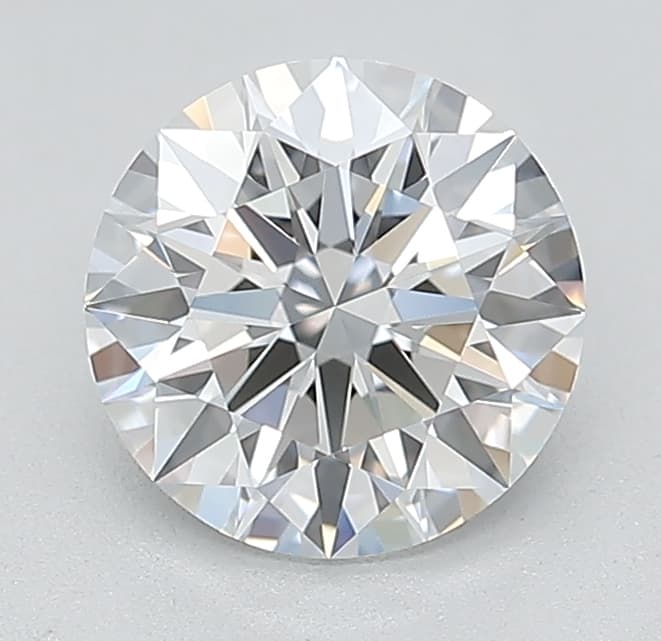
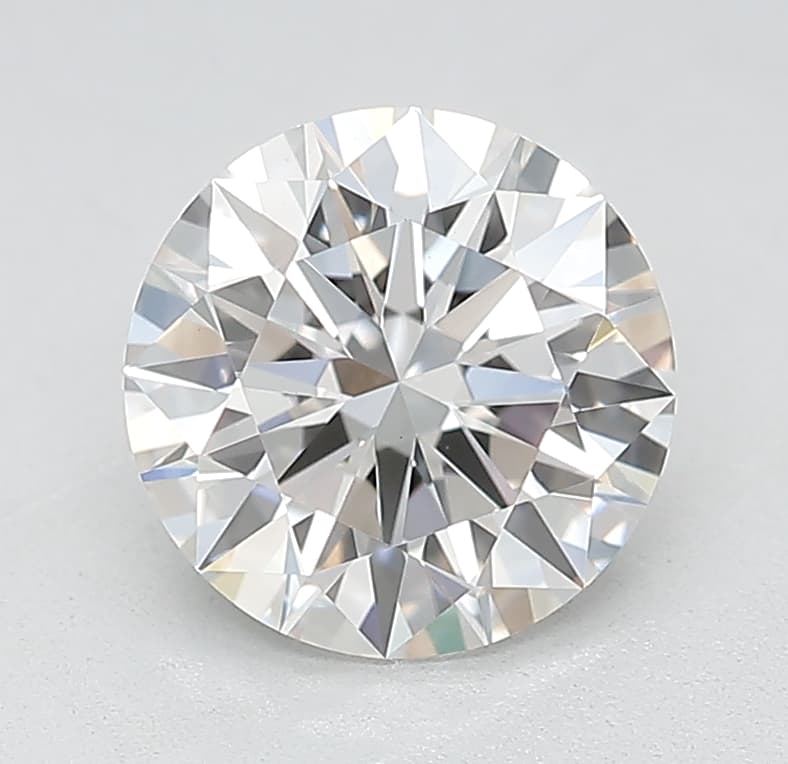
A solitaire is a single diamond on a plain band, held by prongs or a bezel. There is no halo to add sparkle and no side stones to share the attention, so everything about the center stone is on show: its outline, how evenly it returns light, and whether it looks white against the metal.
That makes the order of decisions important. Shape and size decide how the ring looks from across a room. Cut decides whether the stone looks lively or flat. Color and clarity decide whether anything distracts from that up close. Settle them in that order and you will spend your attention, and your budget, where it shows.
You choose the loose lab-grown diamond with us; a jeweler of your choice makes the solitaire around it. Our diamond specialists can help with the stone, and with the measurements your jeweler will need.
- Step 1: Shape and sizeHow the ring looks from across a room.
- Step 2: CutWhether the stone looks lively or flat.
- Step 3: Color and clarityWhether anything distracts from it up close.
Start with the shape
Every shape works as a solitaire, but each one asks you to check different things. A short list helps:
| Shape | How it looks on the hand | What to check first |
|---|---|---|
| Round | Even, bright sparkle; the most traditional solitaire look | The overall cut grade on the report |
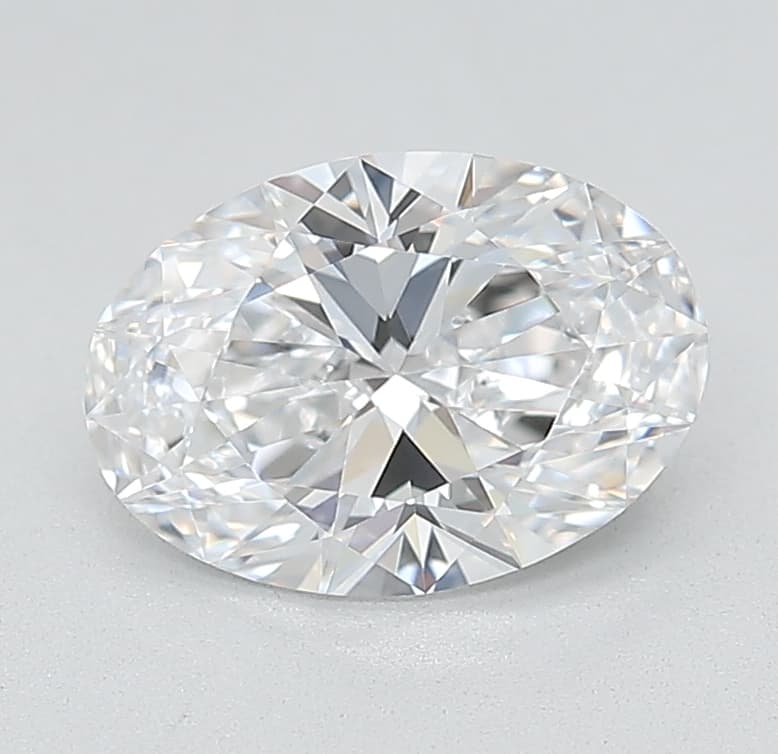
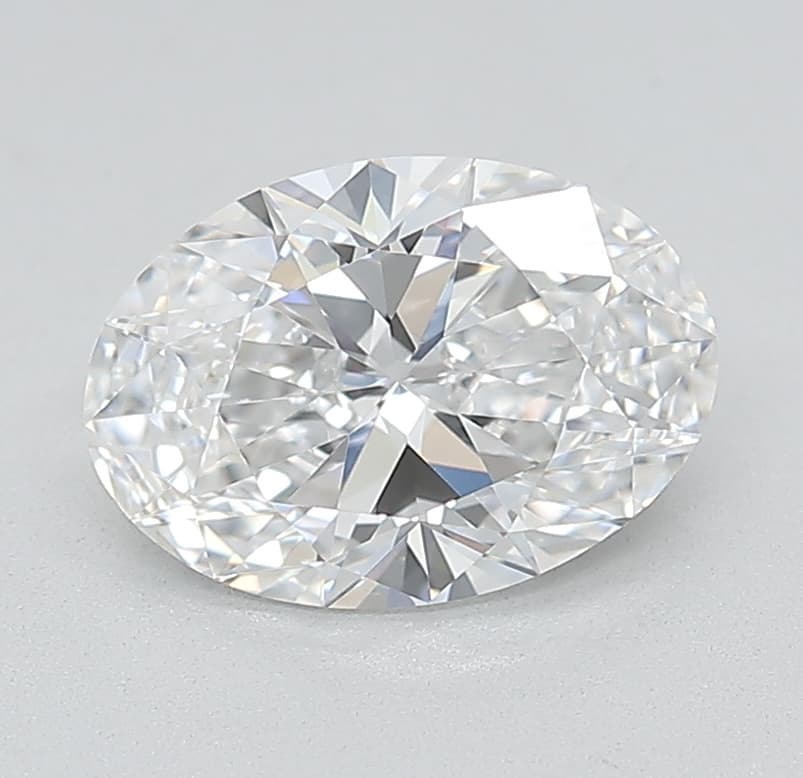
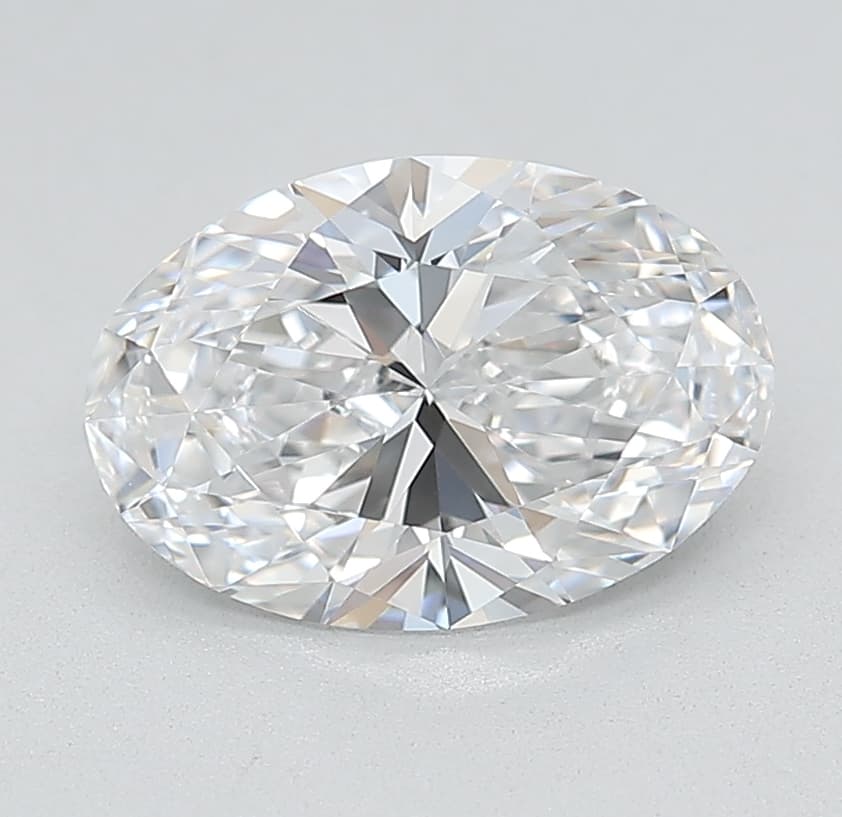
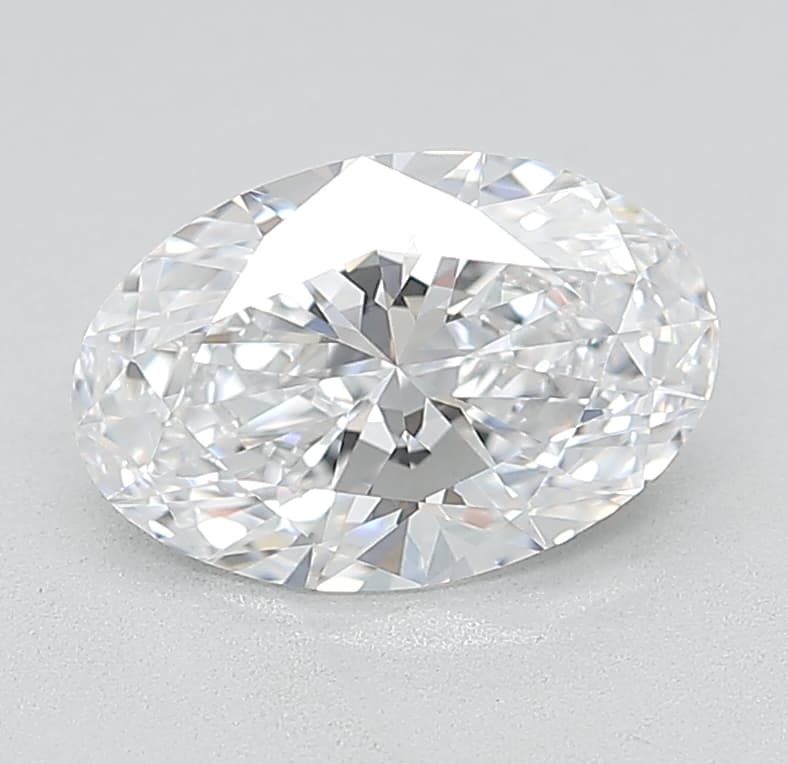
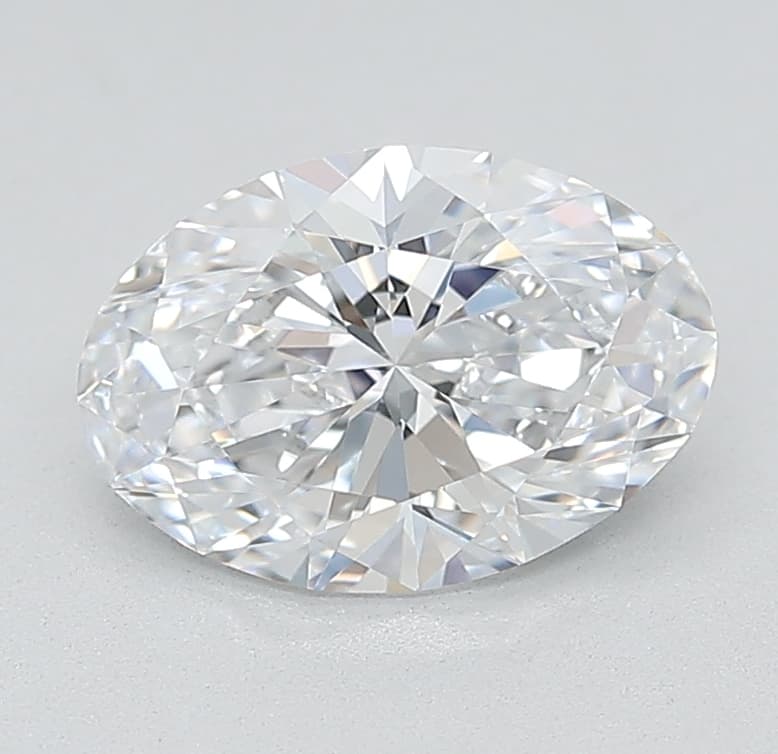
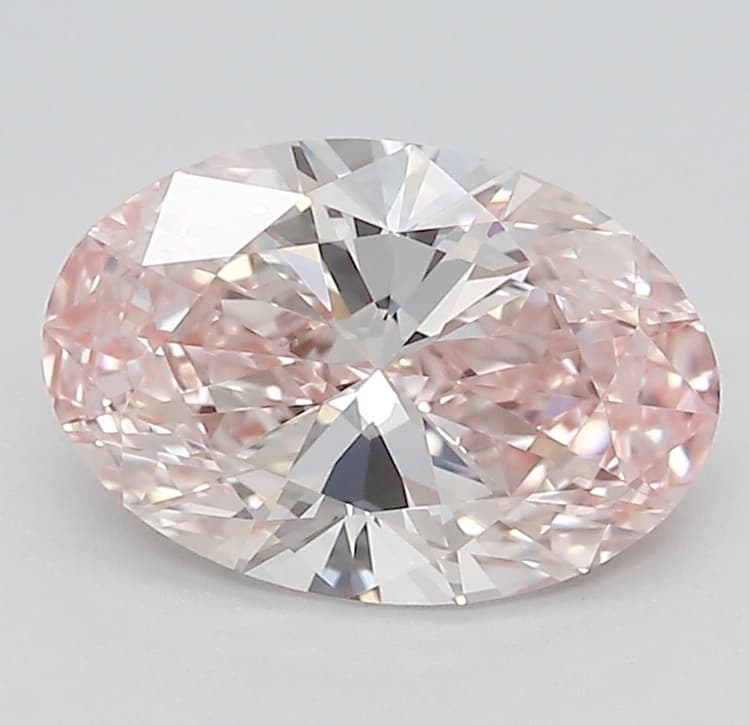
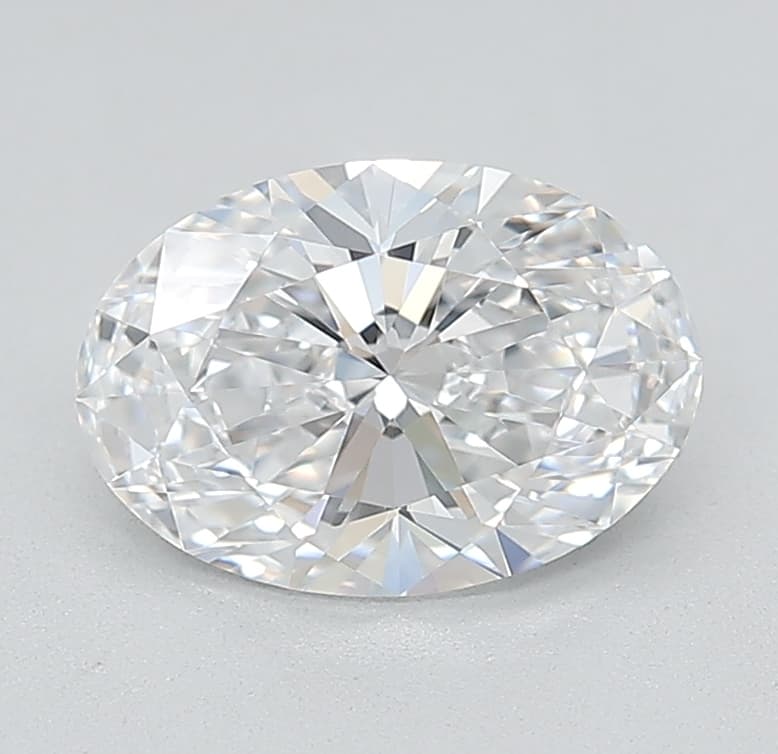
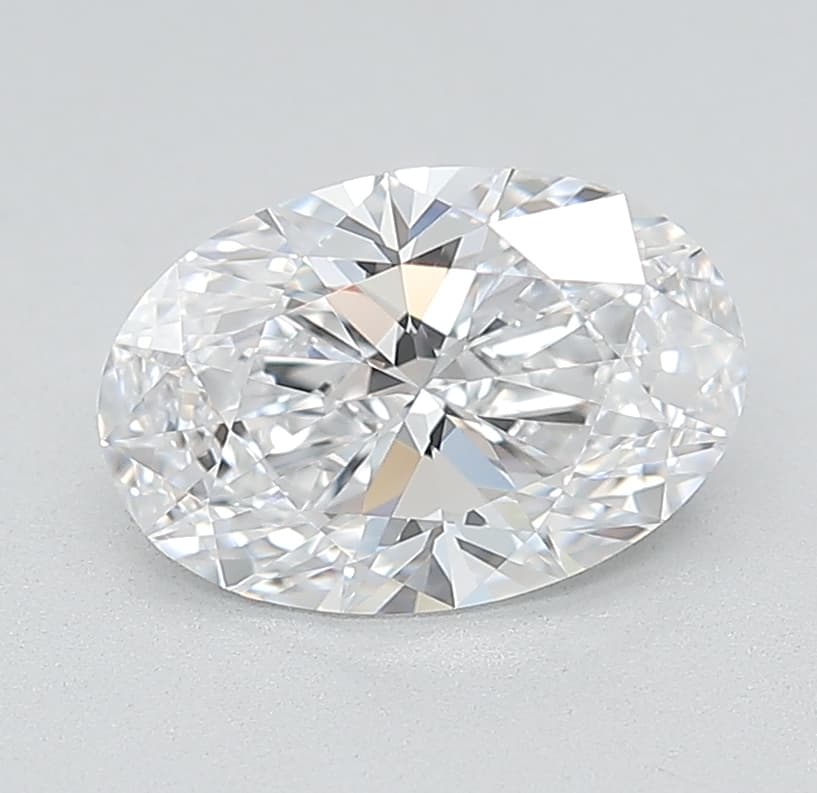
| Oval | Elongated, can make the finger look longer | Ratio and bow-tie |
| Pear | Soft curve with one point | Symmetry and protecting the point |
| Emerald | Calm, broad flashes; architectural | Clarity and windowing |
| Radiant | Straight lines with lively sparkle | Depth, so it does not face up small |
| Cushion | Soft, pillowy outline | Facet pattern and spread |
| Marquise | Long and slender, two points | Bow-tie and both points |
| Old European | Antique-style chunky flashes | Culet and height |
If you are torn between two shapes, compare them at the same face-up size rather than the same carat weight, and look at each one in the 360° view on its stone page. A shape that photographs well in a still image can look different once it moves.
- Typical L/WAbout 1.00
- Typical L/W1.30–1.50
- Typical L/W1.45–1.75
- Typical L/W1.30–1.50
- Typical L/W1.00–1.05 square1.20–1.40 rectangular
- Typical L/W1.00–1.05 square1.10–1.30 elongated
- Typical L/W1.75–2.25
- Typical L/WAbout 1.00
Choose the size in millimeters, not carats
Carat is weight. What you see on the hand is the face-up size, which depends on the shape and on how deep the stone is cut. For a well-cut round brilliant, approximate diameters are:
| Carat weight | Approximate diameter |
|---|---|
| 1.00 ct | 6.4 to 6.5 mm |
| 1.50 ct | about 7.4 mm |
| 2.00 ct | about 8.1 mm |
| 2.50 ct | about 8.7 mm |
| 3.00 ct | about 9.3 mm |
These figures are approximate. Now compare them with the finger. A US size 6 ring has an inner diameter of about 16.5 mm and a US size 8 about 18.1 mm, so the same 8.1 mm stone covers a larger share of a smaller finger and looks bigger on it. Our ring size to mm guide has the full chart.
For other shapes, read the length and width on the stone page or IGI report. Ovals, pears and marquises spread their weight over a longer outline and tend to look larger than a round of the same weight; radiants and cushions are often cut deeper and can look smaller. Our carat weight guide explains why, and the 1 carat and 2 carat pages are a quick way to compare real measurements.
| Weight | Stones | Median length (mm) | Median width (mm) |
|---|---|---|---|
| 1.00–1.09 ct | 19 | 6.46 | 6.48 |
| 1.50–1.64 ct | 8 | 7.51 | 7.56 |
| 2.00–2.19 ct | 17 | 8.20 | 8.26 |
| 3.00–3.29 ct | 51 | 9.38 | 9.42 |
Put cut quality first
In a solitaire nothing else adds sparkle, so the cut matters more than in any other design.
Rounds
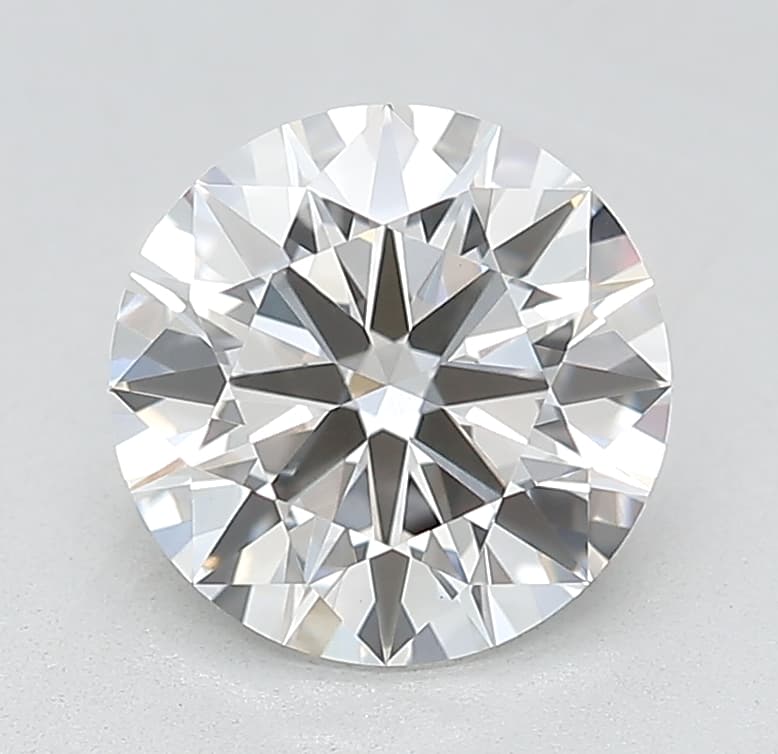
Rounds always get an overall cut grade on IGI reports, as they did on GIA reports issued before October 2025; GIA's assessment since then gives none. Start with the top grade (Ideal on IGI, Excellent on those GIA reports) and Excellent polish and symmetry, then check that table and depth sit near common guideline ranges. Hearts and arrows is an optional extra for buyers who like very precise optical symmetry, not a requirement.
Fancy shapes
Ovals, pears, emeralds and other fancy shapes get polish and symmetry grades. IGI has graded the cut of fancy shapes, from Excellent to Poor, since September 2022; GIA does not. Use Excellent or Very Good polish and symmetry as a filter, check the length-to-width ratio and depth against the ranges in each shape guide, and then judge the stone in motion: look for a bow-tie that shifts rather than stays dark, no washed-out window in the center and an even outline.
Color and clarity for a single stone
The practical target for clarity is an eye-clean stone: nothing you can see without magnification at a normal viewing distance. Brilliant shapes such as round, oval and radiant hide small inclusions well. Step cuts such as the emerald cut show the inside of the stone more openly, so many buyers choose a higher clarity grade for them, often VS or above (see VS1 clarity and VVS1 clarity stones).
For color, think about the metal and the size together. Platinum and white gold make any warmth easier to notice, while yellow and rose gold make it harder to see. Larger stones and step cuts show body color more. Our post on diamond color and metal goes through each combination, and the diamond color guide covers the scale itself.
Whatever the grades, look at the stone against a white background for a brown, gray or milky tinge, which the color grade does not describe.
Prongs, height and the band: what to tell your jeweler
Once you have the stone, the setting is a short list of practical choices for you and your jeweler:
- Four or six prongs: four prongs show more of a round and give it a slightly squarer look; six prongs give a rounder outline and spread the grip over more points.
- Protect points and corners: pears, marquises, hearts and princess cuts need a V-prong or bezel over each point. A bezel setting protects the whole edge.
- Height: a tall setting lifts the stone and shows more of it from the side; a low one snags less and often sits better next to a wedding band.
- Band width: a slim band makes the center look larger by contrast; a wide one gives a sturdier, bolder look.
Give your jeweler the length, width and total depth from the IGI report or our stone page so the head is made to fit that exact stone. If you are weighing a halo instead, see halo or no halo.
A simple checklist before you buy
- Shape: shortlisted after comparing stones of similar face-up size.
- Size: length and width checked against the finger, not only the carat weight.
- Cut: top cut grade for a round, or good proportions and finish for a fancy shape.
- Clarity: eye-clean in the 360° view.
- Color: suited to the metal you plan to use.
- Report: verified on igi.org or gia.edu.
When a stone ticks every box, share its measurements with your jeweler, then add it to your cart on its page and check out. The suggestions below are a good place to start, and if you would like a second opinion, ask a specialist to help you find a stone.
Frequently asked questions
What is the best diamond shape for a solitaire ring?
There is no single best shape. A round gives the most traditional look and gets a cut grade on IGI reports and on GIA reports issued before October 2025 (fancy shapes get one only from IGI), while ovals, pears and marquises tend to look larger for their weight and emerald cuts give a calmer, step-cut look. Compare shortlisted shapes at the same face-up size.
How big should the center stone of a solitaire be?
It depends on the look you want and the size of the finger. Compare the stone’s length and width in millimeters with the inner diameter of the ring size: the same stone looks larger on a smaller finger. As an approximate guide, a well-cut 1 carat round is about 6.4 to 6.5 mm across and a 2 carat round about 8.1 mm.
Should a solitaire have four or six prongs?
Both are secure when made well. Four prongs show more of the diamond and give a round a slightly squarer outline; six prongs keep the outline rounder and spread the grip over more points. Pointed shapes need a V-prong or bezel at each point either way.
Should I choose the diamond or the setting first?
Choosing the diamond first is usually easier, because the jeweler can then make the head to the stone’s exact length, width and depth. If you already have a setting in mind, share its specifications and look for stones whose measurements fit it.
Is a lab-grown diamond suitable for an everyday solitaire?
Yes. Lab-grown diamonds have the same hardness and optical properties as mined diamonds. Any diamond can still chip if it is struck at a thin edge or point, so protective prongs or a bezel are sensible for a ring worn every day.
Glossary terms in this article
More on Rings & Jewelry in the journal.