Rings & Jewelry
Diamonds for Men’s Rings: Shapes and Settings That Work
By the Vanora Diamond team
Published Last reviewed 5 min read

Quick answer
For a men’s ring, choose a shape and setting that sit low and resist knocks: emerald, Asscher and radiant cuts suit the straight lines of a wider band, rounds work well flush-set, and a bezel or flush setting protects the stone better than tall prongs. Size the diamond to the band and the finger in millimeters, aim for an eye-clean stone, and pick a color that suits the metal.
What changes in a men’s ring
Men’s rings, and rings for anyone who prefers a bolder, more solid look, tend to have wider and heavier bands than many engagement rings, and they are often worn every day through work, sport and travel. That shifts the priorities:
- A low profile that does not catch on gloves, pockets or equipment.
- Protection for the stone’s edges, points and corners.
- Proportion: the stone has to suit a wider band rather than disappear into it.
The diamond can be the center of the ring or a single accent set into a plain band. Either way, you choose the loose lab-grown diamond with us and a jeweler of your choice makes the ring. Lab-grown diamonds have the same hardness as mined diamonds; the setting decides how well the stone is protected.
Shapes that suit a men’s ring
| Shape | Why it works | Watch for |
|---|---|---|
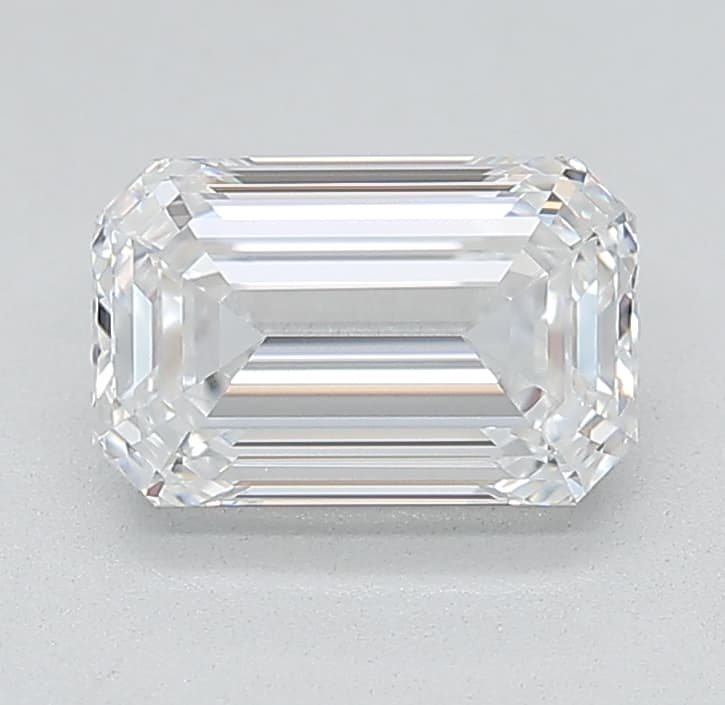
| Emerald | Straight lines and broad flashes echo a wide band | Clarity shows more openly |
| Asscher | A square step cut with a bold, geometric look | Same clarity care as an emerald cut |
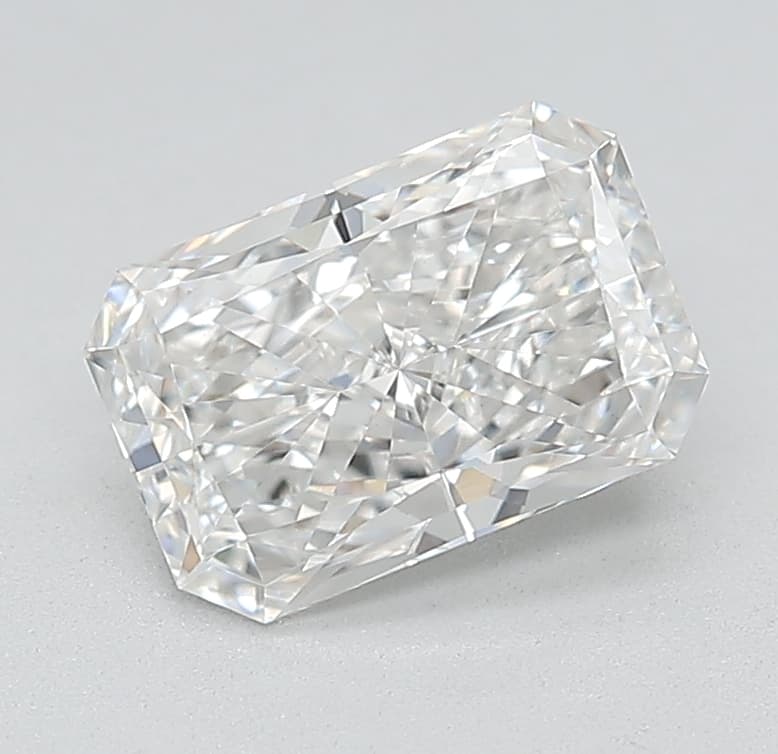
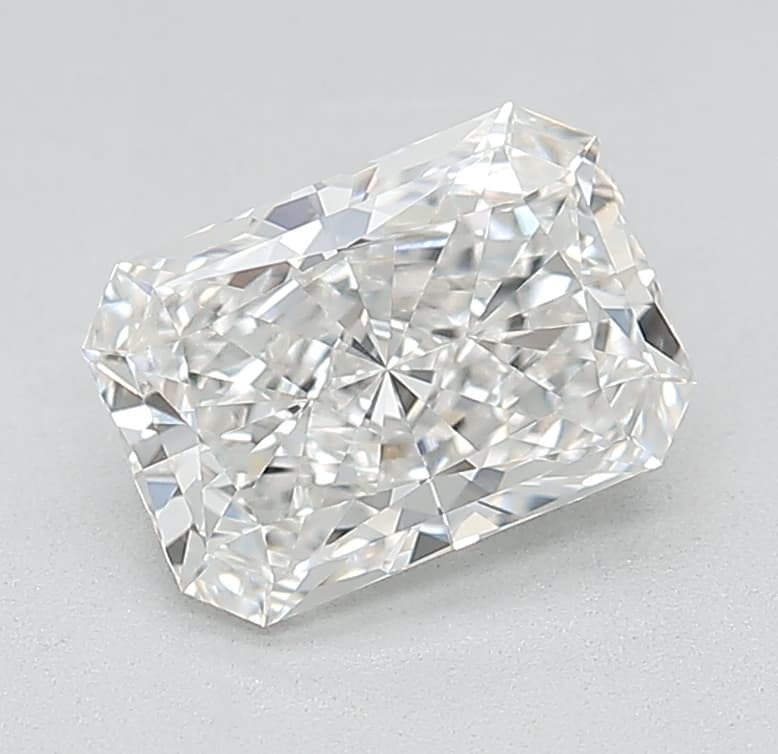
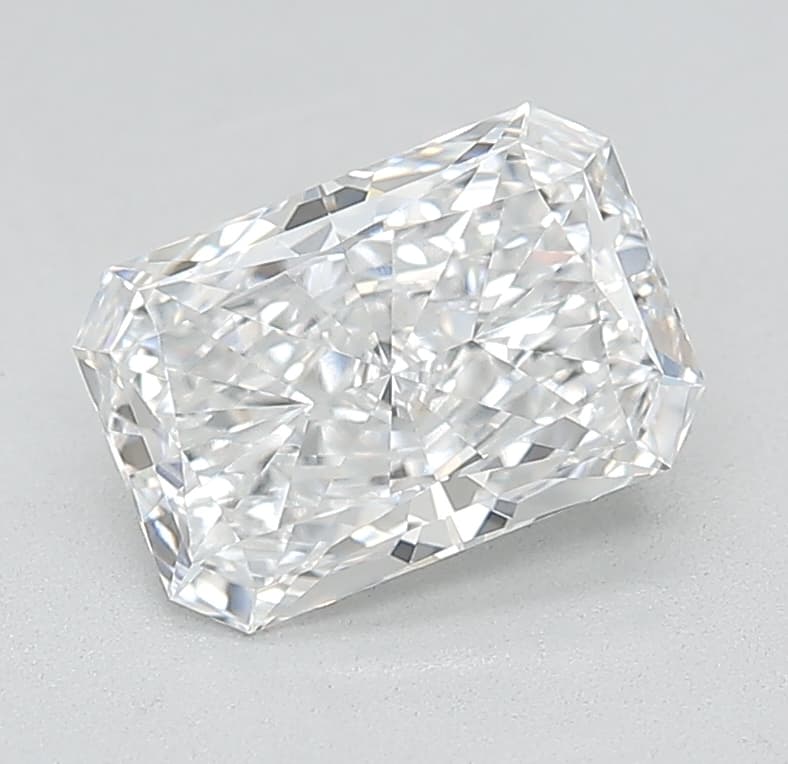
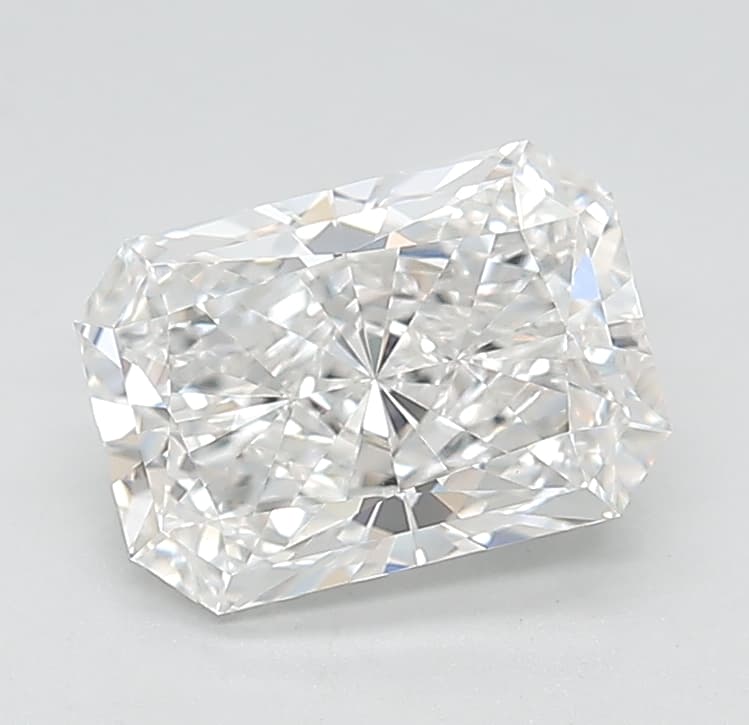
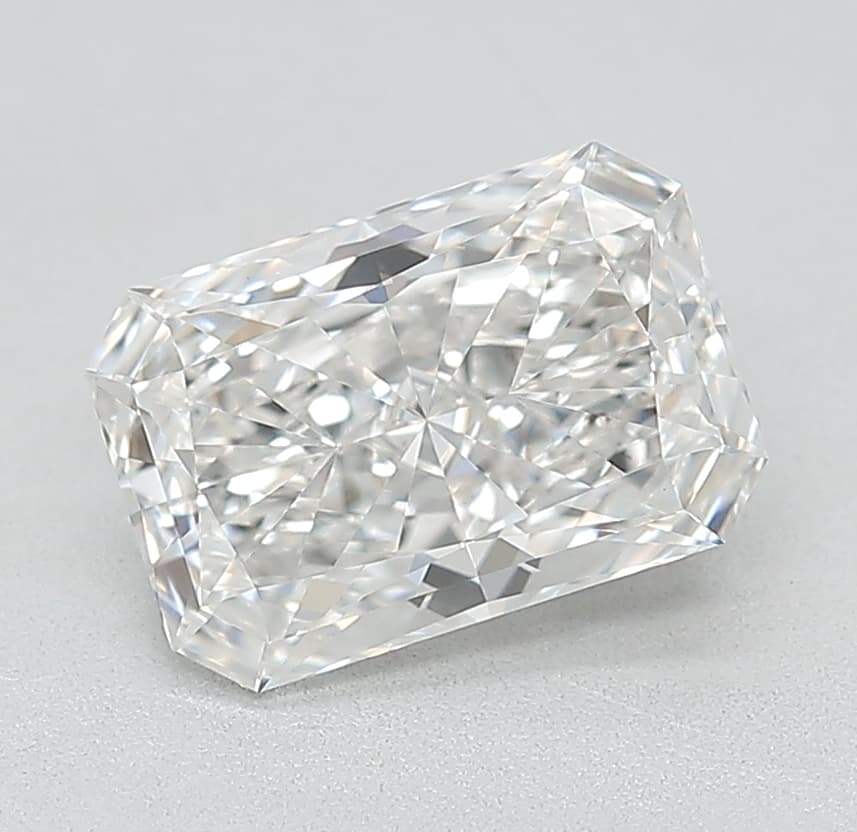
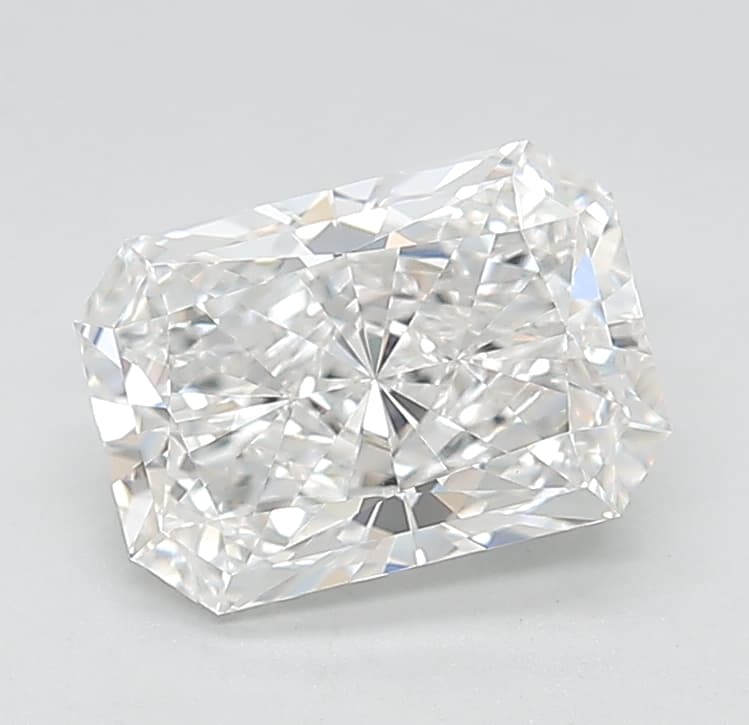
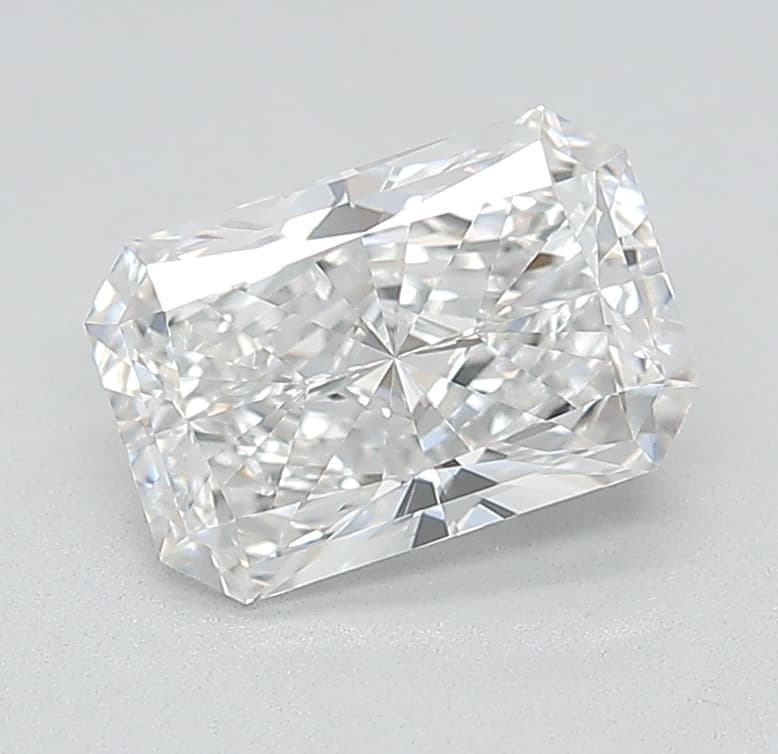
| Radiant | A crisp outline with plenty of sparkle | Depth, so it does not face up small |
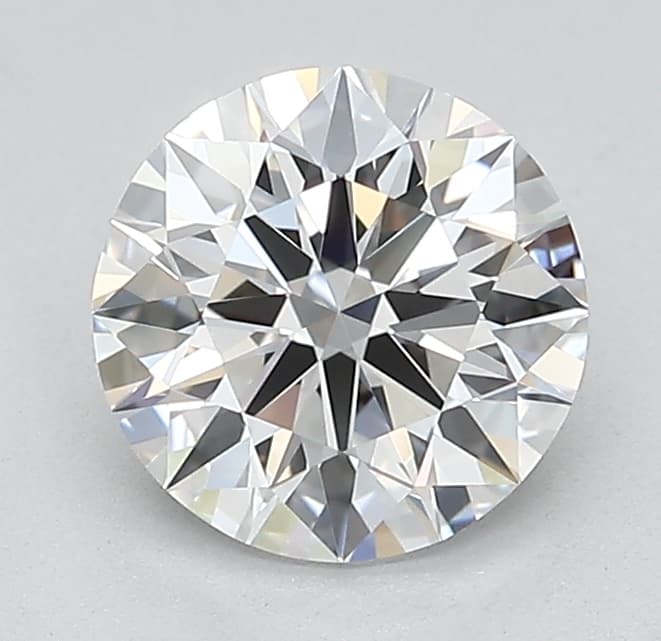
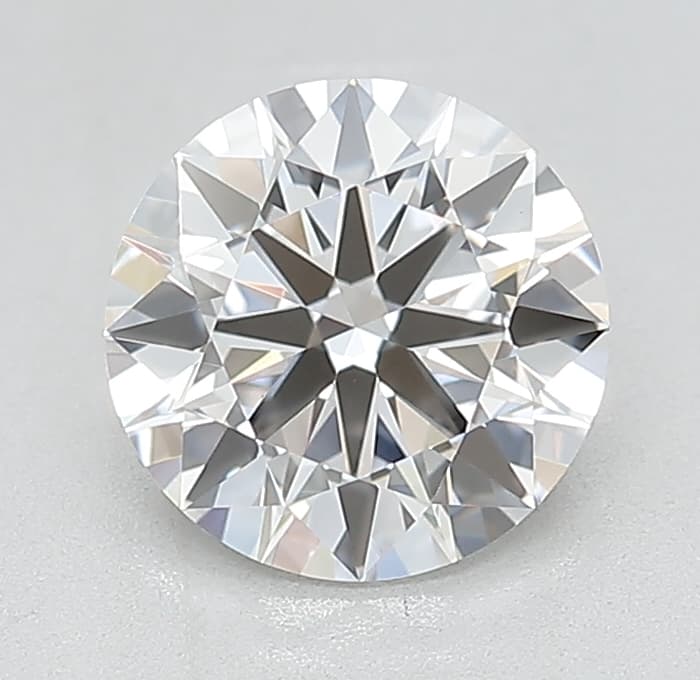
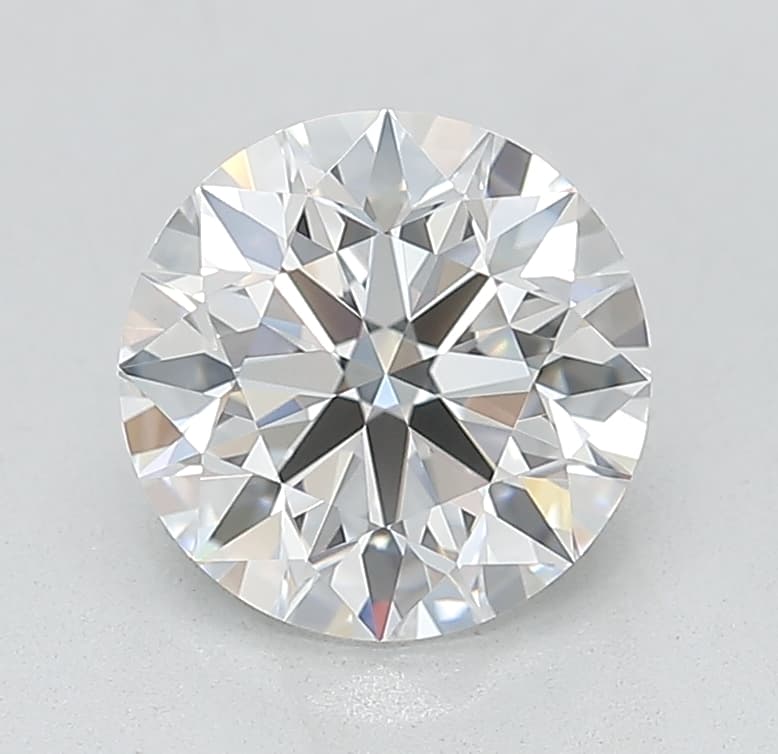
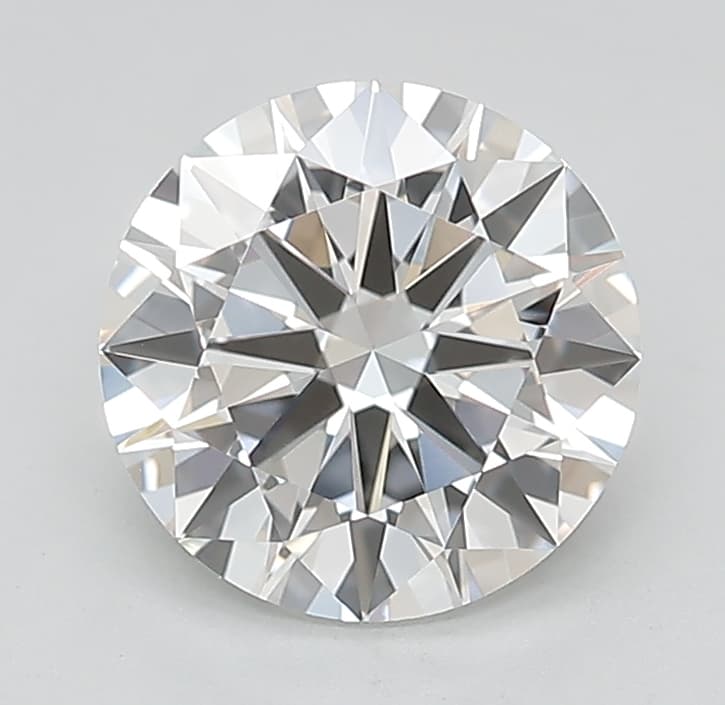
| Round | The best shape for flush settings | Choose a size the band can hold |
| Princess | Square and modern | Sharp corners must be covered |
| Cushion | Softer square outline | Spread for the weight |
| Old miner | Antique-style character | The high crown adds height |
Elongated shapes such as an emerald cut or oval can also be set sideways across the band; our post on east-west settings covers that look. For color as the statement rather than an accent, blue lab-grown diamonds are another option.
Settings that sit low and stay secure
Flush setting
Also called a gypsy or burnished setting. The jeweler drills a seat into the band, sets the stone so its table sits roughly level with the metal, and pushes the metal over the edge. It is very protective and snag-free, and it suits rounds best, though some square shapes can be set this way too. The band has to be thick enough to hold the stone’s full depth.
Bezel setting
A rim of metal around the whole stone. It works with almost any shape and covers points and corners; see our post on bezel settings.
Channel setting
Stones set in a row between two walls of metal. It suits rounds and square shapes and keeps the edges protected, and it is often used for several smaller stones rather than one center.
Low prongs
Prongs can work in a men’s ring when the head is low and the prongs are sturdy. Expect to have them checked more often than a bezel or flush setting.
| Compared | Suits | Good to know |
|---|---|---|
| Flush | Rounds best; some square shapes | Very protective and snag-free; the band must hold the stone’s full depth |
| Bezel | Almost any shape | Covers points and corners |
| Channel | Rounds and square shapes, often several smaller stones | Keeps the edges protected |
| Low prongs | A low head with sturdy prongs | Have them checked more often than a bezel or flush setting |
Size: the band decides
In a men’s ring, the band sets the scale. Two measurements from the stone’s IGI report or our stone page matter:
- Width or diameter against the band width. For a flush or channel setting, the stone needs a margin of metal on each side, so it has to be narrower than the band. A center stone in a raised setting can be wider than the band, but the proportion changes the look.
- Total depth against the band’s thickness. A flush-set stone sits inside the band, so a deeper stone needs a thicker band. A stone cut very deep for its weight may not suit a flush setting at all; the depth percentage and the depth in millimeters on the stone page tell you.
Remember too that a stone looks smaller on a larger finger. Compare the stone’s measurements with the finger width using the ring size to mm guide, and ask your jeweler for a drawing at actual size.
Color, clarity and the metal
- Clarity: step cuts such as emerald and Asscher cuts show the inside of the stone more openly, so many buyers choose VS or above for them and confirm in the 360° view that the stone is eye-clean. Brilliant shapes such as rounds and radiants hide small inclusions better.
- Girdle: in a flush or bezel setting the metal is pushed over the girdle, so avoid an extremely thin one.
- Color: platinum and white gold make warmth easier to see; yellow and rose gold make it harder to notice. Our post on diamond color and metal goes through each combination.
- Metal choice: platinum and gold are straightforward to set and resize. Some alternative metals, such as tungsten carbide, cannot be resized and are difficult to set stones in, so ask your jeweler before you commit to one.
Some alternative metals, such as tungsten carbide, cannot be resized and are difficult to set stones in. Platinum and gold are straightforward to set and resize.
Living with the ring
A diamond ring worn every day needs a little care, whatever the setting:
- Take it off for heavy work: lifting weights, using tools or gripping bars presses the ring between the hand and a hard surface, which can bend a band or chip an exposed edge.
- Keep it clean: skin oils and soap build up on the underside of the stone and dull its sparkle. Warm water, a little mild soap and a soft brush are usually enough.
- Have it checked: flush and bezel settings need attention less often than prongs, but a jeweler’s check from time to time catches loose stones or worn metal early.
- Brushed finishes: a brushed or matte band hides small scratches well, and it can be refinished when it wears.
None of this changes which diamond to choose, but it is worth knowing before you decide how exposed the stone will be.
Choosing the stone with us
- Pick the shape and setting together, since a flush setting suits different stones from a bezel or raised head.
- Check the width and depth in millimeters against the band your jeweler proposes.
- Confirm the stone is eye-clean and suits the metal.
- Send your jeweler the measurements before you buy.
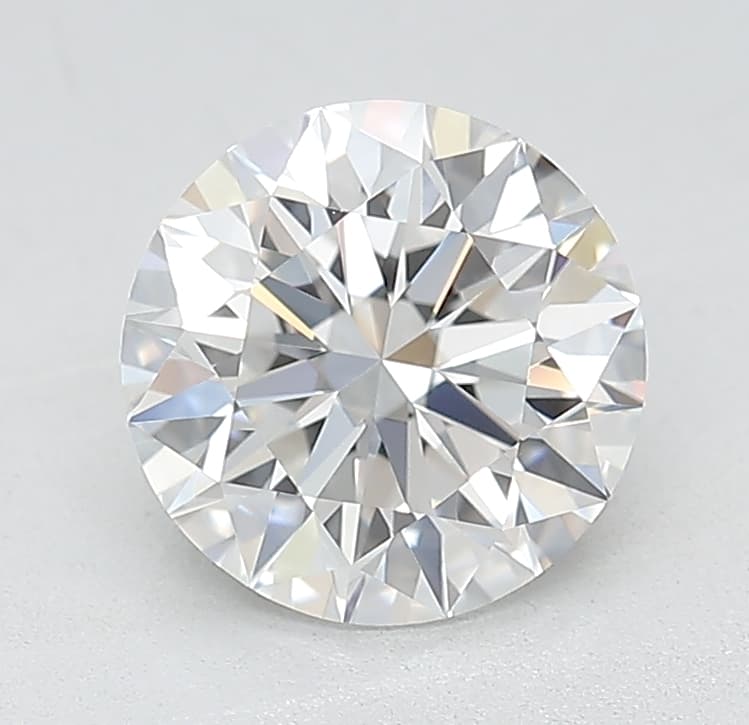
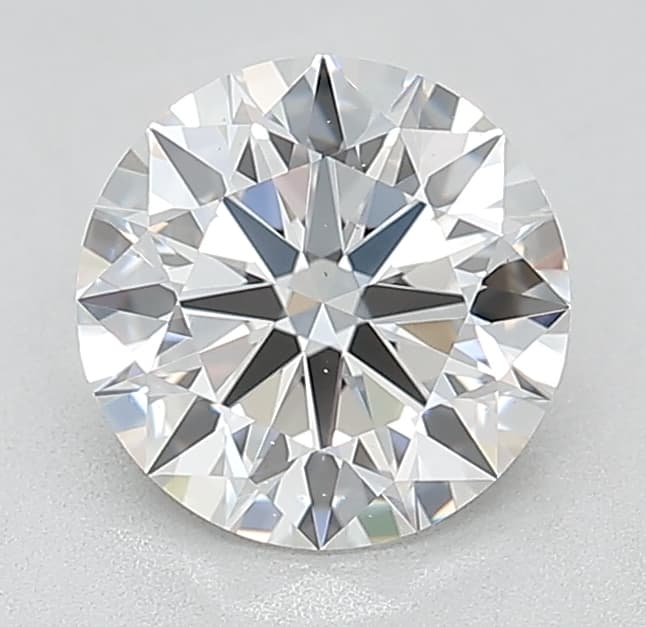
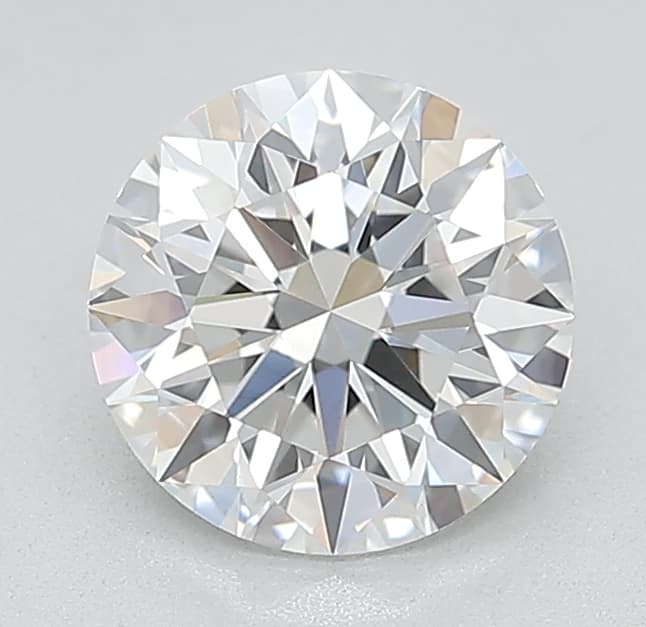
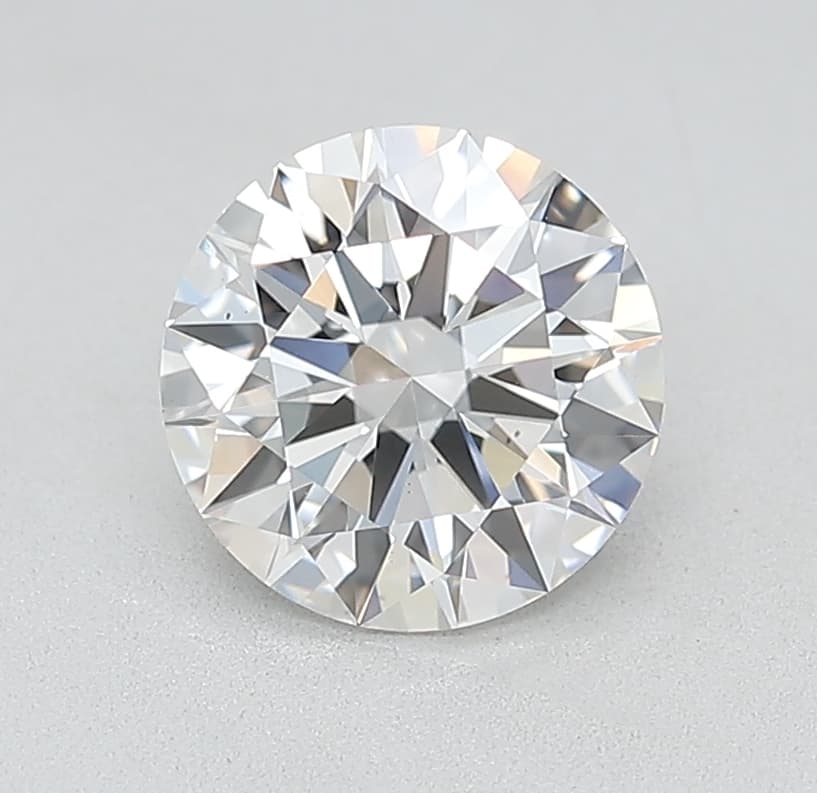
Jewelers making rings for clients can apply for a trade account. The suggestions below are shapes that suit a men’s ring, and our diamond specialists can help you compare them.
Frequently asked questions
What diamond shape is best for a men’s ring?
There is no single best shape. Emerald, Asscher and radiant cuts suit the straight lines of a wider band, rounds are the easiest shape to flush-set, and princess cuts give a square, modern look if their corners are covered.
What is a flush setting?
A flush setting, also called a gypsy or burnished setting, places the diamond in a seat drilled into the band so its table sits roughly level with the metal. The metal is then pushed over the edge of the stone. It is very protective and snag-free, and the band must be thick enough to hold the stone’s depth.
How big should the diamond be in a men’s ring?
It depends on the band and the setting. For a flush or channel setting the stone has to be narrower than the band, with metal on each side, and the band must be thicker than the stone’s depth. Compare the stone’s measurements with the band and the finger width.
Is a lab-grown diamond durable enough for a men’s ring worn every day?
Lab-grown diamonds have the same hardness as mined diamonds. Any diamond can still chip if a thin edge or point is struck, so a flush, bezel or channel setting that covers the edges is a sensible choice for a ring that will see hard wear.
Glossary terms in this article
More on Rings & Jewelry in the journal.