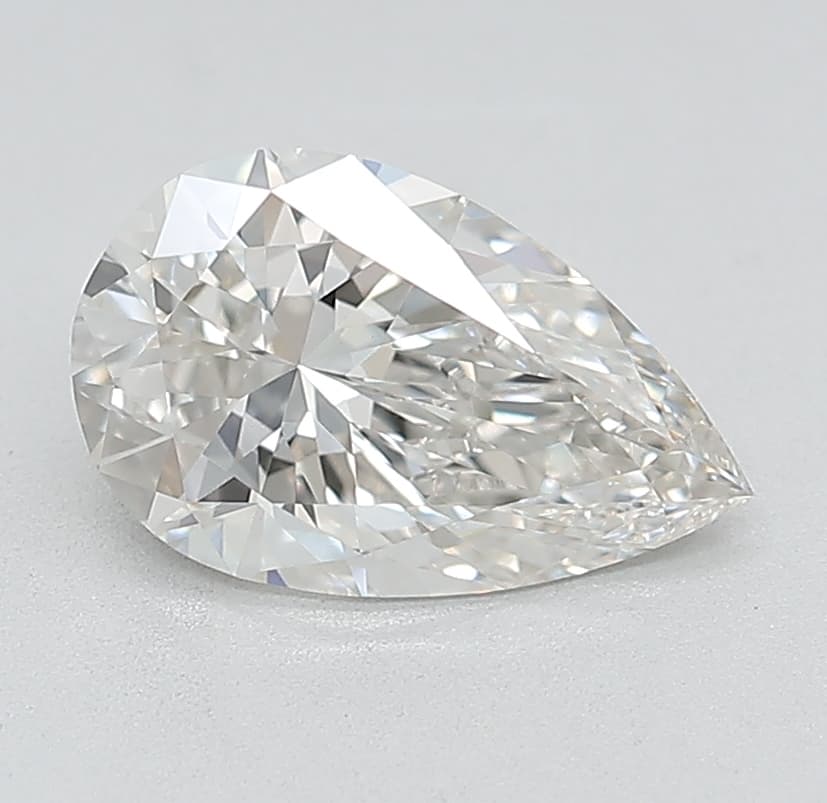
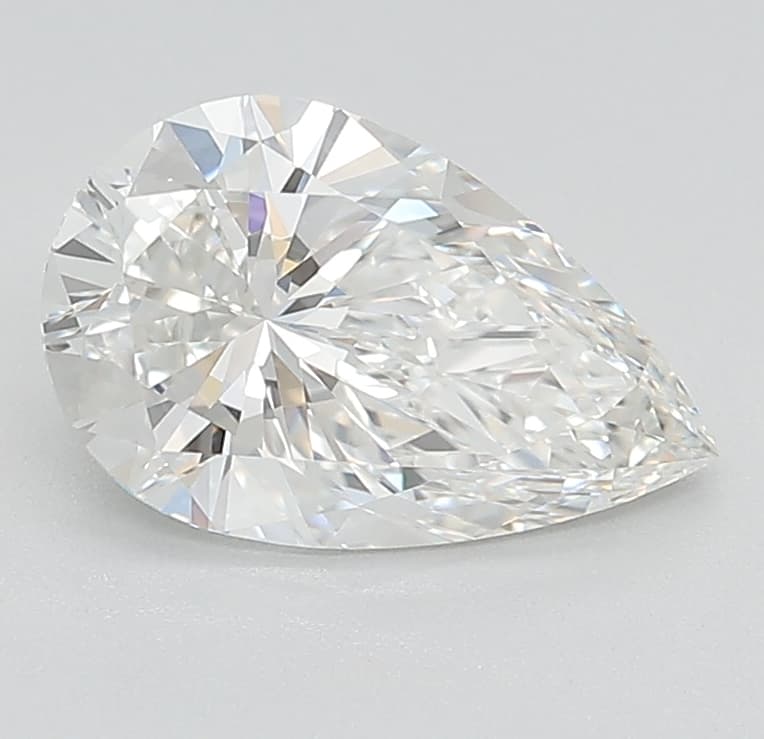
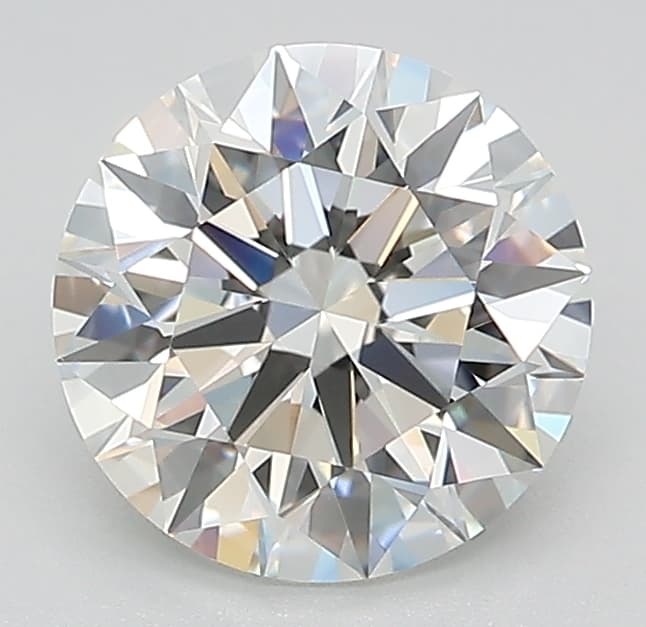
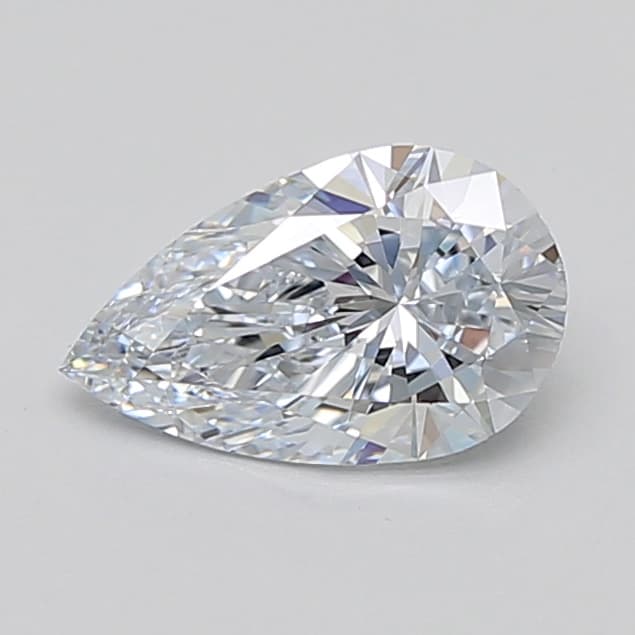
Rings & Jewelry
Which Diamond Color Suits Platinum, White, Yellow or Rose Gold?
By the Vanora Diamond team
Published Last reviewed 5 min read

Quick answer
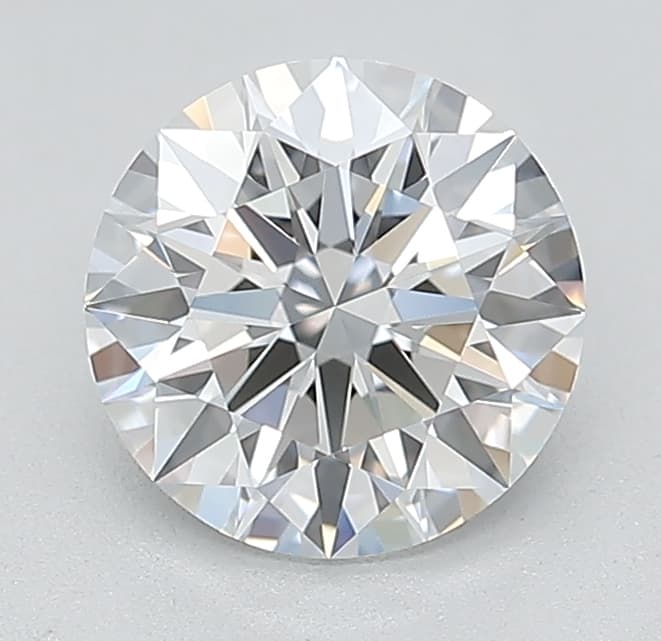
Platinum and white gold make any warmth in a diamond easier to see, so colorless D to F, or a high near-colorless grade such as G, keeps the stone looking white in them. Yellow and rose gold reflect warm tones into the stone and hide slight warmth, so near-colorless grades such as G and H often look white in them. Step cuts and larger stones show color more, whatever the metal.
Why the metal changes how color looks
A color grade describes the diamond face-down against a white background, under controlled light, compared with master stones. Once the stone is set, two things change what you see:
- Reflection: a diamond picks up its surroundings. Prongs, a bezel or the metal under the stone reflect into it, and warm metals add a warm tone.
- Contrast: the eye compares the stone with the metal beside it. Next to bright white metal, a faint warmth looks more obvious; next to yellow gold, it fades into the overall warm look.
That is why the same stone can look whiter in one ring than another. The diamond color guide explains the D-to-Z scale itself; this post is about pairing a grade with a metal. You choose the loose lab-grown diamond with us, and a jeweler of your choice makes the setting in the metal you prefer.
Platinum and white gold
Both are white metals, so they give the cleanest contrast and show warmth most readily.
- Platinum is naturally white and stays white as it wears.
- White gold is gold alloyed with white metals and usually plated with rhodium for a bright white finish. As the plating wears, some white gold alloys show a slightly warm tone, and a jeweler can re-plate it.
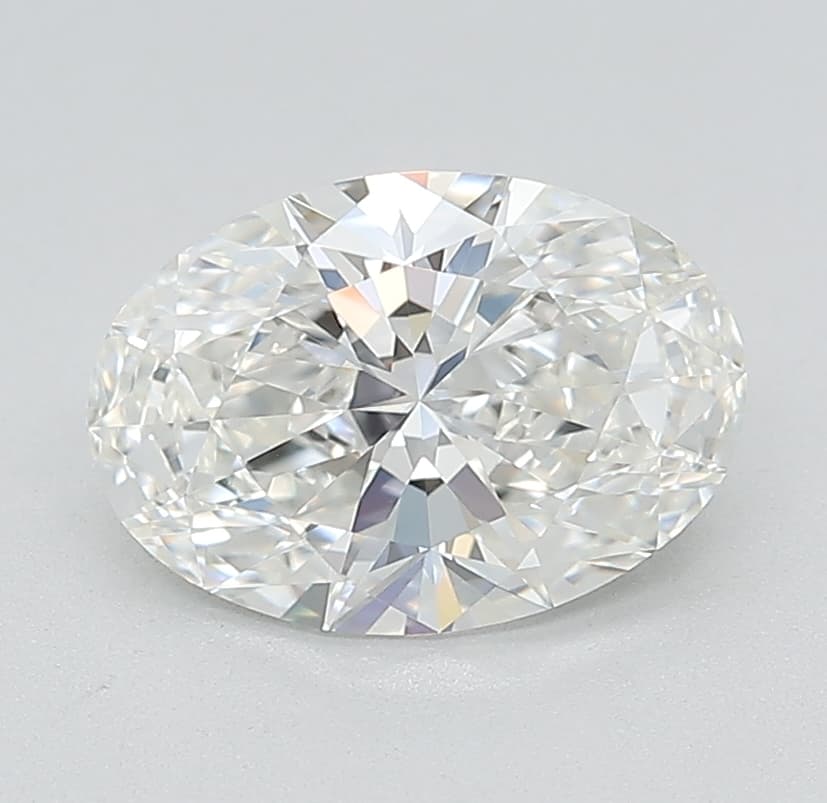
For a crisp, icy look, colorless grades (D, E or F) are the straightforward choice. For brilliant shapes such as round, oval and radiant, a G often looks white too, because the sparkle masks slight color. Step cuts and larger stones show more, so many buyers move up a grade for an emerald cut or a large center in platinum.
Yellow gold
Yellow gold reflects a warm tone into the diamond and surrounds it with warmth, which makes a faint tint much harder to notice. Common advice is that near-colorless grades such as G and H look white in yellow gold, and some buyers go down to I or J, or warmer, for a deliberately vintage feel.
A colorless stone in yellow gold is still a good choice if you want the strongest contrast between a bright white stone and a warm band. Expect the stone to pick up a little warmth from the metal near the prongs.
If you love yellow gold but want the stone to look as white as possible, a two-tone setting helps: a white metal head or prongs holds the stone, so it is surrounded by white metal, on a yellow gold band.
If you love yellow gold but want the stone to look as white as possible, a white metal head or prongs on a yellow gold band keeps the stone surrounded by white metal.
Rose gold
Rose gold gets its pink tone from copper in the alloy. Like yellow gold, it reflects a warm tone into the stone and makes slight warmth harder to see, so near-colorless grades work well in it. The effect is a soft, rosy warmth rather than a yellow one.
Colorless stones in rose gold give a clear contrast between a white stone and a pink band. Rose gold also suits pink lab-grown diamonds, where the metal echoes the stone’s color, while blue diamonds suit white metals, which keep the blue looking cool and clear.
A quick reference
| Metal | Grades often chosen for a white look | Notes |
|---|---|---|
| Platinum | D to F, or G for brilliant shapes | Shows warmth most; move up for step cuts and large stones |
| White gold | D to F, or G for brilliant shapes | Similar to platinum while the rhodium plating is fresh |
| Yellow gold | G to H, or lower for a warm look | White prongs keep a colorless stone crisp |
| Rose gold | G to H, or lower for a warm look | Pairs well with pink diamonds |
These are tendencies, not rules. Three other factors move the line:
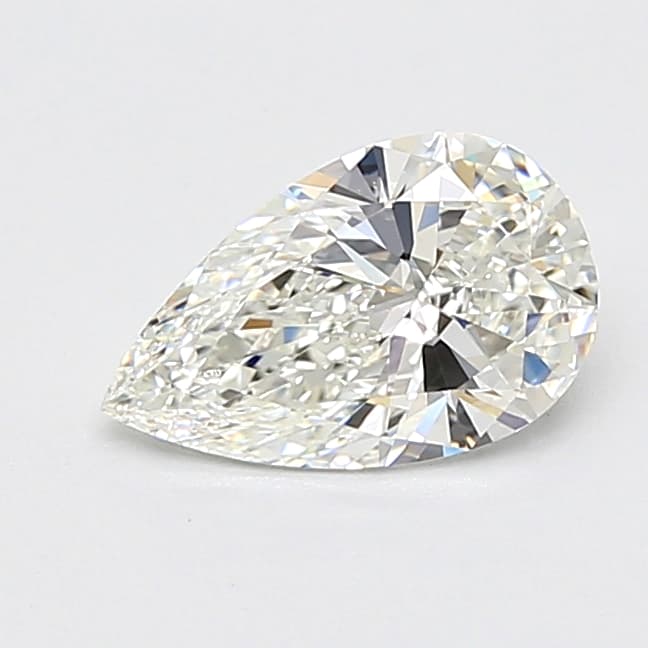
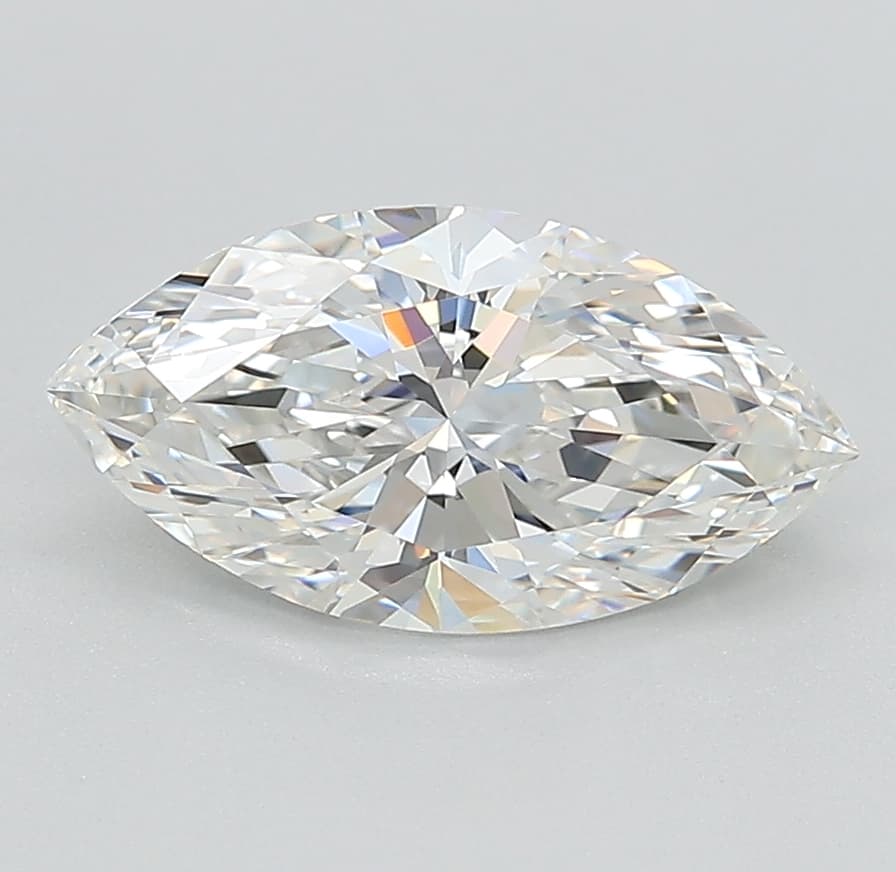
- Shape: step cuts such as emerald and Asscher show body color more than brilliants; elongated and pointed shapes can show a little more color at the ends.
- Size: larger stones show color more, because light travels further through them.
- Fluorescence: medium or stronger fluorescence can change how a stone looks in daylight.
| Grade | Group | What it means |
|---|---|---|
| D | Colorless | No color, or traces a grader detects only against master stones |
| E | Colorless | No color, or traces a grader detects only against master stones |
| F | Colorless | No color, or traces a grader detects only against master stones |
| G | Near colorless | Slight color when compared face-down; often hard to see face-up |
| H | Near colorless | Slight color when compared face-down; often hard to see face-up |
| I | Near colorless | Slight color when compared face-down; often hard to see face-up |
| J | Near colorless | Slight color when compared face-down; often hard to see face-up |
| K | Faint | A faint warm tint that many people can see face-up |
| L | Faint | A faint warm tint that many people can see face-up |
| M | Faint | A faint warm tint that many people can see face-up |
Earrings, pendants and mixed metals
The same principles apply beyond rings, with a few differences:
- Earrings and pendants are seen from further away than a ring, and smaller stones show less body color than large ones, so near-colorless grades often look white in them even in white metals. A pair of studs is the exception that calls for care, because two stones side by side make any difference in color easy to see.
- Mixed metals: if you wear yellow gold and platinum together, choose the color for the metal that touches the stone, which is usually the head or prongs.
- Changing metals later: a loose diamond can be reset in a different metal at any time. If you think you may move from yellow gold to platinum one day, a colorless or high near-colorless grade keeps both options open.
A loose diamond can be reset in a different metal at any time. If you may move from yellow gold to platinum one day, a colorless or high near-colorless grade keeps both options open.
How to check color before you choose
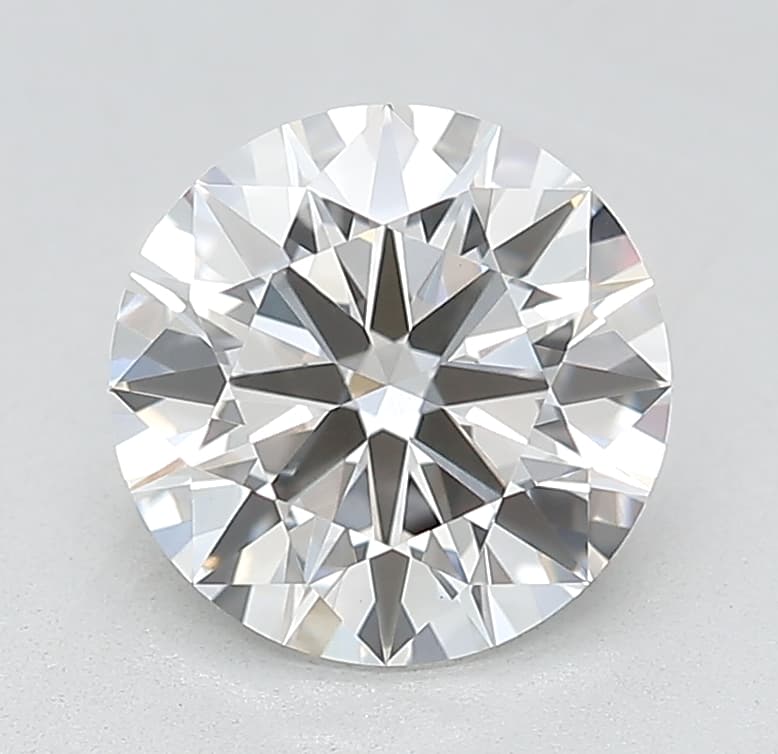
- Look at the stone against white in the 360° view on its stone page. White backgrounds show warmth honestly, and also reveal a brown, gray or milky tinge, which the color grade does not describe.
- Read the report. IGI reports list the D-to-Z grade. Since October 2025, new GIA reports for colorless to near-colorless lab-grown diamonds give a Premium or Standard assessment instead of a letter grade; see our diamond certificates guide.
- Think about the whole design. A halo of small white stones affects color by contrast as well; see halo or no halo. The same thinking applies to stud earrings, where two stones are compared side by side.
The suggestions below cover both ends: colorless stones for white metals and near-colorless stones that suit yellow and rose gold. If you are unsure which suits your metal, ask a specialist to look at a stone with you.
Frequently asked questions
What color diamond looks best in yellow gold?
Yellow gold makes slight warmth hard to notice, so near-colorless grades such as G and H usually look white in it, and some buyers choose warmer grades on purpose. A colorless D to F stone also works if you want strong contrast, especially with white metal prongs.
Do I need a D color diamond for a platinum ring?
No. Platinum shows warmth more than gold, so many buyers choose a colorless grade, D to F, but a G often looks white in a brilliant shape such as a round or oval. For step cuts and large stones, a grade or two higher is a common choice.
Does rose gold make a diamond look pink?
Rose gold can add a faint warm, rosy reflection, mostly near the metal. A colorless stone still faces up white, and the contrast with the pink band is part of the look. If you want a pink diamond, choose a fancy pink lab-grown stone rather than relying on the metal.
Can a yellow gold ring have white gold or platinum prongs?
Yes. Two-tone settings with a white metal head or prongs on a yellow gold band are common, and they help a colorless stone look as white as possible while keeping the warm band. Ask your jeweler about this when you plan the ring.
Glossary terms in this article
More on Rings & Jewelry in the journal.