Grading, Explained
What Hearts and Arrows Really Tells You About a Round Diamond
By the Vanora Diamond team
Published Last reviewed 5 min read

Quick answer
Hearts and arrows (H&A) is a pattern of eight arrows face-up and eight hearts through the pavilion that a special viewer reveals when a round brilliant’s facets are very precisely shaped and aligned. It tells you the stone was cut with exceptional optical symmetry, which tends to give an even, balanced sparkle. It is not a lab grade and says nothing about color, clarity or tinge, so treat it as a tie-breaker among well-cut lab-grown rounds rather than a requirement.
What the pattern is, and where it comes from
A round brilliant has eight-fold symmetry: its main facets repeat eight times around the stone. When those facets are cut to almost identical size and angle, and the proportions sit in a narrow band, a hearts and arrows viewer shows two clean patterns:
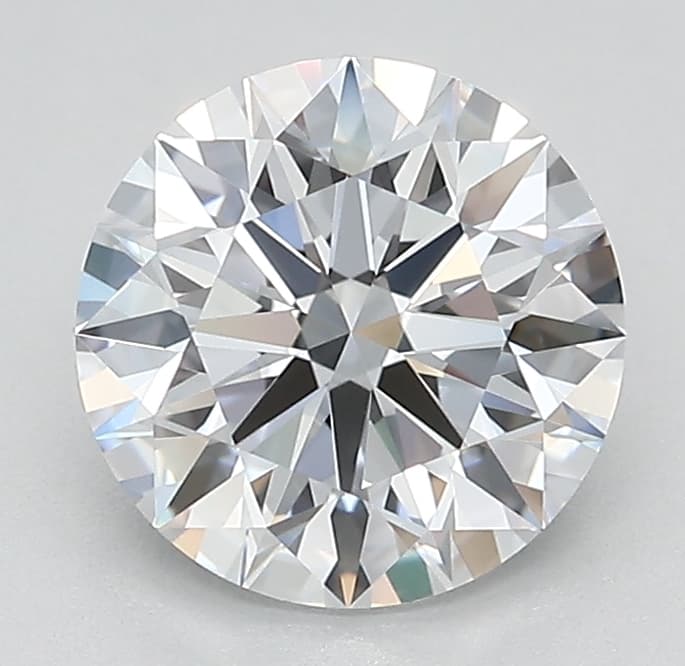
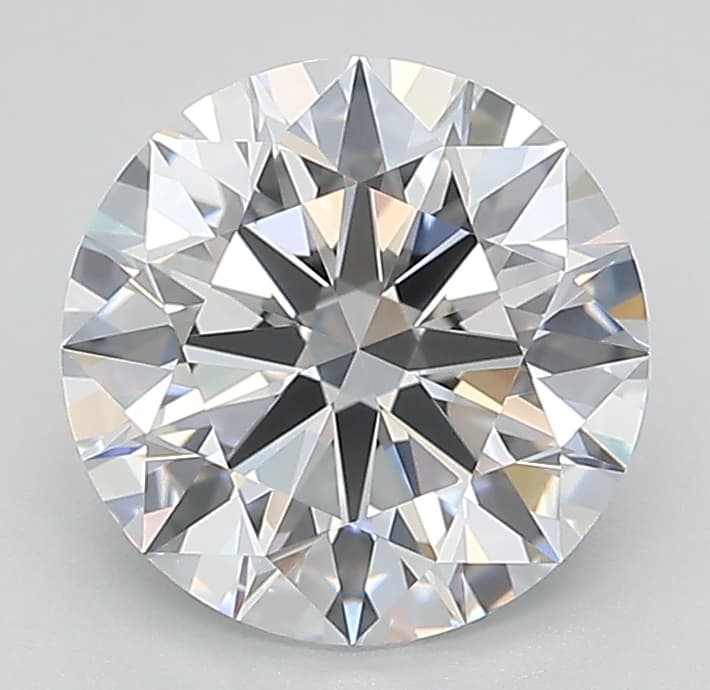
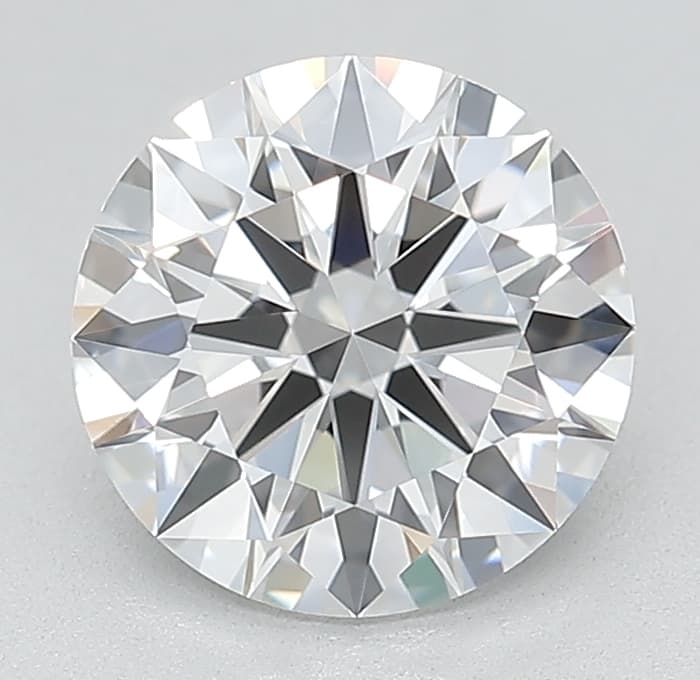
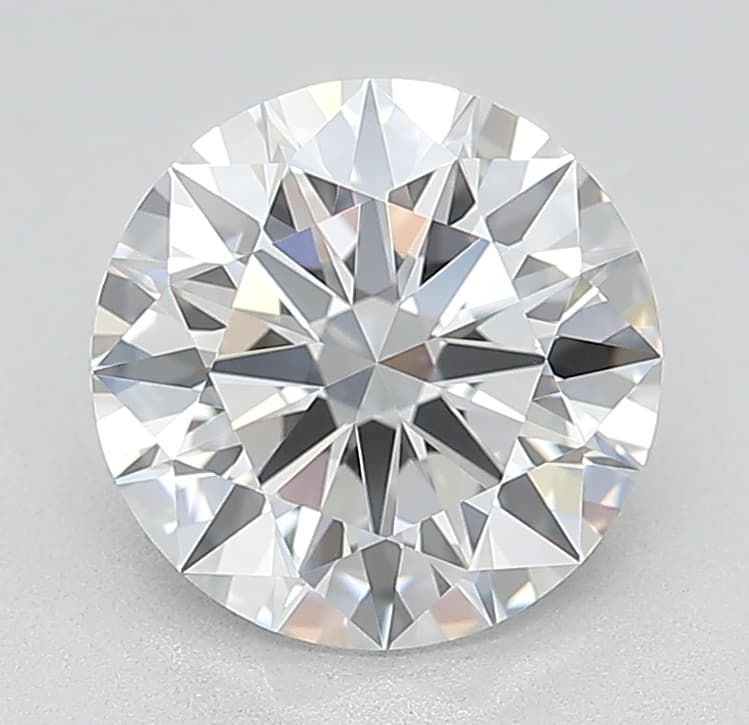
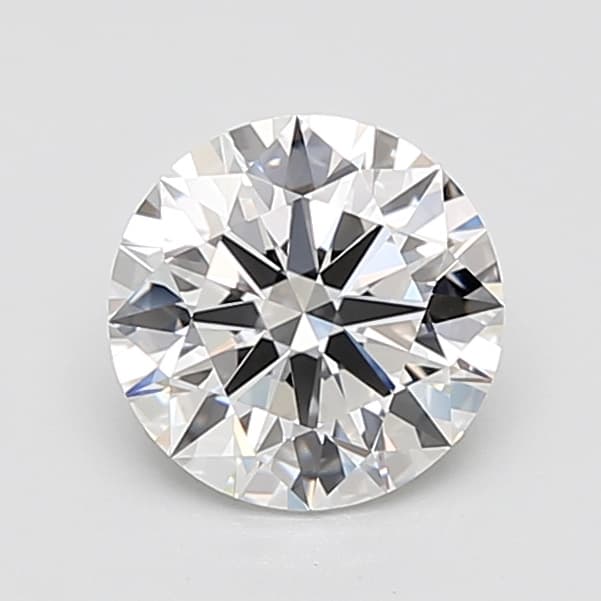
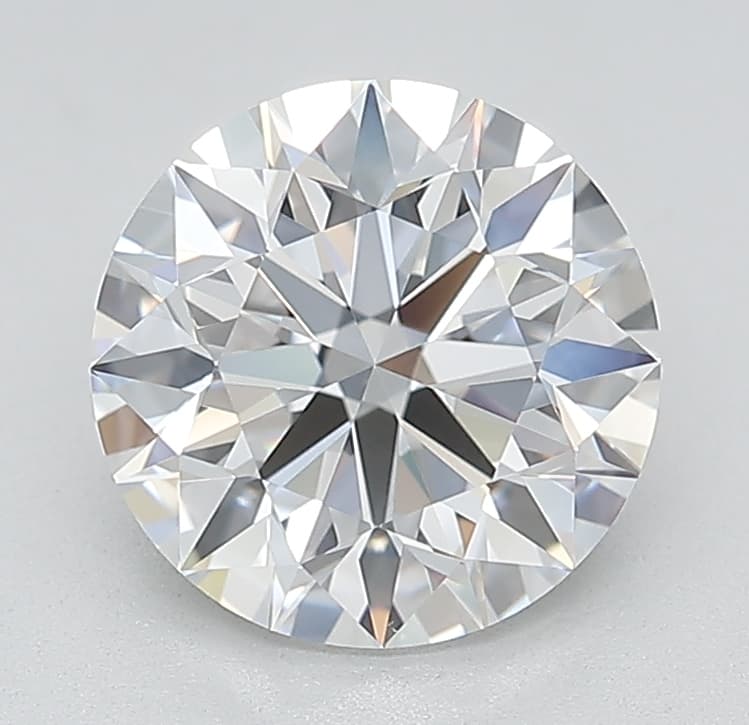
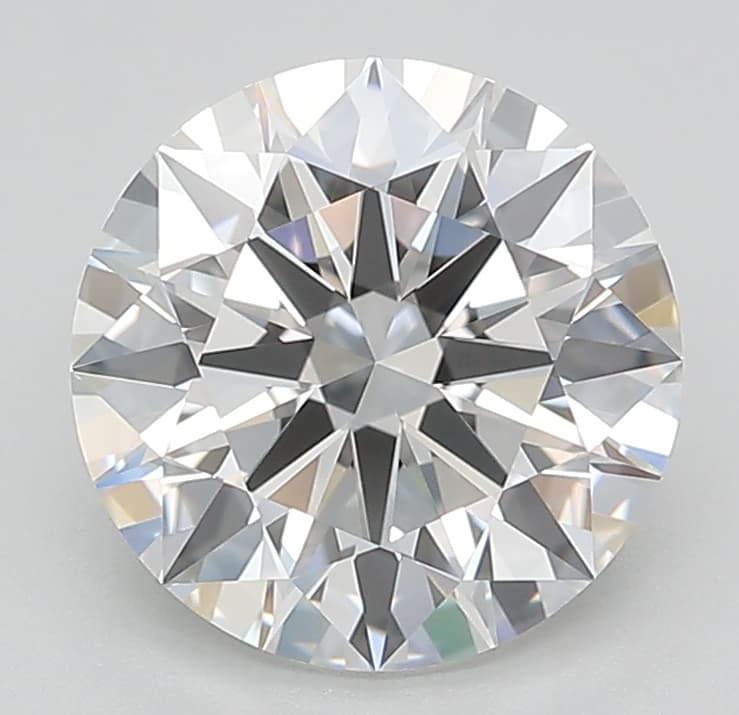
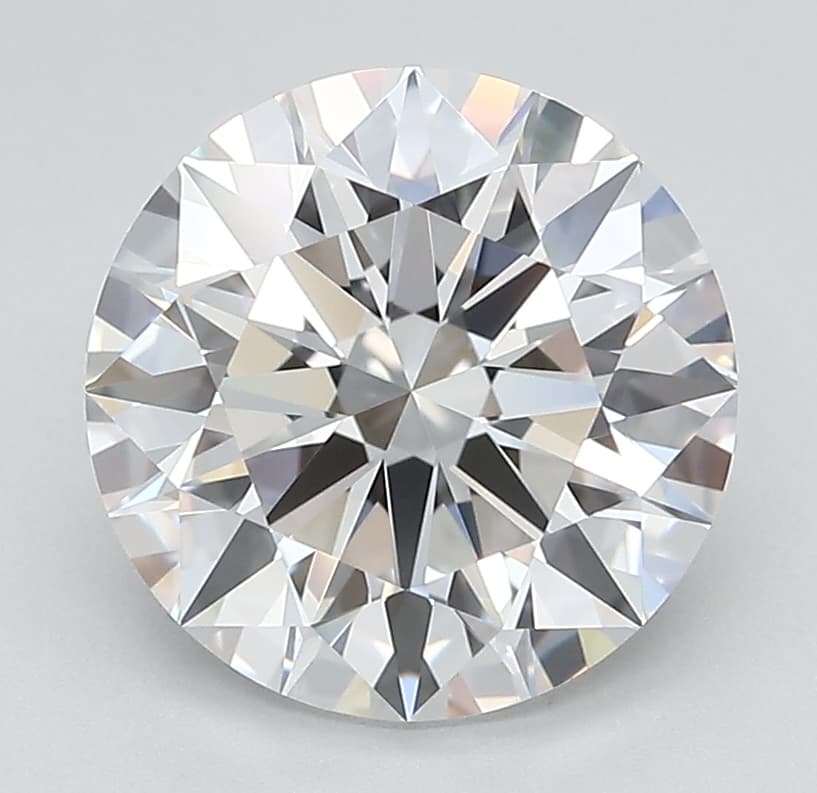
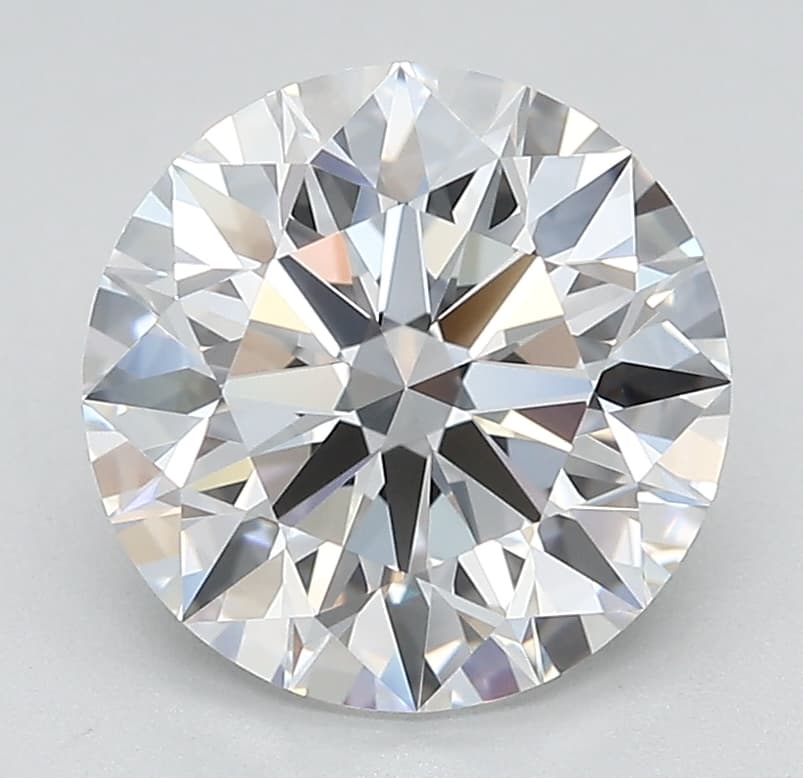
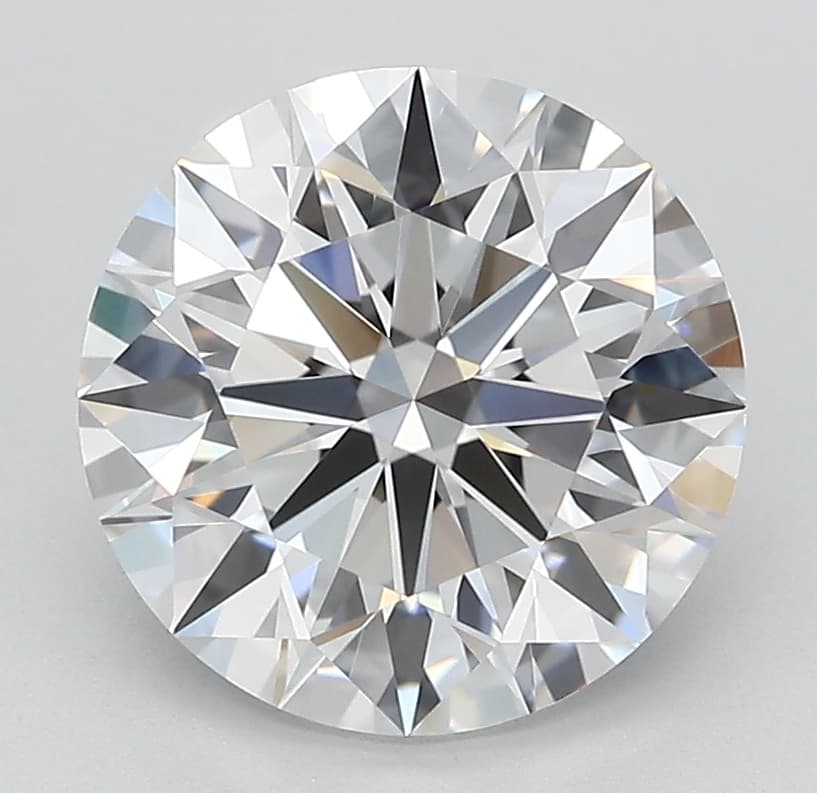
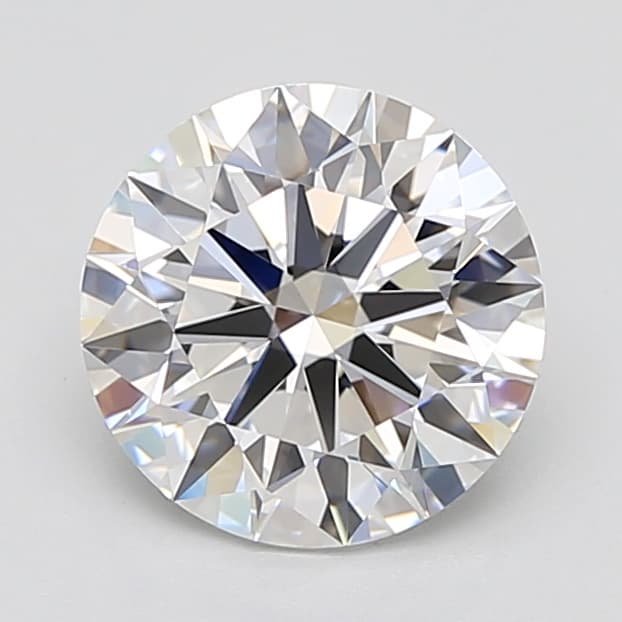
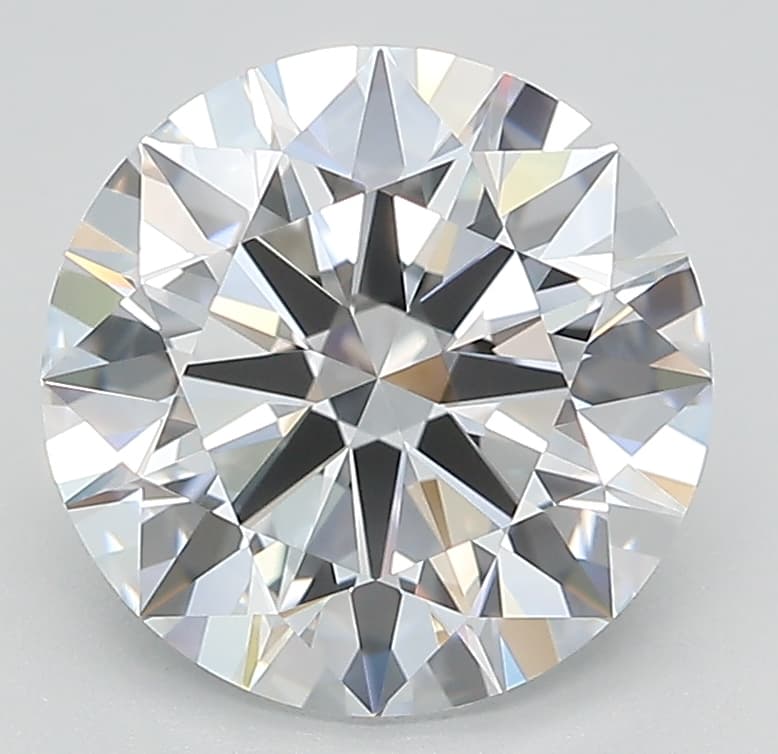
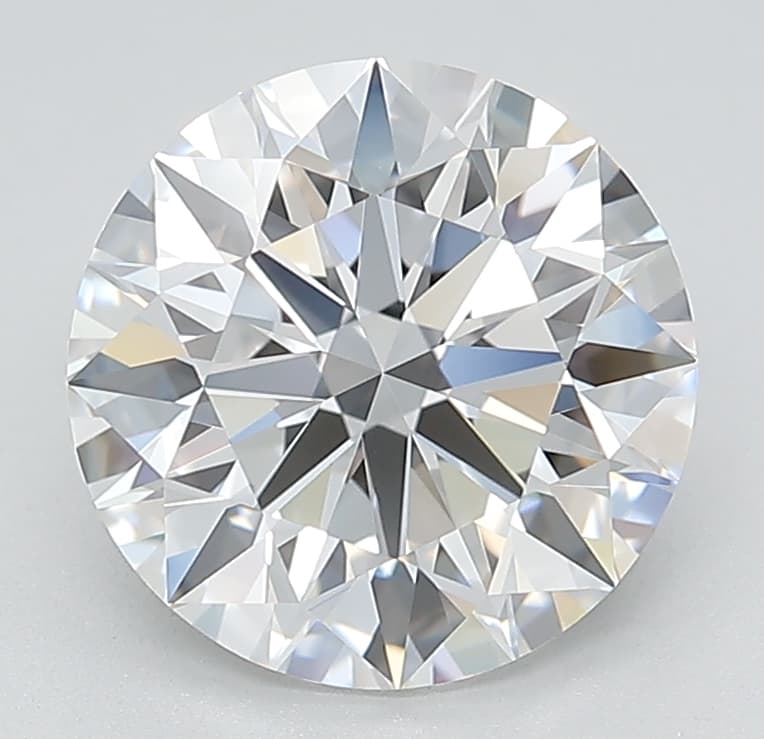
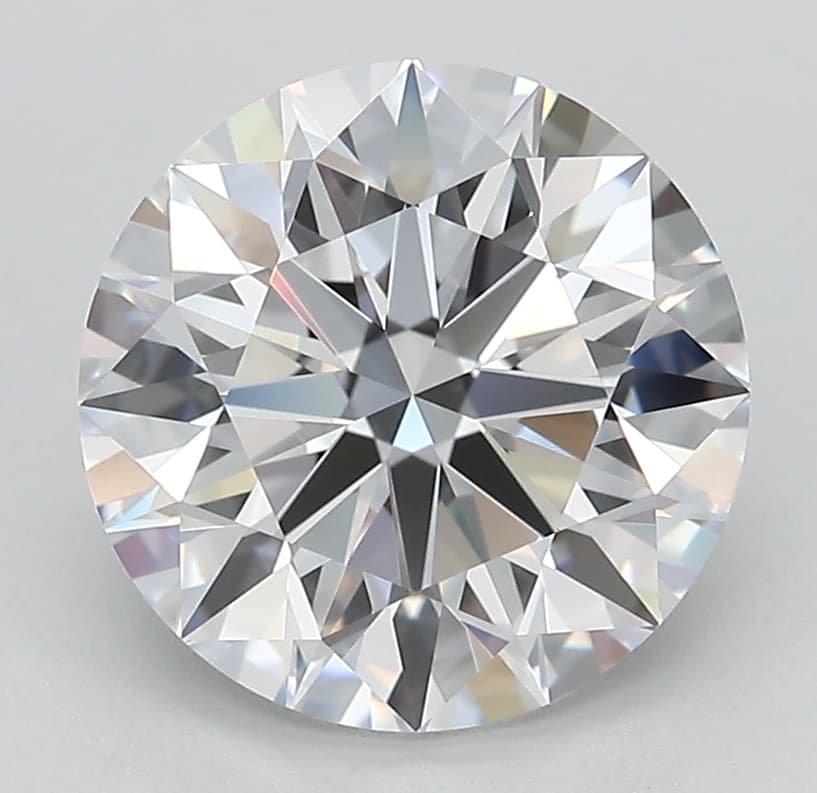
- Arrows, face-up. Looking down through the table, the eight pavilion main facets reflect as eight arrows radiating from the center, each with its head near the girdle.
- Hearts, table-down. Turned over and viewed through the pavilion, reflections of the same pavilion facets form eight hearts in an even ring around the center.
The viewer is a small scope with a reflector and a magnifier that makes these reflections easy to see. Without one, you are very unlikely to see the hearts at all.
Because a crisp pattern needs every main facet to line up, H&A works as a visual check of optical symmetry: how precisely the facets are shaped and placed relative to each other. The symmetry grade on a report covers similar ground in a single word; an H&A image shows you the detail. The hearts and arrows glossary entry has the short definition.
The classic pattern belongs to round brilliants. Lab-grown and mined diamonds have the same optical properties, so a laboratory-grown round shows the pattern in exactly the same way.
What hearts and arrows tells you, and what it does not
What it tells you
- The cutter worked to very tight tolerances: facets of matching size, evenly spaced, meeting where they should.
- The crown and pavilion angles fall in a narrow range, because the pattern breaks up when they drift too far from it.
- The stone is likely to show an even, balanced sparkle, with light and dark flashes spread uniformly rather than bunched on one side.
What it does not tell you
- Color, clarity, fluorescence or tinge. A stone can show perfect hearts and still have a hazy look or a visible inclusion.
- Overall light return. H&A shows symmetry; an ASET image maps where the light comes from. Our post on how to read an ASET image explains that view.
- Spread. Whether the stone faces up large for its weight is a question for the millimeter measurements on an IGI report or in the stone's listing.
- Anything official. Hearts and arrows is not a GIA grade, and cutters and sellers do not all use the same criteria for it.
So read H&A as evidence of precise cutting, layered on top of the grading report, never as a replacement for it.
Hearts and arrows is not a GIA grade, and cutters and sellers do not all use the same criteria for it. Read it as evidence of precise cutting, layered on top of the grading report.
How to read a hearts image
A hearts image is taken with the stone table-down in the viewer. Work through it slowly:
- Count eight. You should see eight separate hearts in an even ring.
- Compare sizes and shapes. The hearts should be close to identical. One that is noticeably fatter, thinner or longer than its neighbors suggests a facet that differs from the others.
- Check each heart's halves. Each heart is built from reflections of pavilion facets on either side, so a heart with uneven halves, or a lopsided top, points to a facet slightly out of line.
- Look at the spacing. Each heart should sit clear of the next, with even gaps all the way round. Hearts that touch or blur together on one side indicate a small misalignment.
- Judge the whole. Small differences are normal. You are looking for an even, symmetrical pattern, not a perfect drawing.
How to read an arrows image
The arrows view is face-up, the way you see the stone once it is set:
- Eight arrows, evenly spaced, radiating from the center like the spokes of a wheel.
- Straight shafts. Each shaft should run straight from the center to its arrowhead near the girdle, without bending or twisting to one side.
- Matching widths. The shafts should be of similar thickness. One that is clearly thinner or wider than the rest signals an uneven facet.
- A centered pattern. The arrows should meet in the middle of the table, not off to one side.
A good arrows image and a good hearts image together are what earn the description. A stone with tidy arrows but uneven hearts still has good symmetry; it simply falls short of the precision the H&A label implies.
Why an image can look off, even for a good stone
H&A images are photographs, and small things change them:
- Tilt. The stone has to sit perfectly level in the viewer. Even a slight tilt makes some hearts look larger than others.
- Viewer and lighting. Different scopes and reflector colors give different looks, so compare images taken the same way.
- Resolution. A small or soft image hides detail, and a heavily sharpened one can exaggerate it.
- Expectations. A pattern can be excellent without being flawless. Minor irregularities that show in the viewer are invisible in normal wear.
It works the other way round too. A round without the label can still be beautifully cut: many rounds with the top cut grade and Excellent symmetry have simply never been photographed in a viewer.
Is hearts and arrows worth choosing?
Treat it as the last filter, not the first:
- Start with the report. Look for the top cut grade (Ideal on IGI; Excellent on a GIA report that prints a cut grade, which its lab-grown assessment since October 2025 does not) with Excellent polish and symmetry. Our post on Ideal vs Excellent cut explains how the two labs' top grades compare.
- Check the proportions. Table, depth and angles should sit near the common guideline ranges in the diamond cut guide.
- Then compare the images. Hearts, arrows, ASET and the 360° view, side by side.
H&A is worth choosing if you value precision for its own sake, or if you are deciding between two otherwise similar rounds and want a fair tie-breaker. If you love a stone that is not described as H&A but has a top cut grade and a lively video, you are not missing anything you would see across a dinner table.
On our stone pages, the specifications include a Hearts & arrows line, and stones listed as H&A can show Hearts and Arrows views alongside the photo, the 360° view and, for many stones, an ASET image. Browse round lab-grown diamonds, start with the hearts and arrows rounds suggested below, or ask one of our diamond specialists to go through the images with you.
- Ideal
- Excellent
- Very Good
- Good
- Fair
- Poor
- Excellent
- Very Good
- Good
- Fair
- Poor
- ProportionsTable, depth, crown and pavilion angles, and the girdle
- FinishPolish of the facet surfaces and the symmetry of their placement
- The result: lightBrightness, fire and scintillation, the sparkle you see as the stone moves
Frequently asked questions
Is hearts and arrows a grade on IGI or GIA reports?
Not as a grade at either lab. It is not a GIA grade, and it is not one of the cut, polish or symmetry grades on an IGI report; cutters and sellers do not all use the same criteria for it. Treat it as a description to check: confirm an IGI report shows the top cut grade with Excellent polish and symmetry, and look at the hearts and arrows images yourself.
Can you see hearts and arrows without a viewer?
Not the hearts, which only appear when the stone is turned table-down in a hearts and arrows viewer. A faint arrow pattern can sometimes be glimpsed face-up in certain light, but the viewer is what shows the full pattern clearly.
Do fancy shapes such as oval or princess have hearts and arrows?
The classic pattern is specific to round brilliants, because it depends on their eight-fold arrangement of facets. Some fancy shapes are marketed with similar claims, but there is no common standard, so judge fancy shapes by their proportions, polish, symmetry, ASET image and video.
Does hearts and arrows make a diamond sparkle more?
It indicates very precise optical symmetry, which tends to give an even, balanced sparkle. A round with a top cut grade and Excellent symmetry that is not described as hearts and arrows can look very similar in a ring, so many buyers treat it as a tie-breaker.
Is hearts and arrows different in lab-grown diamonds?
No. Lab-grown and mined diamonds have the same optical properties and are cut the same way, so the pattern forms and means the same thing in both.
Glossary terms in this article
More on Grading, Explained in the journal.