Buying & Care
Planning a Proposal: How Far Ahead to Choose the Diamond
By the Vanora Diamond team
Published Last reviewed 5 min read

Quick answer
Work backwards from the date. Before you can propose with the ring, the diamond has to be chosen, confirmed, delivered, set by your jeweler and sized, and each step has its own timing. Ask us for the delivery timing for your stone and your jeweler for setting and sizing, add them together, then add a generous buffer so that nothing has to be rushed.
Work backwards from the proposal date
A proposal ring is a chain of steps, and the ring is only ready when the last one is done. The simplest way to plan is to start at the date and work back:
- The ring is finished, sized and insured.
- Your jeweler has set the diamond.
- The diamond has been delivered to you or your jeweler.
- Your order has been confirmed.
- You have chosen the stone, ideally from a shortlist and, if you want one, after a viewing.
- You have a budget, a shape and an idea of the setting.
Nobody can give you one figure that covers the whole chain, because it depends on where the stone is held, where it is going and how your jeweler works. What you can do is ask each party for their part and add it up.
- Step 1: PlanA budget, a shape and an idea of the setting.
- Step 2: Choose the stoneIdeally from a shortlist and, if you want one, after a viewing.
- Step 3: Order itCheck out; a diamond specialist confirms the order.
- Step 4: DeliveryThe diamond reaches you or your jeweler.
- Step 5: SettingYour jeweler sets the diamond.
- Step 6: FinishThe ring is sized and insured, with a buffer before the date.
The stages, and who sets the timing
| Stage | What happens | Who can tell you how long |
|---|---|---|
| Research and shortlist | Budget, shape, size and grades; three or so candidate stones | You |
| Viewing | An appointment at one of our offices, where the stone can be brought there | Your specialist |
| Checkout | You authorise the payment; the stone is checked live and held for you for 15 minutes while you pay | You |
| Order confirmation | A diamond specialist confirms the order; we take the payment and email the tax invoice | Your specialist; usually within a day |
| Delivery | The stone travels from where it is held | Your specialist, before you check out |
| Setting | Your jeweler sets the stone in a ready-made or custom mounting | Your jeweler |
| Sizing and engraving | Final adjustments to the band | Your jeweler |
| Insurance | Cover once the ring is yours | Your insurer |
Our stones are kept in more than one location, and a stone may travel to one of our offices before it reaches you. The stone page shows where it is located, and our shipping policy explains how the route and timing are confirmed.
Choosing the diamond: give yourself room to compare
The diamond is the step most worth not rushing. Leave enough time to:
- Settle the basics: budget, shape and a carat range. Our budget guide walks through the trade-offs.
- Compare a shortlist: two or three stones side by side, on measurements, report and video.
- Verify each report on the IGI or GIA website and check the laser inscription against the report number.
- Keep a second choice. A stone can be reserved or sold to another buyer at any time, so one you love today may not be available next week. Your cart keeps a shortlist in one place but does not reserve anything; a stone is held for you only at checkout, while you pay.
If you would like to see the diamond before you buy, ask a diamond specialist about a viewing; our guide to viewing a diamond in person covers what to look for.
The setting: ready-made mounting or custom design
Choose your jeweler early, even before the stone. Ask them:
- how long setting a stone into one of their existing mountings takes, and how long a custom design takes, which is usually longer;
- whether they need the diamond in hand before they finish the mounting, or can work from the measurements on the grading report;
- how they protect the points of shapes such as pear and marquise, and what prong style suits the stone you are considering.
Send your jeweler the report measurements as soon as you have a shortlist. The head of the setting is made for the length, width and depth of the stone in millimeters, not for its carat weight.
Ring size: the step that trips people up
If the proposal is a surprise, the ring size is often the hardest detail to get. Our gift checklist sets out discreet ways to find it, and our ring size to mm chart converts a measurement into US, UK, EU and Indian sizes. If you are unsure of the size, ask your jeweler how easily the design you choose can be resized later; that may affect which design you pick.
| US size | Inner diameter (mm) | Inner circumference (mm) | UK / AU | EU / ISO |
|---|---|---|---|---|
| 4 | 14.9 | 46.8 | H½ | 47 |
| 5 | 15.7 | 49.3 | J½ | 49 |
| 6 | 16.5 | 51.9 | L½ | 52 |
| 7 | 17.3 | 54.4 | N½ | 54 |
| 8 | 18.1 | 57.0 | P½ | 57 |
| 9 | 18.9 | 59.5 | R½ | 60 |
| 10 | 19.8 | 62.1 | T½ | 62 |
| 11 | 20.6 | 64.6 | V½ | 65 |
| 12 | 21.4 | 67.2 | X½ | 67 |
Leave a buffer, and plan for surprises
Add time on top of the estimates you are given. Small things can move a date: a stone selling before you check out, customs procedures on an international delivery, or a setting that needs an adjustment once the stone is in it.
Two ideas take pressure off a tight date:
- Propose with the loose diamond. Present the stone in a box and choose the setting together afterwards. Setting and sizing then come off the critical path, and the design is one you chose as a couple.
- Insure it from the day it is yours. If you are proposing while traveling, check that your insurance covers the ring away from home. See insuring a lab-grown diamond.
Present the stone in a box and choose the setting together afterwards. Setting and sizing then come off the critical path, and the design is one you chose as a couple.
A simple planning checklist
- Budget agreed, including setting, sizing and insurance
- Shape, carat range and grades decided
- Jeweler chosen; setting and sizing timings noted
- Ring size found, or a plan for resizing
- Shortlist made; reports verified
- Favorite chosen; viewing booked if wanted
- Order placed and confirmed; delivery timing and return terms checked
- Stone delivered and checked against its report
- Ring set, sized and insured
- Buffer left before the date
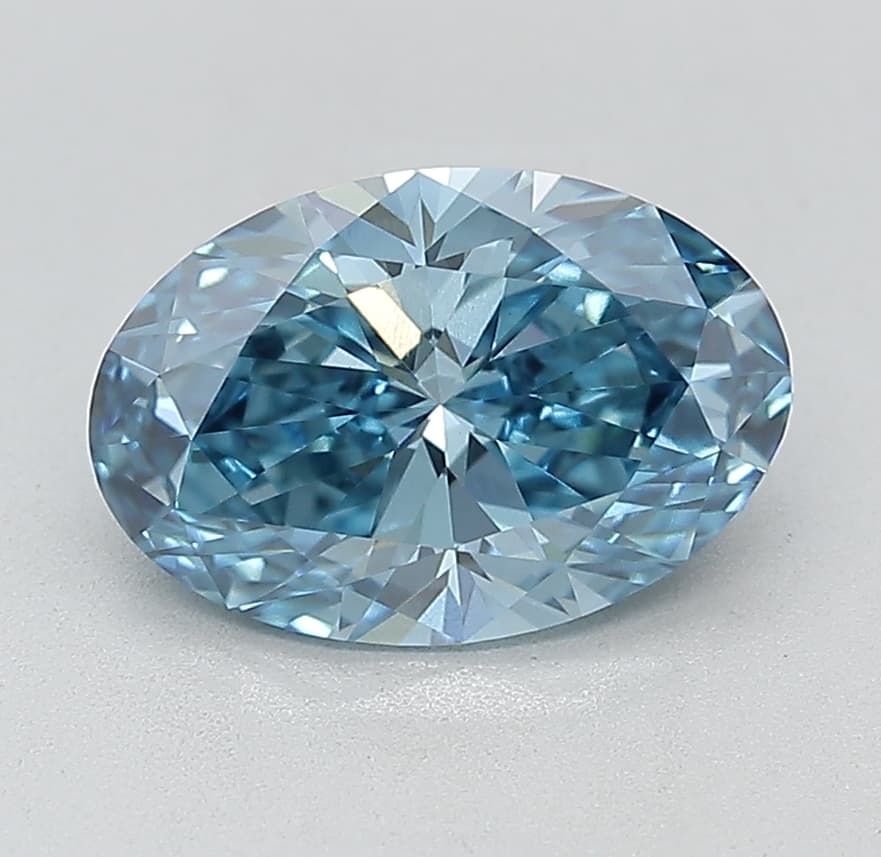
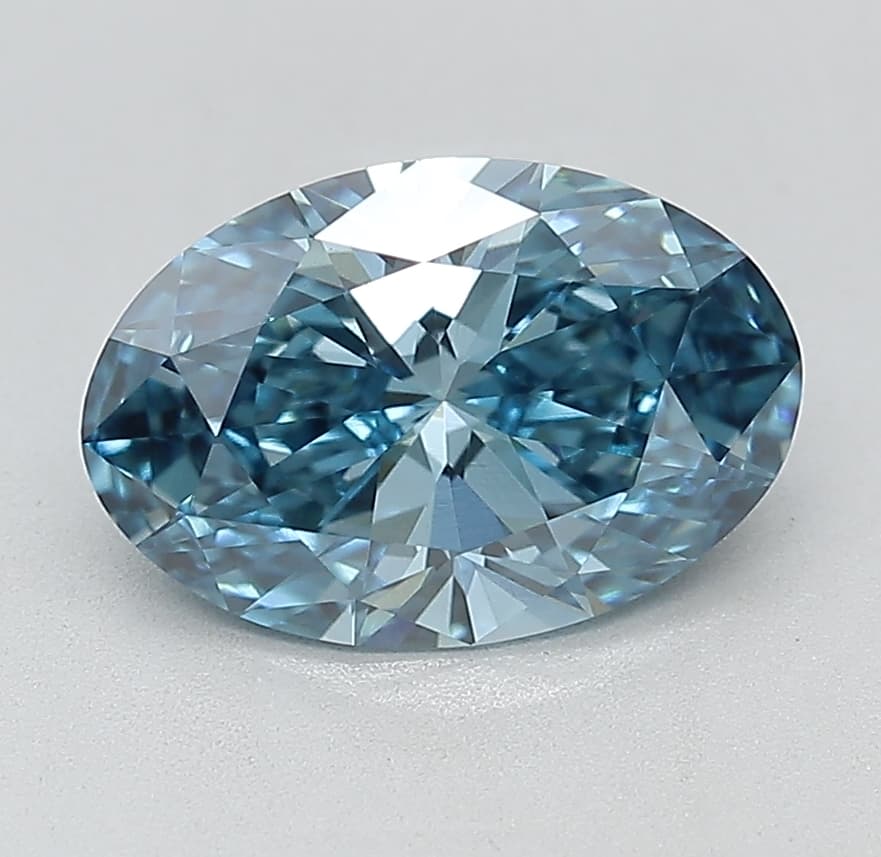
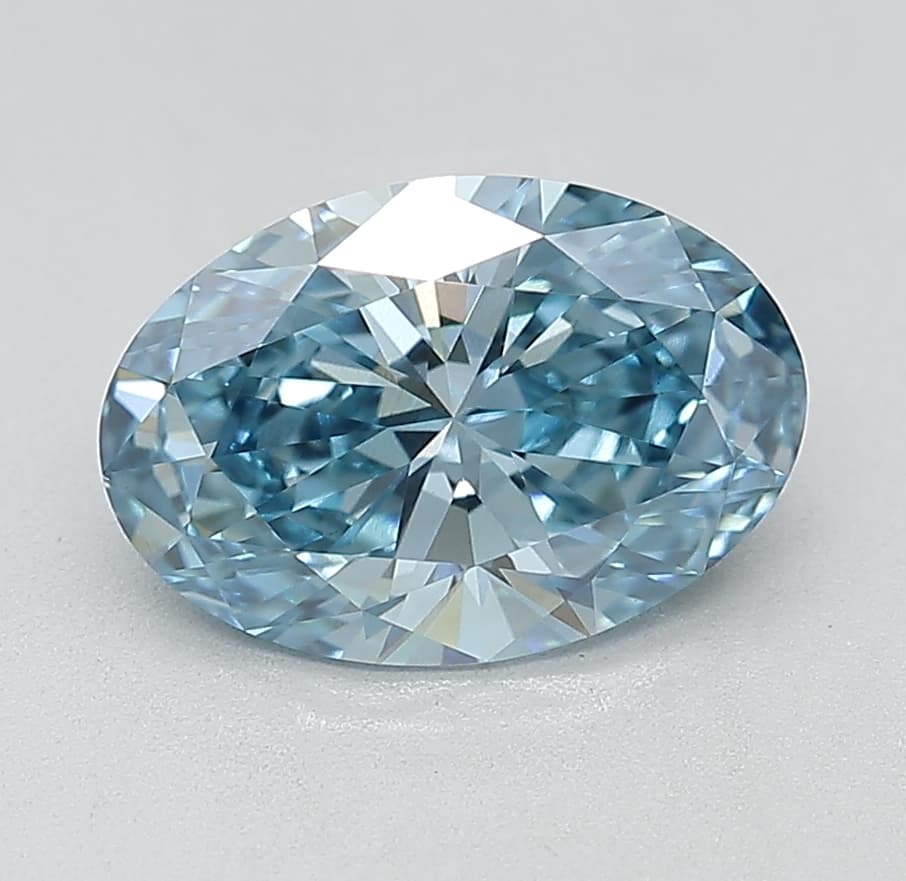
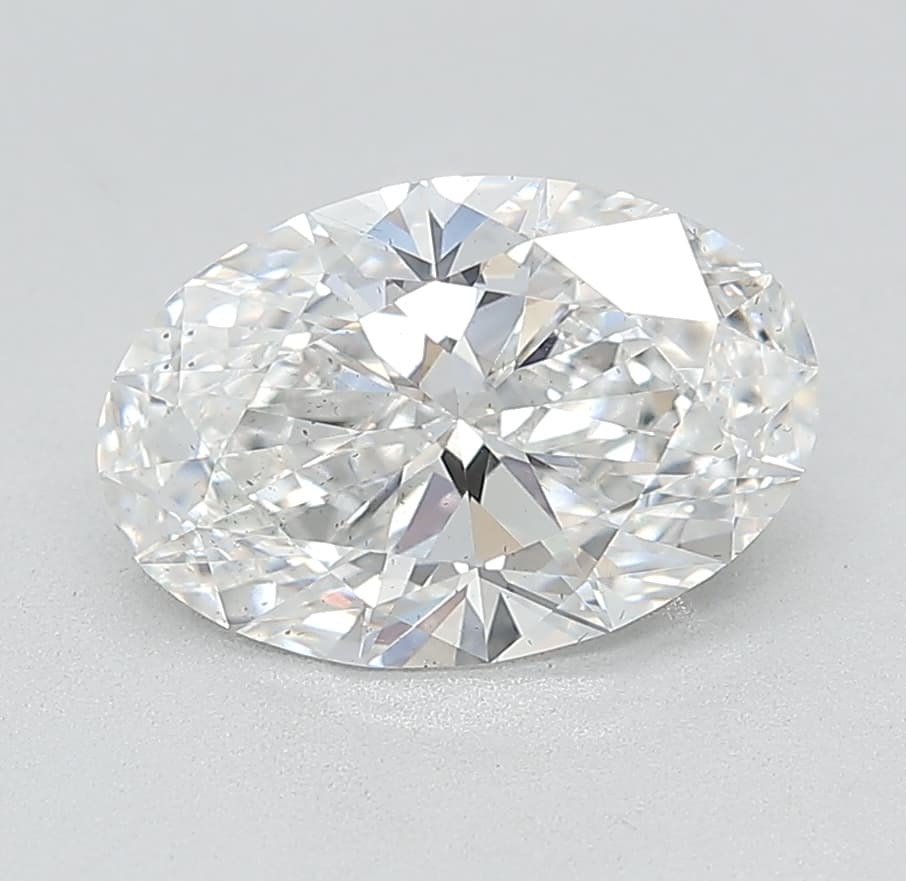
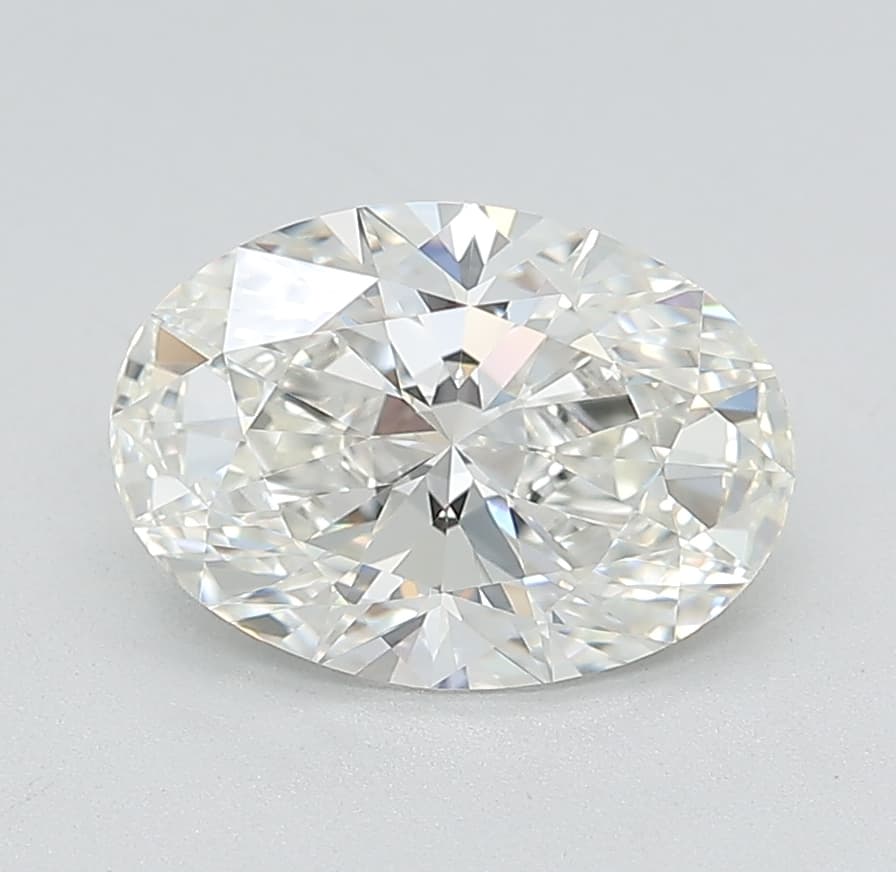
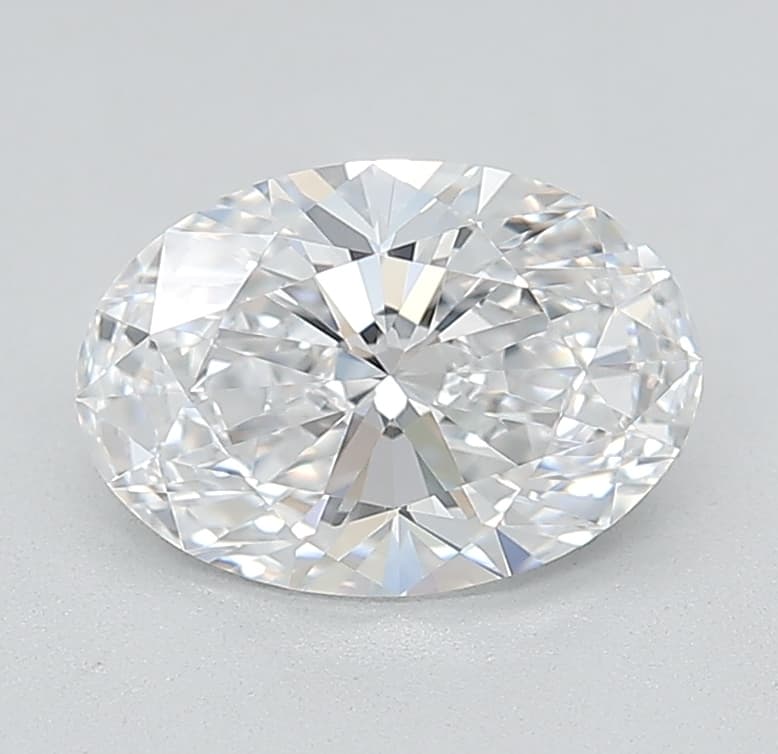
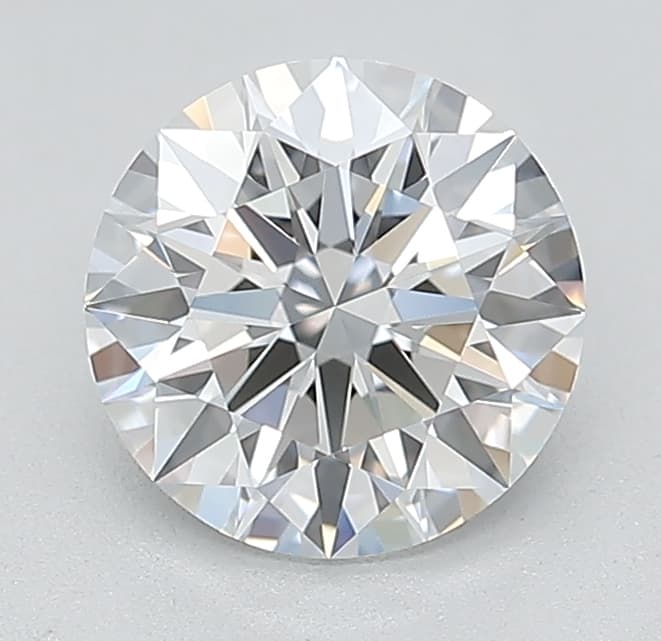
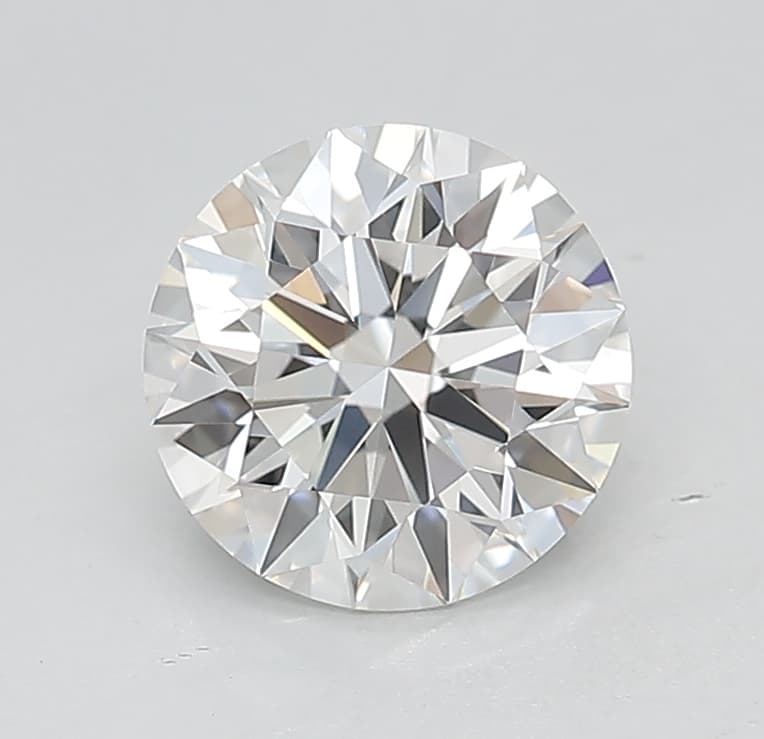
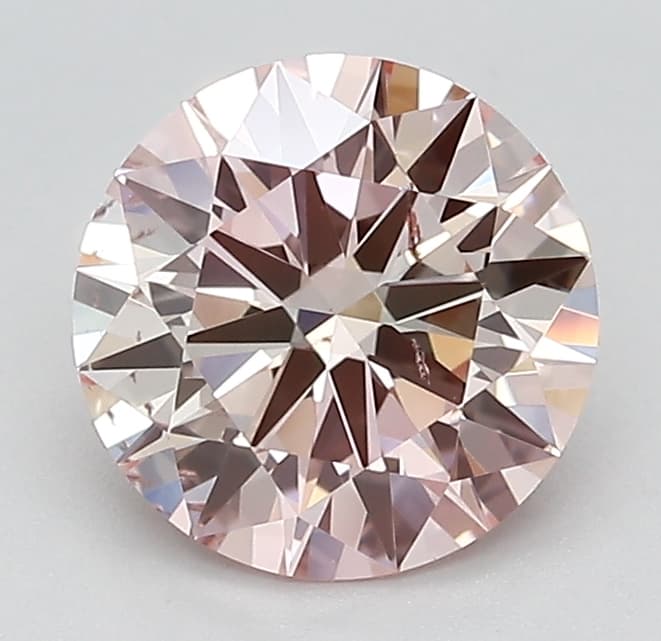
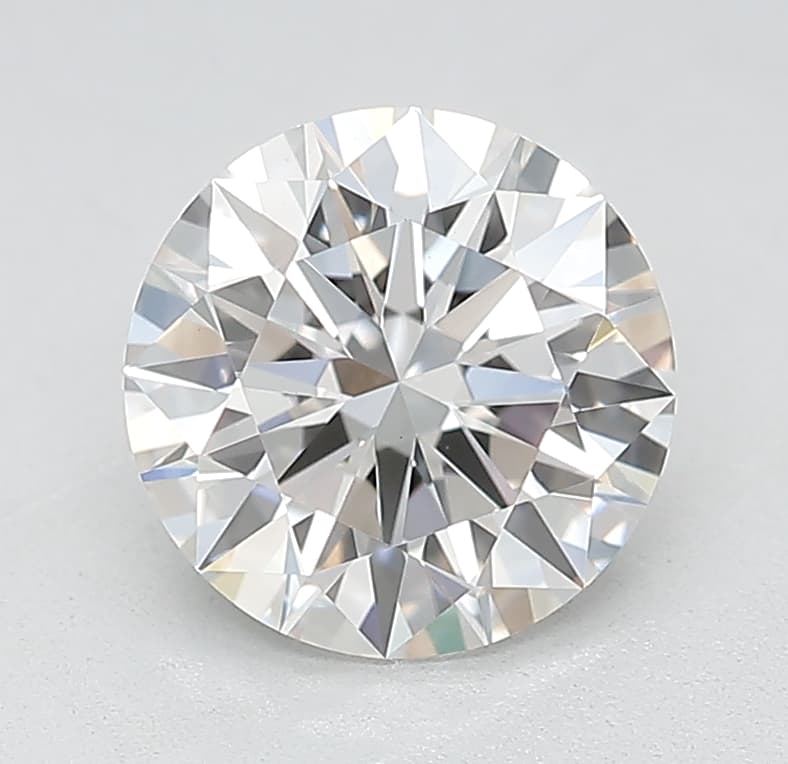
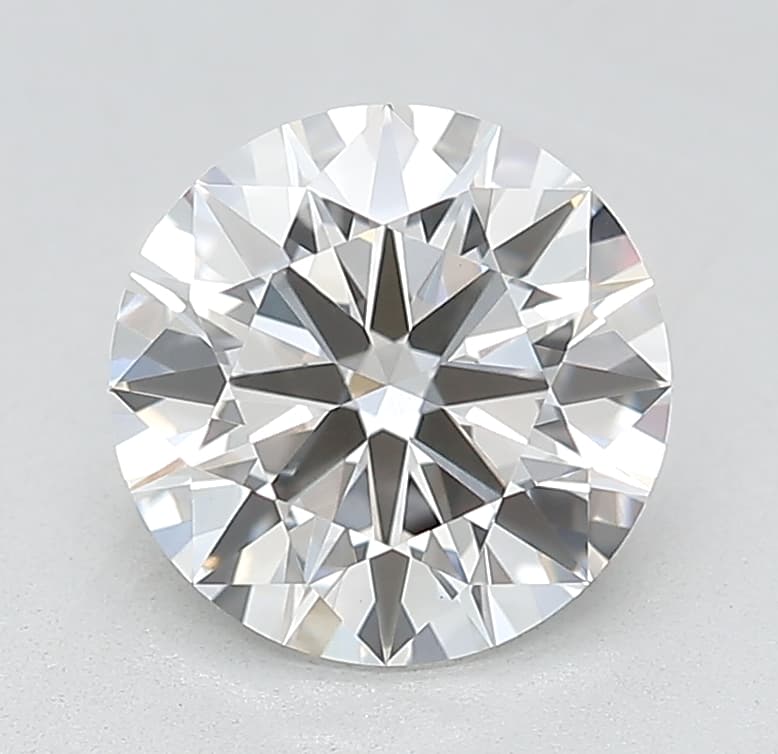
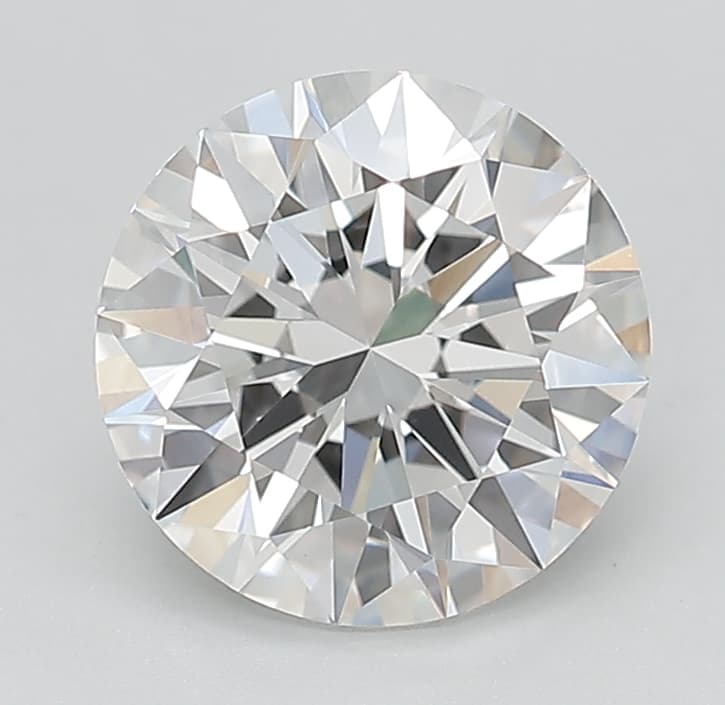
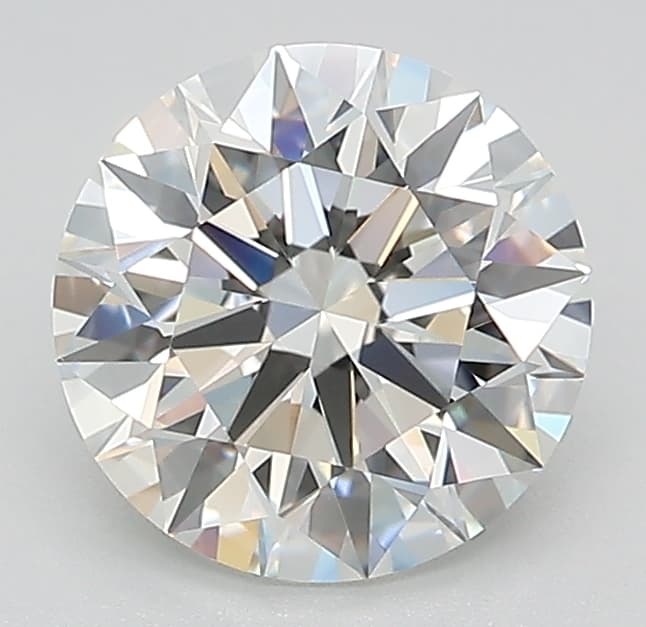
When you are ready to start, the diamonds below are a good first shortlist, and a specialist can give you the delivery timing for any stone before you commit.
Frequently asked questions
How far in advance should I buy an engagement ring?
It depends on where the stone is held, where it is going and how your jeweler works. Ask us for the delivery timing for your stone and your jeweler for setting and sizing, add them up, then add a generous buffer. Allow more time for a custom setting than for a ready-made mounting.
Can I reserve a diamond while I plan?
Not if you are buying for yourself: holds are for approved trade accounts. You can add a diamond to your cart to come back to it, but the cart does not reserve it, so it can still sell to another buyer. When you are sure, check out: we check the stone live and hold it for you for 15 minutes while you pay, and a diamond specialist then confirms your order, usually within a day.
What if I do not know their ring size?
Borrow a ring they wear on the same finger and measure its inside diameter, or ask someone close to them. Then check with your jeweler how easily your chosen design can be resized, and choose accordingly.
Can I propose with a loose diamond?
Yes. Presenting the loose stone and choosing the setting together afterwards takes setting and sizing off your deadline and lets you design the ring as a couple.
Glossary terms in this article
More on Buying & Care in the journal.