Shapes & Cuts
Radiant vs Emerald Cut: Brilliant Sparkle or Step-Cut Clarity?
By the Vanora Diamond team
Published Last reviewed 5 min read

Quick answer
Radiant and emerald cuts share a rectangular outline with cropped corners, but a radiant is faceted as a brilliant for lively, scattered sparkle, while an emerald cut is a step cut whose long, parallel facets give broad flashes and a clear view into the stone. Radiants are more forgiving of inclusions and a good choice for fancy colors; emerald cuts reward high clarity with a calm, architectural look. Choose by the kind of light you love, then set clarity and color to match.
Same outline, different faceting
Lay a radiant and an emerald cut side by side and switch off the sparkle, and the outlines are almost identical: a rectangle (or square) with the four corners cut off. The difference is in how the facets are laid out.
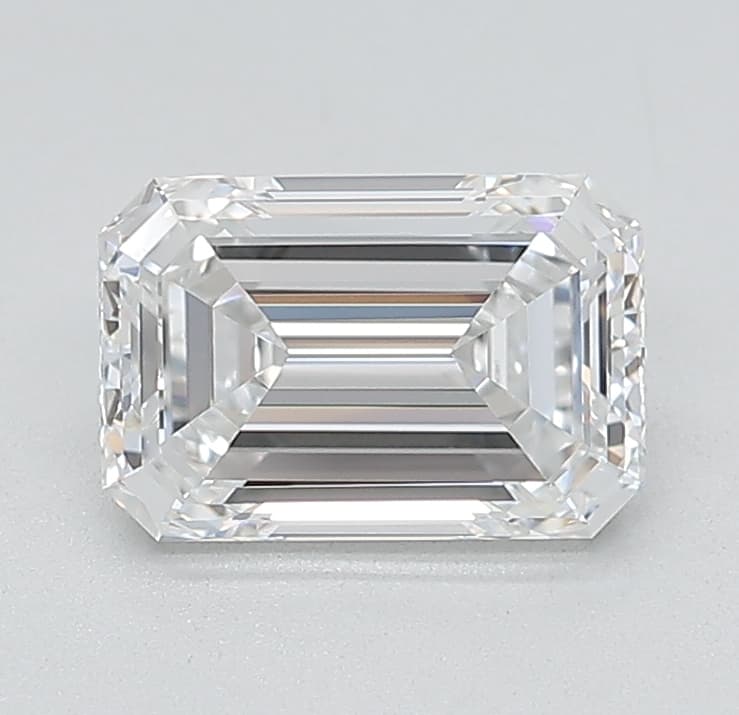
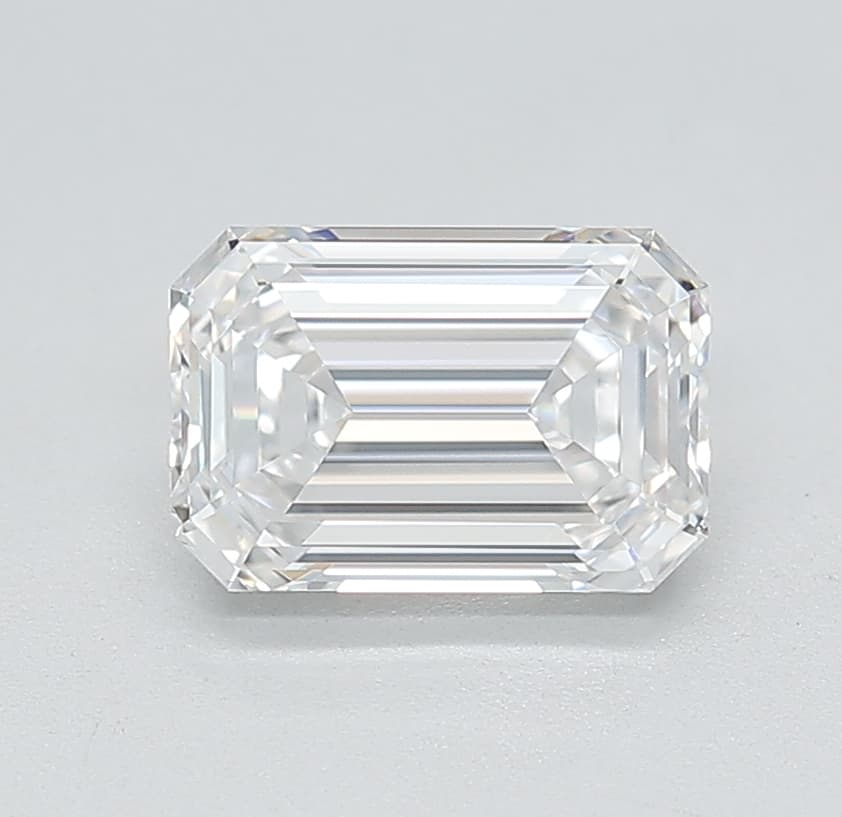
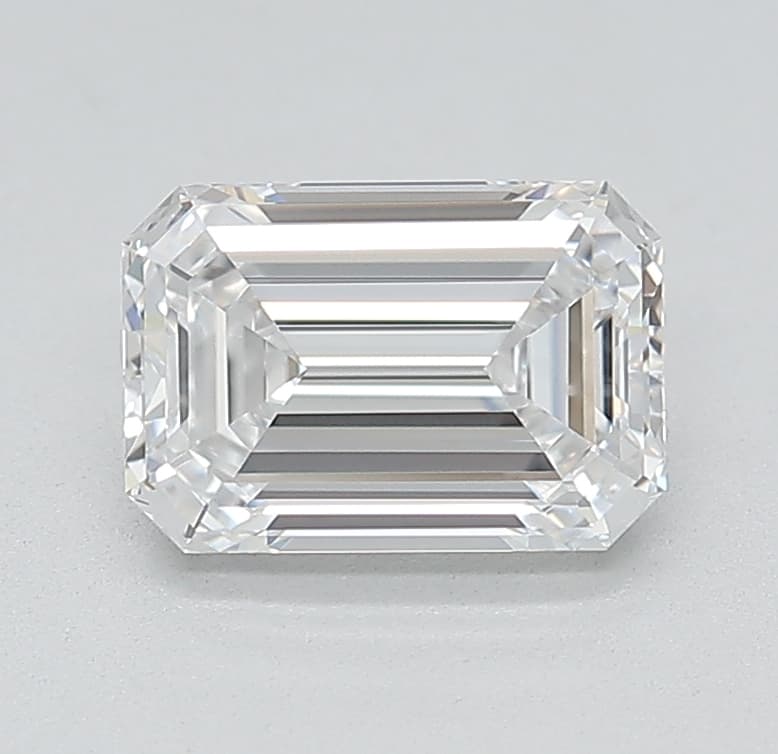
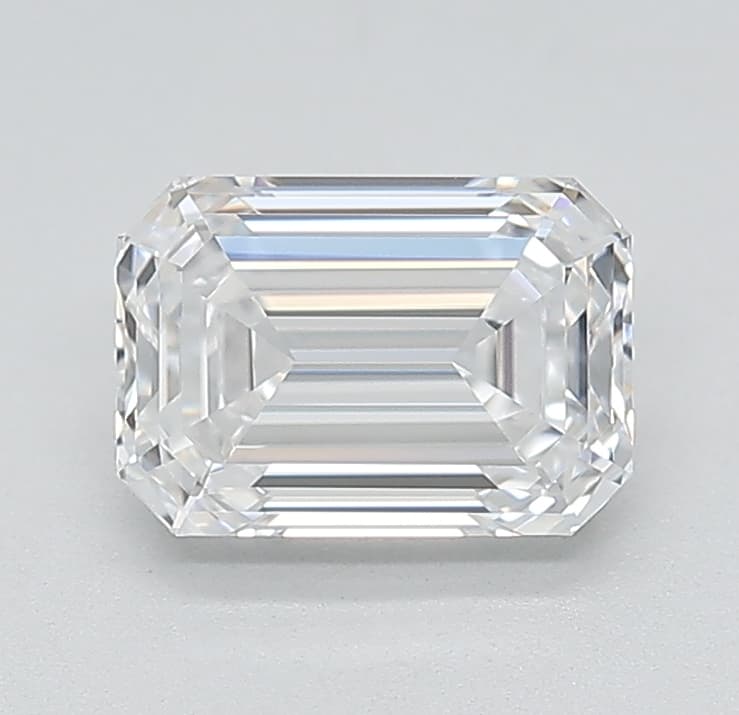
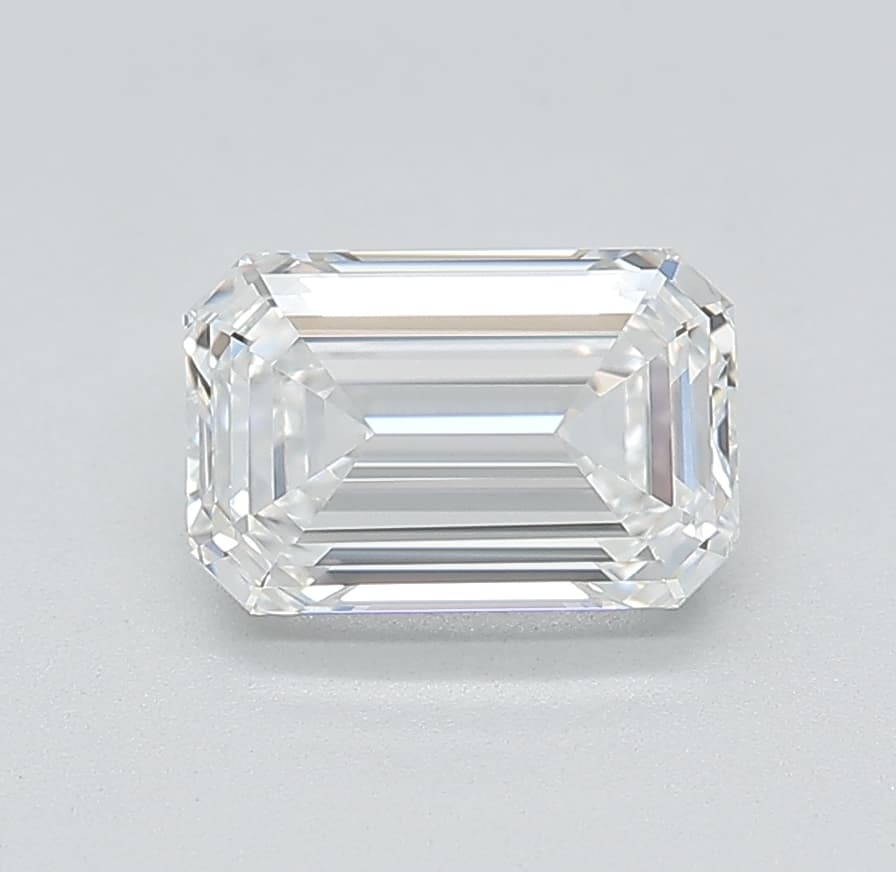
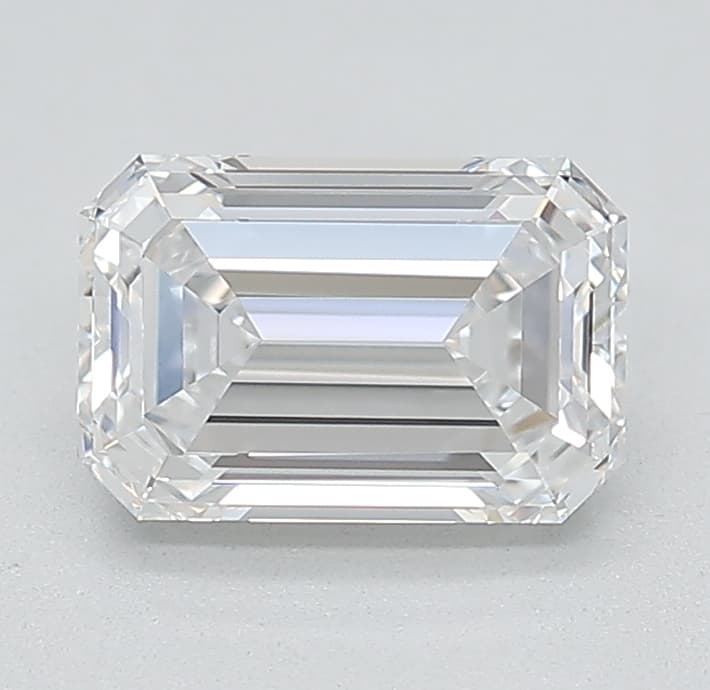
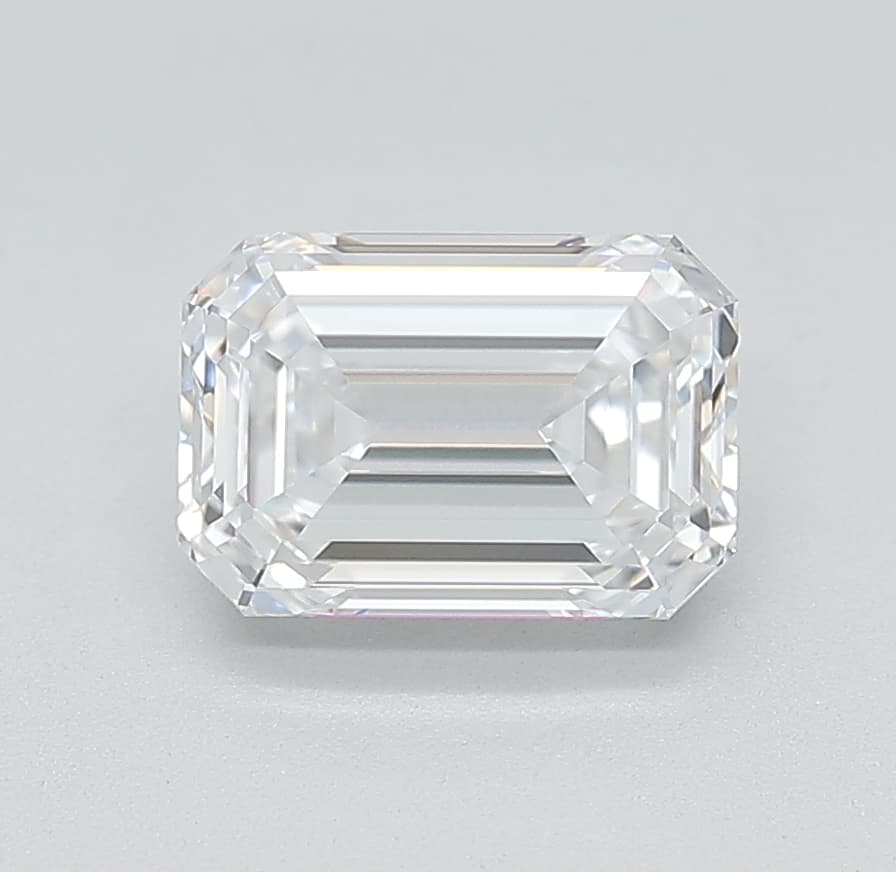
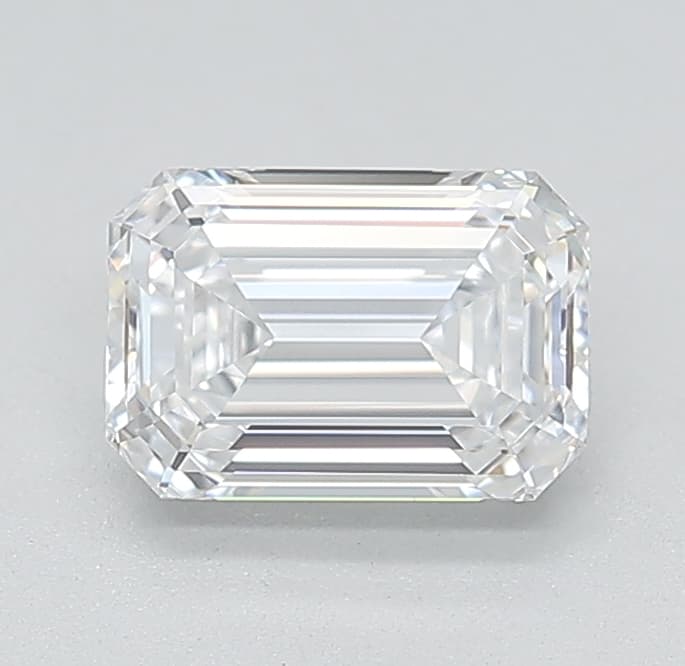
- An emerald cut is a step cut. Long, flat facets run parallel to the edges in rows, like steps, on both the crown and the pavilion. Step cutting is one of the oldest faceting styles, and the name comes from the colored gemstone that is often cut this way.
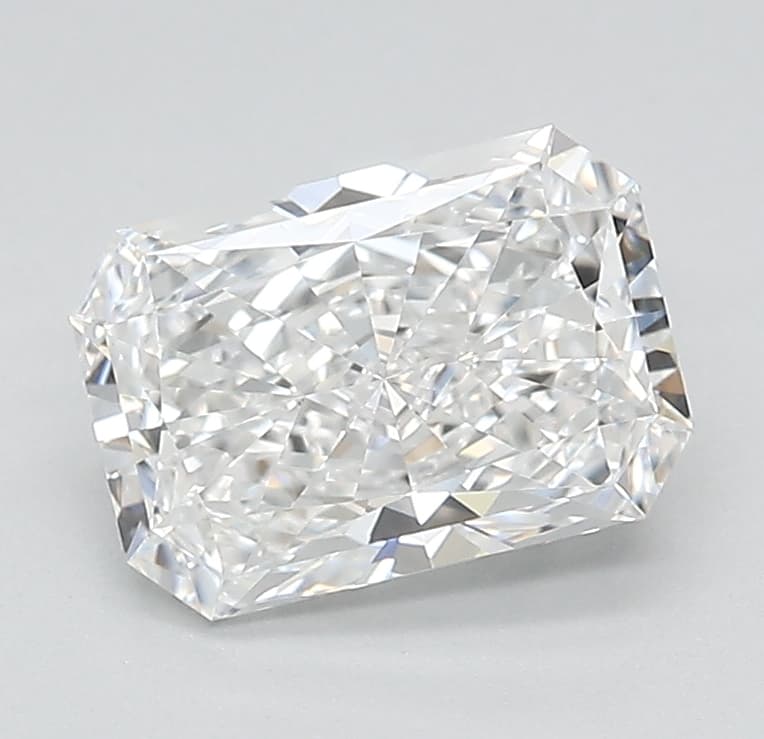
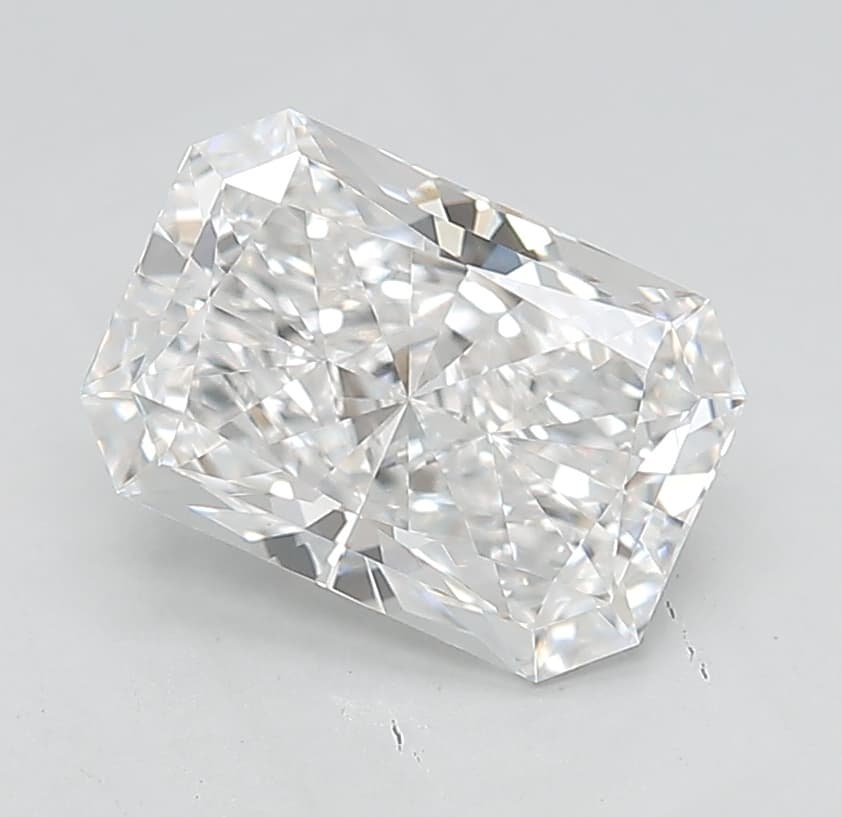
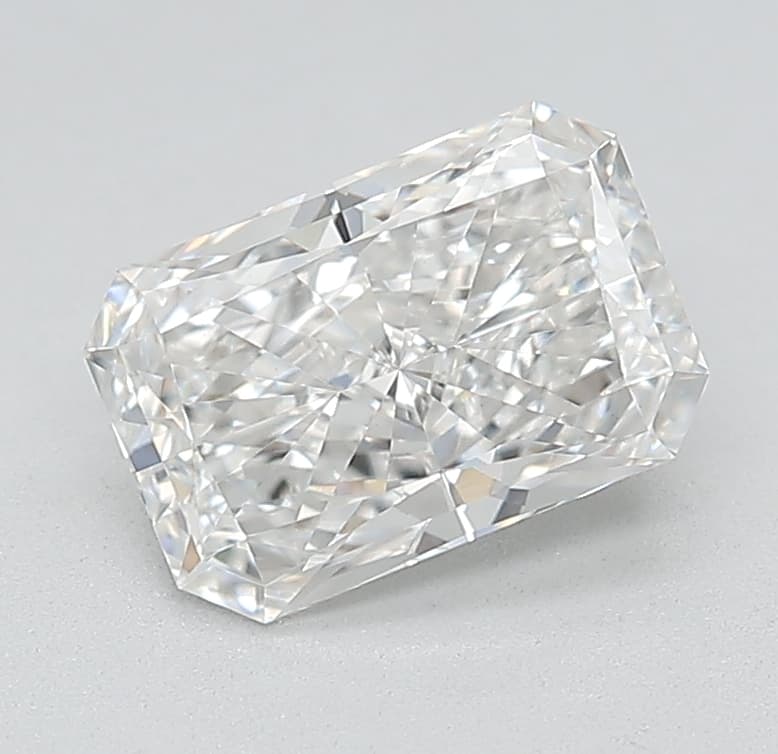
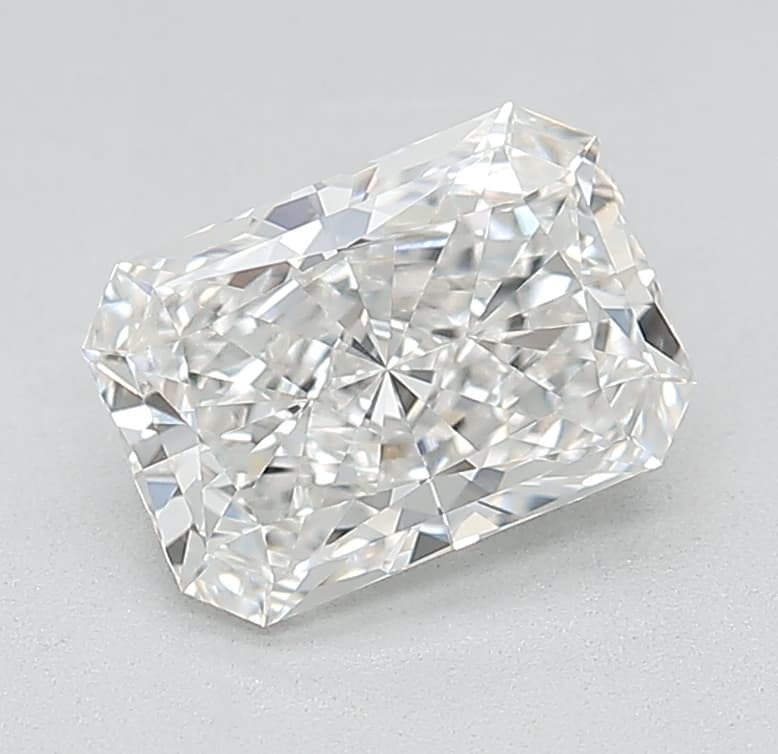
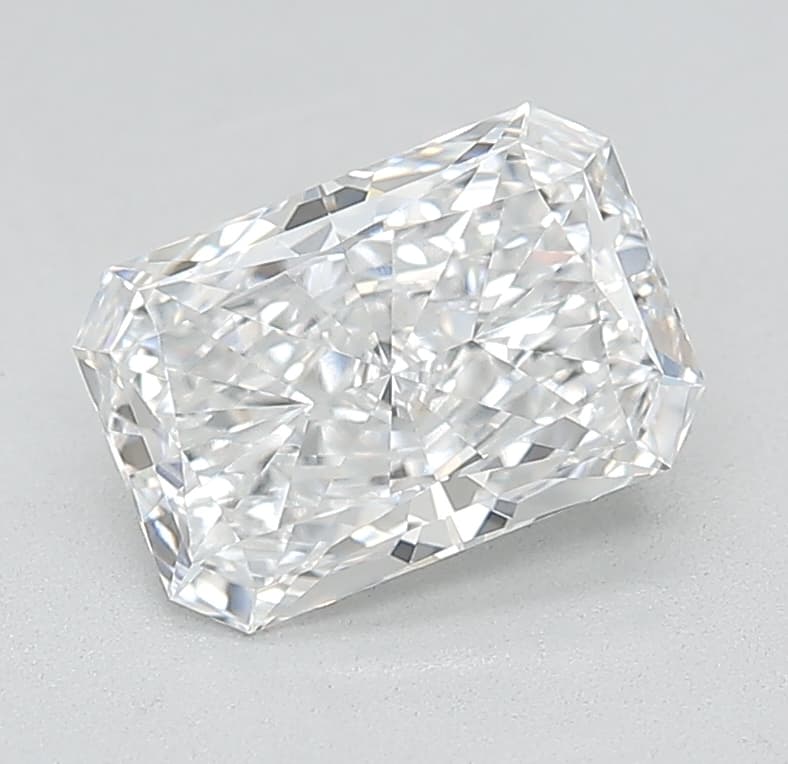
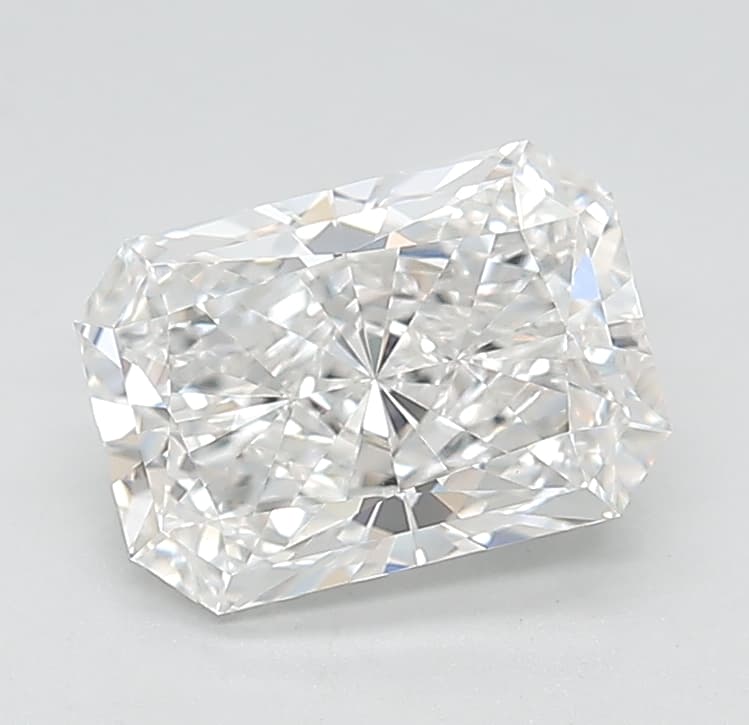
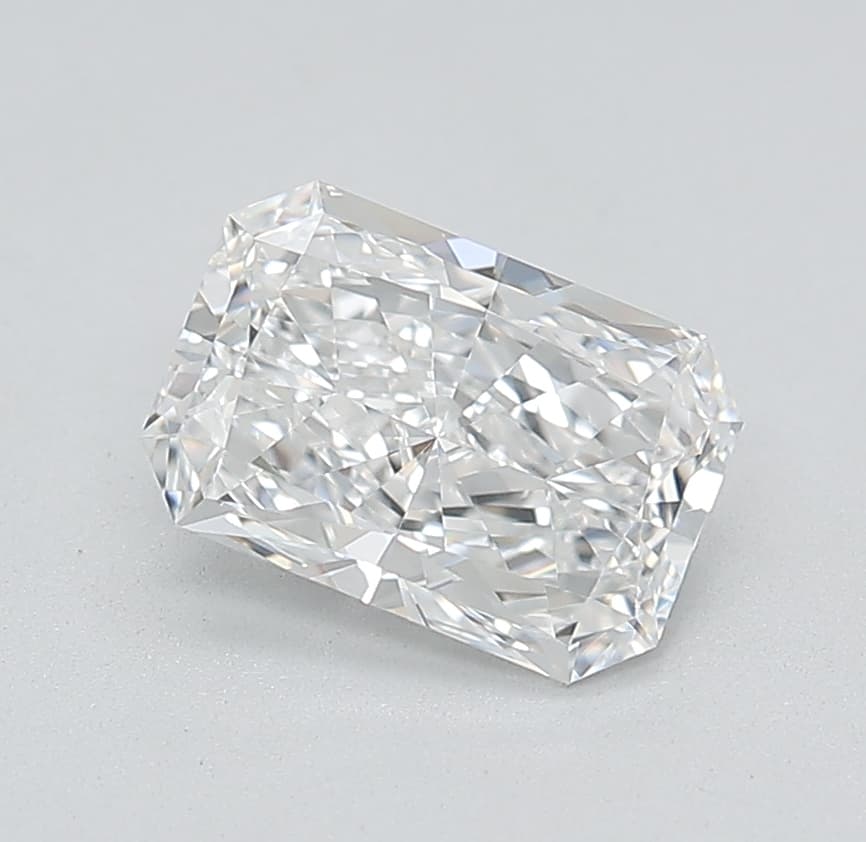
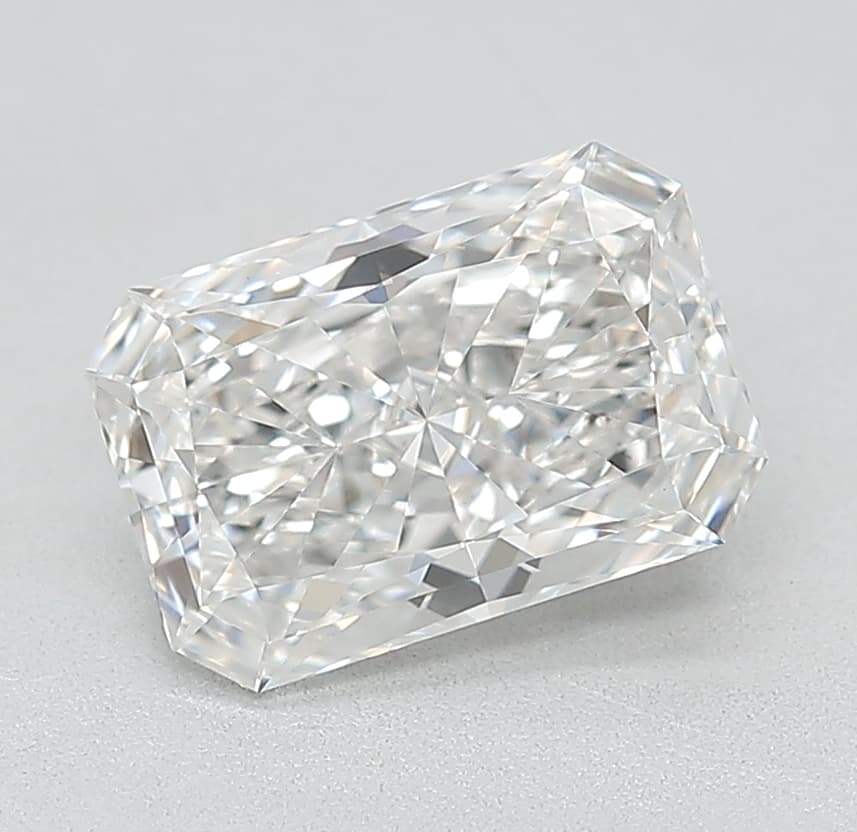
- A radiant keeps the same outline but uses brilliant-style faceting: many smaller triangular and kite-shaped facets, especially on the pavilion. It is a comparatively modern design, developed in the late 1970s to bring brilliant sparkle to the cropped-corner rectangle.
| Radiant | Emerald cut | |
|---|---|---|
| Faceting | Brilliant style | Step cut |
| Look | Scattered sparkle, often "crushed ice" | Broad flashes of light and dark |
| Shows inclusions | Less readily | More readily |
| Shows body color | Hides faint color better than a step cut; corners can hold a little | Shows color through open facets |
| Feel | Lively, glamorous | Calm, architectural |
| Corners | Cropped | Cropped |
- Typical L/W1.00–1.05 square1.20–1.40 rectangular
- Typical L/W1.30–1.50
How do they look on the hand?
The radiant
A radiant breaks light into many small reflections. Some show a busy, glittering pattern often called crushed ice; others show larger, more defined flashes. Either way, a radiant tends to look bright and lively in most kinds of light, from office lighting to candlelight, and it reads as a sparkly stone from across a room.
The emerald cut
An emerald cut shows broad flashes of light and dark that open and close as the stone moves, often called the hall of mirrors. It sparkles less in the scattered sense and more in sweeping flashes. Up close, the rows of steps and the clear table give it a quiet, precise look that many people associate with Art Deco design.
If you are unsure which you prefer, watch videos of both in the same lighting. The difference is usually obvious within a few seconds, and so is your reaction to it.
If you are unsure which you prefer, watch videos of a radiant and an emerald cut in the same lighting. The difference is usually obvious within a few seconds, and so is your reaction to it.
Clarity and color: where they differ most
The open table and long facets of an emerald cut act like a window into the diamond. An inclusion that a radiant would hide among its sparkle can be easy to see in an emerald cut, especially under the center of the table. Body color also shows more directly through broad facets. A radiant hides inclusions well and often hides faint color better than an emerald cut, though its corners can hold a little body color.
Common starting points look like this:
| Radiant | Emerald cut | |
|---|---|---|
| Clarity | VS2 or VS1 is often eye-clean; confirm on video | Many buyers start at VS1 or higher and check the table closely |
| Color | Colorless or high near-colorless for a white look | Colorless or high near-colorless; a warmer grade only by choice |
| Watch for | Dark areas and bow-tie | Inclusions under the table, tinge |
These are guidelines, not rules. A grade is a starting point; the video tells you whether a particular stone looks clean and white to you. Our clarity and color guides explain both scales.
| Grade | Name | At 10× magnification | To the unaided eye |
|---|---|---|---|
| FL | Flawless | No inclusions or blemishes | Clean |
| IF | Internally Flawless | No inclusions; only minor surface blemishes | Clean |
| VVS1 | Very, Very Slightly Included 1 | Inclusions so slight they are very hard to find | Eye-clean |
| VVS2 | Very, Very Slightly Included 2 | Inclusions so slight they are very hard to find | Eye-clean |
| VS1 | Very Slightly Included 1 | Minor inclusions, difficult to somewhat easy to find | Usually eye-clean in brilliant shapes |
| VS2 | Very Slightly Included 2 | Minor inclusions, difficult to somewhat easy to find | Usually eye-clean in brilliant shapes |
| SI1 | Slightly Included 1 | Noticeable inclusions | Varies: some are eye-clean, some show an inclusion |
| SI2 | Slightly Included 2 | Noticeable inclusions | Varies: inclusions are more often visible |
| I1 | Included 1 | Obvious inclusions that may affect transparency and brilliance | Often visible |
| I2 | Included 2 | Obvious inclusions that may affect transparency and brilliance | Often visible |
| I3 | Included 3 | Obvious inclusions that may affect transparency and brilliance | Often visible |
How do their proportions and size compare?
Commonly cited guidelines for both shapes overlap a great deal. Emerald cuts usually sit at a length-to-width ratio of about 1.30 to 1.50, with depth around 61% to 68%. Rectangular radiants are often quoted at about 1.20 to 1.40, though many are cut longer, with depth around 61% to 67%. Square versions of both exist too.
Because the outlines match, two stones of the same weight and similar depth face up at a similar size. What changes the picture is depth: either shape cut much deeper than the common range carries weight below the girdle and looks small for its weight. Compare the length and width in millimeters rather than the carat weights.
Both shapes are set in much the same way. The cropped corners remove the sharp points that make a princess cut vulnerable, and a prong at each corner, often a claw or V-shaped prong, or a bezel, protects them. Both work lengthwise or east-west.
Which one suits you?
Choose a radiant if:
- you want maximum sparkle in a rectangular outline;
- you want an eye-clean look without needing the very top clarity grades;
- you love fancy color: radiant faceting intensifies color, which is why radiants are a common choice for pink lab-grown diamonds and other fancy colors.
Choose an emerald cut if:
- you like a calm, elegant stone with broad flashes rather than glitter;
- clarity matters to you and you want to see into a clean diamond;
- you are drawn to Art Deco, minimal or architectural designs, or step-cut side stones such as baguettes.
If you like the step-cut look but want a square, see our comparison of princess and asscher cuts.
What to check in each shape
Radiant: decide between crushed ice and larger flashes, then check the video for a bow-tie (a darker band across the middle) and windowing (a pale, see-through center). The four corners should be similar in size and the long sides straight. More detail is in our radiant guide.
Emerald cut: look for even, parallel steps, a centered keel line at the bottom of the pavilion and a bright table without a large window. Look carefully at the center of the table for inclusions. More detail is in our emerald cut guide.
For both, our stone pages show a photo and a 360° view, and for many stones an ASET image, which maps how evenly the stone gathers light and makes leakage easy to spot.
Comparing radiants and emerald cuts in our inventory
Start with the look, not the grades: decide whether you are a sparkle person or a hall-of-mirrors person, then set your clarity and color to suit the shape. You can browse all radiant lab-grown diamonds and emerald cut lab-grown diamonds, or start with the two sets below: colorless radiants, and emerald cuts in the higher clarity grades that suit a step cut. If you would like to see both shapes side by side, one of our diamond specialists can arrange a viewing.
Frequently asked questions
Which sparkles more, a radiant or an emerald cut?
A radiant. Its brilliant-style facets break light into many small reflections, while an emerald cut shows broader flashes of light and dark. Both are bright when well cut; they simply sparkle in different ways.
Which hides inclusions better, a radiant or an emerald cut?
A radiant. Its busy facet pattern masks small inclusions, while the open table and long facets of an emerald cut make them easier to see. That is why many buyers choose a higher clarity grade for an emerald cut.
Do radiant and emerald cuts look the same size for their weight?
They have the same outline, so stones of the same weight and similar depth face up at a similar size. Depth makes the biggest difference, so compare the length and width in millimeters on the reports.
Is a radiant or an emerald cut better for a fancy color diamond?
Radiants are the more common choice for fancy colors, because brilliant faceting tends to intensify color. Emerald cuts show color more evenly and calmly, which some people prefer.
Glossary terms in this article
More on Shapes & Cuts in the journal.