Color & Carat
Choosing a 3 Carat Lab-Grown Diamond: Size, Shape and Grades
By the Vanora Diamond team
Published Last reviewed 5 min read

Quick answer
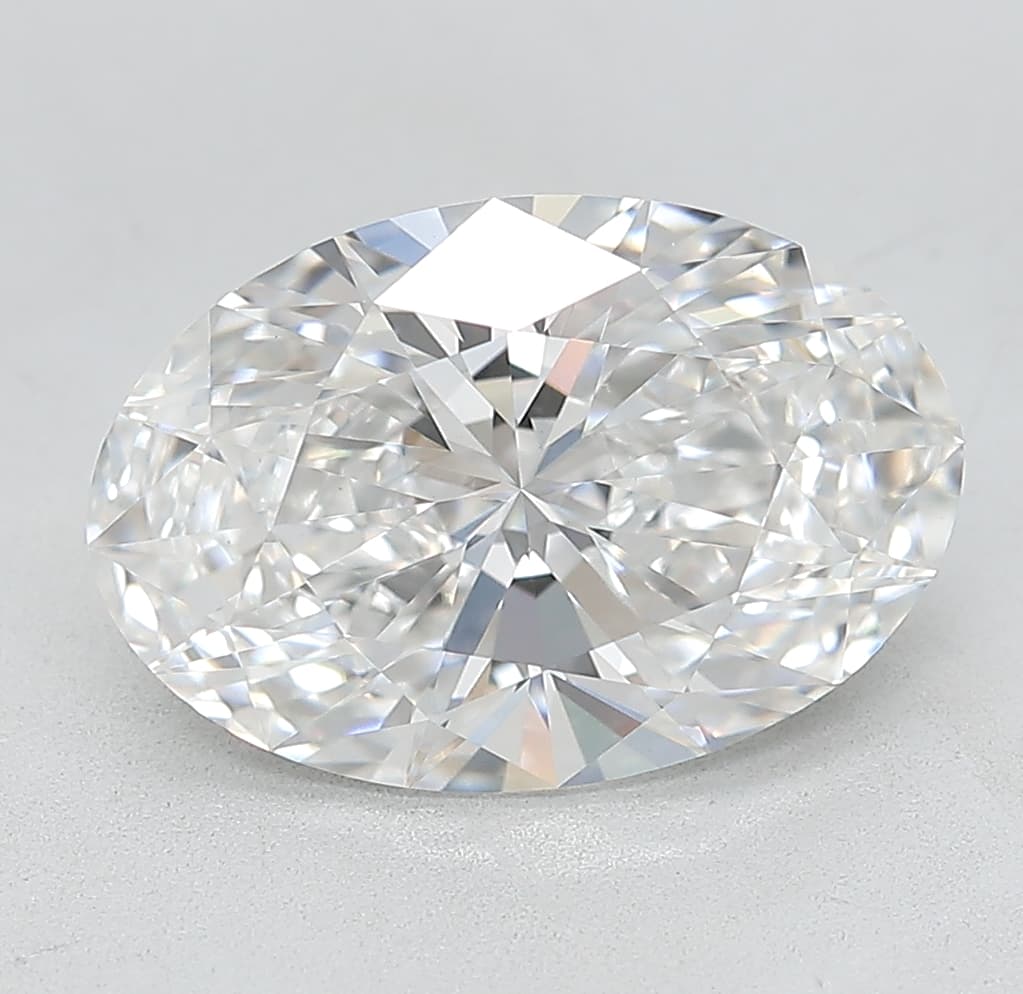
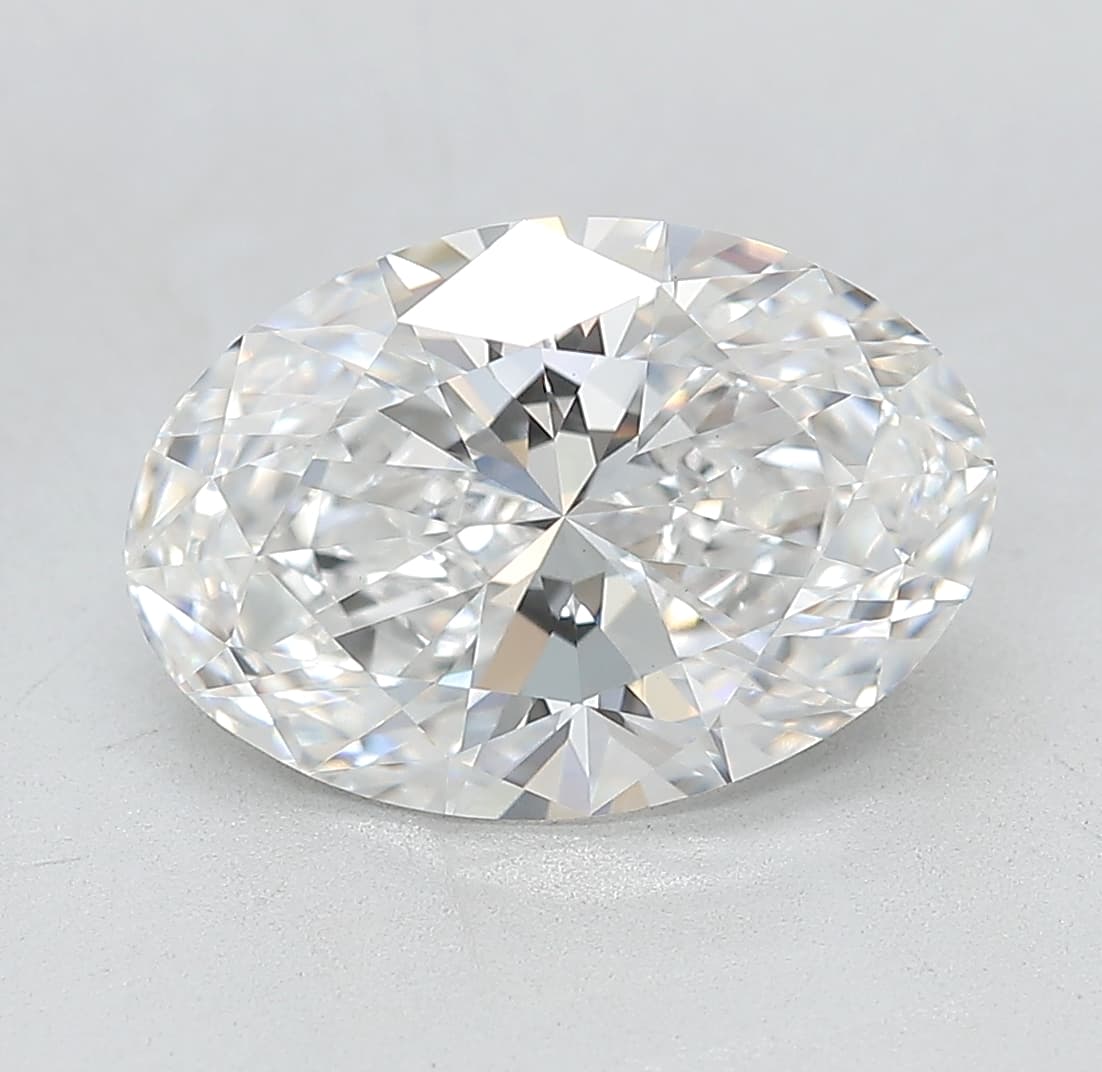
A 3 carat lab-grown diamond is about 9.3 mm across as a well-cut round, or roughly 11.9 × 8.2 mm as an oval, a size at which cut, color and clarity all become easier to see. Start with the shape you love, compare measurements rather than weight, choose a color grade that stays white at this size, and make sure the stone looks eye-clean on video.
How big is 3 carats? Approximate sizes by shape
These are typical face-up measurements for well-proportioned 3 carat stones, estimated from common weight formulas and typical depths for each shape. Treat them as approximate: a stone cut deeper or shallower than usual will measure a little smaller or larger.
| Shape | Typical ratio | Approx. size |
|---|---|---|
| Round | 1.00 | 9.3 mm diameter |
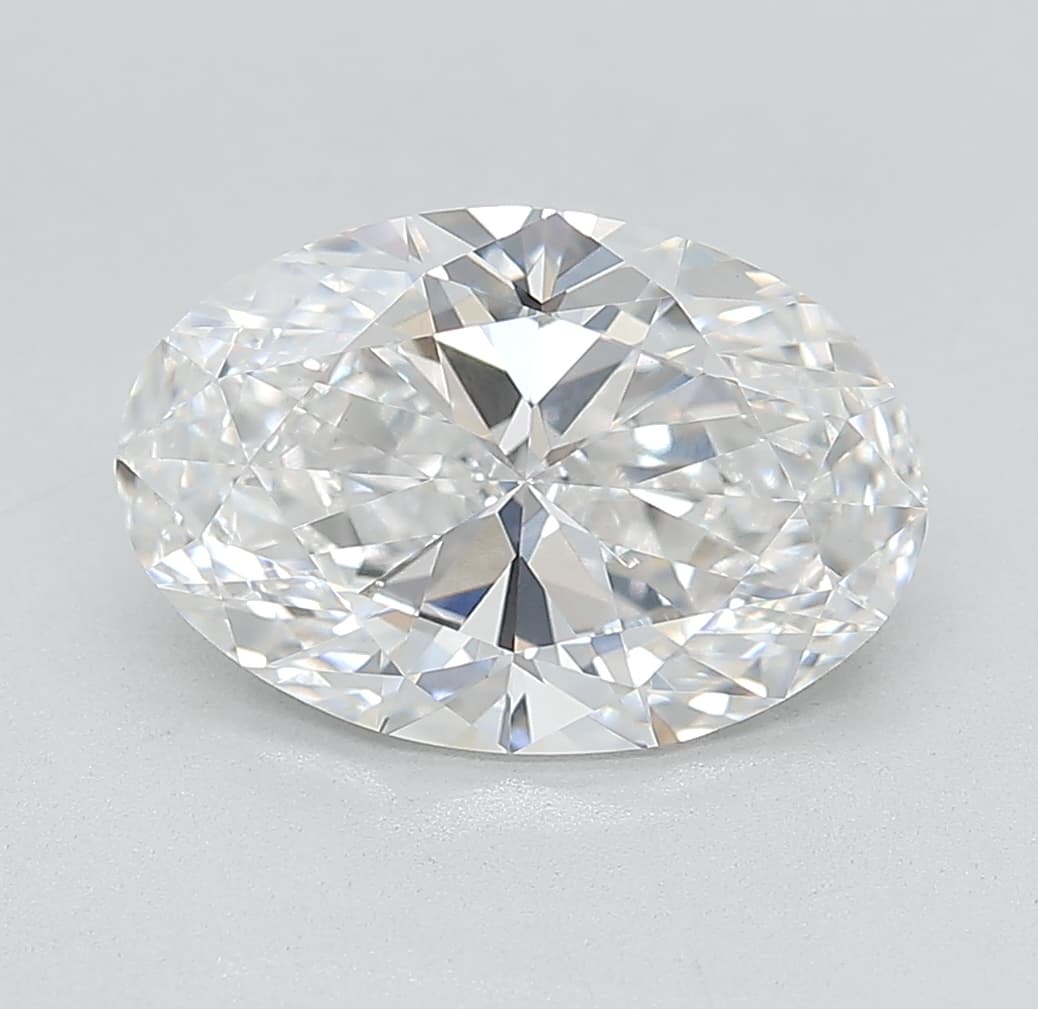
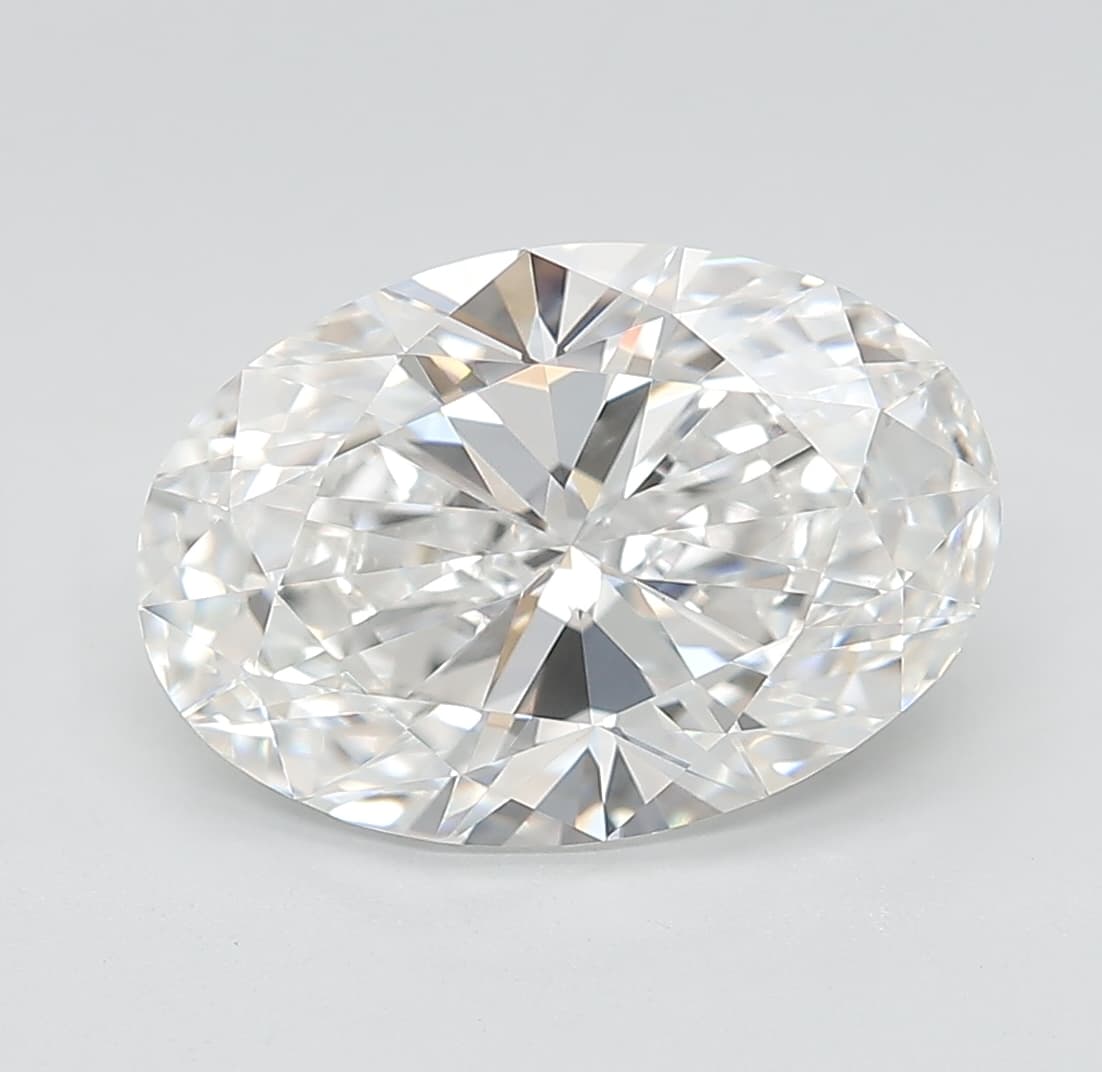
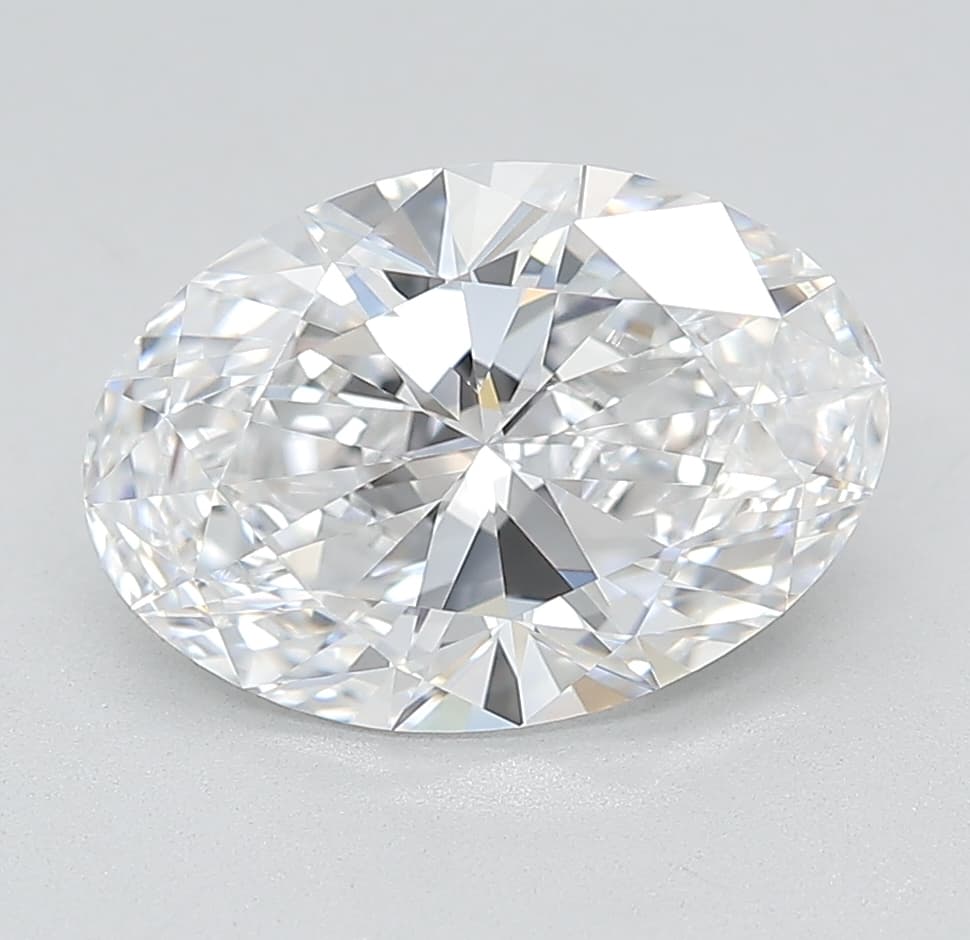
| Oval | about 1.45 | 11.9 × 8.2 mm |
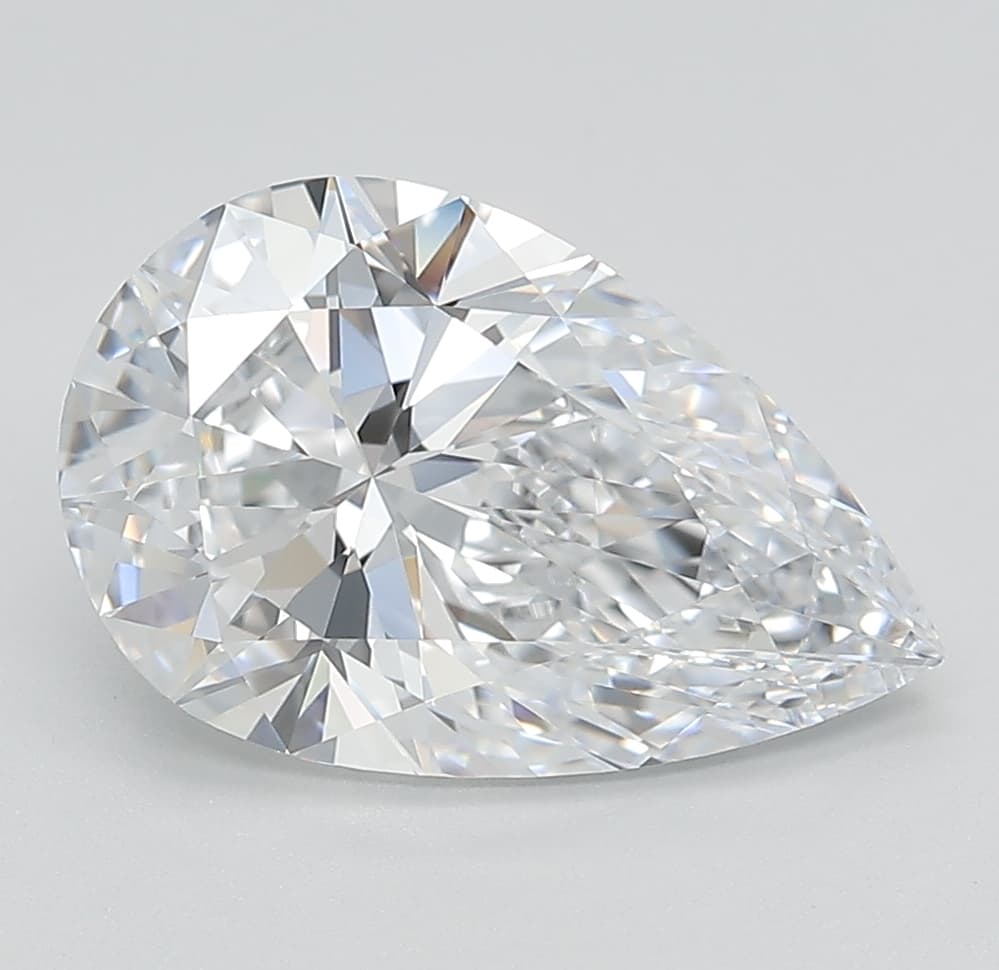
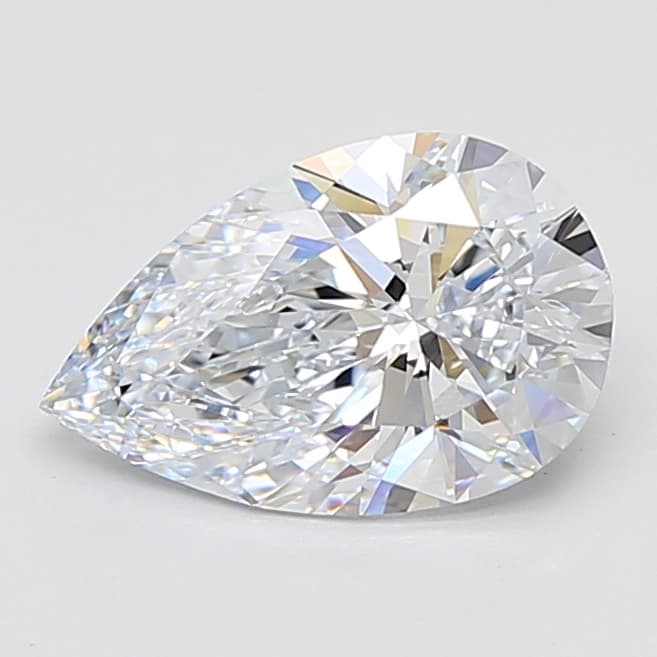
| Pear | about 1.60 | 12.8 × 8.0 mm |
| Marquise | about 1.95 | 14.7 × 7.6 mm |
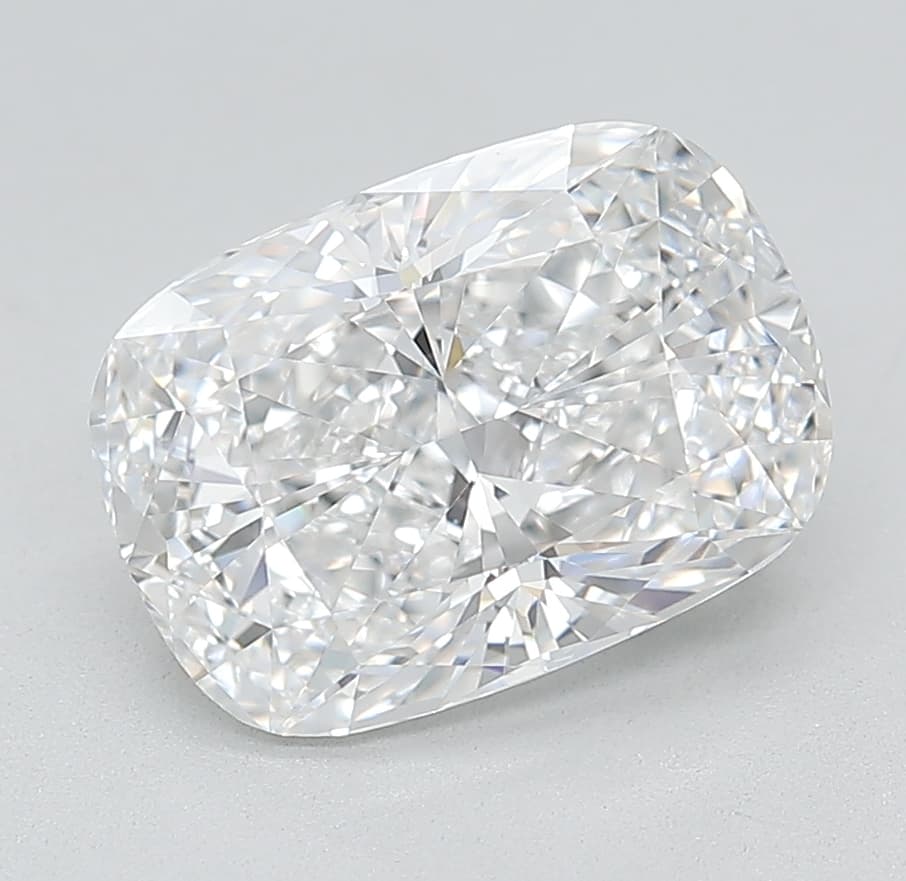
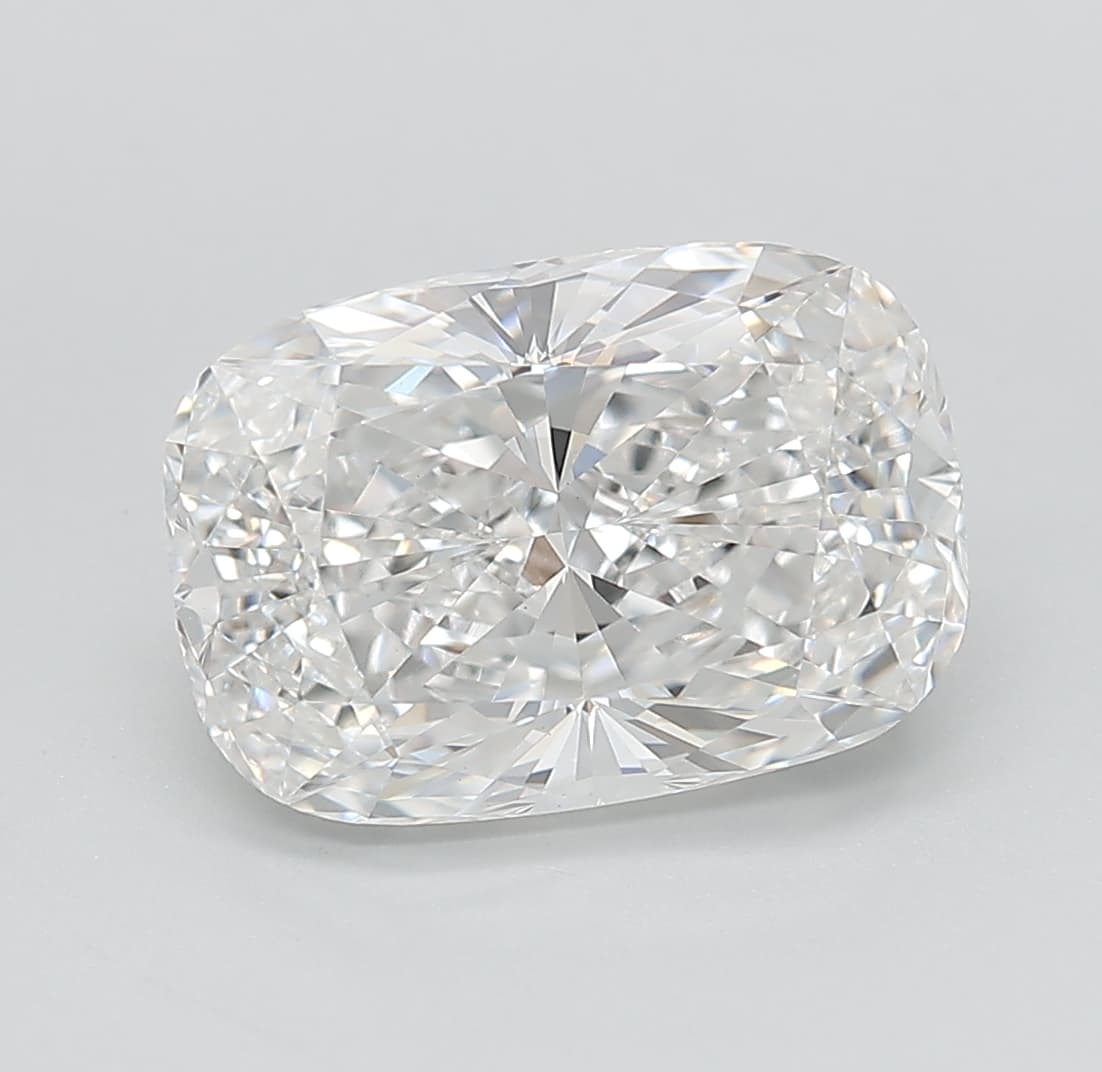
| Cushion, elongated | about 1.40 | 10.5 × 7.5 mm |
| Cushion, square | about 1.05 | 8.6 × 8.1 mm |
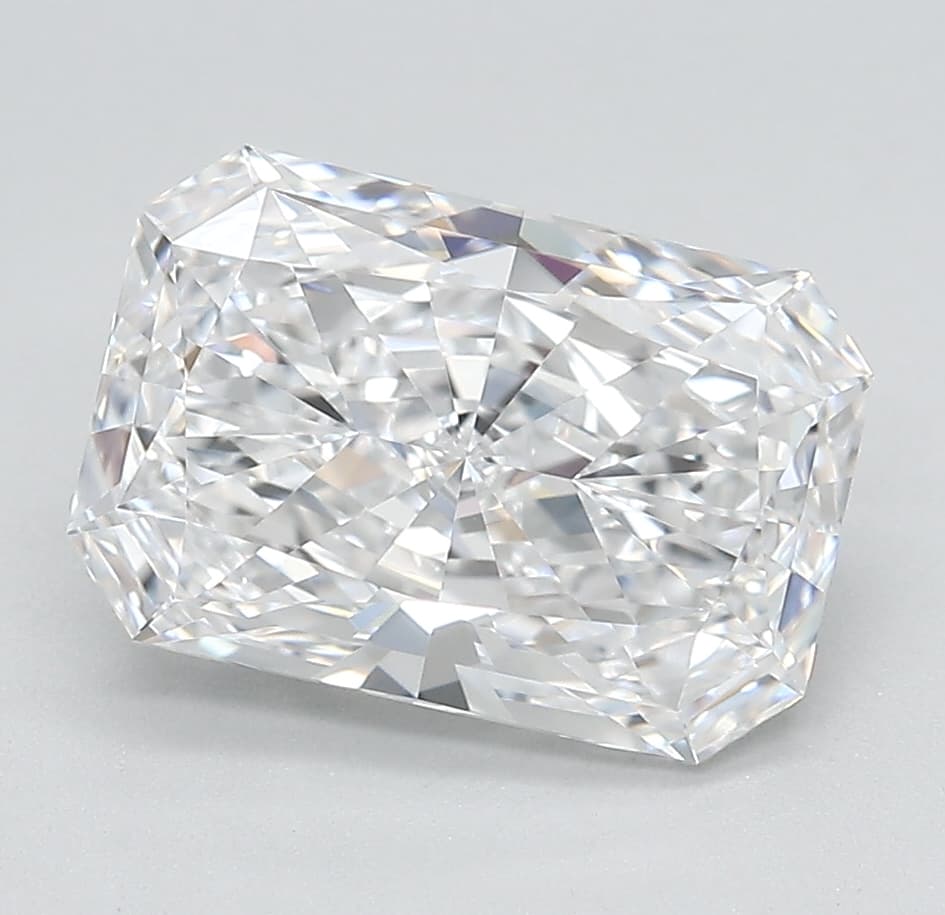
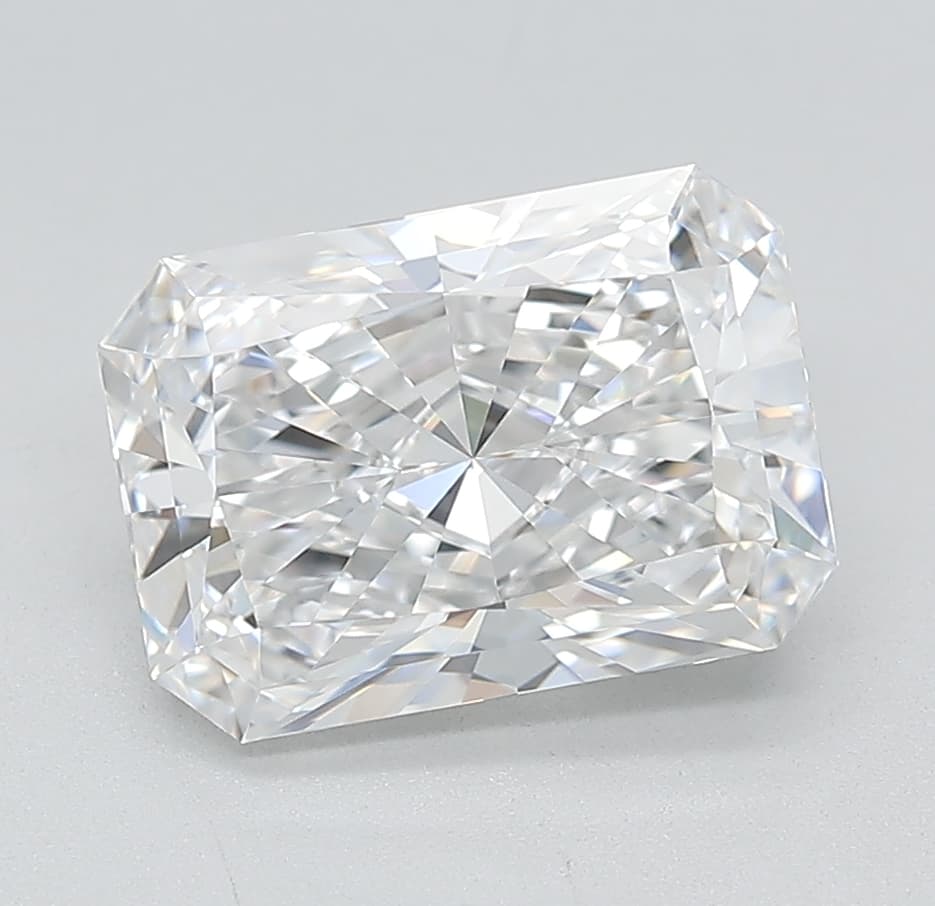
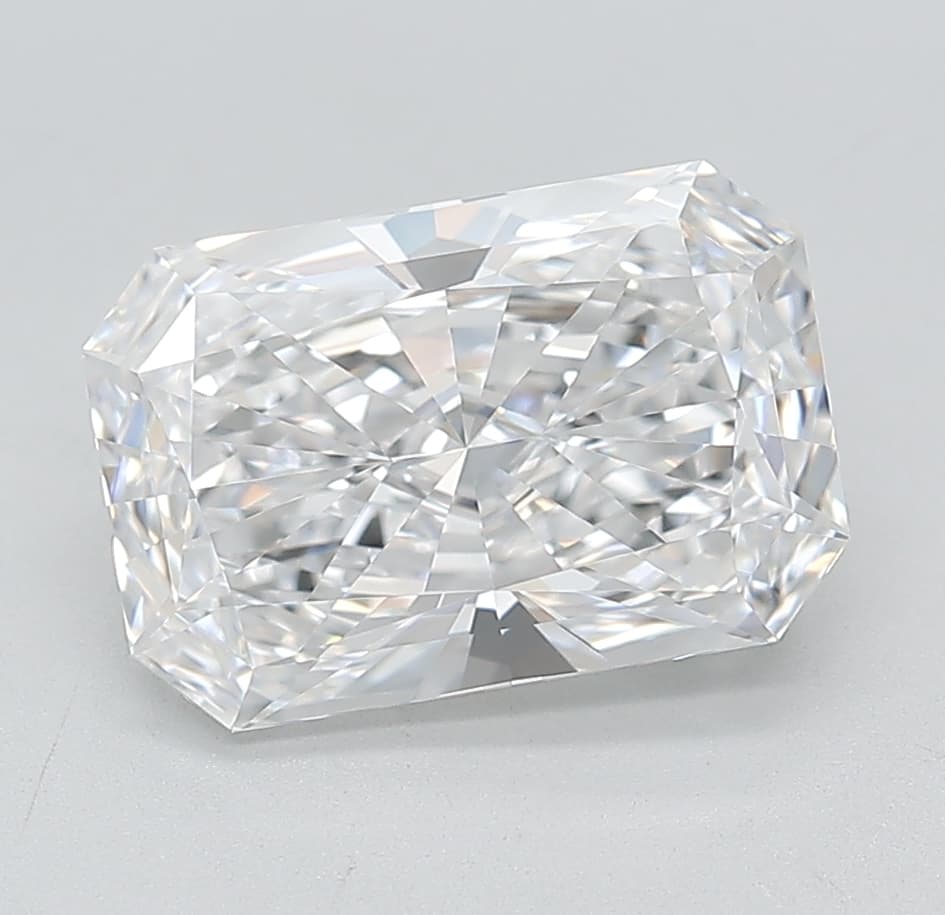
| Radiant, rectangular | about 1.45 | 10.5 × 7.2 mm |
| Radiant, square | about 1.03 | 8.3 × 8.1 mm |
| Emerald | about 1.45 | 10.0 × 6.9 mm |
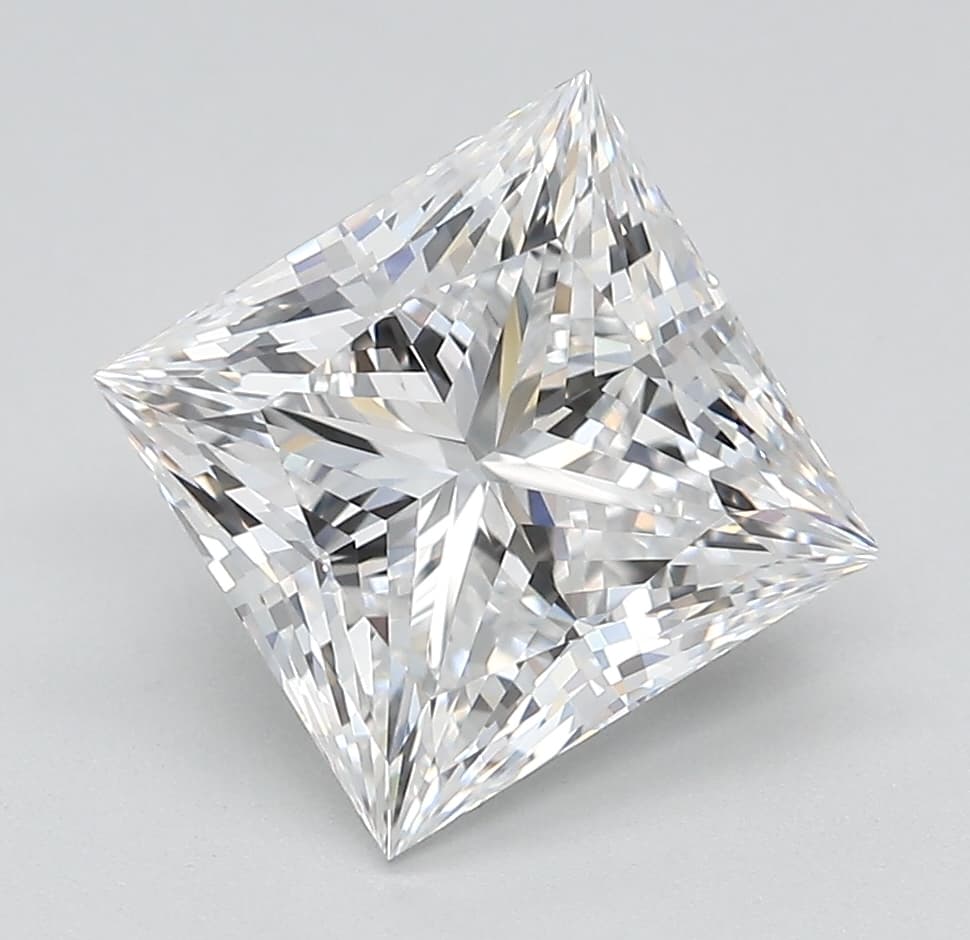
| Princess | about 1.01 | 7.9 × 7.9 mm |
On a US size 6 finger, with an inner ring diameter of about 16.5 mm, a 9.3 mm round covers a little over half the finger’s width. Elongated shapes cover less width but run further along the finger. Our post on which shape looks biggest compares face-up area shape by shape.
| Shape | Stones | Median length (mm) | Median width (mm) |
|---|---|---|---|
| Round | 51 | 9.38 | 9.42 |
| Oval | 74 | 12.11 | 8.25 |
| Pear | 21 | 13.09 | 8.12 |
| Marquise | 9 | 15.21 | 7.69 |
| Cushion | 16 | 10.85 | 7.64 |
| Radiant | 56 | 10.49 | 7.33 |
| Emerald | 27 | 10.02 | 6.86 |
| Princess | 5 | 8.02 | 7.91 |
Color at 3 carats
Larger stones tend to show body color more, because light travels further through them. A slight warmth that disappears in a 1 carat stone can be noticeable in a 3 carat one, especially in step cuts and in white metal. Practical starting points:
- Platinum or white gold: D to F keeps the stone looking icy white; G can work in a brilliant shape.
- Yellow or rose gold: the warm metal masks a slight tint, so G or H can look white once set.
- Emerald and asscher cuts: their open facets show color more readily, so many buyers move up a grade.
The color grade does not capture tinge, a brown, green or milky undertone, so check the video in neutral light as well. If you are considering a GIA report issued since October 2025, note that GIA describes colorless to near-colorless lab-grown stones as Premium or Standard rather than by letter; the diamond color guide explains what each covers.
If you would rather wear color, a 3 carat stone shows pink or blue strongly; see pink lab-grown diamonds.
| Grade | Group | What it means |
|---|---|---|
| D | Colorless | No color, or traces a grader detects only against master stones |
| E | Colorless | No color, or traces a grader detects only against master stones |
| F | Colorless | No color, or traces a grader detects only against master stones |
| G | Near colorless | Slight color when compared face-down; often hard to see face-up |
| H | Near colorless | Slight color when compared face-down; often hard to see face-up |
| I | Near colorless | Slight color when compared face-down; often hard to see face-up |
| J | Near colorless | Slight color when compared face-down; often hard to see face-up |
| K | Faint | A faint warm tint that many people can see face-up |
| L | Faint | A faint warm tint that many people can see face-up |
| M | Faint | A faint warm tint that many people can see face-up |
Clarity at 3 carats
A bigger stone has bigger facets, which make it easier to look into the stone. Two practical points follow:
- Brilliant shapes (round, oval, radiant, cushion, pear) break light into many small flashes that hide small inclusions well. VS1 and above is usually eye-clean at this size, and VS2 can be, depending on what the inclusion is and where it sits.
- Step cuts (emerald, asscher) work like a window into the stone. Many buyers choose VVS2 or above, or check a VS1 stone carefully on video.
Whatever the grade, the test is whether the stone looks eye-clean at normal viewing distance. Where the report has a clarity plot, it shows where inclusions are; the video shows whether you notice them. See the diamond clarity guide for the full scale.
Cut and proportions: getting the spread you pay for
At 3 carats, a small difference in proportions shows up as a visible difference in size. For a round, a total depth of about 64% gives a diameter near 9.15 mm, while about 60% gives nearer 9.35 mm, for the same weight. A thick girdle hides weight in the same way.
- Rounds: start with the top cut grade (Ideal on IGI; Excellent on GIA reports issued before October 2025, while GIA's assessment since then gives no cut grade) and Excellent polish and symmetry.
- Fancy shapes: IGI has graded the cut of fancy shapes, from Excellent to Poor, since September 2022; GIA does not. A cut grade does not replace your own check, so compare depth percentage, table, polish and symmetry against common ranges, and watch the video for bow-tie and windowing.
- Compare measurements: between stones of similar weight, length × width tells you which shows more surface.
The diamond cut guide covers the proportions behind a bright, well-spread stone.
- 3 carat round at about 64% depth
- ≈ 9.15 mm
- Diameter
- The same weight at about 60% depth
- ≈ 9.35 mm
- Diameter
Report, growth method and treatment
Every single stone of this size we list has an IGI or GIA grading report (mix parcels are sold by the parcel, without individual reports). Verify it on the lab’s website before you decide. On IGI reports, GIA reports for fancy colors and GIA reports issued October 2020 to September 2025, the comments usually state:
- The growth process: CVD or HPHT. Neither is better by default; see CVD vs HPHT.
- Treatment: on IGI reports, "As Grown – No indication of post-growth treatment" means the lab found none. Otherwise the report can say the stone may include post-growth treatment.
GIA's Laboratory-Grown Diamond Quality Assessment, issued since October 1, 2025 for colorless to near-colorless stones, gives only Premium or Standard, with no growth method, treatment statement or comments.
Both the growth method and the treatment status are your choice to weigh. What matters is that you know which one you are looking at.
Setting a 3 carat stone
- Prongs: four prongs show more of the stone; six give extra security and a rounder look on a round. Pears and marquises need V-prongs at the points, princesses need their corners protected, and radiants usually have a prong at each corner.
- Height: a 3 carat stone is deeper than a small one, so the head sits higher. A lower setting snags less on clothing; a taller one can leave room for a straight wedding band to sit beside it.
- Bezel: a metal rim around the stone protects the edge fully and suits an active life, though it shows more metal around the outline.
- Band: a slim band makes the stone look larger by contrast, but a very thin band can feel top-heavy under a large stone. A jeweler can balance the two.
A short checklist
- Choose the shape, and for fancy shapes the ratio.
- Set your color and clarity floor for that shape and metal.
- Compare millimeters and depth, not only carat weight.
- Read and verify the report, including the comments where it has them.
- Watch the video for eye-cleanliness, tinge, bow-tie and windowing.
- If you are flexible on weight, look at 2.80 to 2.99 ct too; see carat sweet spots.
The suggestions below show live 3 carat lab-grown diamonds in colorless grades, plus ovals and radiants of the same weight. If you would like a shortlist made for you, ask a diamond specialist.
Frequently asked questions
How big is a 3 carat diamond in mm?
A well-cut 3 carat round brilliant is about 9.3 mm across. A 3 carat oval at a ratio of about 1.45 is roughly 11.9 × 8.2 mm, and an emerald cut about 10.0 × 6.9 mm. The exact size depends on the cut, so check the measurements on the IGI report or our stone page.
What color grade is best for a 3 carat lab-grown diamond?
It depends on the shape and metal. In platinum or white gold, D to F looks icy white, and G can work in a brilliant shape. In yellow or rose gold, G or H often looks white once set. Step cuts such as emerald show color more, so many buyers move up a grade.
What clarity do I need for a 3 carat diamond?
For brilliant shapes, VS1 and above is usually eye-clean at this size, and VS2 can be. For emerald and asscher cuts, many buyers choose VVS2 or above. Whatever the grade, check the video to confirm the stone looks eye-clean at normal viewing distance.
Does a 3 carat oval look bigger than a 3 carat round?
Usually, yes. A 3 carat oval is roughly 11.9 × 8.2 mm and shows more face-up area than a round of about 9.3 mm, as well as looking longer. A deep-cut oval can lose some of that advantage, so compare measurements.
Glossary terms in this article
More on Color & Carat in the journal.