Grading, Explained
Eye-Clean Lab-Grown Diamonds: VS1 and VS2 Explained
By the Vanora Diamond team
Published Last reviewed 4 min read

Quick answer
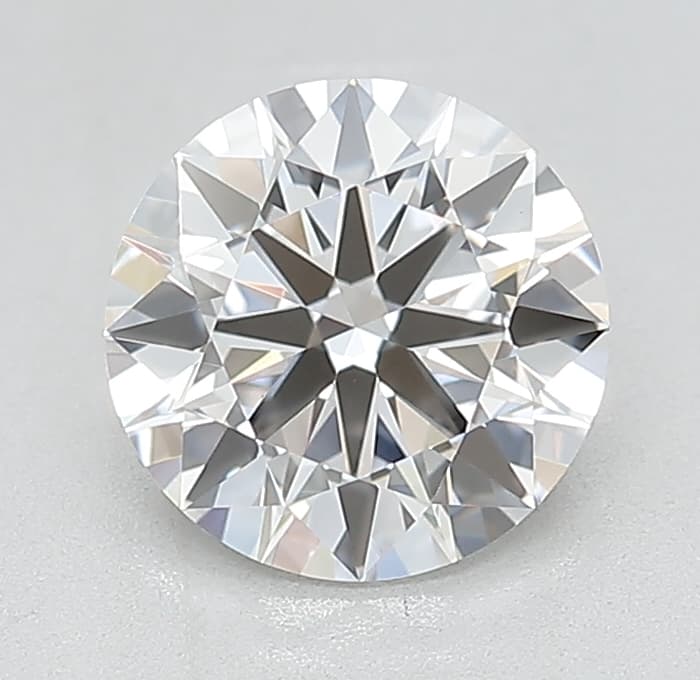
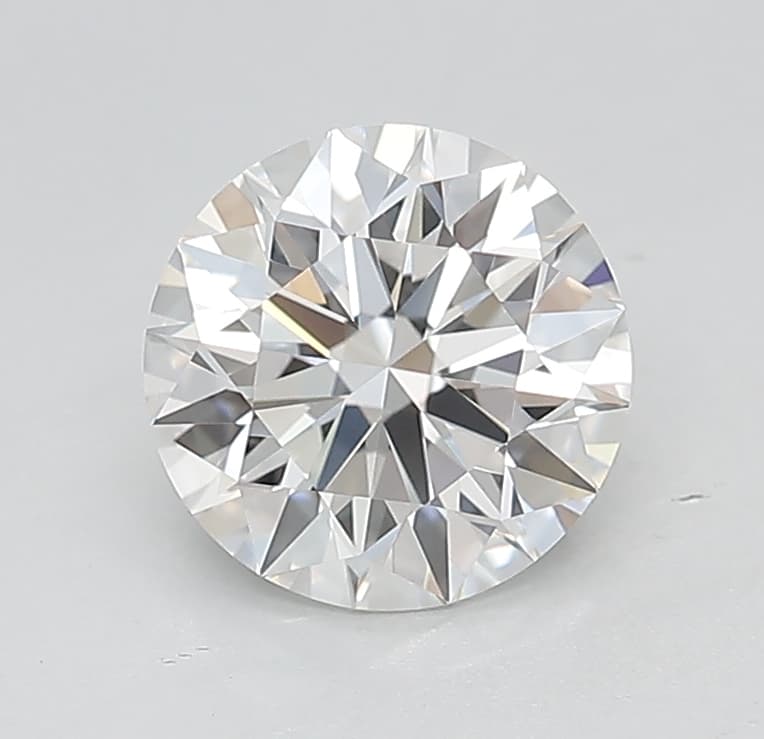
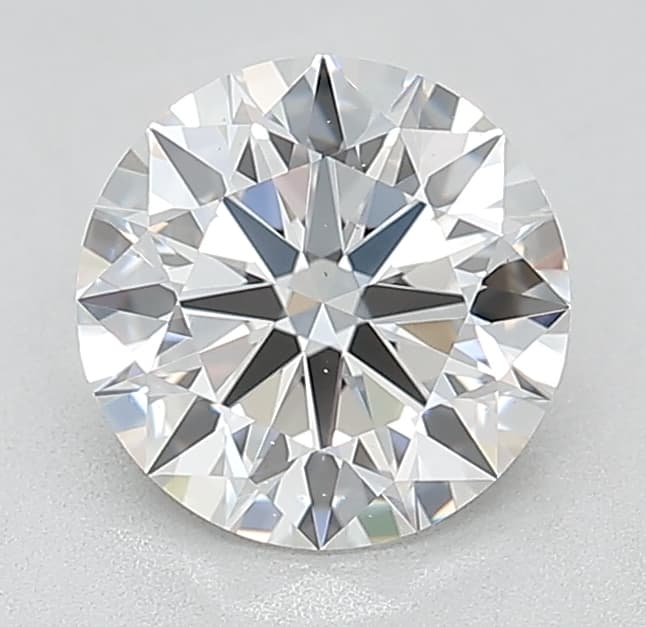
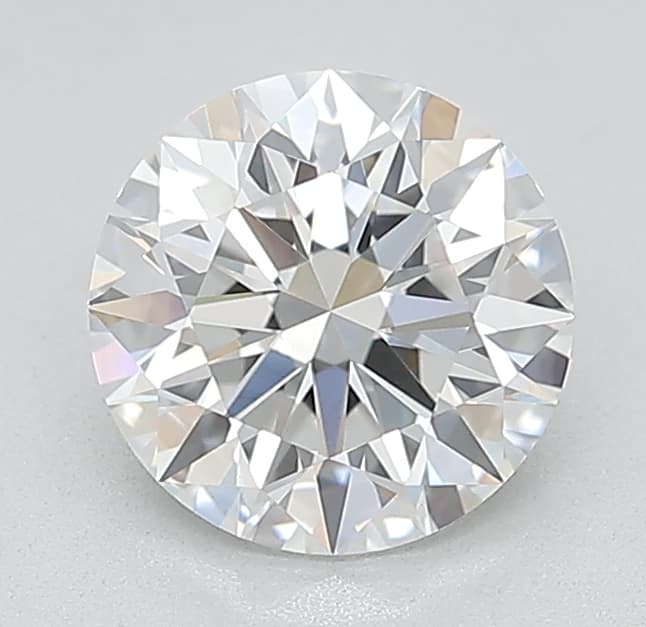
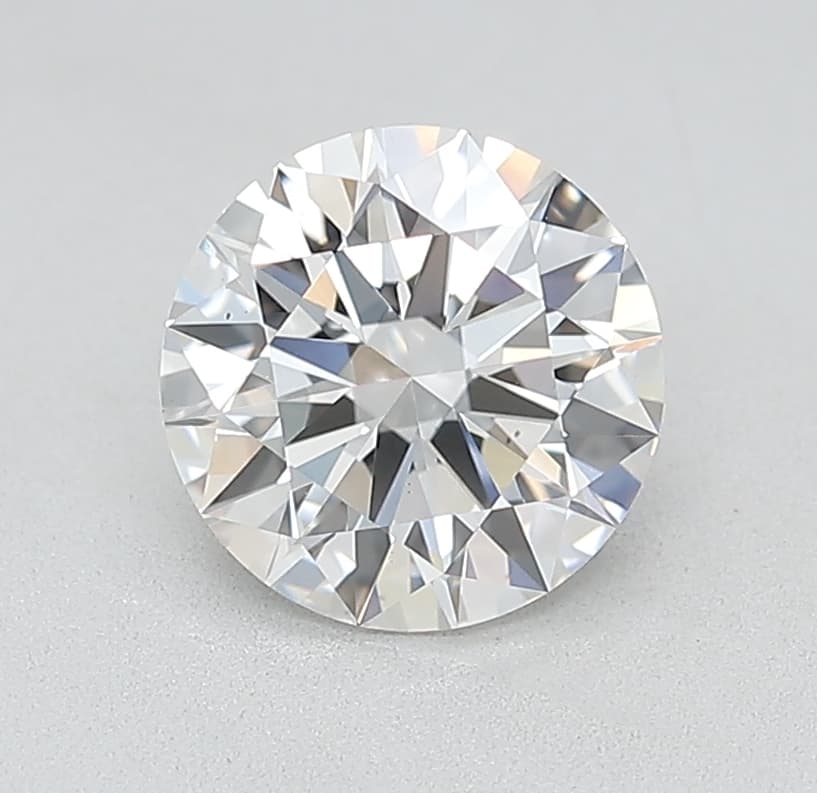
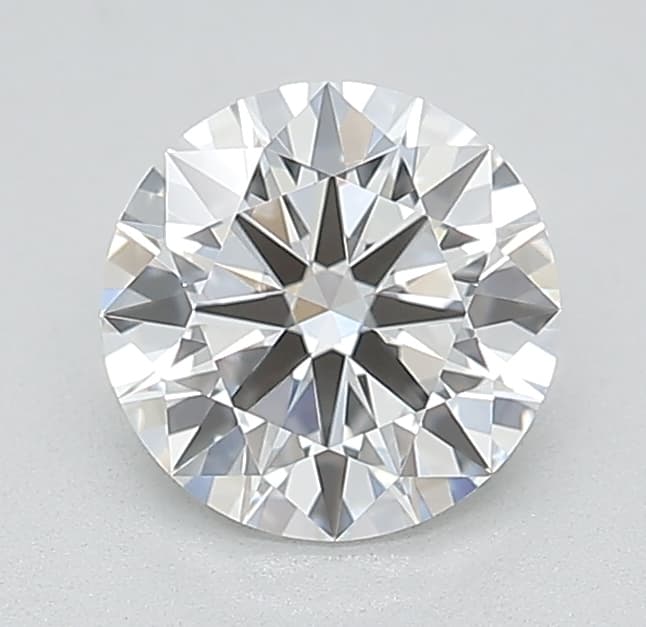
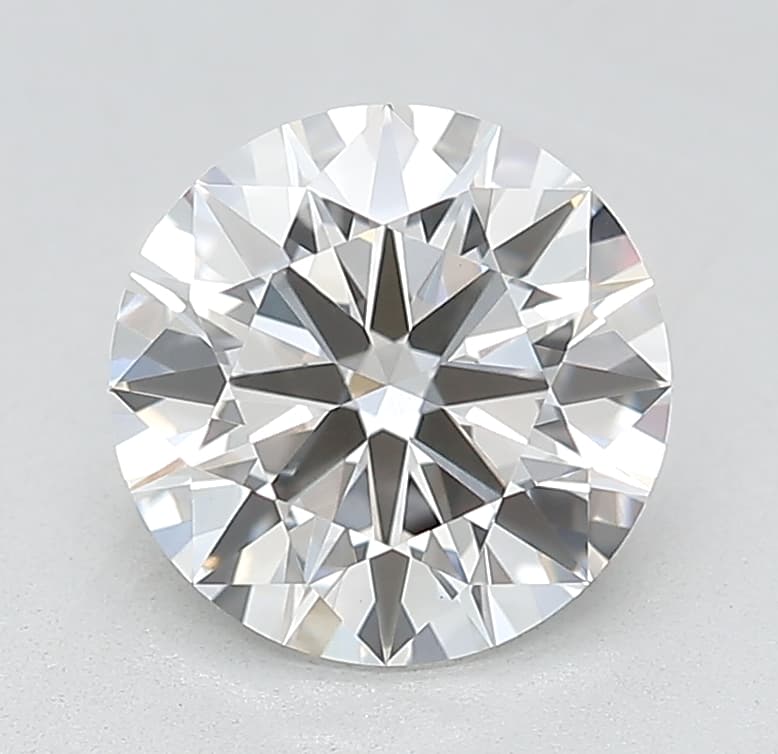
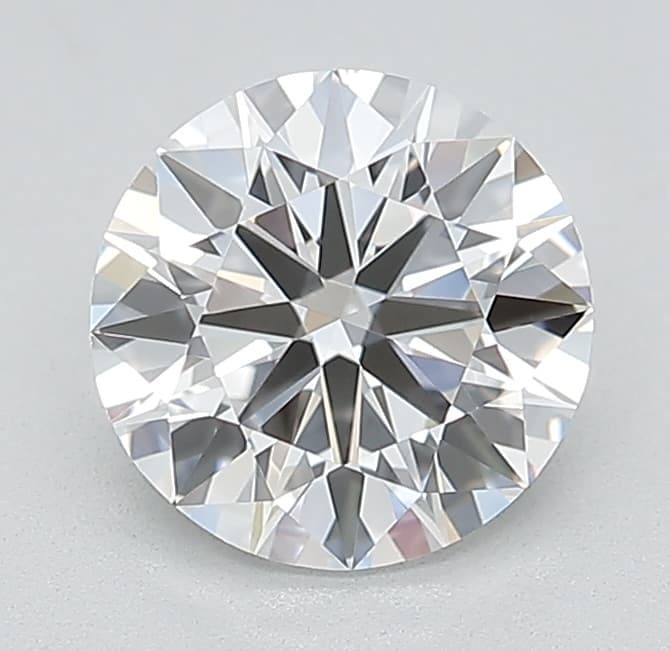
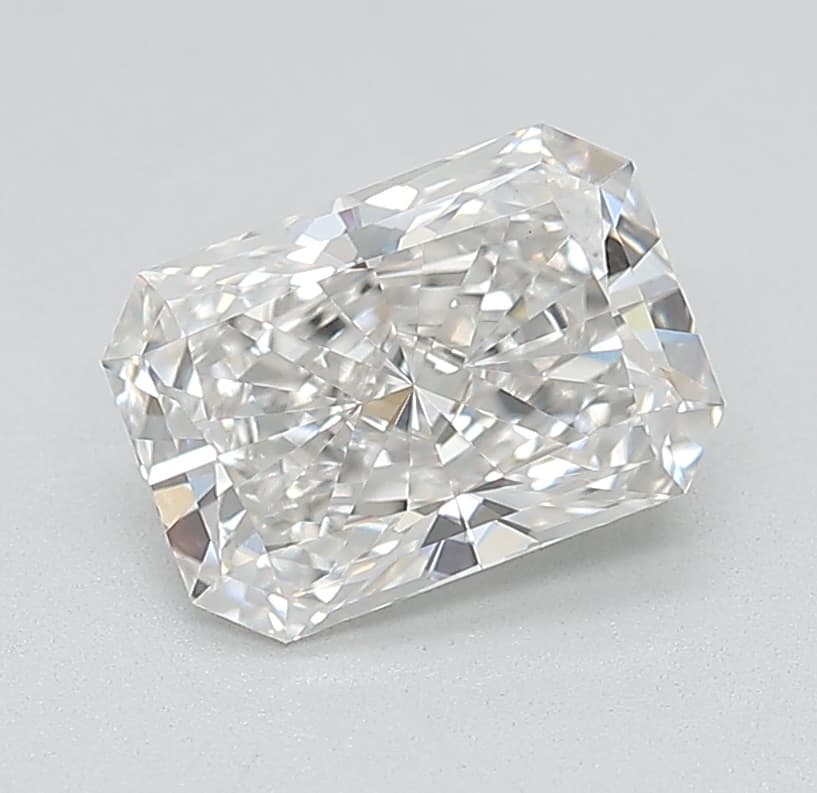
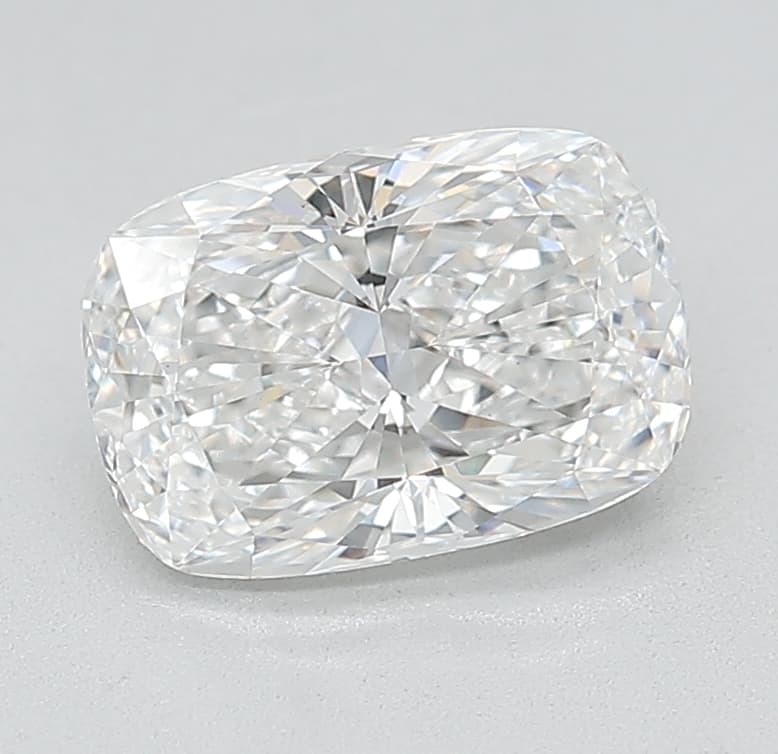
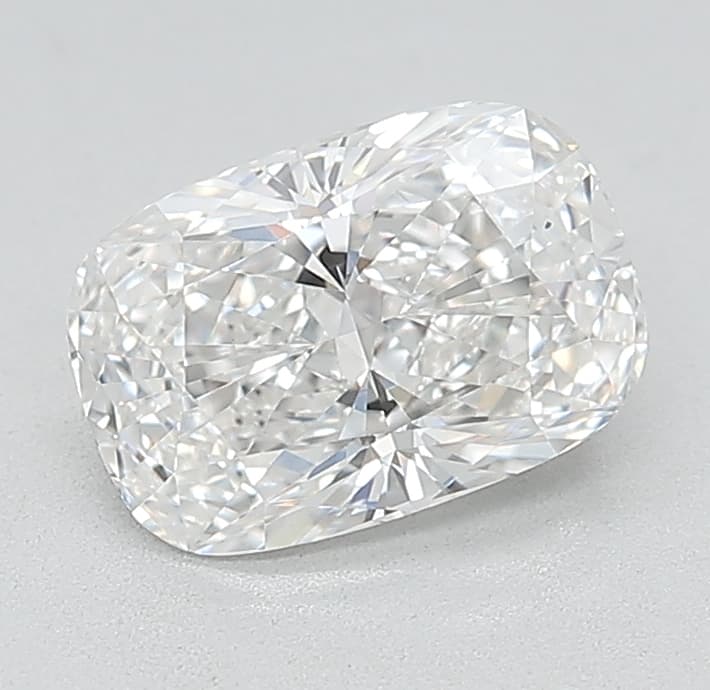
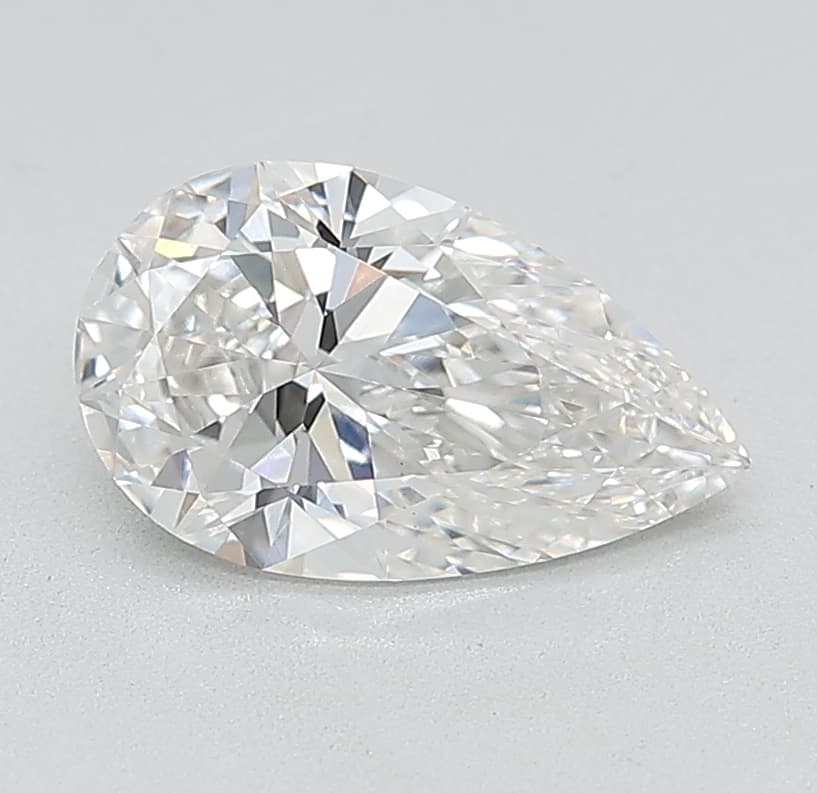
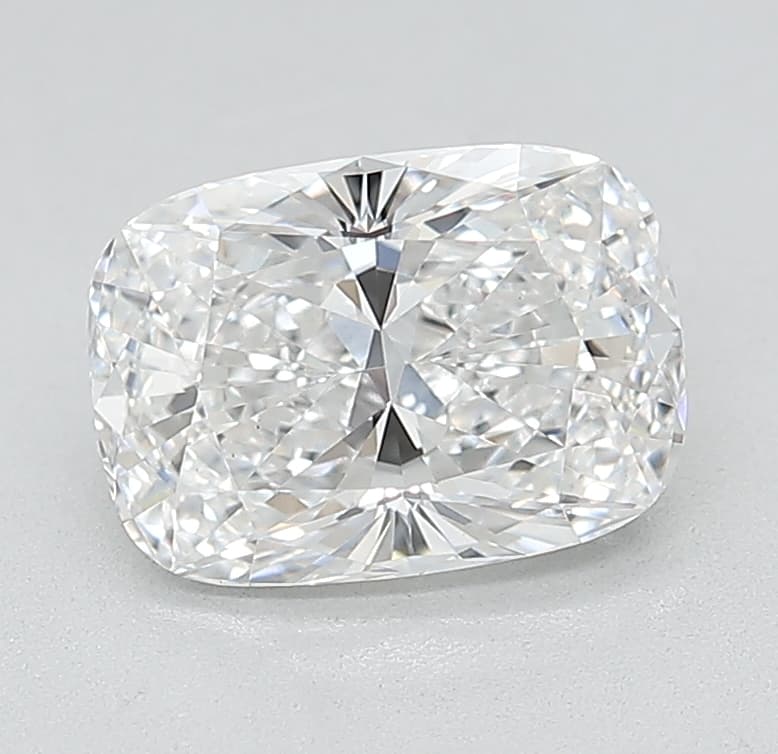
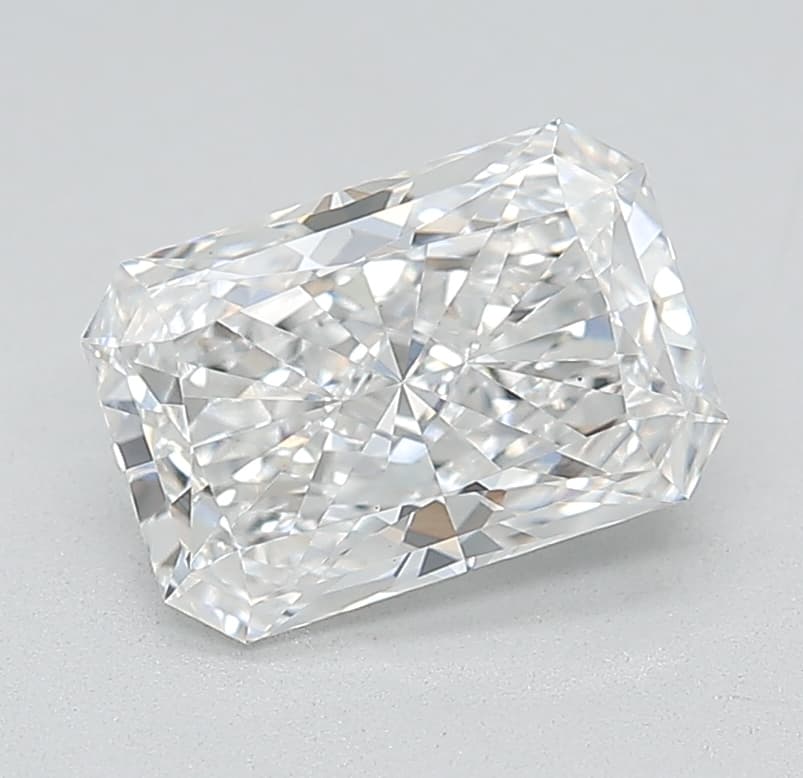
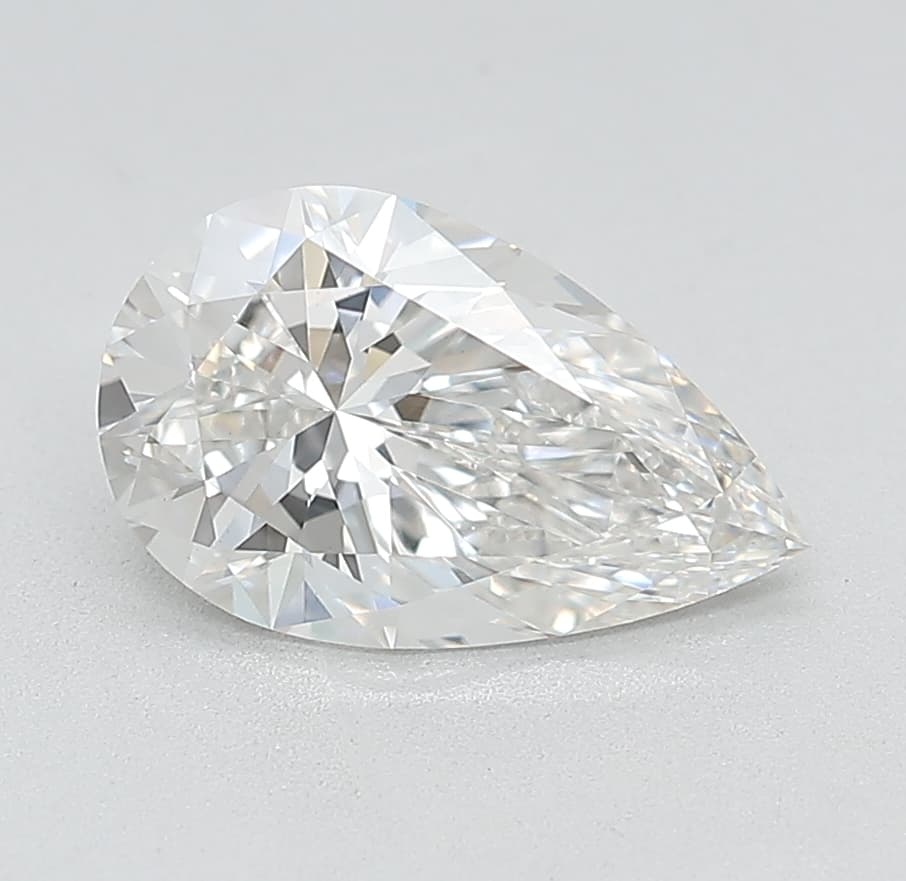
VS1 and VS2 lab-grown diamonds have minor inclusions that are difficult (VS1) to somewhat easy (VS2) to find at 10x magnification, and in brilliant shapes they are usually eye-clean: nothing visible face-up at a normal viewing distance. Whether a particular stone is eye-clean depends on where its inclusions sit, how dark they are, the shape and the size. VS1 is a dependable choice for most brilliant shapes; judge every VS2 and every step cut on its video.
What eye-clean means
Eye-clean describes a diamond with no inclusions you can see with the unaided eye, looking at it face-up from a normal distance of about 25 to 30 cm (10 to 12 in). It is a practical standard, not a lab grade: IGI grades clarity at 10x magnification and does not say whether a stone is eye-clean, and GIA's lab-grown assessment, issued since October 2025, gives only Premium or Standard.
For most buyers it is the goal that matters. Once a diamond is set, nobody sees its clarity grade; they see whether anything catches the eye. The VS grades sit right at the point where that answer is usually yes for brilliant shapes, which is why they are a common choice. Our diamond clarity guide explains the full scale.
- Eye-clean viewing distance
- 25–30 cm
- About 10 to 12 in, face-up, unaided eye
- Lab clarity grading
- 10x
- IGI grades clarity under magnification
VS1 and VS2 on the report
Both grades mean very slightly included: minor inclusions that a grader can find at 10x with some effort.
| Grade | At 10x magnification | Face-up, unaided eye |
|---|---|---|
| VS1 | Minor inclusions, difficult to find | Usually eye-clean in brilliant shapes |
| VS2 | Minor inclusions, somewhat easy to find | Often eye-clean in brilliant shapes; check each stone |
In lab-grown diamonds, typical inclusions at these grades include pinpoints and small dark specks of non-diamond carbon in CVD stones, small metallic flux inclusions in HPHT stones, and small feathers in either. They are graded on the same five factors as any inclusion: size, number, position, nature and relief.
Many IGI reports include a clarity plot marking the main inclusions (a GIA lab-grown assessment issued since October 2025 has none). It is the best first clue to whether a VS stone will be eye-clean.
| Grade | Name | At 10× magnification | To the unaided eye |
|---|---|---|---|
| FL | Flawless | No inclusions or blemishes | Clean |
| IF | Internally Flawless | No inclusions; only minor surface blemishes | Clean |
| VVS1 | Very, Very Slightly Included 1 | Inclusions so slight they are very hard to find | Eye-clean |
| VVS2 | Very, Very Slightly Included 2 | Inclusions so slight they are very hard to find | Eye-clean |
| VS1 | Very Slightly Included 1 | Minor inclusions, difficult to somewhat easy to find | Usually eye-clean in brilliant shapes |
| VS2 | Very Slightly Included 2 | Minor inclusions, difficult to somewhat easy to find | Usually eye-clean in brilliant shapes |
| SI1 | Slightly Included 1 | Noticeable inclusions | Varies: some are eye-clean, some show an inclusion |
| SI2 | Slightly Included 2 | Noticeable inclusions | Varies: inclusions are more often visible |
| I1 | Included 1 | Obvious inclusions that may affect transparency and brilliance | Often visible |
| I2 | Included 2 | Obvious inclusions that may affect transparency and brilliance | Often visible |
| I3 | Included 3 | Obvious inclusions that may affect transparency and brilliance | Often visible |
What decides whether a VS stone is eye-clean
Two VS2 stones can look quite different face-up. These are the factors that decide it:
- Position. An inclusion under the table is the easiest to see. One near the girdle tends to hide among the facets and may end up under a prong.
- Color and contrast. A dark crystal or carbon speck stands out more than a white pinpoint or a transparent feather of the same size.
- Size of the stone. In larger stones the facets are larger, so inclusions are easier to see. At 2 carats and above, it is worth looking more carefully at any VS2.
- Shape. Brilliant cuts scatter light into many small flashes that disguise small inclusions. Step cuts have open facets that act more like a window.
- Reflections. In brilliant cuts, an inclusion near the pavilion can be reflected by the facets and appear more than once.
Shape by shape: common guidelines
These are common guidelines, not rules. A video always outranks them.
| Shape | VS1 | VS2 |
|---|---|---|
| Round, oval, cushion, radiant | Usually eye-clean | Often eye-clean; check the video |
| Pear, marquise, heart | Usually eye-clean | Often eye-clean; check inclusions near the points |
| Princess | Usually eye-clean | Often eye-clean; check the corners |
| Emerald, asscher | Check the video | Check carefully, or consider VVS |
For pointed shapes and corners, think about durability as well as looks. A feather that reaches the surface at a point or corner can make that area more vulnerable to chipping, and a setting that protects the points helps. For step cuts, see our emerald cut guide and our post on FL, IF and VVS1 clarity.
How to check a VS stone yourself
- Read the plot. If the report includes one, note where the main inclusions sit. Marks clustered under the table deserve a closer look; marks near the girdle are less of a concern.
- Watch the 360° view at real size. Close-up videos are magnified, so a stone can look more included on screen than it does at arm's length. Shrink the view, or step back from the screen, and see what you notice.
- Look at the table first. That is where your eye goes in a ring.
- Check the listing's eye-clean line. Our stone pages include an "Eye-clean (our assessment)" line. It is not a lab grade, so use it as a second opinion alongside your own look at the video.
- See it in person, if you can. A viewing, or a stone on memo for approved trade buyers, settles the question. You can request a viewing.
VS1, VS2 or higher?
Choosing VS rather than VVS frees part of the budget for a better cut or a larger stone, both of which you will see every day. The trade-off is that you need to judge each stone, rather than rely on the grade alone.
- VS1 is a dependable middle ground: in brilliant shapes, inclusions are rarely visible. Browse VS1 clarity lab-grown diamonds.
- VS2 can be a sensible choice when the video confirms nothing shows, and less so when an inclusion sits under the table. Browse VS2 clarity stones.
- VVS2 and higher suit buyers who would rather not judge inclusions at all, and most step cuts. See VVS2 clarity.
The stones suggested below are VS1 and VS2 brilliant shapes, a good place to practice reading a plot and a video. If you would like a second pair of eyes, one of our diamond specialists can look at a stone's video with you before you buy.
Frequently asked questions
Is a VS1 lab-grown diamond eye-clean?
Usually, in brilliant shapes such as round, oval, cushion and radiant. VS1 inclusions are difficult to find even at 10x magnification. In step cuts such as emerald and asscher, check a video, because their open facets show inclusions more readily.
Is a VS2 lab-grown diamond eye-clean?
Often, in brilliant shapes, but not always. It depends on where the inclusions sit, how dark they are, and the size and shape of the stone. Check the clarity plot and a video of the specific stone.
Can you see the difference between VS1 and VS2?
Not usually without magnification, if both stones are eye-clean. The difference is in how easily a grader finds the inclusions at 10x. The practical difference is that more VS2 stones have an inclusion you might notice, so each one needs checking.
Does the grading report say whether a diamond is eye-clean?
No. IGI grades clarity at 10x and plots the main inclusions, and GIA’s lab-grown assessment gives only Premium or Standard; eye-clean is not a lab grade. A listing that says eye-clean is giving an assessment, so look at the video as well.
Glossary terms in this article
More on Grading, Explained in the journal.