Color & Carat
Pink Lab-Grown Diamonds: Fancy, Fancy Intense and Fancy Vivid
By the Vanora Diamond team
Published Last reviewed 5 min read

Quick answer
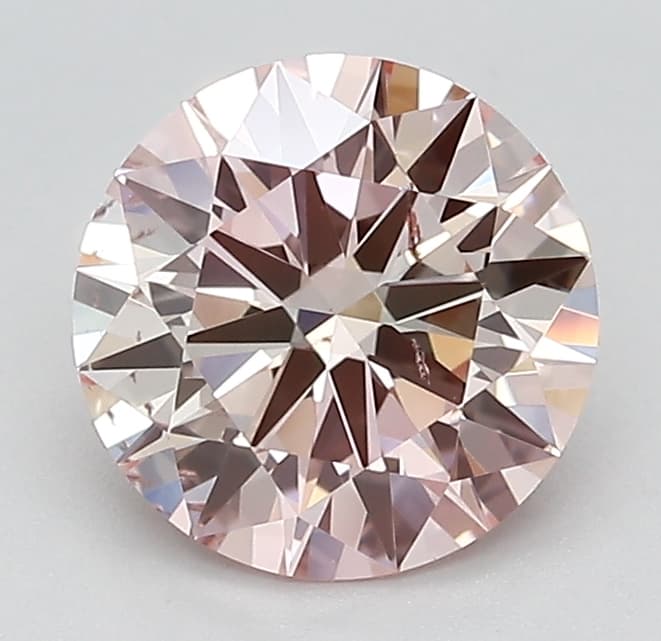
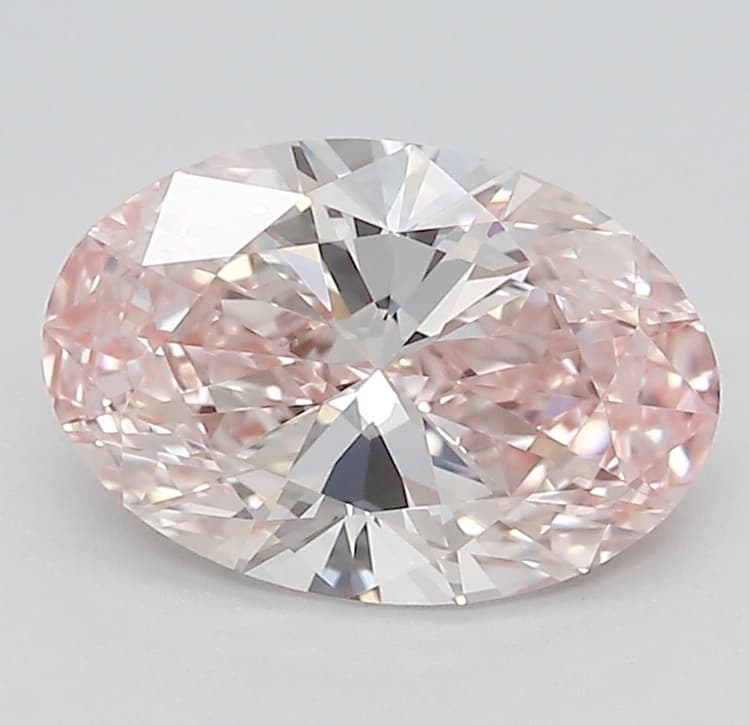
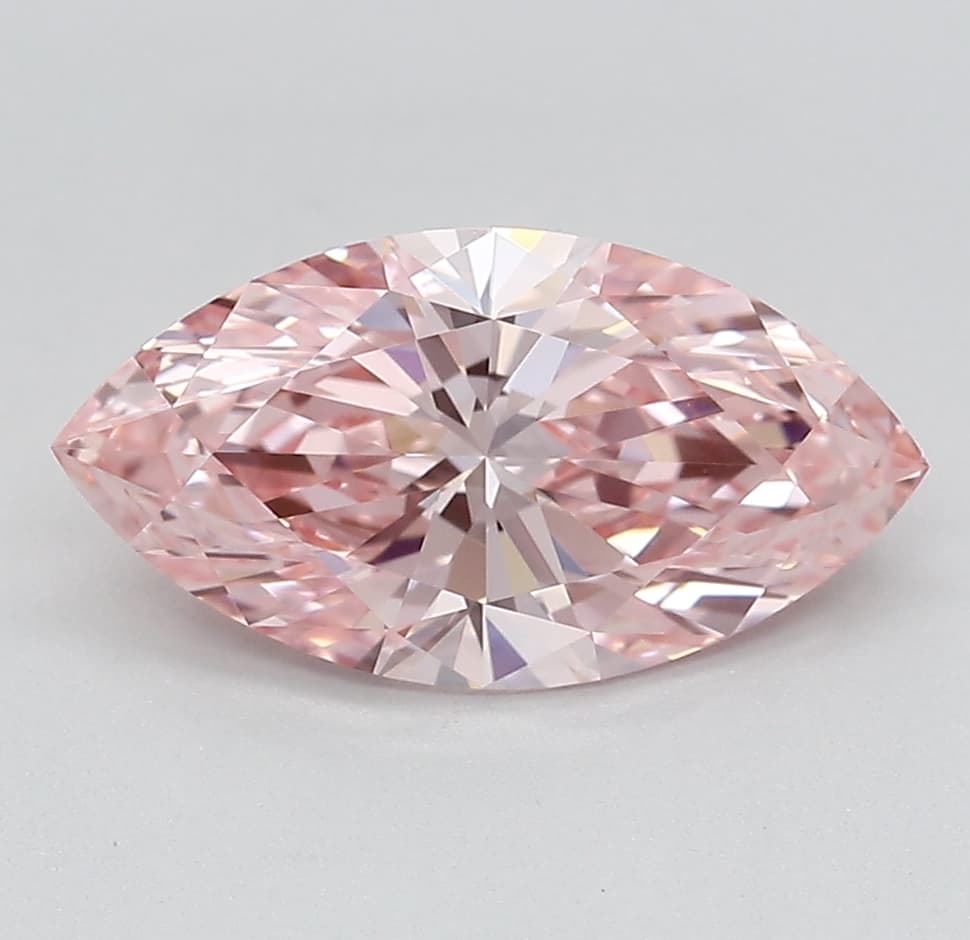
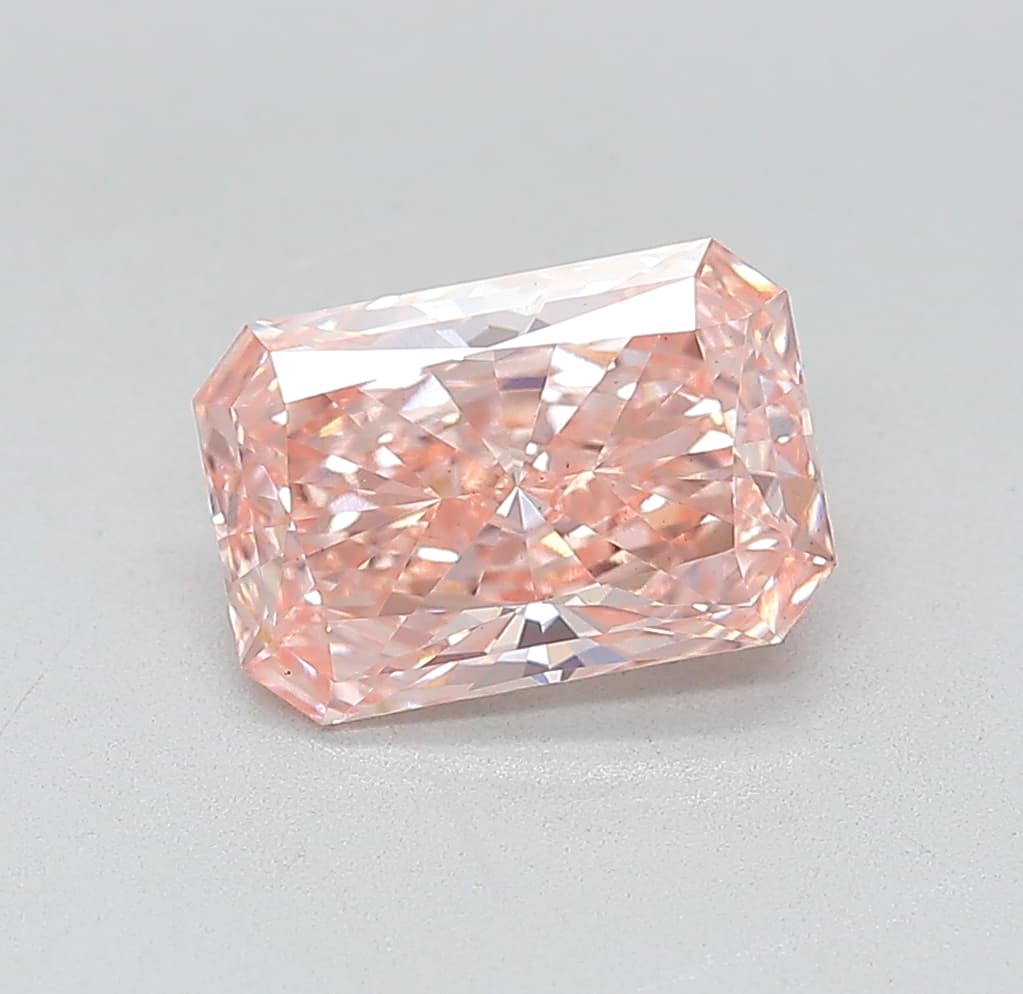
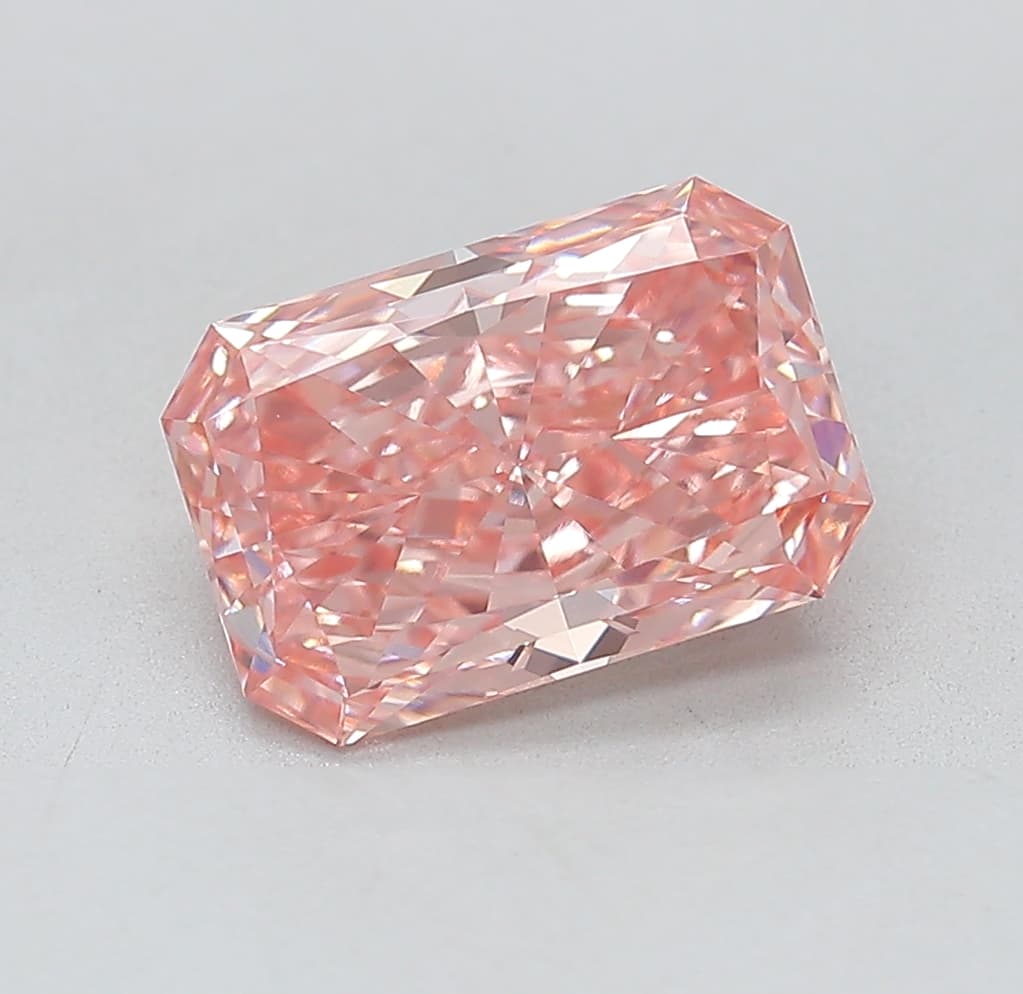
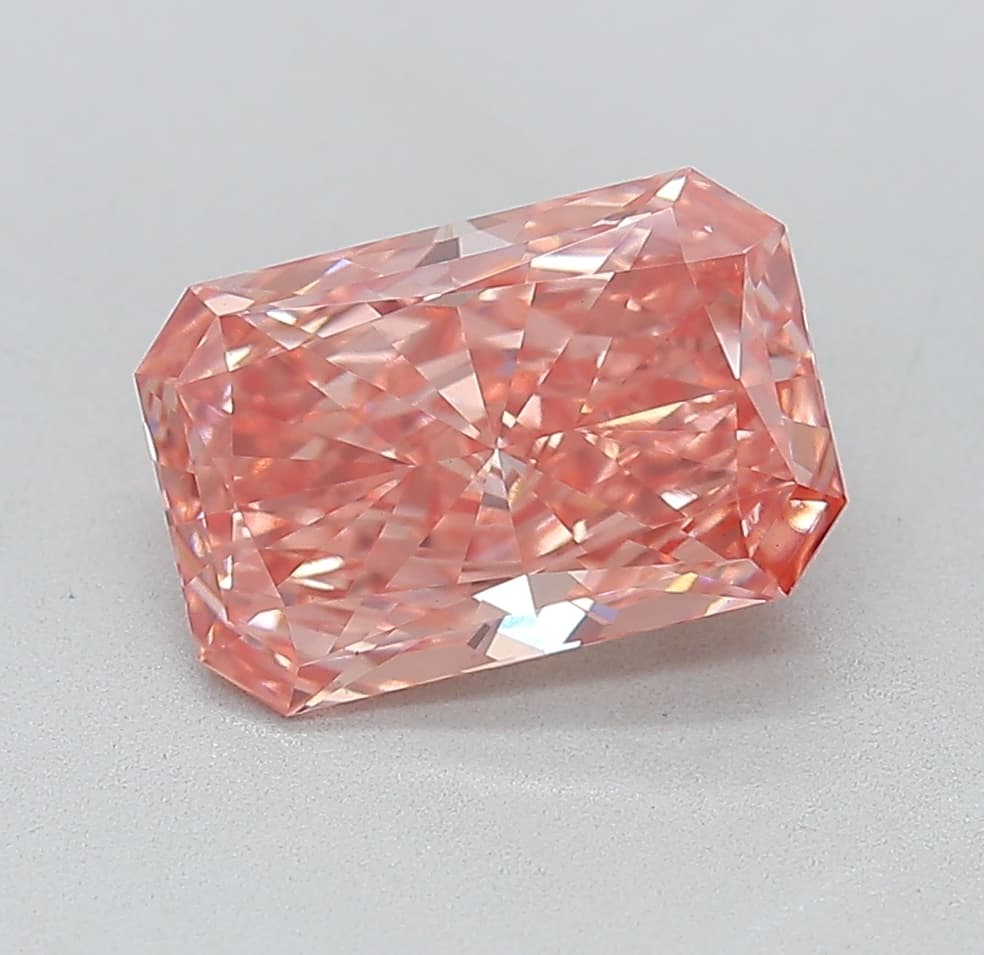
Pink lab-grown diamonds are graded on the fancy color scale, and the three grades you will meet most often are Fancy, Fancy Intense and Fancy Vivid, in order of increasing color strength. Many lab-grown pinks get their color from treatment after growth, which the grading report discloses in its comments. Choose the strength of pink you like on video first, then the shape and metal that show it best.
How a lab-grown diamond becomes pink
A white diamond is graded on how little color it has. A pink diamond is graded on the color itself, using hue, tone and saturation (see fancy color for the basics). So the first question with any pink stone is where that color came from.
In lab-grown diamonds, pink most often comes from post-growth treatment. A common route is to take a diamond that contains a small amount of nitrogen, irradiate it, and then anneal (heat) it. This creates defects in the crystal, known as nitrogen-vacancy centers, that absorb part of the yellow-green light passing through the stone. What reaches your eye looks pink.
The growth method is a separate fact. A pink stone can be grown by CVD or HPHT, and the color route sits on top of that. Our CVD vs HPHT guide explains the two methods.
The report is the authority
You do not need to work out the color origin yourself. The comments on the grading report usually state the growth process and what the lab found about treatment. A treated pink is still a diamond, and its grades describe the stone as it is now; what matters is that the treatment is disclosed. See as-grown vs post-growth treatment for how the wording reads.
- 1A gas mixture, typically methane and hydrogen, flows into a low-pressure chamber.
- 2Energy turns the gas into a plasma.
- 3Carbon from the gas settles on thin, flat diamond seed plates and builds the crystal up layer by layer.
- 4The flat, tabular rough is then cut and polished.
- 1A large press creates roughly 5 to 6 gigapascals and 1,300 to 1,600 °C.
- 2Inside the growth cell, a molten metal such as iron, nickel or cobalt dissolves a carbon source.
- 3The carbon crystallizes on a small diamond seed, typically as a cuboctahedron.
- 4The rough is then cut and polished.
What Fancy, Fancy Intense and Fancy Vivid mean for pink
The intensity word in a pink grade tells you how strong the color is. These are the grades you are most likely to see on a pink lab-grown diamond, with what they tend to look like:
| Grade | What it tends to look like |
|---|---|
| Fancy Light Pink | Soft, pastel pink, clearly colored but gentle |
| Fancy Pink | A clear, moderate pink that reads as pink from across a table |
| Fancy Intense Pink | Strong, obvious pink with plenty of depth |
| Fancy Vivid Pink | The most saturated, brightest pinks on the scale |
| Fancy Deep Pink | Strong pink with a darker tone, richer and less bright |
Each grade covers a range, not a single shade. A stone at the strong end of Fancy Intense can look very close to a Fancy Vivid, and two Fancy Vivid stones can differ noticeably. For a closer look at the top two grades, read Fancy Vivid vs Fancy Intense.
Fancy color is judged face-up, the way you see the stone when it is set. That is the opposite of the white D-to-Z scale, which is graded face-down (see the diamond color guide).
Purplish, brownish and orangy: reading the modifiers
A full pink grade can include a modifying color, and the order of the words matters. The last word is the main hue; anything before it is a modifier.
- Pink with no modifier: a pure pink, neither cool nor warm.
- Purplish pink: cooler, toward raspberry or orchid.
- Orangy pink: warmer, toward salmon or peach.
- Brownish pink: softer and more muted, sometimes described as rose or antique pink.
None of these is a defect. A brownish modifier usually makes the color look less bright, which some people love in a vintage-style ring and others avoid. Decide which direction you like before you compare intensity grades, because a Fancy Intense pure pink and a Fancy Intense brownish pink look quite different side by side.
Which shapes show pink best
Shape changes how concentrated the color looks face-up. These are tendencies, and the video of the individual stone is the final word:
- Radiant and cushion: their faceting and depth tend to hold and concentrate body color, which is why they are common choices for fancy colors.
- Oval, pear and marquise: color often looks a little deeper toward the ends and points, and the elongated outline looks larger for its weight.
- Round: the round brilliant is cut for sparkle, so a pink round can look slightly lighter face-up than a radiant of the same grade, with more white flashes.
- Antique cuts such as old miners give a softer, chunkier sparkle that suits a vintage look.
Size plays a part too. Light travels further through a larger stone, so the same grade tends to look a touch stronger at 3 carats than at 1. You can browse every shape on our pink lab-grown diamonds page.
- Typical L/W1.00–1.05 square1.20–1.40 rectangular
- Typical L/W1.00–1.05 square1.10–1.30 elongated
- Typical L/W1.30–1.50
- Typical L/W1.45–1.75
- Typical L/W1.75–2.25
- Typical L/WAbout 1.00
- Typical L/WAbout 1.00–1.10
Metal and setting for a pink diamond
The metal around a colored stone reflects into it and frames it, so it changes the look:
- Rose gold echoes the pink and can make a soft pink look stronger.
- Platinum and white gold give crisp contrast and keep purplish pinks looking cool.
- Yellow gold warms the stone and can push a pink slightly toward peach.
White diamond side stones or a white halo make the pink stand out by contrast. Prong color matters on smaller stones: some people choose rose gold prongs on a white band so the claws disappear against the color.
Care for a treated color
Strong heat, such as a jeweler’s torch during resizing or retipping, can affect some treated colors. Make sure anyone who works on the ring knows the stone’s color is treated, so they can protect the stone or remove it first. Everyday wear and cleaning with warm, soapy water are a different matter from torch heat.
Strong heat, such as a jeweler’s torch during resizing or retipping, can affect some treated colors. Make sure anyone who works on the ring knows the color is treated, so they can protect the stone or remove it first.
What to check before you buy
- The full color grade, including any modifier, not just the intensity word.
- The report comments: the growth process and the lab’s statement on treatment. Verify the report on the lab’s own website; see the certificates guide.
- The video or 360° view in neutral light. Screens and lighting shift pink a great deal, so compare stones on the same screen and, if you can, look again in daylight.
- Color distribution: the color should look even across the face, without a pale center or obvious zones.
- Clarity and measurements: saturated color can hide small inclusions, but check the stone is eye-clean, and compare length and width in millimeters.
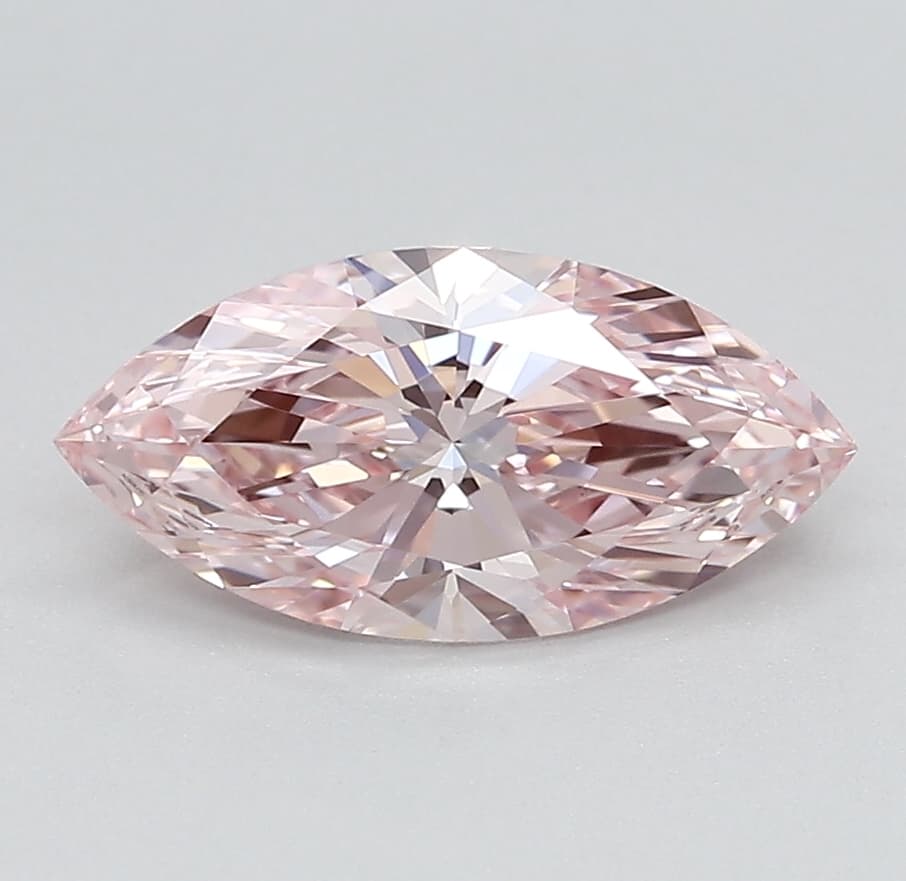
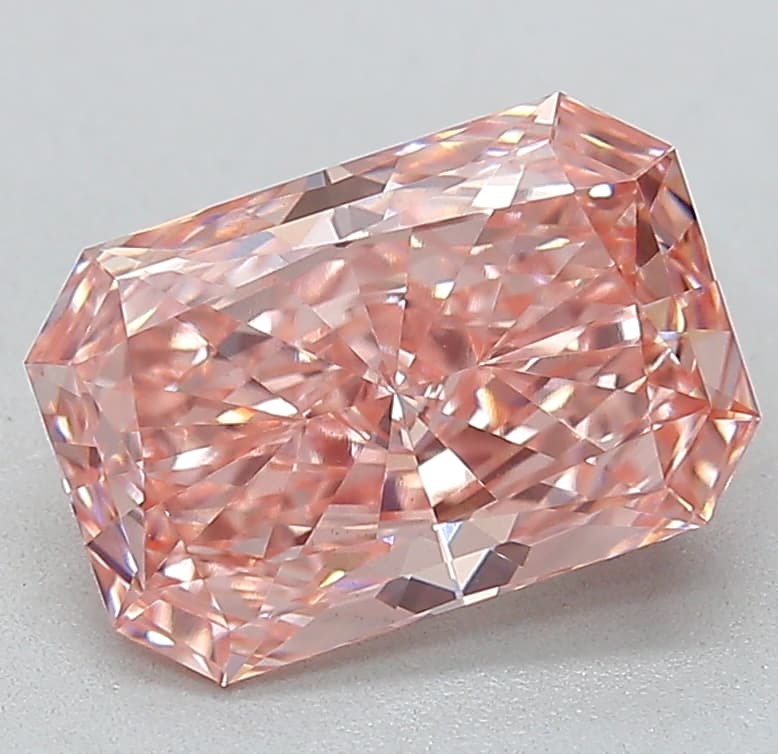
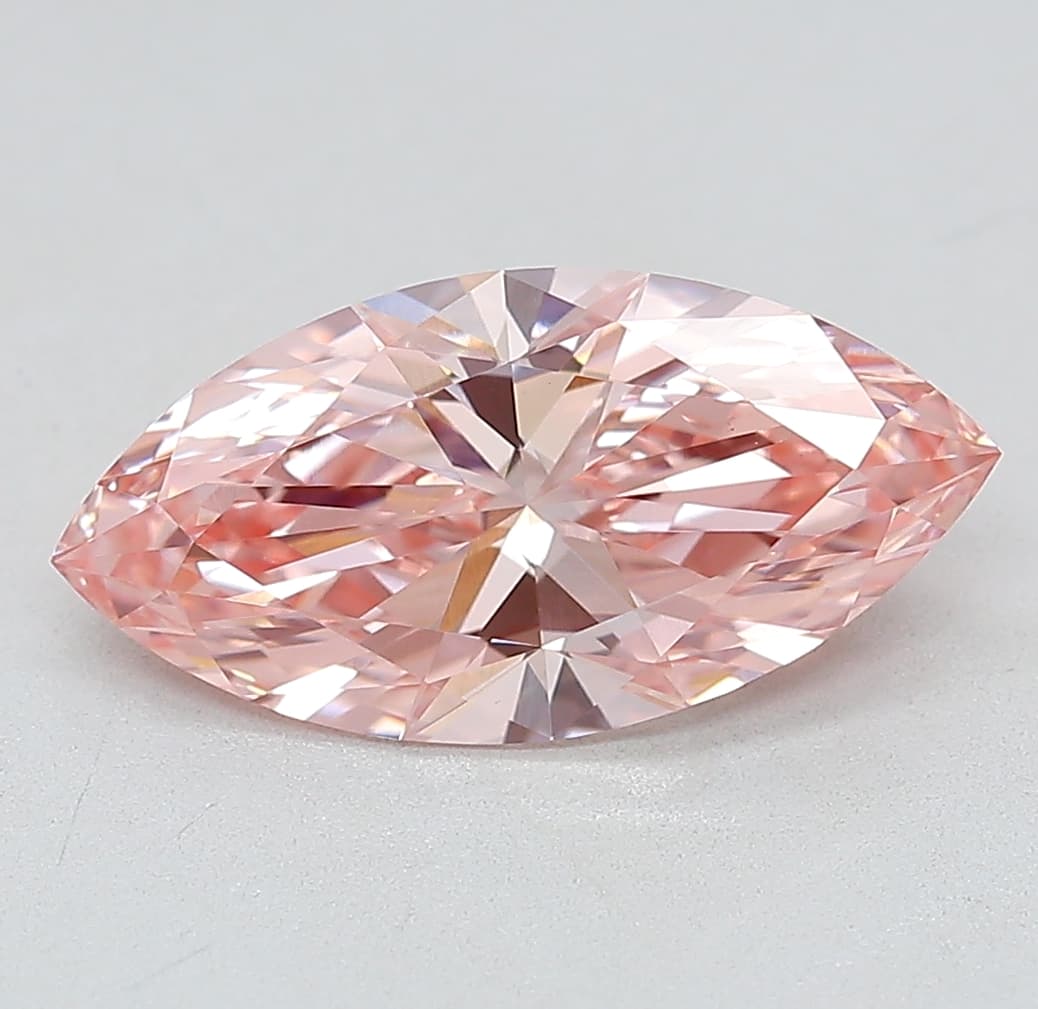
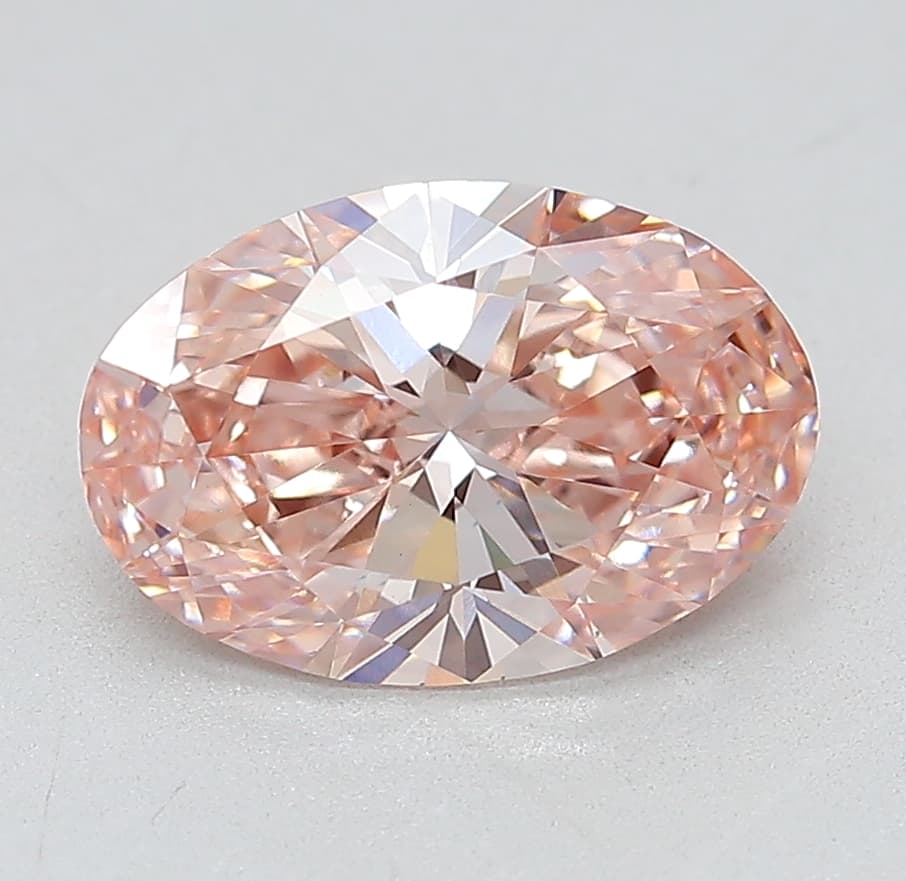
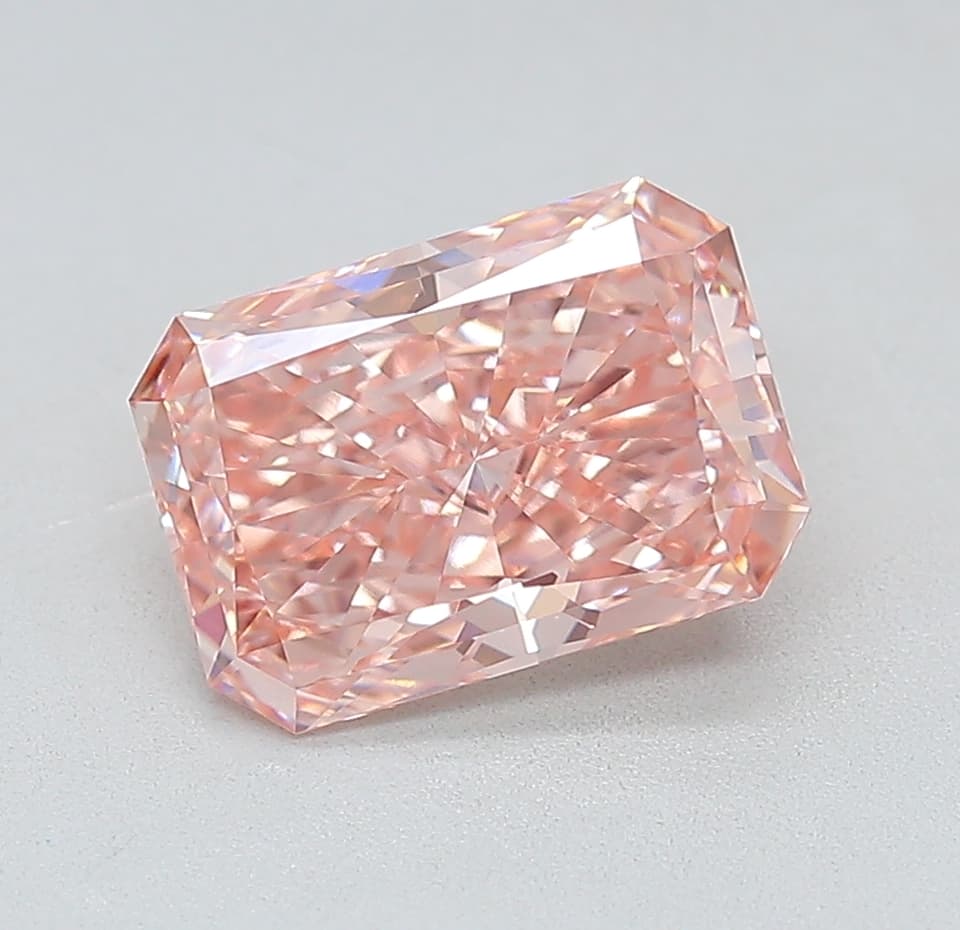
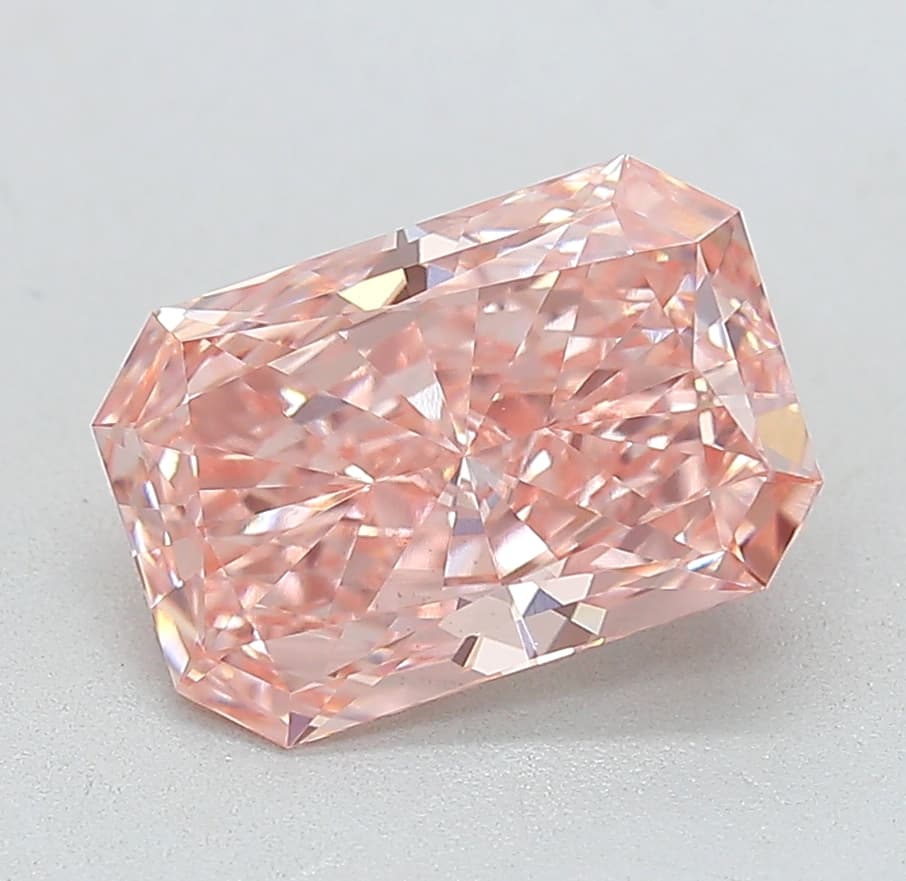
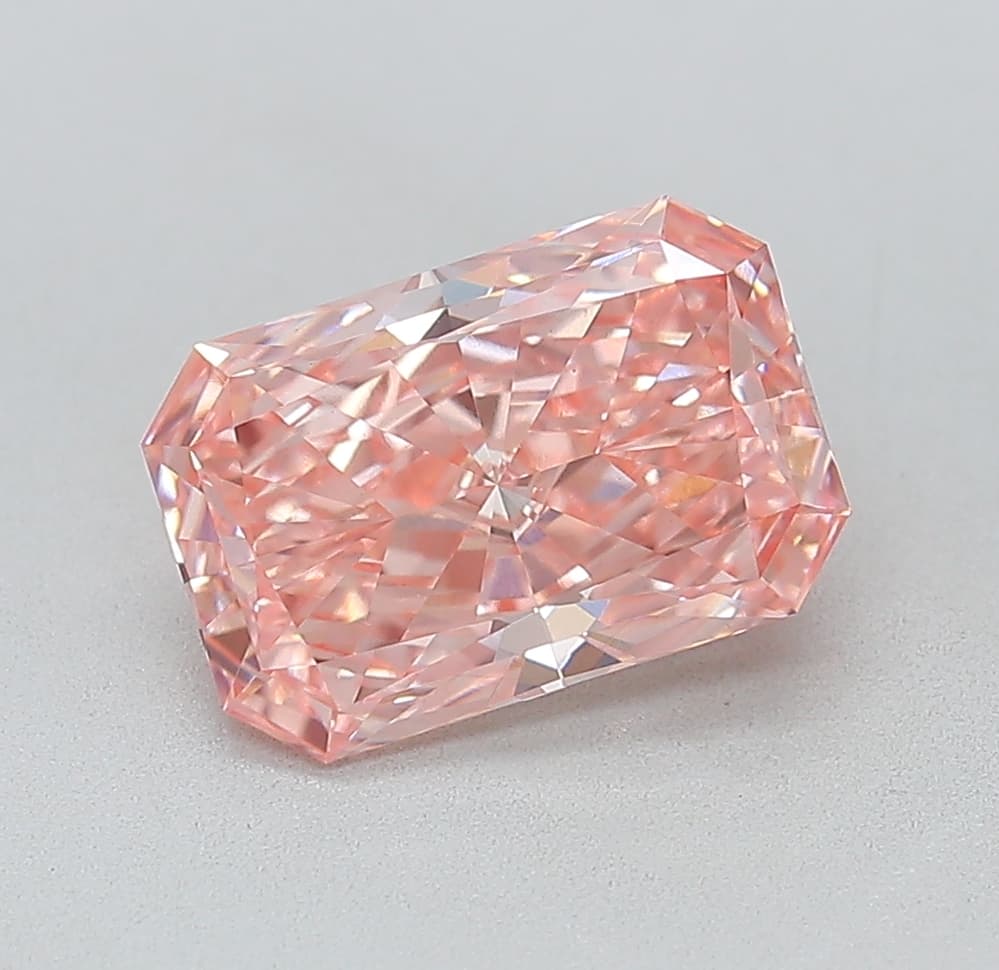
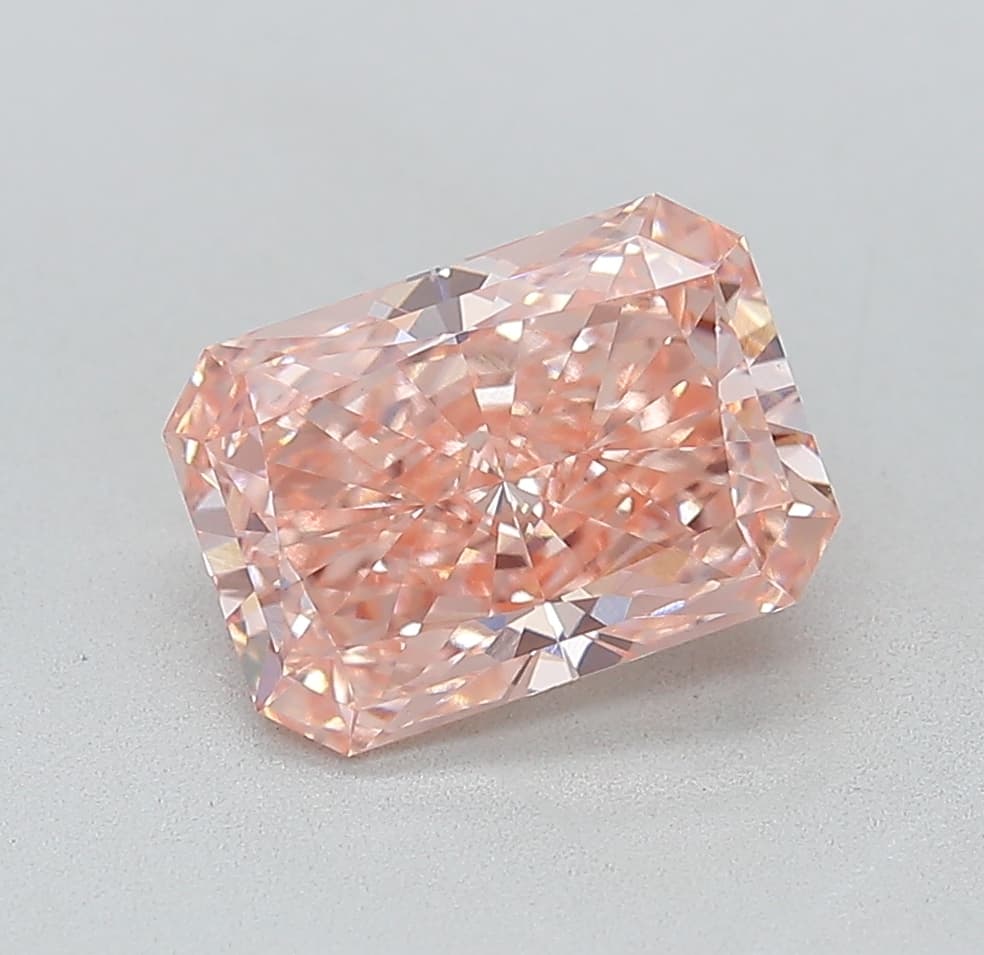
The pink stones below are live from our inventory, each with its report and a 360° video where available. If you would like help narrowing them down, a diamond specialist can compare a few side by side with you; just tell us what you are looking for.
Frequently asked questions
Is a pink laboratory-grown diamond a diamond?
Yes. Laboratory-grown diamonds are diamonds, with the same chemical and physical properties as mined diamonds. A pink one is grown in a laboratory, and its grading report identifies it as laboratory-grown and describes its color on the fancy color scale.
Are pink lab-grown diamonds treated?
Many are. A common route is irradiation followed by annealing, which creates defects that make the stone look pink. The comments on the grading report usually state the growth process and what the lab found about post-growth treatment, so read them for each stone.
What is the difference between Fancy Intense Pink and Fancy Vivid Pink?
Fancy Vivid is the stronger, more saturated grade, and Fancy Intense sits just below it. Both are clearly pink. Stones near the boundary can look similar, so compare the videos and the full grade, including any modifier such as purplish or brownish.
Can a jeweler’s torch affect a pink lab-grown diamond?
Strong heat can affect some treated colors. Before any resizing, retipping or repair that uses a torch, tell the jeweler that the stone’s color is treated so they can protect it or remove it from the setting first.
Glossary terms in this article
More on Color & Carat in the journal.