Grading, Explained
Is a D Color Diamond Worth It? D vs E vs F in Real Life
By the Vanora Diamond team
Published Last reviewed 5 min read

Quick answer
D, E and F are all colorless grades, and once a lab-grown diamond is set and seen face-up, most people cannot tell them apart, especially in brilliant shapes. D is worth it when you want the top grade for its own sake, or when the stone is large, step cut, set in platinum or white gold, or must match another stone closely. Otherwise E or F usually looks the same in wear and leaves more of your budget for cut and size.
What D, E and F actually mean
The D-to-Z scale measures the absence of color, and D, E and F form its top group: colorless. A grader places the diamond table-down on a white surface, under controlled light, and compares it with master stones of known color. D is the most colorless; E and F show traces of color so slight that a trained grader detects them only in that face-down comparison.
Each step on the scale is small, and within the colorless group it is smaller still in practical terms. Our diamond color guide covers the full scale and how labs grade it; this post is about what the top three grades mean once the stone leaves the lab.
One lab note: since October 2025, new GIA reports for colorless and near-colorless lab-grown diamonds give a Premium or Standard classification instead of a letter. A Premium stone must be D color, along with VVS clarity or higher and top finish grades. IGI reports, and GIA reports issued from October 2020 to September 2025, show the letter grade.
| Grade | Group | What it means |
|---|---|---|
| D | Colorless | No color, or traces a grader detects only against master stones |
| E | Colorless | No color, or traces a grader detects only against master stones |
| F | Colorless | No color, or traces a grader detects only against master stones |
| G | Near colorless | Slight color when compared face-down; often hard to see face-up |
| H | Near colorless | Slight color when compared face-down; often hard to see face-up |
| I | Near colorless | Slight color when compared face-down; often hard to see face-up |
| J | Near colorless | Slight color when compared face-down; often hard to see face-up |
| K | Faint | A faint warm tint that many people can see face-up |
| L | Faint | A faint warm tint that many people can see face-up |
| M | Faint | A faint warm tint that many people can see face-up |
Can you see the difference face-up?
Usually not. Face-up, the facets break light into bright flashes that mask faint body color, and the grading conditions that reveal the difference, face-down against master stones, are not how anyone looks at a ring. These are tendencies rather than rules:
| Situation | D vs E vs F |
|---|---|
| Brilliant shape (round, oval, cushion, radiant) set in a ring | Very hard to tell apart |
| Side by side, loose, on a white card | A trained eye may see a slight difference |
| Step cut (emerald, asscher) with an open table | Slightly easier to notice |
| Large stone, roughly 3 carats and up | Slightly easier to notice |
| Yellow or rose gold setting | Warm metal makes any difference harder to see |
| Platinum or white gold setting | Cool metal can make a faint tint easier to see |
The honest summary: the difference between D and F is real on paper and in the lab, and subtle to invisible in daily life.
When D makes sense
There are good reasons to choose D, and none of them is that E or F will look yellow:
- Large and step-cut stones. Light travels further through a big stone, and the broad, open facets of an emerald cut show body color more readily. If you are choosing a statement emerald or asscher in white metal, D removes one variable.
- Matching. For a pair of earrings or the side stones of a three-stone ring, stones of the same grade make a closer match. If one stone is D, pairing it with D is the simplest route.
- A GIA Premium classification. If you specifically want a newer GIA report classed as Premium, D color is one of the requirements.
- Peace of mind. Some buyers simply want the top grade and enjoy knowing there is nothing above it. That is a legitimate reason, as long as it is your reason.
Browse D color lab-grown diamonds to see the shapes and sizes available today.
When E or F is the better use of your budget
For many stones, E or F looks identical to D in wear:
- Brilliant shapes such as round, oval, cushion and radiant, which mask color best.
- Yellow or rose gold settings, where the warm metal surrounds the stone.
- Halo and pavé designs, where small surrounding stones add sparkle that draws the eye.
If the budget is fixed, cut quality and size will change how the stone looks far more than the step from F to D. Compare live prices of a D and an E or F stone with the same shape, carat, clarity and cut, then decide whether the difference is worth it to you. See E color and F color stones to compare.
What the color grade does not tell you
A D grade describes how much color the stone has, not every aspect of how white it looks. Check these separately:
- Tinge. A faint brown, gray or milky cast, or a cool blue one, is not fully captured by the letter. See tinge and our post on blue tinge in lab-grown diamonds.
- Fluorescence. A separate line on IGI reports, graded None to Very Strong (a GIA assessment issued since October 2025 does not show it). Our post on fluorescence in lab-grown diamonds explains when it matters.
- Treatment. Many CVD diamonds receive post-growth treatment to improve color. The grade describes the stone as it is now; the comments on an IGI report say whether IGI found indications of treatment, while a GIA assessment issued since October 2025 does not state it. See as grown vs post-growth treatment.
- Cut. A poorly cut D can look darker and less lively than a well-cut F. Color is judged against white; brightness comes from the cut.
A poorly cut D can look darker and less lively than a well-cut F. Color is judged against white; brightness comes from the cut.
How to compare D, E and F stones yourself
- Fix the other variables. Filter for the same shape, a similar carat weight and the same clarity range, so color is the only real difference.
- Check the cut first. Compare cut grade (for rounds), polish, symmetry and proportions.
- Watch the 360° views. Look at the stones against a white background, face-up and from the side.
- Read the specifications. On our stone pages, the Tinge line shows "None reported" or the tinge noted, and the grading report panel links to the lab's own verification page.
- Decide on purpose. If you cannot see a difference and the setting is warm metal, E or F is a sensible choice. If the stone is large, step cut or must match another, D earns its place.
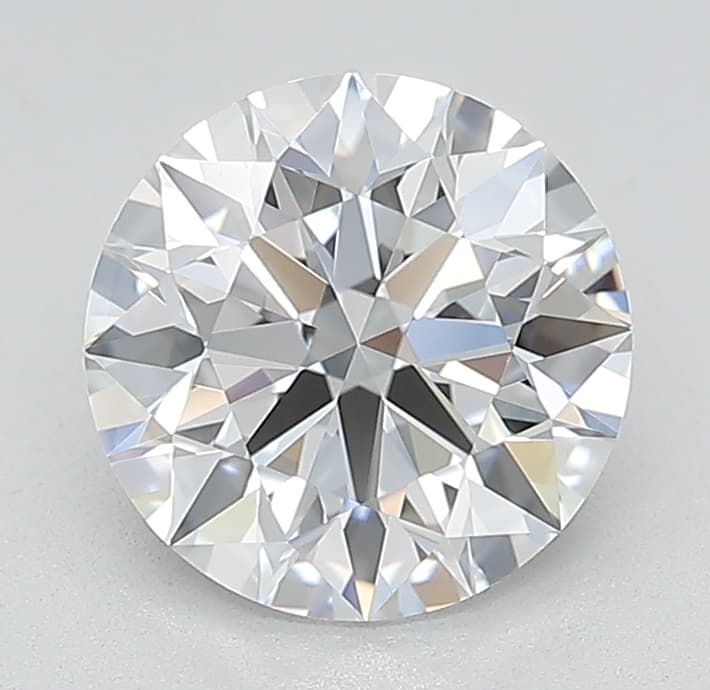
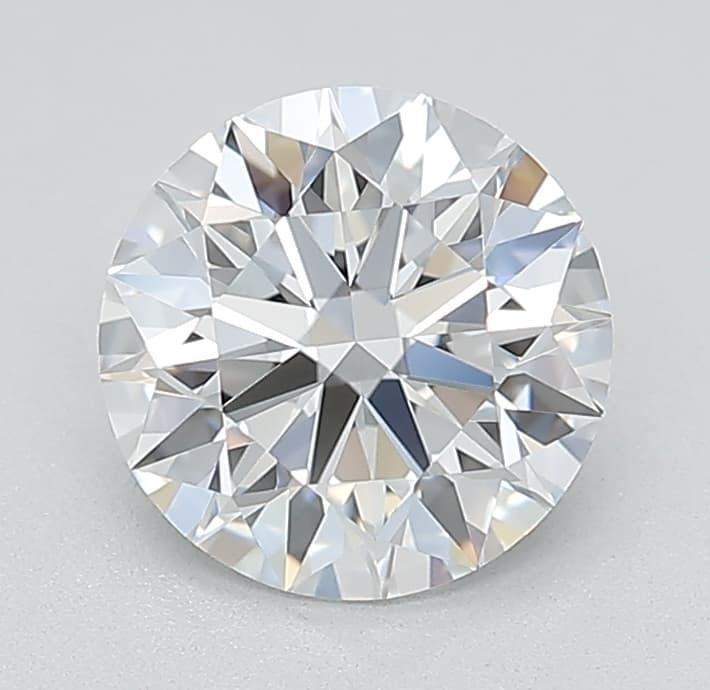
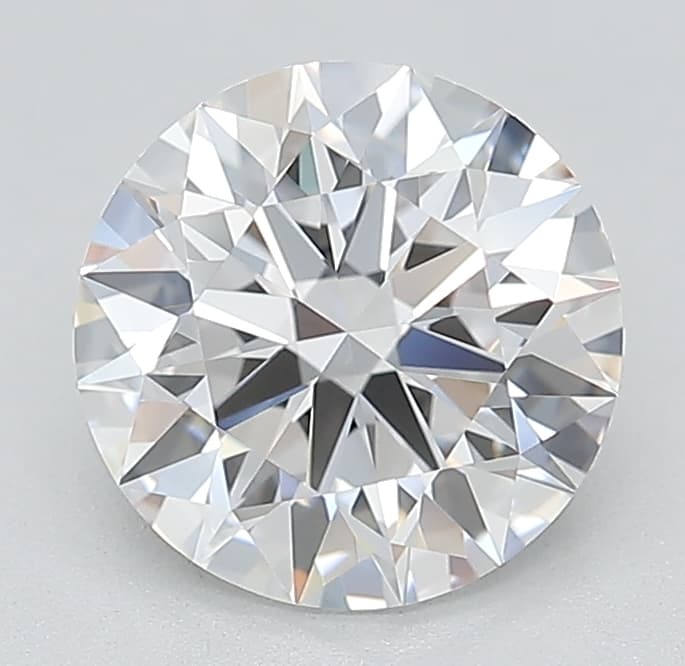
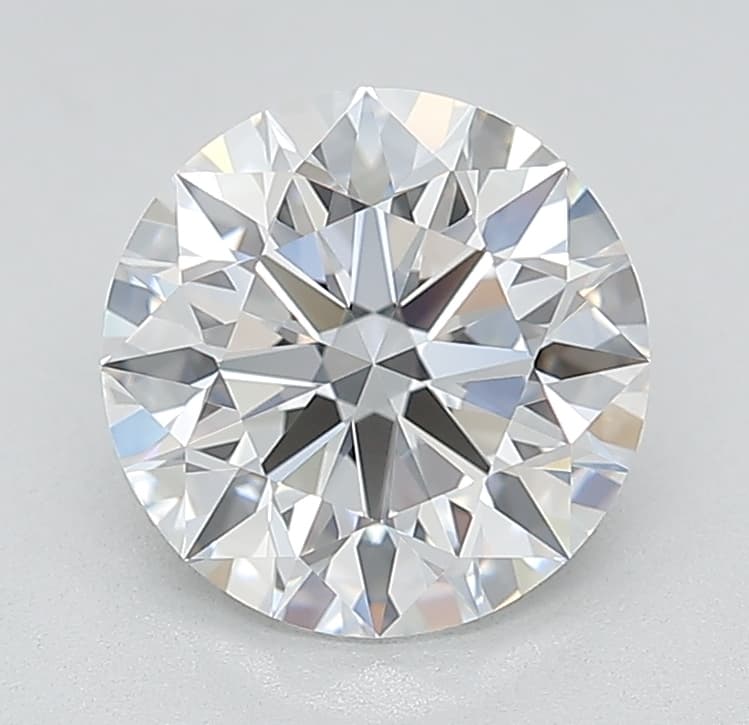
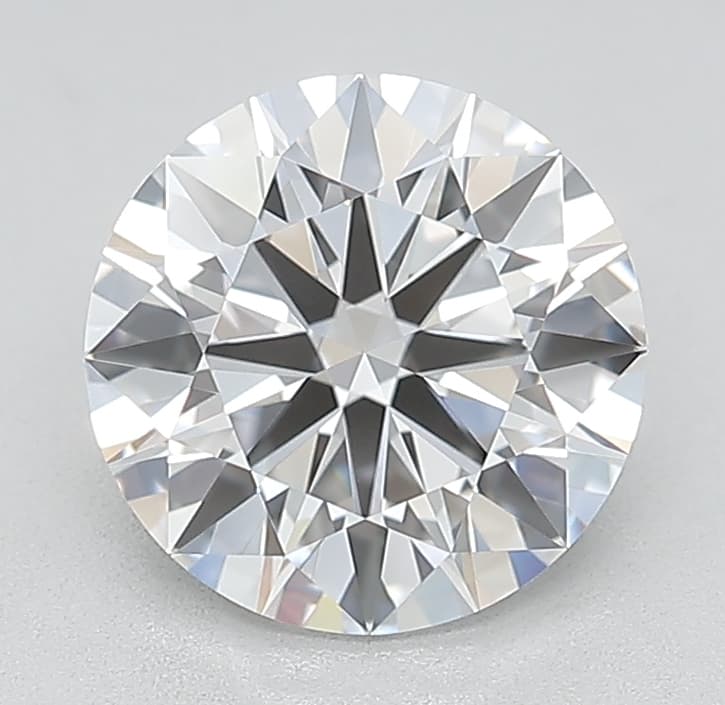
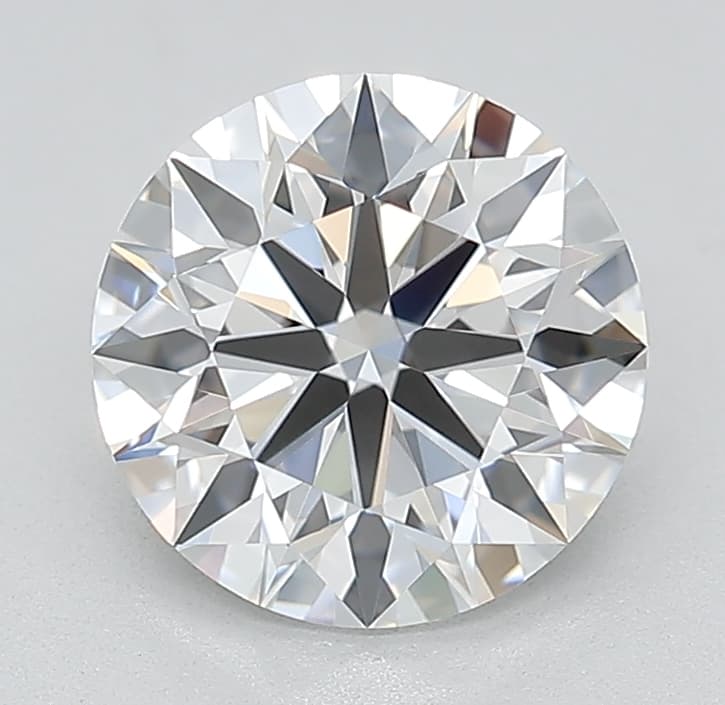
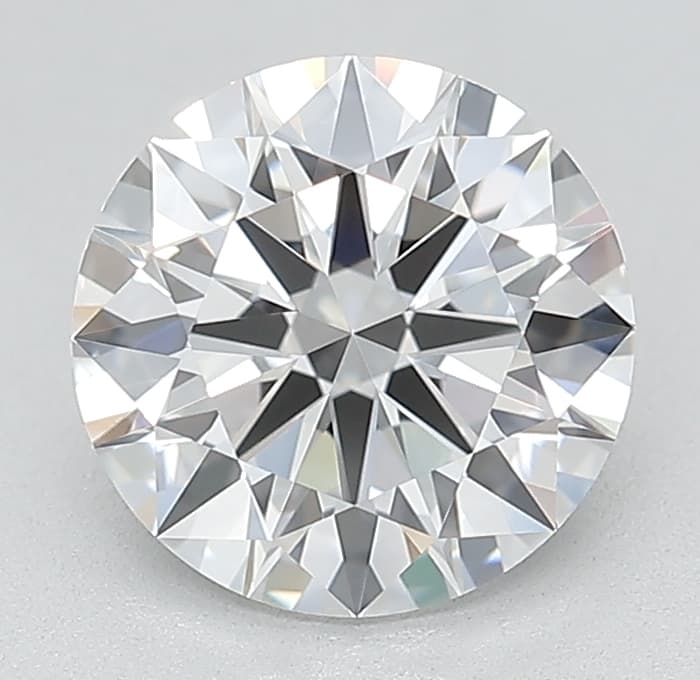
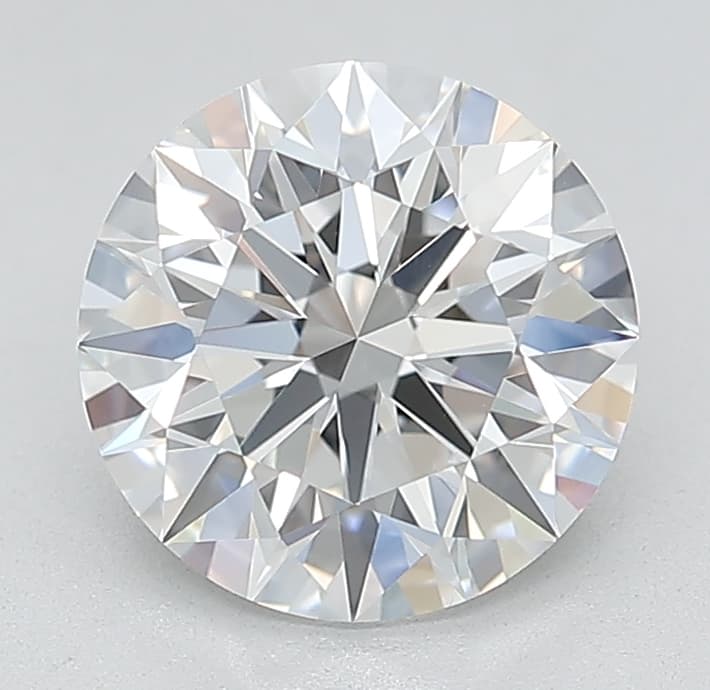
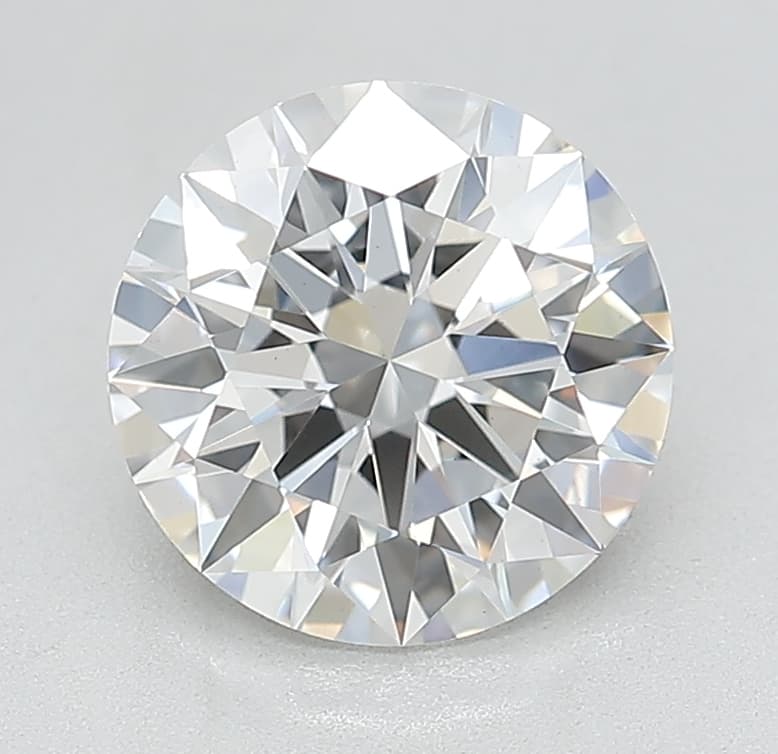
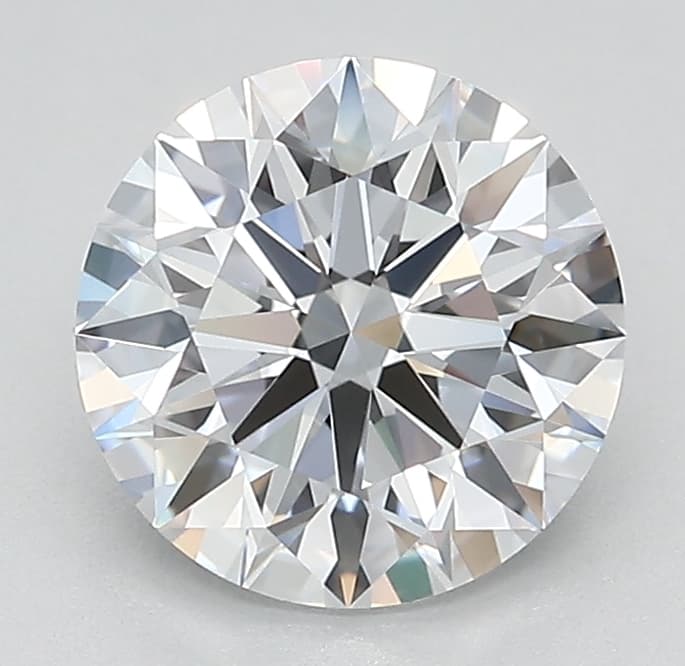
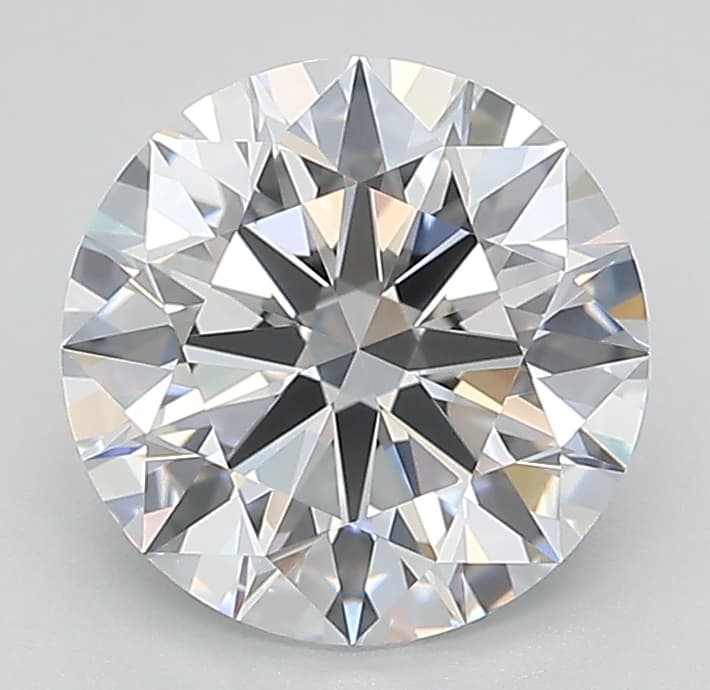
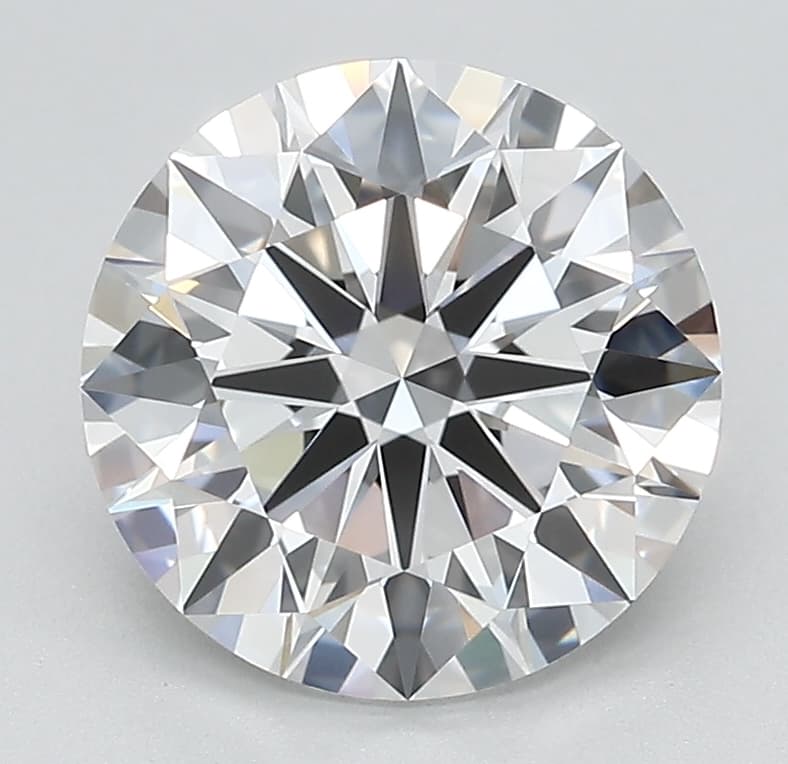
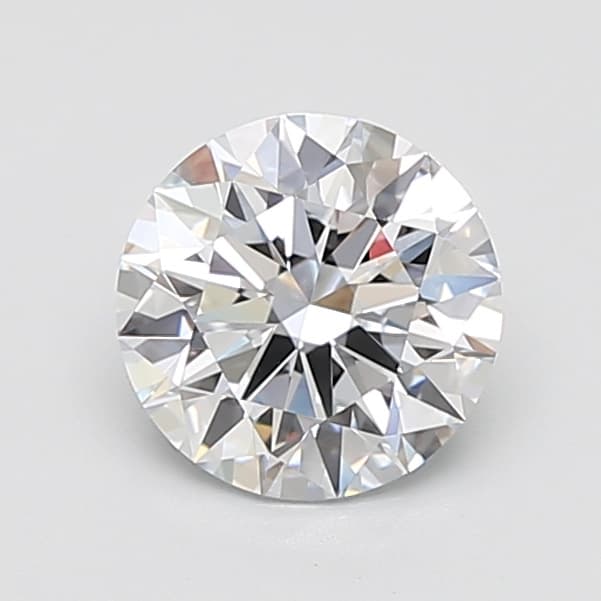
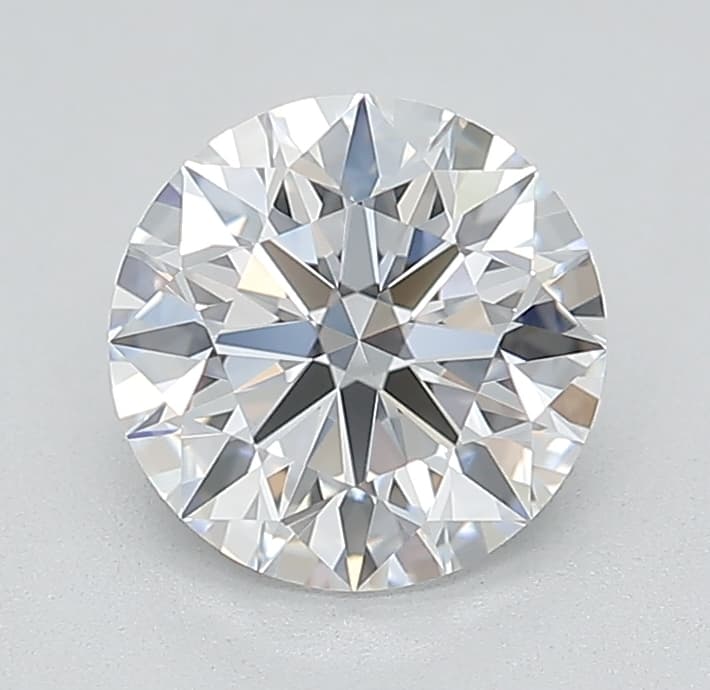
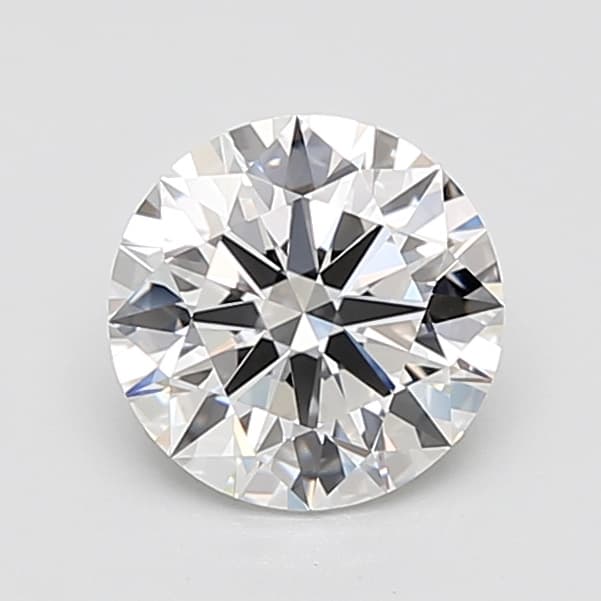
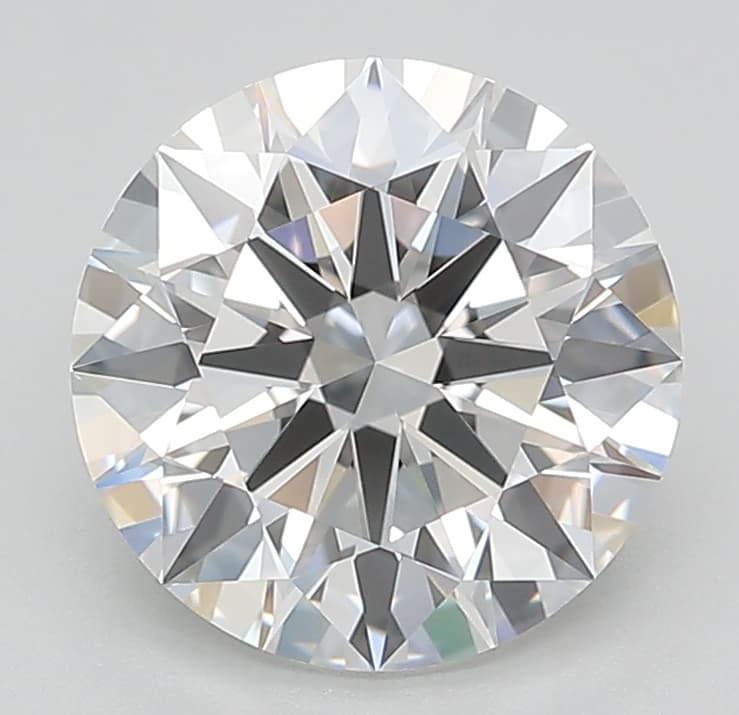
The two sets of stones below put D next to E and F in the same shape and size, so you can compare them directly. If you would like a second opinion, one of our diamond specialists can review the videos with you.
Frequently asked questions
Can you tell a D color diamond from an E or F?
Face-down, side by side against master stones, a trained grader can. Face-up and set in jewelry, most people cannot, especially in brilliant shapes such as round and oval. The difference is slightly easier to notice in large stones and step cuts.
Is F color still colorless?
Yes. D, E and F together make up the colorless group on the D-to-Z scale. G to J are near colorless.
Is a D color lab-grown diamond worth it in a yellow gold setting?
Usually not for appearance alone. Yellow and rose gold surround the stone with warm tones, which makes small color differences even harder to see. Choose D in yellow gold if you want the top grade for its own sake.
Does a GIA report show D color for a lab-grown diamond?
GIA lab-grown reports issued from October 13, 2020 to September 30, 2025 show a letter grade (earlier ones gave ranges such as “colorless”). Newer GIA reports for colorless to near-colorless lab-grown diamonds classify the stone as Premium or Standard instead, and Premium requires D color along with its other criteria. IGI reports show the letter grade.
Glossary terms in this article
More on Grading, Explained in the journal.