Buying & Care
Buying a Diamond as a Gift: A Practical Checklist
By the Vanora Diamond team
Published Last reviewed 4 min read

Quick answer
Before you choose the stone, find out three things quietly: their ring size or a ring that fits, the shapes and metals they already wear, and whether they would rather be surprised or involved. Then choose a lab-grown diamond whose IGI or GIA report you have verified yourself, read our return terms before you check out, and keep every piece of paperwork in one place.
Decide how much of a surprise it should be
A diamond gift does not have to be all or nothing. There are three common approaches, and each changes what you need to find out:
| Approach | What you need to know | What it avoids |
|---|---|---|
| A complete surprise | Ring size, shape and metal preferences | Nothing to reveal in advance |
| A loose diamond, setting chosen together | Shape and size preferences | Guessing the ring size and design |
| Choosing together | Nothing in advance | Any risk of the wrong choice |
If a ring feels like too many unknowns, a pendant or a pair of stud earrings needs no ring size at all, and a loose stone in a box can be just as memorable as a finished ring.
Finding a ring size without giving it away
A few discreet ways to find the size:
- Borrow a ring they already wear on the same finger, and measure its inside diameter in millimeters across the widest point. Put it back before it is missed.
- Trace it. If you cannot take the ring away, draw around the inside edge on paper, or press it gently into a bar of soap to keep the outline.
- Ask someone close to them, such as a friend or relative who may know their size or can find out without raising suspicion.
- Check the right finger. Fingers on the same person can differ in size, so a ring from the other hand, or another finger, is only a rough guide.
Our ring size to mm chart converts a measurement into US, UK, EU and Indian sizes. Then ask your jeweler how easily the design you choose can be resized. Some designs, such as bands set with stones all the way around, are hard or impossible to resize, so they suit a size you are sure of.
| US size | Inner diameter (mm) | Inner circumference (mm) | UK / AU | EU / ISO |
|---|---|---|---|---|
| 4 | 14.9 | 46.8 | H½ | 47 |
| 5 | 15.7 | 49.3 | J½ | 49 |
| 6 | 16.5 | 51.9 | L½ | 52 |
| 7 | 17.3 | 54.4 | N½ | 54 |
| 8 | 18.1 | 57.0 | P½ | 57 |
| 9 | 18.9 | 59.5 | R½ | 60 |
| 10 | 19.8 | 62.1 | T½ | 62 |
| 11 | 20.6 | 64.6 | V½ | 65 |
| 12 | 21.4 | 67.2 | X½ | 67 |
Reading their taste: shape, metal and style
The jewelry someone already wears is the best clue to what they will love.
- Metal: do they wear mostly yellow gold, white metals or rose gold?
- Scale: delicate, fine pieces or bold ones?
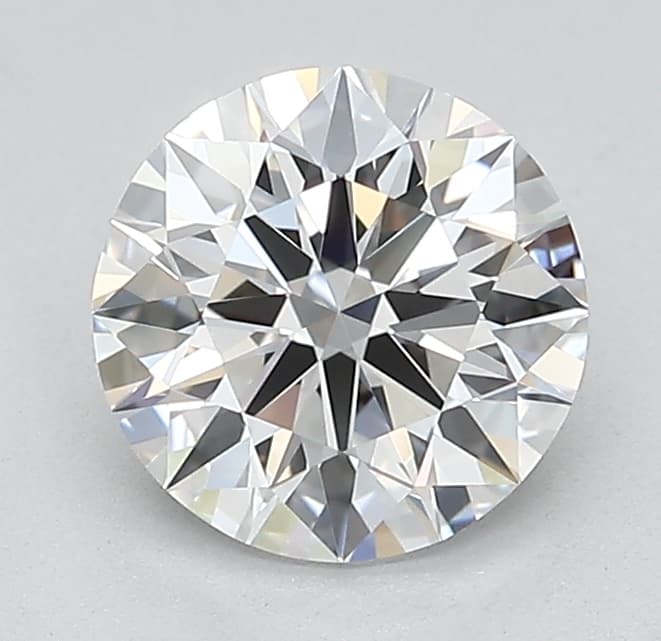
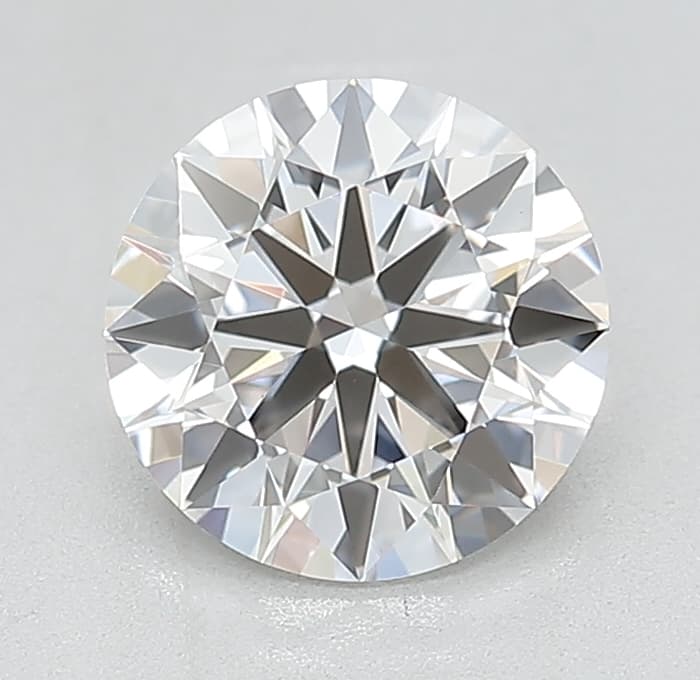
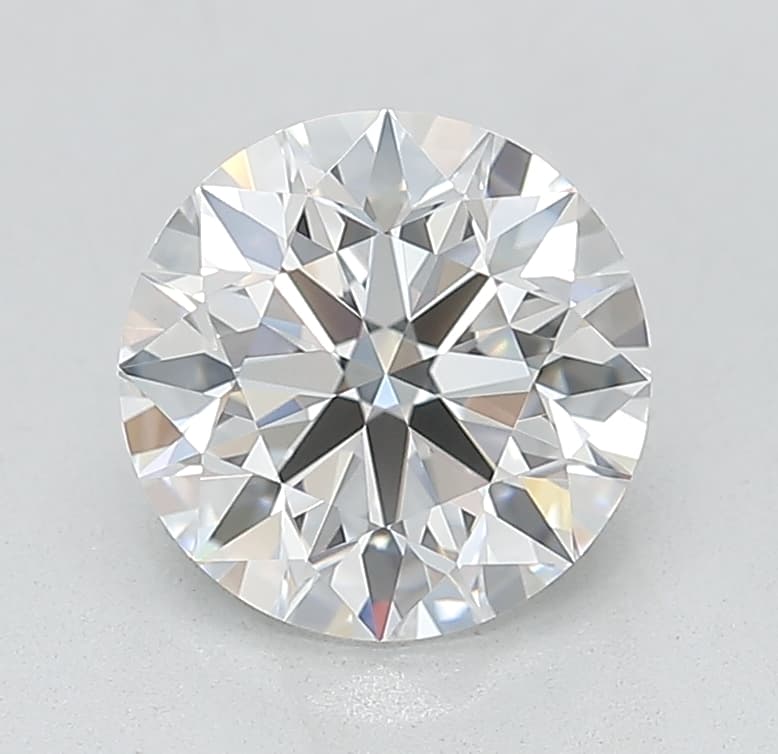
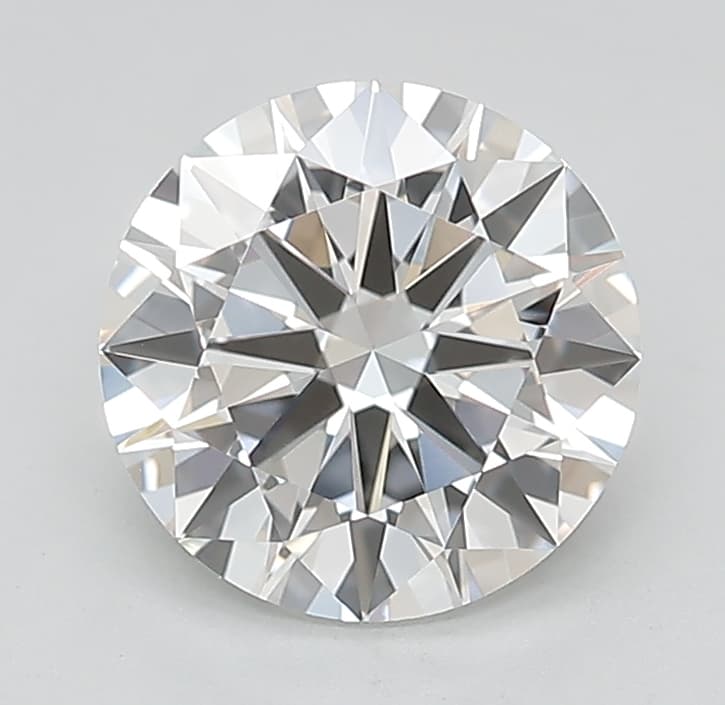
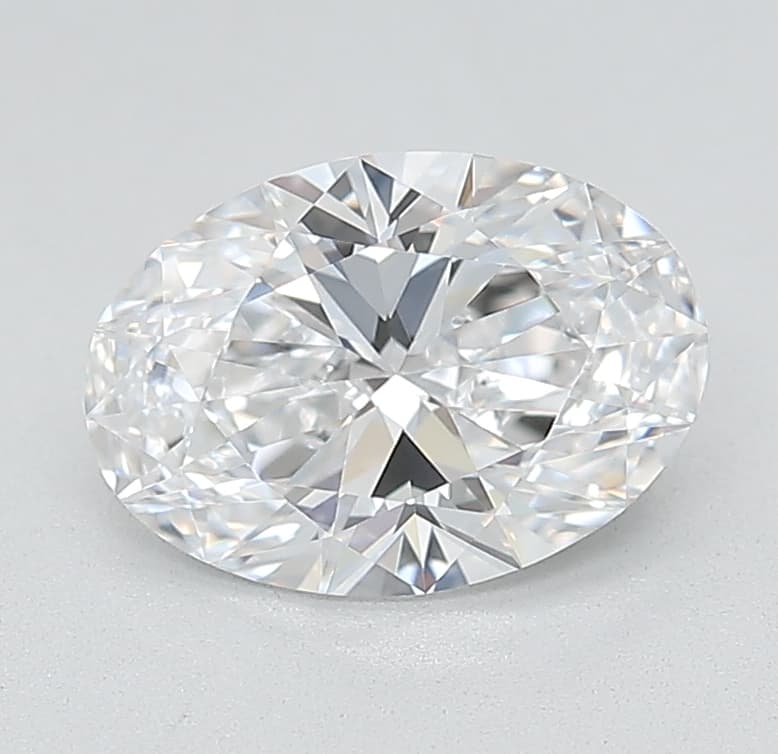
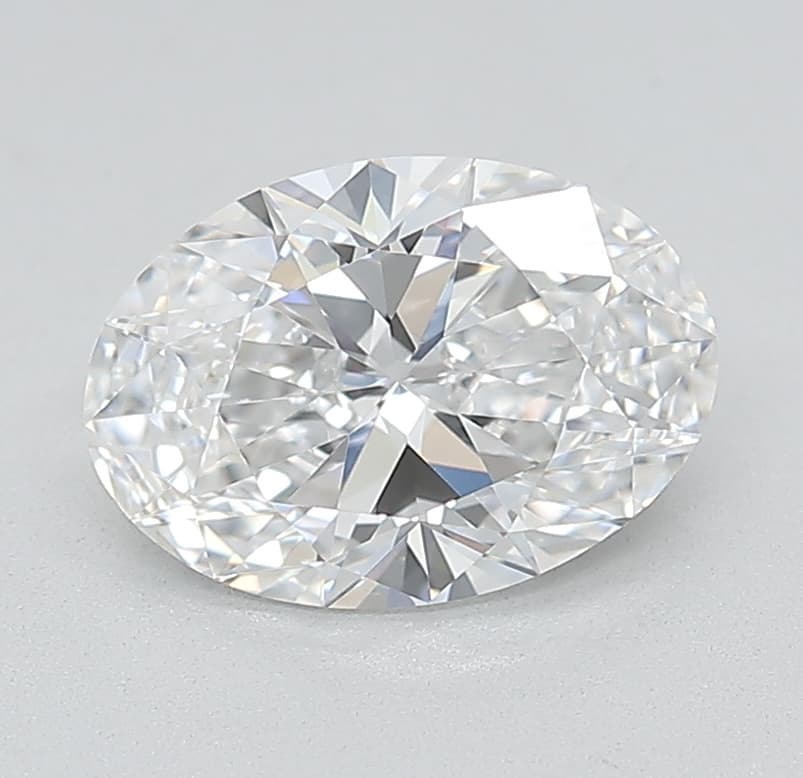
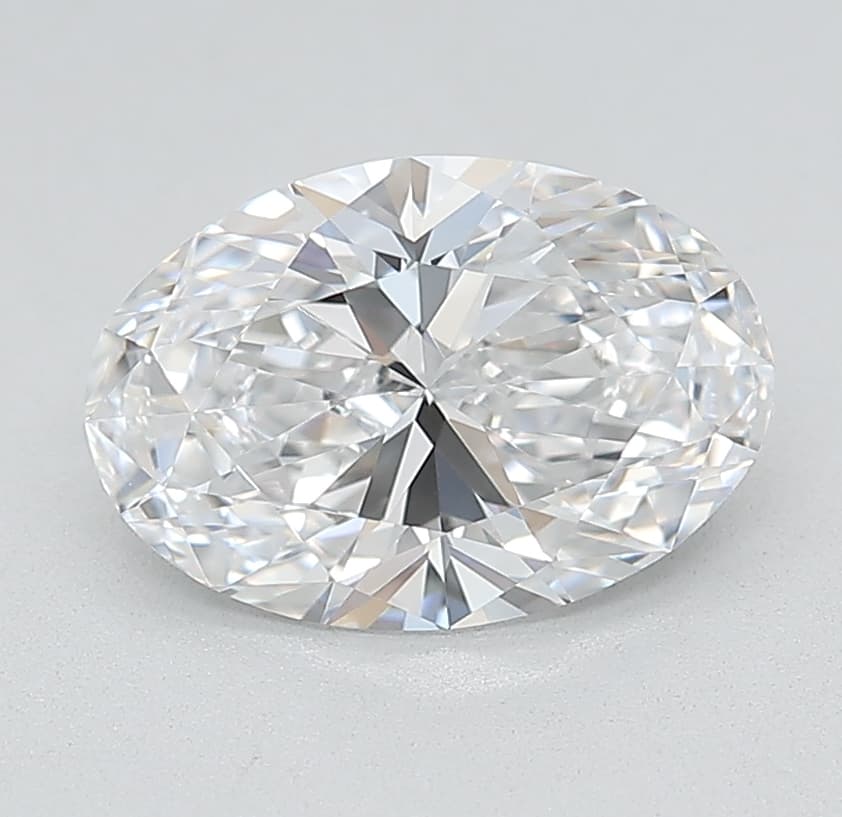
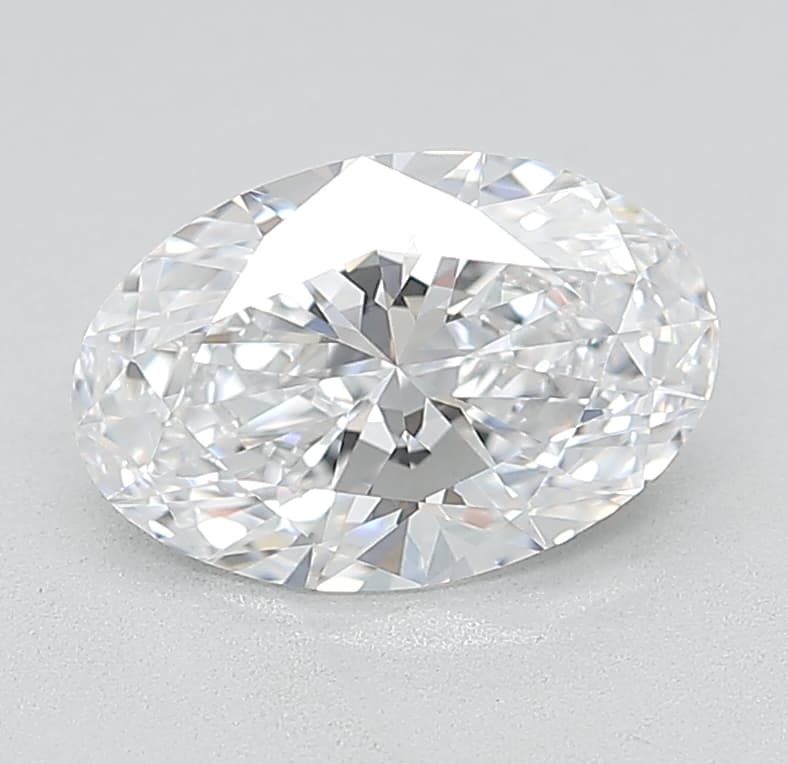
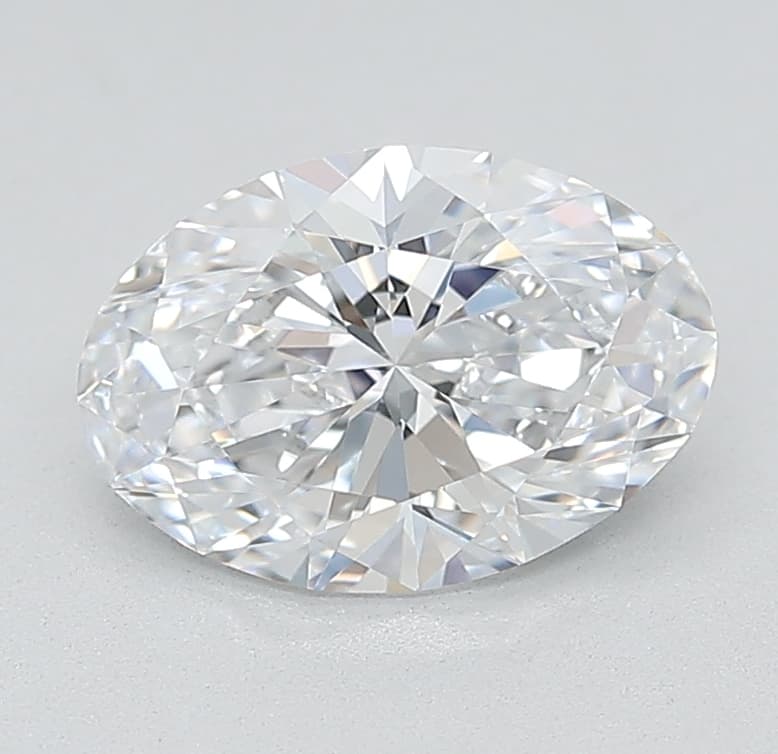
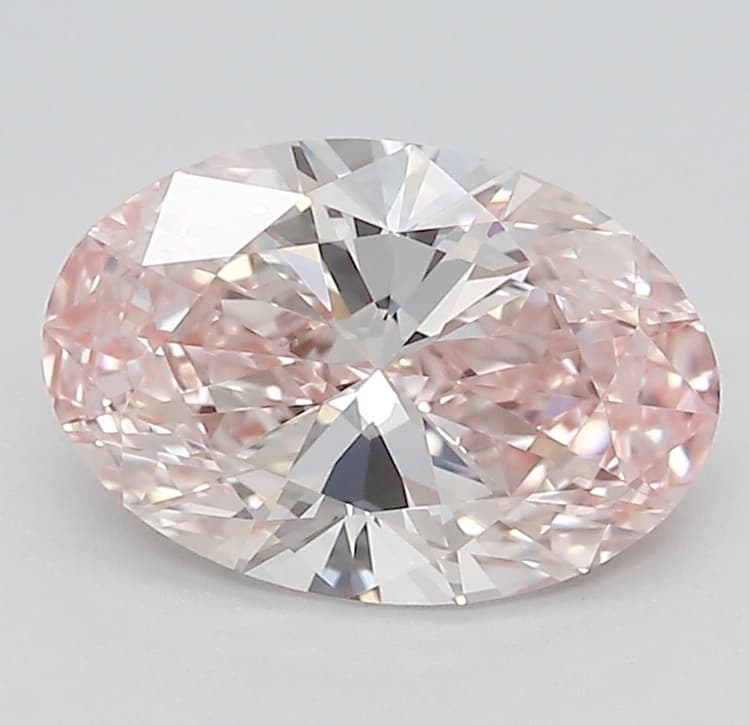
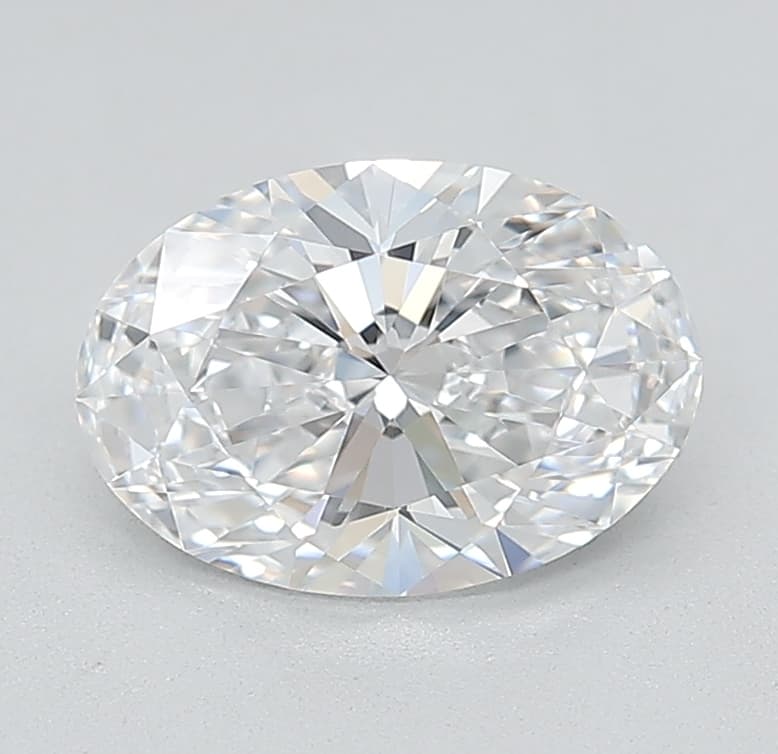
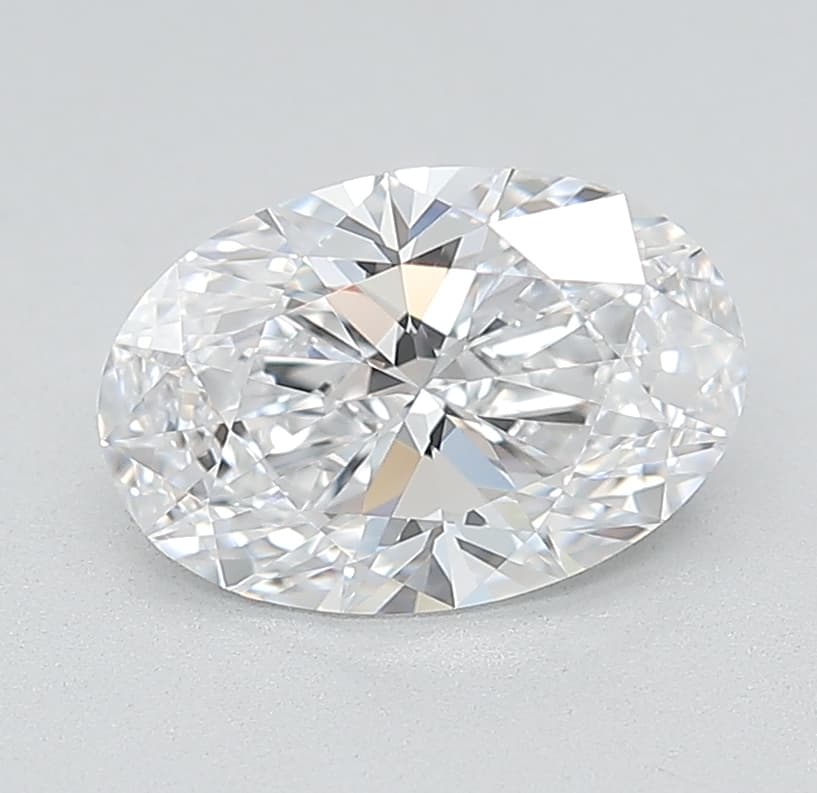
- Shape: a round is the classic choice; an oval or pear lengthens the finger; an emerald or radiant cut looks crisp and geometric; antique cuts such as old miner suit vintage tastes.
- Daily life: someone who works with their hands may prefer a lower setting and a shape without exposed points.
Listen out, too. Comments about a friend’s ring, or a piece they stopped to look at, are useful clues that do not give the game away. Our shape guides show how each outline looks and what to check.
Choosing the stone: the checklist
Once you know the shape and roughly the size, work through the stone itself:
- Cut first, because it drives brightness; see the diamond cut guide.
- Size in millimeters, not just carats; the carat weight guide shows how weight relates to size.
- Color that looks white in the metal you have chosen.
- Clarity that is eye-clean, meaning nothing visible without magnification.
- The report: IGI or GIA, verified on the lab’s own website, identifying the stone as laboratory-grown.
- The laser inscription, matching the report number.
- The video or 360° view, where available, for anything the grades do not show.
- A viewing by appointment if you want to see it first. Your cart can keep a shortlist while you decide, though it does not reserve a stone.
If you are unsure, a specialist can narrow a search for you from a few details; use our find a stone form.
- CutHow well the facets are proportioned, aligned and finished.Rounds: Ideal or Excellent to Poor
- ColorHow close a white diamond is to colorless.D (colorless) to Z
- ClarityInclusions and blemishes, judged at 10× magnification.FL to I3
- CaratWeight: one carat is 0.2 grams.To two decimals, e.g. 1.02 ct
Paperwork and terms to sort out before you buy
A gift raises questions that a purchase for yourself does not, so settle them before you commit:
- Return terms. Our returns policy explains how returns work. Read it with the gift in mind before you check out, and if the stone will be set in jewelry before it is given, ask a diamond specialist what that means for a return.
- Delivery. Decide where it should go, so it does not arrive at a shared address and spoil the surprise, and who will be there to sign. You give the delivery address at checkout, in the United States or India, and we ship the diamond free and fully insured once your order is confirmed; see our shipping policy.
- Duties and taxes. If the stone is crossing a border, ask which are included in your price.
- Insurance. Plan cover from the day it is yours; see insuring a lab-grown diamond.
Read our returns policy before you check out. If the stone will be set in jewelry before it is given, ask a diamond specialist what that means for a return.
Giving it, and what to hand over
When the moment comes, the paperwork belongs with the diamond:
- Give the grading report with the gift, or soon after. It describes the stone and states that it is laboratory-grown, and it is what an insurer or jeweler will ask for.
- Keep the invoice yourself if you would rather the price stayed private, but make sure a copy is available for insurance.
- Add a note on care: warm water, mild soap and a soft brush. Our guide to cleaning a diamond ring covers the rest.
If the gift is an engagement ring, our proposal timeline helps you work back from the date. For a first look at stones, the diamonds below are a good place to start, and a specialist is happy to help you choose.
Frequently asked questions
How can I find out someone’s ring size without asking?
Borrow a ring they wear on the same finger and measure its inside diameter, trace the inside edge on paper, or ask a close friend or relative. Then check with your jeweler how easily the design you choose can be resized.
What if they would prefer a different shape?
Read our returns policy before you check out, and ask a diamond specialist about anything it does not answer. If you are unsure of their taste, consider giving a loose diamond and choosing the setting together, or choosing the stone together.
Should I give the grading report with the gift?
Yes, with the gift or soon after. The IGI or GIA report describes the stone and states that it is laboratory-grown, and an insurer or jeweler will ask for it. You can keep the invoice separately if you prefer.
Is a loose diamond a good gift?
It can be. A loose stone avoids guessing the ring size and setting, and lets the two of you design the piece together. Present it in a box with its grading report.
Glossary terms in this article
More on Buying & Care in the journal.