Shapes & Cuts
How to Choose a Diamond Shape: A Simple Step-by-Step Guide
By the Vanora Diamond team
Published Last reviewed 5 min read

Quick answer
Choose a diamond shape by starting with the look you love, then checking a few practical points: how big the shape looks for its weight, how well its points or corners stand up to daily wear, how much color and clarity it shows, and which settings suit it. Rounds give the most sparkle, elongated shapes make the finger look longer, and step cuts give clean lines. There is no wrong answer, only trade-offs worth knowing.
Start with the look, not the rules
The shape is the outline of the diamond seen from above, and it shapes the whole character of a ring more than any grade on the report. So begin with what you are drawn to, before budgets and percentages.
Most shapes fall into three broad looks:
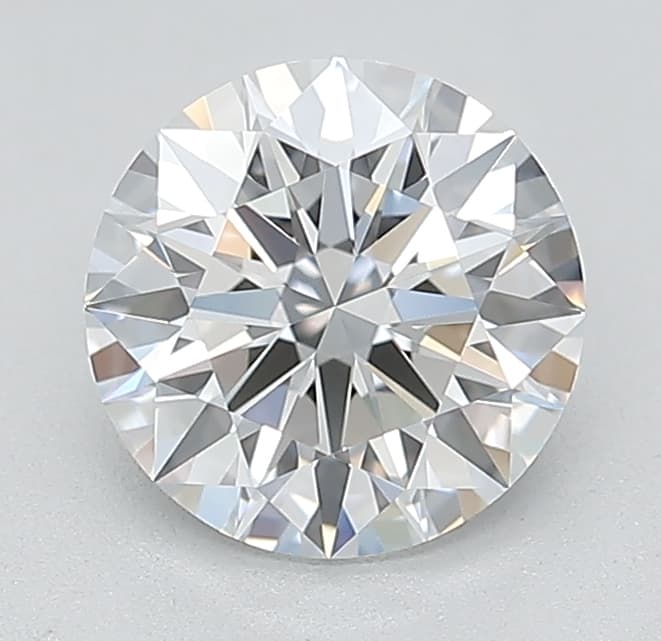
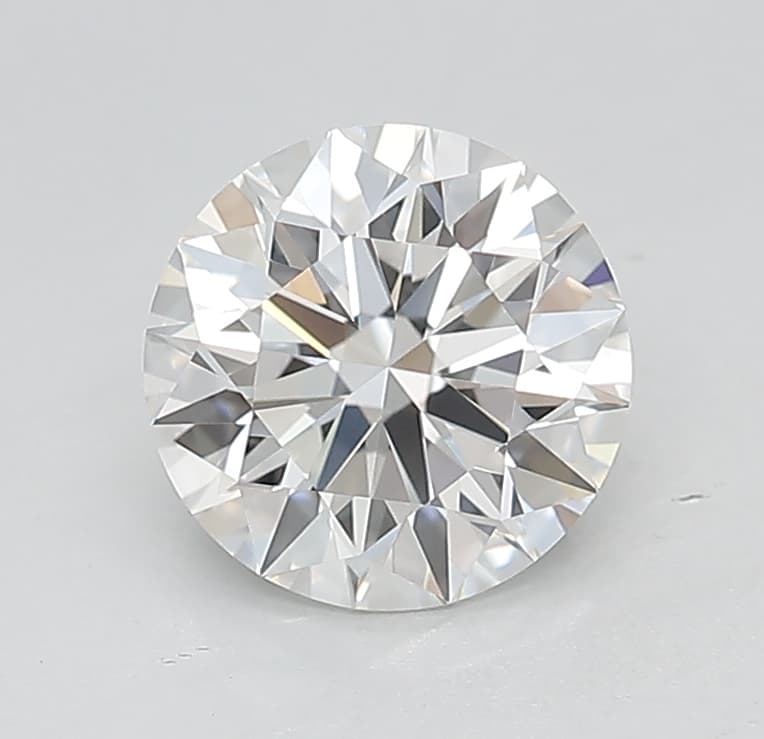
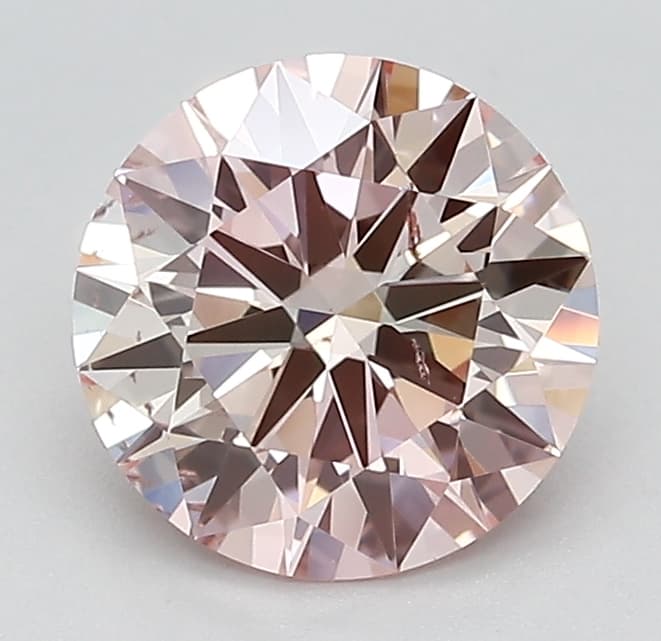
- Classic sparkle. The round brilliant returns light most evenly and is the most familiar choice. Rounds and near-round shapes read as timeless.
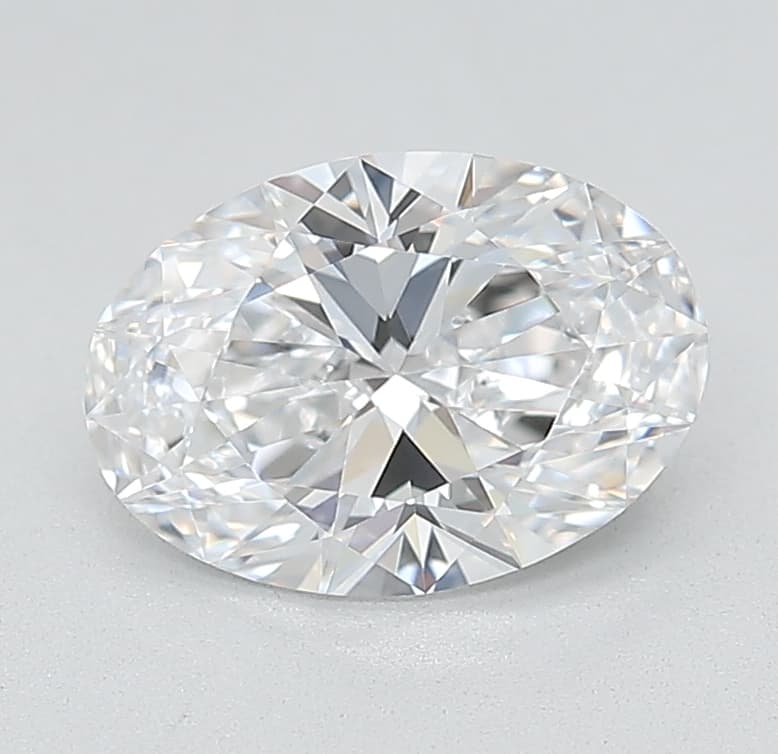
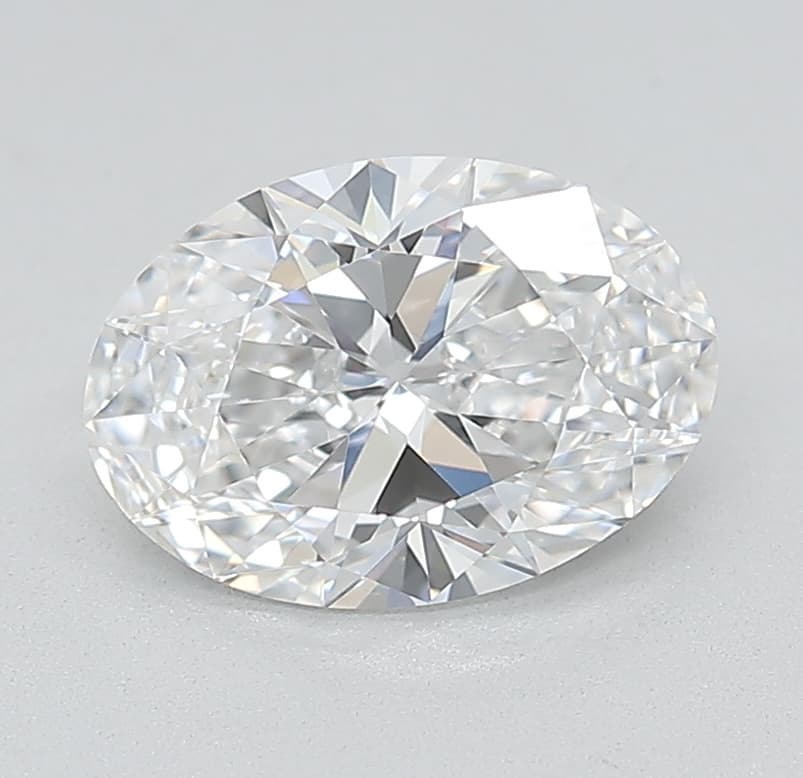
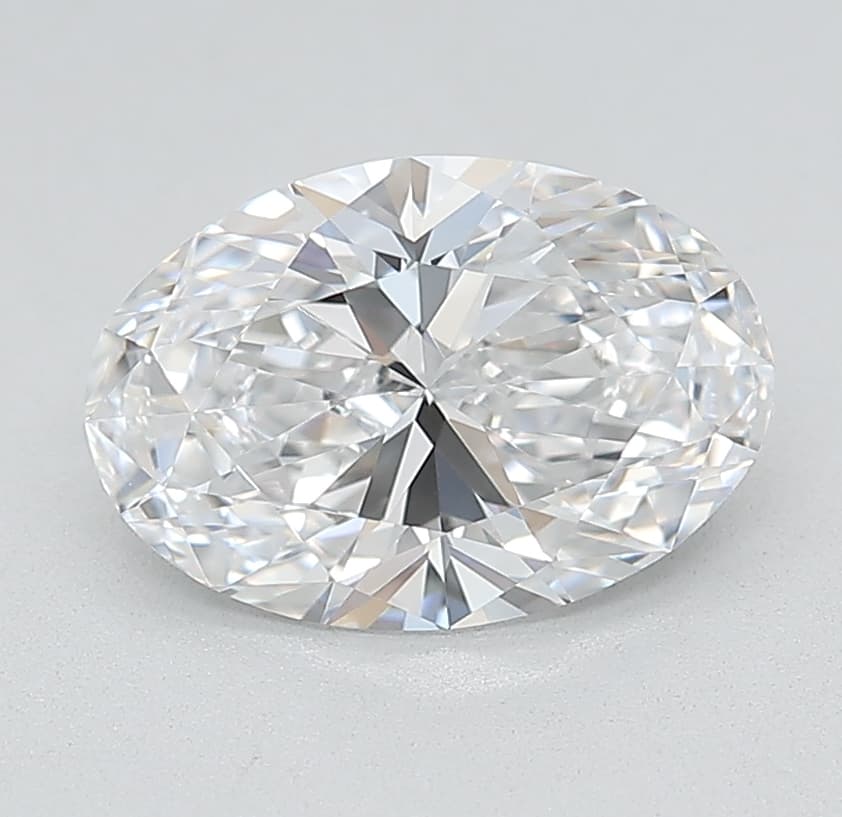
- Long and graceful. Oval, pear, marquise and elongated cushions and radiants stretch along the finger and tend to make it look longer and slimmer.
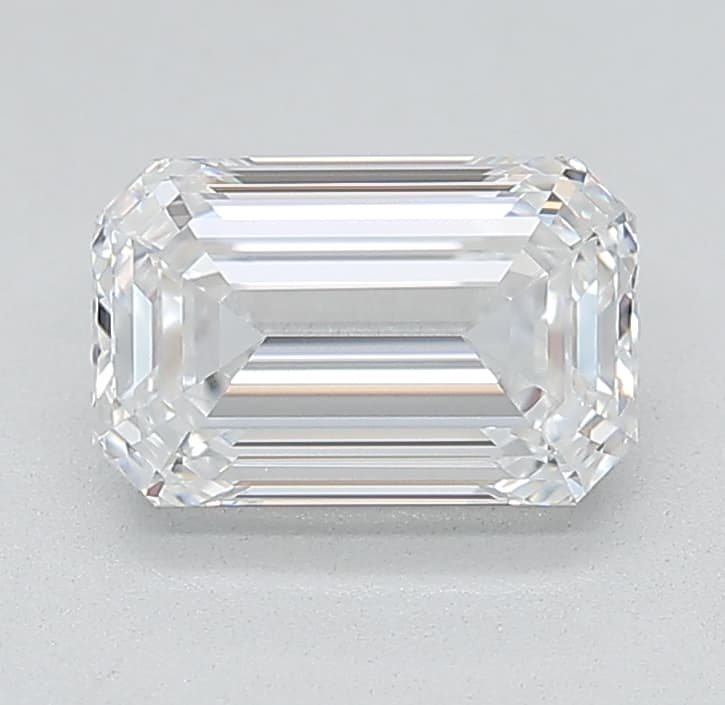
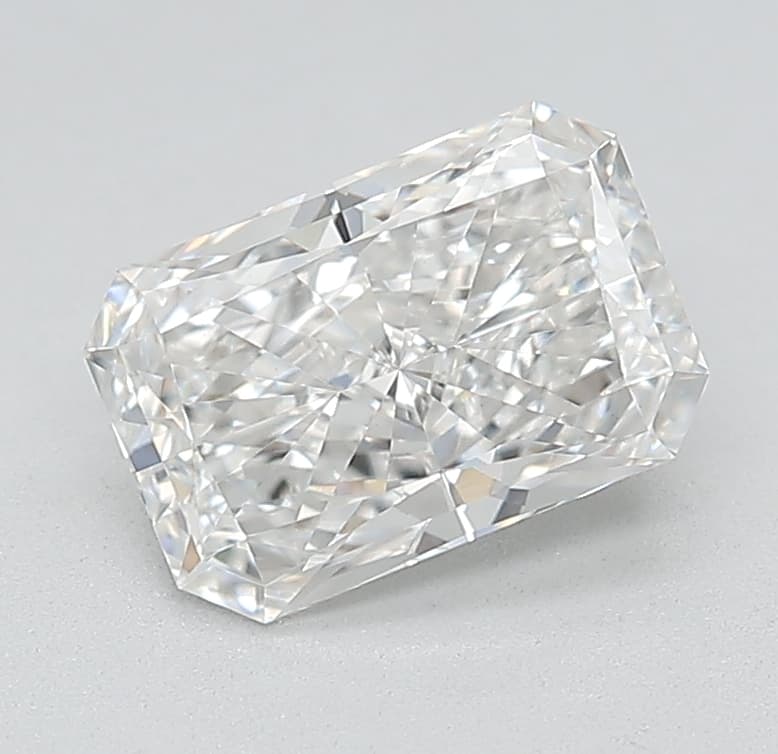
- Clean lines. Emerald and asscher cuts are step cuts, with long, straight facets and a calm, mirror-like look. Princess and radiant cuts bring straight edges with brilliant sparkle.
Look at photos of rings you like, and notice which outline keeps catching your eye. That is usually the answer. Our shape guides describe each one in turn.
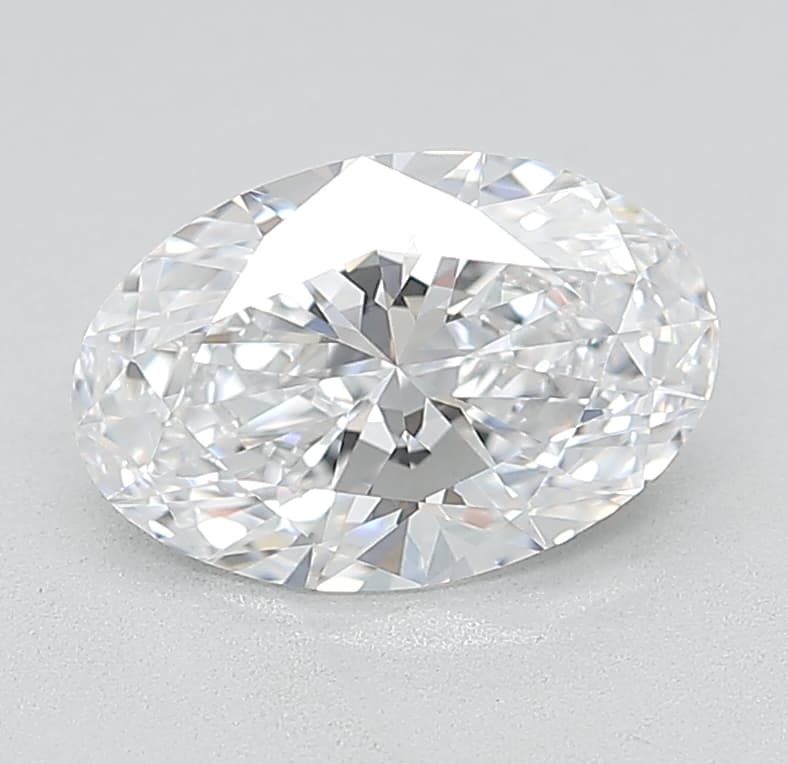
- Typical L/WAbout 1.00
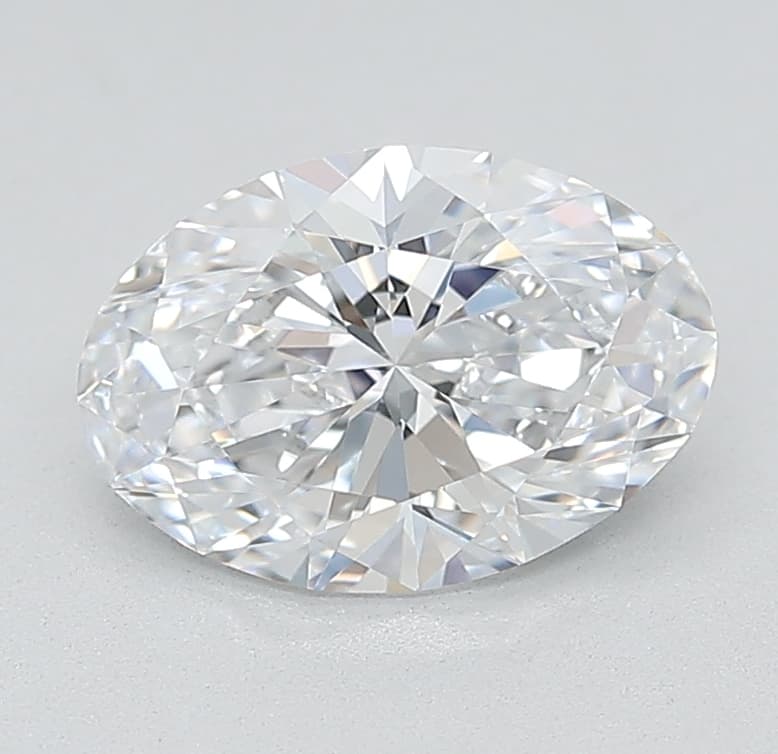
- Typical L/W1.30–1.50
- Typical L/W1.00–1.05 square1.10–1.30 elongated
- Typical L/W1.30–1.50
- Typical L/W1.00–1.05 square1.20–1.40 rectangular
- Typical L/W1.45–1.75
- Typical L/W1.00–1.05
- Typical L/W1.75–2.25
Think about the hand that will wear it
A shape that looks lovely in a photo can look different on a real hand. A few simple observations help:
- Elongated shapes lengthen the finger. An oval, pear or marquise placed north to south draws the eye along the finger, which many people like on shorter fingers or wider hands.
- Round and square shapes look compact. They sit as a bright point on the finger and suit almost anyone, especially on slimmer fingers where a long stone can look oversized.
- The ratio changes the feel. The length-to-width ratio tells you how slim an elongated stone is; our post on ratio by shape gives the usual ranges.
If you can, try on rings of different shapes, even inexpensive ones, before deciding. Our post on diamond size and finger size explains how the same stone looks on different fingers.
Check the practical points for each shape
Once you have a favorite or two, a few practical points help you choose between them.
Size for the weight. Shapes spread their weight differently. Elongated shapes such as oval, marquise and pear tend to look larger face-up than a round of the same carat weight, while compact, deeper shapes such as asscher and cushion can look a little smaller. Our post on which shape looks biggest compares them.
Points and corners. Pointed tips (pear, marquise, heart) and sharp corners (princess) are the parts most likely to chip, so they are best protected by a V-prong or a bezel. Shapes with rounded or cropped corners are more forgiving.
Color and clarity. Brilliant styles such as round, oval and cushion hide faint color and small inclusions well. Step cuts show both more openly, and elongated shapes can show a little more color at the tips, so those shapes often call for a higher grade.
Settings. Some shapes suit particular settings: east-west for ovals and emeralds, bezels for pointed shapes, three-stone layouts for many. Your jeweler can tell you what works with the exact stone.
A quick reference by shape
| Shape | Look | Keep in mind |
|---|---|---|
| Round | Most sparkle, classic | Often priced higher per carat; compare individual stones |
| Oval | Long, soft, bright | Check the bow-tie in the video |
| Cushion | Soft corners, romantic | Chunky or crushed-ice faceting; compare size in millimeters |
| Emerald | Clean lines, long flashes | Shows clarity and color openly |
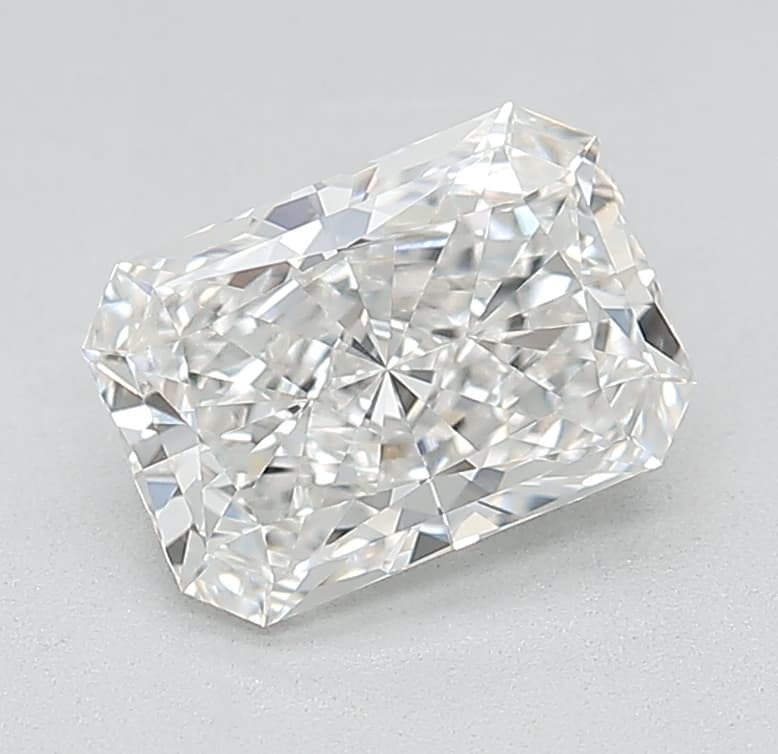
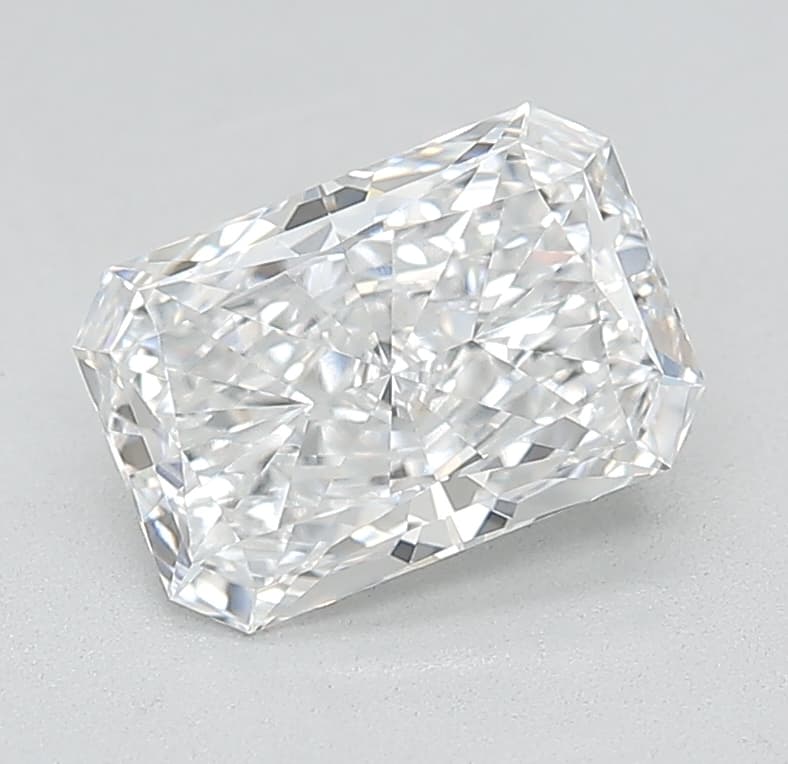
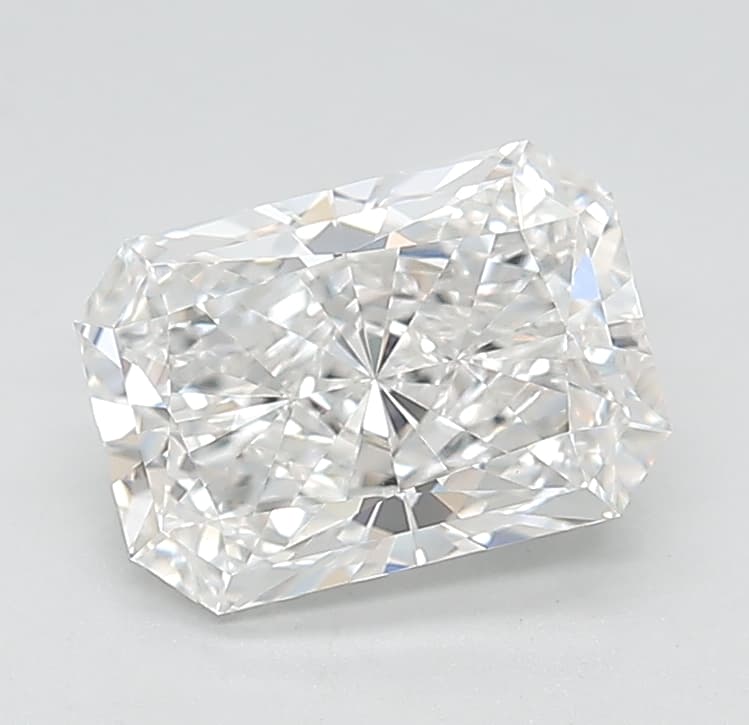
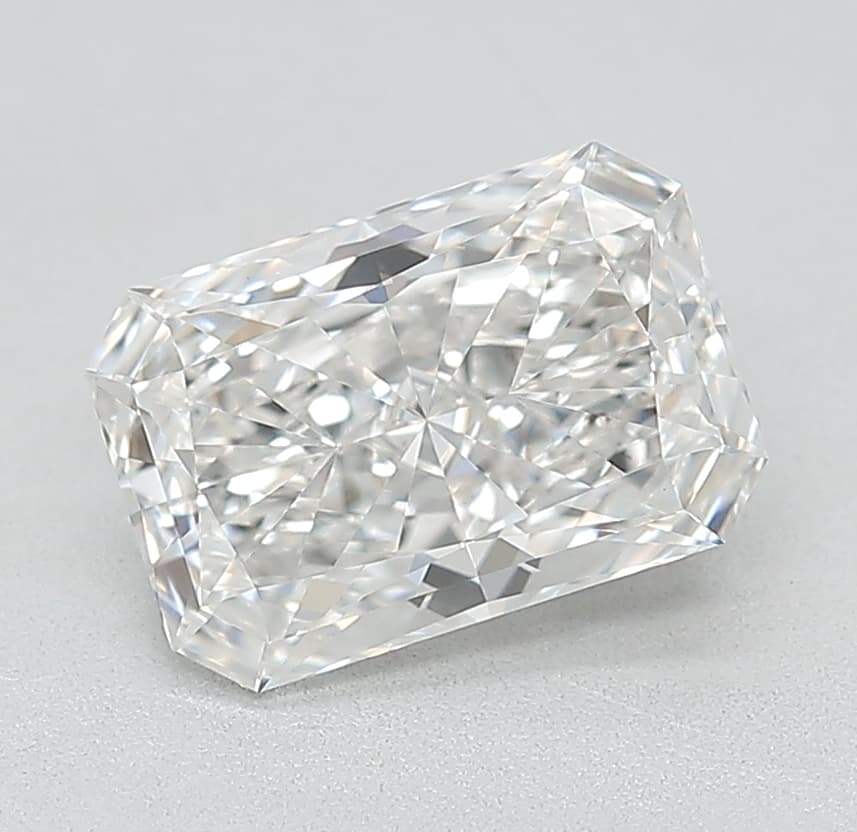
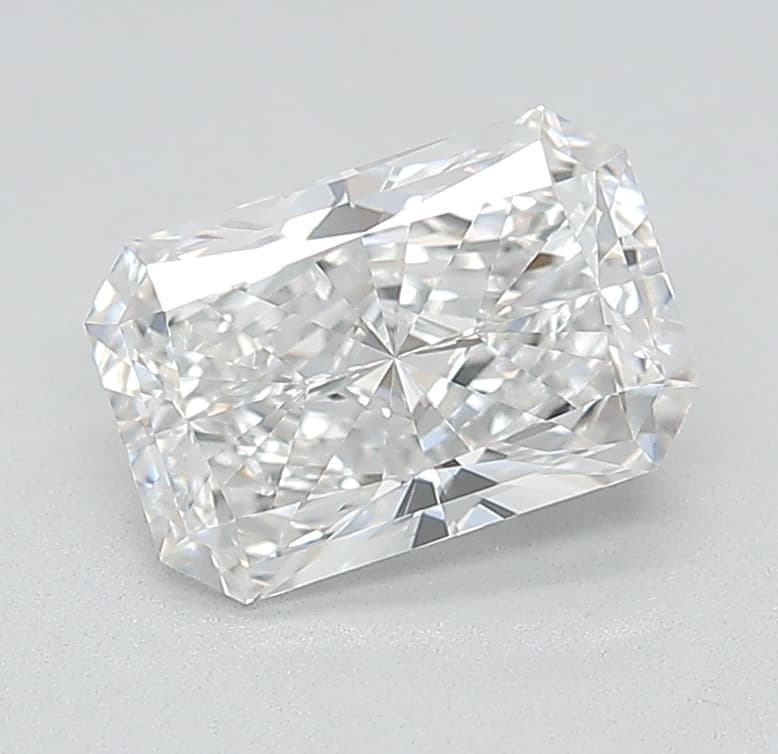
| Radiant | Straight sides with sparkle | Often cut deep; compare size in millimeters |
| Pear | Teardrop, elegant | Protect the point; check symmetry |
| Princess | Square, crisp | Protect the four sharp corners |
| Marquise | Long, dramatic | Protect both points; check the bow-tie |
These are common characteristics, not rules. A well-cut stone of any shape can be beautiful, and a poorly cut one disappointing, which is why the video matters so much. Our post on the bow-tie effect explains the dark band some elongated shapes show.
Then set your budget and grades
With a shape chosen, the rest of the decision becomes easier, because the right grades depend on the shape:
- Cut quality first. For a round, look at the cut grade; for other shapes, look at any cut grade on the report, the proportions and the video. Our post on judging cut in fancy shapes lists what to check.
- Color for the shape and metal. Step cuts and elongated shapes may call for a higher color; rounds are more forgiving.
- Clarity to the eye-clean point. Brilliant styles can look clean at lower clarity grades than step cuts.
- Carat last. Choose the size that fits your budget once the look is right.
Our 4Cs guide explains each grade if you are starting from scratch.
- Step 1: Pick the look you loveClassic sparkle, long and graceful, or clean lines.
- Step 2: Think about the handElongated shapes lengthen the finger; round and square shapes look compact.
- Step 3: Check durabilityPoints and sharp corners need protective prongs or a bezel.
- Step 4: Match grades to the shapeStep cuts and elongated shapes may need higher color and clarity.
- Step 5: Compare actual stonesWatch the videos and compare measurements in millimeters, not just carats.
Common mistakes when choosing a shape
A few habits lead buyers away from the shape they would have loved:
- Choosing by carat weight alone. Two shapes of the same weight can look quite different in size. Compare the millimeter measurements instead.
- Ignoring the ratio. An oval at 1.30 and one at 1.50 are both ovals, but they look different on the hand. Decide which proportion you like before you compare grades.
- Following a trend over your own taste. Shapes go in and out of fashion. A ring is worn for years, so the outline you are drawn to again and again is a safer guide than what is popular this season.
- Forgetting daily life. If you work with your hands, a shape with protected corners, or a lower or bezel setting, may suit you better than an exposed point.
- Forgetting the band. If you plan to wear a wedding band beside the ring, ask your jeweler how the shape and setting will sit next to it.
Compare actual stones before you decide
Descriptions only go so far. Shortlist a few stones in your chosen shape, and perhaps one in a second shape you are curious about, and watch their 360° videos side by side. Look for even brightness across the face, a clean look to the eye and an outline you like.
Browse all lab-grown diamonds and filter by shape, or ask one of our diamond specialists to put together a shortlist in two shapes so you can compare them in the same lighting.
If you are torn between two shapes, compare one stone of each at a similar size and price. Seeing them in the same lighting usually settles the choice faster than any guide.
Frequently asked questions
What is the most popular diamond shape?
The round brilliant is still the most chosen shape for engagement rings, with the oval close behind: in The Knot’s 2026 Real Weddings Study, as reported by National Jeweler, rounds made up 26% of the stones couples chose and ovals 25%. Rounds return light very evenly and suit almost any setting. Cushions, emeralds and pears are also popular. The best shape for you is the one you love on your own hand.
Which diamond shape looks biggest for its carat weight?
Elongated shapes such as marquise, oval and pear usually look larger face-up than a round of the same weight, because more of their weight is spread across the top. Deeper, compact shapes such as asscher and many cushions can look a little smaller. Compare measurements in millimeters to be sure.
Which diamond shape is the most durable?
All diamonds are equally hard, but shapes without sharp points or corners are less likely to chip. Round, oval and cushion shapes, and shapes with cropped corners such as emerald and asscher, are the most forgiving. Pear, marquise, heart and princess cuts need their points protected by the setting.
Which diamond shape makes fingers look longer?
Elongated shapes set north to south, such as oval, pear, marquise, elongated cushion and emerald cuts, draw the eye along the finger and tend to make it look longer and slimmer. The higher the length-to-width ratio, the stronger the effect.
Glossary terms in this article
More on Shapes & Cuts in the journal.