Shapes & Cuts
Length-to-Width Ratio by Shape: One Number, Every Outline
By the Vanora Diamond team
Published Last reviewed 5 min read

Quick answer
The length-to-width ratio is the diamond’s length divided by its width, both taken from the stone’s measurements: 9.00 × 6.00 mm gives a ratio of 1.50. It decides how long and slim, or short and full, a shape looks, and each shape has its own typical range, from about 1.00 for rounds and square shapes to around 2.00 for marquises. Choose the ratio for the look you want before comparing color and clarity.
How the ratio is calculated
An IGI grading report lists the diamond's measurements in millimeters, usually as length × width × depth (GIA’s assessment for laboratory-grown diamonds, issued since October 2025, does not). The length-to-width ratio uses the first two numbers:
Ratio = length ÷ width
A pear measuring 10.40 × 6.50 × 3.95 mm has a ratio of 10.40 ÷ 6.50 = 1.60. A square cushion measuring 7.10 × 7.00 mm has a ratio of about 1.01. A ratio of exactly 1.00 means the outline is as wide as it is long.
For round diamonds the report gives two diameters instead (for example 8.12 – 8.15 mm), and the ratio is always close to 1.00, so it rarely matters. For every other shape, the ratio is one of the most useful numbers on the report, because it tells you the outline before you see a photo. Our stone pages show it on its own line, next to the measurements.
What the ratio changes
At the same carat weight, a higher ratio moves the outline from width into length. The stone looks longer and slimmer, and on a ring it runs further along the finger, which many people find flattering. A lower ratio gives a fuller, softer outline that covers more of the finger's width.
Small differences in ratio show more than you might expect. A 1.40 and a 1.42 oval look the same; a 1.35 and a 1.55 look like different stones. The eye reads the outline, not the carat weight, which is why two stones with identical grades can look quite different on the hand.
The ratio also affects how big a stone looks. Elongated shapes spread their weight over a longer outline, so they often look larger face-up than a round of the same weight. The diagram below draws a round, an oval, a pear and a marquise at 2 carats, using the median measurements of the stones we list.
| Shape | Stones | Median length (mm) | Median width (mm) |
|---|---|---|---|
| Round | 17 | 8.20 | 8.26 |
| Oval | 14 | 10.68 | 7.21 |
| Pear | 29 | 11.57 | 7.12 |
| Marquise | 9 | 13.22 | 6.72 |
Typical ratios for each shape
These are common guidelines, not rules from the labs. They are compiled from widely published trade guidelines, and sources vary. The boundaries are soft, and plenty of beautiful stones sit just outside them.
| Shape | Typical ratio | What changes across the range |
|---|---|---|
| Oval | 1.30–1.50 | From full and soft to long and elegant |
| Pear | 1.45–1.75 | From a short, rounded teardrop to a slim, elongated one |
| Marquise | 1.75–2.25 | From a fuller boat shape to a long, narrow one |
| Emerald | 1.30–1.50 | From a near-square rectangle to a long, slim one |
| Radiant | 1.00–1.05 square, 1.20–1.40 rectangular | Square or clearly rectangular |
| Cushion | 1.00–1.05 square, 1.10–1.30 elongated | Square pillow or a longer cushion |
| Heart | 0.90–1.10 | Wider or taller lobes |
| Princess and asscher | 1.00–1.05 | Square shapes: aim close to 1.00 |
The heart is the one shape where the ratio can go below 1.00, because it is measured from the top of the lobes to the point and some hearts are wider than they are long.
- Typical L/W1.30–1.50
- Typical L/W1.45–1.75
- Typical L/W1.75–2.25
- Typical L/W1.30–1.50
- Typical L/W1.00–1.05 square1.20–1.40 rectangular
- Typical L/W1.00–1.05 square1.10–1.30 elongated
Worked examples from real-looking measurements
A few examples show how quickly the ratio tells you what to expect. The measurements below are illustrations, not specific stones:
| Shape | Measurements | Ratio | What to expect |
|---|---|---|---|
| Oval | 9.80 × 7.00 mm | 1.40 | A balanced, classic oval |
| Oval | 10.90 × 6.90 mm | 1.58 | Longer and slimmer than most |
| Pear | 10.40 × 6.50 mm | 1.60 | A classic teardrop |
| Marquise | 12.60 × 6.30 mm | 2.00 | A traditional marquise |
| Emerald | 8.70 × 6.00 mm | 1.45 | A classic rectangle |
| Radiant | 7.40 × 7.20 mm | 1.03 | Reads as square |
Notice that both ovals have a similar width, under 7.1 mm, but one is over a millimeter longer. That extra length is what you see on the hand. Notice too that the ratio says nothing about depth or quality: a stone can have the perfect ratio and still be cut too deep or show a strong bow-tie, so the ratio is a first filter, not the whole answer.
Square shapes: why close to 1.00 matters
For shapes meant to be square, such as the princess, asscher, square cushion and square radiant, the goal is a ratio close to 1.00. A princess at 1.08 will look slightly rectangular, and once set next to a straight band or in a halo the difference can be easy to see.
If you want a square look, keep these shapes at about 1.00 to 1.05. If you would like a softly rectangular look instead, an elongated cushion or a rectangular radiant is designed for it, and it will look intentional rather than slightly off-square.
How to choose a ratio for you
There is no best ratio, only the one that suits your taste and your hand. A few pointers:
- Finger shape. Longer ratios elongate the finger. Fuller ratios cover more of its width. Our ring size to mm guide helps you picture the stone's width against your finger.
- Setting direction. For an east-west setting, a slimmer stone makes a bolder line across the finger.
- Matching pairs. For earrings or a toi et moi ring, keep both stones within a few hundredths of each other.
- The bow-tie. Elongated brilliants show some bow-tie, and while ratio plays a part, cut quality matters as much. Check it in the video at any ratio.
If you are choosing an oval, our oval ratio guide goes into detail on finger coverage and settings.
Two stones with identical grades can look like different shapes if their ratios differ. Decide the outline you want first, then compare color, clarity and price within that ratio range.
Using the ratio filter
Search lets you filter by shape and then by ratio, so you only see outlines you like. Pick the shape, set a ratio range such as 1.55 to 1.70 for a classic pear, and add your carat range. Then open a few stone pages and compare their photos and videos side by side.
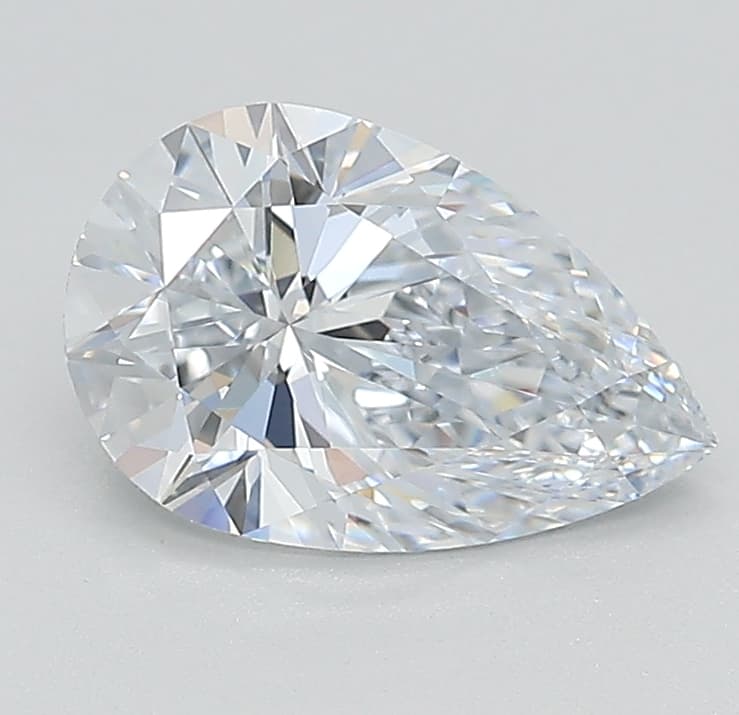
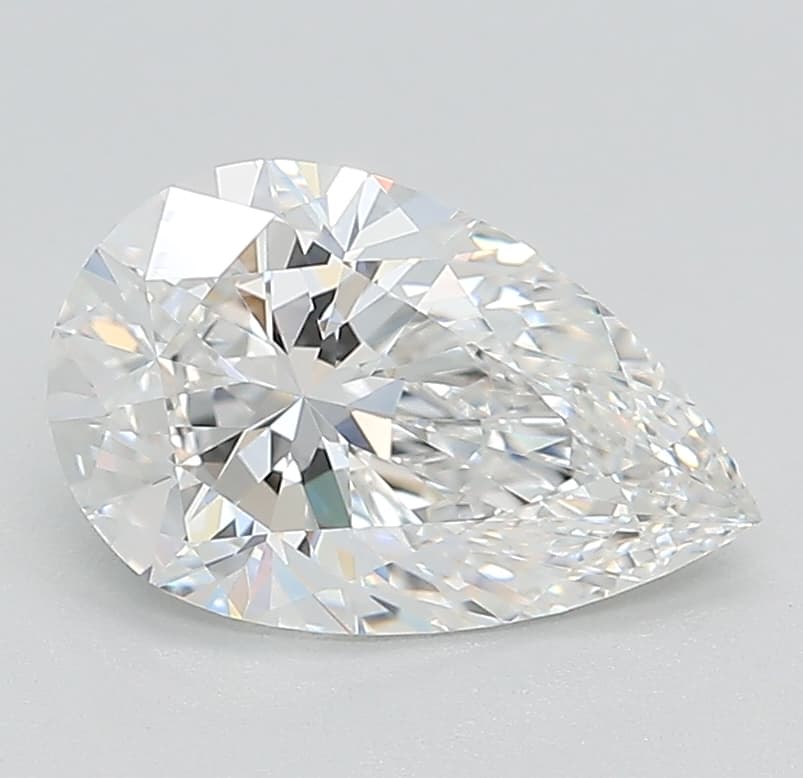
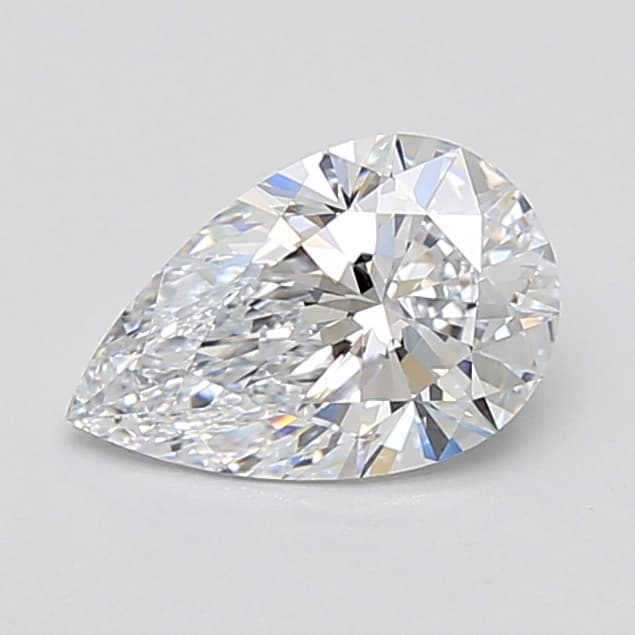
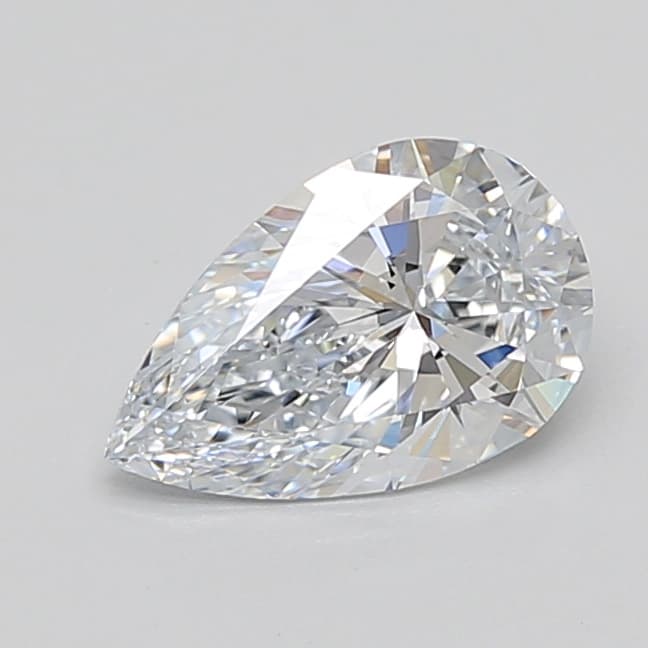
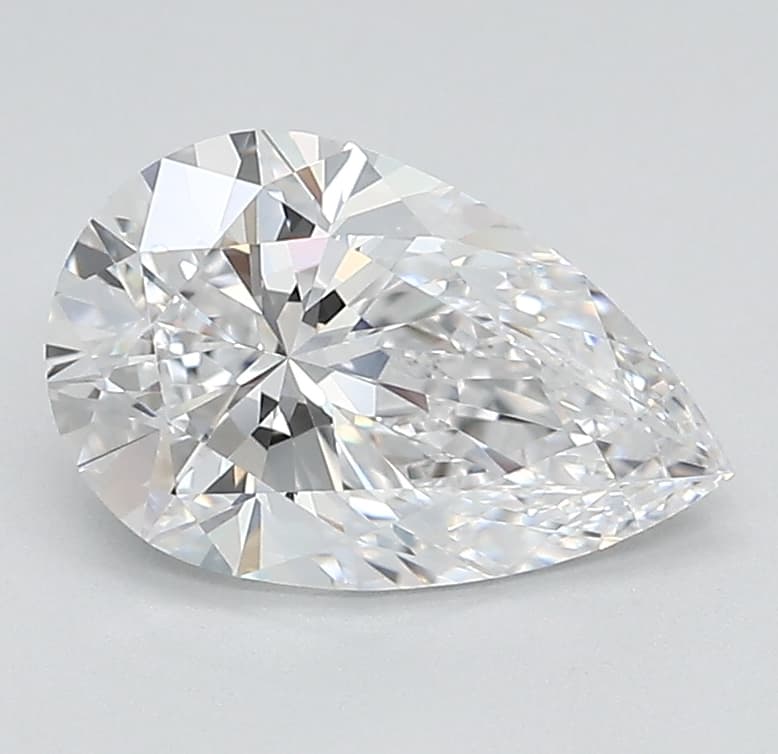
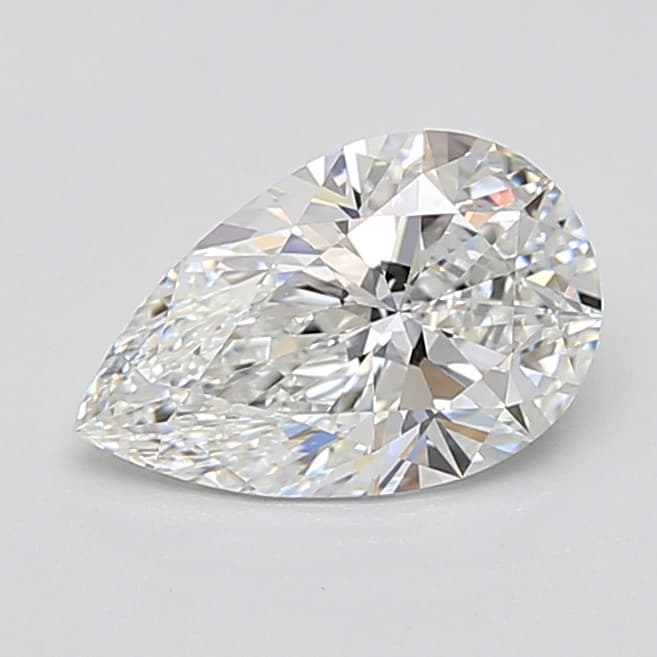
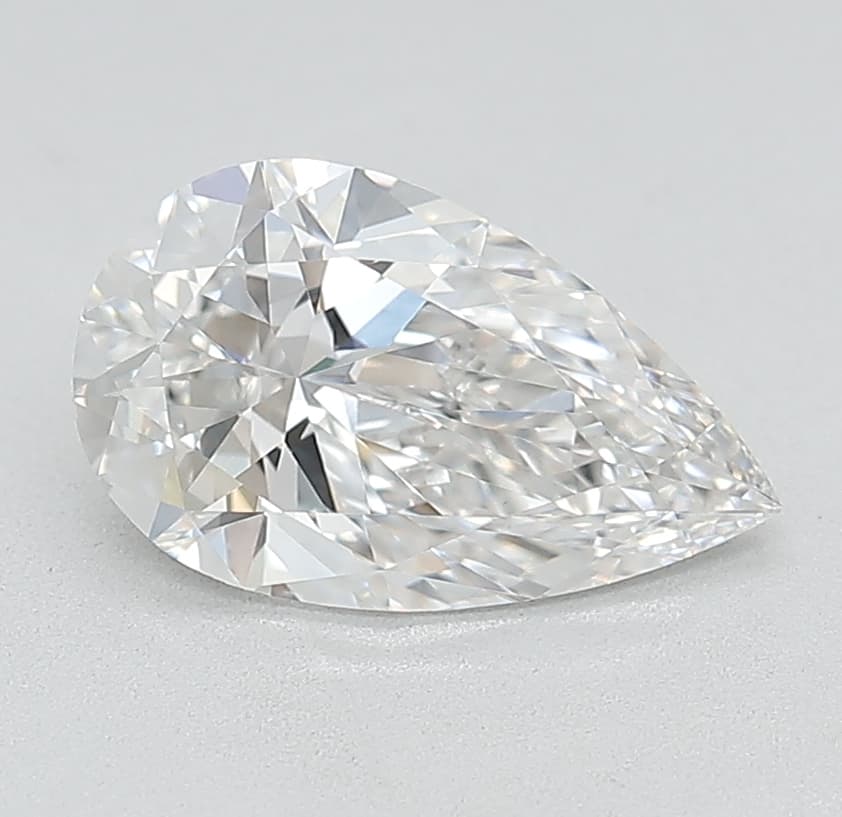
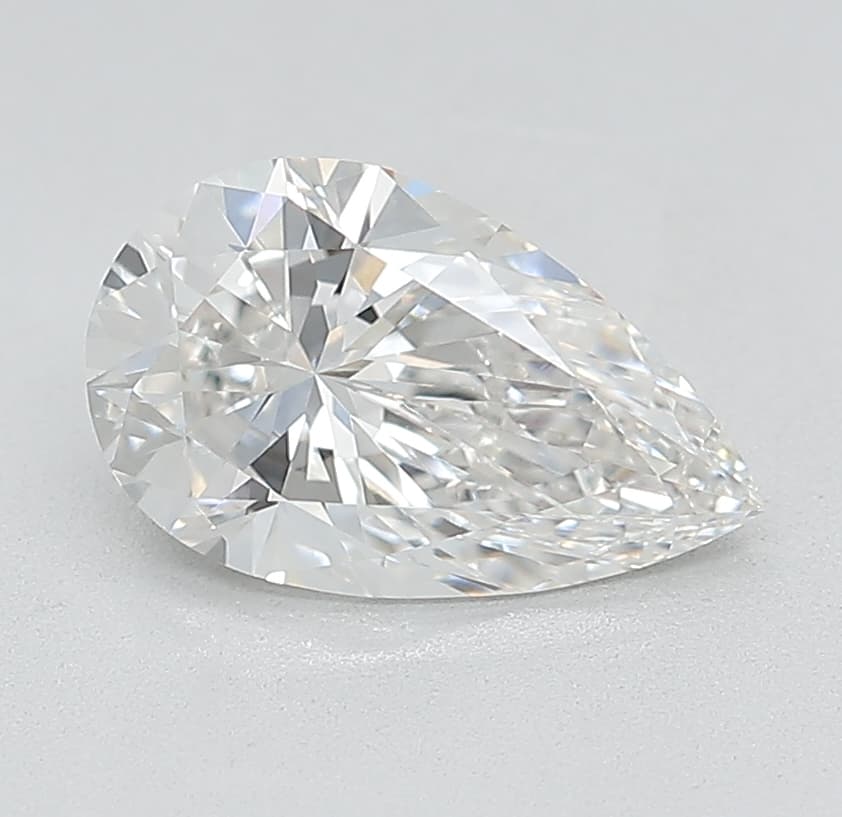
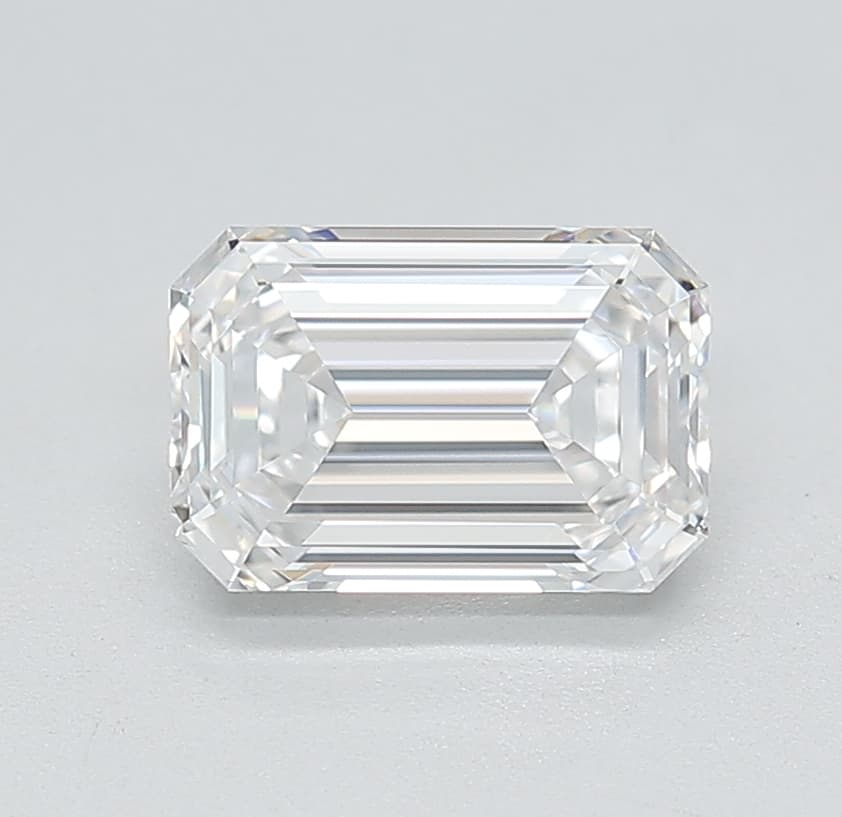
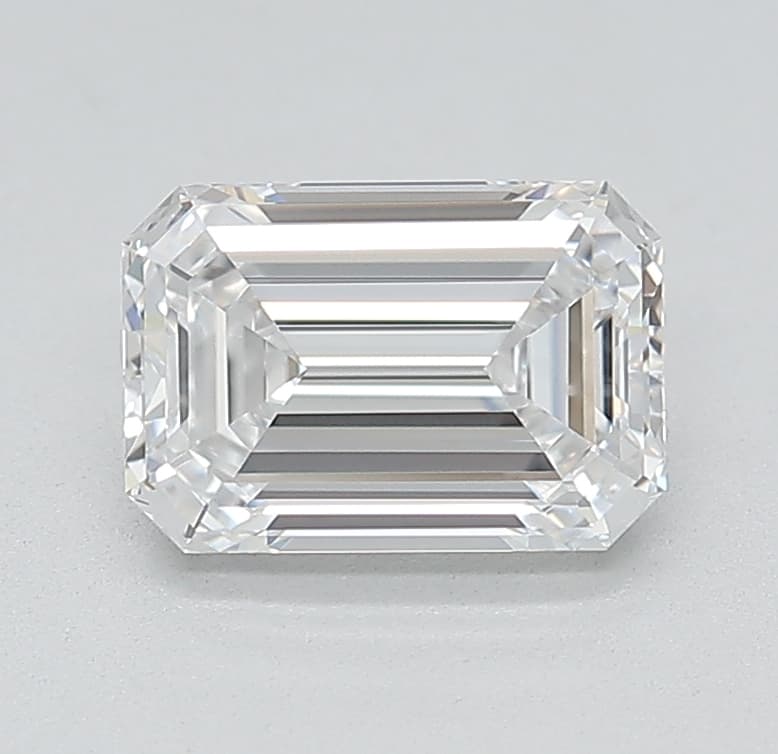
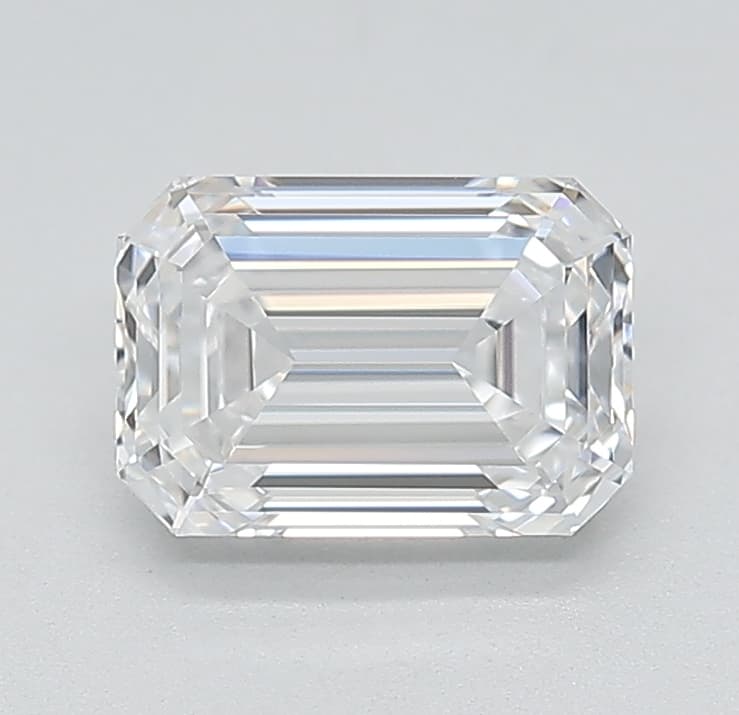
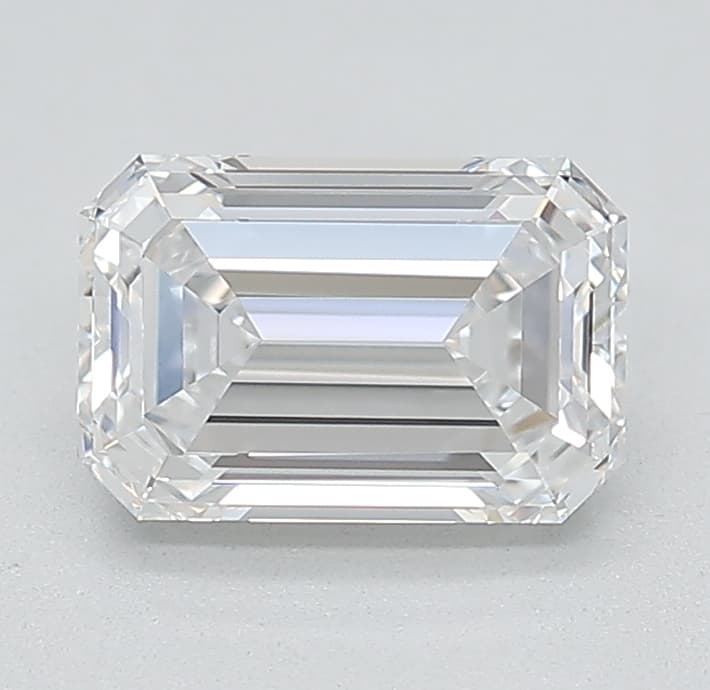
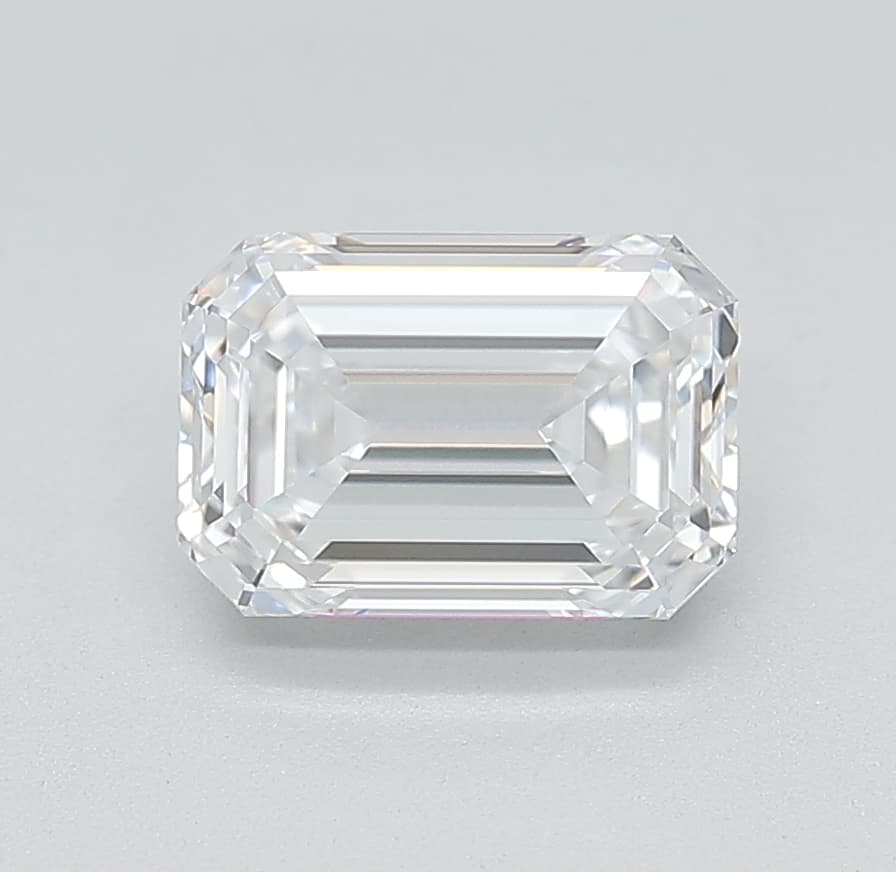
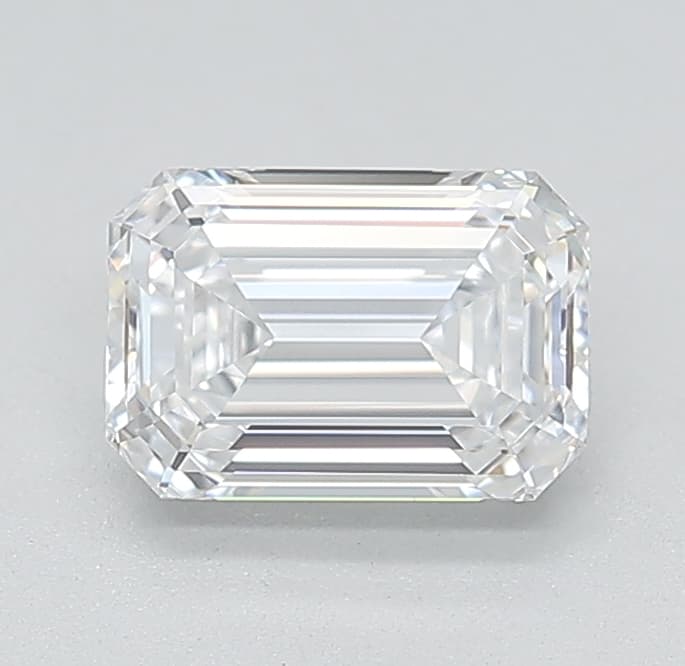
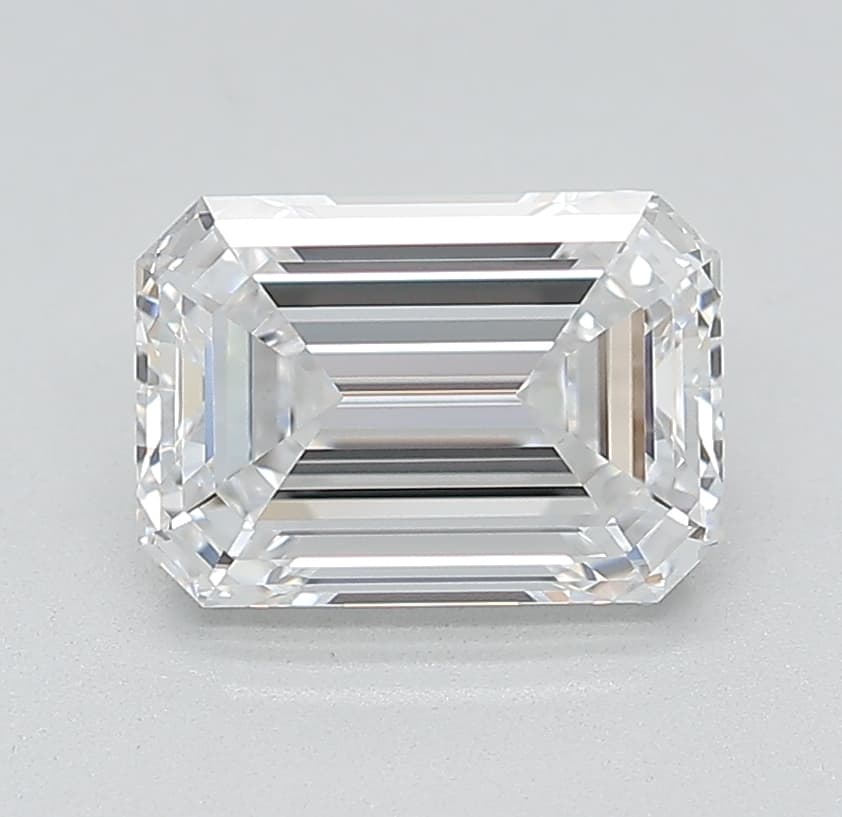
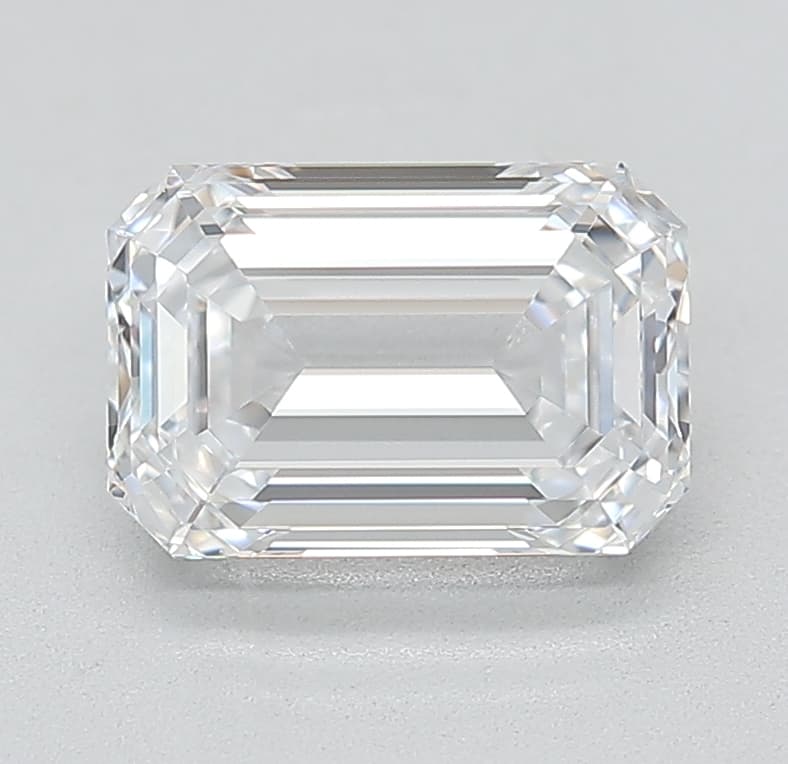
The two sets below show live pear and emerald lab-grown diamonds within popular ratio ranges. If you would like a shortlist for a particular look, our diamond specialists can put one together for you.
Frequently asked questions
How do you calculate a diamond’s length-to-width ratio?
Divide the length by the width, both taken from the stone’s measurements in millimeters. A stone measuring 10.40 × 6.50 mm has a ratio of 1.60. The third measurement, the depth, is not part of the ratio.
What is a good length-to-width ratio for a pear diamond?
Common guidelines put pears at about 1.45 to 1.75, and many people like 1.55 to 1.70 for a classic teardrop. Lower ratios look shorter and rounder, higher ones slimmer and more elongated. It is a matter of taste, so compare photos at both ends of the range.
Does a higher ratio make a diamond look bigger?
It makes the stone look longer, which many people read as larger, while the width narrows a little at the same carat weight. Elongated shapes often look larger face-up than rounds of the same weight. Compare the millimeter measurements to see the real difference.
What ratio should a square diamond have?
For shapes meant to be square, such as the princess, asscher, square cushion and square radiant, aim for about 1.00 to 1.05. Above that the outline starts to look slightly rectangular, which can be noticeable next to a straight band or in a halo.
Glossary terms in this article
More on Shapes & Cuts in the journal.