Shapes & Cuts
Judging a Fancy Shape’s Cut: What to Check Beyond the Grade
By the Vanora Diamond team
Published Last reviewed 5 min read

Quick answer
On an IGI report a fancy shape such as an oval, pear or emerald can carry a cut grade from Excellent to Poor; GIA gives fancy shapes no cut grade, and Ideal is IGI’s top grade for rounds only. Either way, judge the cut yourself from the outline and symmetry, the length-to-width ratio, the bow-tie, the table and depth, the polish and symmetry grades, the girdle and culet, and the video. A cut grade on a fancy lab-grown diamond does not replace these checks.
How labs grade the cut of rounds and fancy shapes
A fancy shape is any diamond that is not round: oval, pear, marquise, heart, cushion, emerald, radiant, princess, asscher and the rest.
Round brilliants are all built on the same basic design, so labs can measure a round's table, depth, crown and pavilion angles and compare them with ranges proven to give strong light return. That is how a round earns an overall cut grade such as Ideal or Excellent. Our diamond cut guide explains how the grades work.
Fancy shapes are far more varied. Each shape has its own facet layout, and within one shape cutters choose different ratios, depths and facet patterns, so one model cannot fit them all. IGI has graded the cut of fancy shapes, from Excellent to Poor, since September 2022; GIA does not. So an IGI report on a fancy shape may show a cut grade, while a GIA document will not; Ideal is IGI’s top grade for round brilliants only.
Treat a fancy-shape cut grade as one piece of information, not a verdict. Labs that grade fancy-shape cut use their own methods, so check the report and the points below whatever it says.
- Ideal
- Excellent
- Very Good
- Good
- Fair
- Poor
- Excellent
- Very Good
- Good
- Fair
- Poor
- ProportionsTable, depth, crown and pavilion angles, and the girdle
- FinishPolish of the facet surfaces and the symmetry of their placement
- The result: lightBrightness, fire and scintillation, the sparkle you see as the stone moves
What polish and symmetry do and do not tell you
IGI reports grade polish and symmetry on a scale from Excellent to Poor; GIA’s assessment for laboratory-grown diamonds, issued since October 2025, does not show these grades.
- Polish describes the surface finish of the facets: fine polishing lines, small burn marks or nicks seen under magnification.
- Symmetry describes how precisely the facets line up and meet, and how even the outline is.
These matter, and Excellent or Very Good on both is a sensible minimum for a fancy shape. But they describe finish and precision, not proportions. A perfectly polished, perfectly symmetrical oval can still be cut too deep, show a strong bow-tie or have a window in its center. That is why you need the other checks too.
Seven things to check beyond the cut grade
Work through these on the stone page, using the report's measurements and the video:
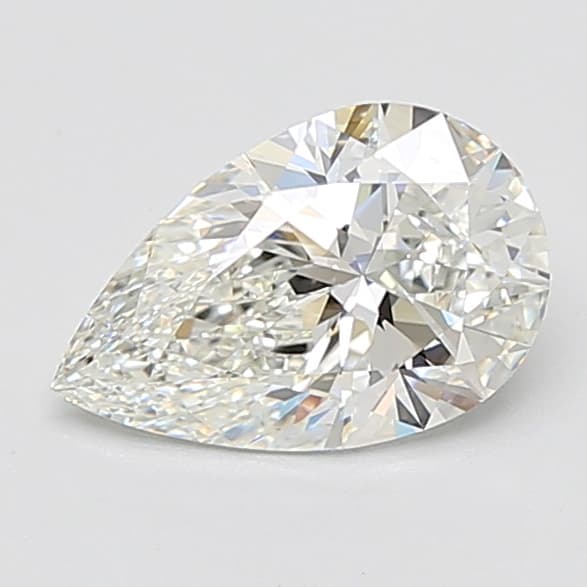
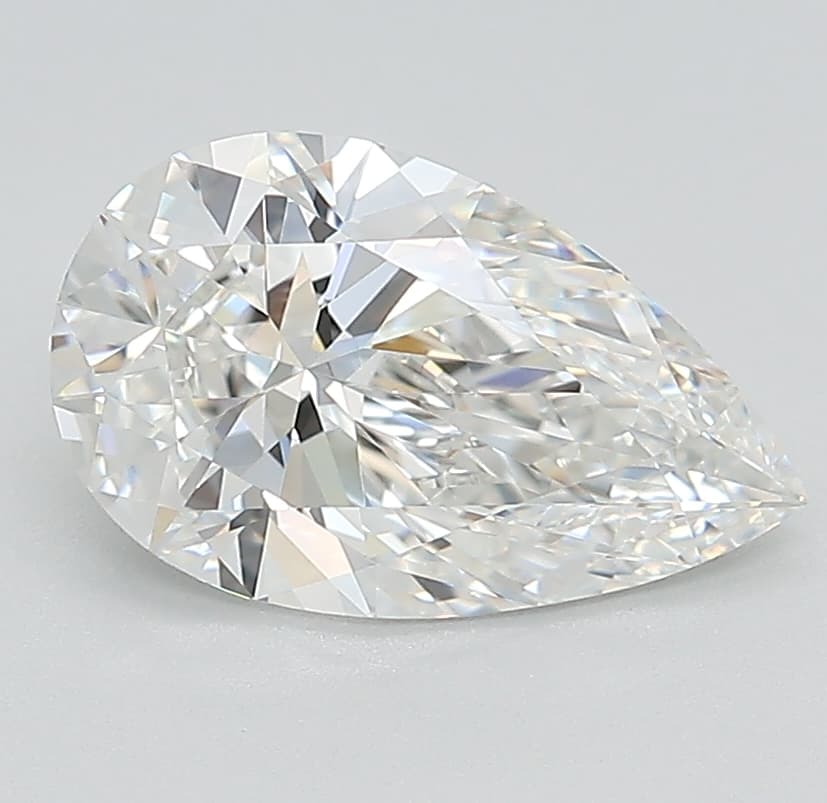
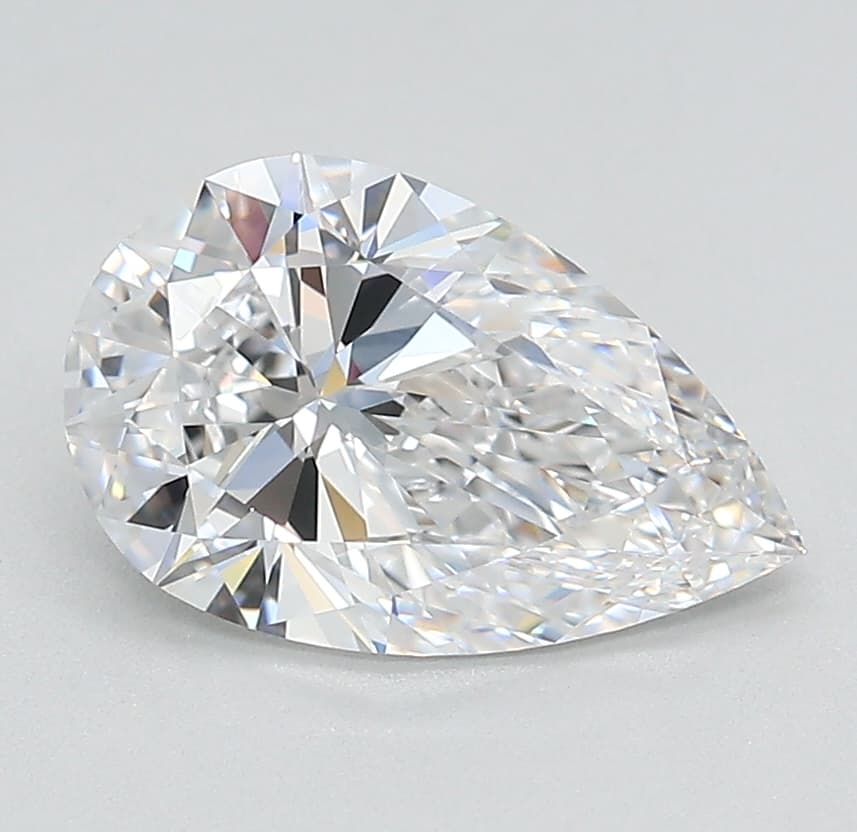
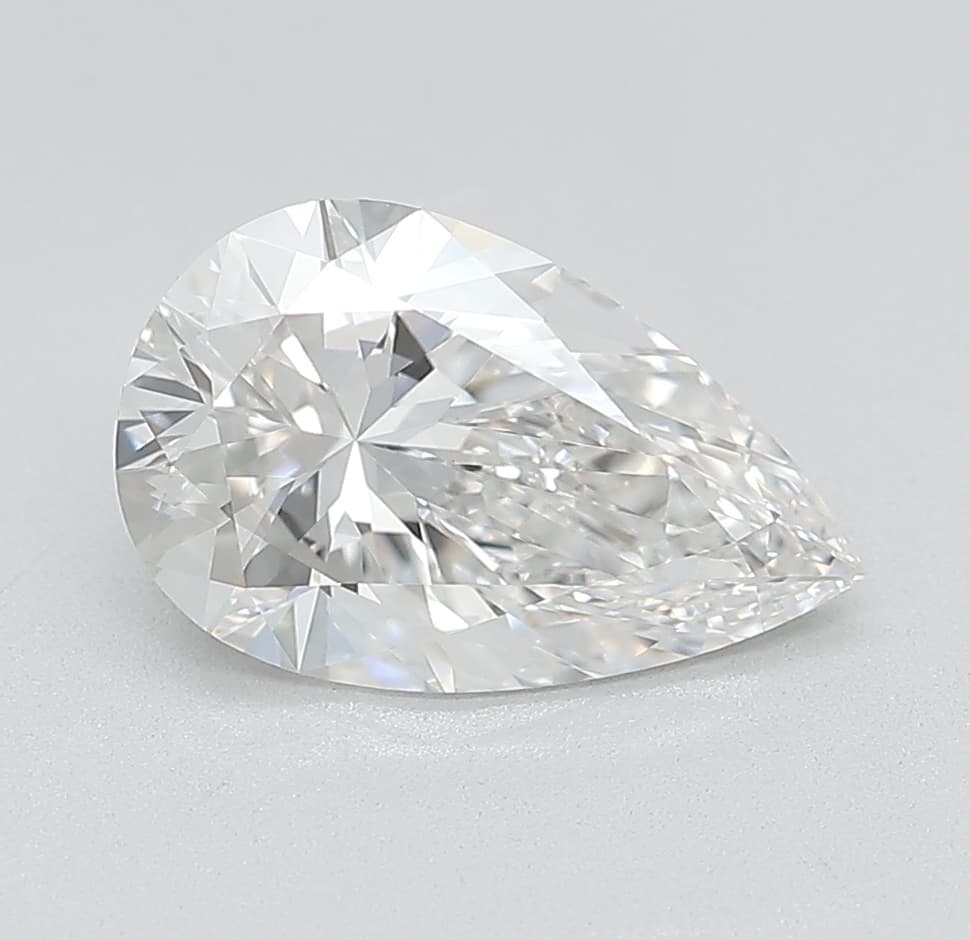
- Outline. The shape should look balanced: an oval evenly rounded at both ends, a pear with its point lined up with the center of the rounded end, a marquise with matching points.
- Ratio. The length-to-width ratio decides how long or full the stone looks. Our post on ratios by shape lists the common ranges.
- Bow-tie. Elongated brilliants show a darker band across the middle. A soft one that flickers is normal; a wide, fixed one is not. See the bow-tie effect.
- Table and depth. Check that the depth and table sit near the common ranges for the shape. Each shape guide lists them.
- Polish and symmetry. Excellent or Very Good on both.
- Girdle and culet. Avoid a very thin girdle at the points of pears, marquises and hearts, where chips start, and an extremely thick one, which adds weight you cannot see.
- The video. Look for even brightness, no washed-out center and no dark patches that stay put as the stone moves.
- Step 1: OutlineBalanced and even, with points and ends that line up.
- Step 2: RatioWithin the range for the look you want, from the report measurements.
- Step 3: Bow-tieSoft and moving in the video, not a wide band that stays dark.
- Step 4: Table and depthNear the common ranges for the shape; far outside them is a warning sign.
- Step 5: Polish and symmetryExcellent or Very Good on both.
- Step 6: Girdle and culetNo very thin girdle at the points, no extremely thick girdle hiding weight.
- Step 7: The videoEven brightness across the face, no glassy center, no fixed dark areas.
Common ranges differ by shape
A depth that is perfect for one shape can be too deep for another. Square shapes such as the princess and radiant are usually cut deeper than ovals and pears, and step cuts such as the emerald have their own ranges. So always compare a stone with the guideline range for its own shape, never with the numbers for a round.
Our shape guides give the commonly cited table and depth ranges for each shape, for example the oval, pear and marquise guides. These ranges are guidelines rather than lab rules: a stone a little outside one of them can still look excellent, which is why the video has the final say.
- Typical L/W1.30–1.50
- Typical L/W1.45–1.75
- Typical L/W1.75–2.25
- Typical L/W1.30–1.50
- Typical L/W1.00–1.05 square1.20–1.40 rectangular
- Typical L/W1.00–1.05 square1.10–1.30 elongated
What to watch most, shape by shape
Every check applies to every fancy shape, but each shape has one or two that matter most:
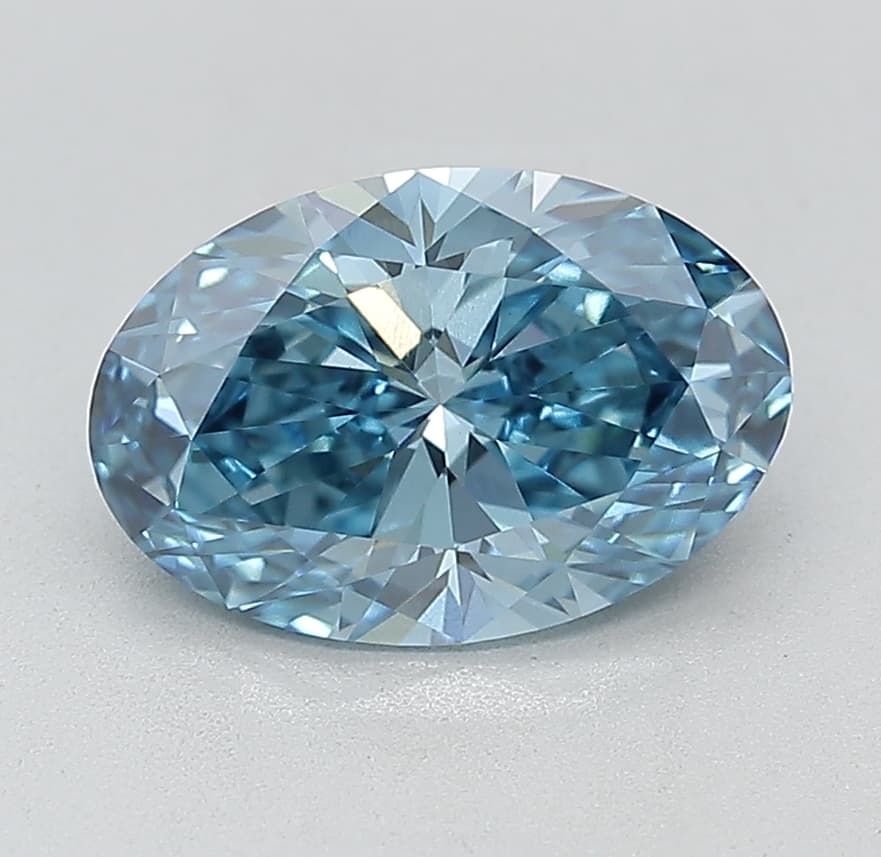
- Oval: the bow-tie and an evenly rounded outline, without flat "shoulders" near the ends.
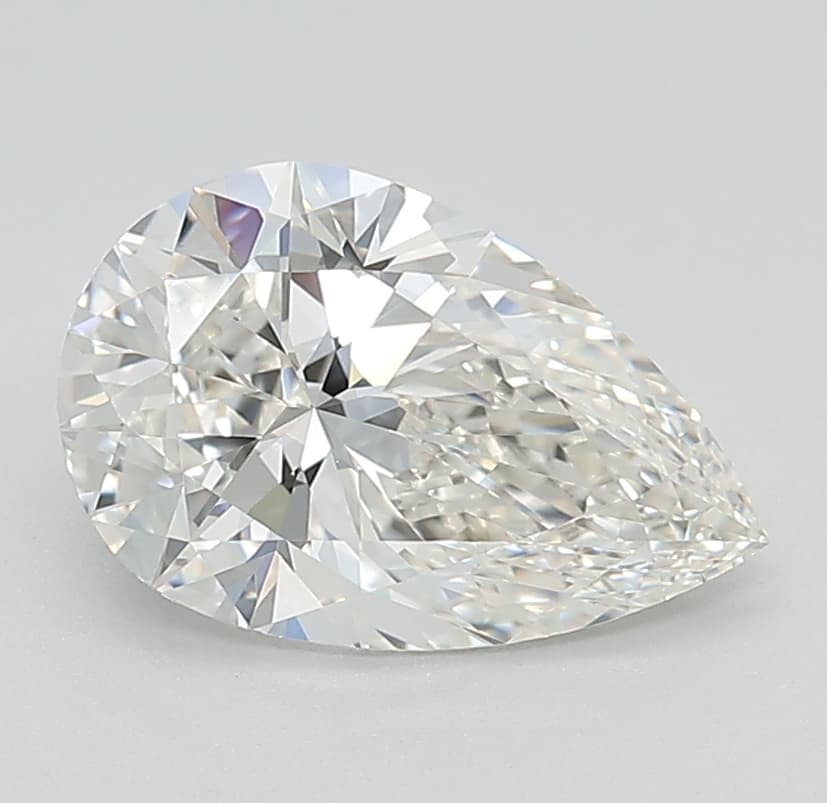
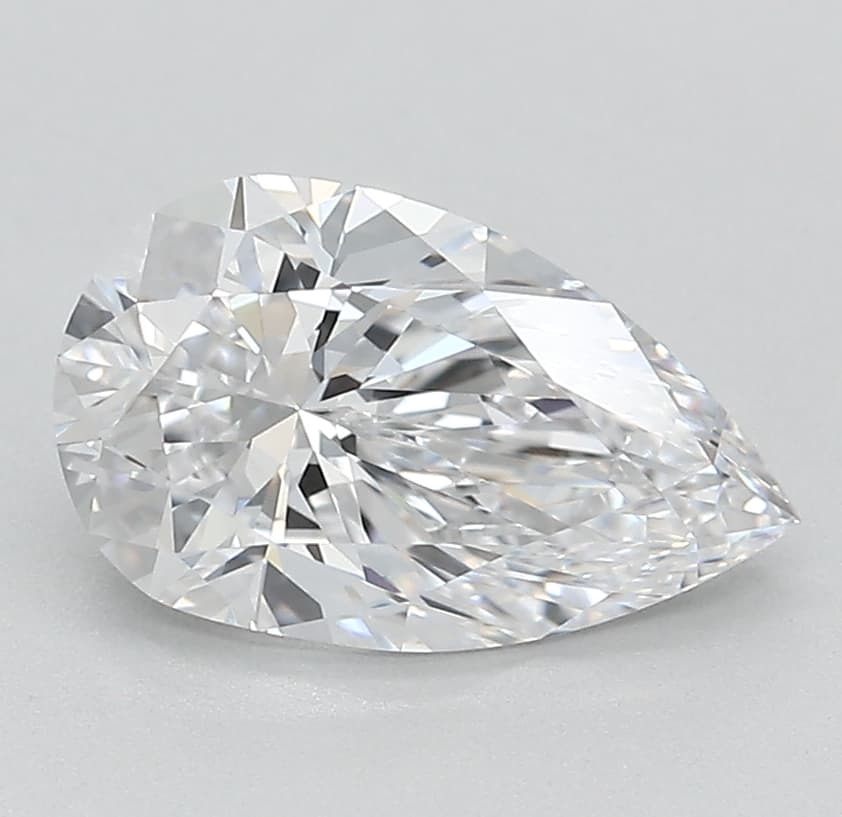
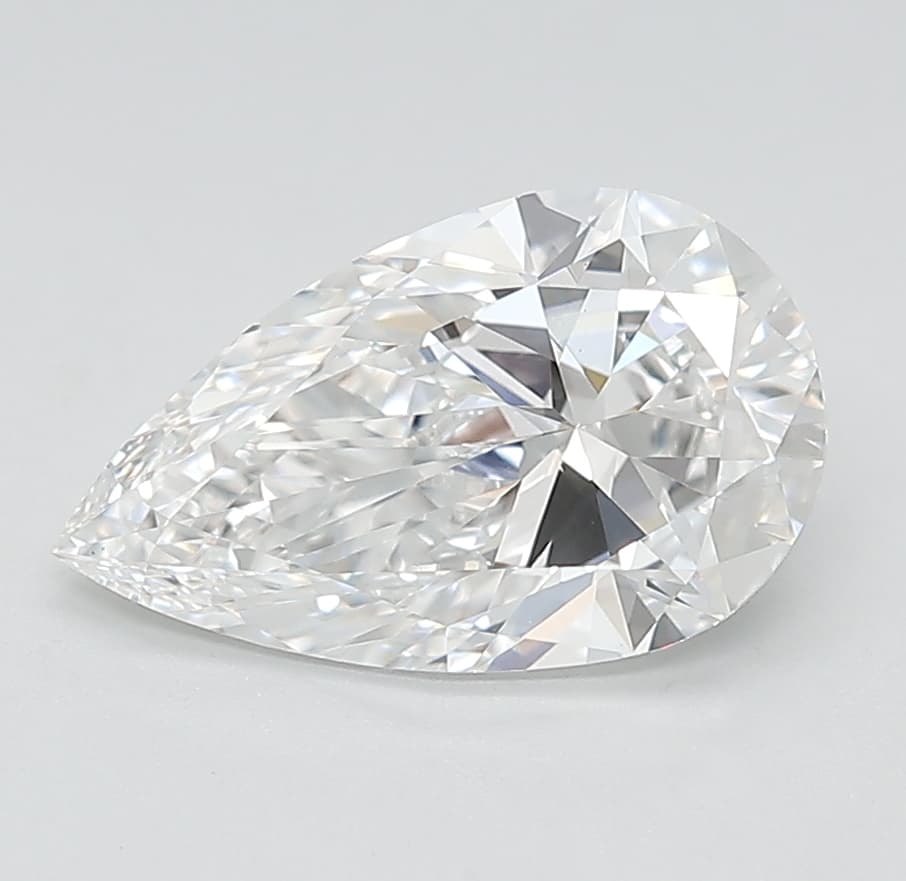
- Pear: symmetry, with the point lined up with the center of the rounded end and both sides mirroring each other, plus a girdle that is not very thin at the point.
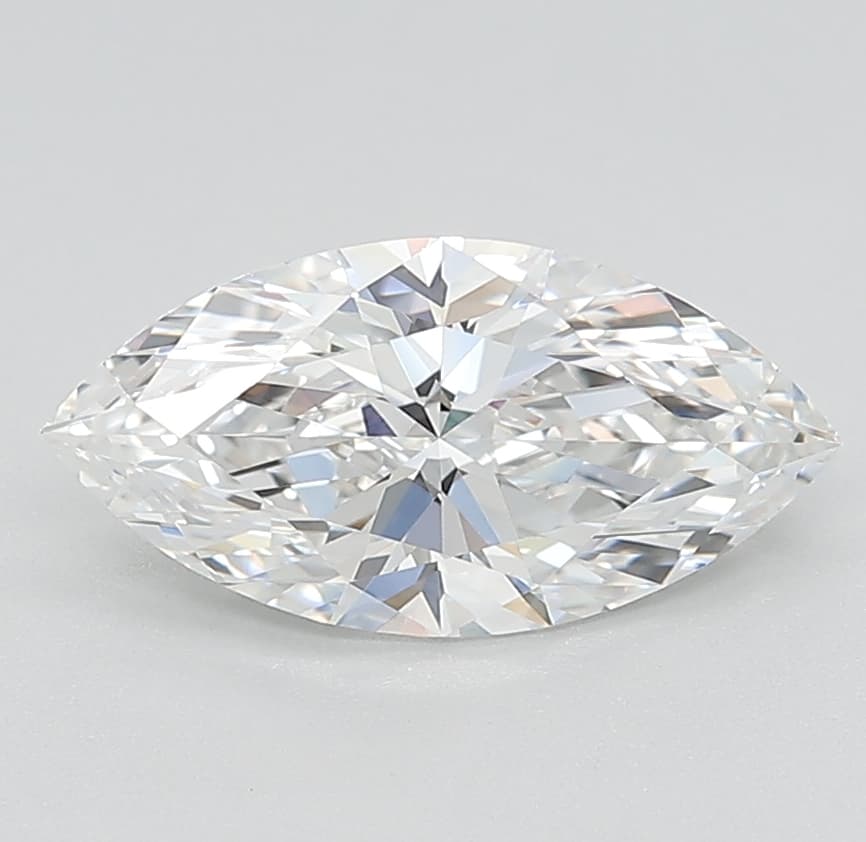
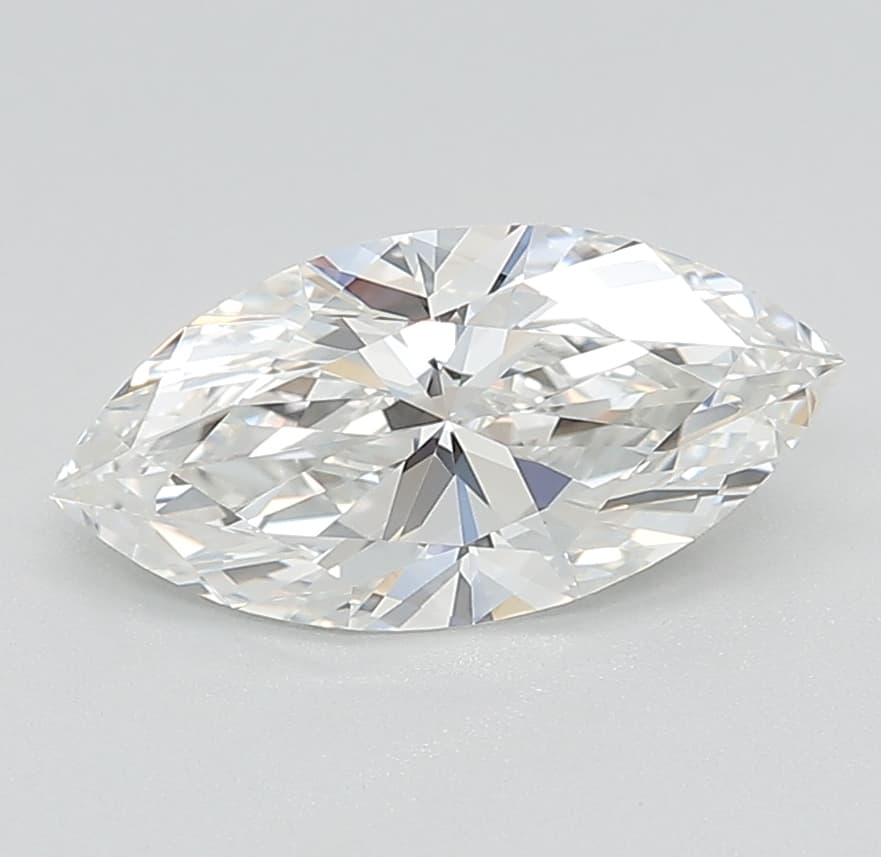
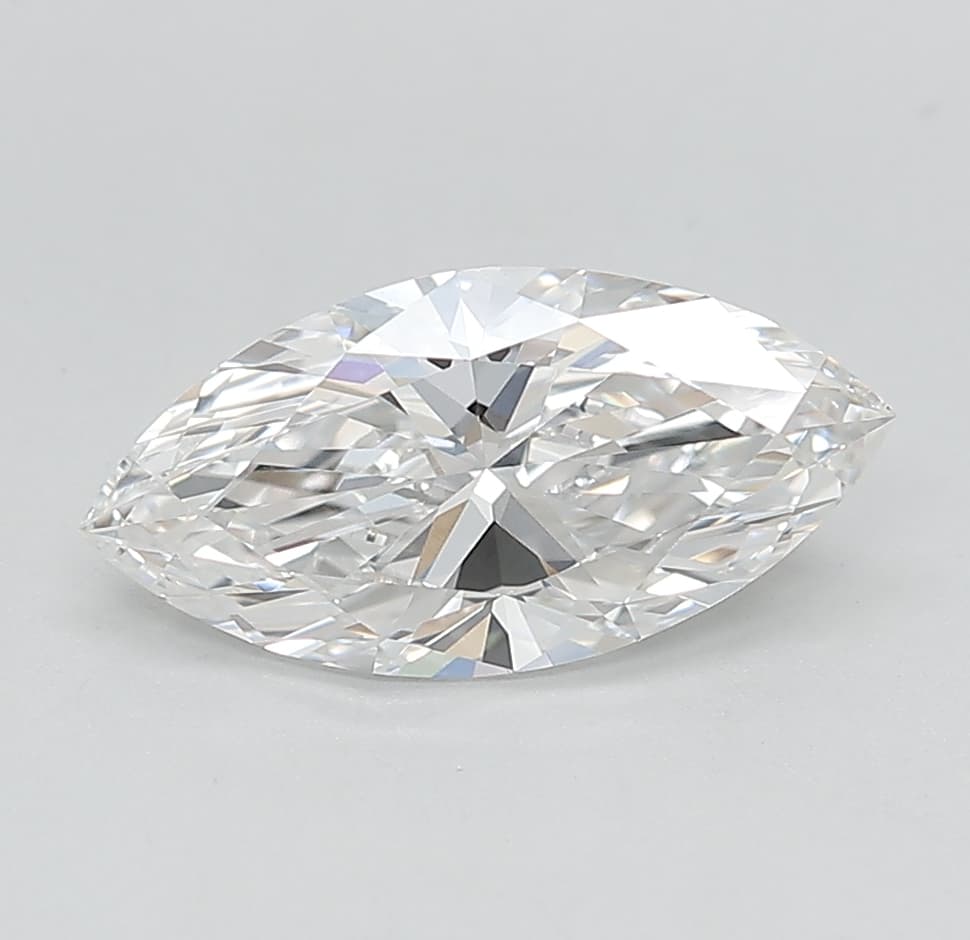
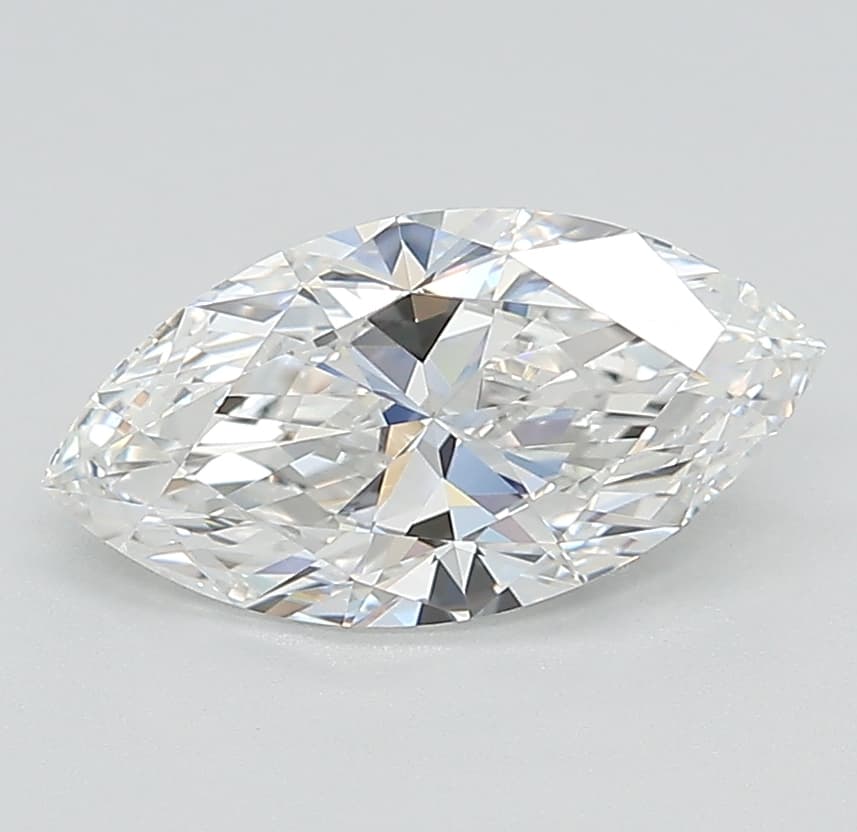
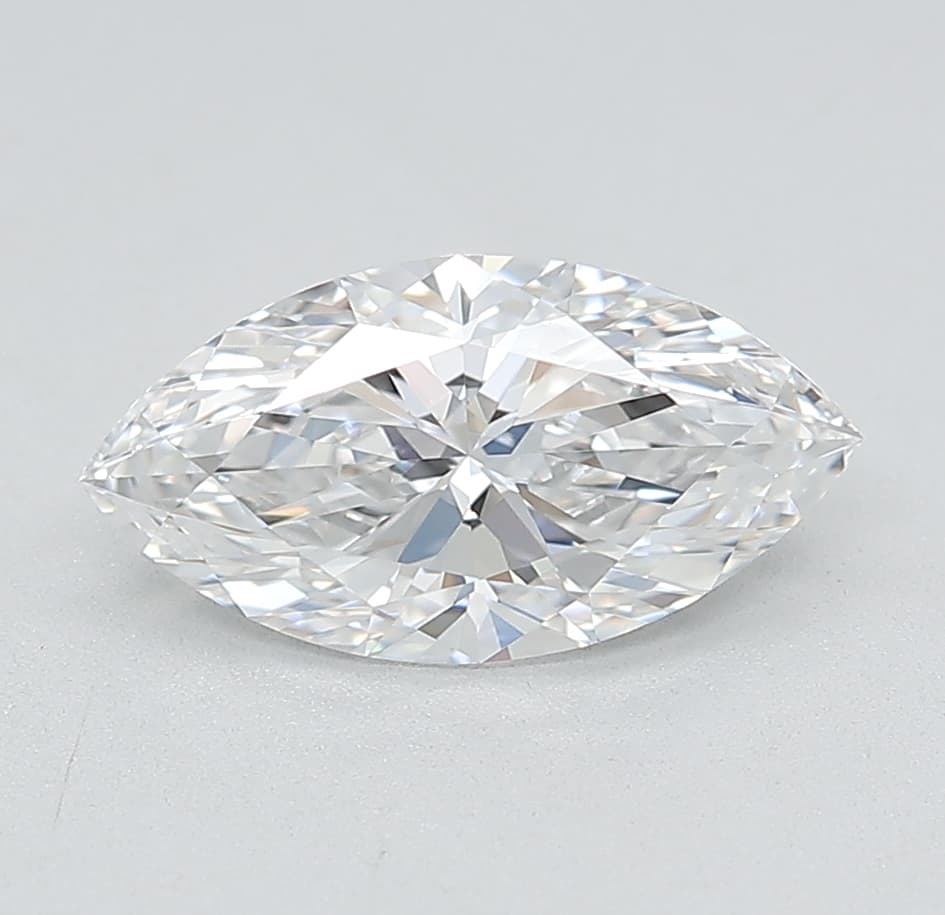
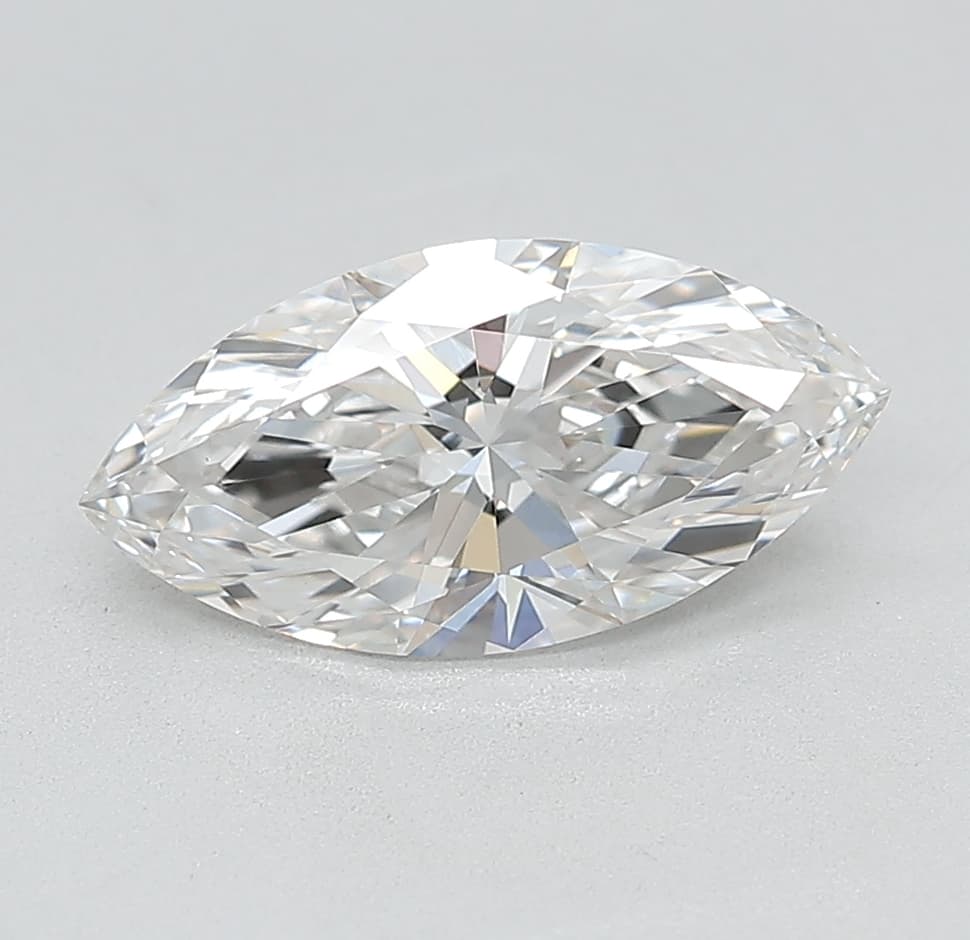
- Marquise: two points that line up with each other, matching curves on both sides, and protection for both points in the setting.
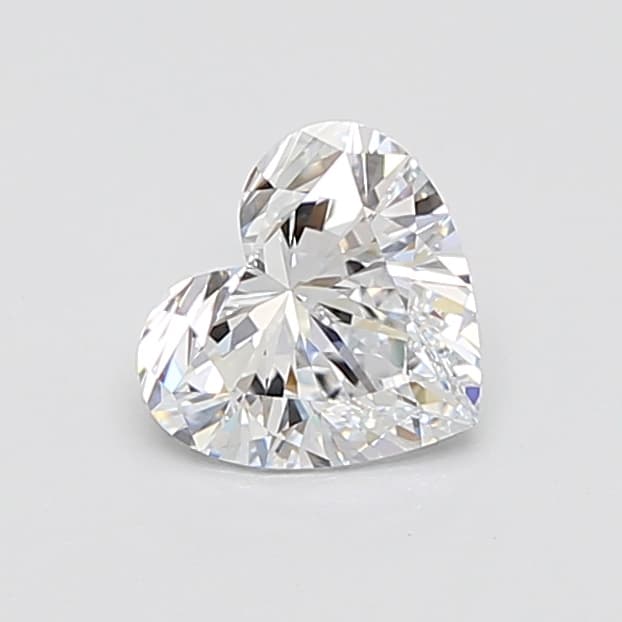
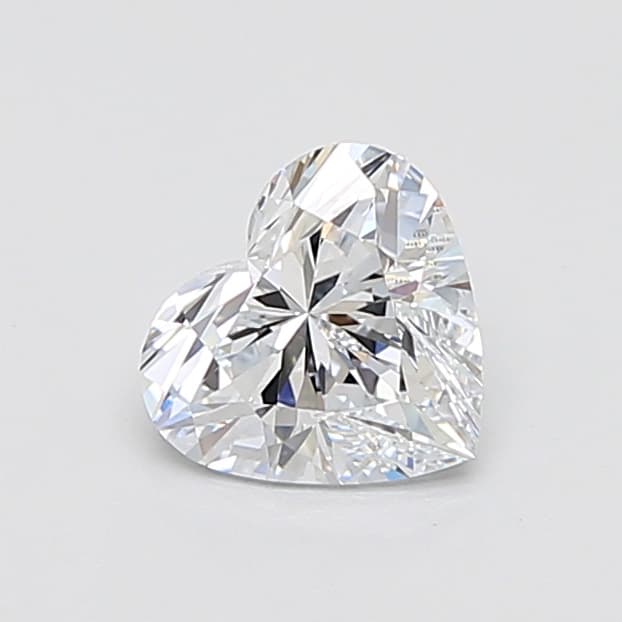
- Heart: an even cleft and two lobes of the same size, which is easier to see in larger stones.
- Emerald and asscher: clarity near the center of the open table, and even, bright steps rather than a dark band.
- Radiant and cushion: the facet look you prefer (busy or bold) and a depth that does not hide too much weight. Our post on crushed ice and chunky facets explains the two looks.
- Princess: sharp corners that will be protected by prongs, and a ratio close to 1.00 if you want it to look square.
Spread: the hidden cost of a deep cut
Deep cutting is easy to miss on a fancy shape, especially one without a cut grade. A deep stone keeps more weight below the girdle, where you cannot see it, so it looks smaller face-up than a well-proportioned stone of the same weight. Two 2 carat ovals can differ by a noticeable amount in length and width for this reason.
Compare the millimeter measurements, not just the carat weight, when you shortlist. If one stone is much smaller face-up than others of the same weight and shape, its depth is usually the reason.
Getting a second opinion
Judging a fancy shape takes a little practice, and that is normal. A few ways to make it easier:
- Compare two or three stones side by side in their videos rather than judging one alone.
- Use the search filters for shape, ratio, table and depth to narrow the list first.
- Ask our diamond specialists to review a stone's video and measurements with you, or arrange an appointment to see it before you buy.
The suggestions below are live oval and pear lab-grown diamonds with Excellent polish and symmetry, and a set of marquise and heart shapes, each with its report and video.
Frequently asked questions
Do oval diamonds have a cut grade?
It depends on the lab. On an IGI report an oval can carry a cut grade from Excellent to Poor (Ideal is IGI’s top grade for rounds only); GIA gives ovals and other fancy shapes no cut grade. Ovals vary a lot in outline and facet layout, so check the ratio, depth, bow-tie and video as well.
What should I look for beyond a cut grade on a fancy shape?
Check the outline and symmetry, the length-to-width ratio, the bow-tie, whether table and depth sit near the common ranges for the shape, Excellent or Very Good polish and symmetry, a sensible girdle and culet, and above all the video for even brightness.
Is an Excellent cut on a fancy shape listing reliable?
Treat it as one piece of information, and check where it comes from: IGI grades fancy-shape cut from Excellent to Poor, GIA gives fancy shapes no cut grade, and a seller’s own description is not a lab grade. Labs that grade fancy-shape cut use their own methods, so check the ratio, depth, bow-tie and video in the same way you would for a stone without one.
Do polish and symmetry grades show how well a fancy shape is cut?
Only partly. Polish describes the surface finish and symmetry describes how precisely the facets and outline line up. Both matter, but neither measures proportions, so a stone with Excellent polish and symmetry can still be too deep or show a strong bow-tie.
Glossary terms in this article
More on Shapes & Cuts in the journal.