Shapes & Cuts
Brilliant Cut vs Step Cut: Two Ways a Diamond Plays With Light
By the Vanora Diamond team
Published Last reviewed 5 min read

Quick answer
A brilliant cut has many small triangular and kite-shaped facets that break light into lots of quick, bright sparkles; a step cut has long, straight facets arranged in rows like stairs, which give broad flashes and a clear, mirror-like look. Rounds, ovals, pears, cushions, radiants and princesses are brilliant styles, while emeralds and asschers are step cuts. Brilliants hide small inclusions and faint color better, so step-cut lab-grown diamonds usually call for higher color and clarity.
Shape and facet style are two different things
When people say "cut", they can mean two things. One is the shape, the outline you see from above: round, oval, emerald and so on. The other is the facet style, the pattern of flat, polished surfaces cut into the stone. The facet style decides how the diamond handles light, and it comes in two main families: brilliant and step.
Knowing which family a shape belongs to tells you a lot about how it will look before you see a single photo: busy sparkle or calm, mirror-like flashes. It also tells you how much the stone will show of its inclusions and body color, which affects how you set your minimum grades.
What is a brilliant cut?
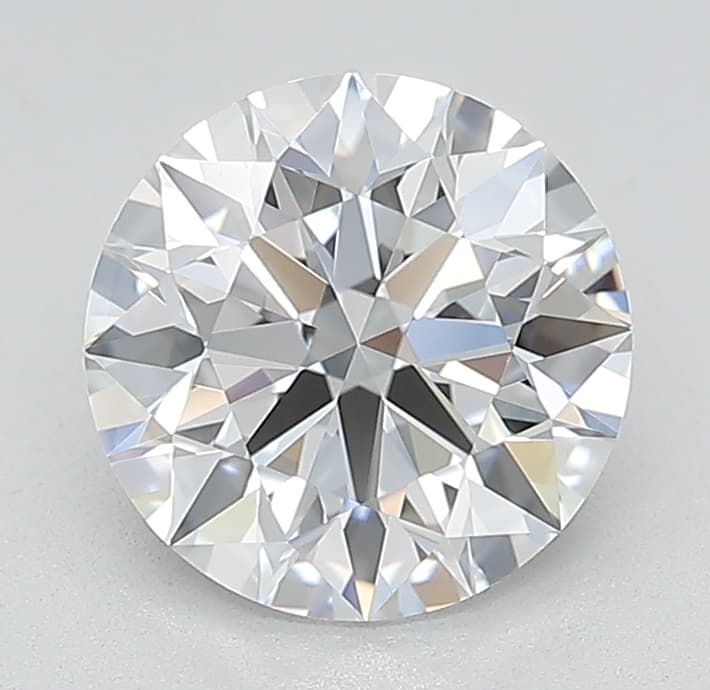
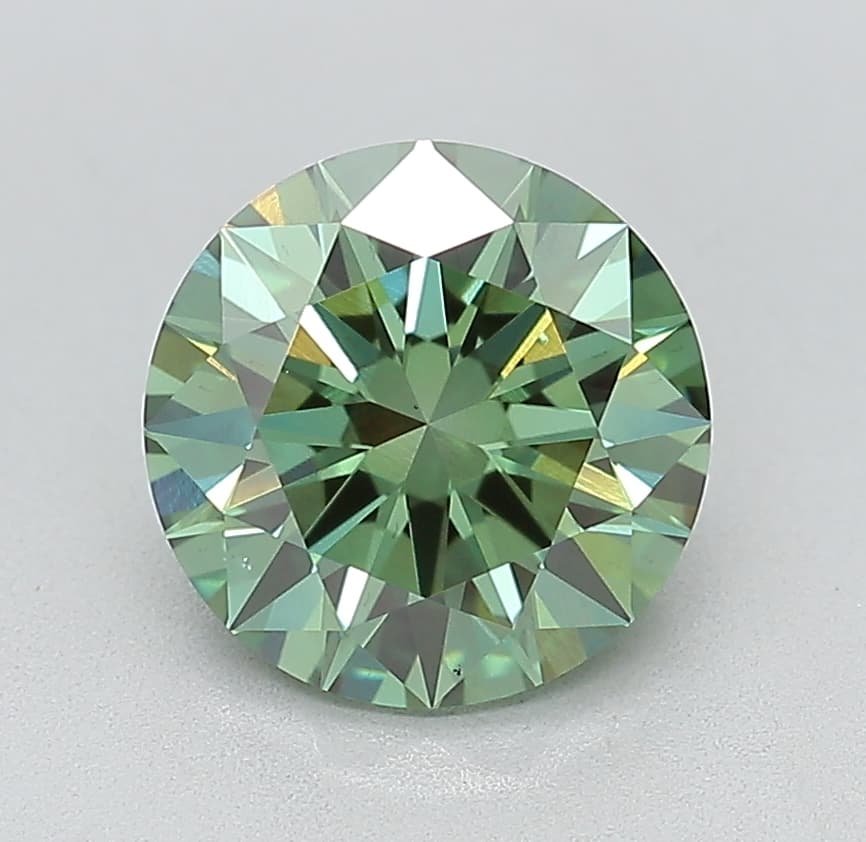
A brilliant cut is covered in many small triangular and kite-shaped facets that radiate out from the center. The classic example is the round brilliant, with 57 or 58 facets cut to well-studied proportions so that light entering the top bounces around inside and comes back out toward your eye.
Because the facets are small and point in many directions, they split light into lots of separate flashes. As the stone or your hand moves, those flashes switch on and off quickly. That lively, glittering effect is what most people picture when they think of diamond sparkle. Our post on brilliance, fire and scintillation explains the three kinds of sparkle in more detail.
Many shapes are cut in the brilliant style, including the oval, pear, marquise, heart and cushion. Some of them are called "modified brilliants" on reports because their facet layout is adapted to a different outline.
What is a step cut?
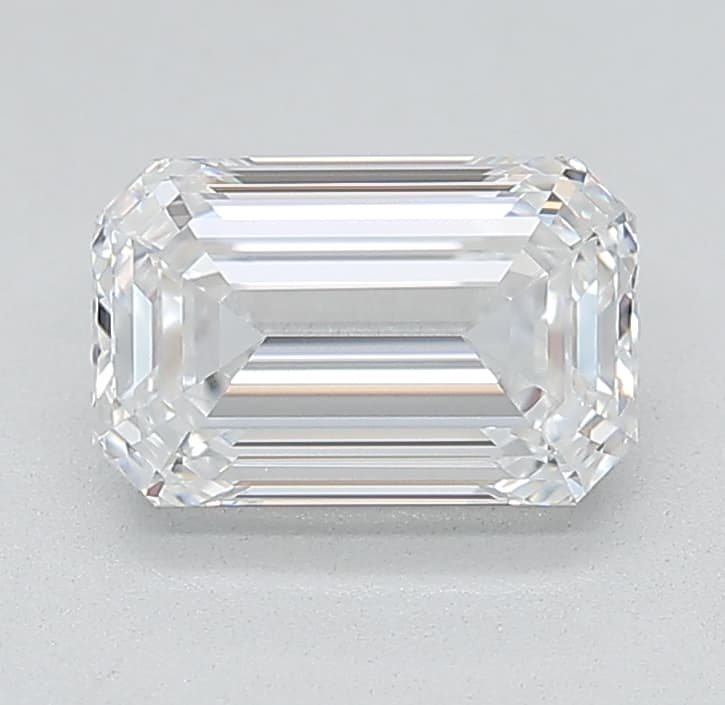
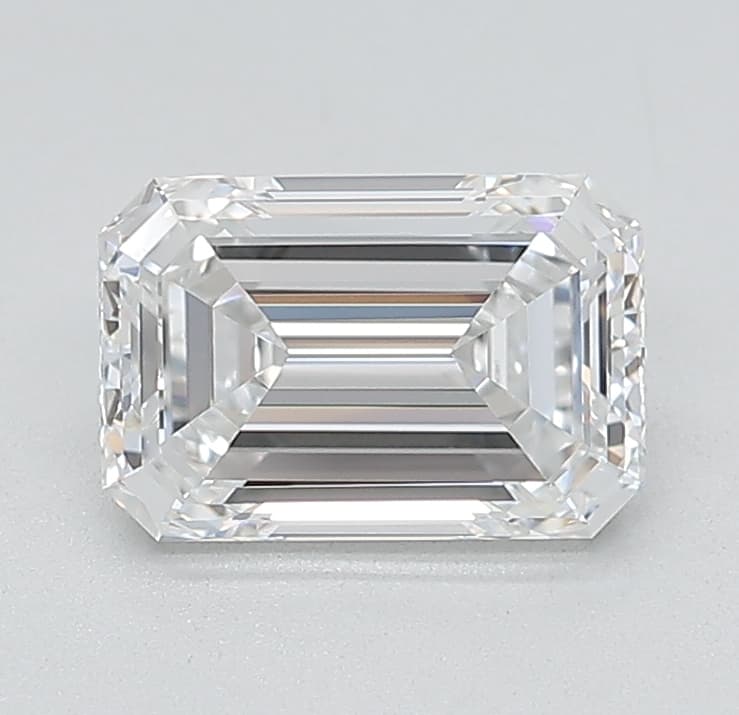
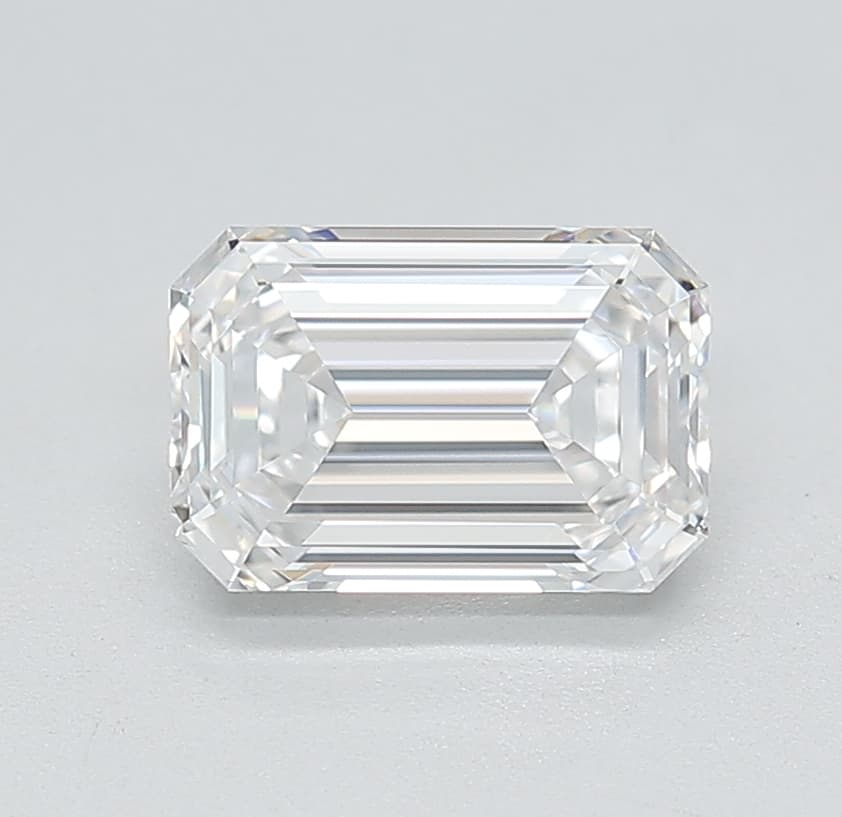
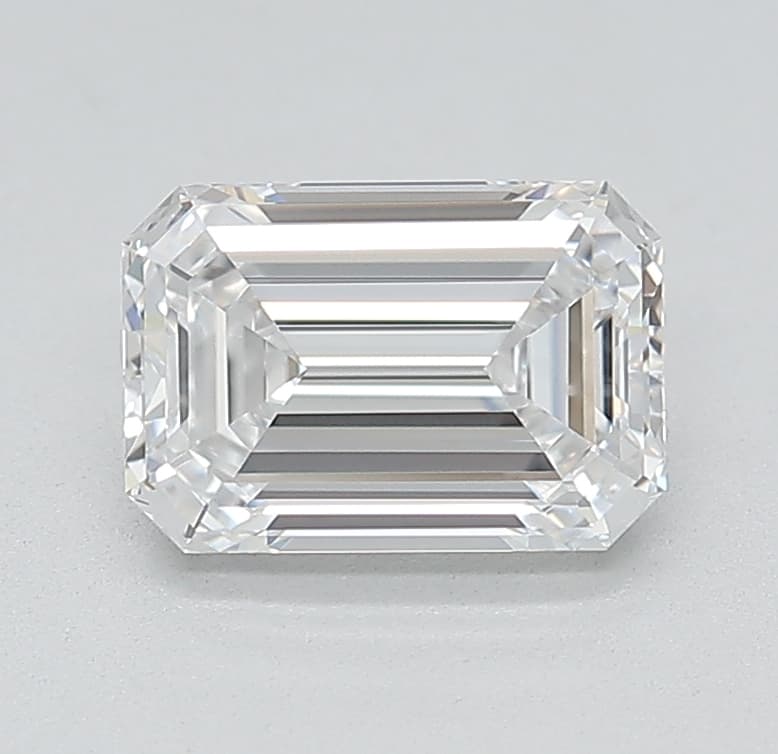
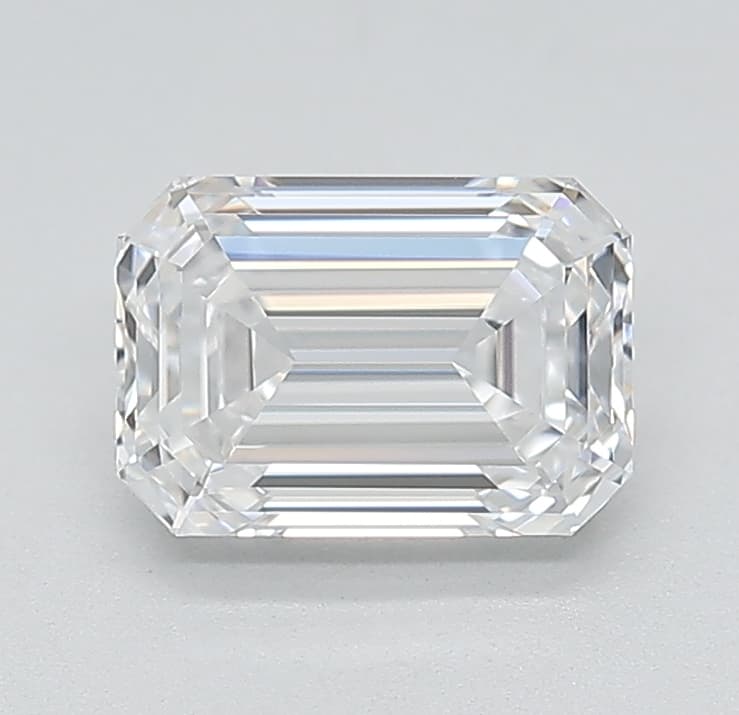
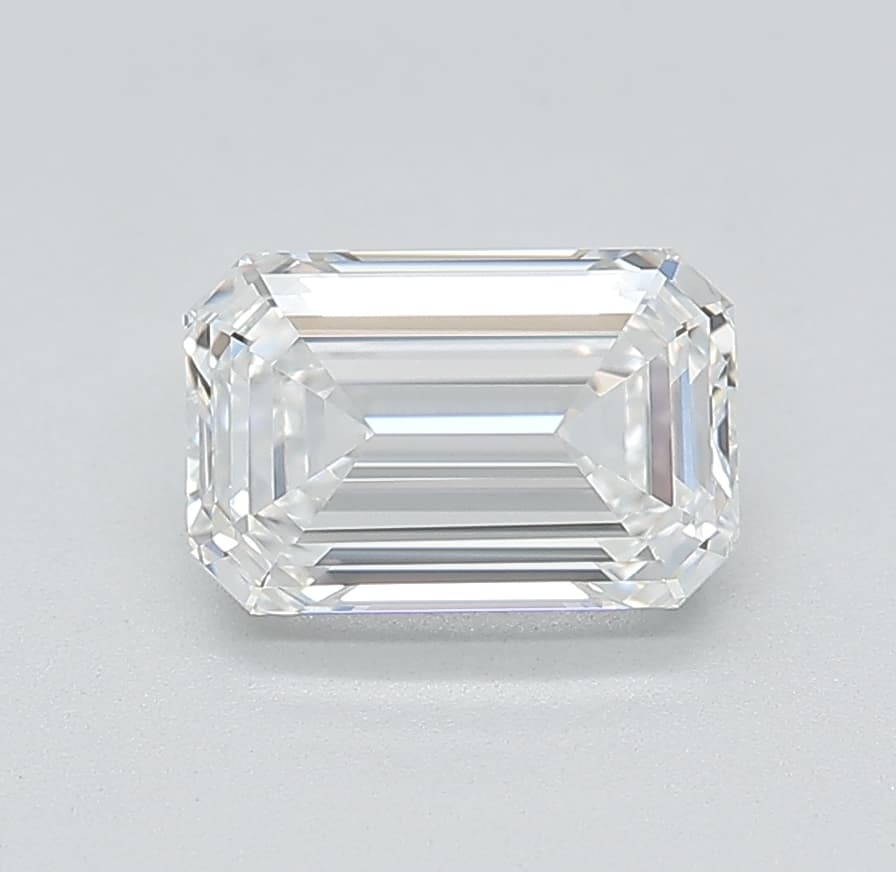
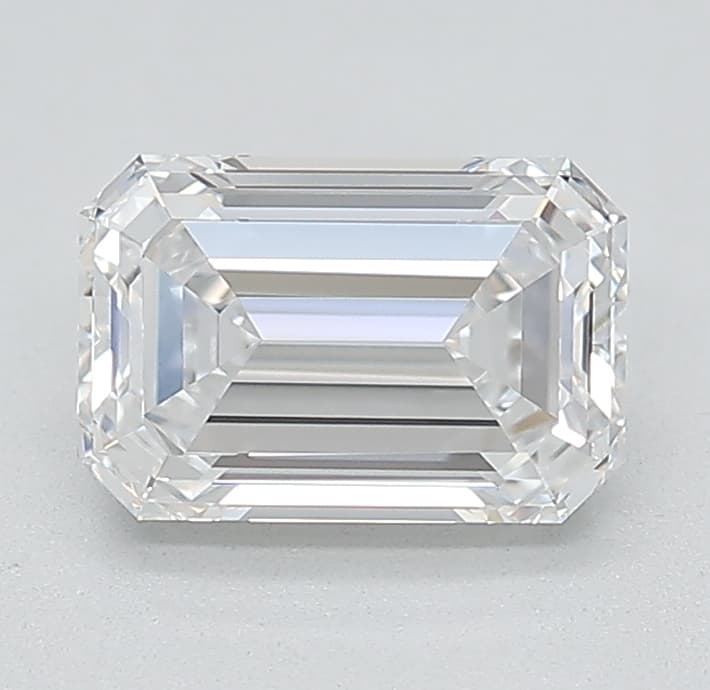
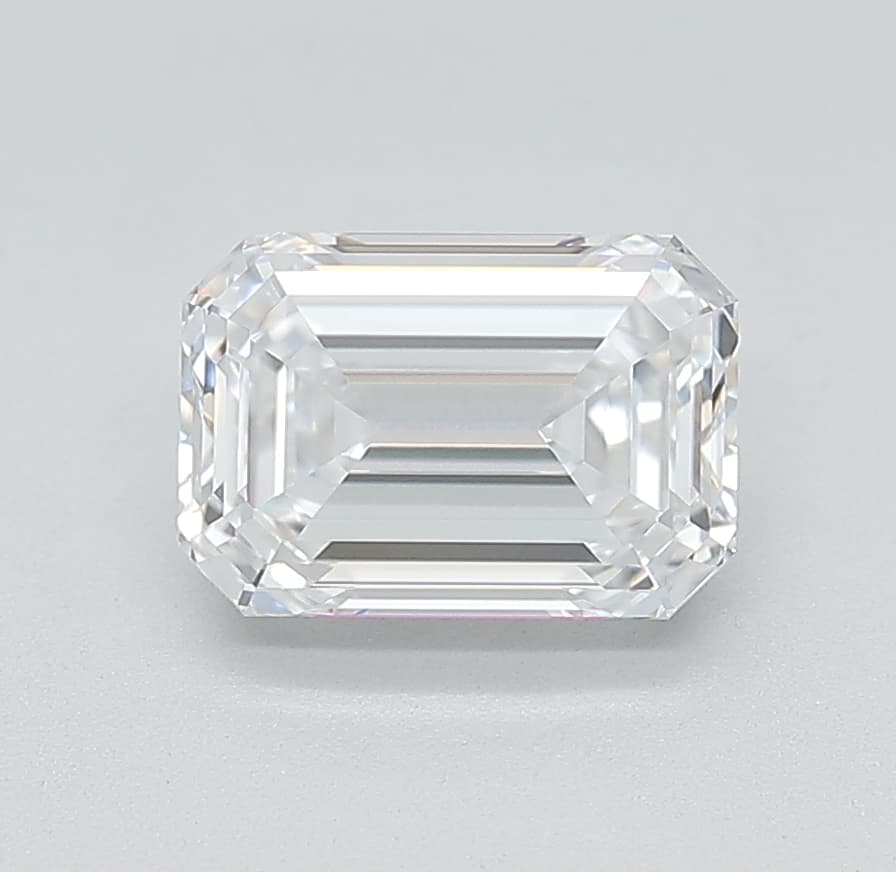
A step cut has long, straight facets running parallel to the edges of the stone, in rows that step down toward the center like a staircase. The emerald cut, a rectangle with cropped corners, and the asscher, a square with larger cropped corners, are the two classic step cuts.
Step cuts do not scatter light into small pinpoints. Instead they show broad flashes of light and dark that move across the stone as it turns, often described as a "hall of mirrors". The large, open table gives a clear view into the diamond. The effect is calmer and more architectural than a brilliant: elegant rather than glittering.
Neither style is better. They are simply different looks, and the right one is the one you like.
- Typical L/WAbout 1.00
- Typical L/W1.30–1.50
- Typical L/W1.00–1.05
- Typical L/W1.00–1.05 square1.20–1.40 rectangular
- Typical L/W1.00–1.05 square1.10–1.30 elongated
- Typical L/W1.00–1.05
Where the radiant and princess fit
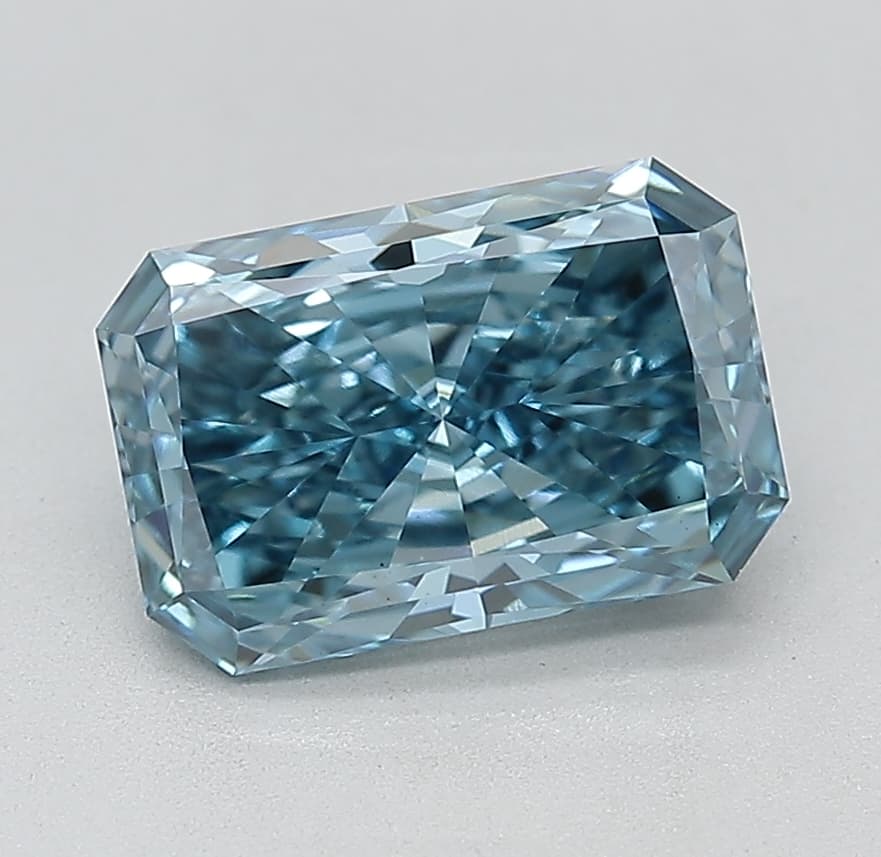
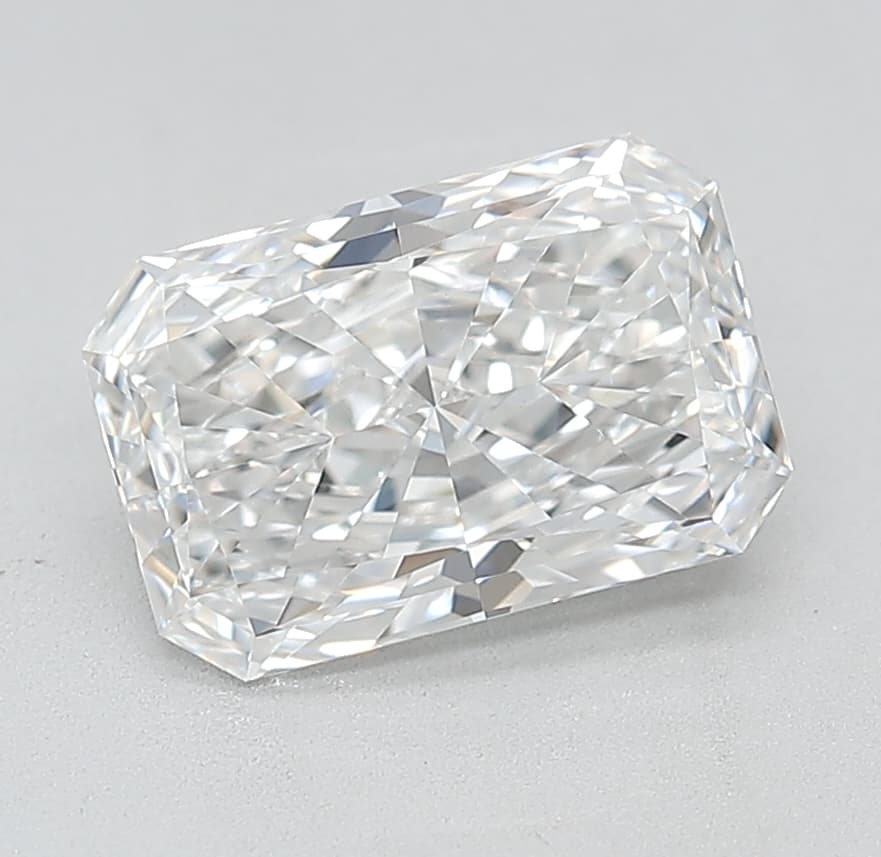
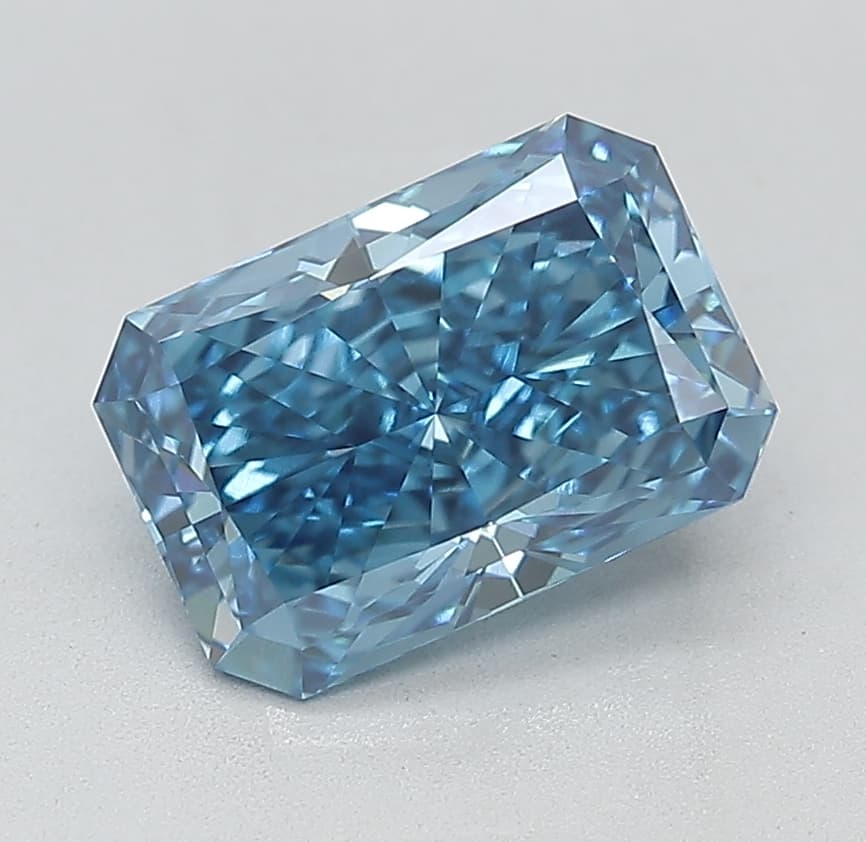
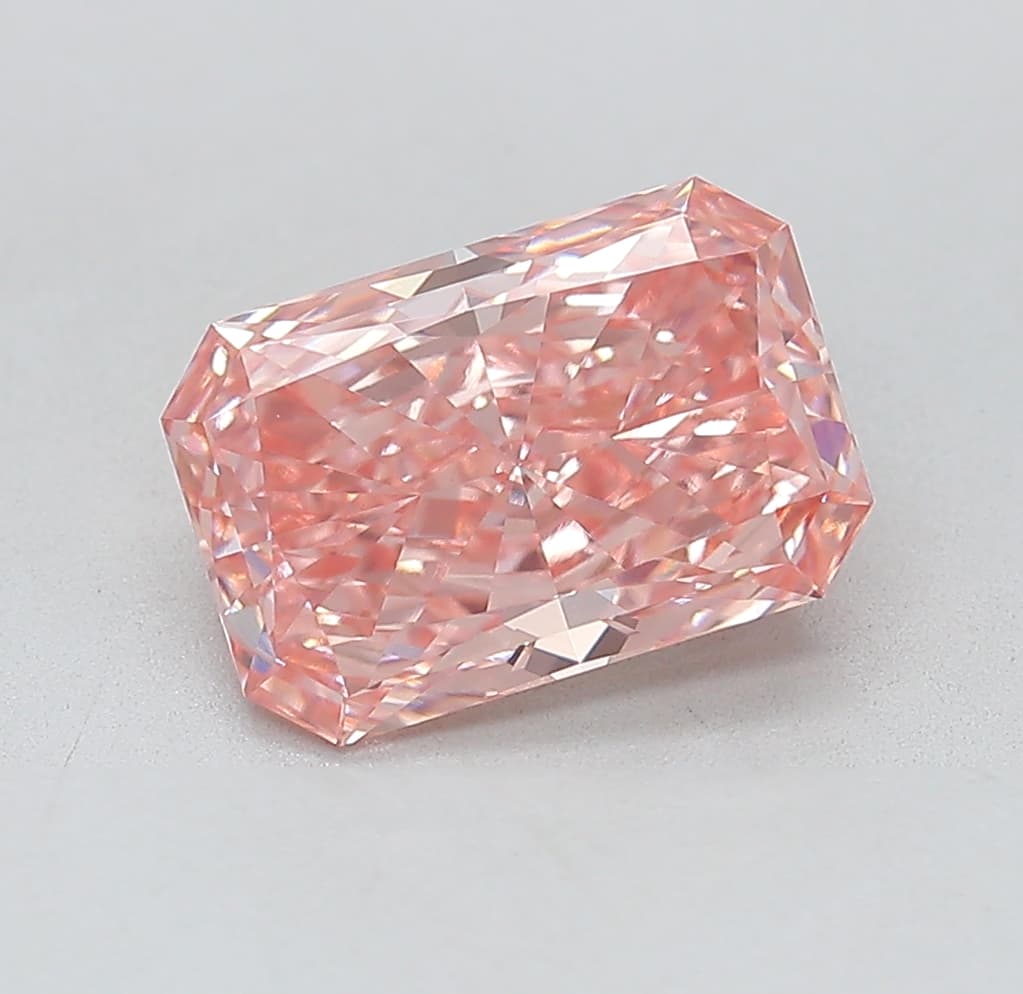
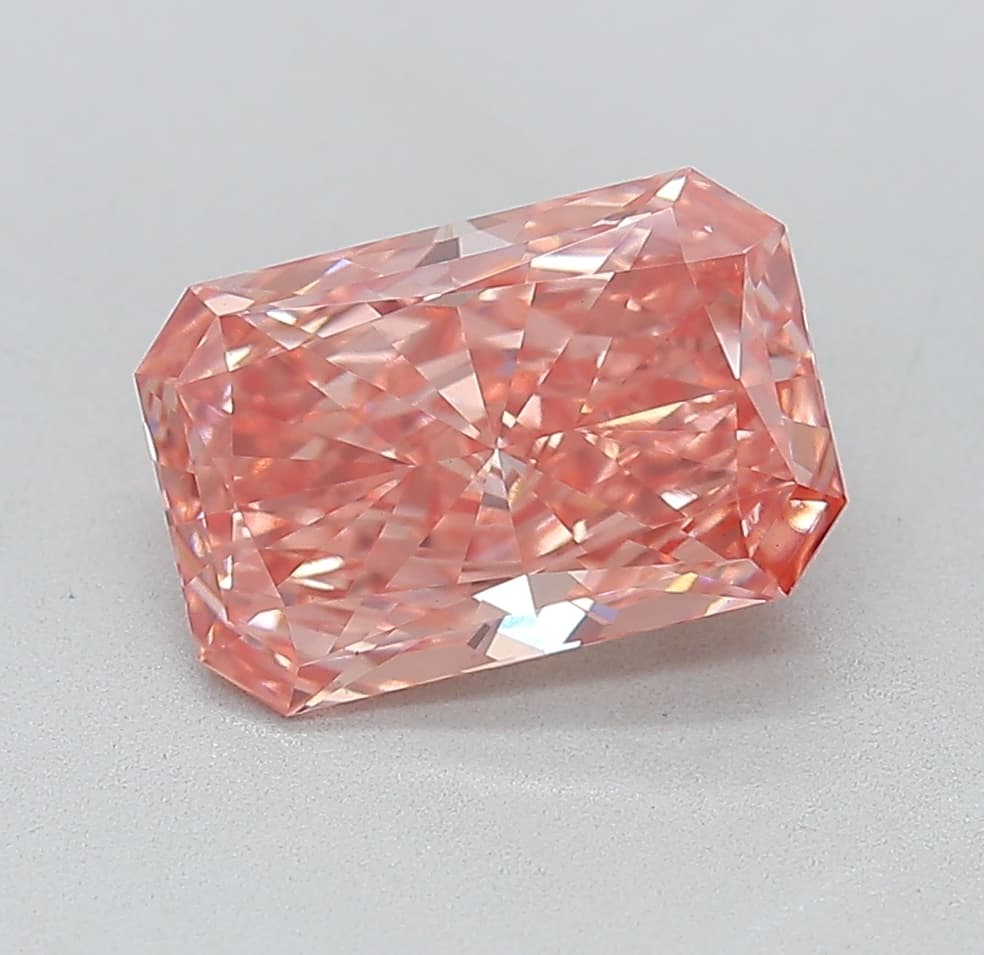
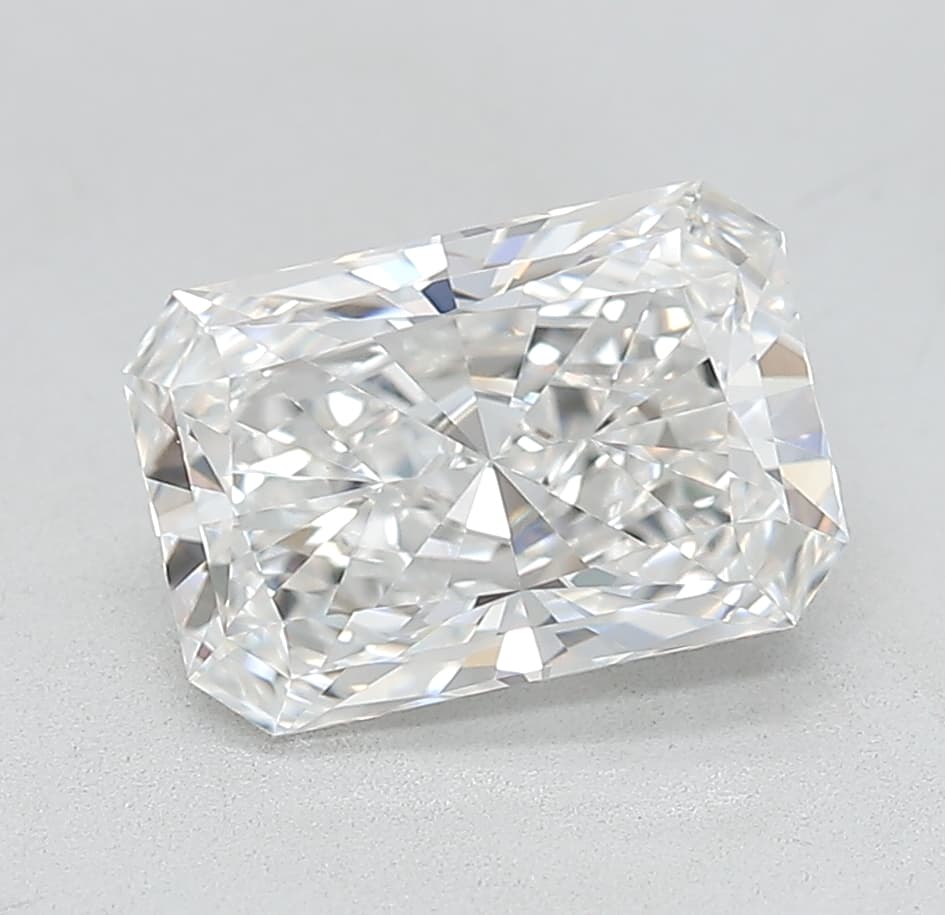
Some shapes borrow from both families. The radiant has the same cropped-corner, straight-sided outline as an emerald cut, but its facets are cut in the brilliant style, so it sparkles rather than flashes. It is a good choice if you love the outline of an emerald but want more sparkle.
The princess is a square with sharp corners and brilliant-style faceting, so it also sparkles. Its clean, straight edges give it a crisp, modern look, but it is a brilliant in how it handles light. Our radiant vs emerald and princess vs asscher posts compare these pairs side by side.
You may see the word "modified" on reports for these shapes. A radiant may be described as a cut-cornered rectangular or square modified brilliant, which simply means a brilliant-style facet pattern adapted to a cropped-corner outline. It is a description of the faceting, not a grade.
How each style looks on the hand and in different light
Lighting changes the two styles in different ways, which is worth knowing before you choose.
Brilliants love points of light. Under spotlights, candles or the sun, a brilliant throws out lots of small sparkles and flashes of color. In soft, even light such as an overcast day or an office, it still looks bright, but calmer.
Step cuts love broad light. Their long facets reflect large areas of light and dark, so they look their best where there is contrast: a window on one side, a darker room on the other. In very even light they can look quiet and glassy, which many people love for its clarity.
On the hand, a step cut's straight lines and open table read clearly from a distance, while a brilliant reads as sparkle. An elongated emerald cut can look generous because of its length, and a well-cut brilliant looks bright because it returns light from many angles at once.
How each style shows color and clarity
This is the practical difference most buyers miss.
Brilliant cuts are forgiving. All those small facets and quick flashes make it harder to see small inclusions and faint body color. A round brilliant can often look clean and white at grades that would show in a step cut.
Step cuts are open. The large table and long facets act like windows into the stone, so inclusions near the center are easier to see, and any warmth in the body color shows more evenly across the face. That is why many buyers choose higher clarity and color for emeralds and asschers than they would for a round of the same size. Our post on shapes that show more color goes further.
| Compared | Brilliant cut | Step cut |
|---|---|---|
| Facets | Many small triangles and kites | Long, straight facets in rows |
| How light looks | Many quick, bright sparkles | Broad flashes, a hall of mirrors |
| Shapes | Round, oval, pear, marquise, heart, cushion, radiant, princess | Emerald, asscher |
| Inclusions and color | Hidden more easily | Shown more openly |
| Typical feel | Lively and glittering | Calm, clear and architectural |
How to choose between them
Start with the look you want, then set your grades to match the style:
- If you want maximum sparkle, choose a brilliant style. A round gives the most even light return, and a radiant gives sparkle in a rectangular outline.
- If you love clean lines and a vintage or architectural feel, choose a step cut and browse emerald and asscher stones. Set clarity and color a little higher, and check in the video that the center of the table is clean.
- If you are torn, compare a radiant and an emerald of similar size in their videos. The outline is almost the same, so you see the facet style alone.
Whatever you choose, check the video for even light across the stone. A diamond specialist can help you compare a brilliant and a step cut before you buy.
Step cuts show inclusions and color more openly than brilliants. If you choose an emerald or asscher, set your clarity and color minimums a little higher than you would for a round of the same size.
Frequently asked questions
What is the difference between a brilliant cut and a step cut?
A brilliant cut has many small triangular and kite-shaped facets that create lots of quick sparkles. A step cut has long, straight facets arranged in rows like stairs, which give broad flashes and a clear, mirror-like look. Rounds and ovals are brilliants; emeralds and asschers are step cuts.
Is a radiant cut a step cut?
No. A radiant has an outline like an emerald cut, with straight sides and cropped corners, but its facets are cut in the brilliant style. That gives it sparkle rather than the broad flashes of a step cut.
Do step cuts sparkle less?
They sparkle differently. Instead of many small pinpoints of light, step cuts show broad flashes that move across the stone as it turns, often called a hall of mirrors. Many people love that calmer, clearer look, but if you want glitter, a brilliant style will give you more.
Which shows inclusions more, a brilliant or a step cut?
A step cut. Its large table and long facets give a clear view into the stone, so inclusions near the center are easier to see. Brilliant faceting breaks up the view and hides small inclusions better, so step cuts usually call for a higher clarity grade.
Glossary terms in this article
More on Shapes & Cuts in the journal.