Shapes & Cuts
The Bow-Tie Effect: Why Ovals and Pears Show a Dark Band
By the Vanora Diamond team
Published Last reviewed 5 min read

Quick answer
The bow-tie is a darker band, shaped like a bow tie, that runs across the width of an elongated brilliant diamond such as an oval, pear or marquise. It is not a flaw inside the stone: it comes from the way the facets in the middle of the pavilion return less light to your eye. Almost every elongated lab-grown diamond shows some bow-tie, so the goal is a soft one that flickers as the stone moves, not a wide band that stays dark.
What is the bow-tie effect?
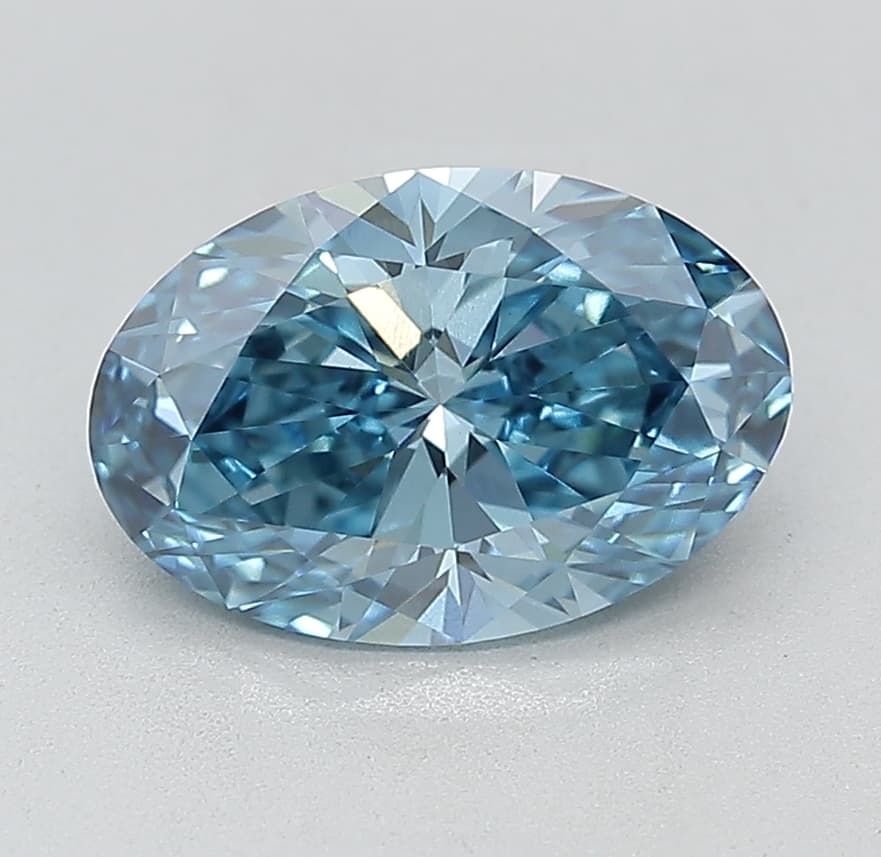
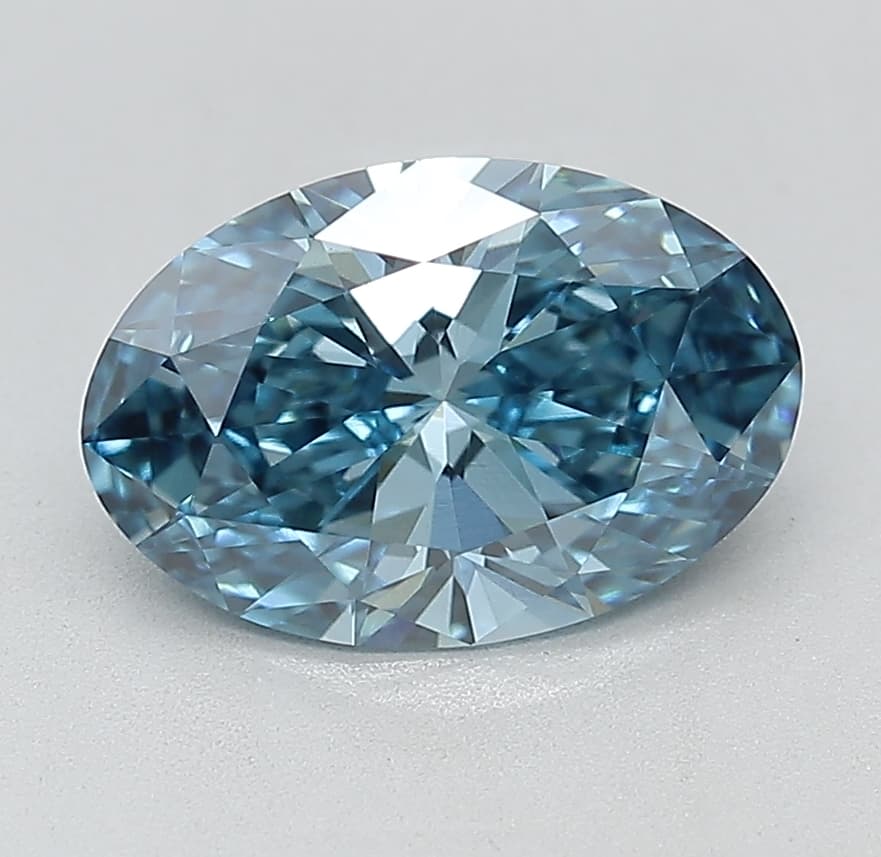
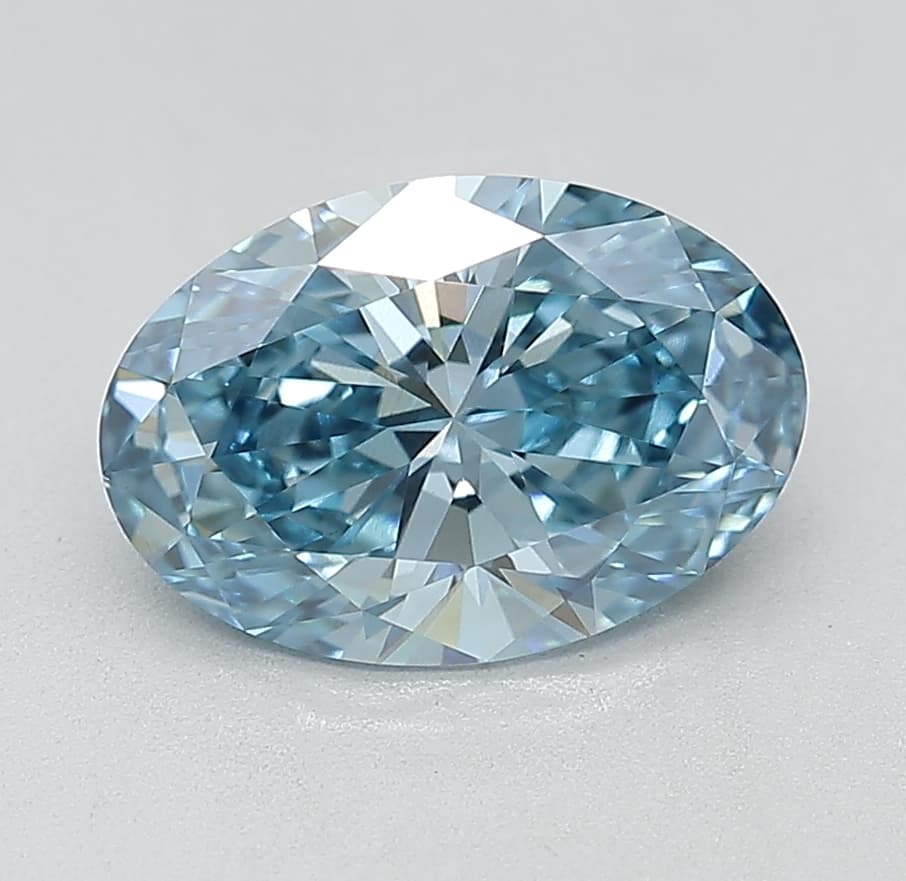
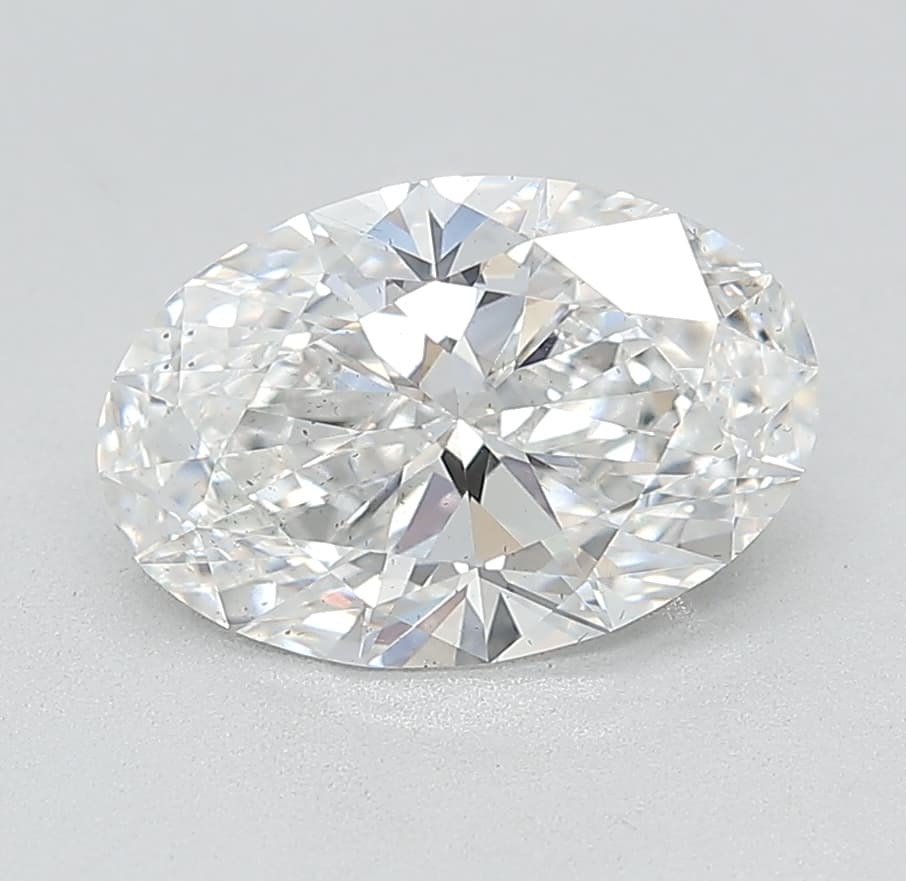
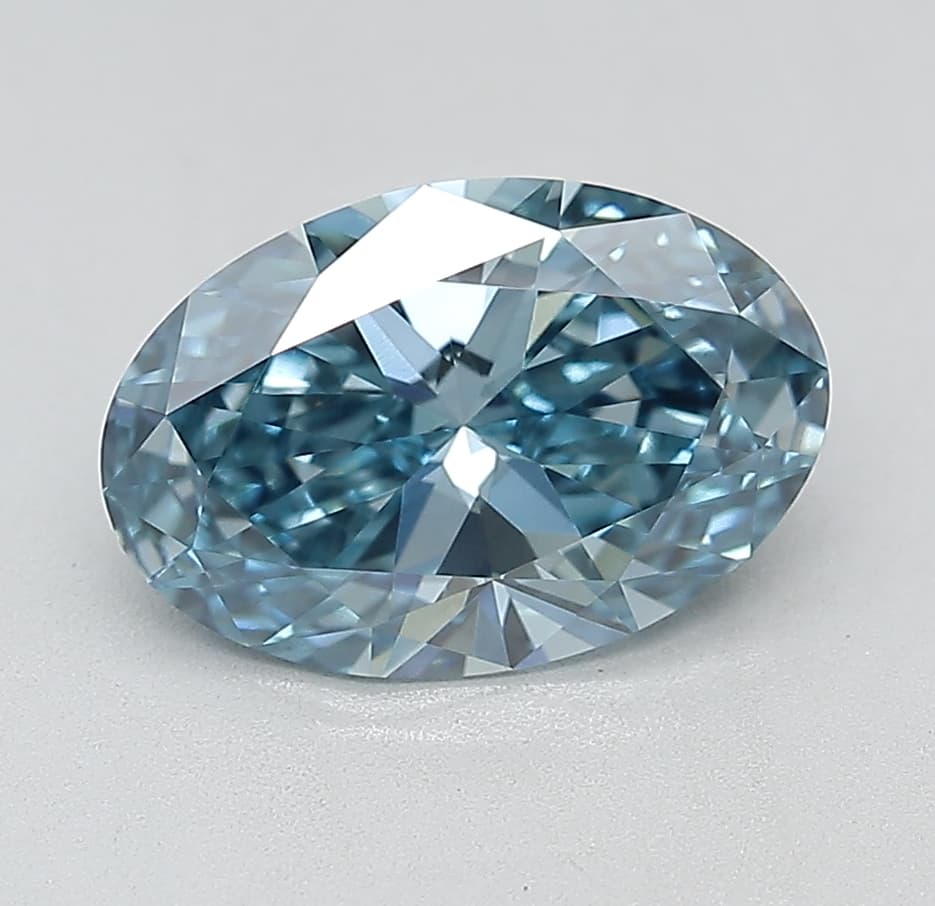
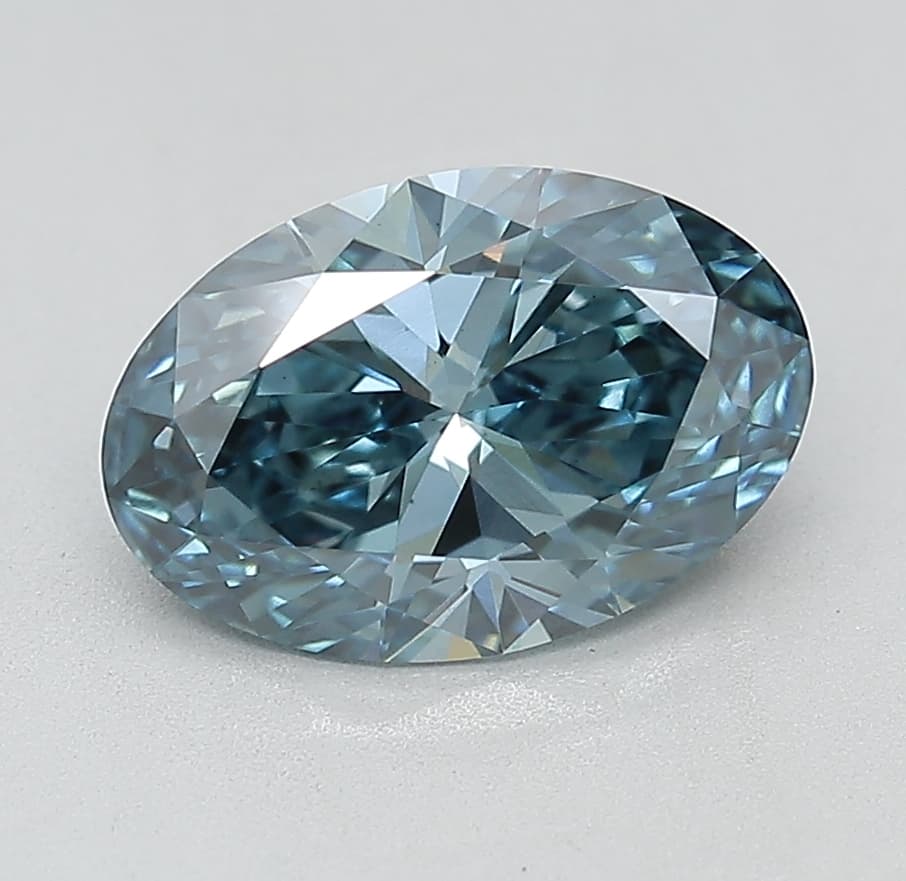
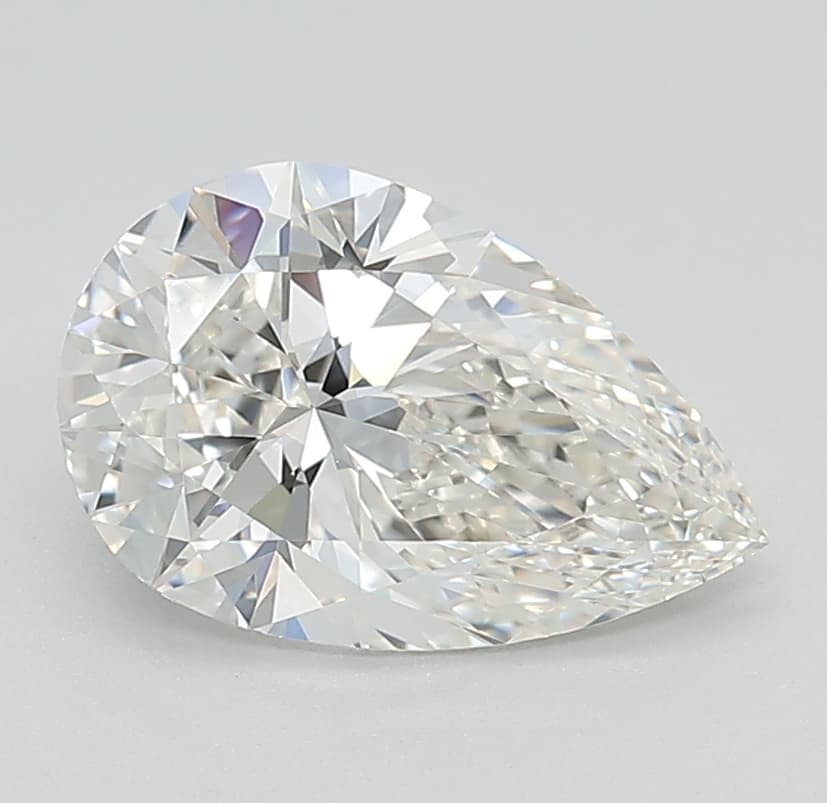
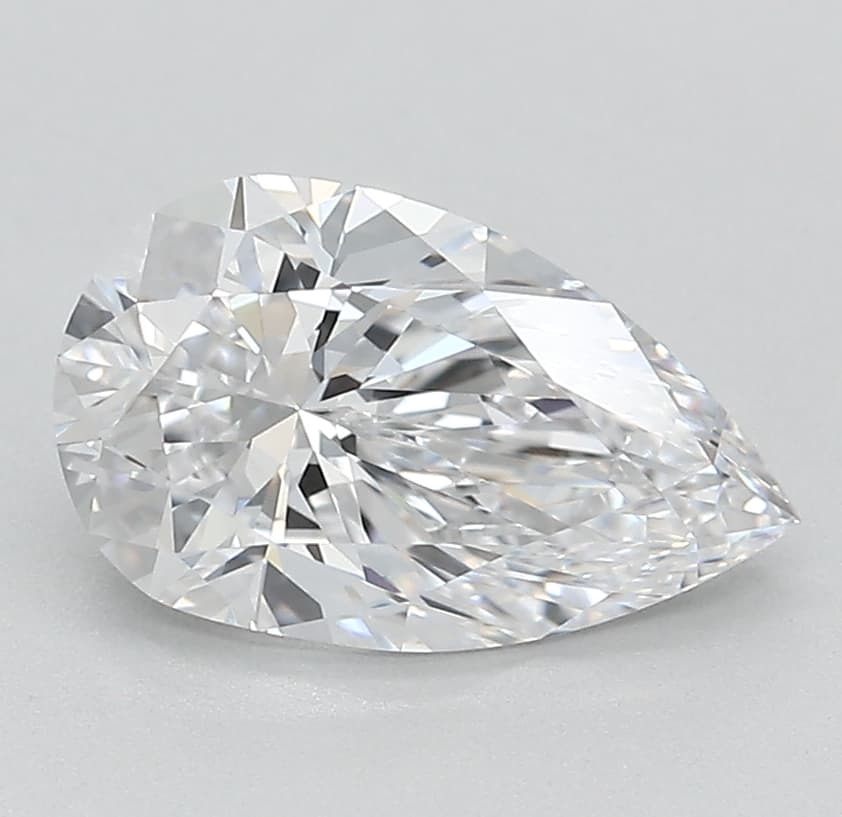
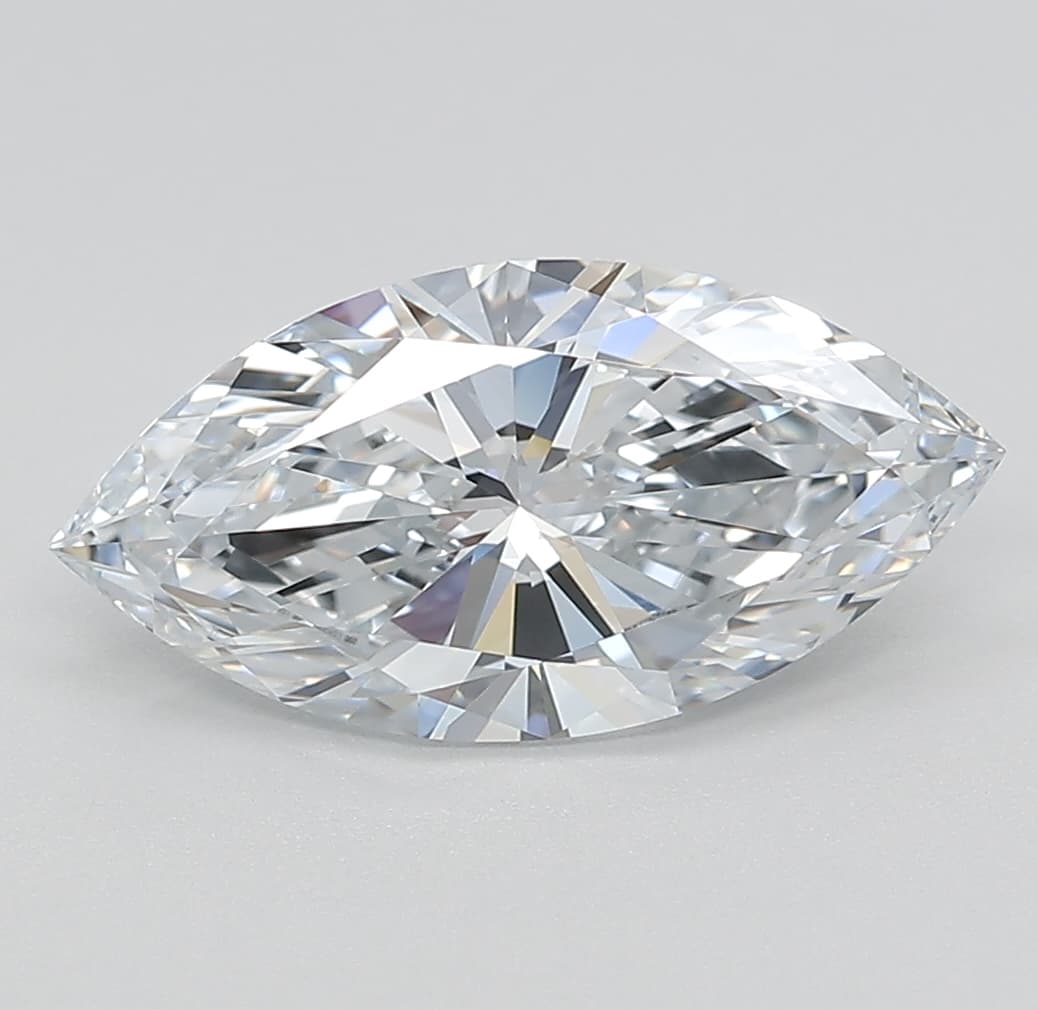
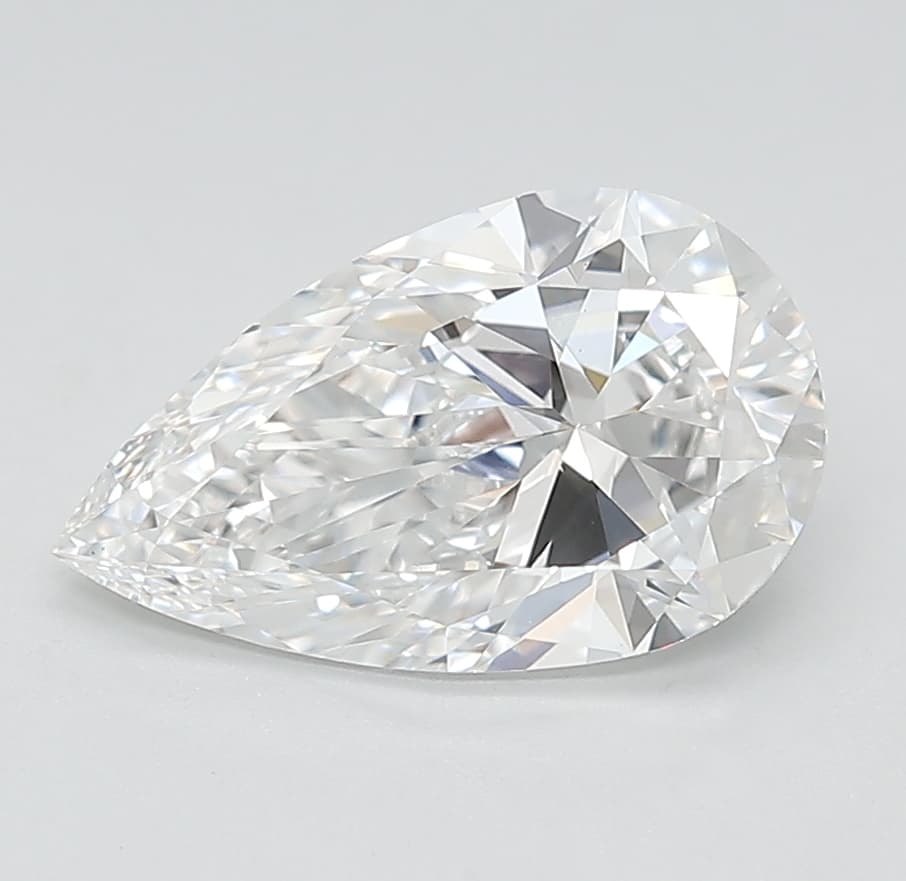
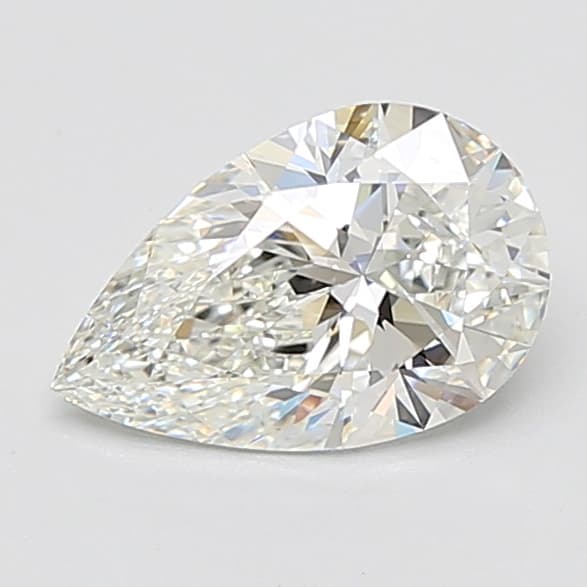
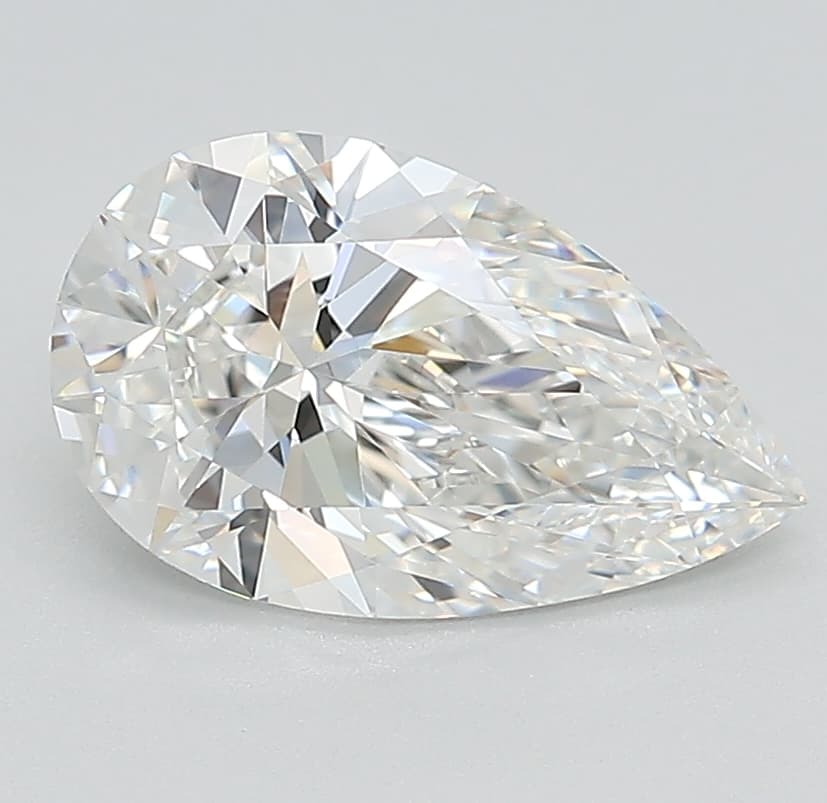
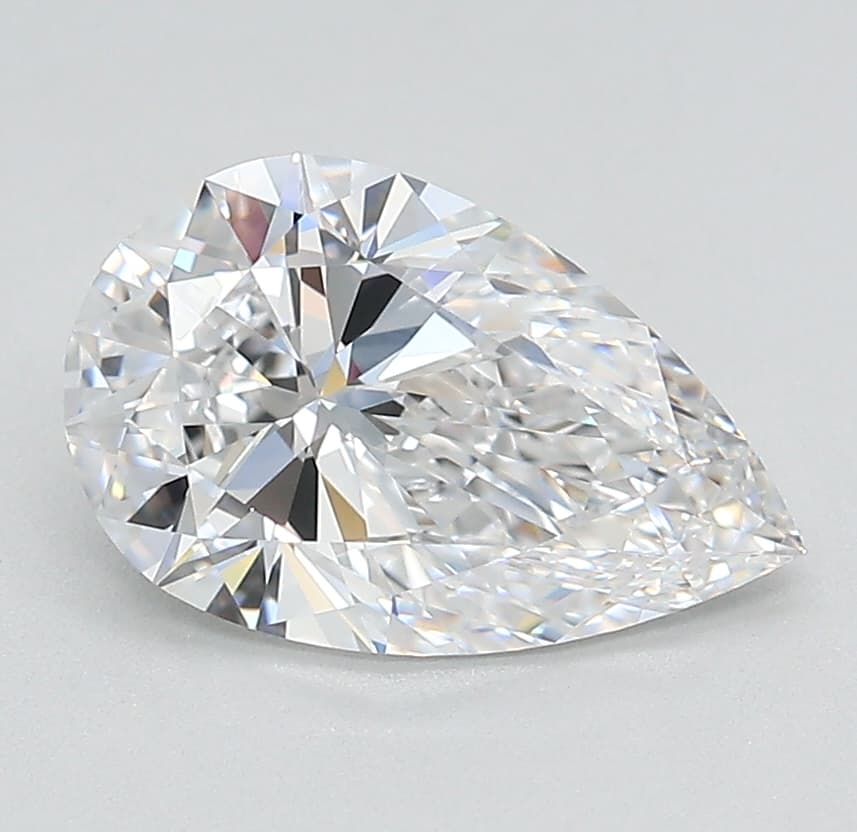
Look down at an oval diamond and you may see a darker shape across its middle, wider at the sides and pinched in the center, like a bow tie. That is the bow-tie effect. It appears in elongated brilliant cuts: ovals, pears and marquises most often, and sometimes hearts, elongated cushions and rectangular radiants.
The bow-tie is an optical effect, not an inclusion. Nothing is inside the stone, and it does not appear on the grading report. It is simply an area where less light comes back up through the top of the diamond toward you, so it looks darker than the rest of the face.
A little contrast is a good thing. A diamond that was bright everywhere, with no dark areas at all, would look flat. The sparkle you see comes from bright and dark facets switching as the stone moves. The question is never whether a bow-tie exists, but how wide, how dark and how fixed it is.
| Bow-tie | What you see |
|---|---|
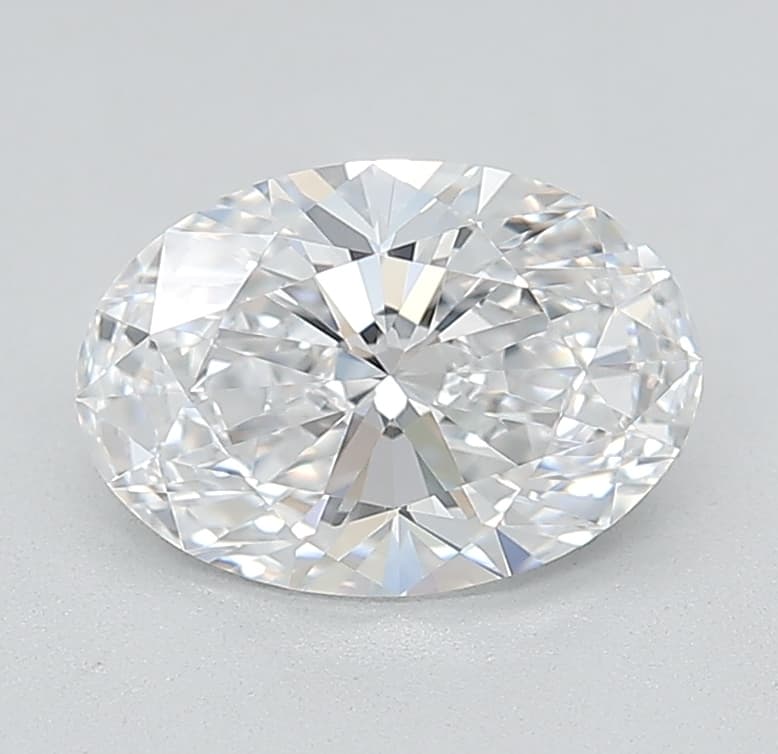
| None visible | The middle is as bright as the ends. |
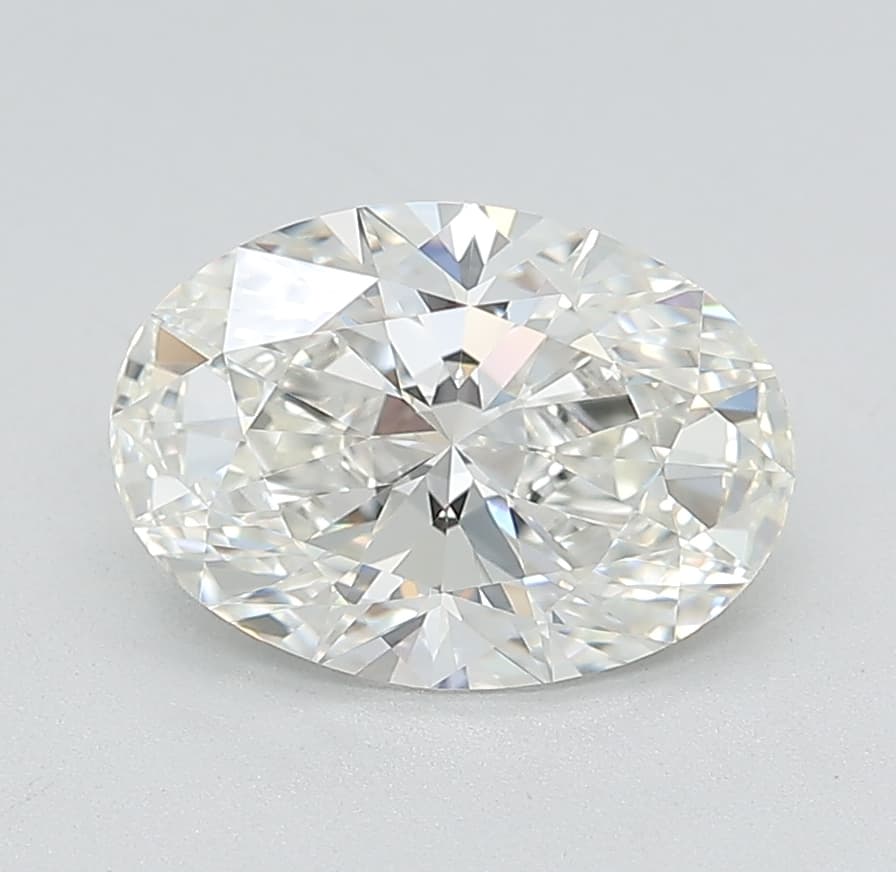
| Faint | A light shadow across the middle that shifts as the stone moves; usually accepted. |
| Strong | A dark band that stays in most positions and draws the eye. |
Why do elongated diamonds get a bow-tie?
A diamond returns light by bouncing it off the facets of the pavilion, the lower half of the stone. In a round brilliant, every pavilion facet sits at much the same angle, so light returns evenly all the way round.
An elongated shape cannot do that. The pavilion has to stretch to reach the ends of the outline, so the facets running toward the ends lie at different angles from the facets across the narrow middle. Across that middle, some facets end up angled so they either:
- reflect the viewer's own head and shoulders, which block the light behind you, so the facets look dark; or
- let light leak out through the bottom instead of sending it back up.
Either way, a band across the width returns less light, and the bow-tie appears. Because the cause is the geometry of the shape, almost every oval, pear and marquise shows some degree of it. A skilled cutter can soften it by choosing the pavilion angles and facet layout carefully, but cannot remove it entirely.
Which shapes show it, and does the ratio matter?
The longer and narrower the outline, the more the pavilion angles have to vary between the middle and the ends, which is why bow-ties are most associated with ovals, pears and marquises. Hearts can show one across their widest part, and elongated cushions and rectangular radiants sometimes do too. Rounds, square cushions, princesses and the step-cut emerald and asscher do not show a bow-tie in this way, though a deep emerald cut can show a dark band.
The length-to-width ratio plays a part, but it is not the whole story. A very slim stone gives the cutter less room to balance the angles, yet a well-cut long oval can still show a softer bow-tie than a poorly cut fuller one. Depth, the pavilion angles and the facet arrangement matter at least as much as the ratio. Our post on oval ratios covers how ratio changes the look, and length-to-width ratio by shape compares every outline.
- Typical L/W1.30–1.50
- Typical L/W1.45–1.75
- Typical L/W1.75–2.25
- Typical L/W0.90–1.10
Why the grading report does not mention it
IGI reports grade polish and symmetry for every shape, and give an overall cut grade for round brilliants (GIA’s assessment for laboratory-grown diamonds, issued since October 2025, shows neither), but there is no agreed scale for the bow-tie. It changes with the lighting, the viewing distance and even the size of the person looking, so a single grade would not describe it fairly.
That means two ovals with identical color, clarity, polish and symmetry grades can look quite different face-up. The report tells you what the stone is; the video tells you how it behaves. For elongated shapes, both matter. Our post on fancy shape cut quality lists the other things to check, with or without a cut grade. IGI has graded the cut of fancy shapes, from Excellent to Poor, since September 2022; GIA does not.
How to judge a bow-tie in a video
A still photo can make a bow-tie look worse or better than it is, because it freezes one moment. Use the video or 360° view on the stone page and look for these things:
- Does it move? Rock the stone, or watch it turn. A bow-tie that flickers, breaks up and comes back is normal contrast. A band that stays solid and dark from every angle is the one to avoid.
- How wide is it? A thin, soft band across the middle is common and usually unnoticeable on the hand. A band covering much of the face makes the stone look smaller and dull.
- How dark is it? Gray and changing is fine. Black and fixed is a concern.
- Is the lighting fair? Strong spotlights can hide a bow-tie with bright flashes. Even, diffused light shows it more honestly, so compare stones filmed in similar light.
- Does the rest of the stone look lively? Bright ends and lively flashes around a soft bow-tie usually mean a well-balanced cut.
If a stone you like has an ASET image, it can help too: our guide to reading an ASET image explains the colors.
A bow-tie that flickers and breaks up as the stone moves is normal contrast. A wide band that stays dark from every angle is the one to pass on. Watch the video rather than judging a still photo.
What to accept, and when to ask for help
For most buyers, a soft bow-tie that comes and goes is perfectly acceptable and invisible across a room. It is part of how an oval or pear sparkles. What you want to avoid is a strong, fixed bow-tie that dominates the stone.
Remember that a ring is rarely seen from one fixed point. It moves with your hand and sits under changing light all day, so a bow-tie that flickers in the video will flicker on the finger too. A setting will not remove a strong bow-tie, so choose the stone for it first.
A few practical steps:
- Choose the shape first, then the stone. Browse oval and pear lab-grown diamonds and shortlist by ratio and carat.
- Compare two or three stones side by side in their videos, under similar lighting.
- Check depth. A stone far outside the common depth range for its shape is more likely to show dark areas; our oval guide gives the usual ranges.
- Ask a diamond specialist. If you are unsure how a bow-tie will look on the hand, our diamond specialists can review the video with you or arrange an appointment to see the stone before you buy.
Frequently asked questions
Is a bow-tie a flaw in a diamond?
No. It is an optical effect of the cut, not an inclusion or damage, and it does not appear on the grading report. A soft bow-tie that moves as the stone turns is normal in elongated shapes. Only a wide, dark, fixed band is a reason to pass on a stone.
Can you buy an oval diamond with no bow-tie?
Almost every oval shows some bow-tie, because the pavilion facets across the middle have to sit at different angles from those near the ends. A well-cut oval keeps it faint and lively, so it is barely noticeable, but expecting none at all is unrealistic.
Do pear and marquise diamonds have a bow-tie too?
Yes. Pears and marquises are elongated brilliants like the oval, so they often show a darker band across their widest part. Hearts, elongated cushions and rectangular radiants can show one as well. Rounds and step cuts such as emeralds do not show it in the same way.
How can I check a bow-tie when buying online?
Watch the video or 360° view rather than a still photo, and see whether the dark band flickers or stays fixed as the stone moves. Compare stones filmed in similar, even lighting, and check that the depth is in the common range for the shape. A diamond specialist can review the video with you.
Glossary terms in this article
More on Shapes & Cuts in the journal.