Rings & Jewelry
Three-Stone Rings: Choosing the Center Stone and Side Stones
By the Vanora Diamond team
Published Last reviewed 5 min read

Quick answer
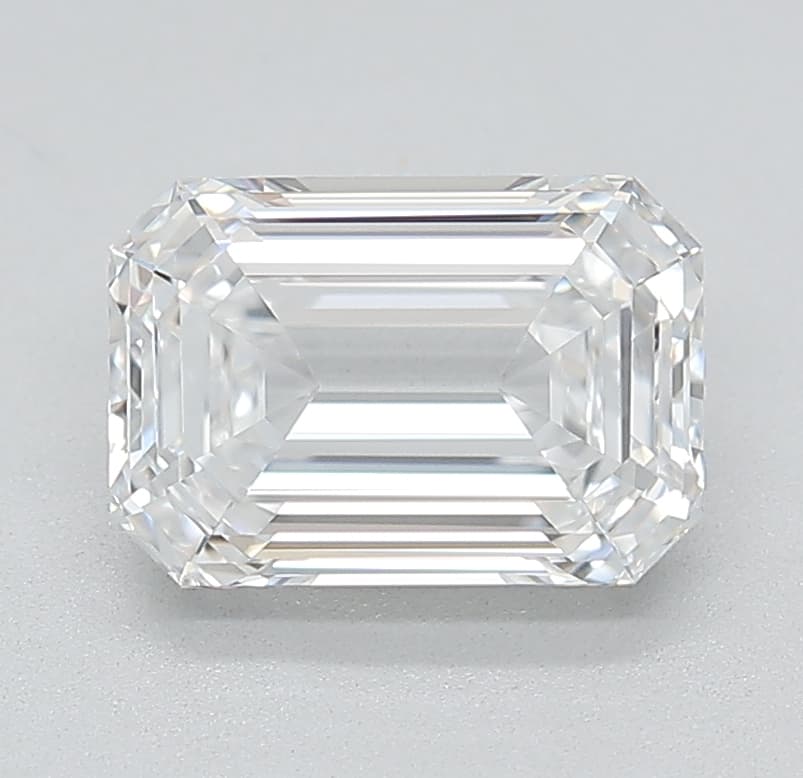
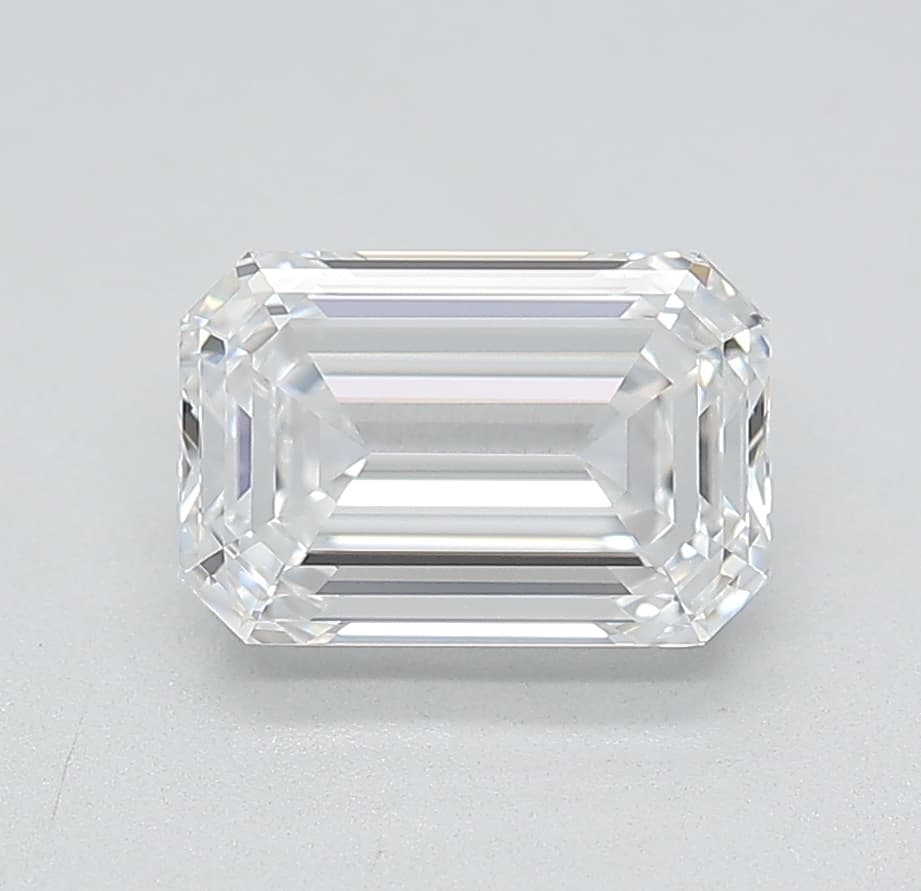
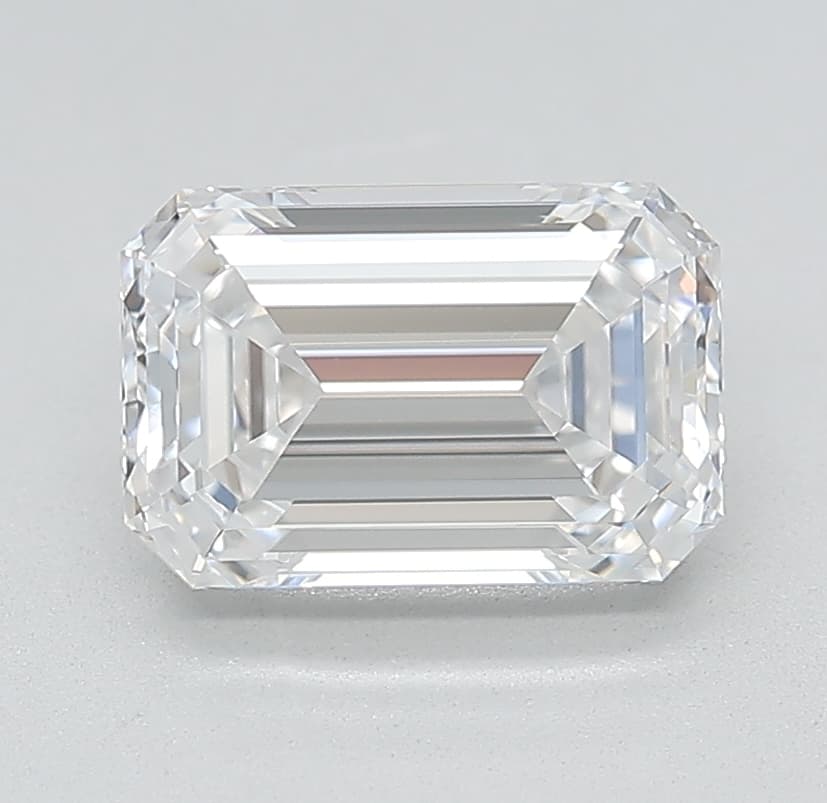
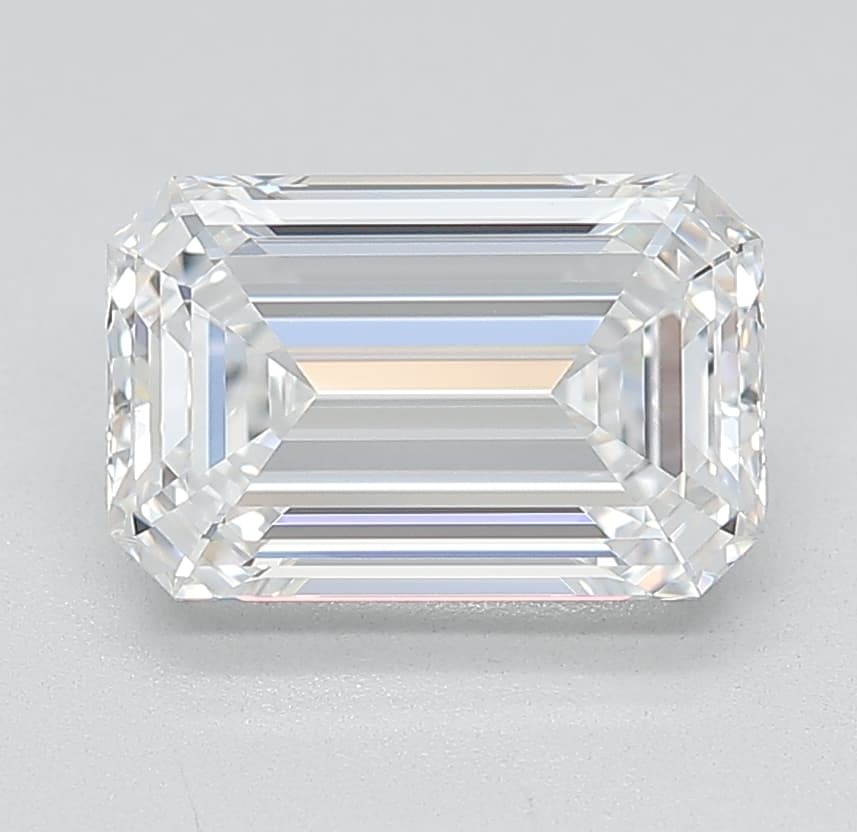
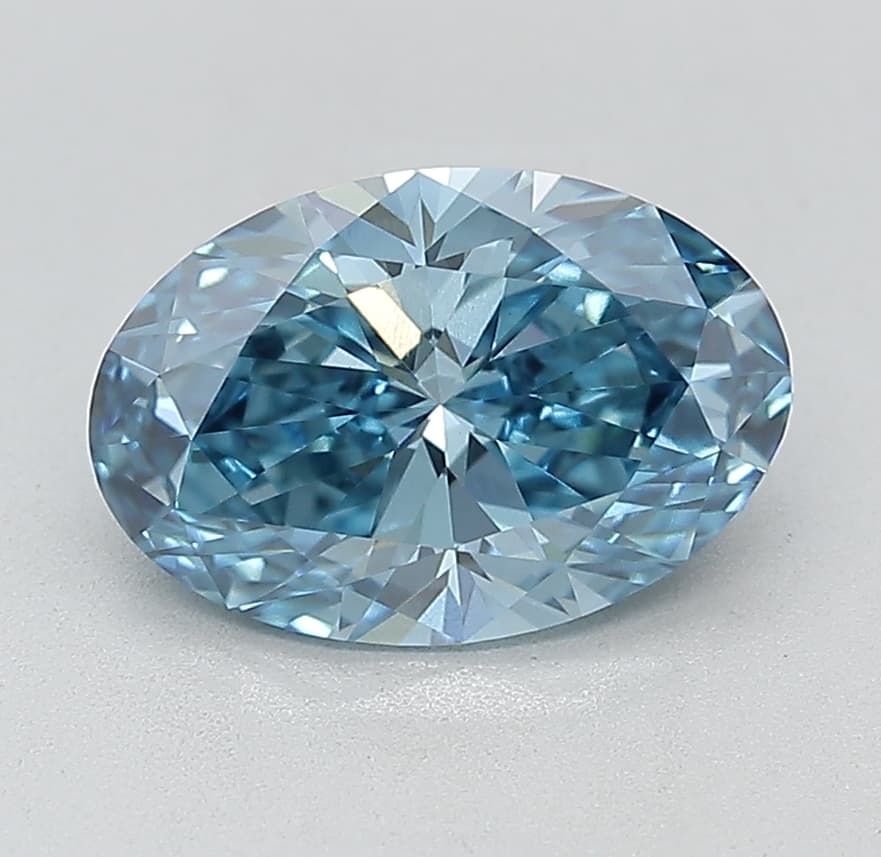
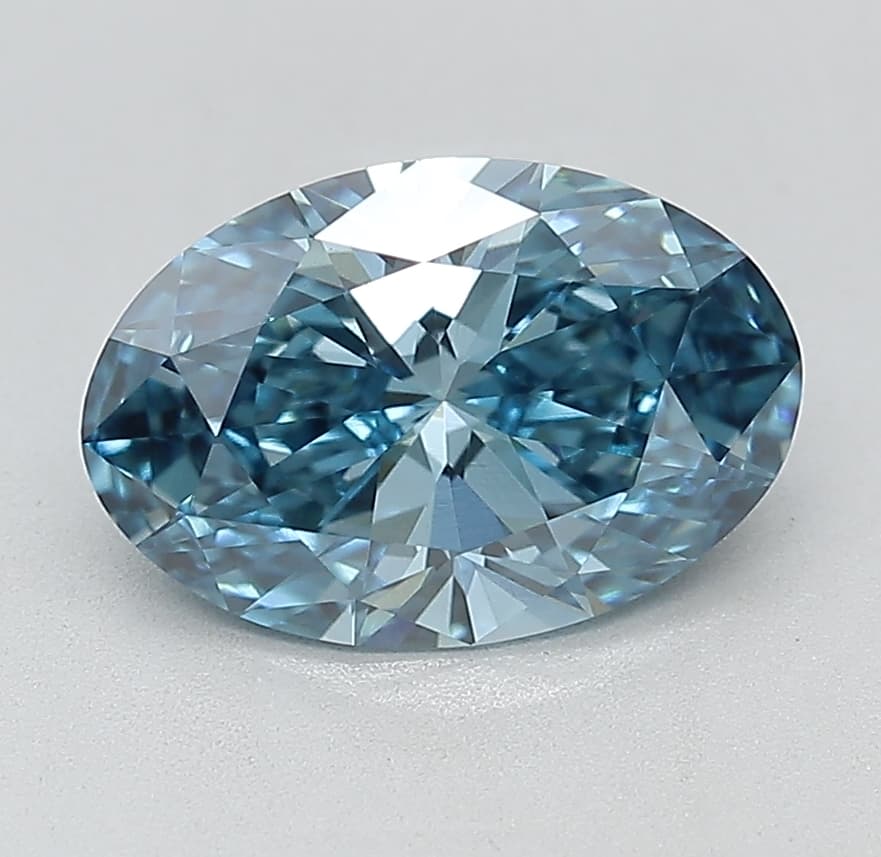
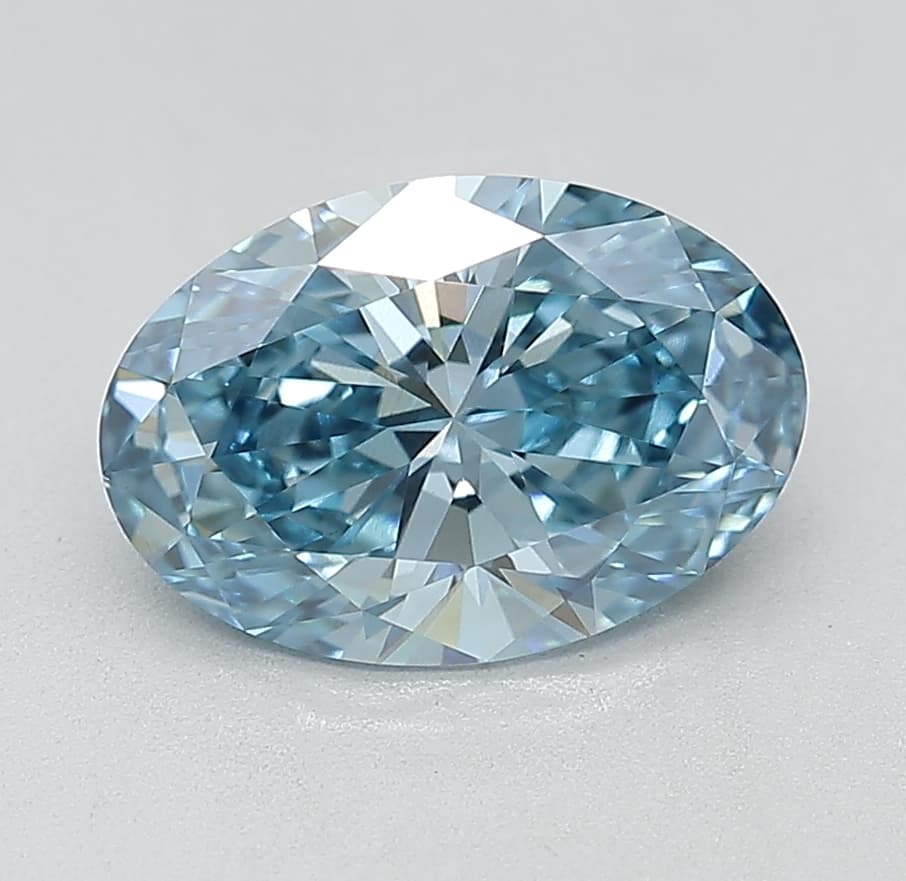
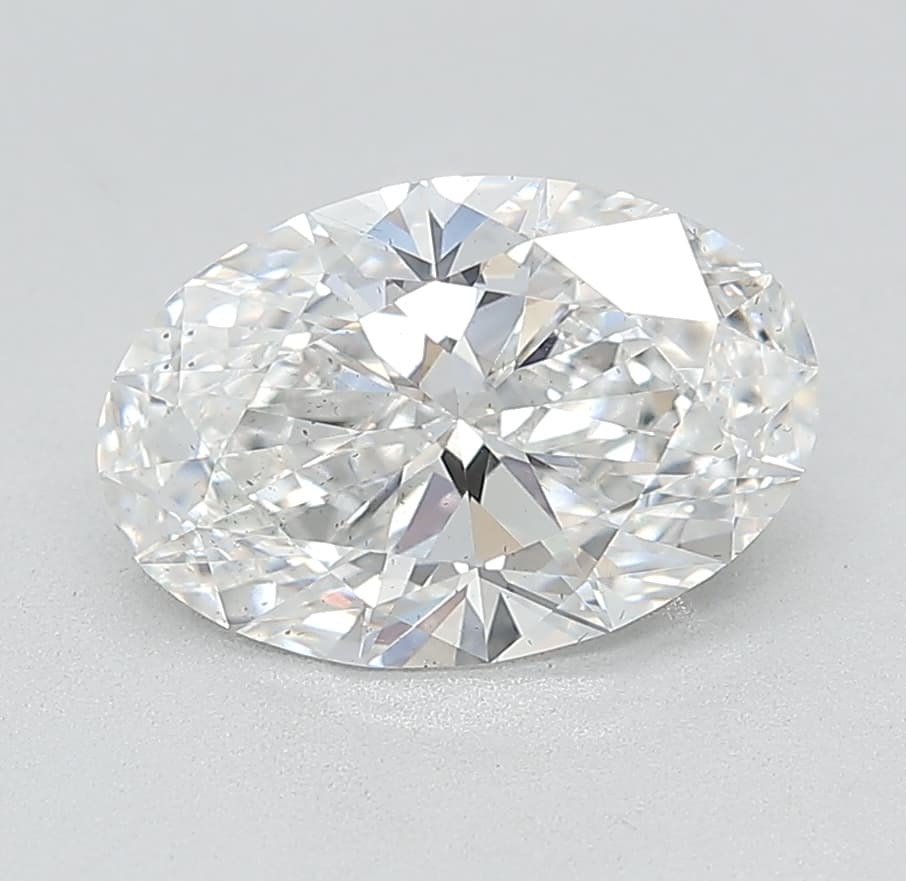
Choose the center stone first, then size the side stones to it: side stones that clearly step down keep the focus on the center, and their color and clarity should match the center closely so the three read as one set. Classic pairings include a round with smaller rounds, an oval or round with pears, and an emerald cut with tapered step cuts, and we offer matched pairs; ask our diamond specialists for details.
How a three-stone ring is put together
A three-stone ring has a center stone with one side stone on each side, set in a row across the top of the finger. The side stones can be the same shape as the center or a different shape chosen to frame it, and they usually sit at the same height or a little lower.
Three decisions shape the ring:
- The center stone: its shape, size and orientation set the scale of the whole ring.
- The side stones: their shape and size relative to the center decide whether the ring reads as one stone with companions or as an even trio.
- The match: color, clarity and cutting style across all three.
You choose the loose lab-grown center stone with us, and a jeweler of your choice sets all three. For the side stones, we offer matched pairs; ask our diamond specialists for details.
Choose the center stone first
Start the way you would for a solitaire: pick the shape you love, then the face-up size. Our solitaire center stone guide walks through cut, color and clarity in detail.
One thing is different in a three-stone ring: the row of stones runs across the finger, so the combined width matters. Add the width of the center to the widths of both side stones, plus a little metal, and compare the total with the inner diameter of the ring size in our ring size to mm guide.
This is where elongated center stones help. An oval or emerald cut set lengthwise is narrower across the finger than a round of similar face-up area, which leaves more room for the side stones. A round of the same weight spreads its size evenly in both directions.
| US size | Inner diameter (mm) | Inner circumference (mm) | UK / AU | EU / ISO |
|---|---|---|---|---|
| 4 | 14.9 | 46.8 | H½ | 47 |
| 5 | 15.7 | 49.3 | J½ | 49 |
| 6 | 16.5 | 51.9 | L½ | 52 |
| 7 | 17.3 | 54.4 | N½ | 54 |
| 8 | 18.1 | 57.0 | P½ | 57 |
| 9 | 18.9 | 59.5 | R½ | 60 |
| 10 | 19.8 | 62.1 | T½ | 62 |
| 11 | 20.6 | 64.6 | V½ | 65 |
| 12 | 21.4 | 67.2 | X½ | 67 |
Sizing the side stones
There is no fixed rule, but a rough starting point is side stones noticeably smaller than the center, often somewhere around half to three-quarters of its width. Within that range:
- Smaller side stones keep the attention on the center and make it look larger by comparison.
- Larger side stones give a fuller, more even ring and increase the overall width.
- Three equal stones are a distinct look of their own, more like a short row than a center with companions.
Match side stones by face-up measurements, not carat weight. Two side stones of the same weight can differ in size if one is cut deeper, and a pair that looks uneven is far more noticeable than one that is slightly smaller than planned. For a pair, the two side stones should mirror each other as closely as possible in length, width and outline.
Classic center and side stone combinations
| Center stone | Side stones that often work | The effect |
|---|---|---|
| Round | Smaller rounds, pears or tapered baguettes | Traditional, bright and balanced |
| Oval | Pears, smaller rounds or half-moons | Soft curves that follow the oval’s outline |
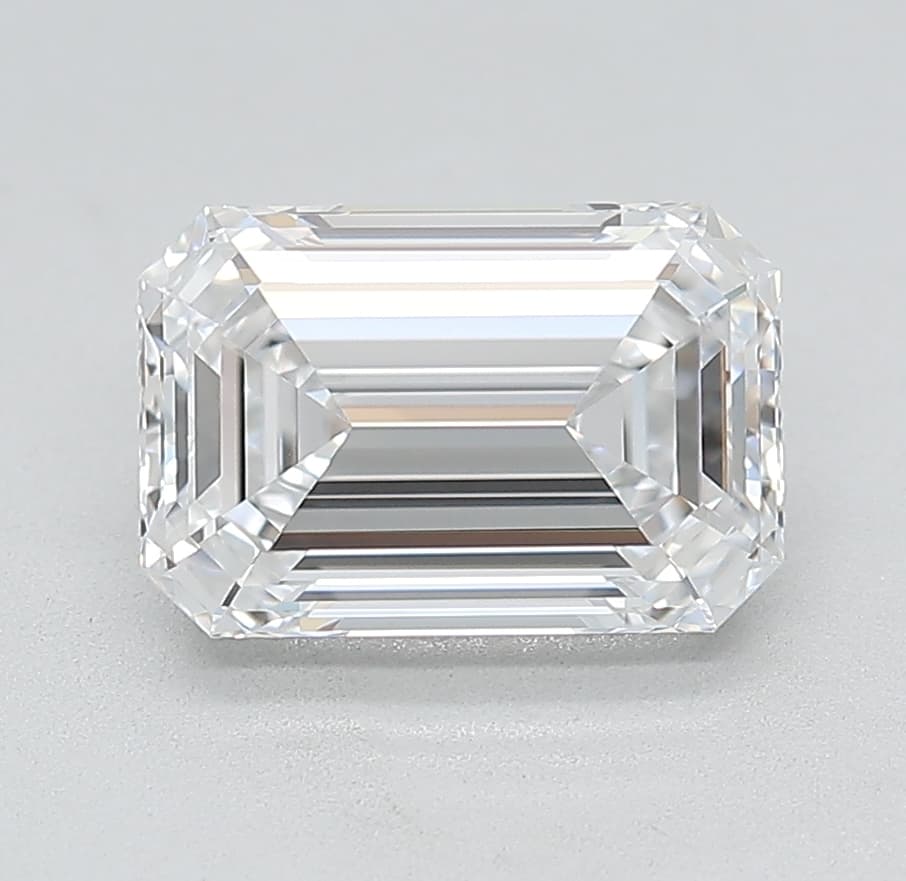
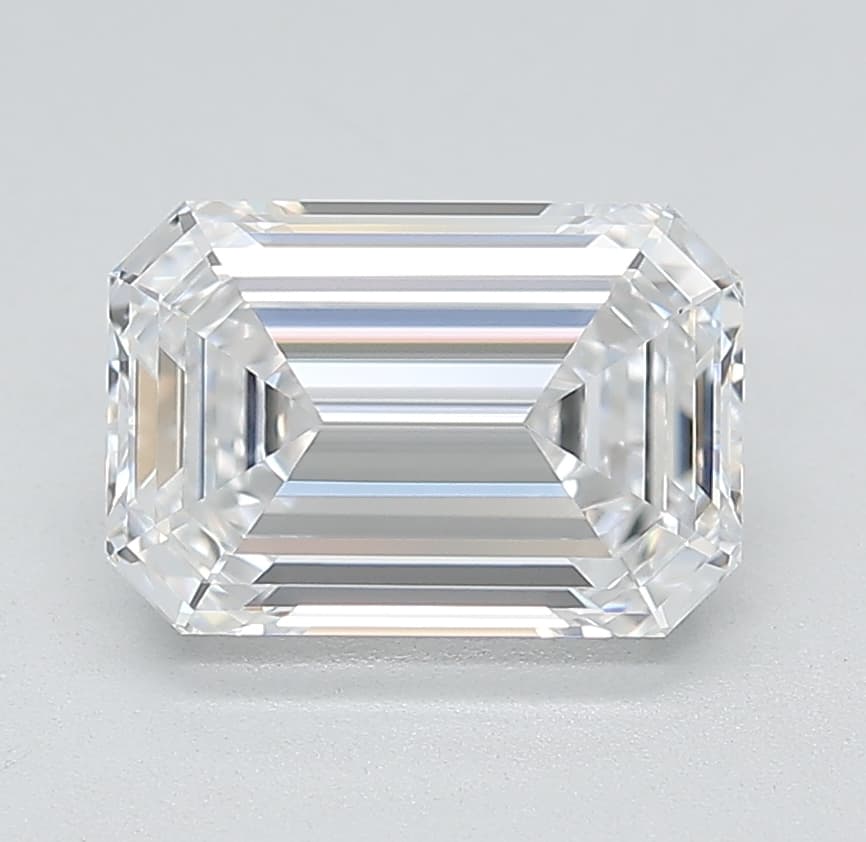
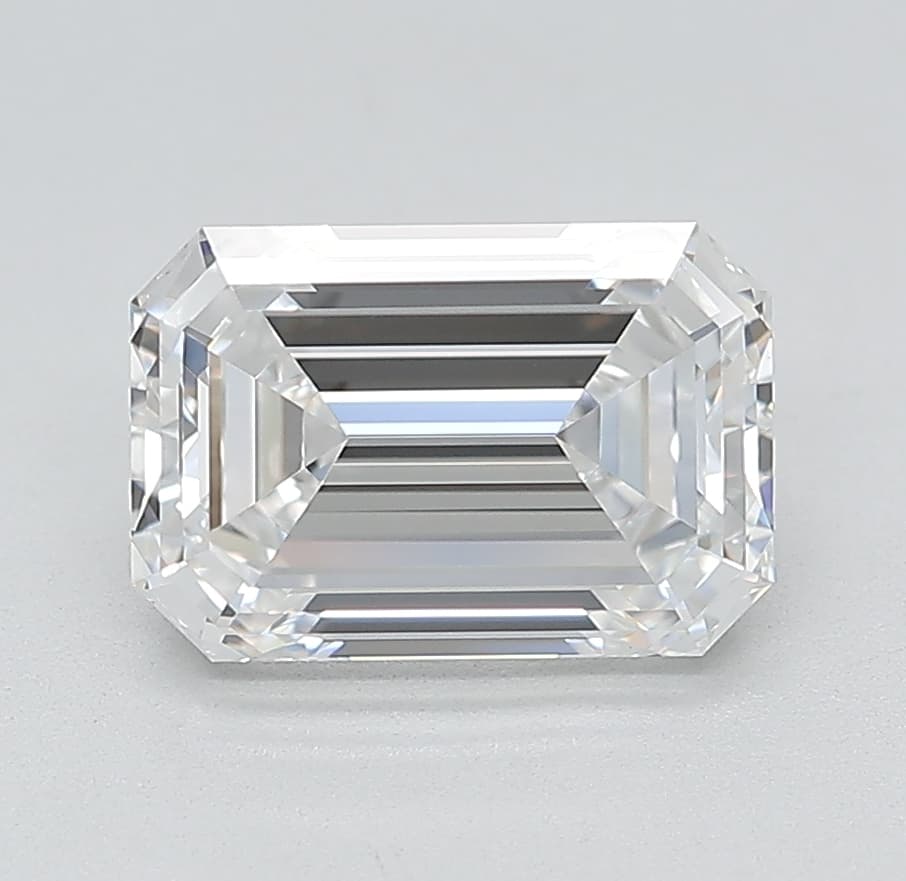
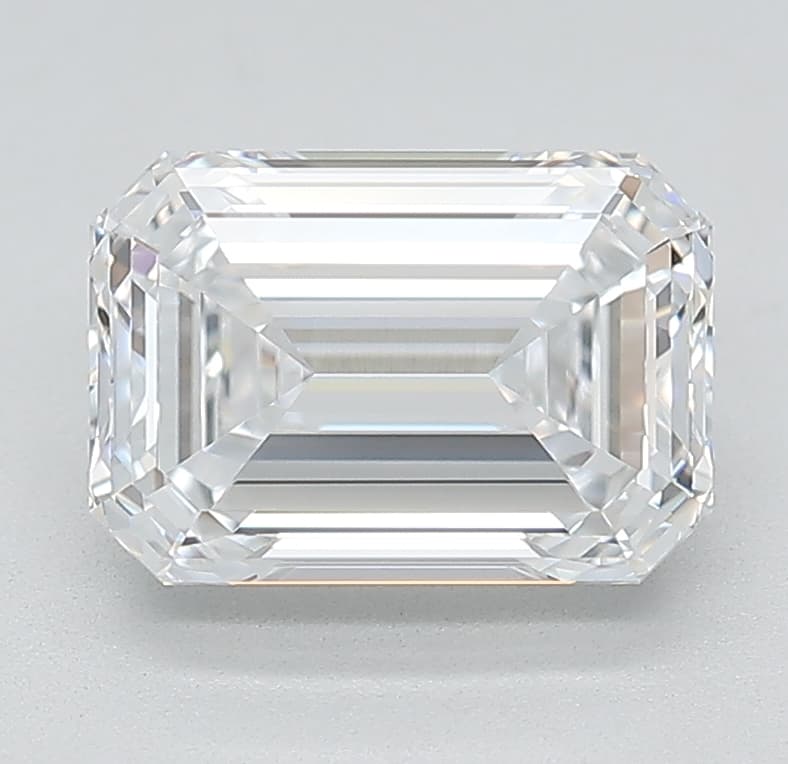
| Emerald | Tapered baguettes, trapezoids or smaller emerald cuts | Clean step-cut lines from end to end |
| Cushion | Half-moons, trapezoids or pears | A softer, vintage-leaning frame |
| Radiant | Trapezoids, smaller radiants or pears | Crisp outline with plenty of sparkle |
| Princess | Smaller princess cuts or trilliants | A geometric, square-edged look |
Pear side stones can point toward the center or away from it, and the choice changes the look noticeably, so ask your jeweler for a sketch of both. Step-cut side stones (baguettes, trapezoids) suit an emerald or Asscher center because their long facets echo its hall-of-mirrors pattern, while brilliant-cut sides suit brilliant centers.
- Typical L/W1.45–1.75
- BaguetteL/WVaries by cutter
- TrapezoidL/WVaries by cutter
- Half MoonL/WVaries by cutter
- TrilliantL/WVaries by cutter
Matching color, clarity and cutting style
Three stones in a row invite comparison, so the match matters as much as the individual grades:
- Color: side stones in the same color grade as the center, or very close to it, keep the set even. A side stone noticeably whiter or warmer than the center draws the eye. Step-cut side stones show body color more than brilliant ones of the same grade, which is worth remembering when you pair an emerald center with baguettes. See the diamond color guide.
- Clarity: all three should be eye-clean. Side stones are smaller and sit to the side, but a visible inclusion still shows.
- Fluorescence and finish: matching fluorescence and similar polish and symmetry keep the three looking alike in different light.
When a ring is described by total carat weight, that number is the combined weight of all three stones, so read the weight of each stone on its own report.
When a ring is described by total carat weight, that number is the combined weight of all three stones. Read the weight of each stone on its own report.
Height, prongs and everyday wear
A few practical points are worth settling with your jeweler before the stones are set:
- Height: side stones set at the same height as the center make a flat, even row; side stones set a little lower let the center stand out and can make the profile easier to wear.
- Shared prongs: adjacent stones can share a prong between them, which shows more diamond and less metal. Each stone still needs a secure hold of its own.
- Points: pear, marquise or trilliant side stones have points at the outer edges of the ring, where knocks happen, so plan a V-prong or bezel over each one.
- Wedding band: a row of three stones is wider than a single head, so check how a band will sit beside it, or whether a shaped band is needed.
These choices do not change which stones you need, but they can change how large the side stones should be, so it helps to agree on them early.
Building a matched set with us
- Choose the center from our live listings and check its report and 360° view.
- Ask our diamond specialists about matched side stones, with the shape, approximate size and orientation you have in mind.
- Buy the center once the side stones are chosen and your jeweler confirms the design.
- Give your jeweler every measurement so the setting fits all three stones.
Jewelers building three-stone rings for clients can apply for a trade account. The suggestions below are center stones that suit this design; to start on the side stones, ask a specialist.
Frequently asked questions
How big should the side stones be in a three-stone ring?
There is no fixed rule. A rough starting point is side stones around half to three-quarters of the center stone’s width, which keeps the focus on the center. Larger side stones give a fuller, more even ring, and three equal stones give a distinct look of their own.
Do side stones need the same color and clarity as the center?
They should be the same or very close. Stones set side by side are easy to compare, so a side stone that is whiter or warmer than the center stands out. All three should be eye-clean, and matching fluorescence helps them look alike in daylight.
Can you supply the side stones as well as the center?
Our listings are single loose lab-grown diamonds, and we also offer matched pairs, which can serve as side stones. Ask our diamond specialists for details, with the shape, approximate size and orientation you have in mind.
What does total carat weight mean on a three-stone ring?
Total carat weight is the combined weight of all three stones. It does not tell you how the weight is split, so check the weight and measurements of the center and each side stone on their own reports or stone pages.
Glossary terms in this article
More on Rings & Jewelry in the journal.