Buying & Care
Upgrading a Diamond for an Anniversary: Choosing the Next Stone
By the Vanora Diamond team
Published Last reviewed 4 min read

Quick answer
Decide first what you want more of, whether size, a different shape, a whiter stone or a new style of ring, because each points to a different diamond. Then plan around what you already have: the setting, the wedding band and the original stone, which you can keep and wear in a new way. Treat the new diamond as a new purchase chosen on its own merits, rather than counting on a trade-in.
Start with what you want to change
"Bigger" is the usual first answer, but it is worth being more specific, because each wish leads to a different search:
| If you want | Look at | Where to start |
|---|---|---|
| More presence on the hand | Face-up millimeters, not just carats | 3 carat and above |
| A different shape | How the outline sits on the finger | Our shape guides, such as oval |
| A whiter stone | Color grades D to F | D color diamonds |
| More sparkle | Cut quality, polish and symmetry | The diamond cut guide |
| A new style of ring | Three-stone, halo or side stones | A conversation with your jeweler |
If the person wearing the ring is involved, ask them which of these matters most. They may be attached to the original stone or setting in ways that are easy to overlook.
Size: compare millimeters, not just carats
Size grows more slowly than weight. A 2 carat round weighs twice as much as a 1 carat round but is only about a quarter wider across, so a step up that sounds large on paper can look modest on the hand. As a rough guide for well-cut rounds:
| Carat weight | Approximate round diameter |
|---|---|
| 1.00 ct | 6.4 to 6.5 mm |
| 2.00 ct | 8.0 to 8.1 mm |
| 3.00 ct | 9.2 to 9.3 mm |
Fancy shapes do not follow this chart, so compare the length and width on each report. Our carat weight guide explains how cut and shape change face-up size, and the ring size to mm chart helps you picture a stone against the finger.
Think about everyday wear, too. A larger stone usually sits higher and wider, so it catches on more things and may change how the ring sits next to the wedding band.
| Weight | Stones | Median length (mm) | Median width (mm) |
|---|---|---|---|
| 1.00–1.09 ct | 19 | 6.46 | 6.48 |
| 2.00–2.19 ct | 17 | 8.20 | 8.26 |
| 3.00–3.29 ct | 51 | 9.38 | 9.42 |
Changing shape
An anniversary is a natural moment to try a shape you have always admired. Each one wears differently:
- Oval: elongated and soft, with plenty of length on the finger.
- Radiant: a cut-corner rectangle or square with brilliant sparkle.
- Emerald: long, open step-cut facets that show clarity and color more readily, so buyers often go a grade higher.
- Pear: a rounded end and a point, which needs a protective prong.
For elongated shapes, the length-to-width ratio decides how slim or full the outline looks, so compare it alongside the carat weight.
- Typical L/W1.30–1.50
- Typical L/W1.00–1.05 square1.20–1.40 rectangular
- Typical L/W1.30–1.50
- Typical L/W1.45–1.75
Fit the setting and the wedding band
A new diamond almost always needs at least a new head, the part of the setting that holds the stone, because the prongs are made for one stone’s length, width and depth. Before you choose:
- Ask your jeweler whether your existing ring can take a new head or needs a new mounting. Send them the measurements on the report of any stone you are considering.
- Check the band. A taller or wider stone can leave a gap against a straight wedding band, or may need a shaped or contoured band to sit flush.
- Keep the metal in mind. A D to F stone shows its whiteness best in white metal; yellow and rose gold are more forgiving of slightly warmer grades.
What to do with the original diamond
The first stone carries the memory of the proposal, and you may well want to keep wearing it rather than part with it. Some ideas:
- A pendant or a right-hand ring, so it is still worn every day.
- A three-stone ring, with the new diamond in the center and the original beside it, or the original in the center with two new side stones.
- Earrings, paired with a new stone matched to it in size, color and shape.
- Keep it for the next generation, with its report and paperwork.
If the original and the new stones will sit side by side, match them carefully. A difference of a few color grades, or a big gap in cut quality, is easier to see between neighboring stones than in either stone alone.
If the original and the new stones will sit side by side, match them carefully. A difference of a few color grades, or a big gap in cut quality, is easier to see between neighboring stones than in either stone alone.
Trade-in and upgrade offers
We do not advertise a trade-in or upgrade program, so plan any upgrade with us as a new purchase. If another seller offers trade-in credit, ask for every condition in writing before you rely on it: whether a minimum spend applies, what paperwork and condition they require, and how the credit is worked out.
It also helps to be realistic about the stone you already own. The resale market for lab-grown diamonds is limited, as we explain in do lab-grown diamonds have resale value?, which is one more reason to keep and re-use the original stone rather than sell it.
Planning the moment
An upgrade involves the same chain as a first ring: choosing and confirming the stone, delivery, and setting by your jeweler. Work back from the anniversary date and leave a buffer; our proposal timeline shows how.
Ring size is easier this time, since your jeweler can measure the ring already being worn. If the upgrade is a surprise, find a reason to borrow it for a cleaning. Once the new stone is set, update your insurance; see insuring a lab-grown diamond.
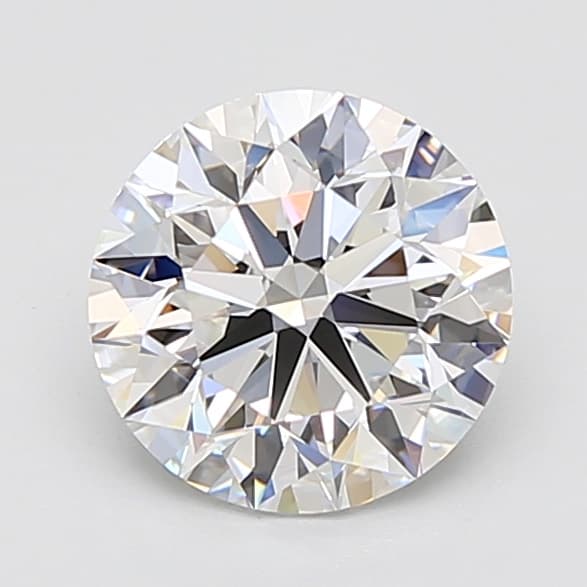
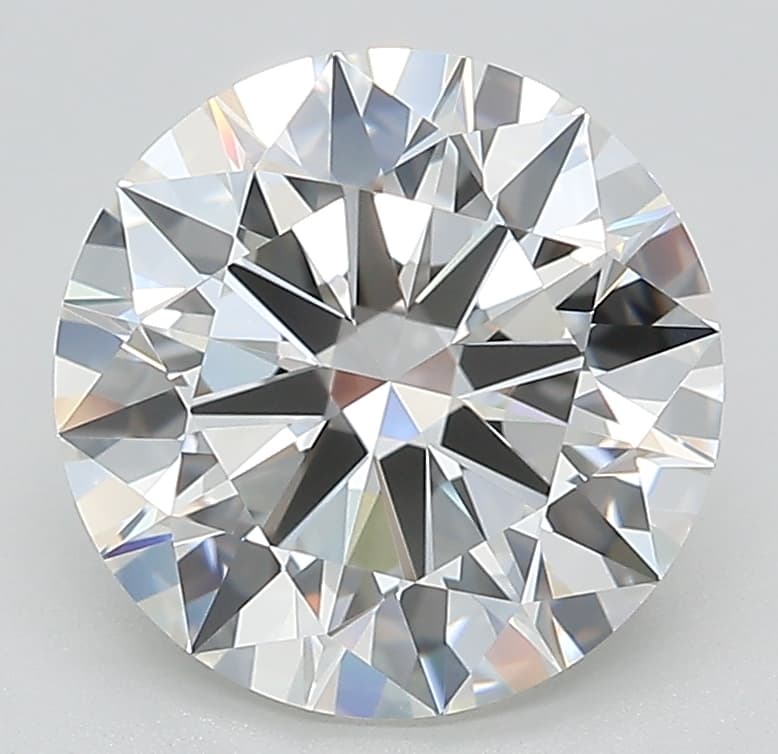
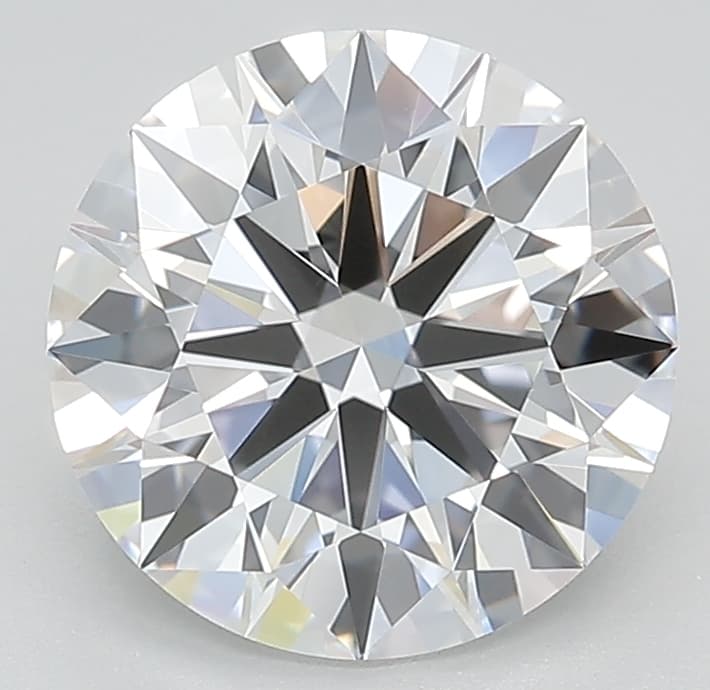
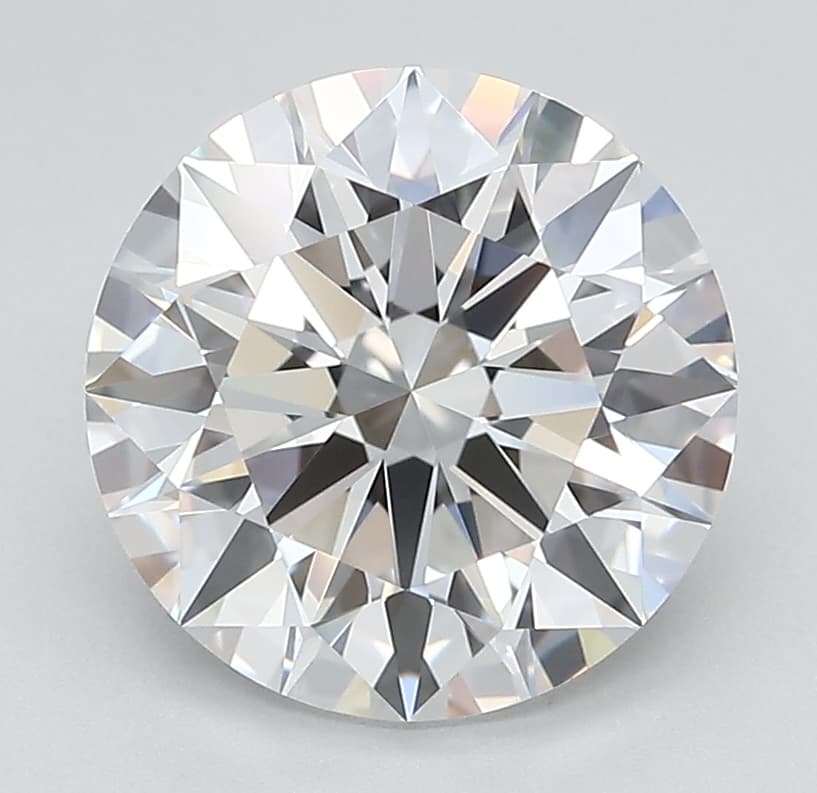
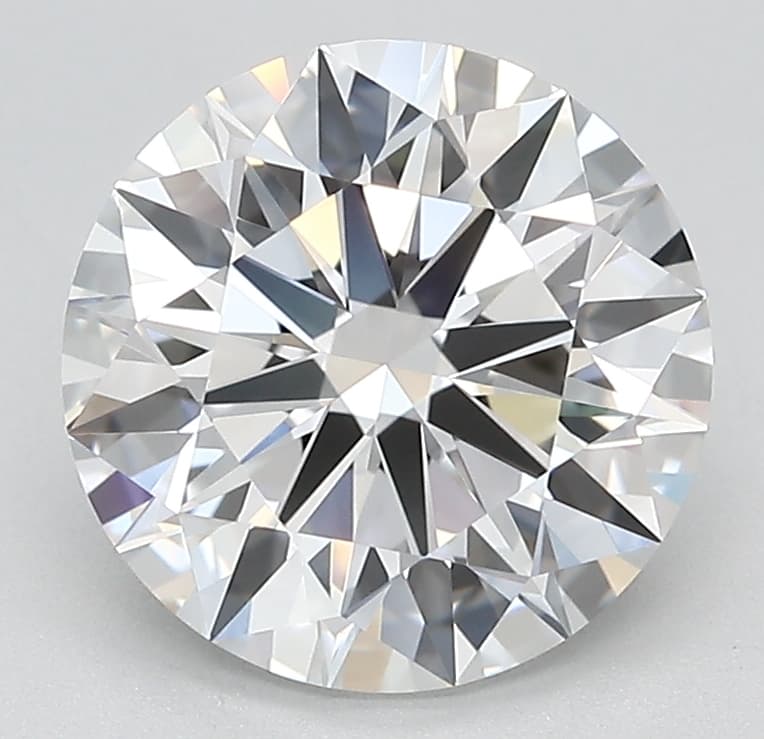
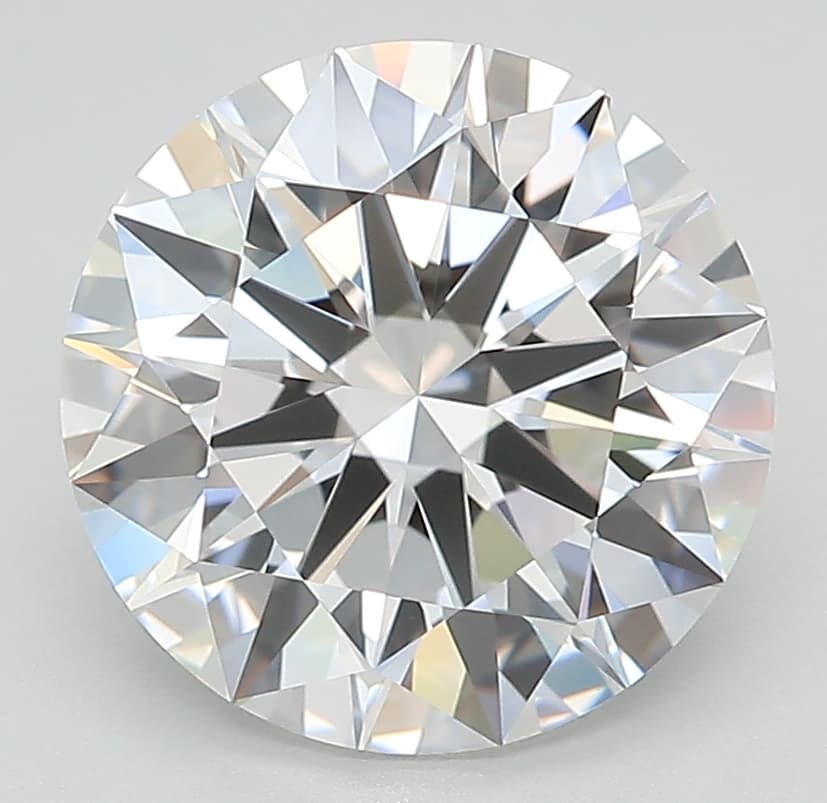
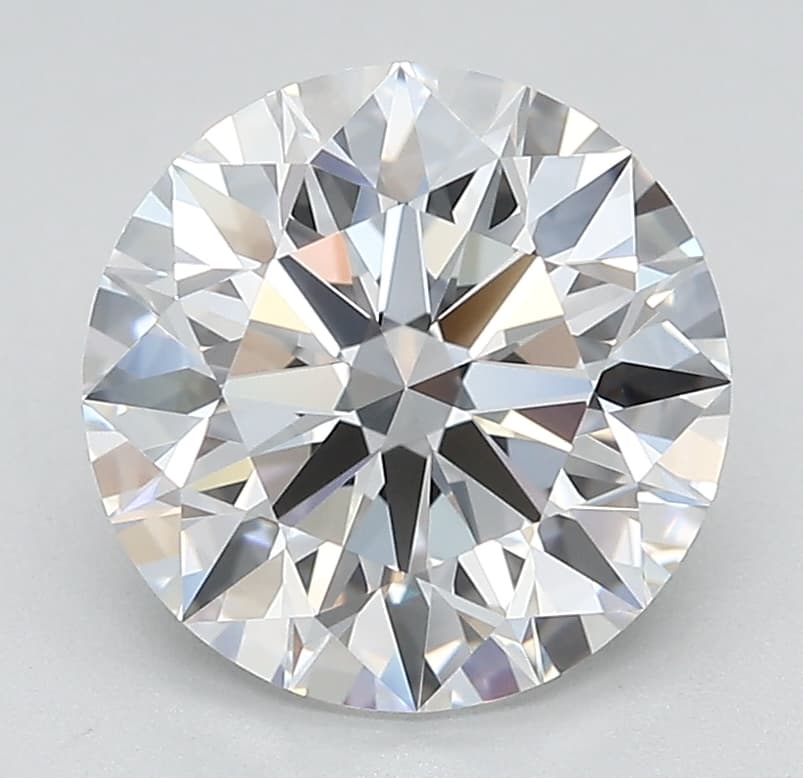
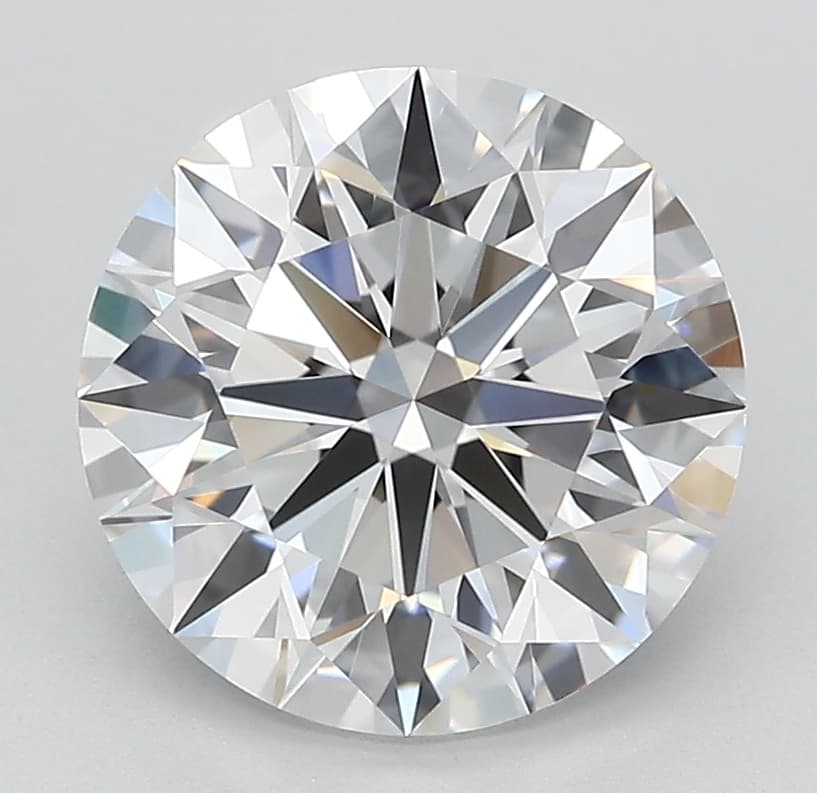
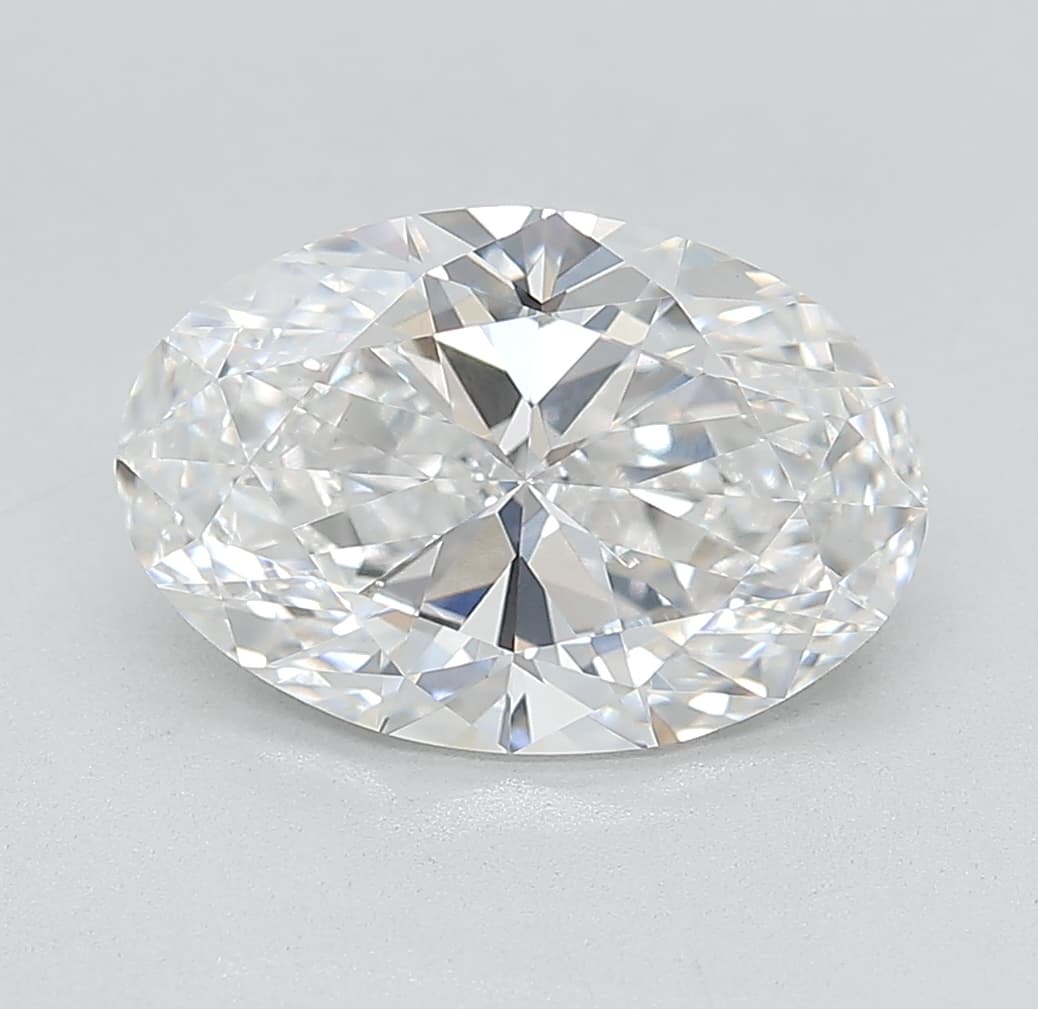
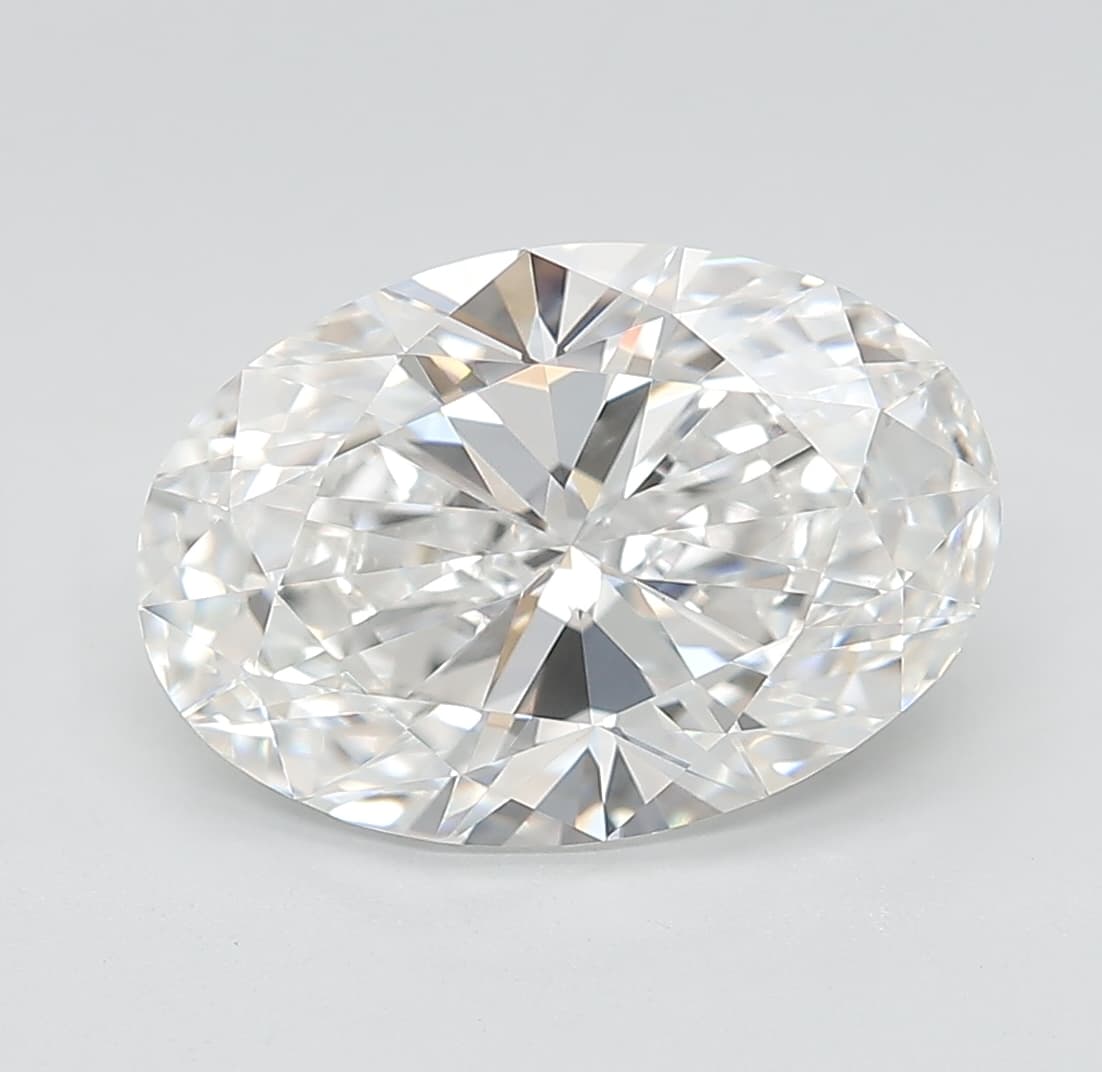
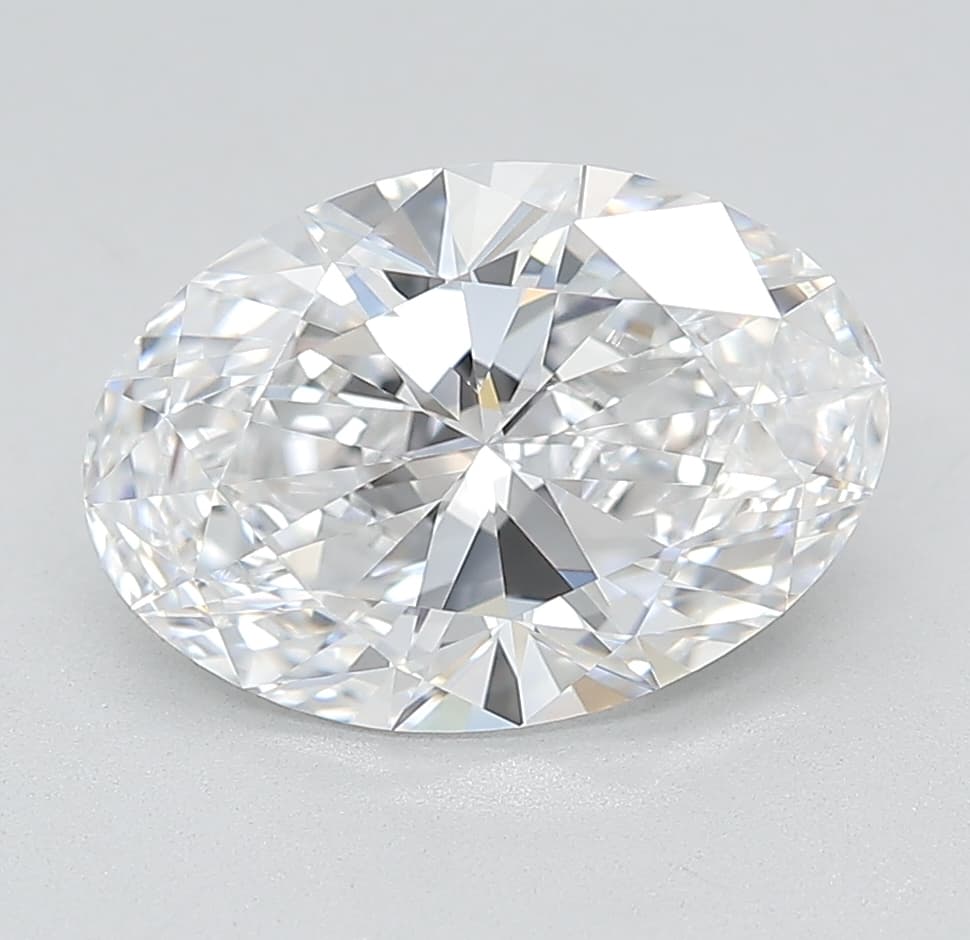
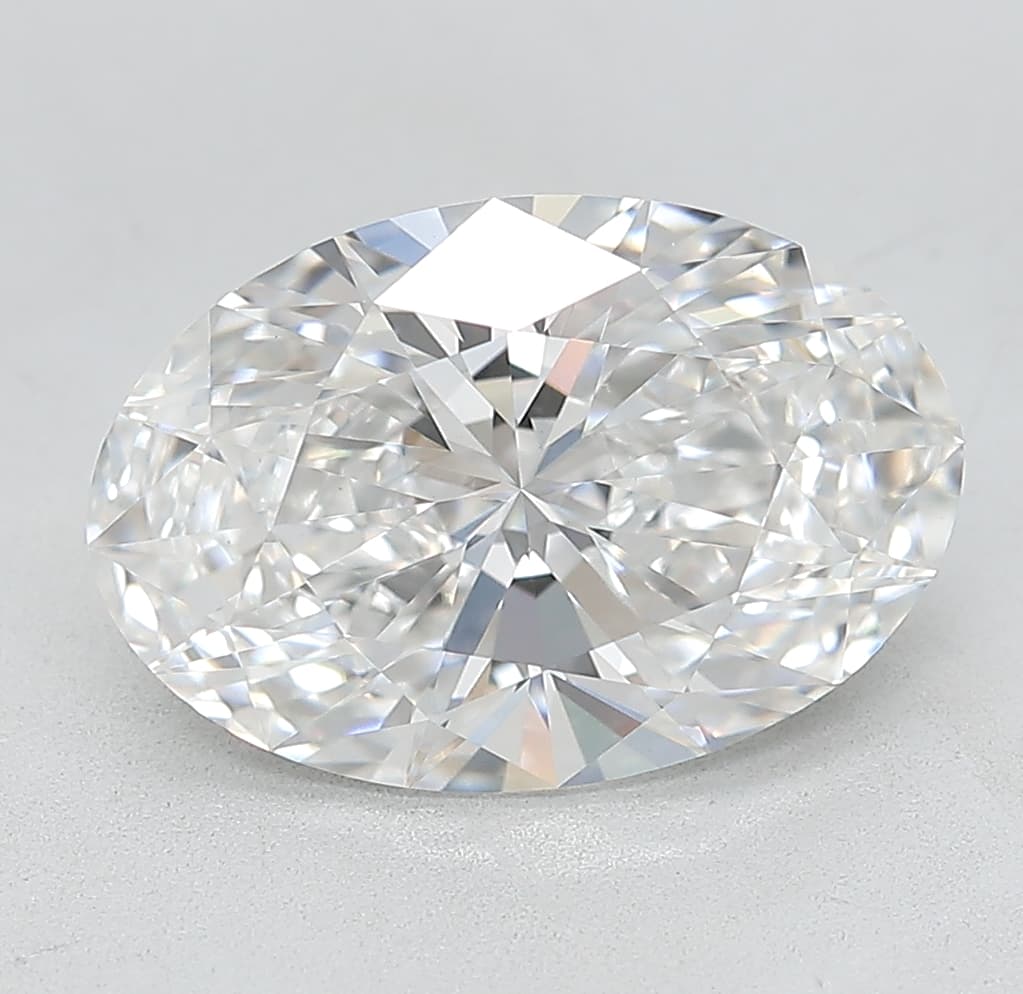
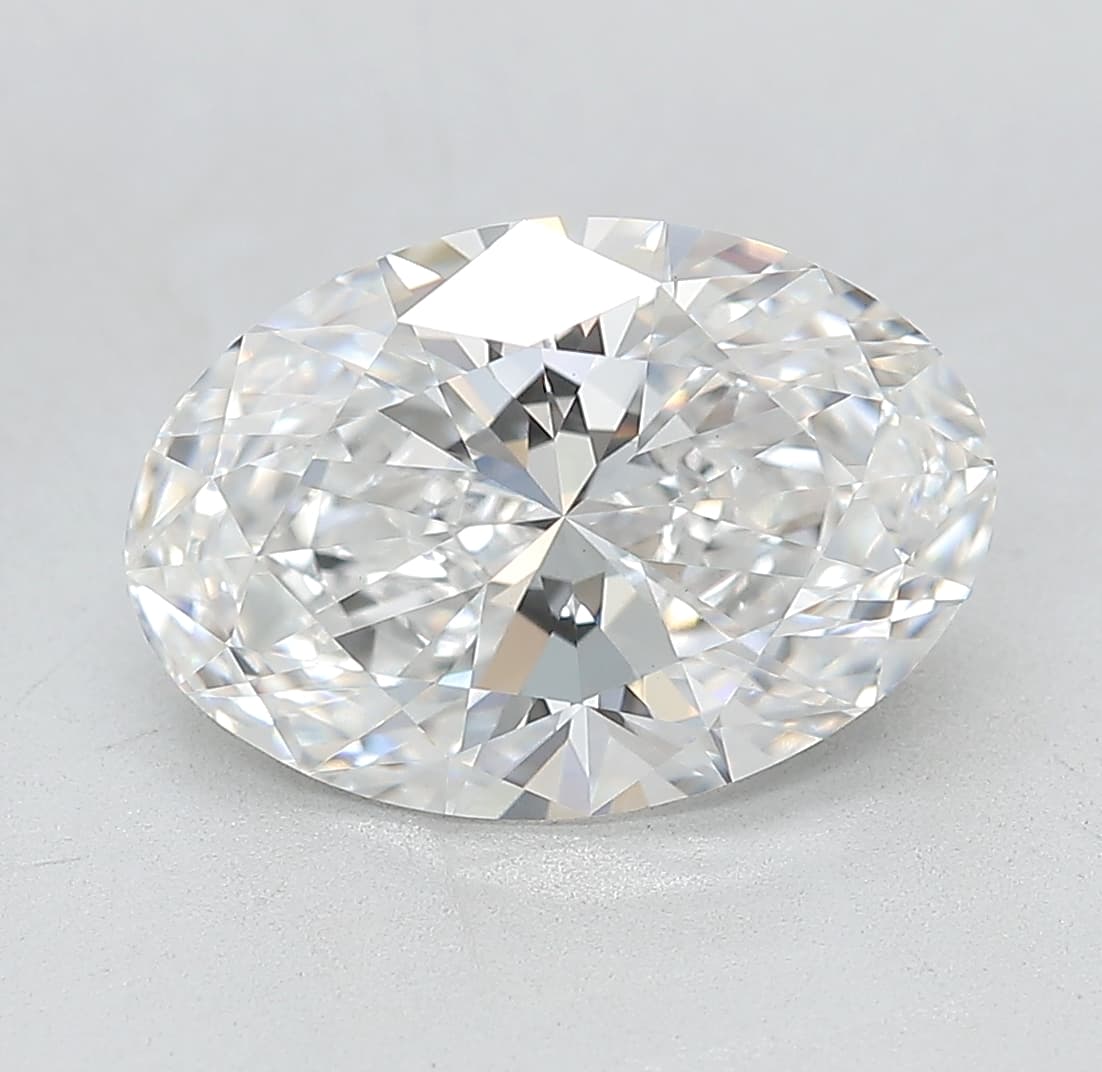
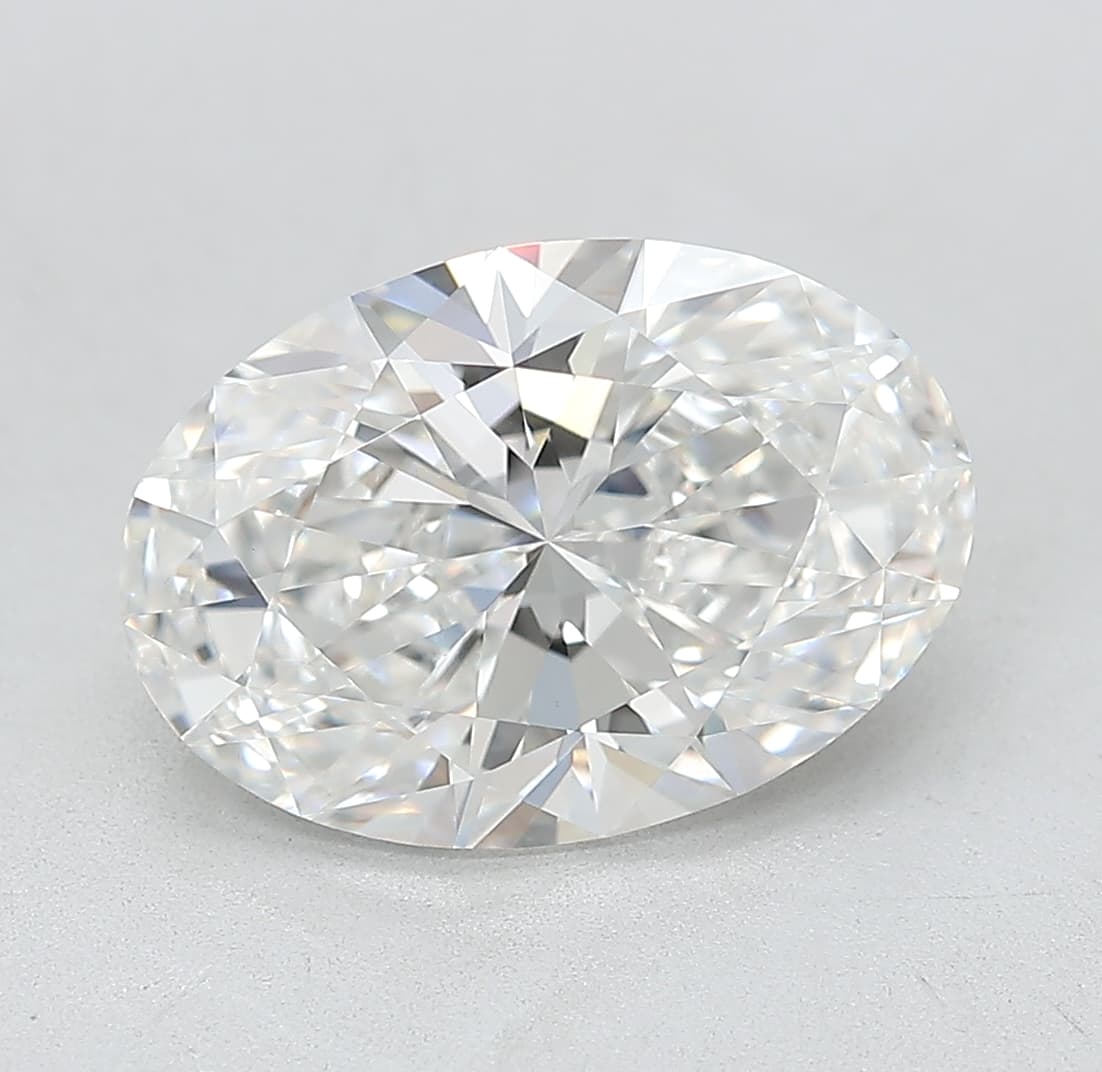
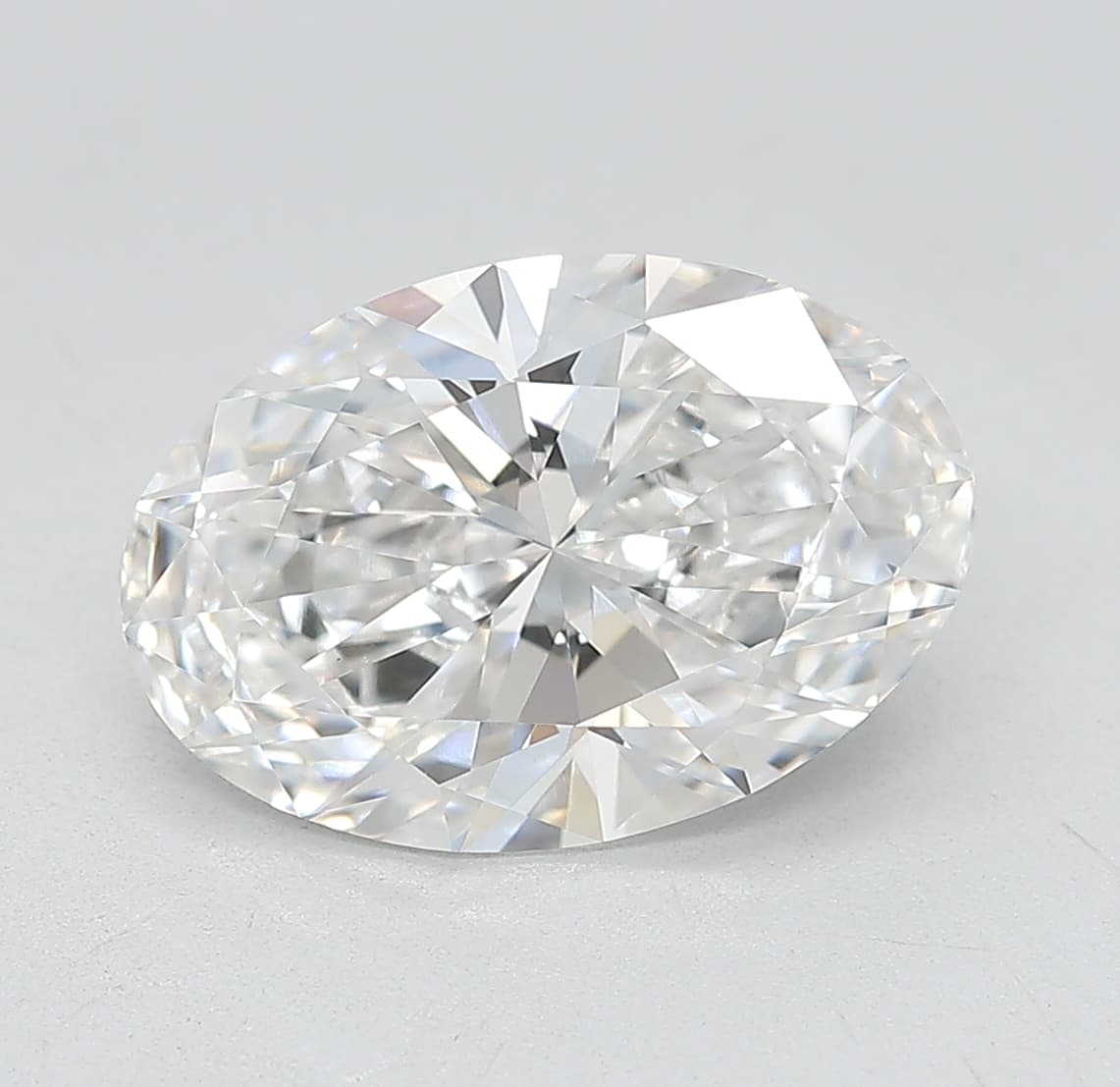
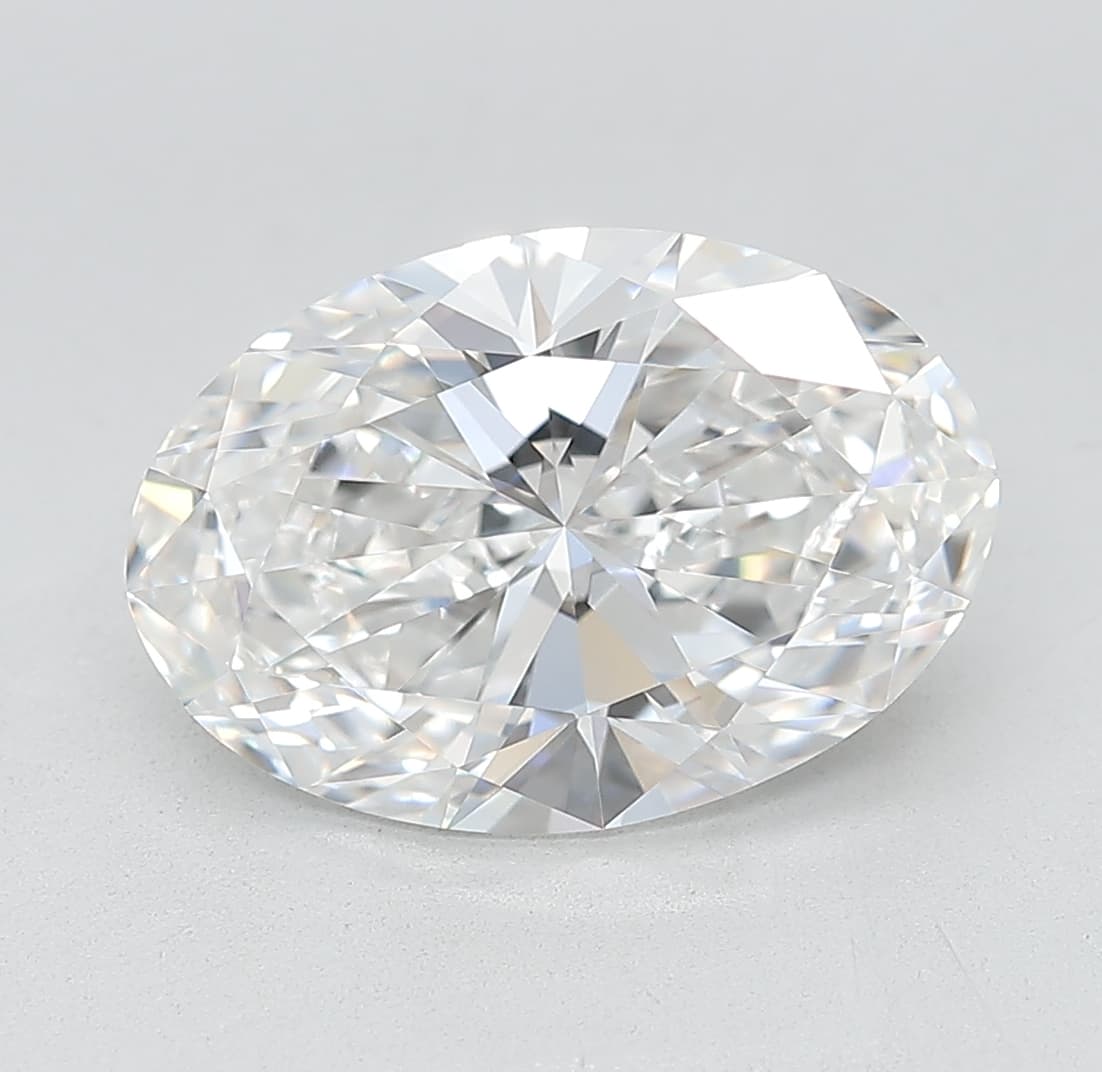
If you would like a starting point, the stones below give a clear step up in size, and a specialist can help you compare them with the diamond you have now.
Frequently asked questions
Can I trade in my lab-grown diamond for a bigger one?
We do not advertise a trade-in or upgrade program, so plan an upgrade with us as a new purchase. If another seller offers trade-in credit, ask for all the conditions in writing first. You can also keep the original stone and re-use it in a pendant, earrings or a three-stone ring.
How much bigger should an anniversary upgrade be?
There is no rule. Compare face-up measurements in millimeters rather than carat weights, because size grows more slowly than weight. A 2 carat round is only about a quarter wider than a 1 carat round.
Will my existing setting fit a new diamond?
Usually not without changes, because prongs are made for one stone’s measurements. A jeweler can often fit a new head to the existing ring, or suggest a new mounting. Send them the report measurements of the stone you are considering.
What can I do with my original diamond?
Keep it and wear it differently: as a pendant, a right-hand ring, part of a three-stone ring or earrings with a matched partner stone. If it will sit beside the new diamond, match color and cut carefully.
Glossary terms in this article
More on Buying & Care in the journal.