Rings & Jewelry
Toi et Moi Rings: How to Pair Two Lab-Grown Diamonds
By the Vanora Diamond team
Published Last reviewed 5 min read

Quick answer
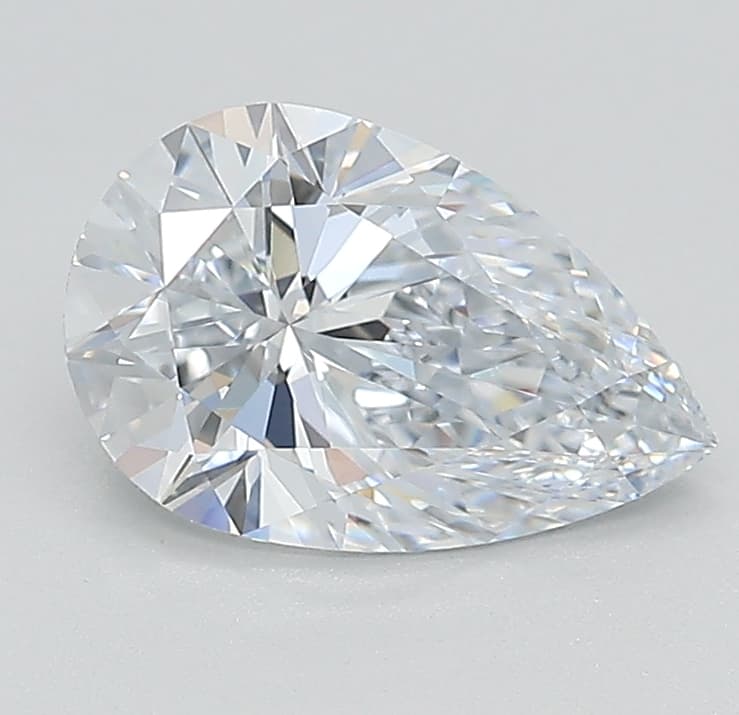
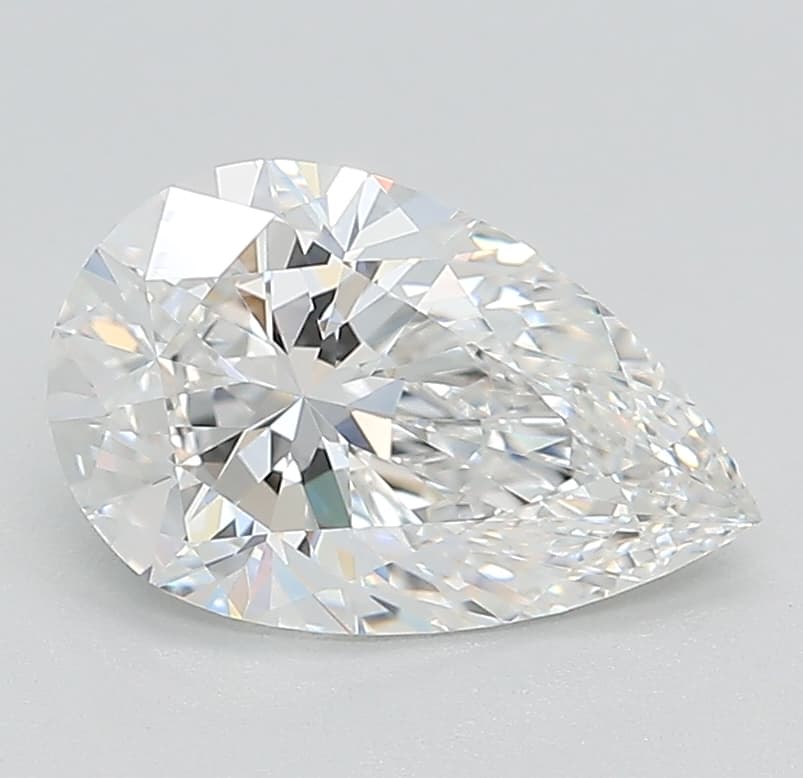
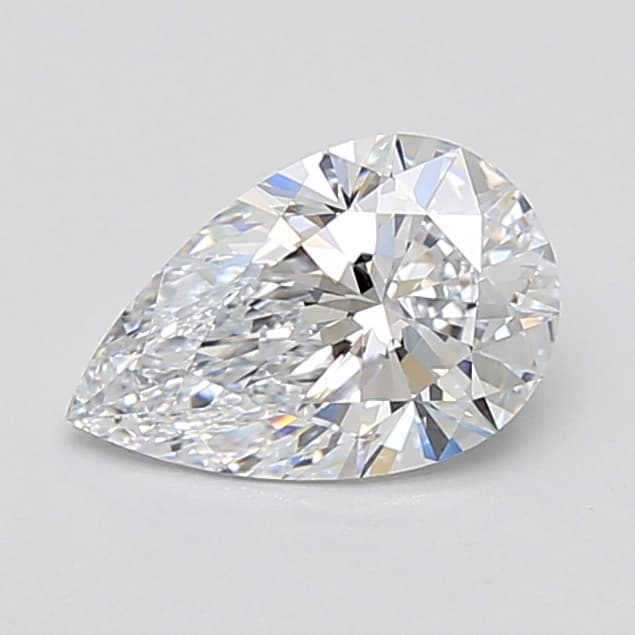
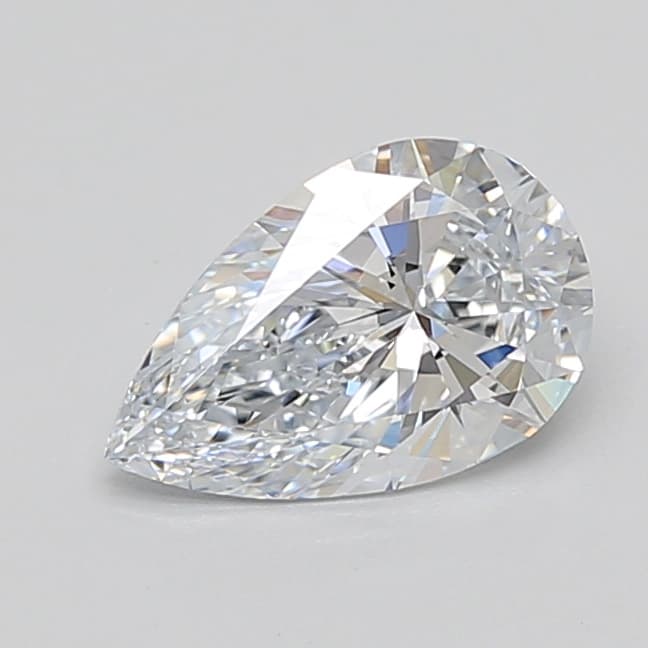
A toi et moi ring sets two diamonds side by side, so the pairing matters more than either stone on its own. Choose two shapes whose outlines complement each other (a pear with an oval, or an emerald cut with a pear, for example) or one shape mirrored, match their face-up size in millimeters rather than carat weight, and keep their color and clarity close so neither stone looks different from its partner.
What a toi et moi ring is
Toi et moi is French for "you and me". The ring has two center stones instead of one, set side by side, on a bypass band whose ends curve past each other, or angled on the diagonal. The two stones can be the same shape or different shapes, and the same size or deliberately different sizes.
Because the stones sit right next to each other, the eye compares them constantly. A slight difference in color or size that you would never notice in a solitaire can be obvious in a pair. The good news is that this is easy to plan for when both stones are chosen together.
With us you choose the two loose lab-grown diamonds, and a jeweler of your choice makes the ring around them. For help choosing a partner for a stone you already like, ask our diamond specialists.
Shape pairings that work
There are no fixed rules, but some combinations balance well because their outlines contrast without competing:
| Pairing | Why it works | Watch for |
|---|---|---|
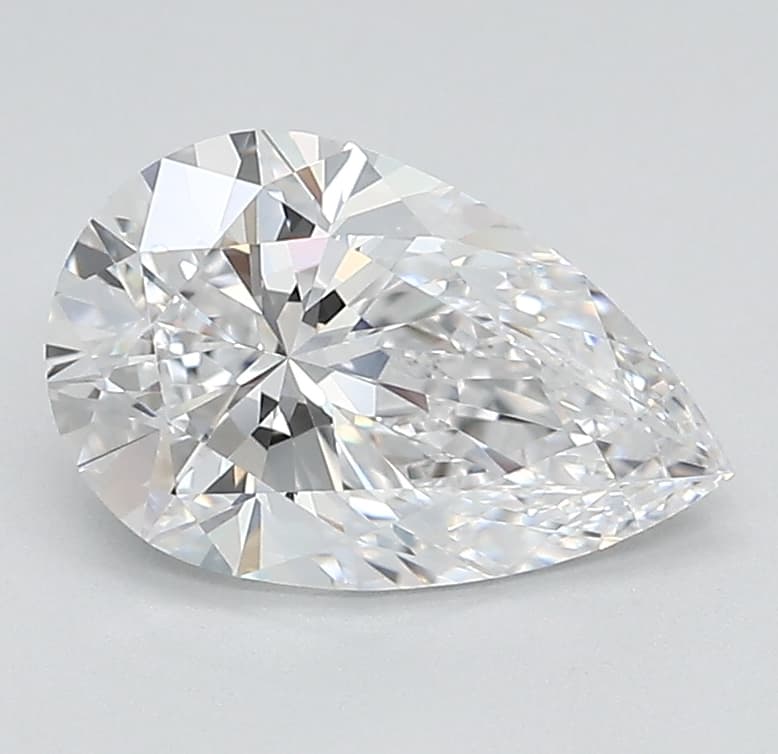
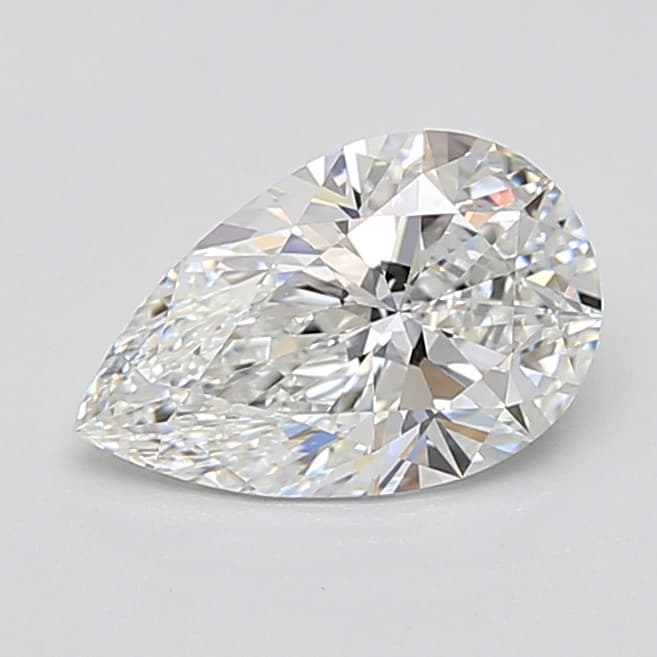
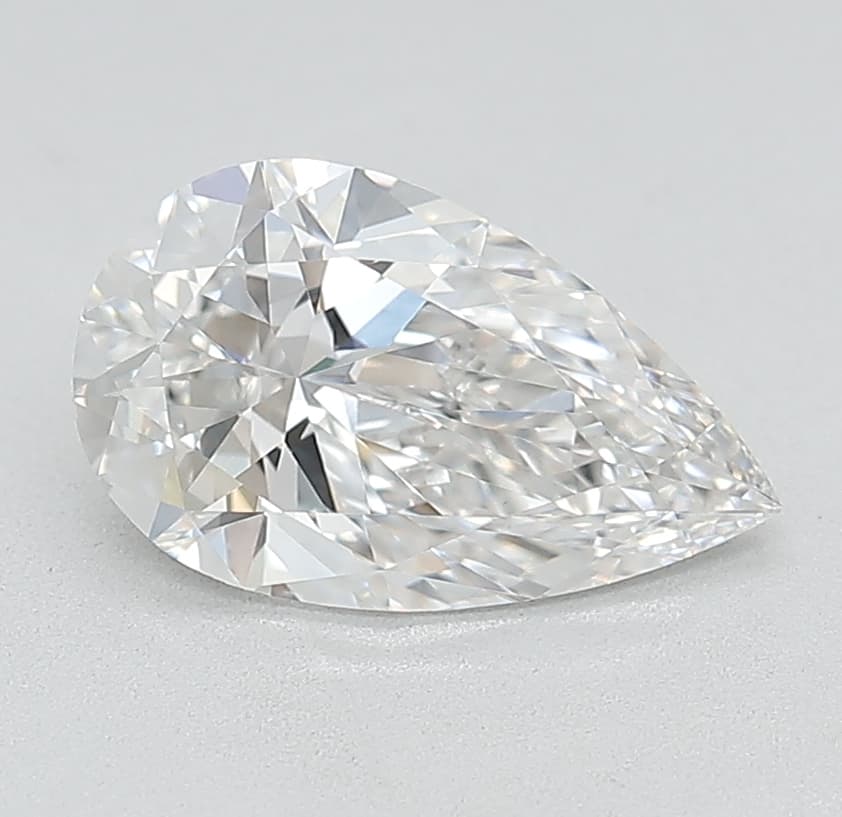
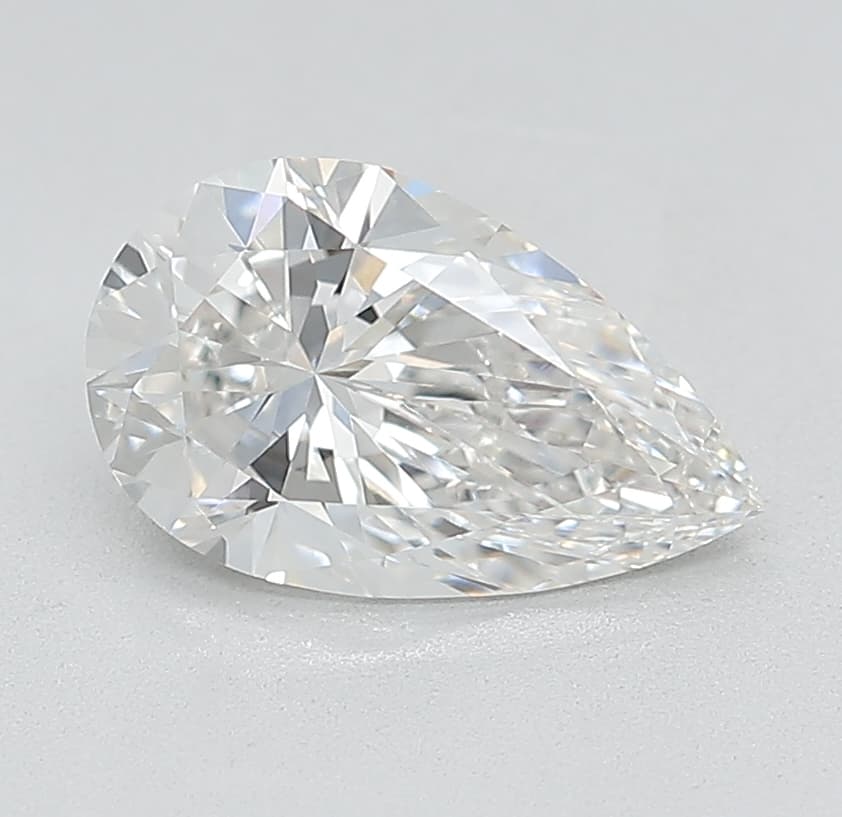
| Pear + oval | Two soft curves; the pear’s point gives direction | Matching length so neither dominates by accident |
| Pear + round | The round anchors, the pear leads the eye | Protecting the pear’s point |
| Two pears | Mirrored, points opposite or nested | Very close ratios and sizes |
| Emerald + pear | Straight lines against a curve | Step cuts show color more than brilliants |
| Emerald + round or oval | Calm step cut next to bright sparkle | Matching color across two cutting styles |
| Marquise + round | Long and slender against compact | Both marquise points need protection |
| White + pink or blue | Color contrast is the point of the design | Balancing size so the fancy color reads clearly |
A useful test: sketch the two outlines at their real measurements side by side, or ask your jeweler for a quick render. Pairings that look good on paper usually look good on the hand.
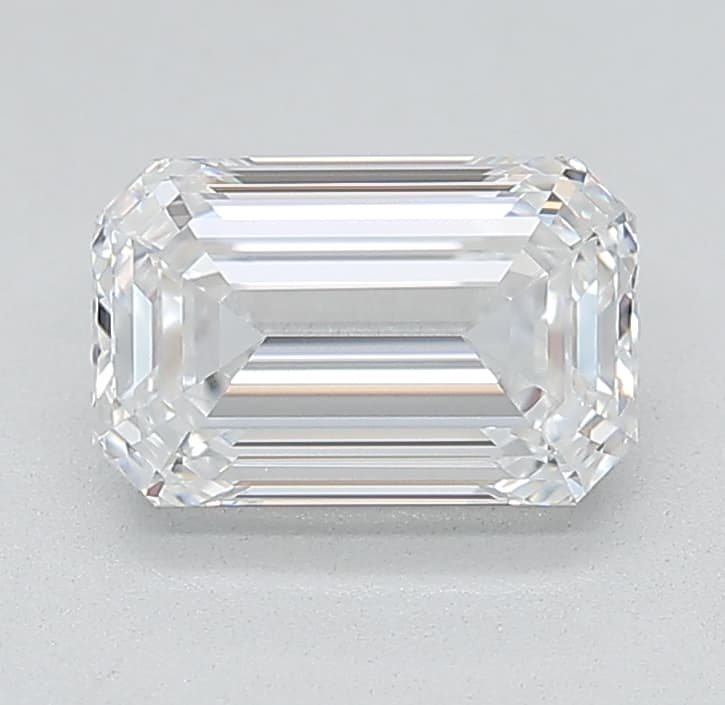
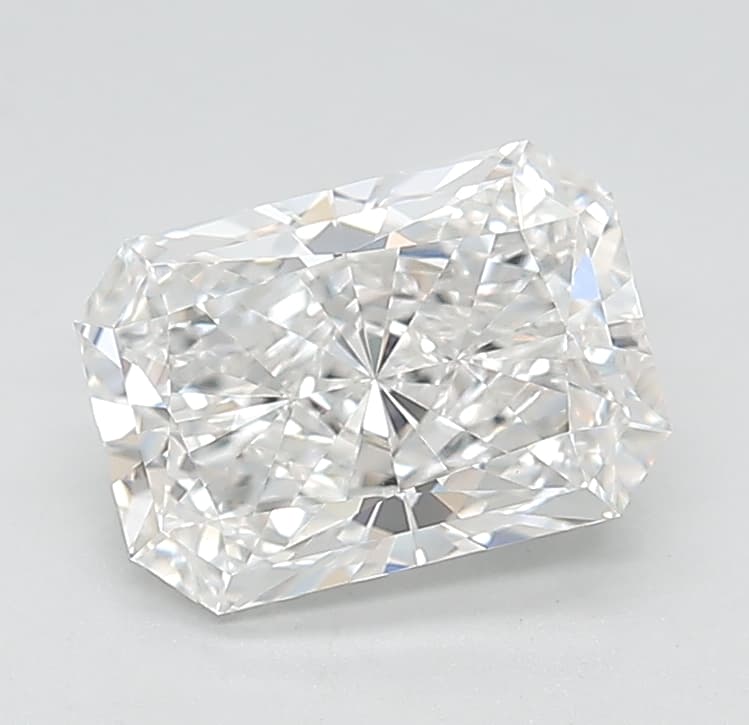
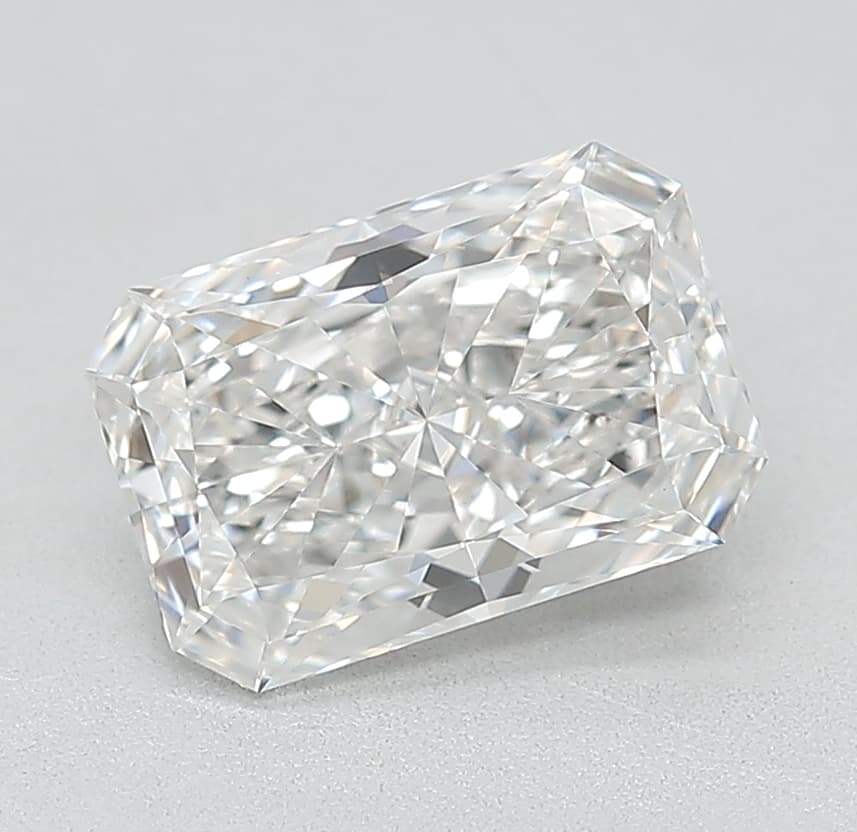
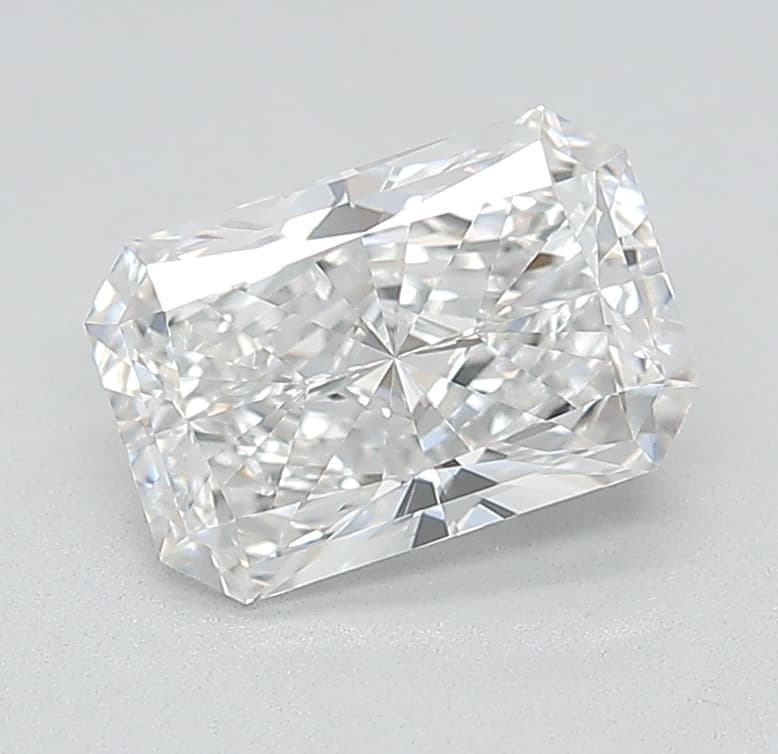
- Typical L/W1.45–1.75
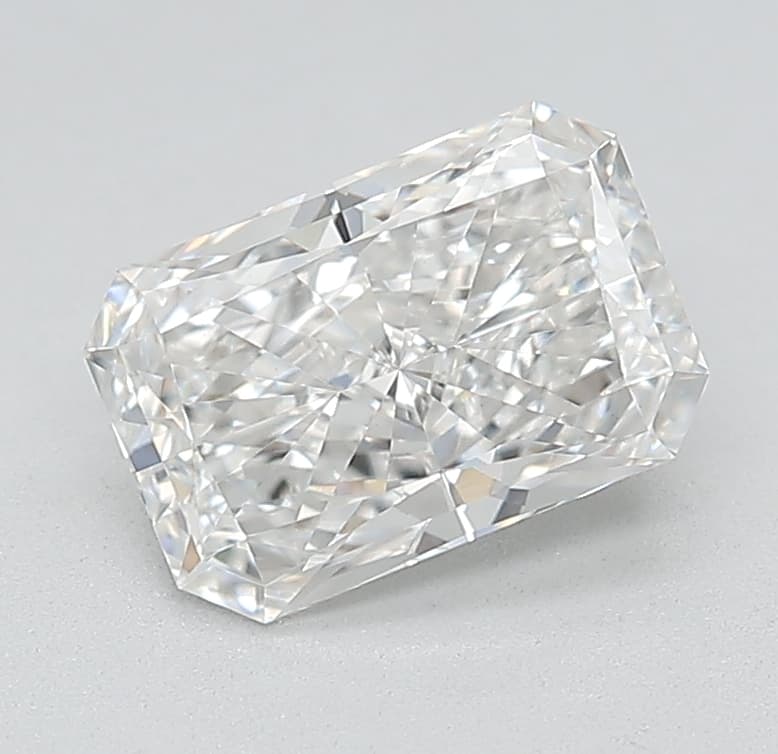
- Typical L/W1.30–1.50
- Typical L/WAbout 1.00
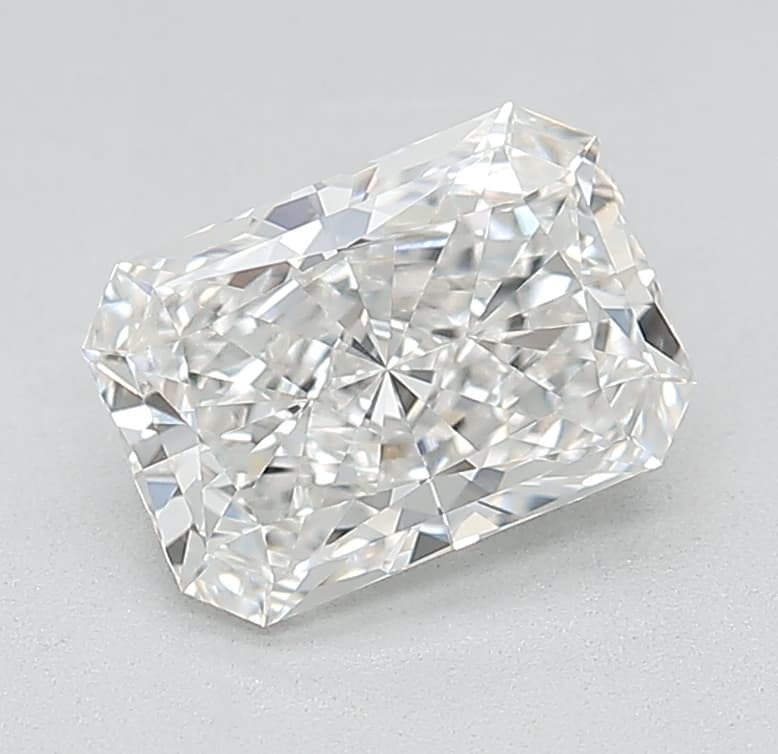
- Typical L/W1.30–1.50
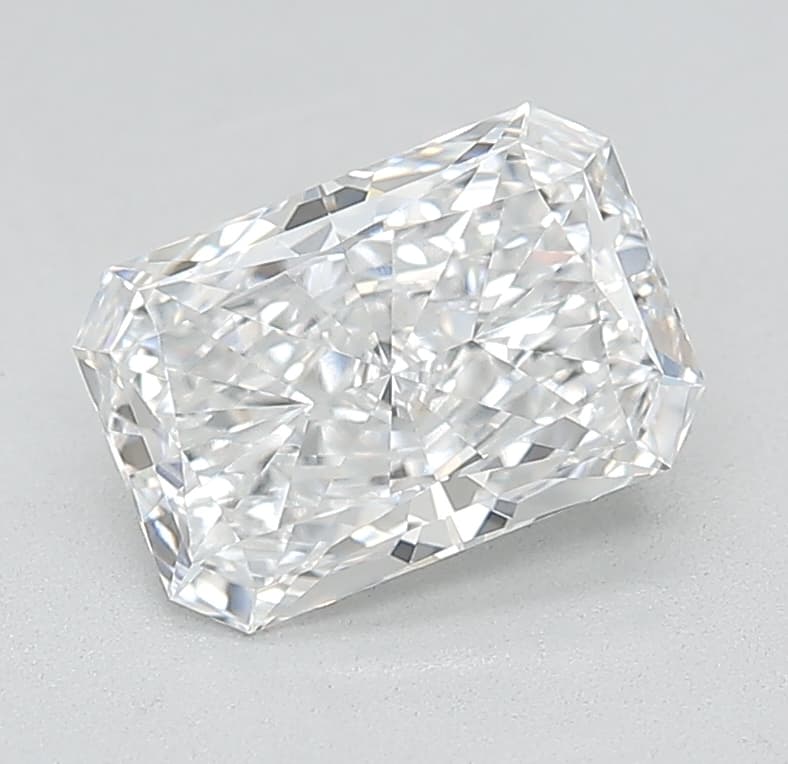
- Typical L/W1.75–2.25
Equal sizes or contrasting sizes?
There are two ways to balance a pair, and both look intentional when done clearly.
Matched in size
Choose stones whose face-up size is as close as you can get. For two stones of the same shape, compare length and width on the reports. For two different shapes, compare the overall footprint: a pear and an oval that are similar in length usually read as equals.
Clearly contrasting
One stone is noticeably larger and the other plays a supporting role. The key word is noticeably: a small difference tends to look like a mismatch, while a clear step down looks like a choice.
Either way, compare millimeters rather than carat weight. Two stones of the same weight can face up at quite different sizes if one is an elongated pear and the other a deeper cushion or radiant, as our carat weight guide explains.
| Compared | Matched in size | Clearly contrasting |
|---|---|---|
| The idea | Face-up sizes as close as you can get | One stone noticeably larger, the other in a supporting role |
| How to judge it | Length and width, or the overall footprint for two different shapes | Make the step down clear: a small difference tends to look like a mismatch |
Matching color, clarity and finish
Side by side, small differences become visible, so keep the two stones close:
- Color: the same grade is the safest choice (GIA stones assessed since October 2025 carry only Premium or Standard, so compare those on video); adjacent grades within the colorless range (D to F) are usually hard to tell apart face-up. Step cuts show body color more readily than brilliants, so when pairing an emerald cut with a pear or round, some buyers choose the same or a slightly higher color for the step cut. See the diamond color guide.
- Clarity: both stones should be eye-clean. An inclusion you can see in one stone draws attention to the difference.
- Fluorescence: matching fluorescence avoids one stone looking slightly different from the other in daylight.
- Finish: Excellent or Very Good polish and symmetry on both keeps their sparkle comparable.
The growth method, CVD or HPHT, does not change how a finished stone looks, so it does not need to match unless you would like it to.
Width across the finger and orientation
Two stones side by side take up more of the finger than one. Add the two widths (or lengths, if a stone is turned sideways), plus a little metal between and around them, and compare the total with the finger.
As an approximate example, two 1 carat rounds are each about 6.4 to 6.5 mm across, so together they span roughly 13 mm before any metal, while a US size 6 ring has an inner diameter of about 16.5 mm. Our ring size to mm guide has the full chart.
Placing the stones on the diagonal, or turning one elongated stone so it runs along the finger, reduces the total width. Elongated stones set across the finger are covered in our post on east-west settings. Wherever the stones sit, points face outward toward knocks, so pears and marquises need a V-prong or a bezel over each point, and both stones should sit at similar heights so they read as a pair.
| US size | Inner diameter (mm) | Inner circumference (mm) | UK / AU | EU / ISO |
|---|---|---|---|---|
| 4 | 14.9 | 46.8 | H½ | 47 |
| 5 | 15.7 | 49.3 | J½ | 49 |
| 6 | 16.5 | 51.9 | L½ | 52 |
| 7 | 17.3 | 54.4 | N½ | 54 |
| 8 | 18.1 | 57.0 | P½ | 57 |
| 9 | 18.9 | 59.5 | R½ | 60 |
| 10 | 19.8 | 62.1 | T½ | 62 |
| 11 | 20.6 | 64.6 | V½ | 65 |
| 12 | 21.4 | 67.2 | X½ | 67 |
How to choose the pair with us
- Start with the stone you love most, then search for its partner by shape and by measurements that suit it.
- Compare the stone pages and reports side by side: length, width, depth, color, clarity and fluorescence.
- Look at both in the 360° view, ideally one after the other, to compare brightness and outline.
- Talk to your jeweler before you buy, and pass on the exact measurements of both stones so the setting is made for that pair.
Jewelers buying for clients can apply for a trade account. The suggestions below are a starting point for either stone in the pair; for help finding a partner for a stone you have already found, ask our diamond specialists.
Frequently asked questions
What does toi et moi mean?
Toi et moi is French for you and me. A toi et moi ring has two center stones set side by side, on a bypass band or on the diagonal, to represent two people.
Should both diamonds in a toi et moi ring be the same size?
They can be, or one can be clearly larger. Both approaches look intentional. What tends to look like a mistake is a small difference, so either match the face-up measurements closely or make the step down obvious.
Which diamond shapes go well together in a toi et moi ring?
Common pairings include a pear with an oval, a pear with a round, two mirrored pears, an emerald cut with a pear or round, and a white diamond with a pink or blue one. Pick outlines that contrast without competing, and check the pair at real measurements.
Do both stones need the same color grade?
The same grade is the safest choice, because differences are easier to see when two stones sit side by side. Within the colorless range, adjacent grades are usually hard to tell apart face-up. Matching fluorescence helps too.
Glossary terms in this article
More on Rings & Jewelry in the journal.