Diamond glossary
Symmetry
Last reviewed
Definition
Symmetry is the grade a lab gives to how precisely a diamond’s facets are shaped, placed and aligned with one another, and how even its outline is.
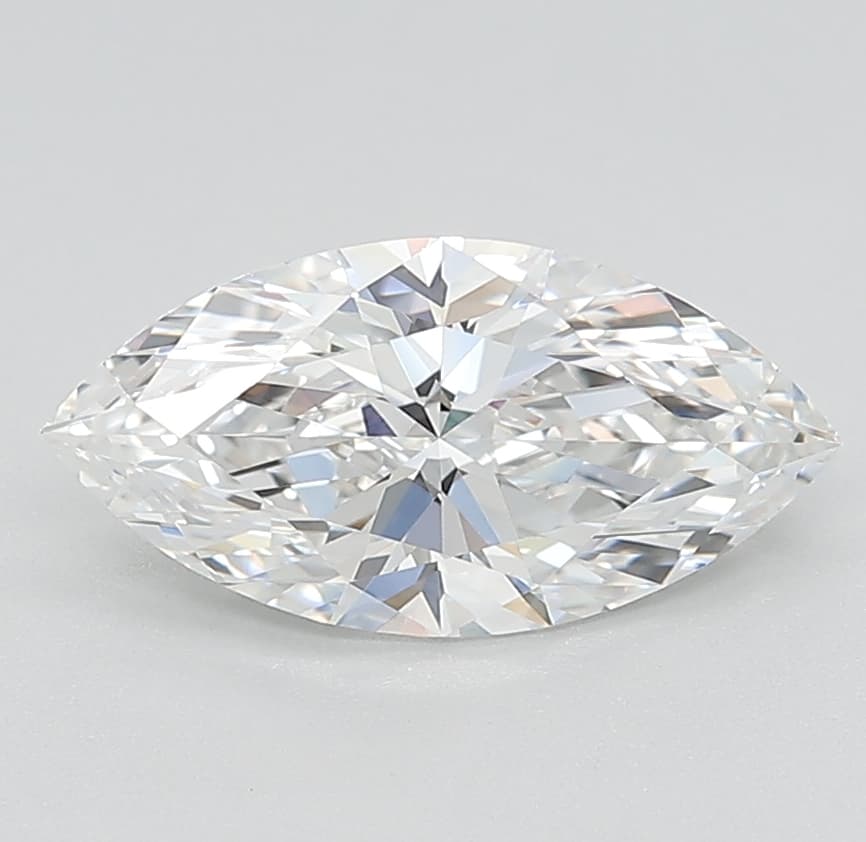
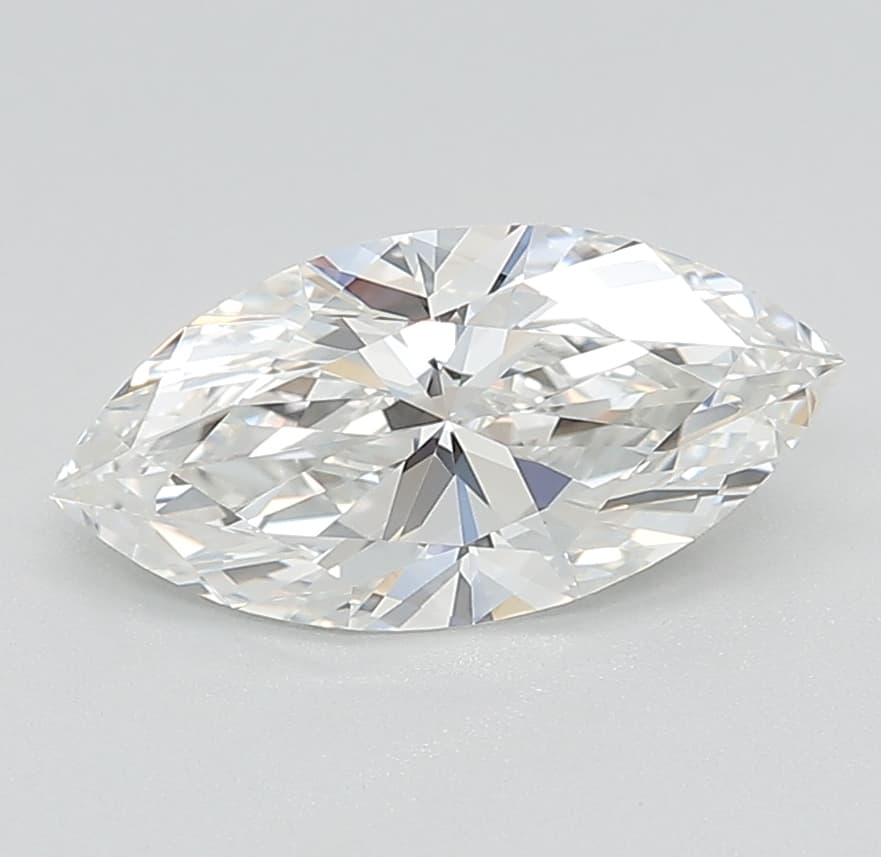
Graders check the diamond under magnification for features such as an off-center table or culet, crown facets that do not line up with the pavilion facets below them, a wavy girdle, an outline that is slightly out of round, a table that is not parallel to the girdle, and extra facets.
On IGI and GIA reports
IGI reports, and GIA reports issued before October 2025, grade symmetry on the same scale as polish: Excellent, Very Good, Good, Fair, Poor. Round brilliants also receive an overall cut grade, and weak symmetry can hold that grade down. On GIA reports, fancy shapes show only polish and symmetry as finish grades; an IGI report can add a fancy-shape cut grade, from Excellent to Poor.
On GIA’s Laboratory-Grown Diamond Quality Assessment, used since October 2025, the Premium classification requires Excellent symmetry. Standard requires Very Good symmetry, or Good for fancy shapes. The assessment prints only Premium or Standard, not the symmetry grade.
Why it matters more than polish
Symmetry has a larger visual effect than polish, because misaligned facets disturb the pattern of light and dark that makes a diamond sparkle. A common guideline is Excellent or Very Good symmetry, and many buyers of round brilliants look for Excellent alongside the top cut grade. Very precise symmetry is what produces the hearts and arrows pattern.
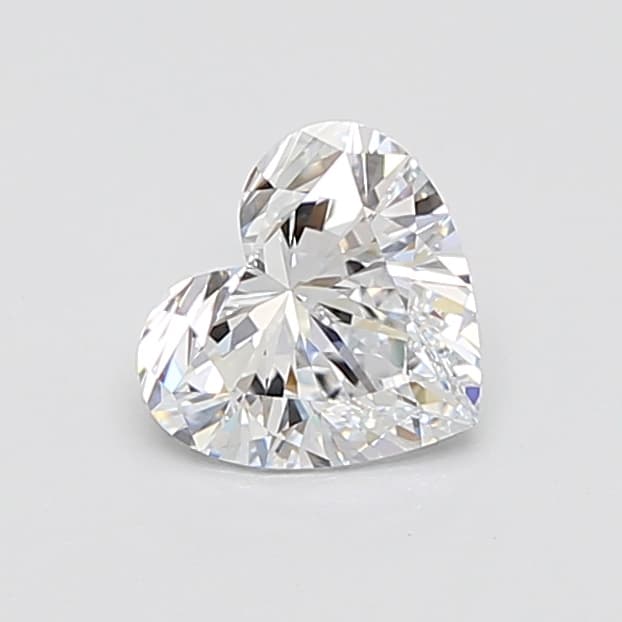
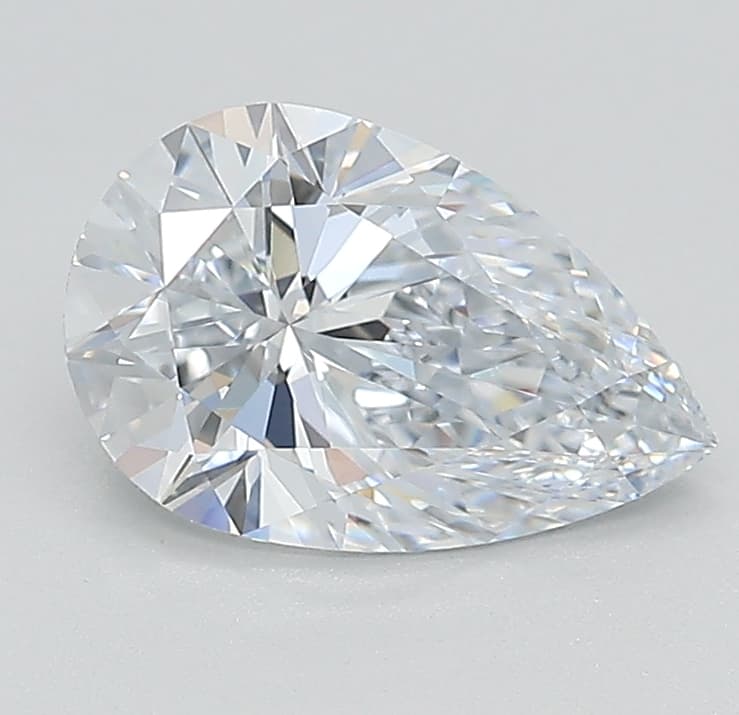
In fancy shapes, also look at the outline itself in a photo or video. Uneven shoulders on a pear, an oval that is flatter on one side, or a heart with lobes of different sizes is easy to see in a finished piece of jewelry, so judge the outline with your own eyes as well as by the grade.