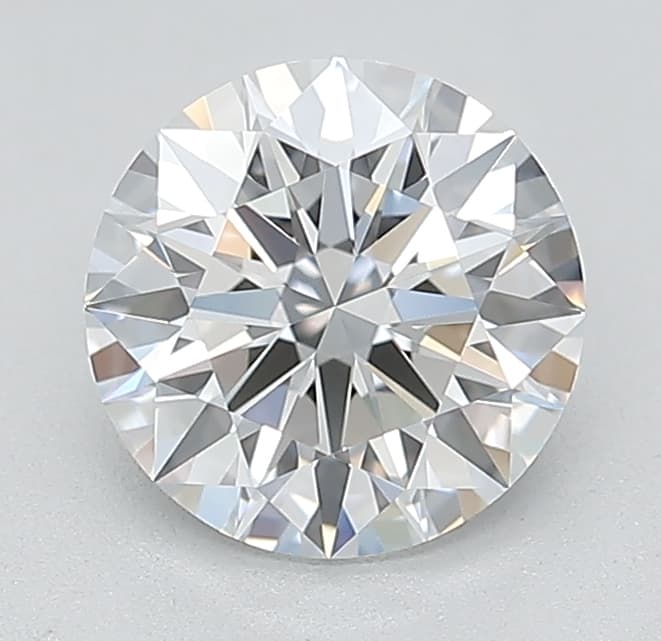
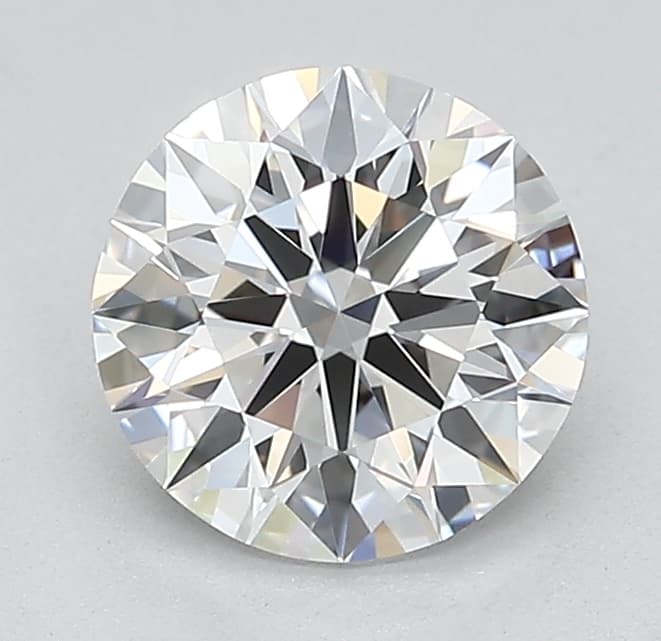
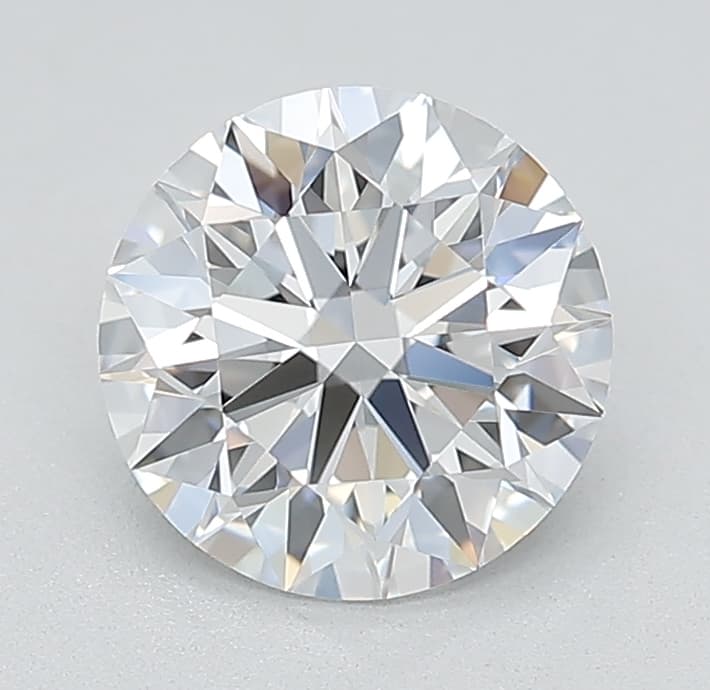
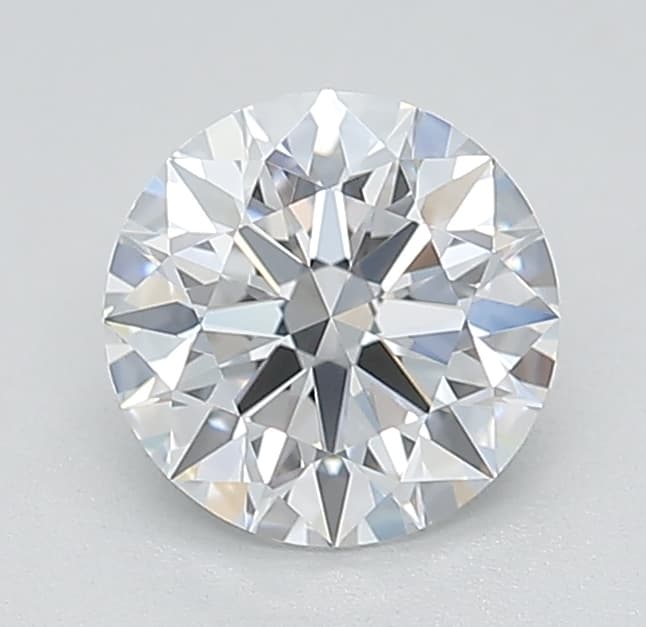
Grading, Explained
Ideal vs Excellent Cut: What the Top Cut Grades Mean for Sparkle
By the Vanora Diamond team
Published Last reviewed 5 min read

Quick answer
It depends on the lab. On IGI reports, Ideal is the top cut grade and Excellent is one step below it; on GIA’s scale, Excellent is the top and there is no Ideal (GIA’s lab-grown assessment since October 2025 gives Premium or Standard). Both top grades describe a round with proportions and finish for brightness, fire and sparkle; IGI Ideal vs Excellent is usually subtle. Compare the proportions, ASET image and video, not the word alone.
The short answer: it depends on the lab
The same word sits in different places on the two labs' scales:
| Lab | Cut grades, best to lowest |
|---|---|
| IGI | Ideal, Excellent, Very Good, Good, Fair, Poor |
| GIA (natural-diamond reports, and lab-grown reports issued October 2020 to September 2025) | Excellent, Very Good, Good, Fair, Poor |
So "Excellent" means the top grade on a GIA report that prints a cut grade and the second grade on an IGI report. A GIA lab-grown assessment issued since October 2025 prints no cut grade: it classifies the stone as Premium or Standard. When a listing says "Excellent cut", look at which lab graded the stone, and when, before drawing conclusions.
Both scales apply to round brilliants; IGI grades fancy shapes from Excellent to Poor, with no Ideal. Our diamond cut guide explains how cut grades work in general; this post is about choosing between the top two words you will see most often.
- Ideal
- Excellent
- Very Good
- Good
- Fair
- Poor
- Excellent
- Very Good
- Good
- Fair
- Poor
- ProportionsTable, depth, crown and pavilion angles, and the girdle
- FinishPolish of the facet surfaces and the symmetry of their placement
- The result: lightBrightness, fire and scintillation, the sparkle you see as the stone moves
What a top cut grade is really describing
A cut grade summarizes how well a round handles light, which gemologists describe in three ways:
- Brightness: white light returned to your eye.
- Fire: flashes of spectral color.
- Scintillation: the sparkle and pattern of light and dark as the stone or you move.
The grade rests on the proportions (table, depth, crown and pavilion angles, girdle) working together, plus the quality of the finish, polish and symmetry. A stone at the top grade has a combination that labs consider among the best for light performance. Lab-grown and mined diamonds have the same optical properties, so the same grade means the same thing for a laboratory-grown round.
IGI Ideal vs IGI Excellent in practice
Both are well-cut stones. Ideal is the higher grade, so a stone graded Ideal met IGI's strictest standard for its proportions and finish, while an Excellent stone fell short of it on one or more points. In a ring, the difference is often subtle, and many people cannot see it without the two stones side by side.
Where the difference shows, it tends to show as:
- A slightly less even sparkle, if the angles are a little off the best combination.
- A slightly smaller face-up size for the weight, if the stone is deeper than ideal.
- A little more light leakage, visible in an ASET image even when hard to see by eye.
Rather than treating the two words as a verdict, check the stone itself:
- Proportions. Compare table, depth, crown and pavilion angles with the common guideline ranges in the diamond cut guide. An Excellent stone close to those ranges can look very similar to an Ideal one.
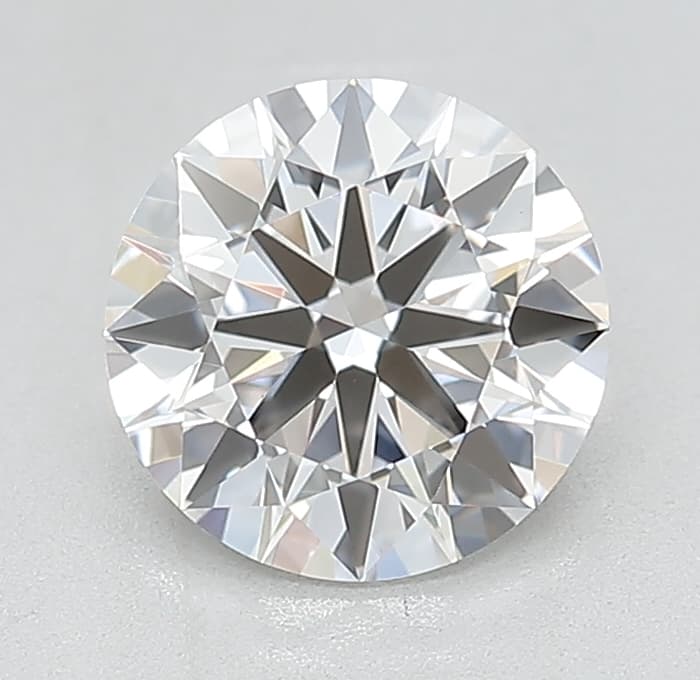
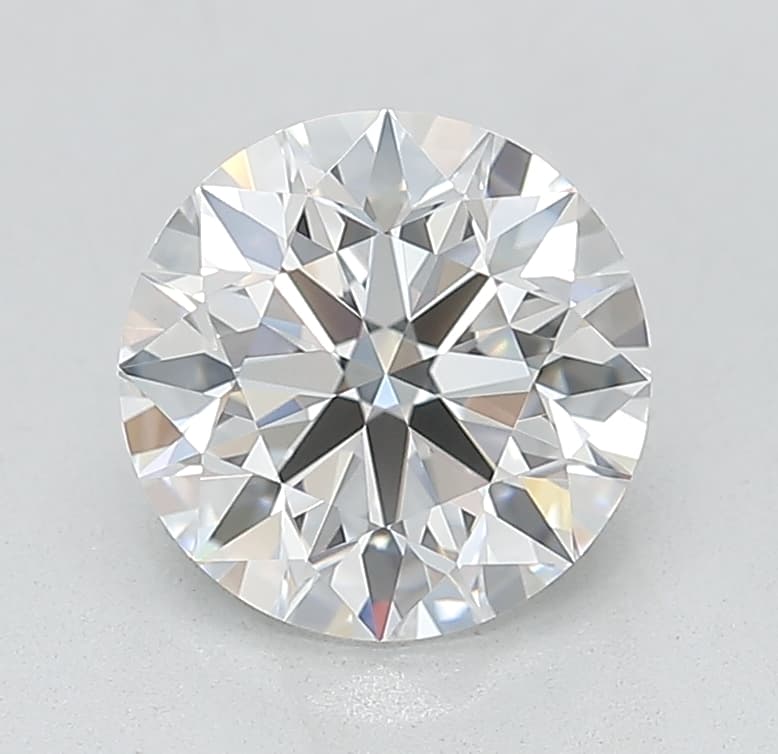
- ASET image. Mostly red, an even blue pattern, little leakage. Our post on reading ASET images explains how.
- Hearts and arrows, if shown, as a tie-breaker; see hearts and arrows explained.
- The 360° view. Even sparkle across the stone, with no dark zone that stays dark as it turns.
IGI Ideal vs GIA Excellent
These are the top grades of two different labs, and they are not a strict one-to-one match. Both indicate a round brilliant with excellent light performance and finish. When you compare stones across the two labs, compare the actual proportions on the reports rather than the grade names.
One more GIA detail: since October 2025, new GIA reports for colorless and near-colorless lab-grown diamonds give a Premium or Standard classification instead of color, clarity, cut, polish and symmetry grades. For round brilliants, Premium requires an Excellent cut and Standard requires Very Good or better, but the document prints only the classification. Our guide to diamond certificates explains both report types.
"Ideal" on fancy shapes and in listings
GIA reports give ovals, pears, emeralds and other fancy shapes no overall cut grade, only polish and symmetry (and GIA's lab-grown assessment, issued since October 2025, prints neither). IGI has graded the cut of fancy shapes, from Excellent to Poor, since September 2022 (IGI, September 2022); Ideal remains its grade for round brilliants only. If you see a cut grade on a fancy-shape listing, check the report itself to see what it states, and judge the cut from the length-to-width ratio, depth, table, ASET image and video.
You will also see "ideal" used as an everyday word in jewelry marketing, not as a lab grade. A description such as "ideal proportions" is the seller's opinion. Only the grade printed on the report, and the measurements behind it, are independent.
The shorthand "triple Excellent" means Excellent cut, polish and symmetry. On IGI reports, the equivalent for the best-finished rounds is an Ideal cut grade with Excellent polish and symmetry.
“Triple Excellent” means Excellent cut, polish and symmetry. On IGI reports, the equivalent for the best-finished rounds is an Ideal cut grade with Excellent polish and symmetry.
How to choose
- If you want the top grade on an IGI report, choose Ideal with Excellent polish and symmetry, then check the proportions and video.
- If an IGI Excellent stone has everything else you want, such as the color, clarity or size, compare its proportions and ASET with Ideal alternatives. If they are close, it is a reasonable choice; compare live prices and decide whether the step up is worth it to you.
- If you are comparing an IGI Ideal and a GIA Excellent (on a GIA report issued before October 2025), ignore the words and compare the numbers and images.
- Whatever the grade, never compromise heavily on cut to gain color or clarity. Cut decides how lively the stone looks more than any other grade.
Browse round lab-grown diamonds, or start with the IGI Ideal and GIA Excellent rounds suggested below. If you would like a second opinion on a pair of reports, one of our diamond specialists can compare them with you.
Frequently asked questions
Is Ideal cut better than Excellent cut?
On IGI reports, yes: Ideal is the top cut grade and Excellent is the next one down, although the visible difference is often subtle. On GIA reports there is no Ideal grade, and Excellent is the top; a GIA lab-grown assessment issued since October 2025 prints no cut grade, only Premium or Standard.
Is an IGI Ideal cut the same as a GIA Excellent cut?
They are the top cut grades of two different labs, so they are not directly interchangeable. Both indicate a well-proportioned round brilliant. Compare the table, depth, crown and pavilion angles on the reports rather than the grade names alone.
Can you see the difference between Ideal and Excellent cut?
Often not in a ring, especially if the Excellent stone has proportions close to common guideline ranges. Differences, when visible, tend to appear as slightly less even sparkle or a little more light leakage, which an ASET image can show.
Do oval or pear diamonds get an Ideal cut grade?
Not Ideal: that is IGI’s top grade for round brilliants. IGI has graded the cut of fancy shapes, from Excellent to Poor, since September 2022; GIA gives fancy shapes no cut grade, only polish and symmetry (and its lab-grown assessment since October 2025 prints neither). If a listing shows a cut grade for a fancy shape, check the report itself, and judge the cut from proportions, an ASET image and a video.
What does triple Excellent mean?
It is shorthand for Excellent cut, polish and symmetry. On IGI reports, the best-finished rounds show an Ideal cut grade with Excellent polish and symmetry.
Glossary terms in this article
More on Grading, Explained in the journal.