Shapes & Cuts
Crushed Ice vs Chunky Facets: Two Looks in Radiants and Cushions
By the Vanora Diamond team
Published Last reviewed 5 min read

Quick answer
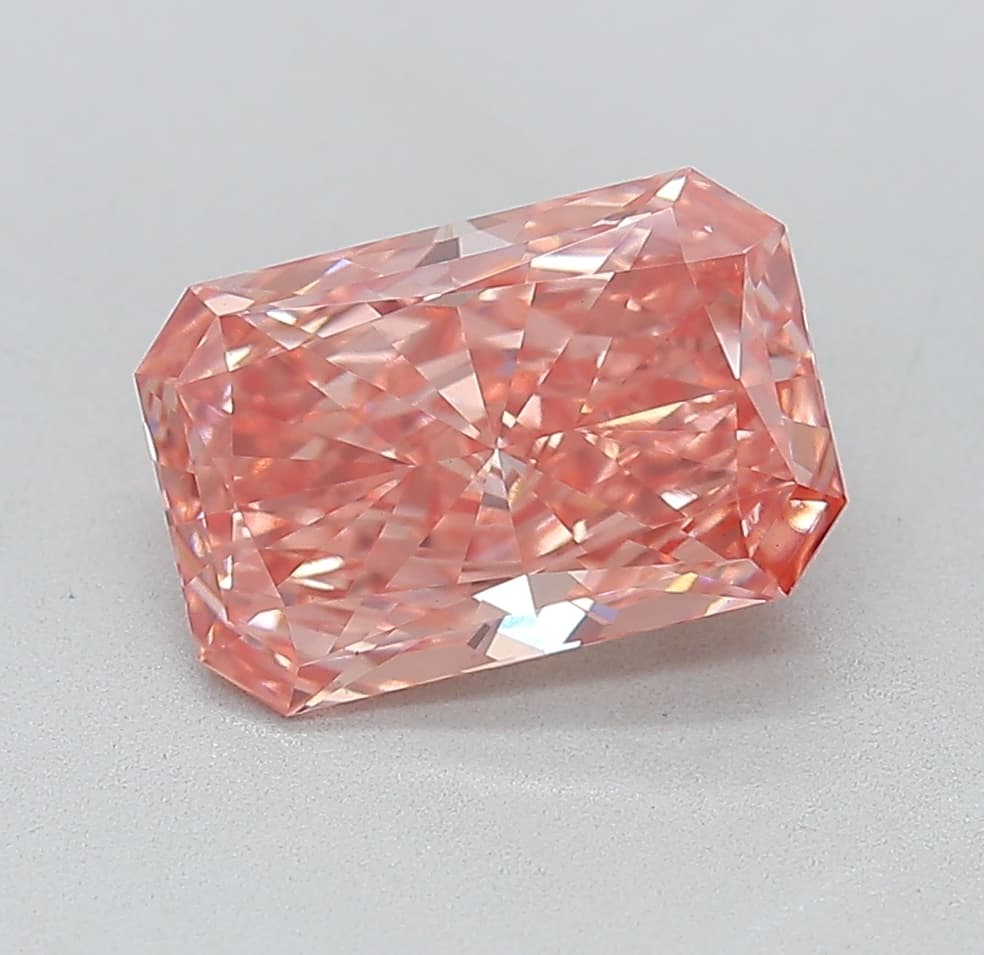
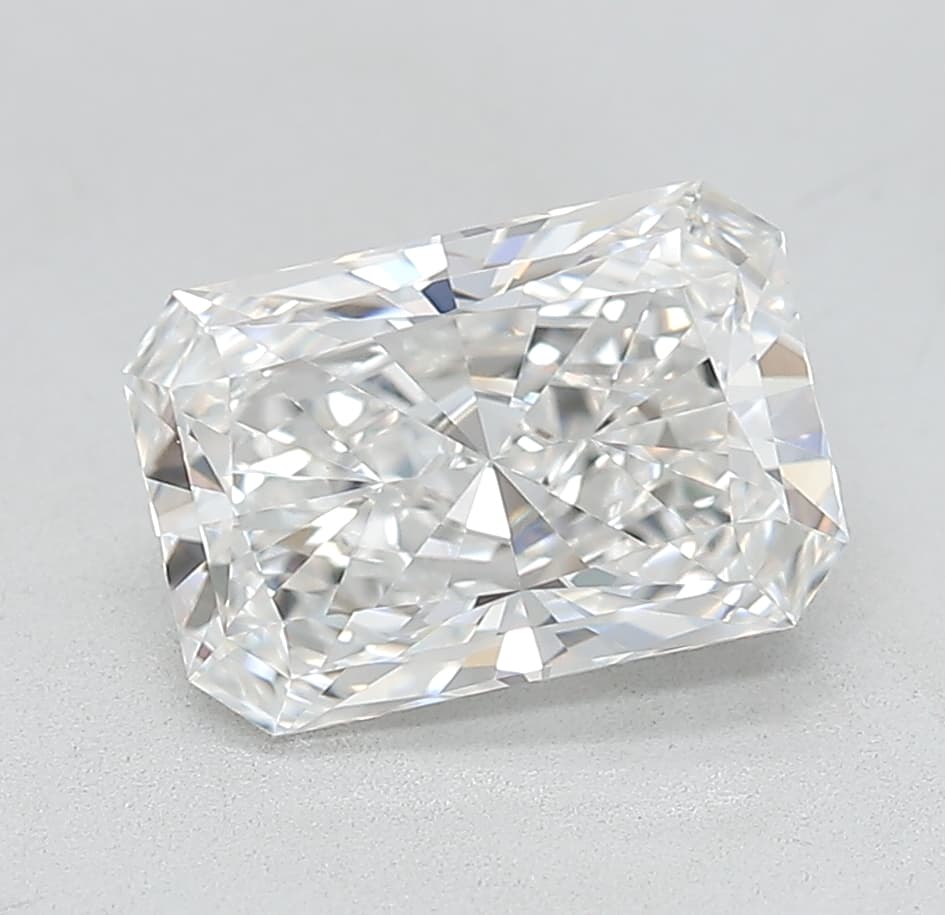
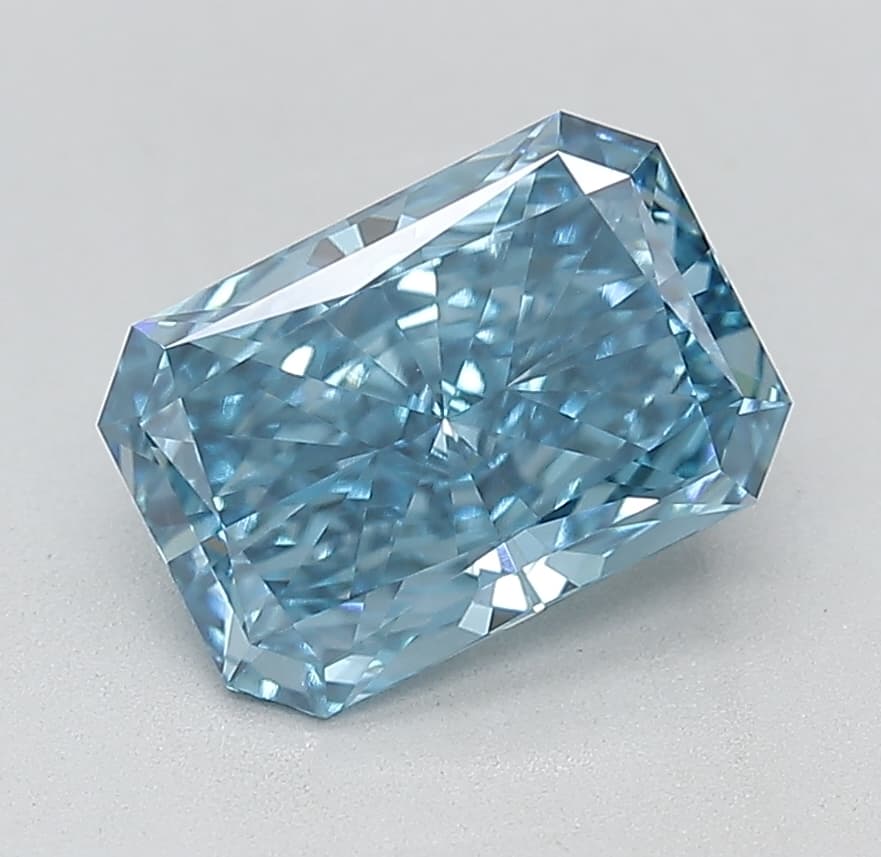
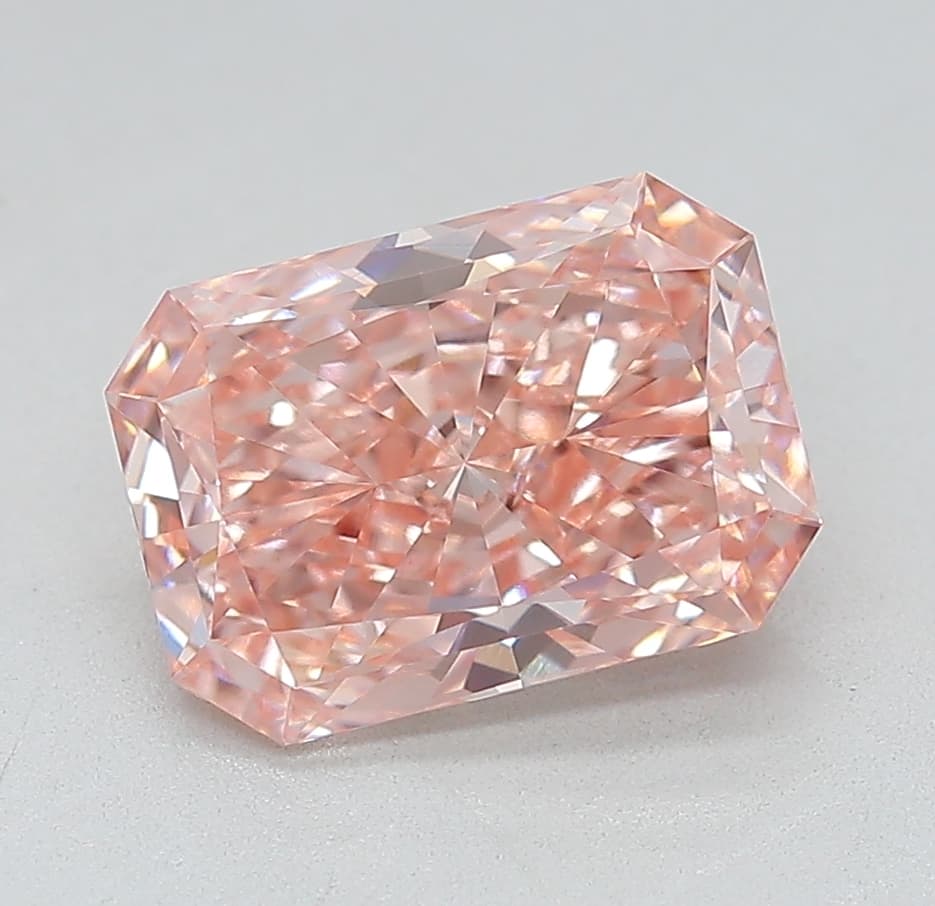
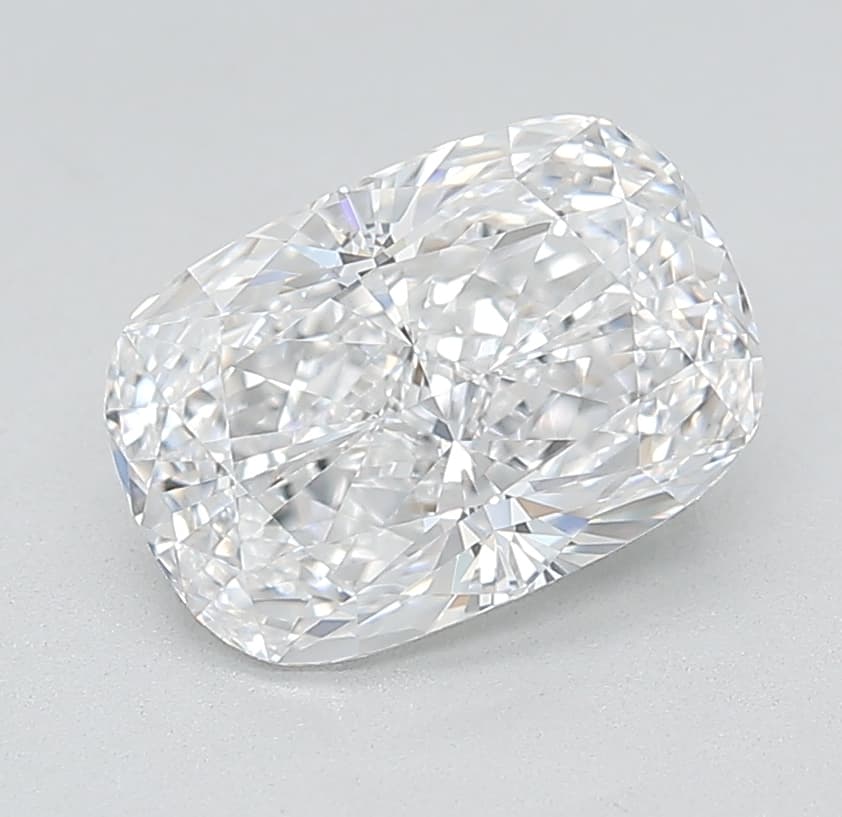
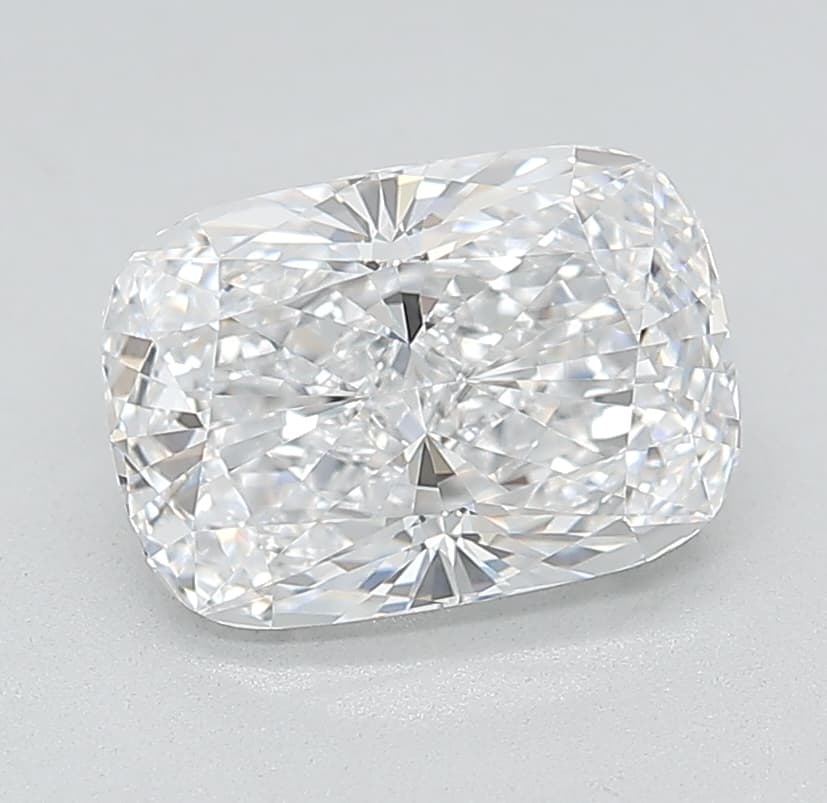
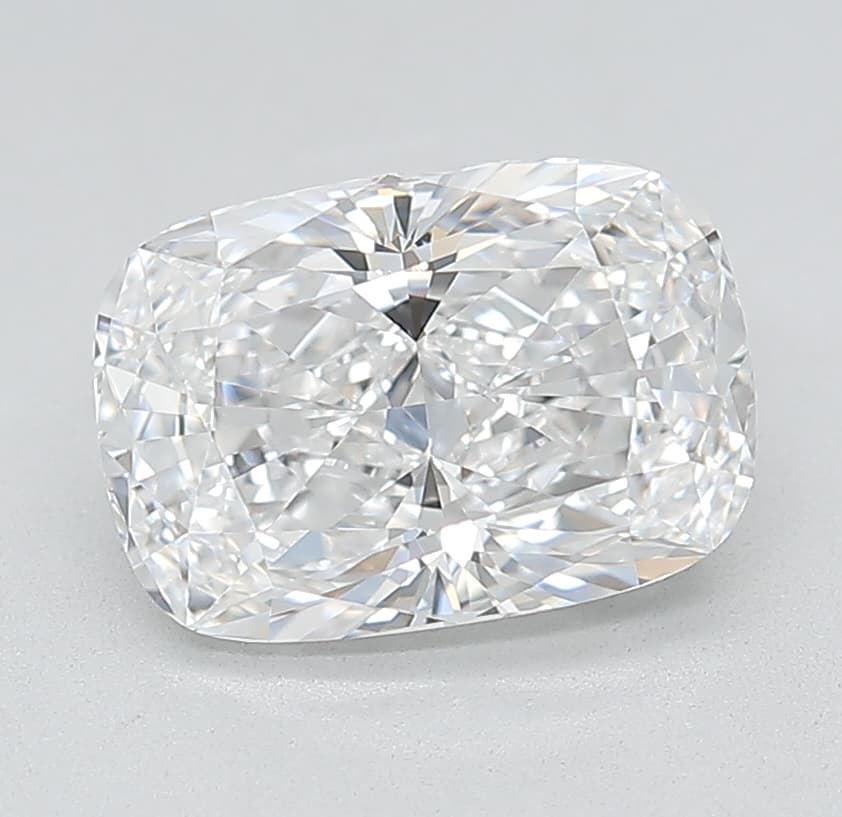
Crushed ice describes a diamond whose face breaks into many small, busy reflections, like the surface of crushed ice; chunky describes larger, distinct flashes with clearer areas of light and dark. Radiants and some cushions often look crushed ice, while antique-style cushions and old mine cuts look chunky. Neither is a grade or a flaw, and no report records it, so the video of each lab-grown diamond is how you tell which look it has.
Two words buyers use for the same shapes
Look at two radiant or cushion diamonds of the same size and grades, and they can seem like different stones. One shimmers all over with tiny points of light. The other shows bigger, bolder flashes, with patches of light and dark you can almost count. Jewelers and buyers call these two looks crushed ice and chunky.
These are descriptive words, not lab terms. You will not find them on an IGI or GIA report, and there is no line between the two: many stones sit somewhere in between. But they are a useful way to talk about what you like, and they explain why photos of the same shape can look so varied.
What does crushed ice look like?
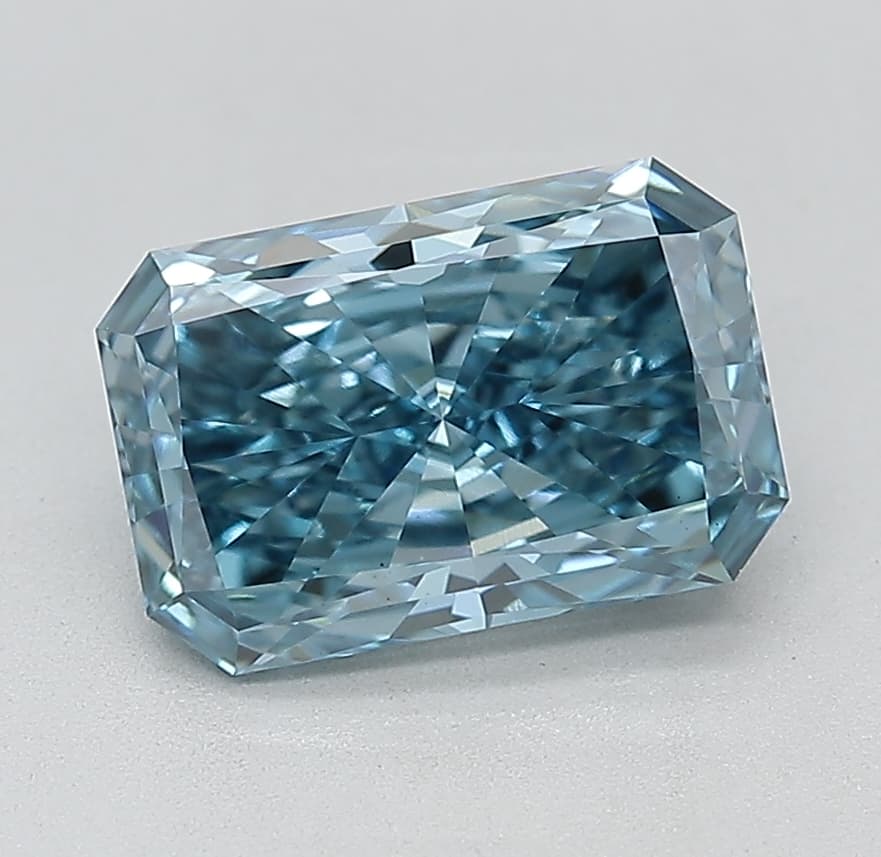
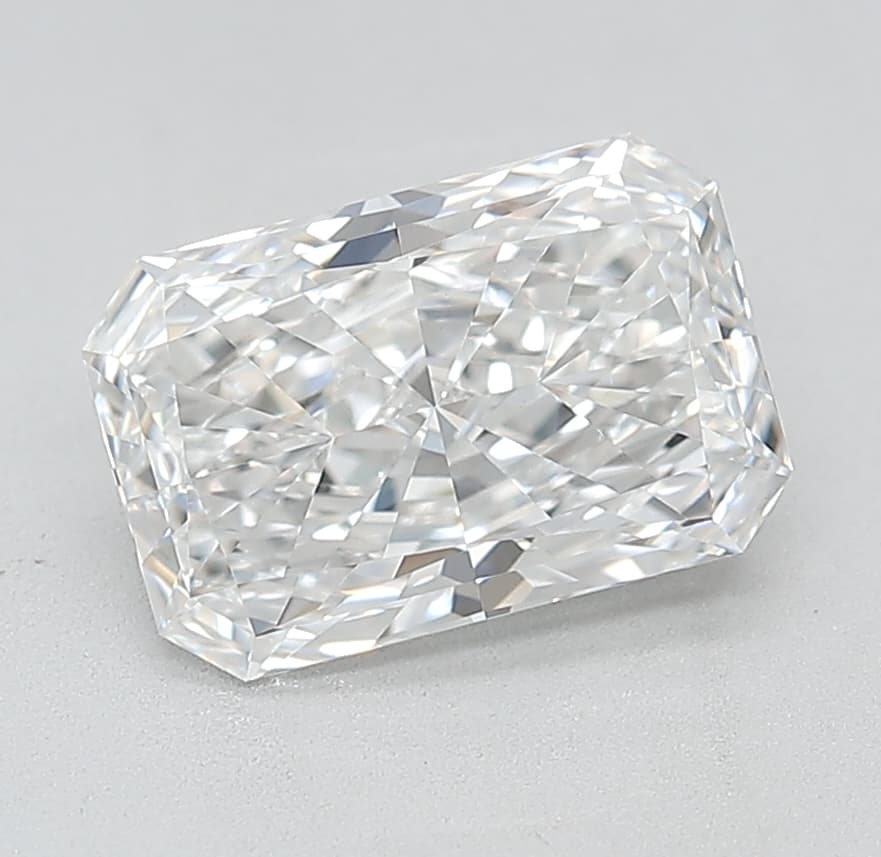
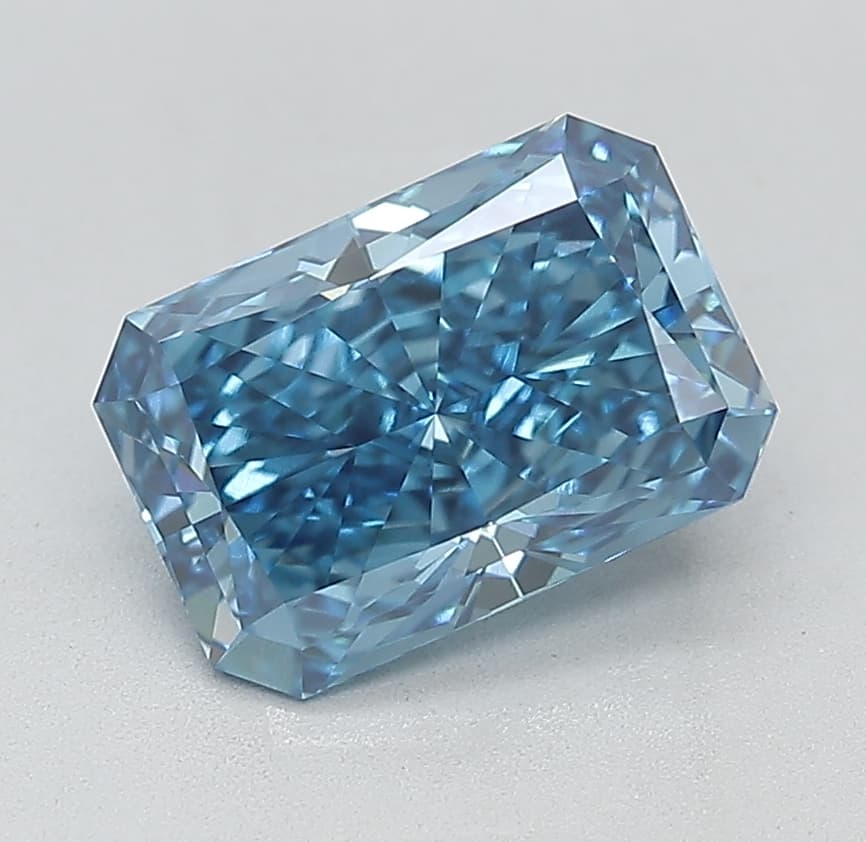
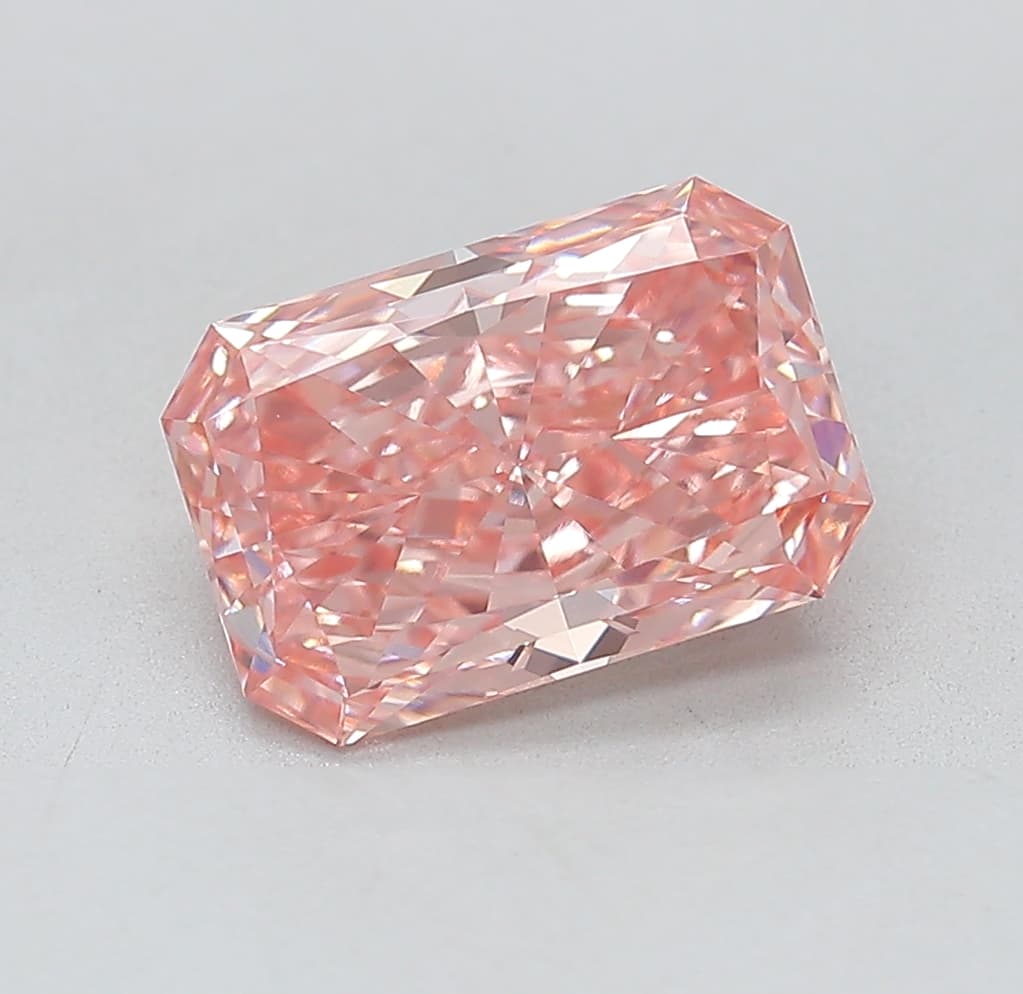
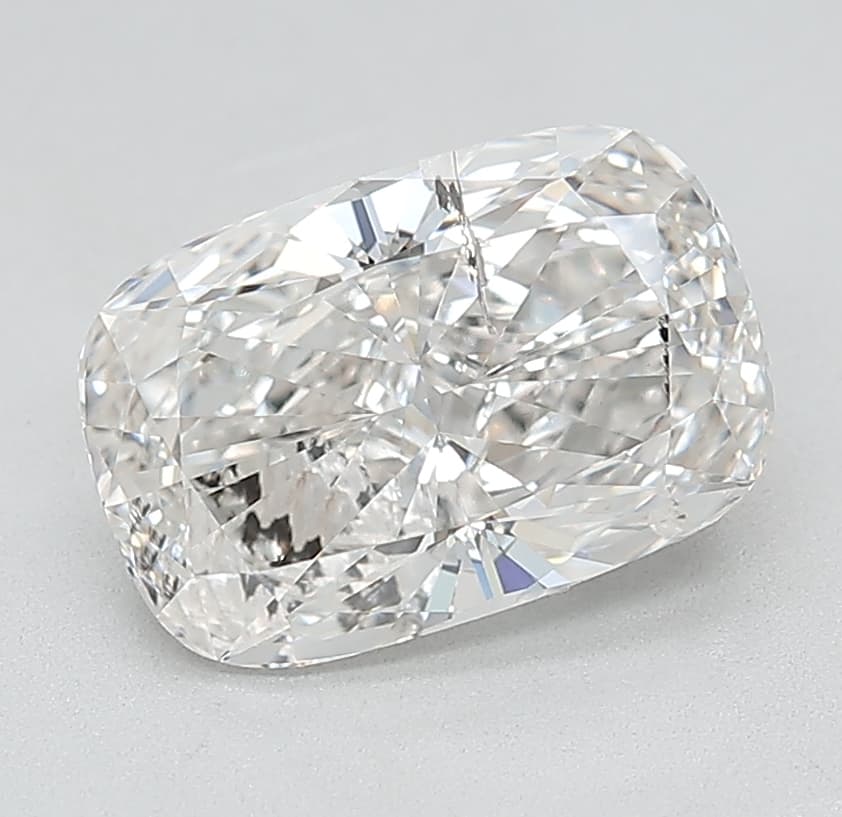
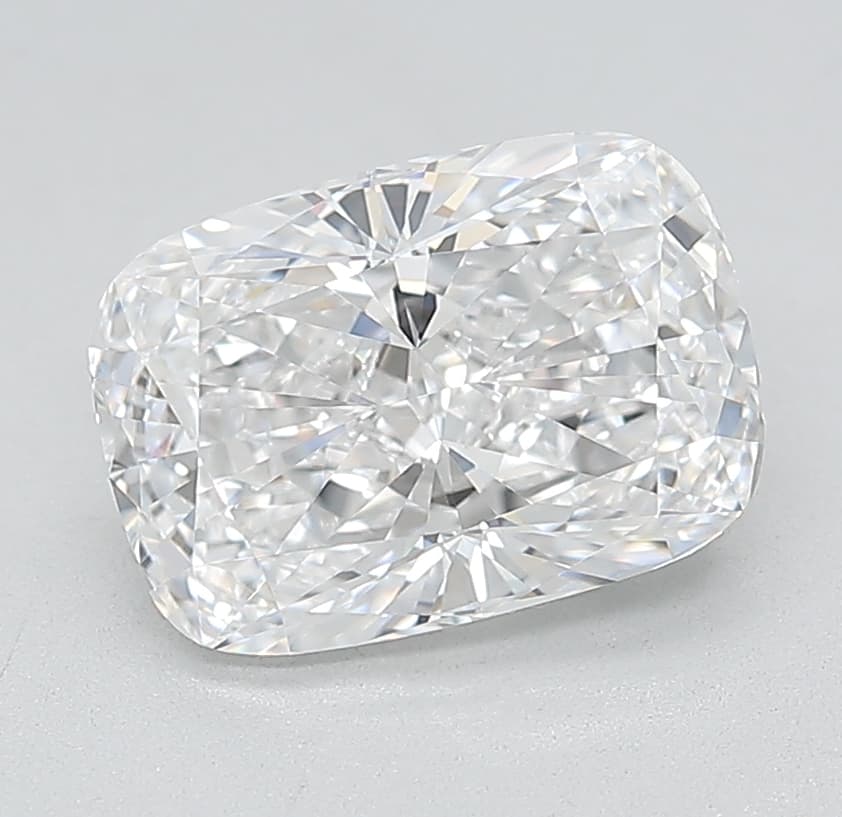
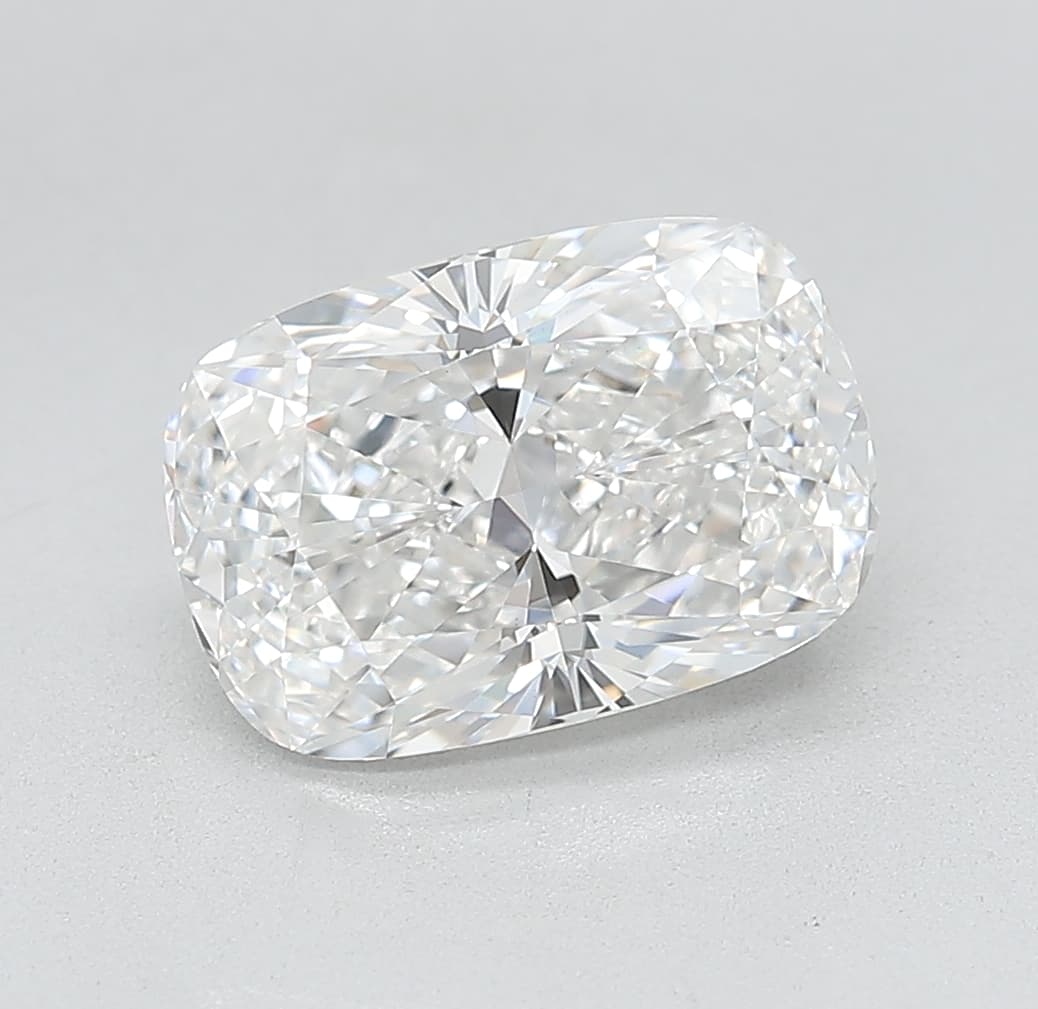
A crushed ice diamond breaks light into many small, scattered reflections. Face-up, the stone looks busy and glittering, and it is hard to pick out individual facets. Some people compare it to sunlight on crushed ice or broken glass.
The look is common in radiants and in cushions described as cushion modified brilliant on their reports. In these stones, extra facets on the pavilion, the lower half of the stone, multiply the reflections you see through the top.
Crushed ice has real strengths. It is lively, it tends to hide small inclusions well because the eye cannot settle on any one spot, and it looks bright in most lighting. Some people find it too busy, or feel it looks less crisp than a stone with clear facet patterns.
What do chunky facets look like?
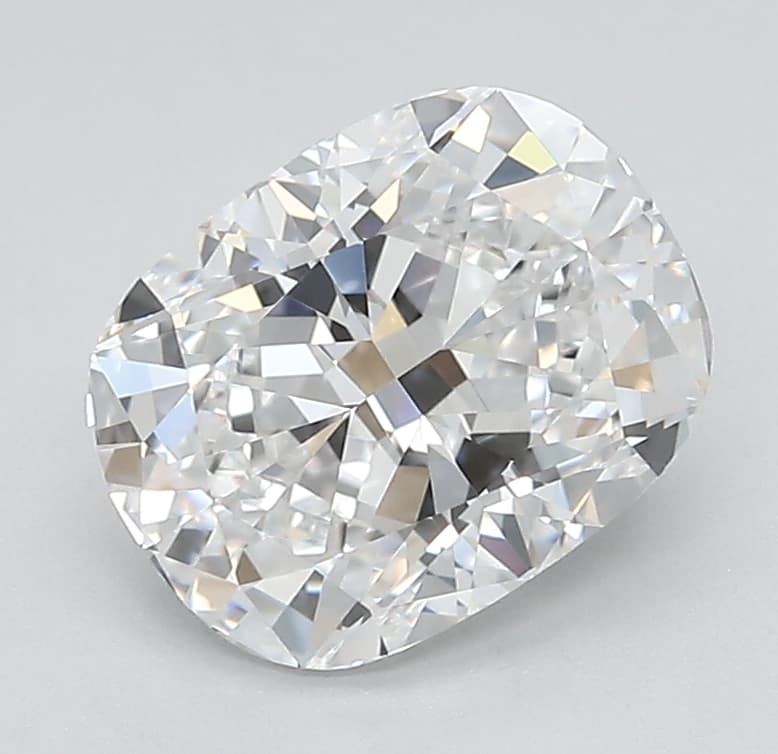
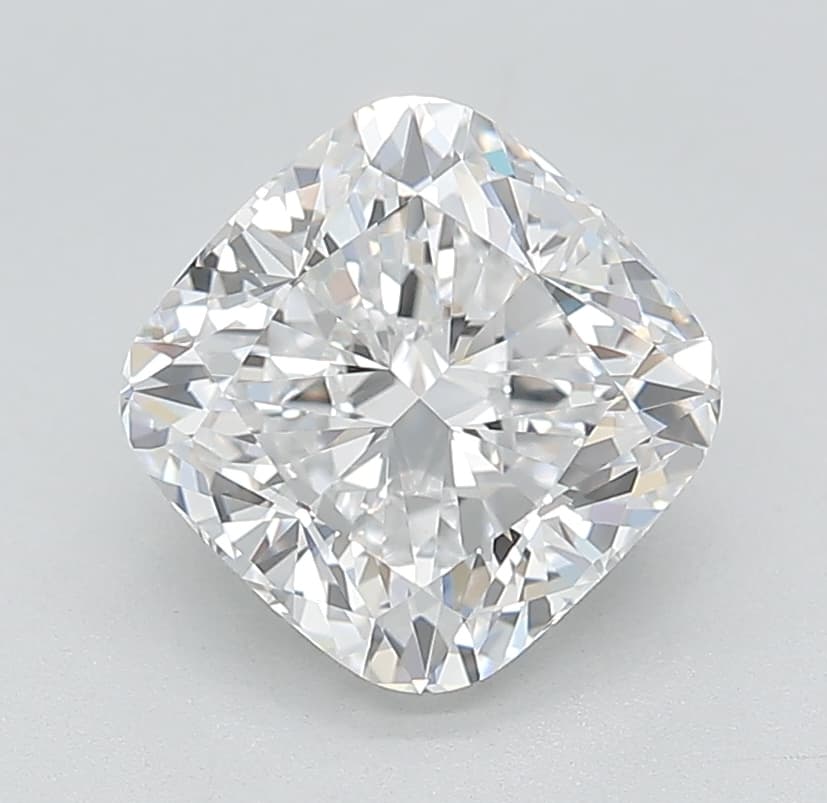
A chunky diamond shows larger, more distinct flashes. You can see the facet pattern, often as broad wedges or a clear star of light and dark, and the flashes move across the stone as it turns. The look feels bolder and more defined.
You see it in cushions cut with fewer, larger facets, often described as a cushion brilliant, and in antique styles such as the old miner, with its small table, high crown and broad facets. Many buyers who love vintage jewelry prefer it, because it echoes diamonds cut by hand long before modern cutting tools.
Larger facets tend to send out bigger, more separate beams of light, so the flashes of color you see in spotlights, called fire, can be easier to notice. Chunky stones can also show inclusions a little more openly, since the eye has fewer reflections to get lost in.
- Typical L/W1.00–1.05 square1.20–1.40 rectangular
- Typical L/W1.00–1.05 square1.10–1.30 elongated
- Typical L/WAbout 1.00–1.10
Why the same shape can look so different
The difference comes from how the facets are arranged and how many there are, mainly on the pavilion. A cutter planning a radiant or cushion has a lot of freedom: the outline is set, but the number of facets, their angles and the depth are choices. More, smaller facets and certain pavilion arrangements give crushed ice. Fewer, larger facets give a chunkier pattern.
Proportions play a part too. Depth, the crown height and the table size change how the facets reflect each other, so two stones described the same way on the report can still differ. That is why our radiant guide and cushion guide both say to judge the look in a video.
| Compared | Crushed ice | Chunky |
|---|---|---|
| What you see | Many small, busy reflections | Larger, distinct flashes |
| Often found in | Radiants, cushion modified brilliants | Cushion brilliants, old mine cuts |
| Feel | Glittering and modern | Bold, defined, often vintage |
| Inclusions | Hidden more easily | Can show a little more |
| On the report | Not graded | Not graded |
How size and lighting change the look
The same pattern can read differently depending on the stone's size and the light around it.
Size. In a smaller stone, a crushed ice pattern can blur into an even shimmer, and chunky facets look like a neat, defined pattern. In a larger stone, around 3 carats and up, each facet is bigger, so chunky flashes become very bold, and a crushed ice pattern can look like a busy, almost sugary surface. A look you like at 2 carats may feel different at 4, so compare stones near the size you are buying.
Lighting. Spotlights and sunlight make chunky stones throw large, distinct flashes, sometimes with clear color. Crushed ice stones glitter in almost any light, including soft office light, which is one reason they look so bright in photos. A video filmed under one kind of light can therefore flatter one style over the other, so compare stones filmed in similar conditions.
How to tell which look a stone has
Because no report records it, you have to look. On each stone page:
- Watch the video or 360° view. Crushed ice shimmers everywhere with fine points of light. Chunky stones show clear wedges or patterns of light and dark that sweep across the face.
- Look at the still photo close up. Can you trace the facet edges? If yes, the stone leans chunky. If the face looks like scattered glitter, it leans crushed ice.
- Read the shape name on the report. "Cushion modified brilliant" often, but not always, means a busier look; "cushion brilliant" often means larger facets.
- Compare two stones side by side in videos filmed in similar light. The difference is far easier to see in a direct comparison than on its own.
Also check the usual cut points for these shapes: an even outline, depth within the common range, and no bow-tie or dark areas that stay fixed.
Crushed ice and chunky are two styles, not two quality levels. A well-cut stone can have either look. Decide which you prefer by comparing videos, then check the outline, depth and bow-tie as usual.
Which one should you choose?
Choose by what you enjoy looking at:
- For glitter and a modern, bright look, a crushed ice radiant is an obvious choice.
- For a softer, romantic outline with bolder flashes, look at cushions with larger facets.
- For an antique character, an old miner gives the chunkiest look of the three.
If you are not sure what you like, ask to see one of each. Our diamond specialists can send videos of contrasting stones or arrange an appointment, and our post on elongated vs square cushions helps you pick the outline.
Frequently asked questions
What does crushed ice mean in a diamond?
Crushed ice describes a facet pattern made of many small, broken-up reflections rather than larger, distinct flashes, so the stone glitters all over. It is common in radiants and some cushions. It is a style, not a grade or a flaw, and it does not appear on the grading report.
Is crushed ice or chunky better?
Neither is better. Crushed ice looks glittering and modern and tends to hide small inclusions well. Chunky facets give bolder, more defined flashes and suit vintage styles. A well-cut diamond can have either look, so choose the one you enjoy by comparing videos.
Does the grading report say if a diamond is crushed ice?
No. Reports describe the shape and cutting style, for example cushion brilliant or cushion modified brilliant, which can hint at the look, but they do not grade crushed ice or chunkiness. The video is the reliable way to see which pattern a stone has.
Do old mine cut diamonds have chunky facets?
Yes. The old mine cut, or old miner, is an antique style with a small table, high crown and broad facets, so it shows large, distinct flashes of light rather than fine glitter. A lab-grown old miner is a modern stone cut to recreate that look.
Glossary terms in this article
More on Shapes & Cuts in the journal.