Shapes & Cuts
Cushion vs Round Diamond: Shape, Sparkle and Size Compared
By the Vanora Diamond team
Published Last reviewed 5 min read

Quick answer
A round diamond gives the most even, dependable sparkle and usually the most face-up size for its weight, while a cushion trades a little of both for a soft square outline and larger, often bolder flashes. Cushions vary widely in faceting and depth, and they can show a touch more color, so they need a closer look at the video. Choose the round for classic brilliance, the cushion for a softer, vintage-leaning look.
Two very different outlines
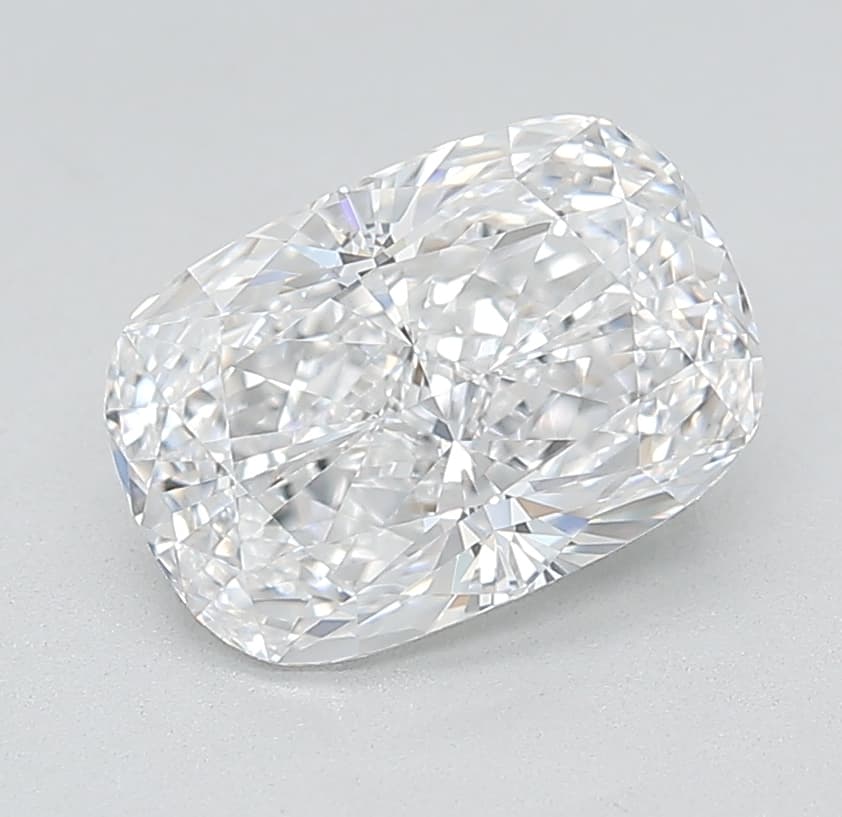
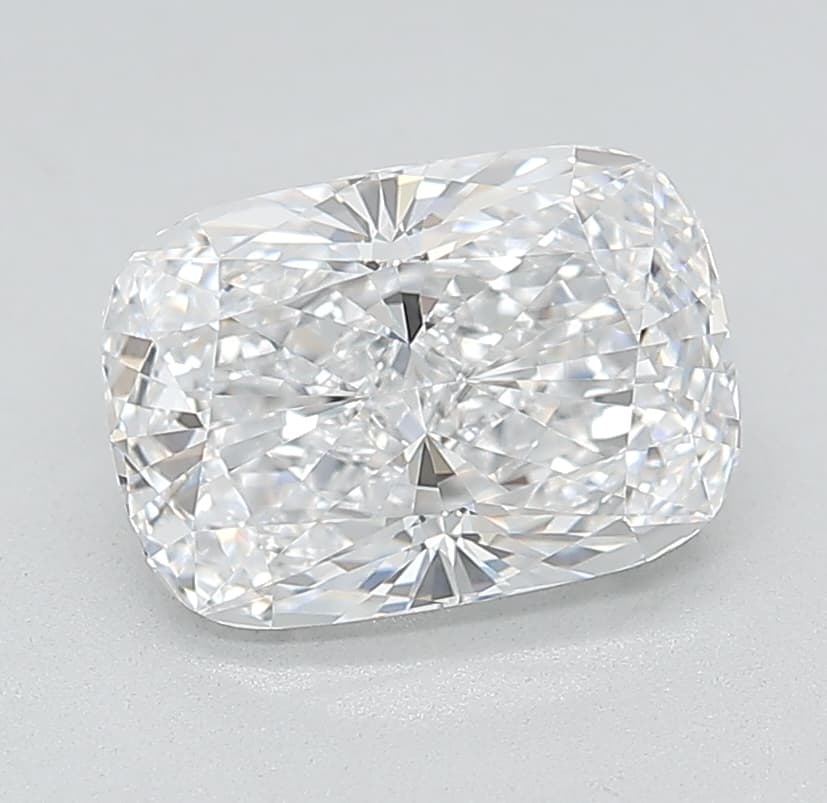
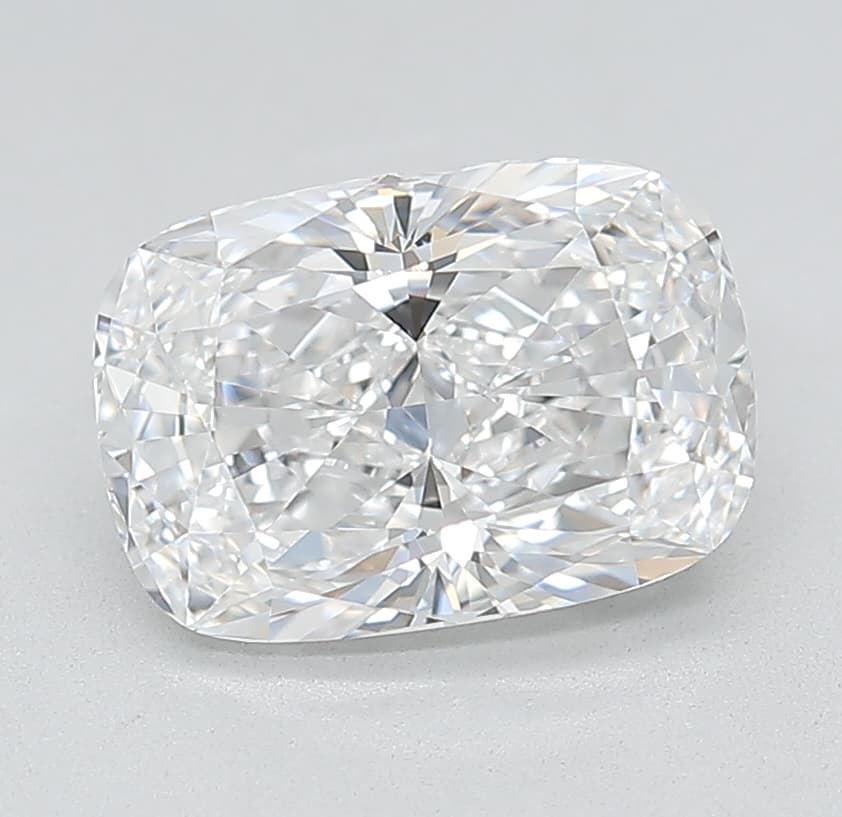
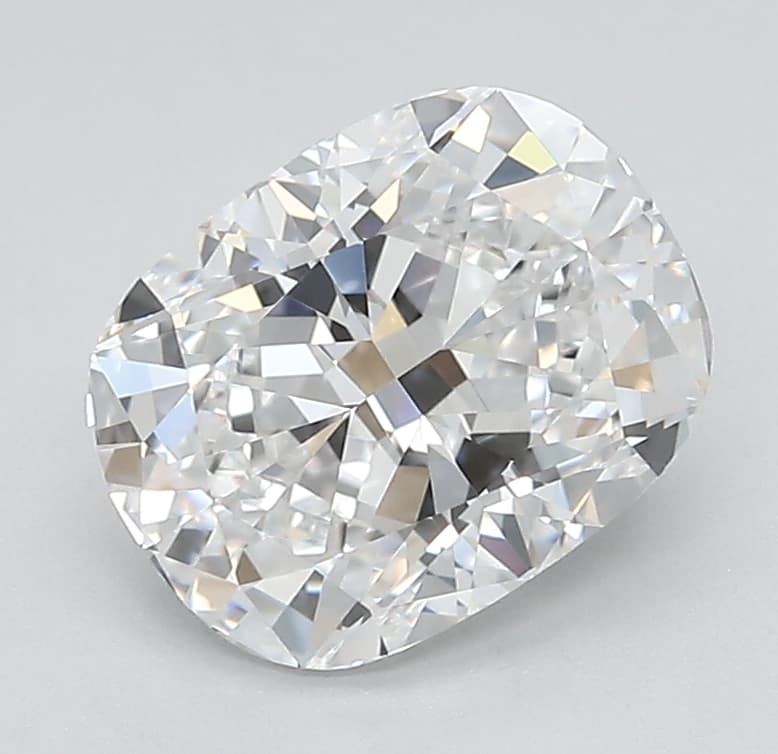
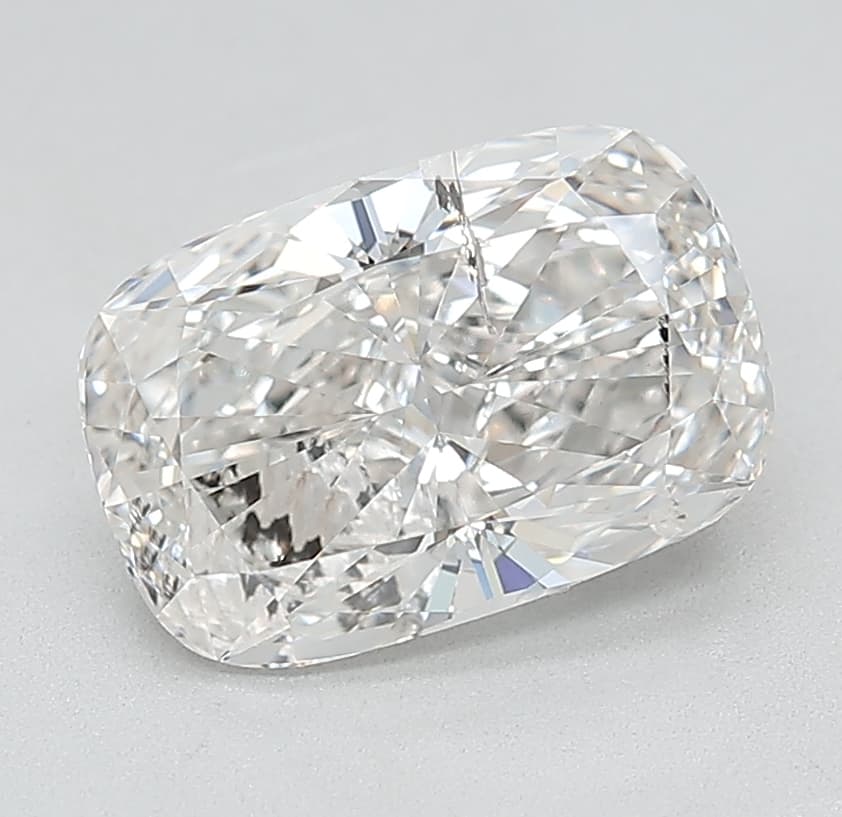
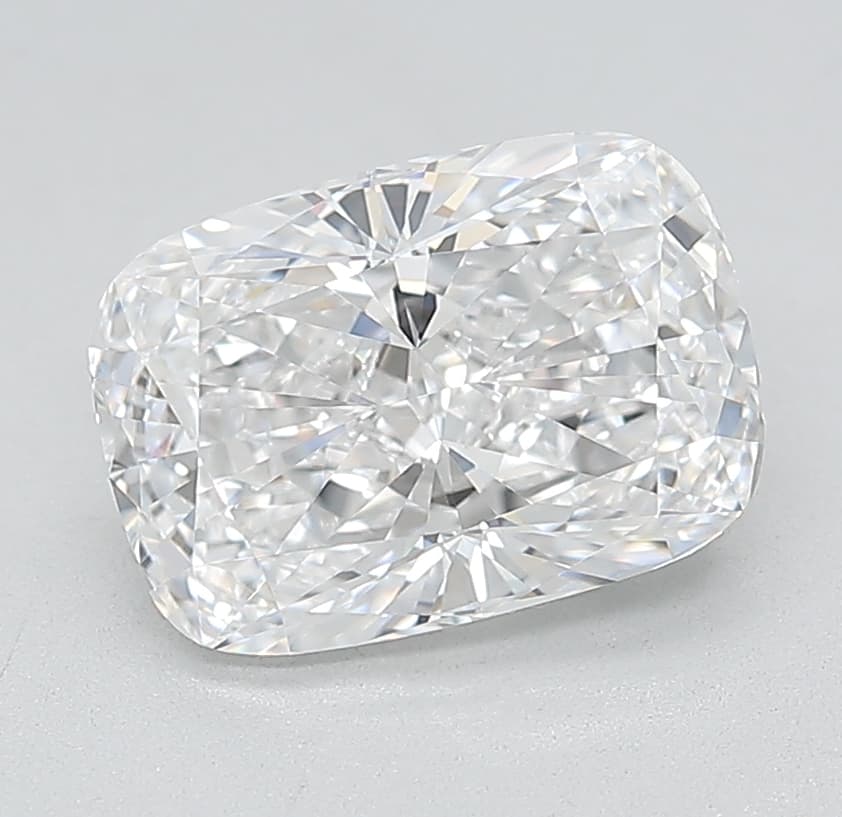
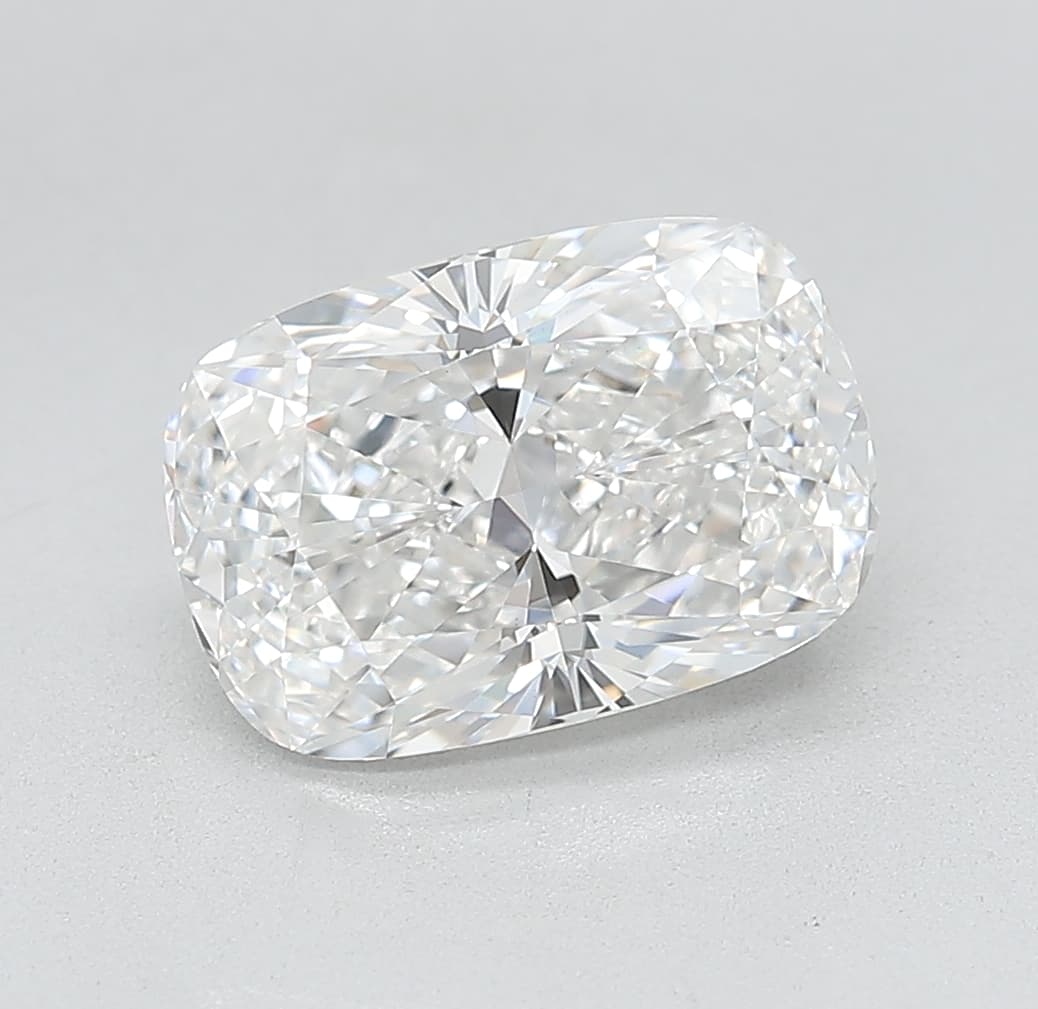
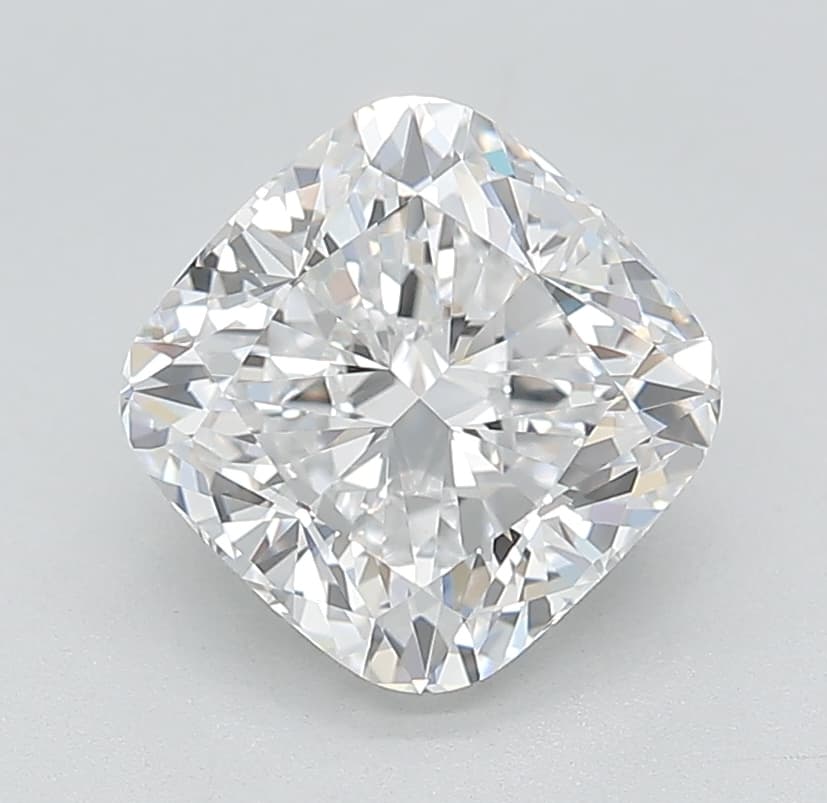
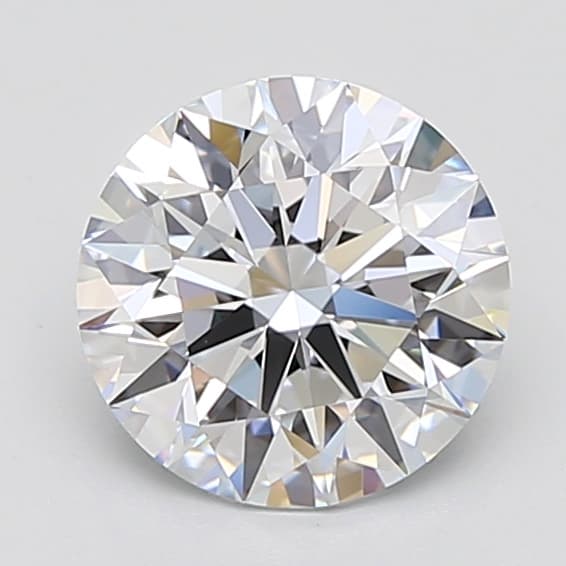
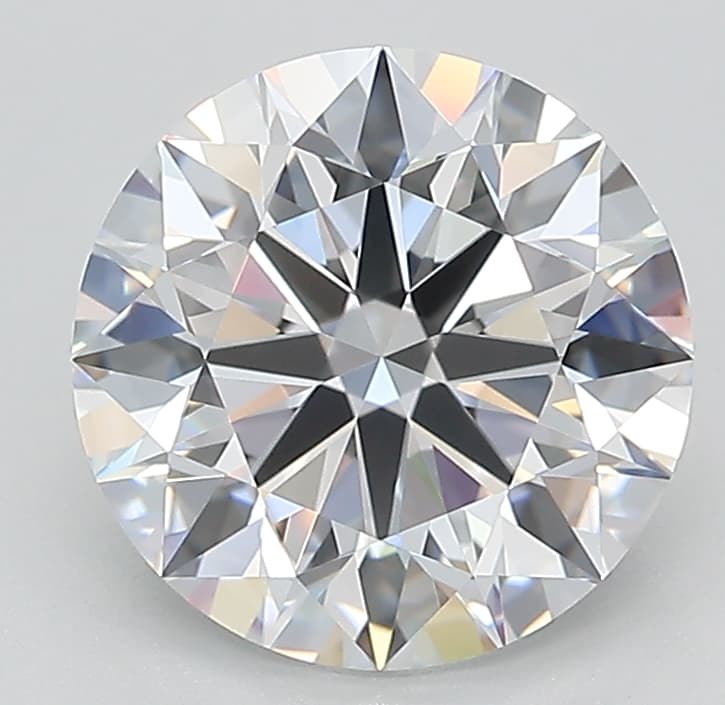
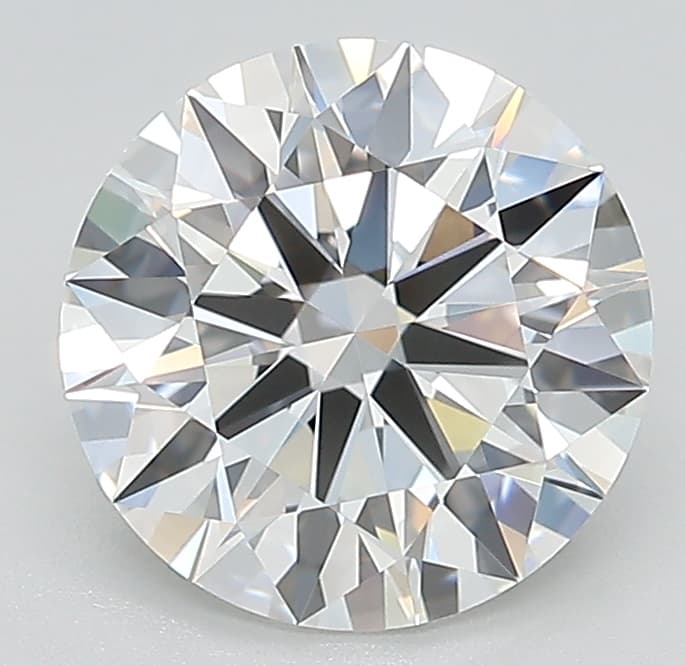
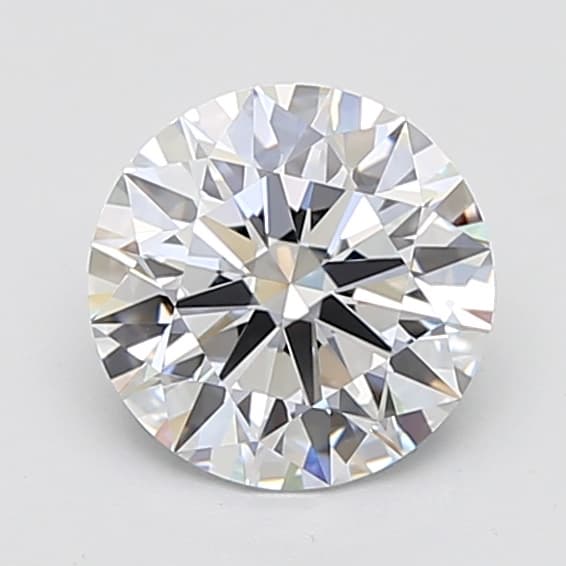
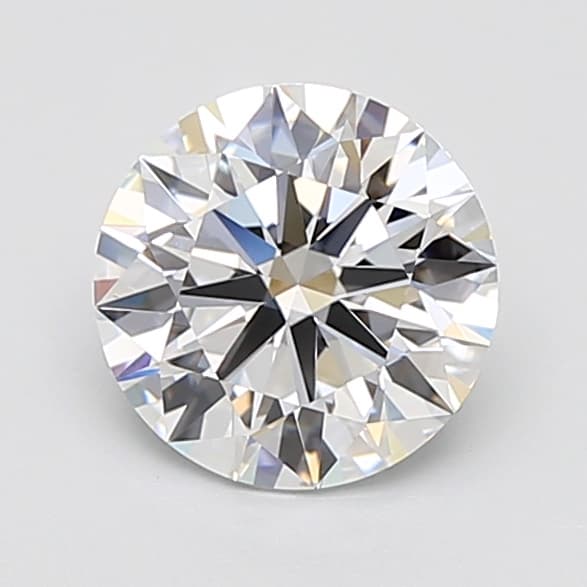
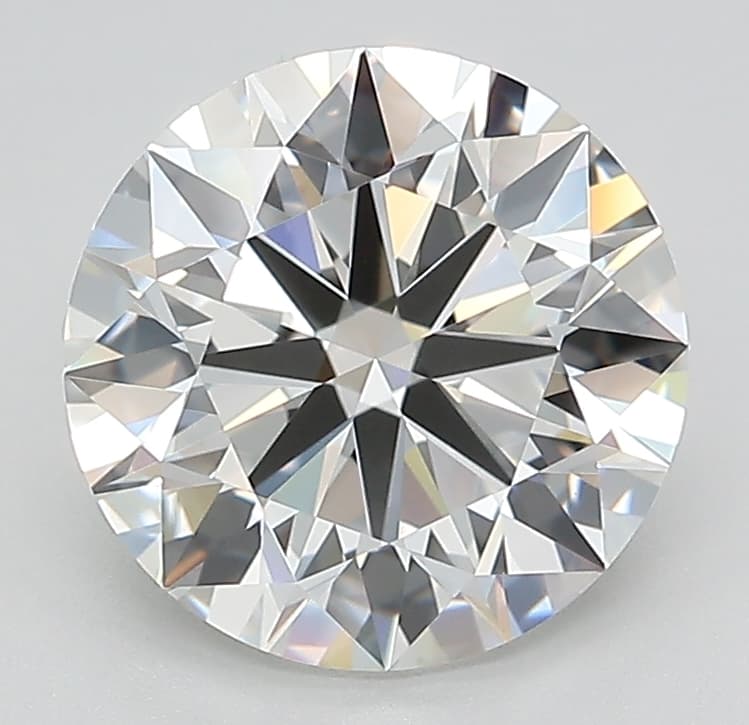
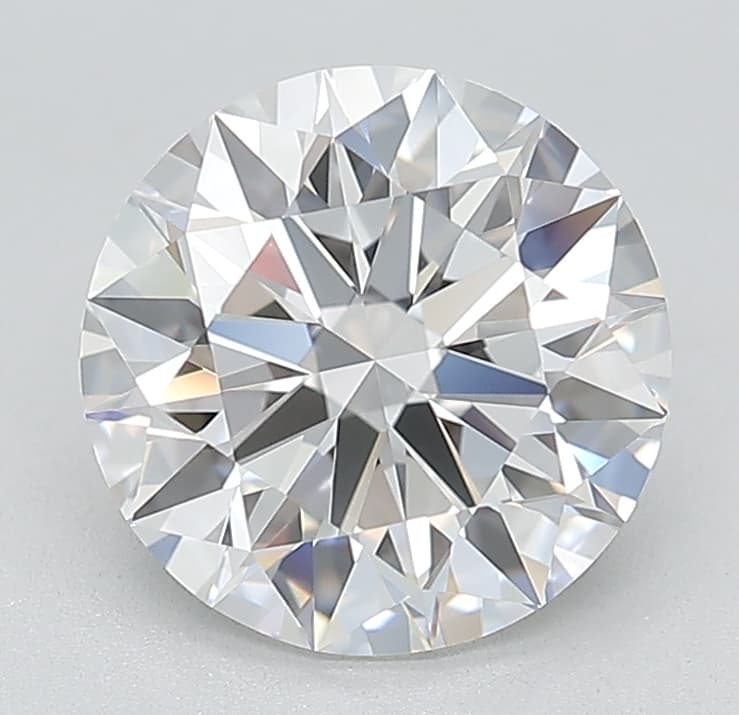
A round diamond is a circle, cut as a round brilliant. A cushion is a square or rectangle with rounded corners and gently curved sides, a little like a pillow, which is where its name comes from.
The cushion has a long history. It descends from the old mine cut, the cushion-shaped diamond of the eighteenth and nineteenth centuries, with its tall crown and small table. Our post on old mine cut diamonds covers that antique style. Modern cushions keep the soft outline but are cut with modern proportions and more varied faceting.
- Typical L/WAbout 1.00
- Typical L/W1.00–1.05 square1.10–1.30 elongated
- Typical L/WAbout 1.00–1.10
Sparkle: two different characters
A round brilliant has identical facet angles all the way round, so light returns evenly across the face. It is the shape cutters have studied most, and its cut grade (Ideal to Poor on IGI reports) makes choosing for sparkle straightforward. IGI has graded the cut of fancy shapes, from Excellent to Poor, since September 2022; GIA does not. So a cushion may carry an IGI cut grade, but it still needs a closer look.
Cushions vary much more. Some are cut with larger facets that throw broad, chunky flashes; others have many smaller facets that look like crushed ice, a busy, glittering sparkle. Neither is better, but they look very different, and the report does not say which one you are getting. Our posts on crushed ice vs chunky facets and cushion brilliant vs modified brilliant explain the styles, and the video shows which one a stone has.
Lighting changes the comparison too. Under spotlights, a chunky cushion throws big, bold flashes that can rival a round for drama. In soft office light, a round usually looks brighter and more even, while a cushion can look calmer. Watching both kinds of stone in the same light, ideally in more than one kind, gives the fairest comparison; our post on diamond lighting explains why.
Face-up size per carat
As a rule of thumb, a cushion faces up a little smaller than a round of the same weight. Many cushions are cut fairly deep, and their corners hold weight that a round's outline does not, so less of the weight shows as surface. A well-cut, shallower cushion narrows the gap, and a deep round can lose its own advantage, so the rule is a tendency rather than a law.
The reliable check is the millimeters on the report. Compare length and width, not carat weight, and remember that a square cushion's corners make it look a little fuller than its side measurement suggests. Our posts on diamond spread and which shape looks biggest explain the effect of depth.
Color and clarity
Rounds hide body color and small inclusions very well, because their many small facets break up what you see. Cushions are brilliant cuts too, so they also hide a good deal, but two things work slightly against them:
- Color can gather a little in the corners, so a warmer grade may show slightly more than in a round. Our post on shapes that show color explains why.
- Larger facets, in chunky cushions, can make an inclusion a little easier to spot than in a crushed-ice cushion or a round.
Neither is a reason to avoid a cushion. It simply means checking the video, and perhaps choosing a color grade a step higher if you are near the bottom of your range.
Square or elongated cushion
Cushions come in two outlines. A square cushion has a length-to-width ratio of about 1.00 to 1.05; an elongated cushion is usually about 1.10 to 1.30. The square version feels closest to a round in presence; the elongated one looks longer on the finger, a little like a soft radiant or oval. Our post on elongated vs square cushions compares them in detail.
A round has no such choice to make: its ratio is always about 1.00.
Choosing a well-cut cushion
A round comes with a cut grade to lean on; a cushion, with or without an IGI cut grade, asks you to look a little harder. These checks cover most of what matters:
- Decide on the facet style first. Watch a few videos and decide whether you prefer broad, chunky flashes or a fine crushed-ice glitter. That narrows the field quickly.
- Check the depth. Many cushions are cut deep, which keeps weight below the girdle. A stone within the common depth range for cushions faces up larger for its weight than a very deep one; our post on table and depth percentage lists the guidelines.
- Look at the outline. The corners should be evenly rounded and the sides gently and evenly curved, so the stone looks balanced rather than lopsided.
- Read polish and symmetry. Excellent or Very Good on the report shows careful finishing.
- Look for evenness in the video. A lively cushion shows flashes across its whole face, without a dark center or dull corners.
Our stone pages show the measurements, ratio, table, depth, polish and symmetry together, so you can run through these checks quickly for each stone you are considering.
Settings, wear and choosing
Both shapes are practical to wear. A round has no corners at all, and a cushion's corners are rounded rather than pointed, so neither needs special protection beyond a sound setting. A cushion is usually held by four prongs, one at each corner, or by double prongs for a more vintage look. Cushions are also a classic choice inside a halo, where a ring of small diamonds follows the soft square outline and adds to its presence; rounds suit halos just as well, with a circular frame.
To decide:
- Choose a round if you want the brightest, most even sparkle and the simplest choice, with a cut grade to lean on.
- Choose a cushion if you love a softer, square outline and a sparkle with more character, and are happy to judge it from the video.
Browse cushion and round lab-grown diamonds, add a few of each to the compare page, and ask our diamond specialists if you would like help reading the videos.
| Compared | Cushion | Round |
|---|---|---|
| Outline | Soft square or rectangle | Circle |
| Sparkle | Chunky flashes or crushed ice | The most even light return |
| Overall cut grade | Possible on IGI reports (Excellent to Poor); none from GIA | Yes, on IGI reports (Ideal to Poor) |
| Face-up size per carat | Often a little smaller | The reference |
| Color showing | A touch more in the corners | Spread evenly |
Two cushions with the same grades can sparkle completely differently. Watch each video and decide whether you prefer broad, chunky flashes or a finer crushed-ice look before you compare prices.
Frequently asked questions
Does a cushion diamond sparkle more than a round?
Usually not. A well-cut round brilliant returns light most evenly and is the benchmark for sparkle. A good cushion is very lively too, but in a different way: broader flashes in chunky styles, a busy glitter in crushed-ice styles. Which you prefer is a matter of taste.
Does a cushion look smaller than a round of the same carat weight?
Often slightly, because many cushions are cut deeper and carry weight in their corners. A shallower cushion can face up close to a round of the same weight. Compare the length and width on each report rather than the carat weight alone.
Is a cushion cut diamond a good choice for an engagement ring?
Yes. Its rounded corners make it practical to wear, and its soft square outline suits both vintage and modern settings. Because cushions vary in faceting and depth, choose by watching the video and checking the measurements, or ask a diamond specialist to compare a few for you.
What is the difference between a cushion and an old mine cut?
The old mine cut is the antique ancestor of the cushion: a cushion-shaped diamond with a tall crown, a small table and often an open culet, cut long before modern proportions. Modern cushions keep the soft outline but use modern angles and more varied facet styles.
Glossary terms in this article
More on Shapes & Cuts in the journal.