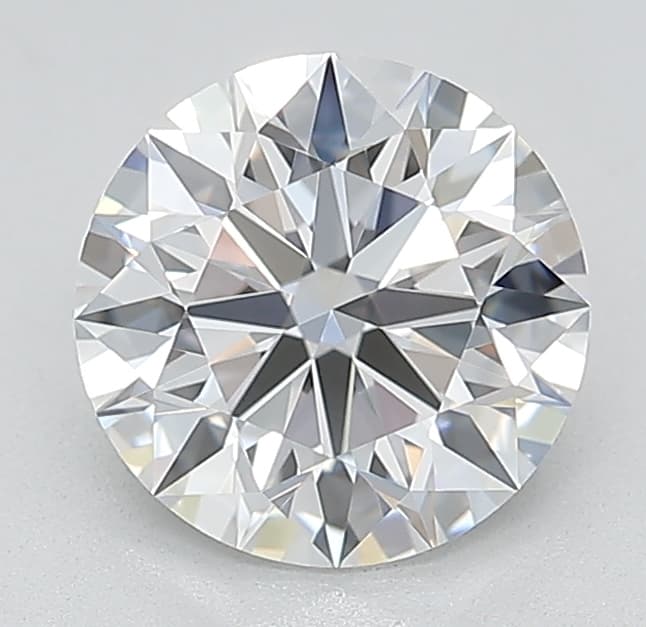
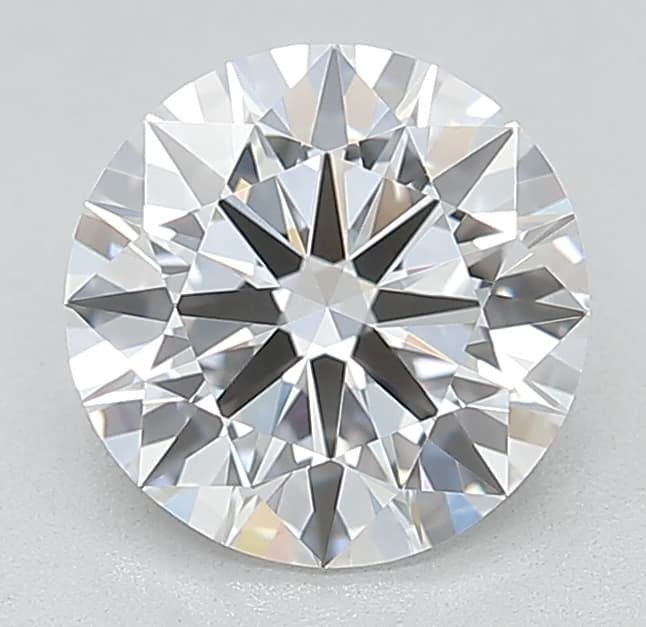
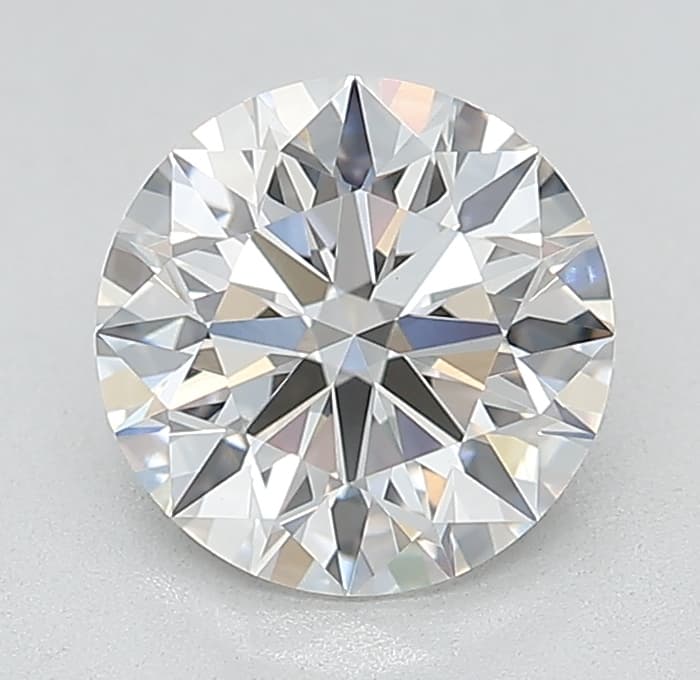
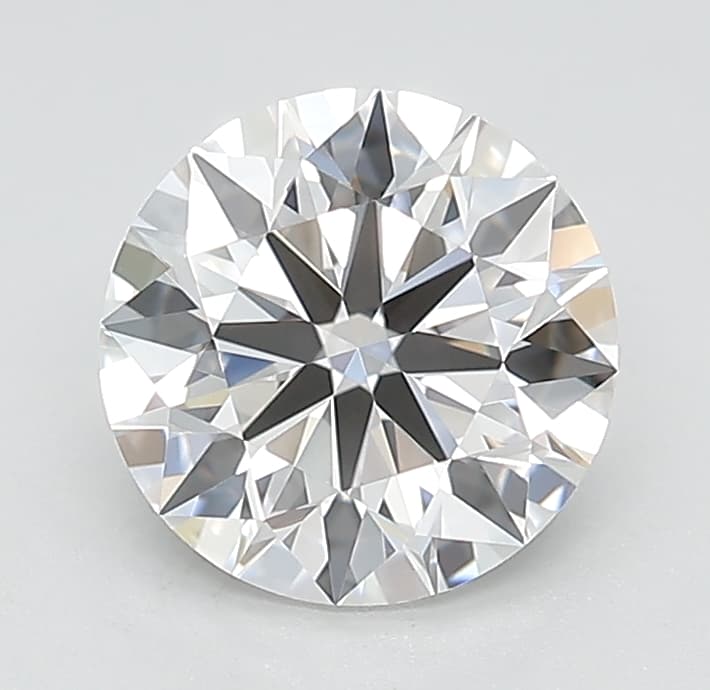
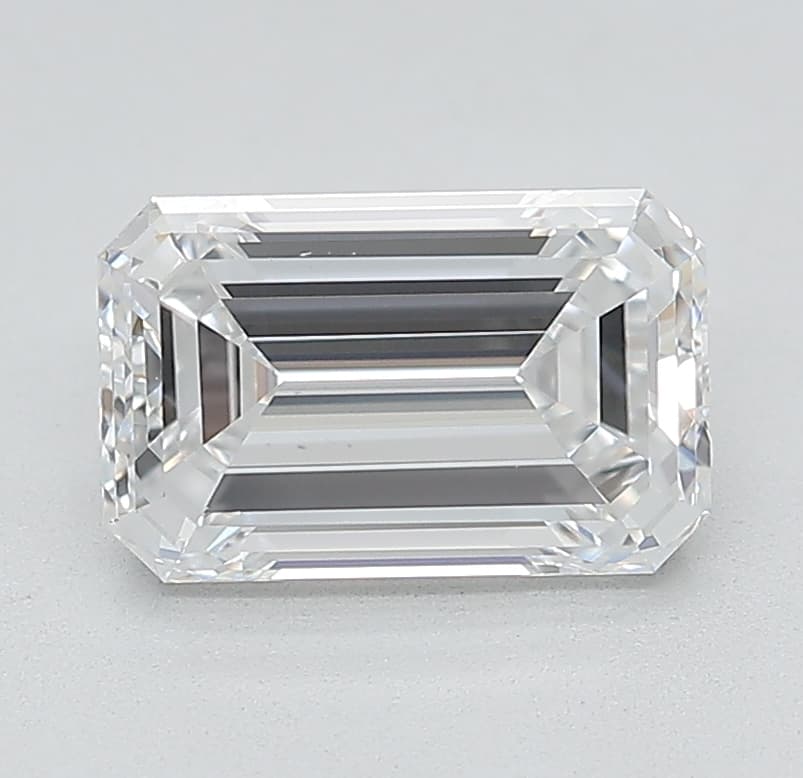
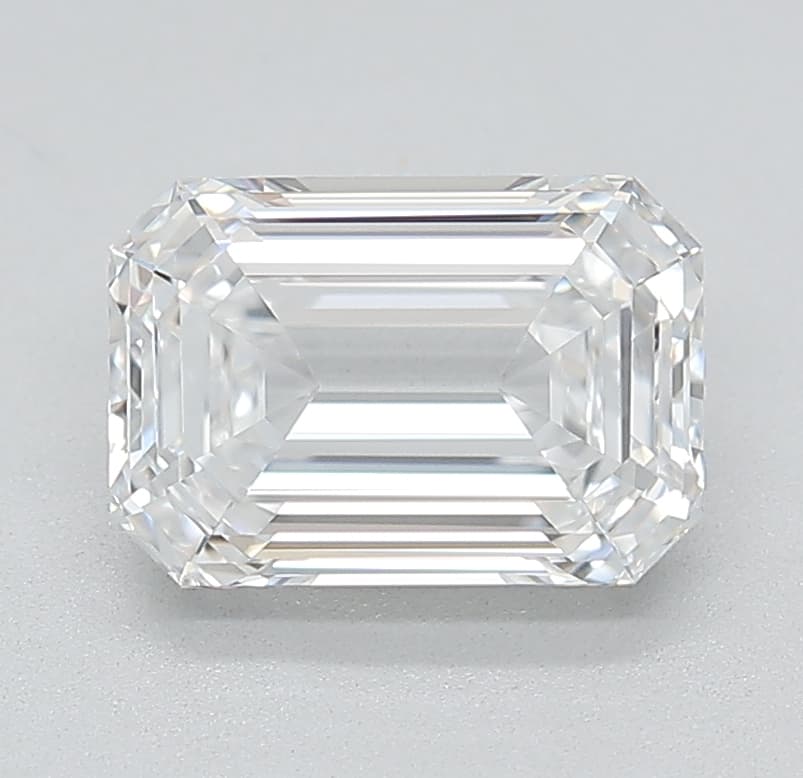
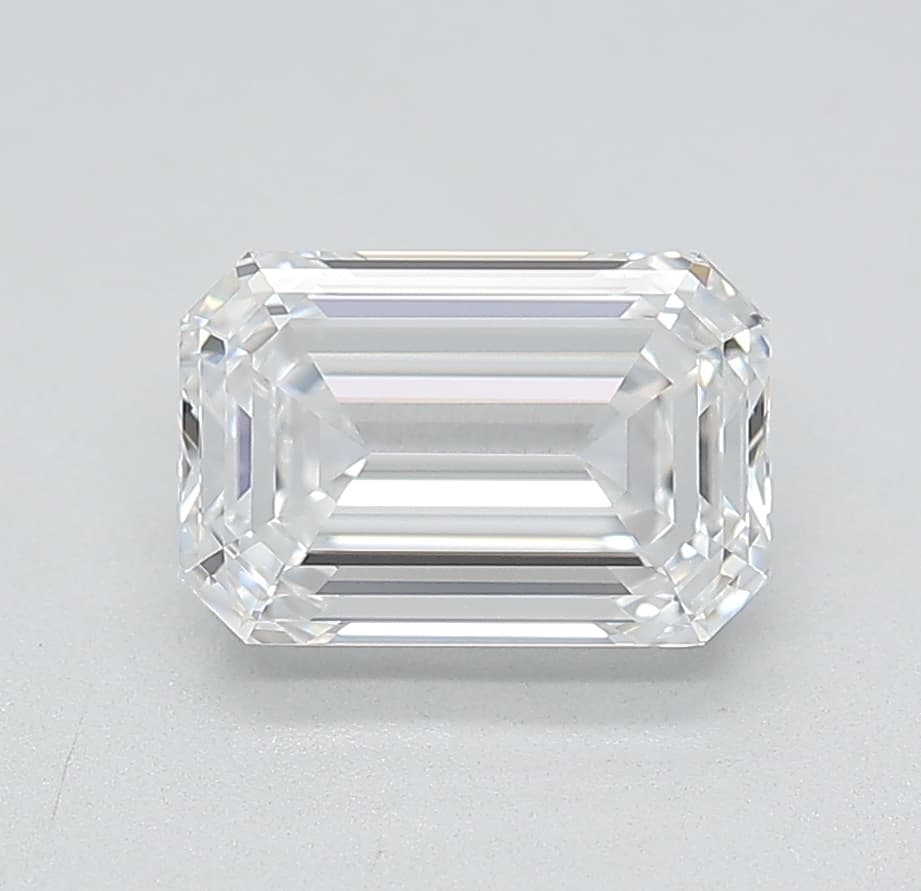
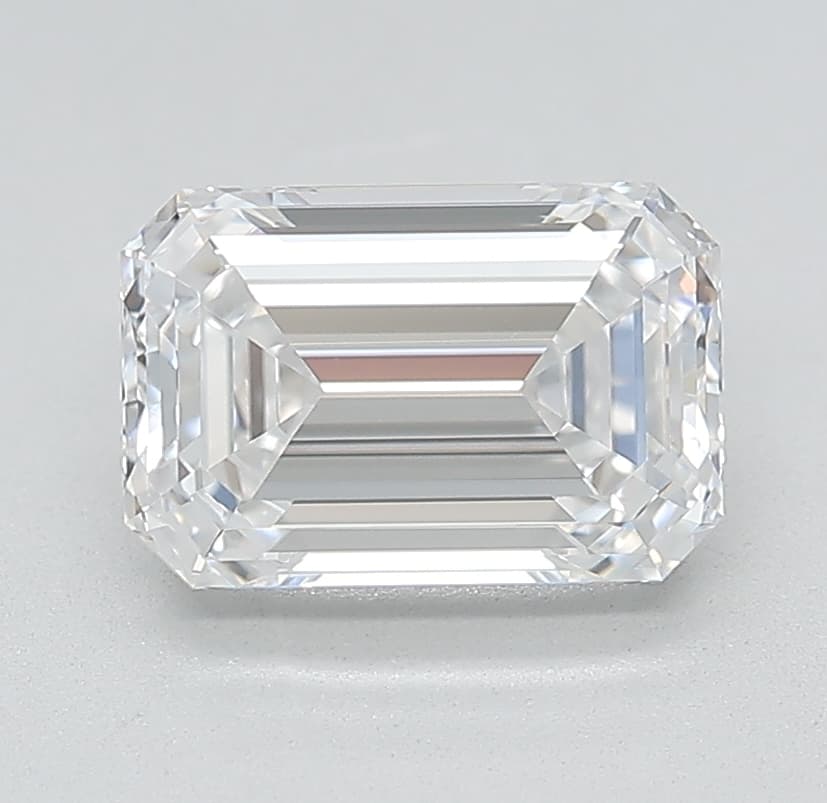
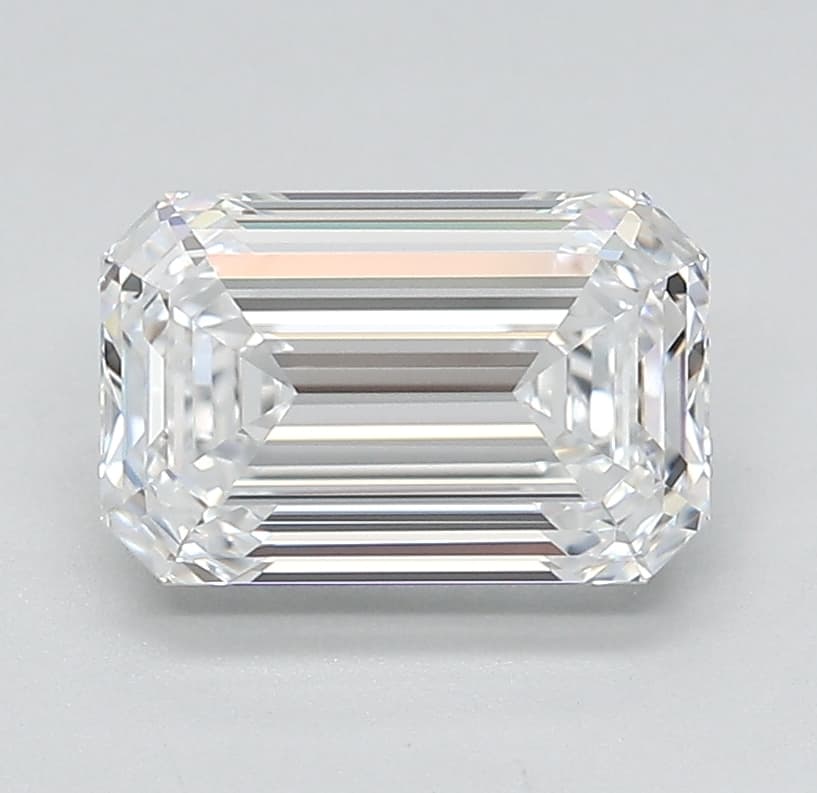
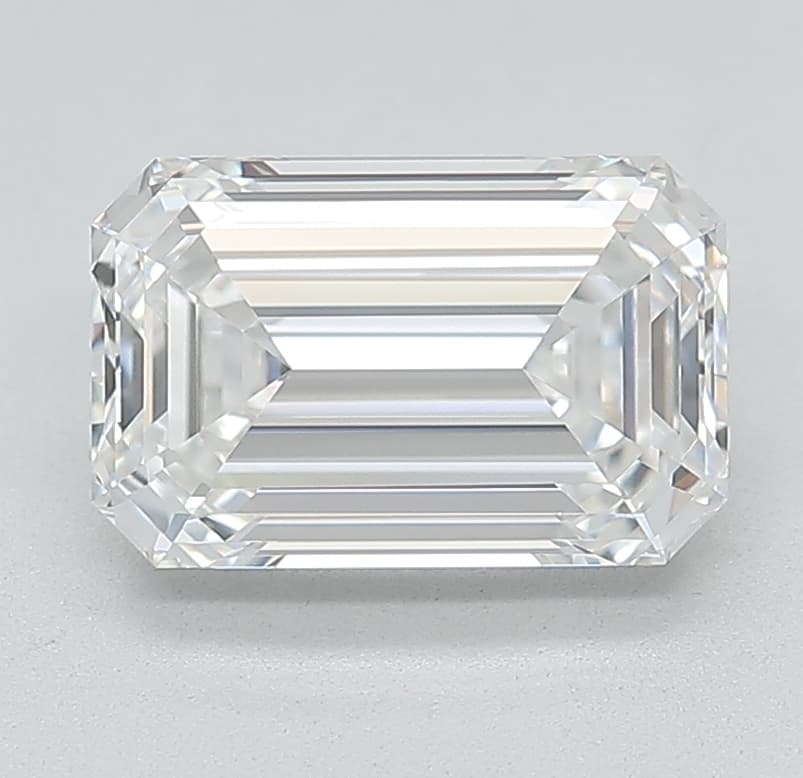
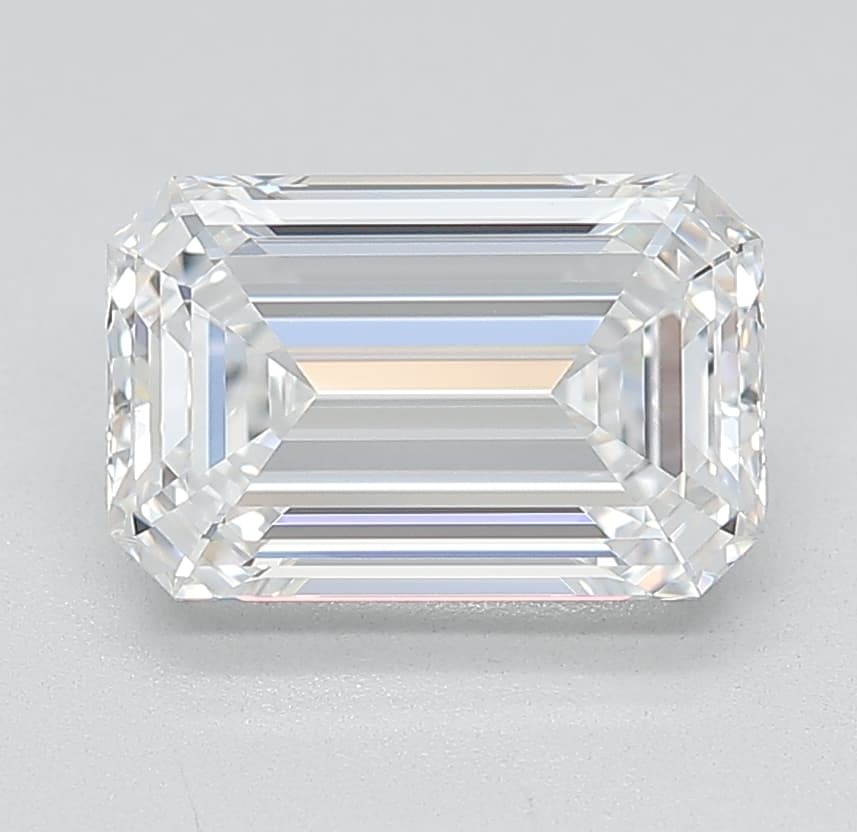
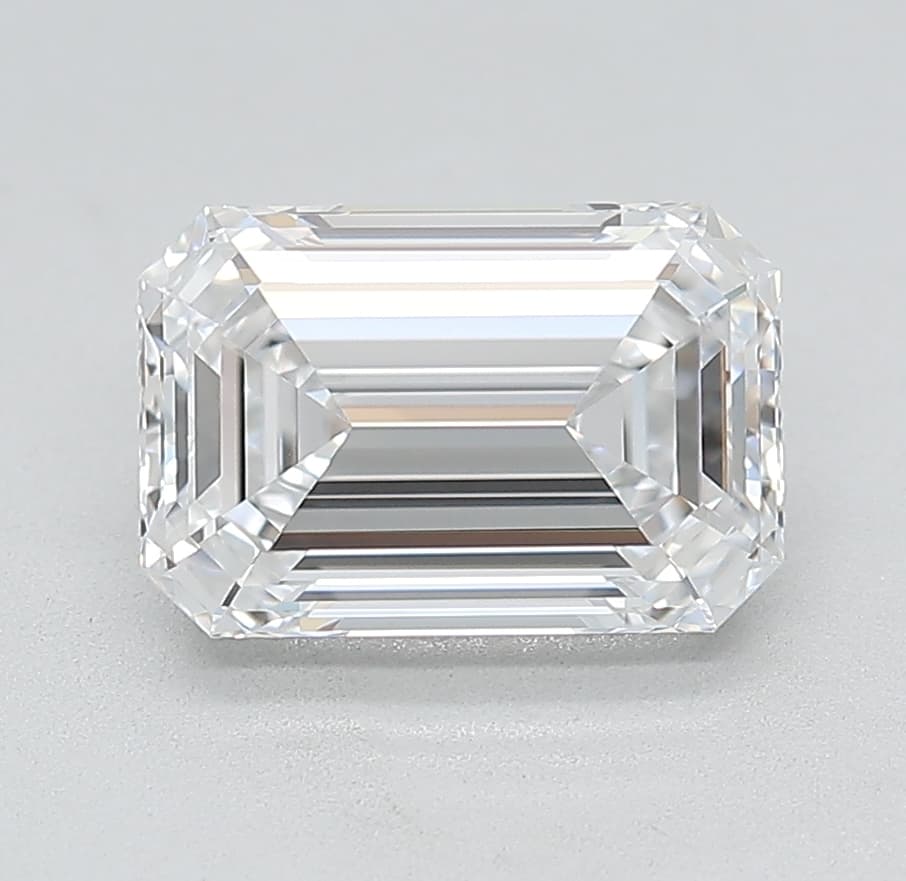
Grading, Explained
Diamond Lighting Explained: Why a Diamond Looks Different Everywhere
By the Vanora Diamond team
Published Last reviewed 5 min read

Quick answer
A diamond looks different from place to place because it makes no light of its own: it returns and splits the light around it. Spotlights and sunlight bring out fire and flashing sparkle, while soft, diffuse light shows brightness, evenness and body color. To judge a lab-grown diamond fairly, look at it in more than one kind of light and compare stones side by side in the same light.
Why the same diamond changes with the light
A diamond is a very efficient mirror and prism. Light enters through the top, bounces off the facets inside and comes back out toward your eye, and some of it is split into colors on the way. Everything you see depends on the light going in. Change the light and the diamond changes too, even though the stone itself is exactly the same.
It helps to think of two kinds of light:
- Point light comes from small, bright sources: a spotlight, an LED bulb, a candle flame, the sun on a clear day. Each source makes sharp, distinct flashes inside the stone.
- Diffuse light comes evenly from a wide area: an overcast sky, a ceiling of office panels, a room lit through a curtain. It fills the diamond with soft, even light and fewer sharp flashes.
Most rooms mix the two, which is why a ring can look calm at your desk and come alive by a window. The three kinds of sparkle, brilliance, fire and scintillation, respond to these lights in different ways. Our post on brilliance, fire and scintillation explains each one.
Spotlights and sunlight: fire and flashes
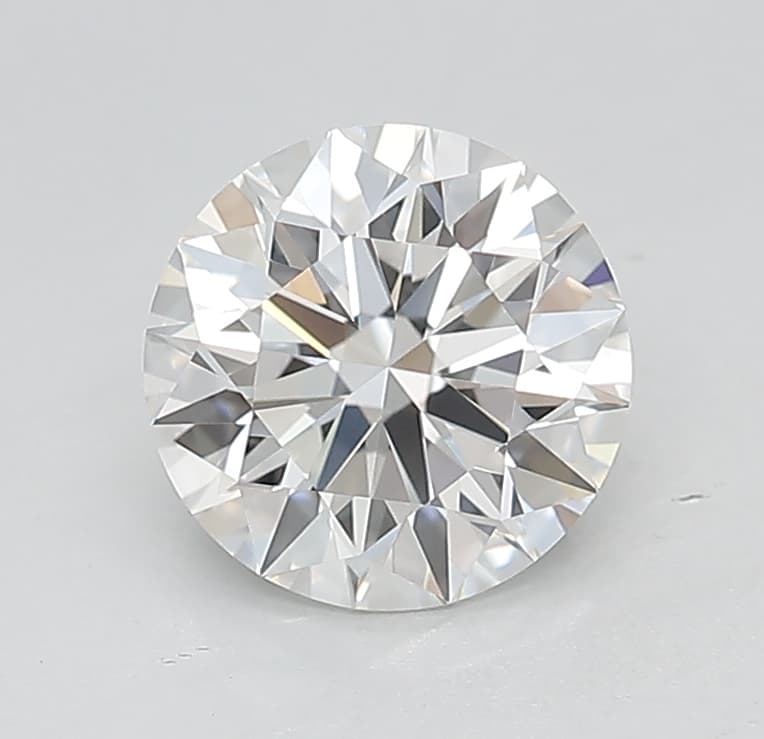
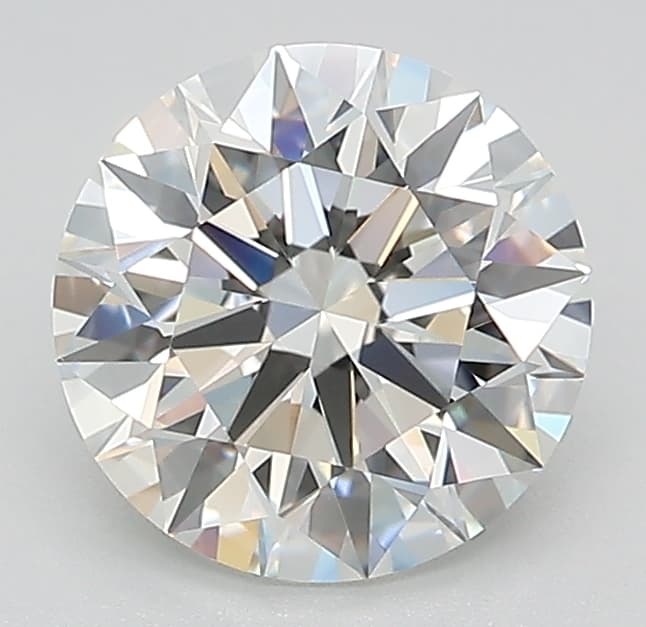
Point light is what makes a diamond dance. Each small source produces a bright flash where a facet reflects it toward you, and some of that light leaves split into colors, which is called fire. As you move, the flashes switch on and off across the facets, which is scintillation. Under a row of spotlights or in direct sun, a well-cut round can look full of color and movement.
The same strength is also a weakness when you are judging a stone. Intense flashes draw the eye, so they can hide areas that return less light, such as a dark center in a deep stone or a bow-tie in an oval. A diamond that looks spectacular under spotlights is not necessarily the best cut; most well-cut diamonds look spectacular there.
Diffuse light: brightness and the honest view
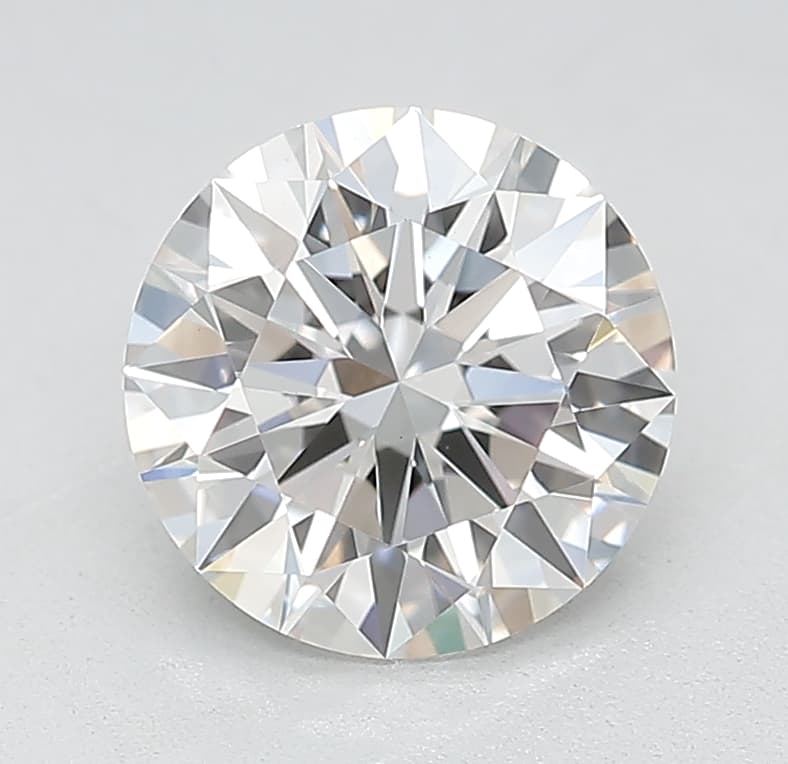
Under soft, even light, a diamond sparkles less. That is normal and not a sign of a poor stone. What you see instead is brilliance, the overall brightness of the face, and how evenly that brightness spreads across it.
Diffuse light is the most revealing light for comparing cuts. It shows:
- Dark or dead areas, such as a window or extinction, more clearly than spotlights do;
- the bow-tie in elongated shapes, without bright flashes covering it;
- body color more evenly, so a warmer stone is easier to spot next to a whiter one;
- haze, if a stone has any, because there are fewer flashes to distract you.
Office lighting and overcast days are also the light many rings live in most of the time, so this is a useful view of how the diamond will look on an ordinary day.
| Compared | What it brings out | What it can hide |
|---|---|---|
| Spotlights and sun | Fire and scintillation: bright flashes and color | Dark areas, a bow-tie or slight haze |
| Diffuse office or overcast light | Brilliance, evenness and body color | Much of the fire and flashing |
| Warm candle or bulb light | A soft, warm glow | Small differences between color grades |
| Showroom lighting | As much sparkle as possible | How the stone looks in everyday light |
Warm light, daylight and color
Light has a color of its own. Candlelight and many household bulbs are warm, so every diamond under them looks a touch warmer, and the difference between neighboring color grades becomes hard to see. Indirect daylight from a window, not direct sun, is cooler and more neutral, and it is the closest everyday match to the light labs use.
Labs grade color face-down against reference stones under controlled, daylight-equivalent lighting, precisely so that the light does not change the result. That is why a color grade on an IGI report (or a GIA natural-diamond report) is consistent, while your own impression of color can shift from room to room.
Ultraviolet light is a separate case. Some diamonds glow under UV, an effect called fluorescence, which you might notice under a black light in a venue. It is graded on IGI reports, and our post on fluorescence in lab-grown diamonds explains when it matters.
Why showrooms and videos can flatter
Jewelry counters are usually lit with many small, bright spotlights, because point light brings out the most sparkle. Almost any diamond looks lively there. The stone has not changed; the light is simply the most flattering kind.
Videos and photos have their own lighting too. A diamond filmed in a bright light box can look whiter and livelier than it will in a dim room, and a camera's exposure settings change how bright the stone appears. None of this is a reason to distrust a video. It is a reason to compare stones that were filmed the same way, rather than a video from one setup against a photo from another.
What to expect day to day
Once a diamond is set and worn, it lives in every kind of light, often several in one day. Knowing what to expect avoids disappointment:
- At a desk or in a shop, under broad ceiling lights, it looks bright and clean, with a gentle, even sparkle.
- By a window or outdoors, especially in sun, it comes alive with fire and flashes as your hand moves.
- At dinner, under warm lamps or candles, it glows warmly and throws small points of color across its face.
- In a dark room, it can look quiet or even gray, because there is little light to return. That is true of every diamond, not a flaw in yours.
A clean stone performs better in every one of these. Skin oil and lotion on the pavilion stop light from reflecting inside, so a ring that looks dull is often simply due for a clean; our post on cleaning a diamond ring shows how.
How to judge a diamond fairly
A few habits take the lighting out of the decision:
- Compare in the same light. Two stones side by side, under the same light, tell you far more than either stone on its own.
- Use at least two kinds of light. Look once under point light for fire and once under diffuse light for brightness and evenness. A good cut looks good in both.
- Watch the stone move. Rock it or let the 360° video turn it. Sparkle that switches on and off across the whole face is a good sign; areas that stay dark are not.
- Judge color in neutral daylight, not by candlelight or under warm bulbs.
- Ask for a second look. Our diamond specialists can review a stone's video with you, or arrange an appointment, before you buy. Our guide to viewing a diamond in person covers what to bring.
If you are choosing a round, a well-proportioned stone with a top cut grade is the safest way to get sparkle in every kind of light; our diamond cut guide explains the grades.
Never compare a stone under spotlights with another in office light. Put them side by side in the same light, then repeat in a second kind of light. The better cut usually wins in both.
Frequently asked questions
Why does my diamond sparkle less at home than in the store?
Jewelry counters use many small spotlights, the kind of light that produces the most fire and flashing. Homes and offices are usually lit with softer, more diffuse light, which shows brightness and evenness but fewer sharp flashes. The diamond has not changed; the light around it has.
What lighting is best for looking at a diamond?
Use two kinds. Point light, such as a spotlight or sunshine, shows fire and scintillation, while diffuse light, such as an overcast window, shows brightness, evenness and color. A well-cut diamond looks good in both, so checking both gives the fairest picture.
Does lighting change a diamond’s color grade?
No. Labs grade color face-down under controlled, daylight-equivalent lighting against reference stones, so the grade on the report does not change. What changes is how the color looks to you: warm candlelight or household bulbs make any diamond look warmer, while neutral daylight shows its color more accurately.
Can a diamond video be trusted if lighting changes everything?
Yes, as long as you compare like with like. A video shows how the stone behaves as it turns, which is very useful. Compare stones filmed under the same setup, look for areas that stay dark as the stone moves, and ask a diamond specialist if you want a second opinion.
Glossary terms in this article
More on Grading, Explained in the journal.