Shapes & Cuts
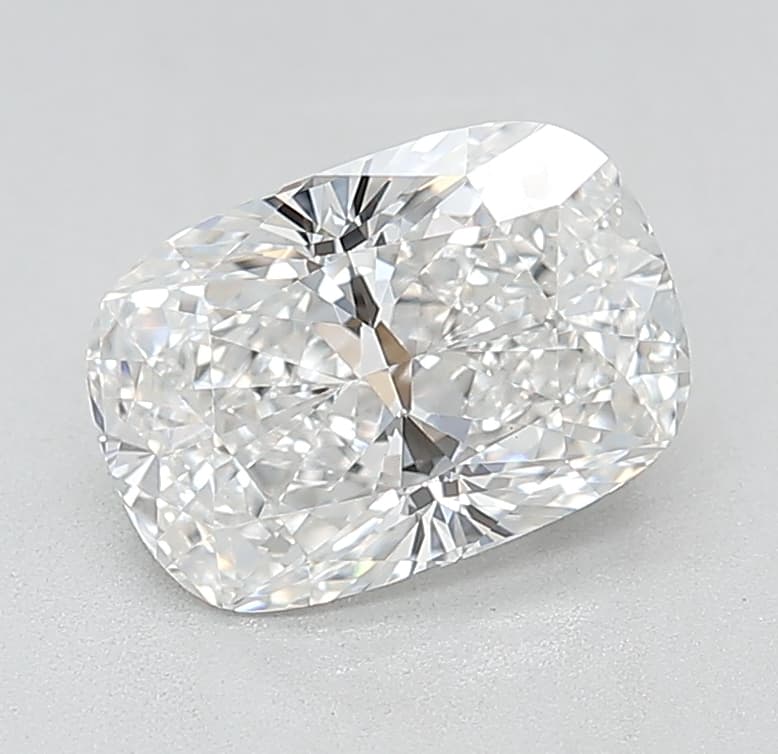
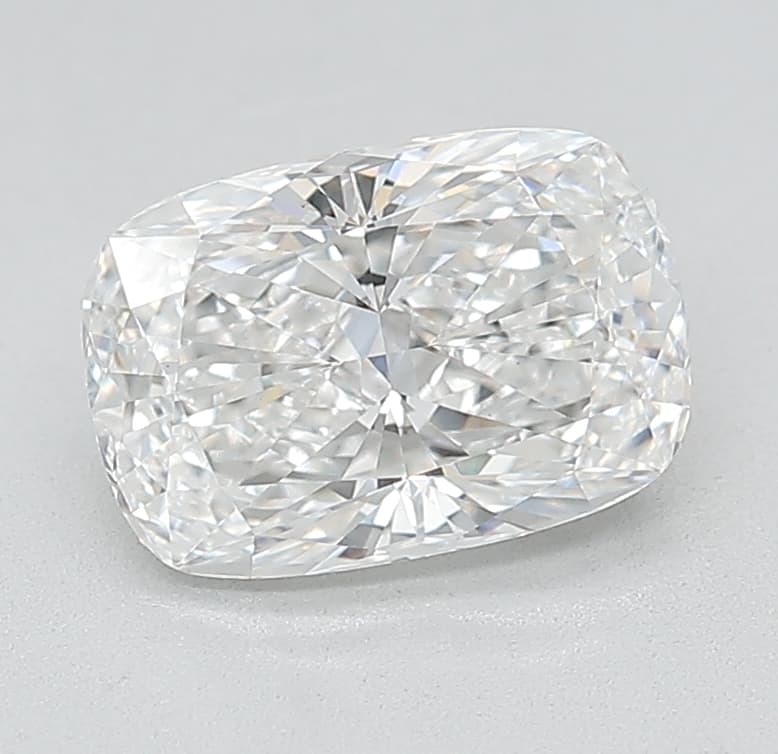
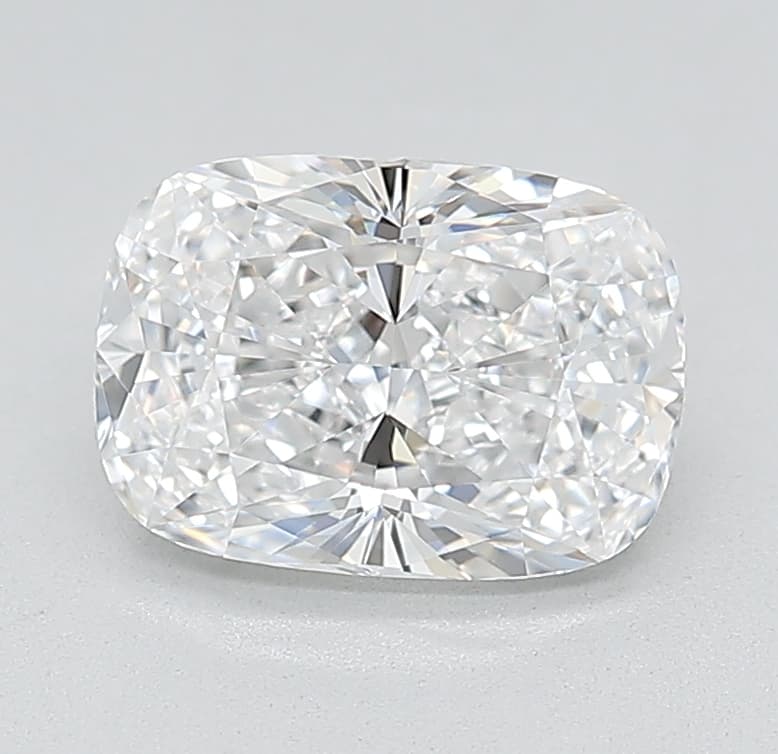
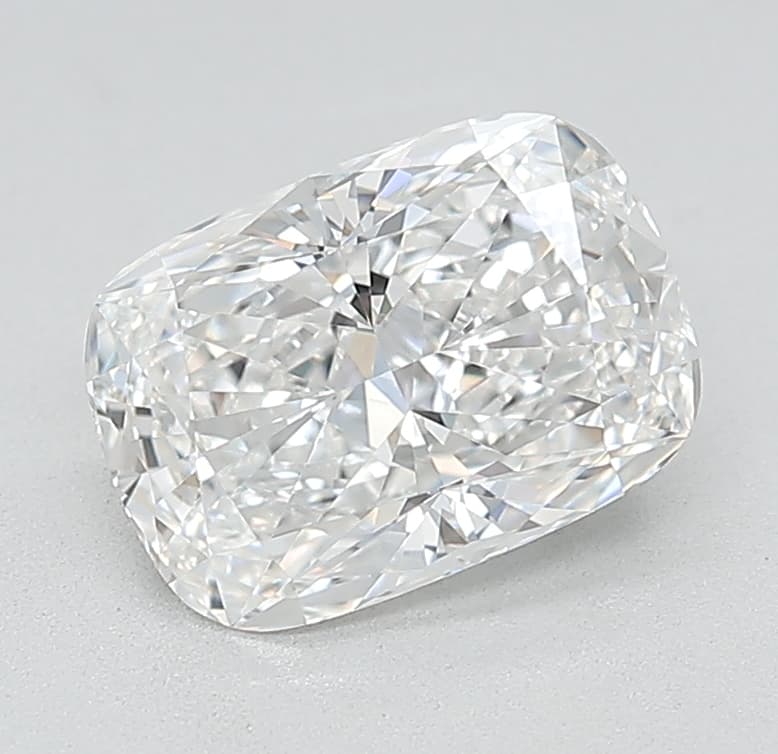
Old Mine Cut Diamonds: The Antique Cushion Look and How to Choose One
By the Vanora Diamond team
Published Last reviewed 6 min read

Quick answer
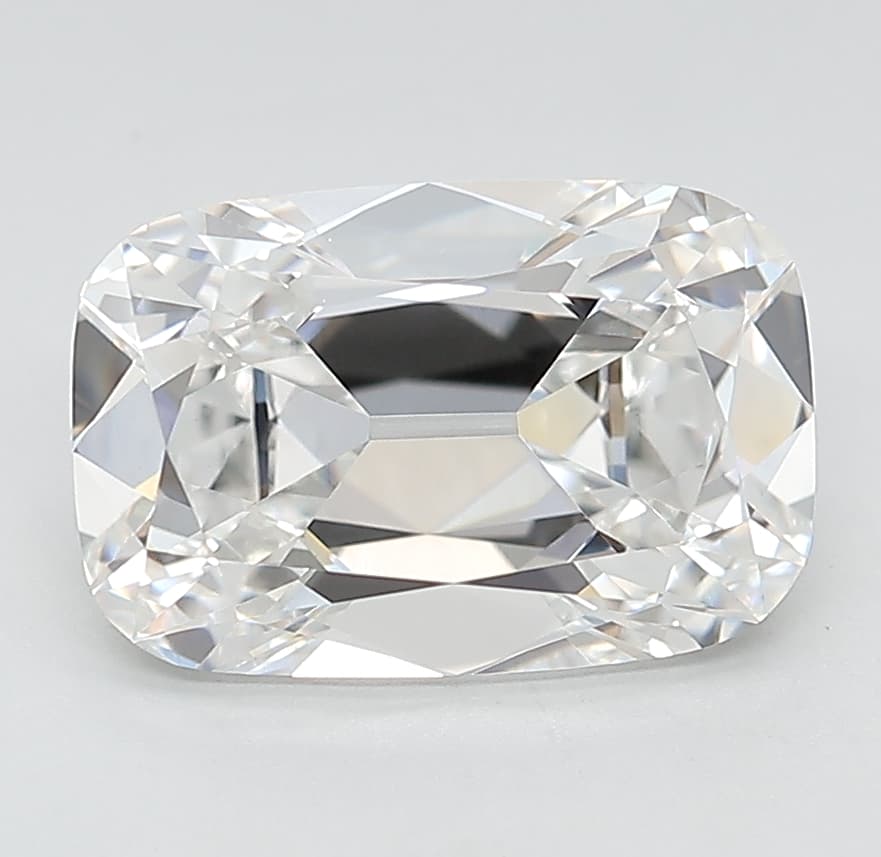
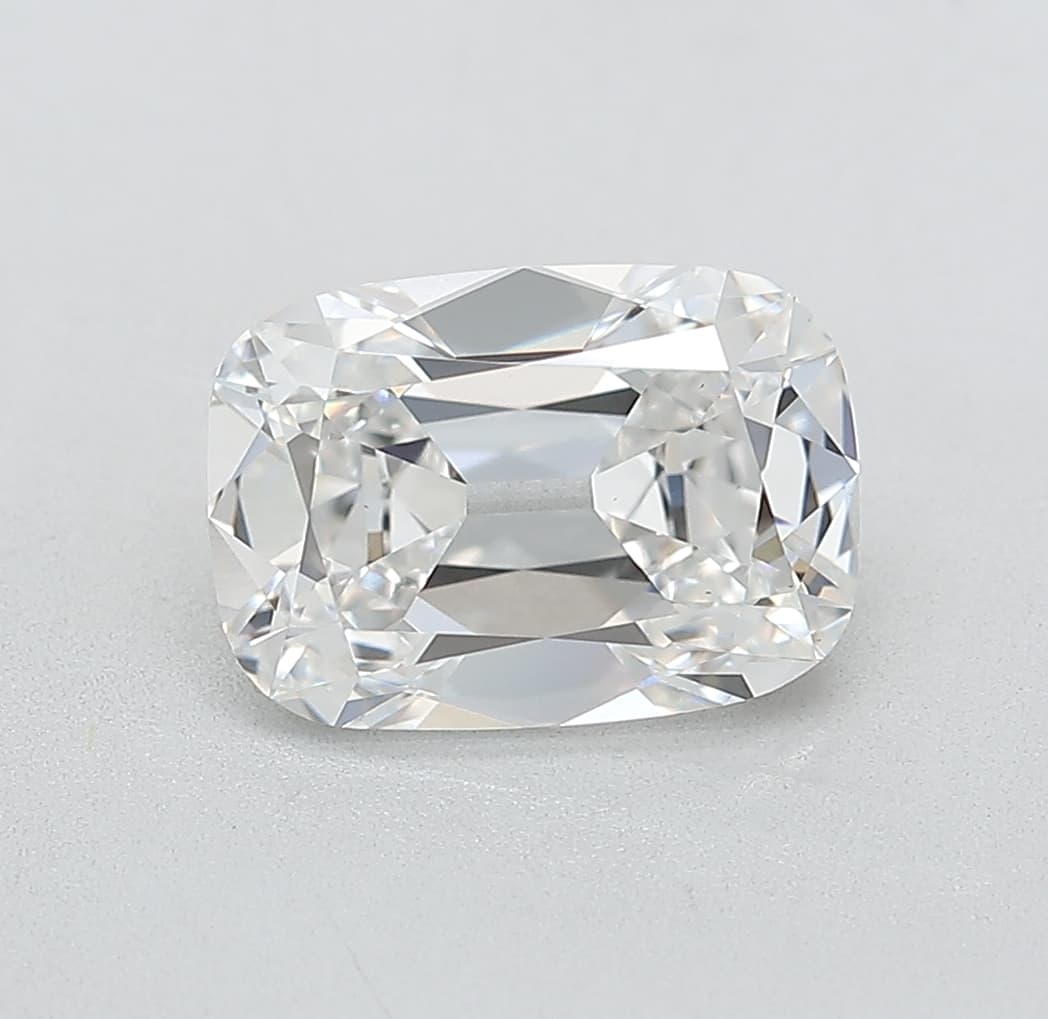
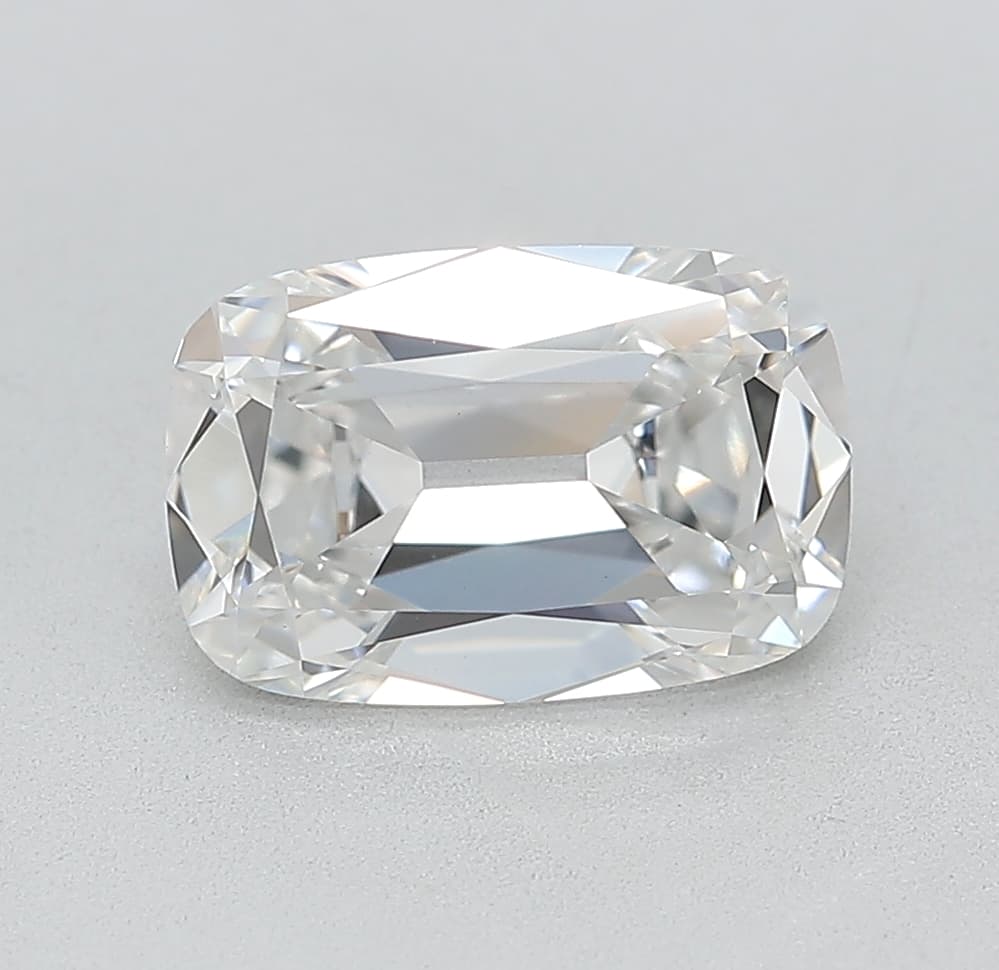
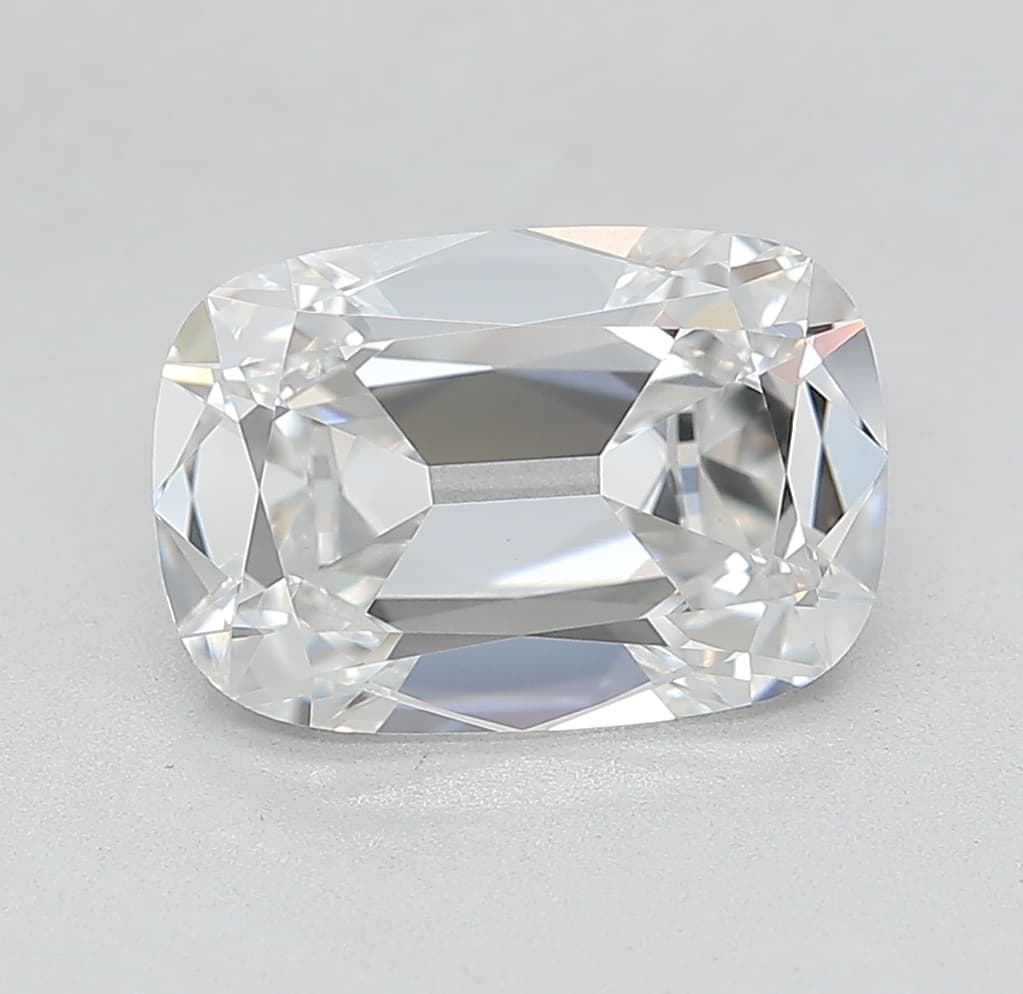
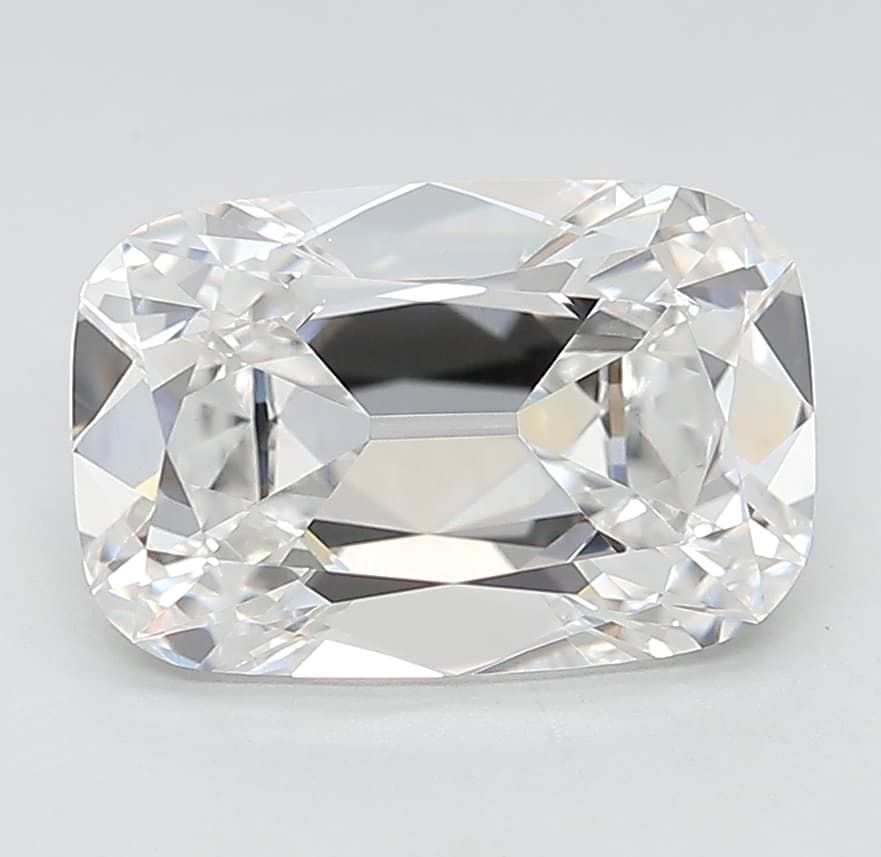
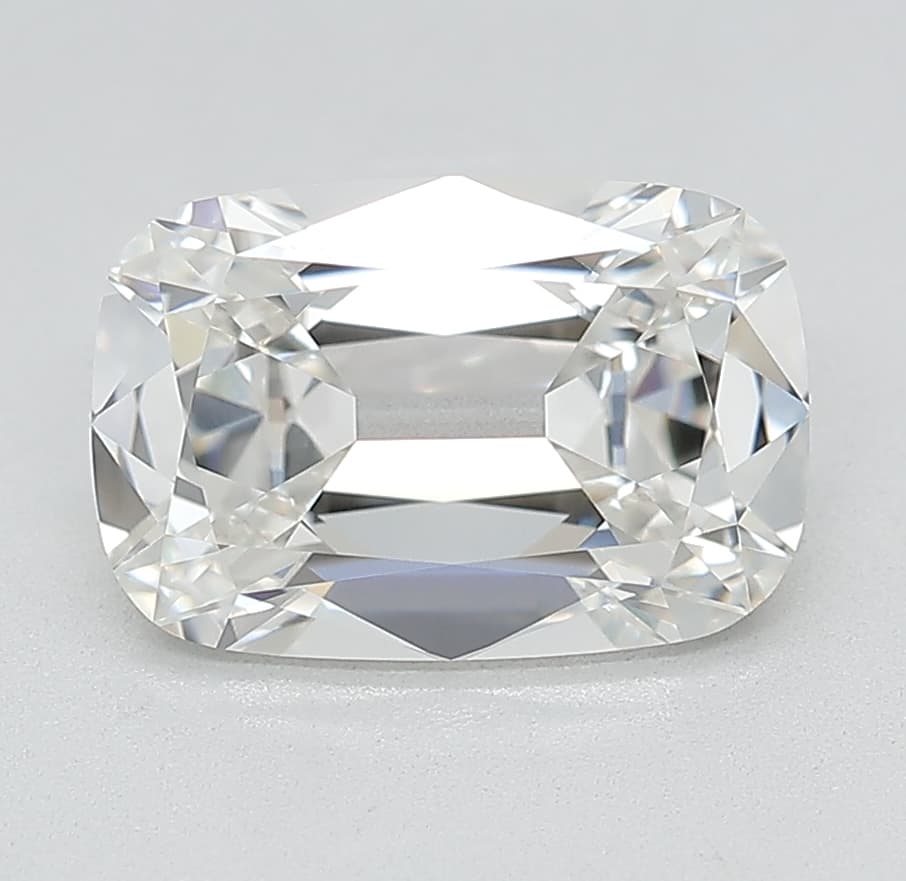
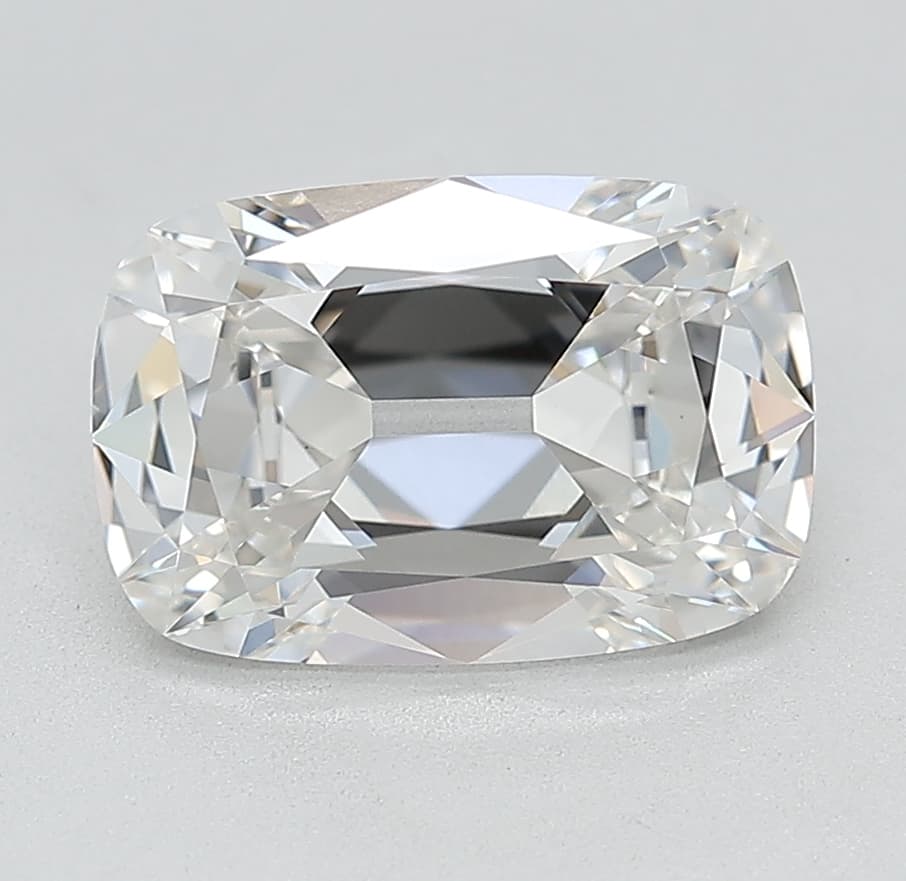
An old mine cut is an antique-style diamond with a cushion-like outline, a tall crown, an open culet and broad, chunky facets: the squarish ancestor of the old European cut and the modern cushion. A lab-grown old mine cut is a new laboratory-grown diamond cut in that style, not an antique. There are no standard proportions, so choose one by its outline, its table and culet, and how it looks on video.
What is an old mine cut?
The old mine cut is one of the oldest brilliant-style cuts still made today. It was the leading diamond cut for much of the eighteenth and nineteenth centuries, when diamonds were shaped largely by hand and by eye. Cutters followed the shape of the rough to save weight, so the outlines came out as soft squares and rectangles with rounded corners rather than precise circles. The name is usually explained as a nod to the older diamond sources, such as India and Brazil, that supplied stones before the large South African finds of the late 1800s.
The names are used loosely. "Old mine", "old miner" and sometimes "antique cushion" can all describe the same look; our inventory lists these stones as old miner. What matters is the stone in front of you, not the label.
A lab-grown old mine cut is a modern stone. It was grown in a laboratory and then cut to recreate the antique style, and its grading report states that it is laboratory-grown. If you want the look of a Georgian or Victorian ring with a new diamond and a current report, this is the shape to explore.
“Old mine”, “old miner” and sometimes “antique cushion” can all describe the same look. Our inventory lists these stones as old miner; what matters is the stone in front of you, not the label.
What gives an old mine cut its antique look?
Three features separate an old mine cut from a modern cushion:
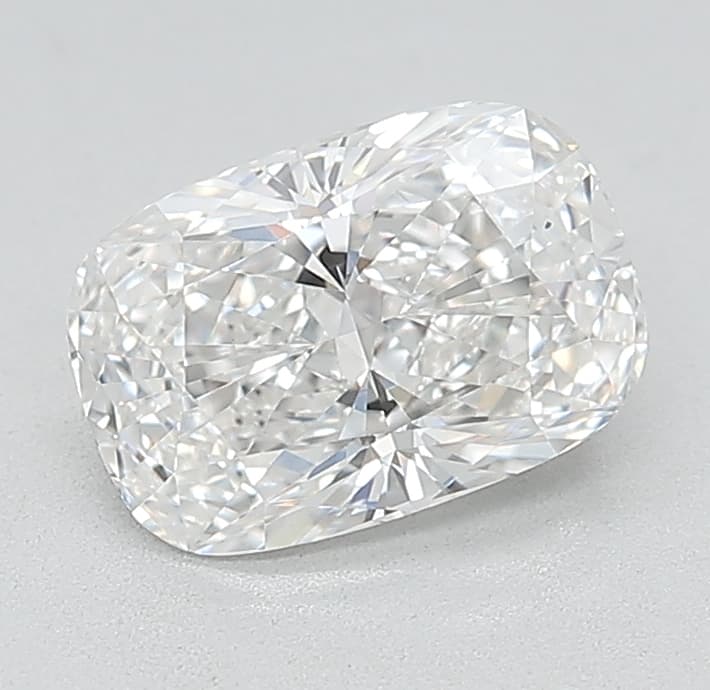
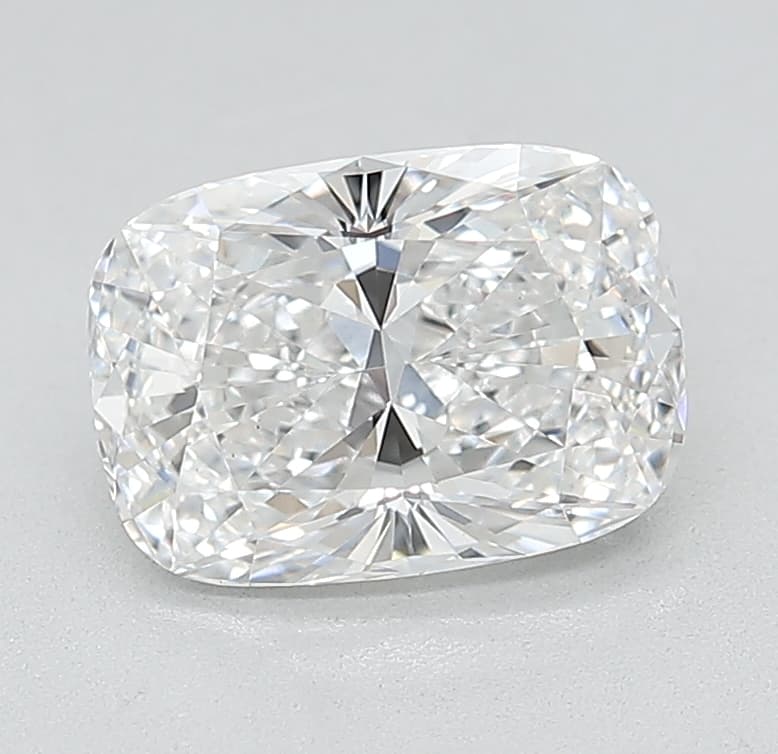
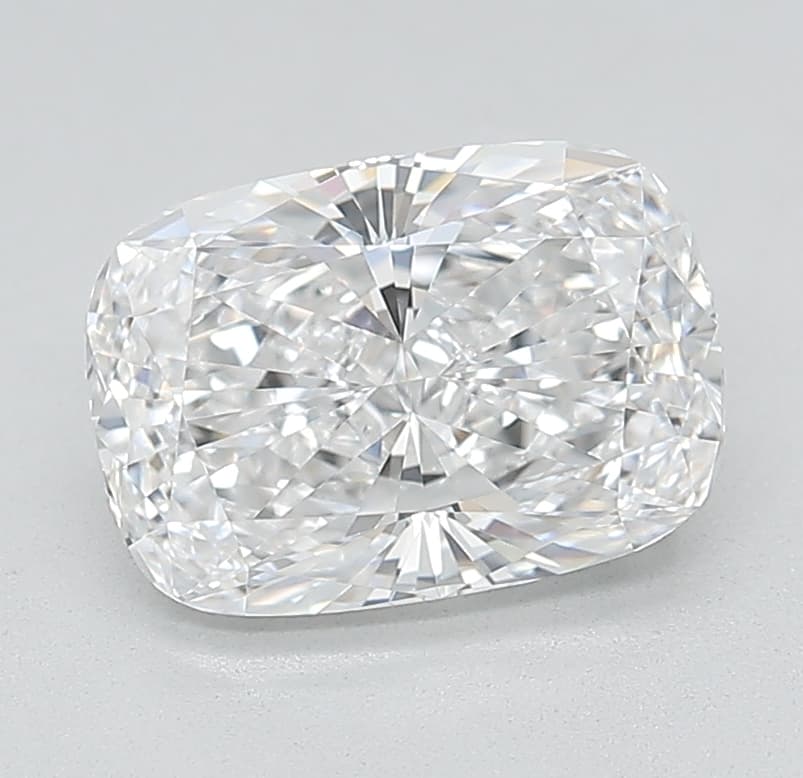
- A tall crown: the stone rises higher above the girdle, and the steep crown facets throw broad flashes of light and color.
- An open culet: the bottom of the stone ends in a small flat facet instead of a point, and you can often see it through the table.
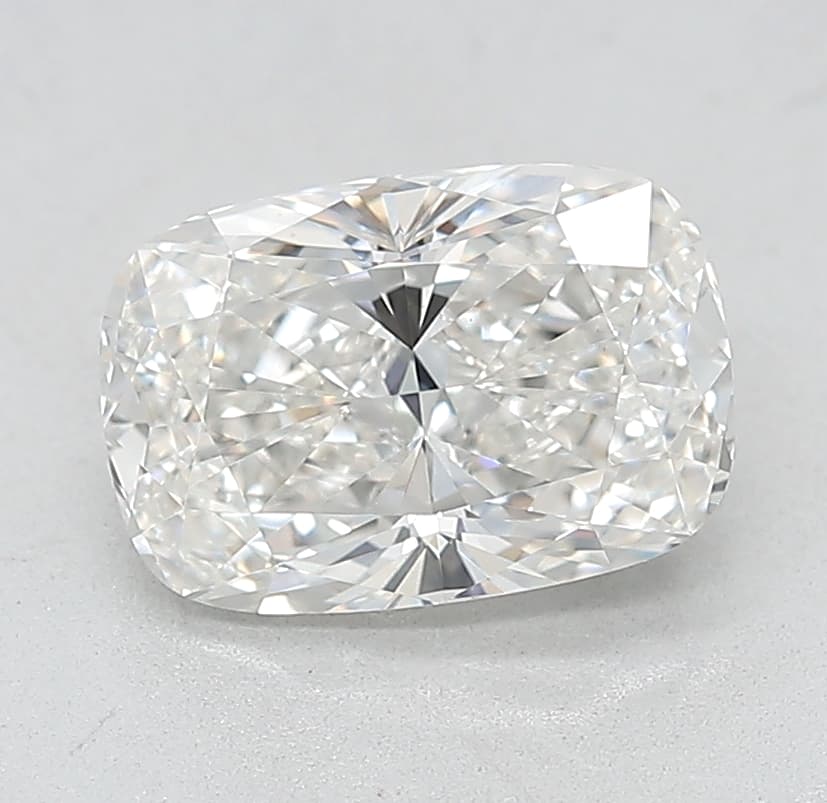
- Broad, chunky facets: fewer, larger reflections rather than the busy "crushed ice" pattern of many modern cushions.
Antique stones also had small tables. Modern interpretations vary: some lab-grown old mine cuts keep the small table and tall crown closely, while others use a larger table and a lower crown for a brighter, more modern face-up look. Neither is wrong, but if the antique character matters to you, read the table percentage and the crown figures on the report and compare them across stones before you fall for a photo.
Square or elongated: which old mine outline suits you?
Antique old mine cuts were never standardized, and their outlines run from nearly square to clearly rectangular. Modern lab-grown old mine cuts come in both, and the length-to-width ratio on the report tells you which you are looking at.
| Ratio | How it tends to look | Often chosen for |
|---|---|---|
| About 1.00 to 1.10 | Square and pillowy | A classic antique look and halo designs |
| About 1.10 to 1.30 | Softly rectangular | A little length without losing the cushion feel |
| About 1.30 and above | Long and rectangular | A longer look on the finger, east-west settings |
These bands describe common impressions, not lab rules. Two points are specific to elongated stones. First, the culet may be a short line rather than a small circle, and reports sometimes describe it as long. Second, like other elongated brilliants, a long old mine cut can show a darker band across its width, often called a bow-tie. A faint one that moves with the stone is normal; a broad band that stays dark is the thing to avoid.
Our article on elongated vs square cushions goes further into how the ratio changes the look on the hand.
What should you check before choosing an old mine cut?
The outline
Decide whether you want a slightly irregular, handmade feel or a crisp, symmetrical cushion. Either is valid. The symmetry grade and the photo tell you which you are getting: look for corners that are evenly rounded and sides that mirror each other.
The culet
The culet should be centered. A culet that sits off to one side makes the facet pattern look lopsided, and a very large one can read as a dark or see-through spot. Reports describe its size in words; the video shows you how it actually looks.
The light pattern
Watch the video for broad, bold flashes across the whole stone. Dark areas that stay dark as the stone moves suggest the proportions are working against it. Compare videos taken in more than one kind of light if you can.
Spread and girdle
A tall crown and a thick girdle both add weight that does not add face-up size. Compare length and width in millimeters with other stones of similar weight.
On our stone pages you can see each stone in a photo and a 360° view, and for many stones an ASET image that maps how evenly the stone gathers light.
How do color and clarity show in an old mine cut?
Taste in color is broader with this shape than with most. A colorless stone gives a crisp, bright antique look that suits platinum and white gold. A slightly warmer grade looks more like a period stone and sits beautifully in yellow or rose gold. Check the video against a white background for a brown, gray or milky tinge, which the color grade does not describe.
For clarity, the broad facets and open culet give a clear view into the center of the stone. Inclusions that a busy modern cushion would hide can be easier to spot, so treat the grade as a starting point and confirm in the video that the stone is eye-clean, looking straight down through the table toward the culet.
How should an old mine cut be set?
The rounded corners of an old mine cut are less exposed than the sharp corners of a princess cut, but they are still the parts most likely to take a knock. Common choices are:
- Four prongs, single or doubled, one over each corner, which keeps the outline visible.
- Claw prongs for a slightly more delicate, period feel.
- A bezel, which protects the whole edge and suits a minimal or Art Deco design.
- East-west: an elongated old mine set across the finger reads as a strong, modern take on an antique stone.
Allow for the tall crown when you choose the setting height. Milgrain edges, engraving and a halo of small stones all suit the style, though a halo also makes the center look larger and brighter, so look at the stone on its own first.
Is an old mine cut the right antique cut for you?
Choose an old mine cut if you love the cushion outline and want broad, warm flashes with antique character. If you prefer a round outline with the same features, the old European cut is its round cousin. If you like the outline but want a brighter, busier sparkle, a modern cushion is the better fit.
The old mine cuts listed below are live stones, shown next to a set of modern elongated cushions so you can compare the two looks on video. If you have a near-square old mine cut in mind, or need a stone to match an heirloom, one of our diamond specialists can look for it in our stock.
Frequently asked questions
Is an old mine cut the same as an old miner?
Yes. Old mine cut and old miner describe the same antique cutting style, and antique cushion is sometimes used for it too. The names are not used consistently, so judge each stone by its outline, crown, culet and facet pattern.
Is a lab-grown old mine cut an antique?
No. It is a modern laboratory-grown diamond cut in the old mine style. Its grading report states that it is laboratory-grown, and you can verify the report number on the IGI or GIA website.
Can an old mine cut be elongated?
Yes. Antique old mine cuts ranged from nearly square to clearly rectangular, and modern lab-grown ones are cut in both outlines. The length-to-width ratio on the report tells you how elongated a stone is.
Why does an elongated old mine cut show a line at the bottom instead of a circle?
In an elongated stone the culet can be a short ridge rather than a small round facet, so it shows as a line through the table. Reports sometimes describe this as a long culet. Check in the video that it is centered.
Glossary terms in this article
More on Shapes & Cuts in the journal.