Shapes & Cuts
Why Some Diamond Shapes Show More Color Than Others
By the Vanora Diamond team
Published Last reviewed 5 min read

Quick answer
A diamond’s shape changes how much of its body color you see. Round brilliants hide faint color best because their many small facets keep light moving, while step cuts like emeralds and asschers show color evenly through their open tables, and elongated shapes like pears, ovals and marquises often show it at their tips. Larger and deeper stones show more too, so many buyers choose a higher color grade for step cuts and elongated lab-grown diamonds than for rounds.
Body color and how labs grade it
Most white diamonds have a trace of body color, usually a faint warm tint. IGI and GCAL grade it on the D-to-Z scale, from D (colorless) through the near-colorless grades G to J and on into stones with a visible tint. Our diamond color guide explains the scale in full.
The important detail is how labs grade it. The grader looks at the diamond upside down, through its side, against a white background, because that view shows the body color most clearly and evenly. You, however, will look at the stone from the top, set in a ring, with light bouncing around inside it. Face-up, the cut and shape change how much of that color reaches your eye. That is why two stones with the same grade can look slightly different once set, and why shape belongs in your color decision.
| Grade | Group | What it means |
|---|---|---|
| D | Colorless | No color, or traces a grader detects only against master stones |
| E | Colorless | No color, or traces a grader detects only against master stones |
| F | Colorless | No color, or traces a grader detects only against master stones |
| G | Near colorless | Slight color when compared face-down; often hard to see face-up |
| H | Near colorless | Slight color when compared face-down; often hard to see face-up |
| I | Near colorless | Slight color when compared face-down; often hard to see face-up |
| J | Near colorless | Slight color when compared face-down; often hard to see face-up |
| K | Faint | A faint warm tint that many people can see face-up |
| L | Faint | A faint warm tint that many people can see face-up |
| M | Faint | A faint warm tint that many people can see face-up |
Why round brilliants hide color best
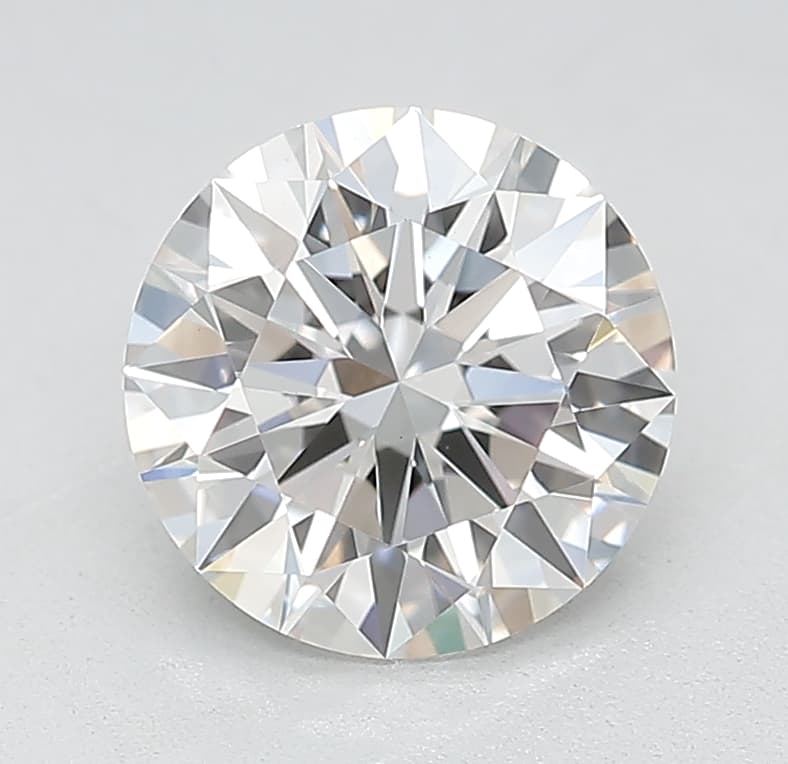
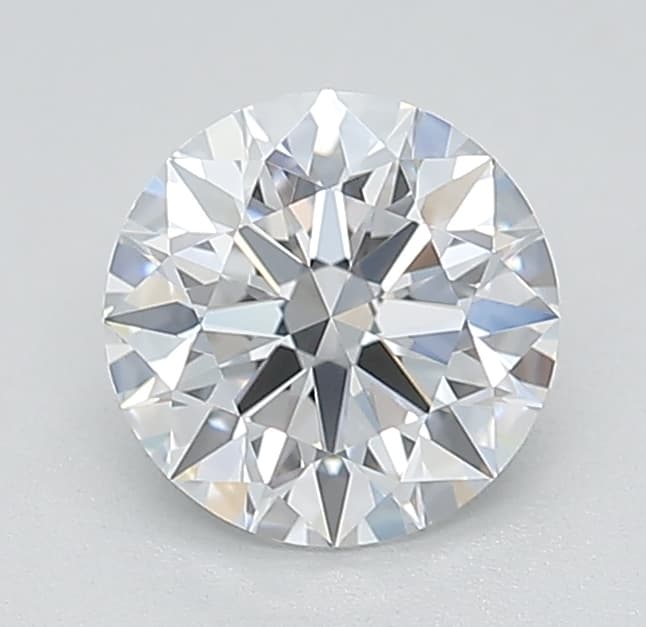
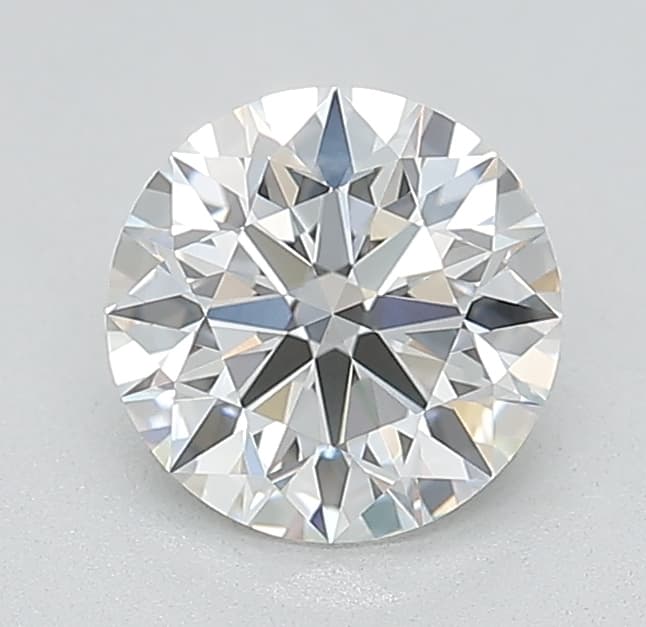
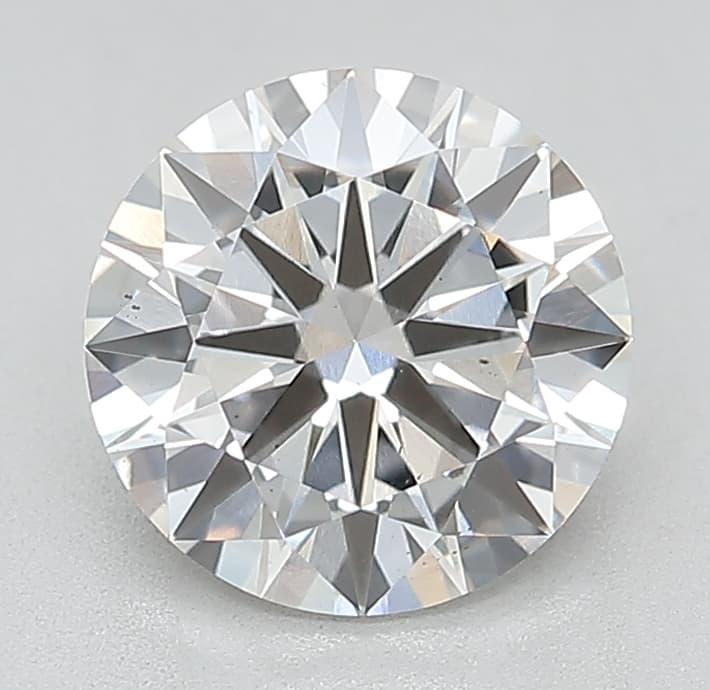
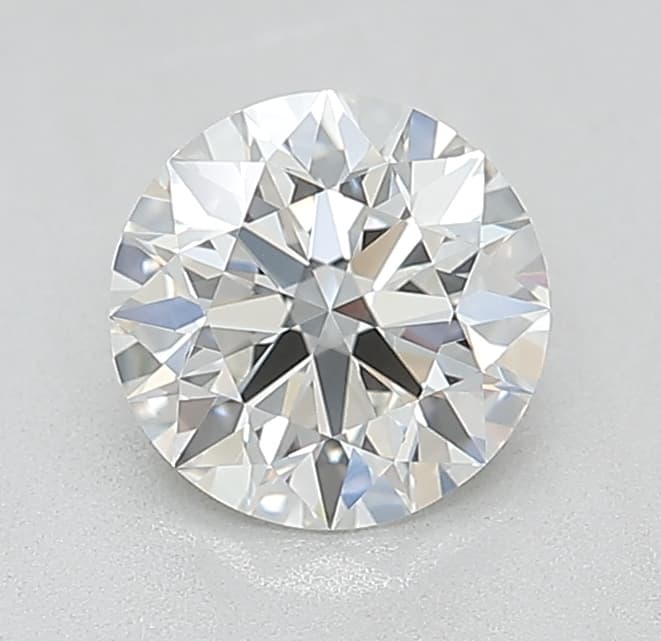
A well-cut round brilliant is designed to send as much light as possible back out through the top, broken into many small flashes. All that bright, white light and movement makes faint body color hard to see. The color is still there, but the sparkle masks it.
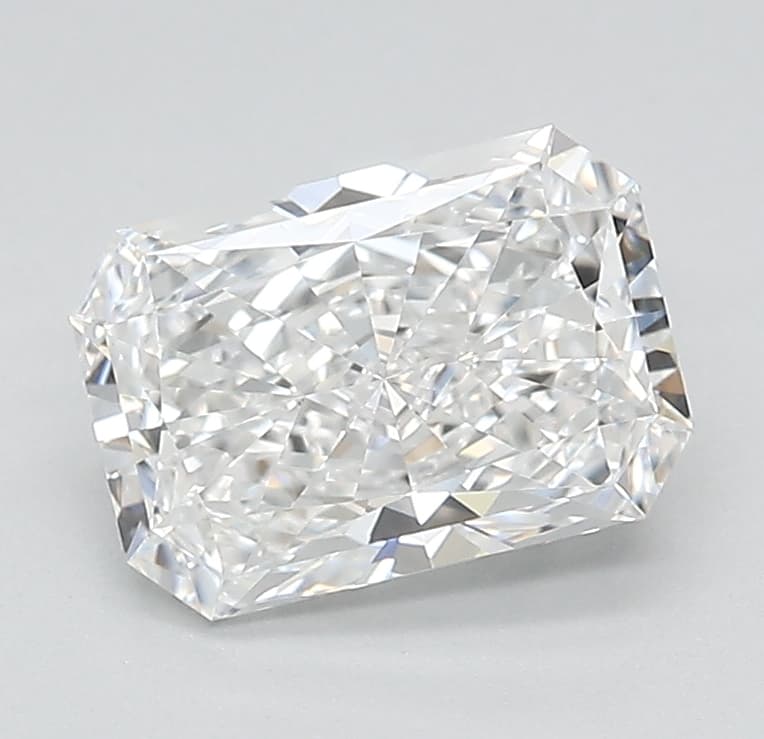
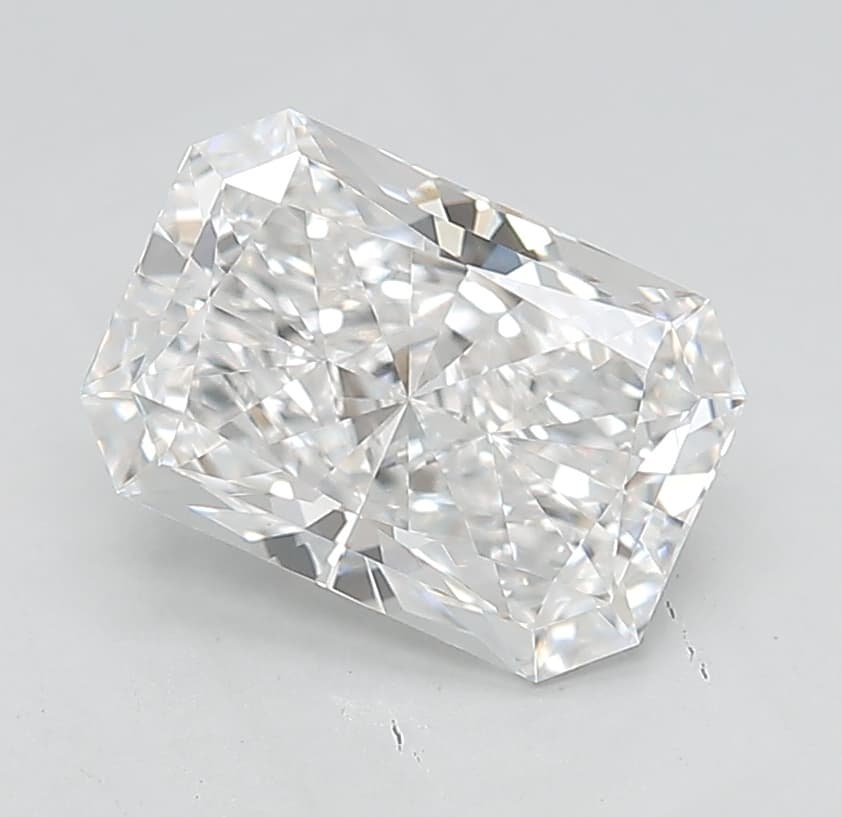
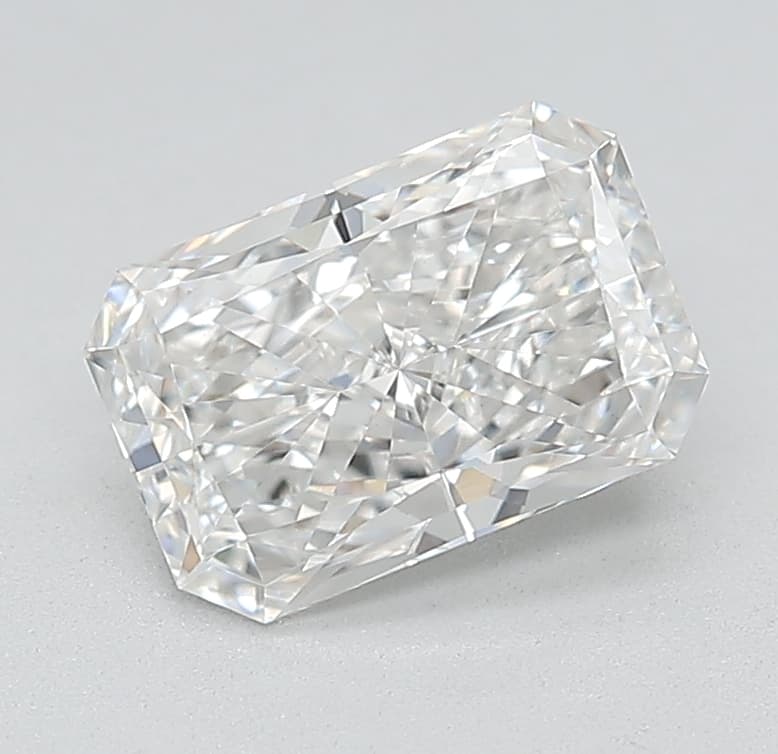
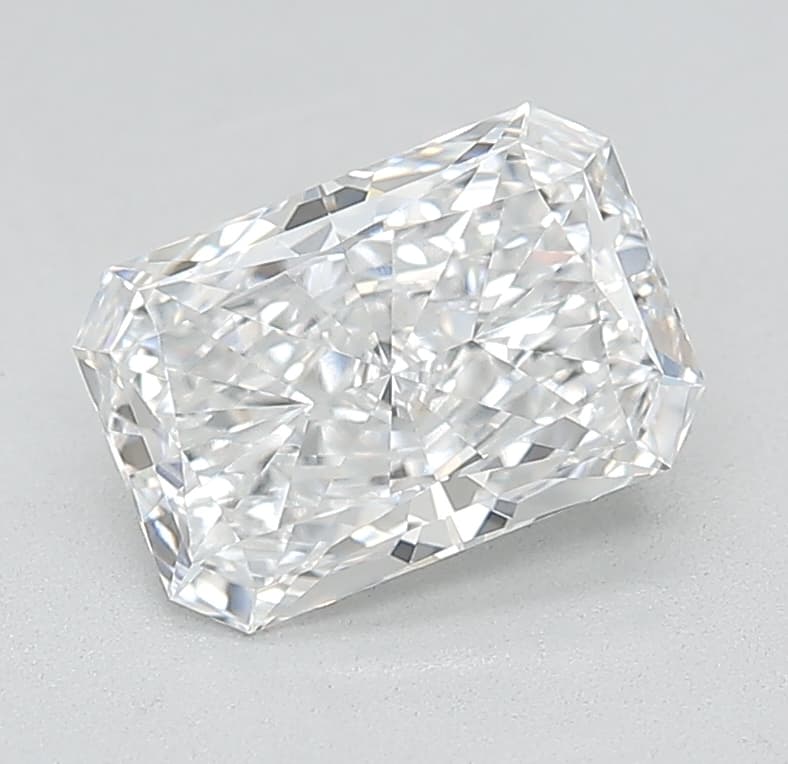
That is why rounds give you the most room on color. Many people find that a well-cut round in the near-colorless range looks white face-up in a ring, especially in a white metal setting. Other brilliant styles with even light return, such as the cushion and the radiant, share some of this effect, though their corners can hold a little more color than a round.
Step cuts show color evenly
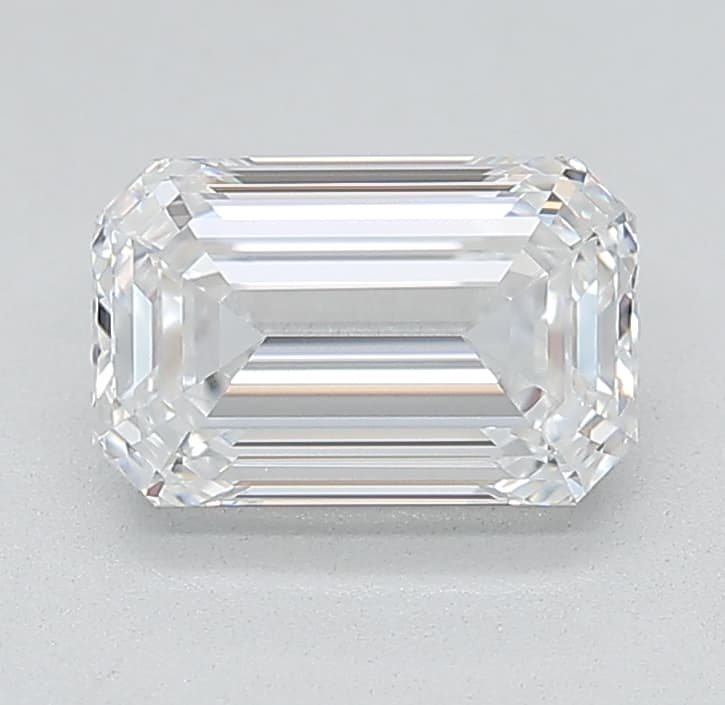
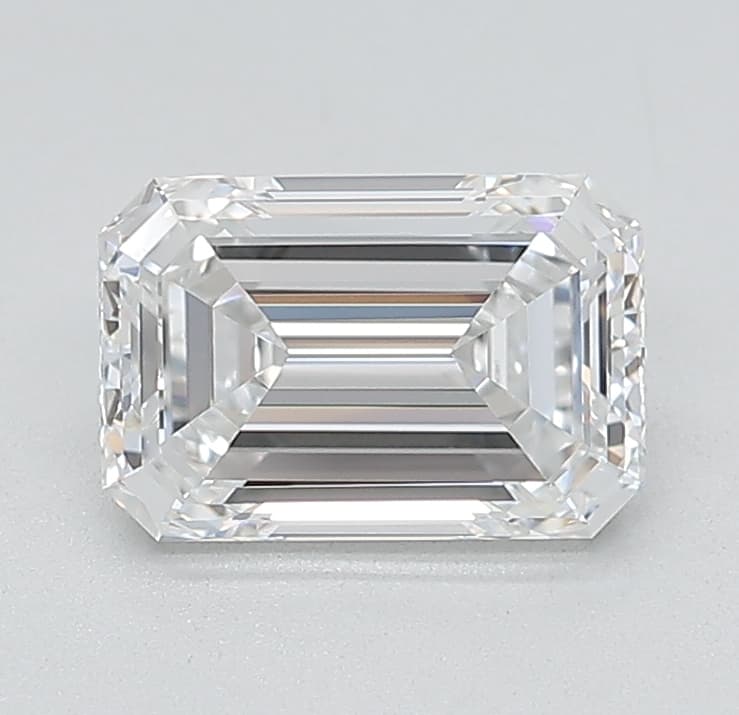
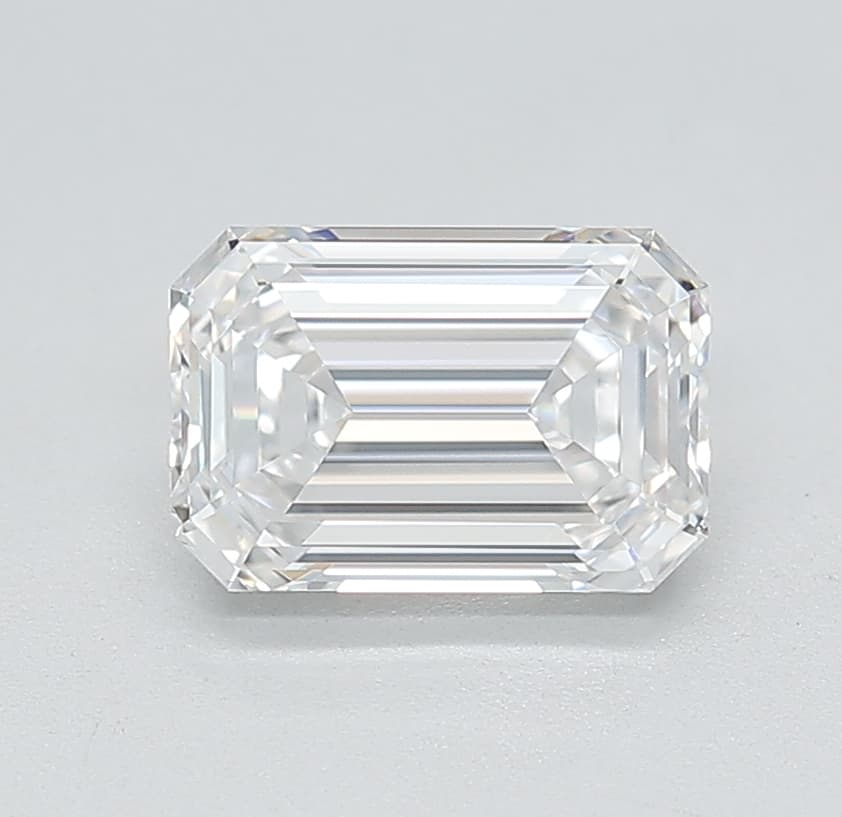
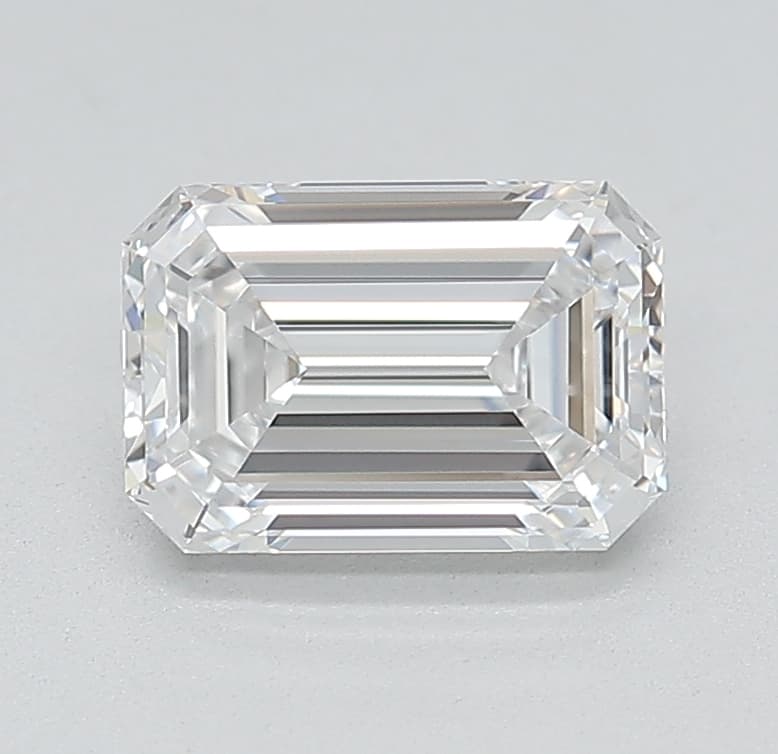
Step cuts such as the emerald and asscher have long, straight facets and a large, open table. They give broad flashes of light rather than lots of small sparkles, and they offer a clear view into the stone. That clarity is their beauty, but it also means any body color shows more evenly across the face, with less sparkle to distract the eye.
For this reason many buyers choose a higher color grade for step cuts than they would for a round of the same size. Our post on brilliant vs step cuts explains the difference between the two facet styles in more detail.
- Typical L/WAbout 1.00
- Typical L/W1.30–1.50
- Typical L/W1.00–1.05 square1.20–1.40 rectangular
- Typical L/W1.45–1.75
- Typical L/W1.30–1.50
- Typical L/W1.00–1.05
Elongated shapes can show color at the tips
Pears, marquises, ovals and hearts are elongated brilliants, and body color often shows a little more toward their narrow ends and points than in the center. You may see a slightly warmer tip on a pear or at both ends of a marquise while the center looks white.
The effect is usually subtle in the colorless and high near-colorless grades and more visible lower down. If you are choosing a pear or marquise and you are sensitive to warmth, a grade or two higher than you would choose for a round is a common approach. Look at the tips in the stone's video, in daylight-type light if possible.
Size, depth and metal add to the effect
Shape is not the only factor. Three others change how much color you see:
- Size. A larger stone has a longer light path, so the same color grade looks a little warmer in a 4 carat stone than in a 1 carat stone.
- Depth. A stone cut deep has more material for light to pass through, and can show more color than a shallower stone of the same grade.
- Metal. Yellow and rose gold reflect warm light into the diamond and make faint warmth harder to notice. Platinum and white gold sit beside the stone without adding warmth, so they show its true color more clearly. Our post on diamond color and metal covers the pairings.
Body color tends to show first at the tips of pears and marquises and the corners of step cuts. When you watch a stone’s video, look there as well as at the center.
How to judge color from photos and videos
Color is one of the hardest things to judge on a screen, because cameras, lighting and your own display all shift it. A few habits help:
- Compare, do not judge alone. Open two stones of the same shape and different color grades side by side. Differences that are invisible on their own become clearer.
- Look at the same areas. Check the tips of elongated shapes and the corners of step cuts, not only the bright center.
- Prefer daylight-type light. Warm room lighting makes every diamond look warmer, and strong spotlights can make every stone look whiter. Neutral light is fairest.
- Do not mistake other effects for color. A dark bow-tie is a cut effect, and a faint blue or gray cast may be a tinge, which our stone pages list on its own line.
If color matters a lot to you, an appointment to see two grades together in person is the most reliable test of all.
A practical guide to color by shape
These are common starting points, not rules. Your eye, your metal and the size of the stone matter more than any table.
| Shape | How it shows color | A common starting point |
|---|---|---|
| Round | Hides faint color best | Near-colorless often looks white face-up |
| Cushion, radiant, princess | Hide faint color better than step cuts; corners can hold a little more | One grade higher than a round |
| Oval, pear, marquise, heart | Color can show at the tips | One or two grades higher than a round |
| Emerald, asscher | Show color evenly through the open table | Colorless or high near-colorless |
Most of the lab-grown diamonds we list are in the colorless grades D to F, which suit every shape. If you are considering G, a round or a cushion is the shape where it is most likely to look white. You can also browse D color stones for step cuts, or ask our diamond specialists to compare two grades in the same shape.
Frequently asked questions
Which diamond shape hides color the best?
The round brilliant. Its many small facets return a lot of bright, moving light, which masks faint body color. Other brilliant styles such as cushions and radiants often hide faint color better than step cuts, though their corners can hold a little, while step cuts and elongated shapes show it more.
Do emerald cut diamonds show more color?
Yes, usually. Emerald cuts are step cuts with a large, open table and long facets, so body color shows evenly across the face with less sparkle to distract the eye. Many buyers choose a higher color grade for an emerald cut than for a round of the same size.
Why does the tip of my pear diamond look darker or warmer?
Body color often shows a little more toward the narrow point of a pear than in the center. The effect is subtle in colorless grades and more noticeable lower on the scale. Some pears also show a bow-tie, a darker band across the middle that comes from the cut, not the color.
Does a bigger diamond show more color?
Yes. A larger stone has a longer light path, so the same color grade tends to look a little warmer in a big diamond than in a small one. Deeper cutting adds to the effect. That is why many buyers raise their color minimum as the carat weight goes up.
Glossary terms in this article
More on Shapes & Cuts in the journal.