Shapes & Cuts
Cushion Brilliant vs Cushion Modified Brilliant: What It Means
By the Vanora Diamond team
Published Last reviewed 5 min read

Quick answer
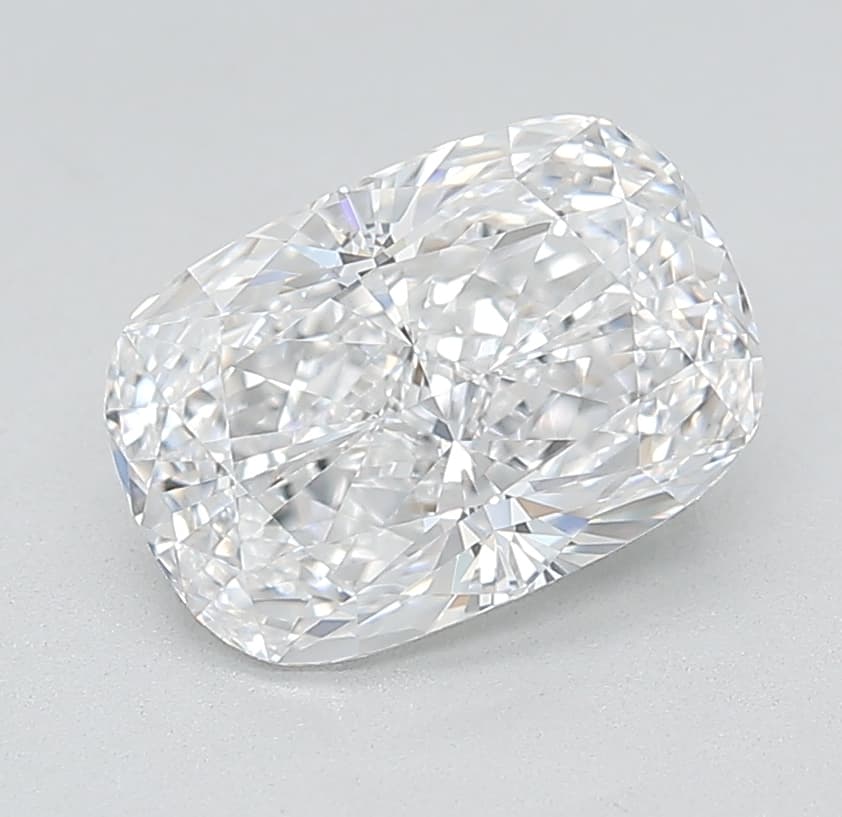
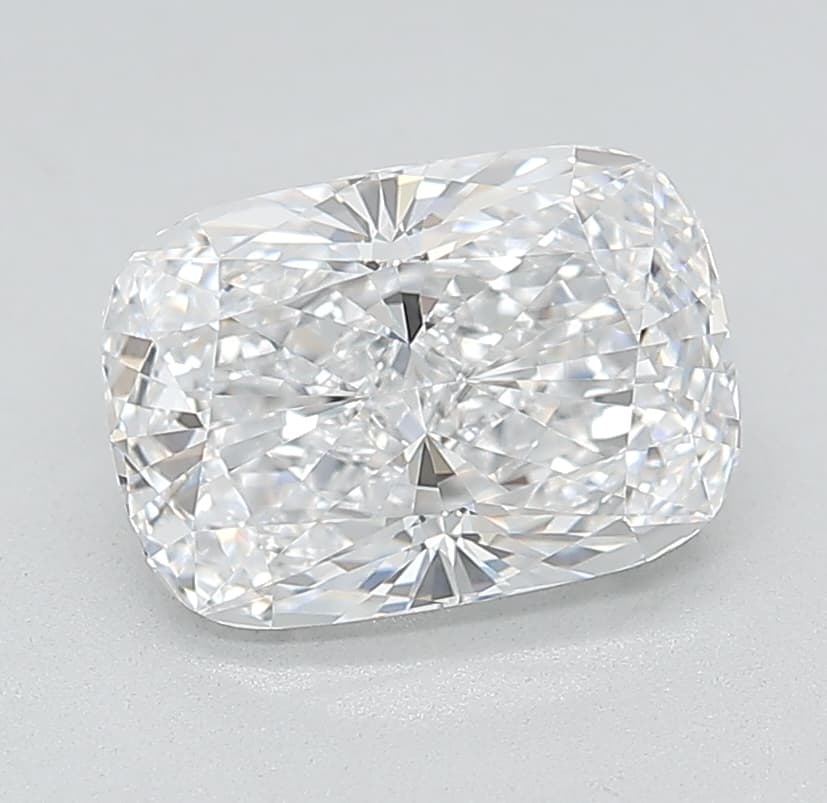
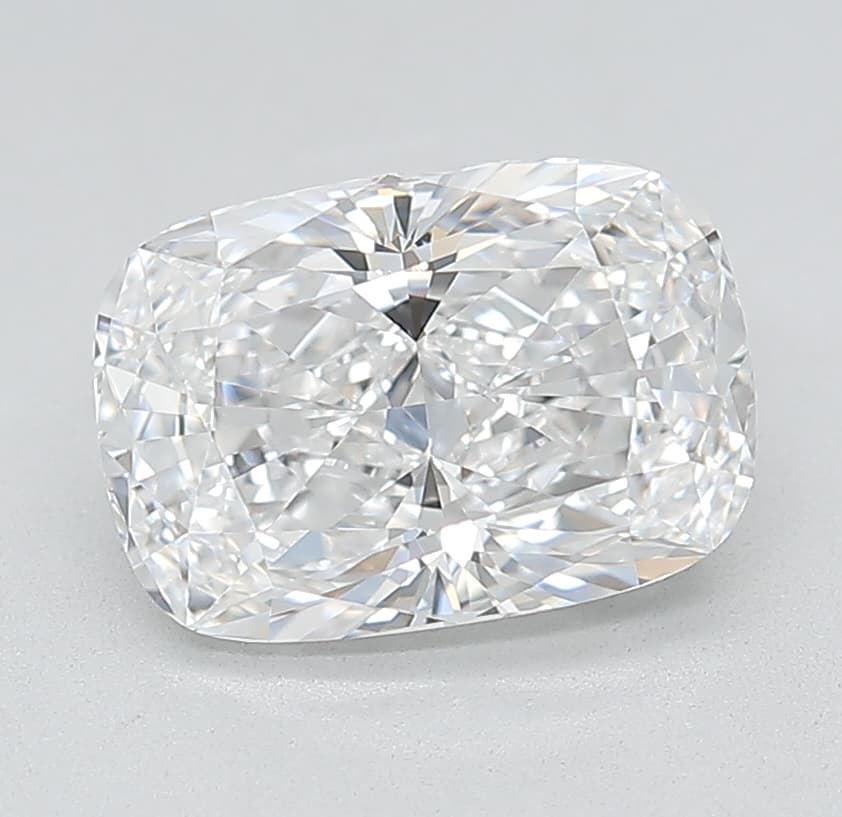
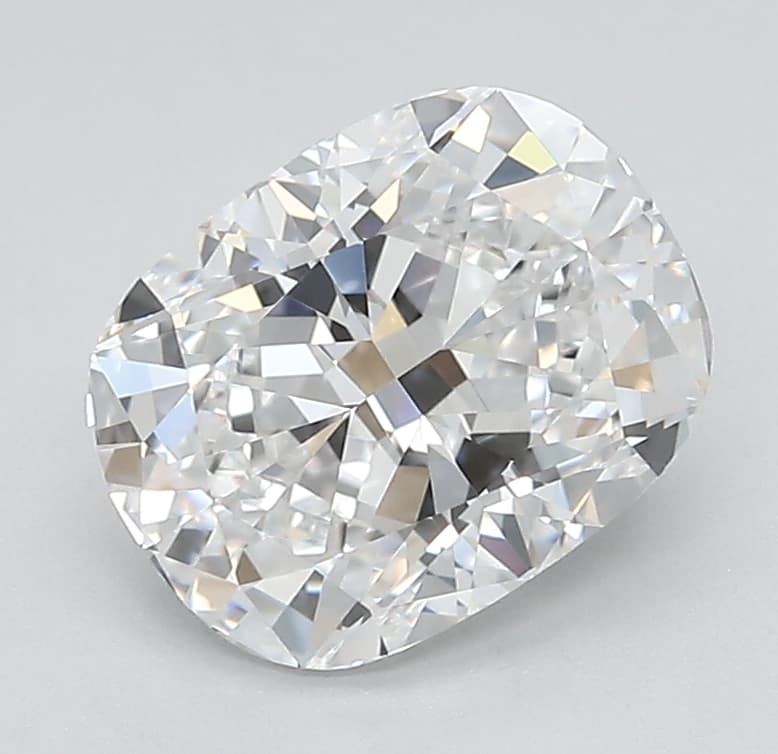
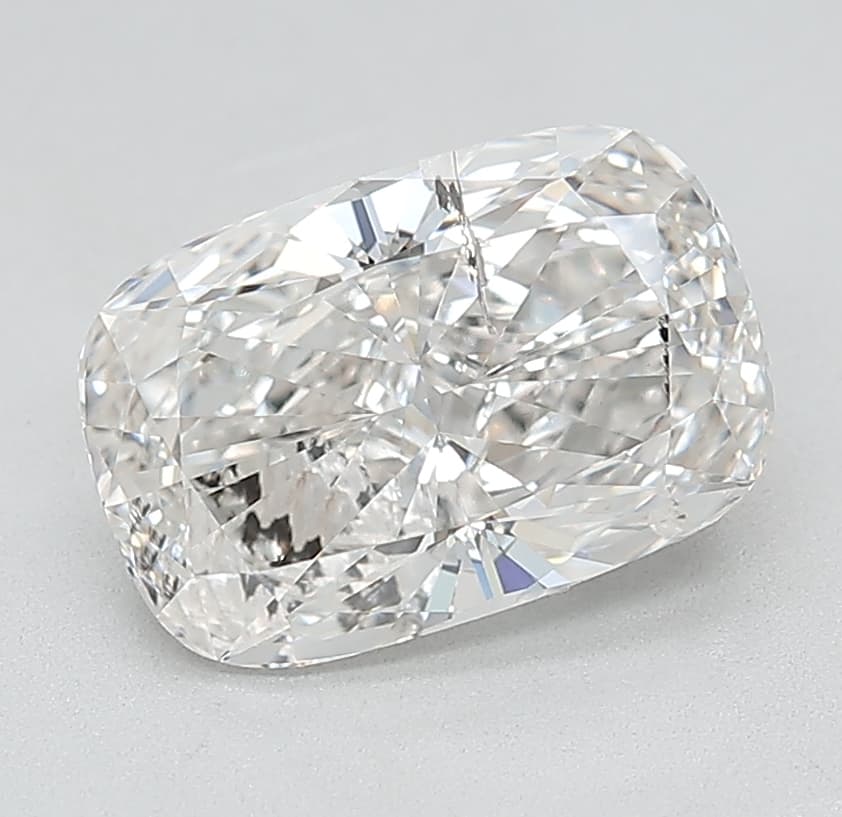
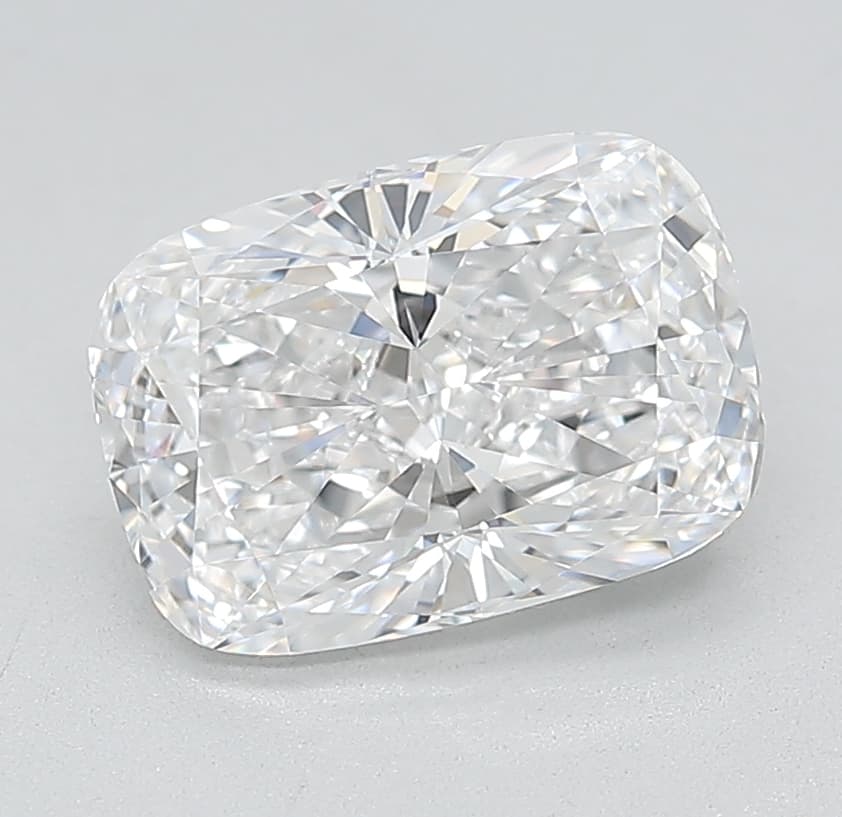
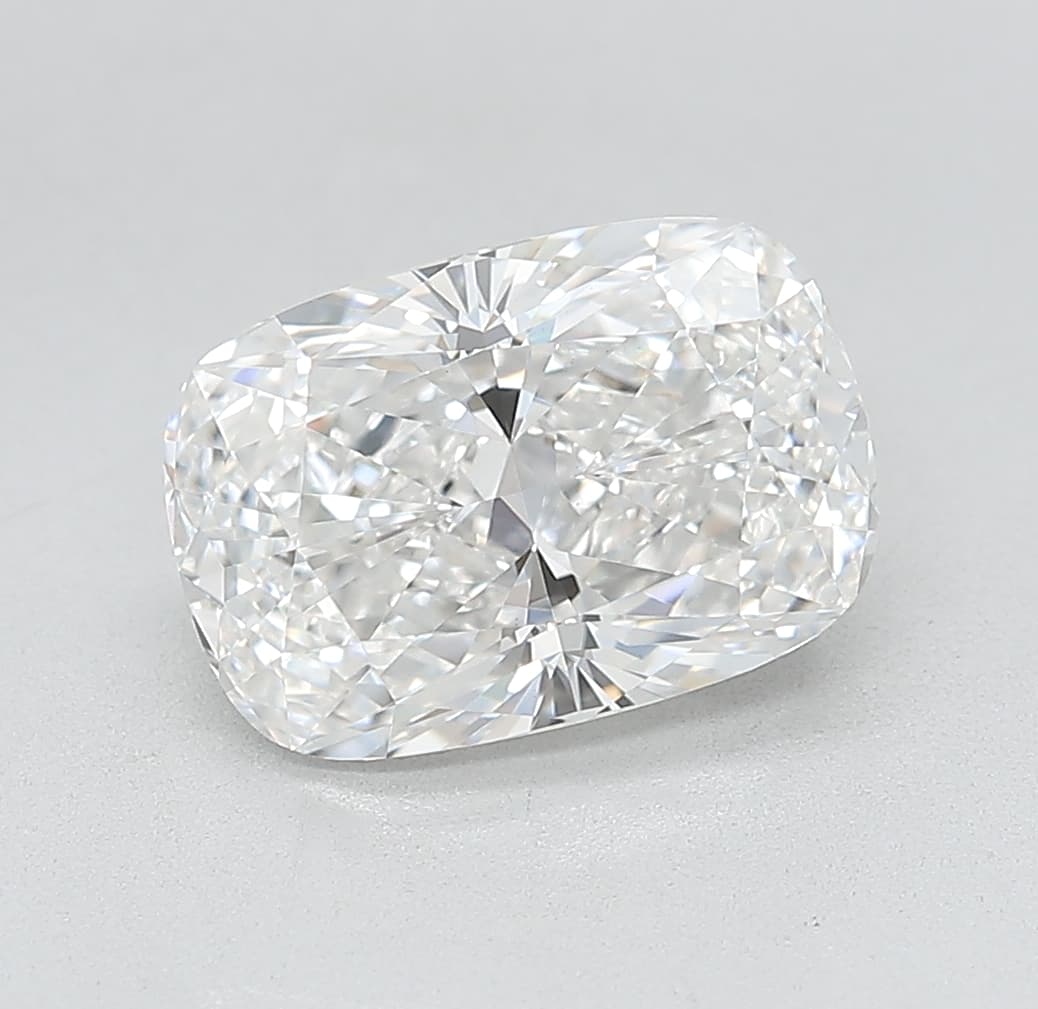
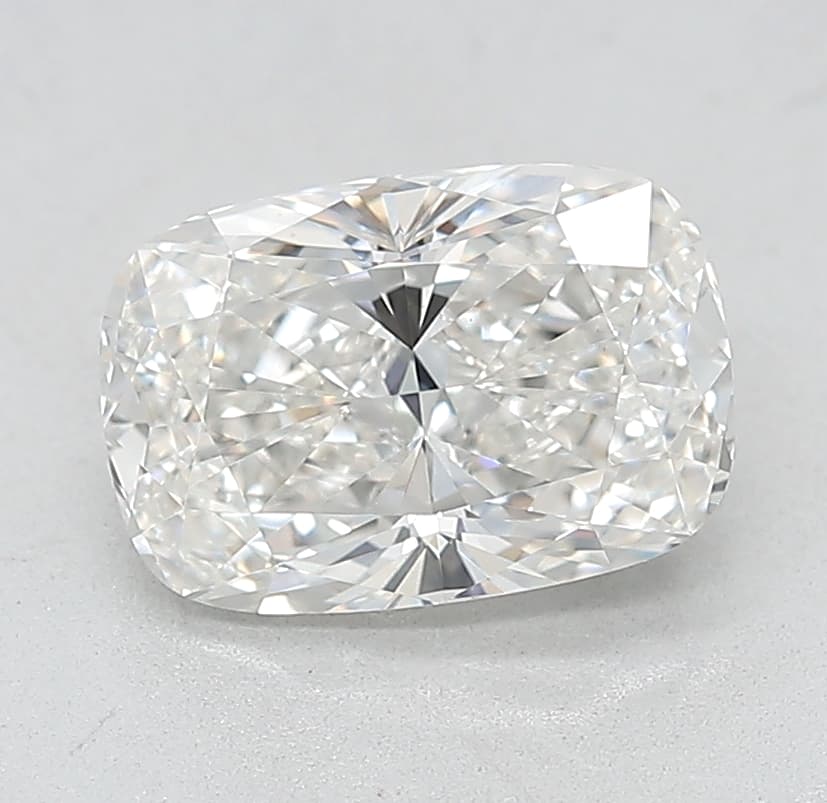
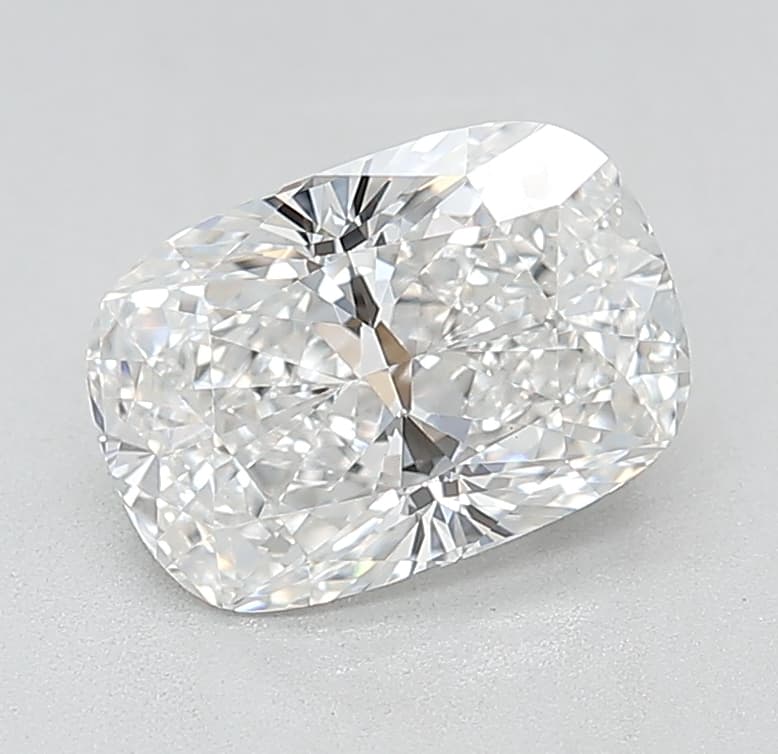
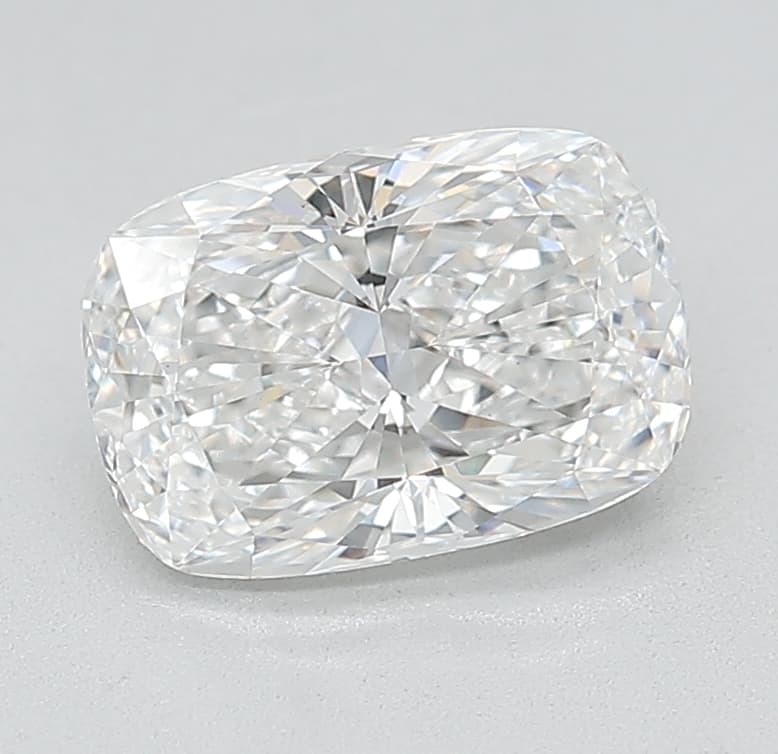
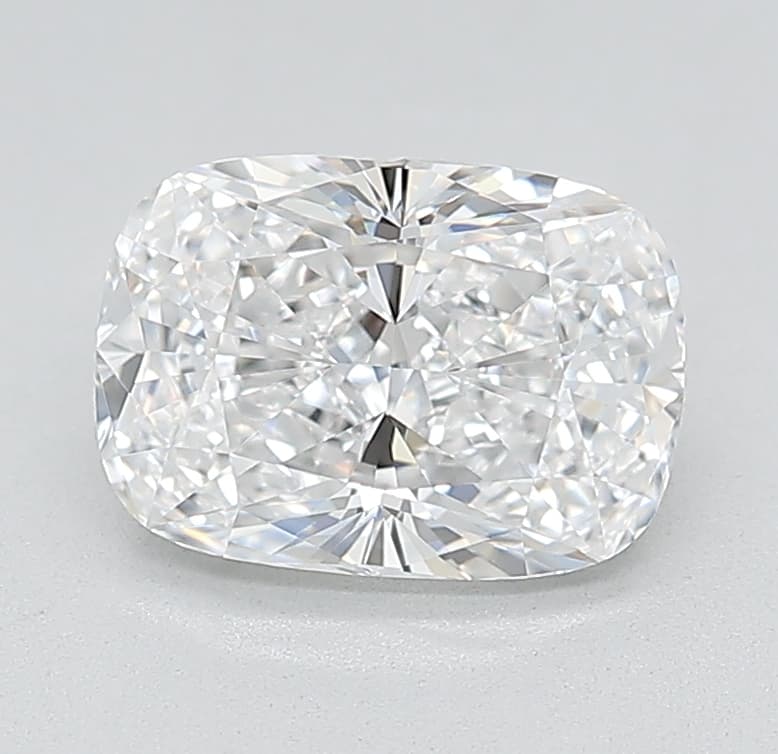
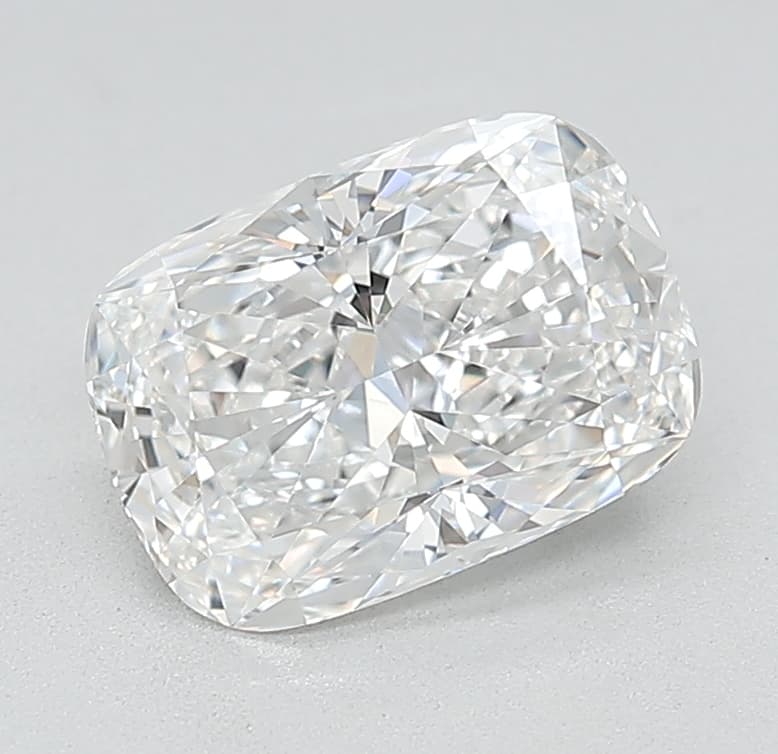
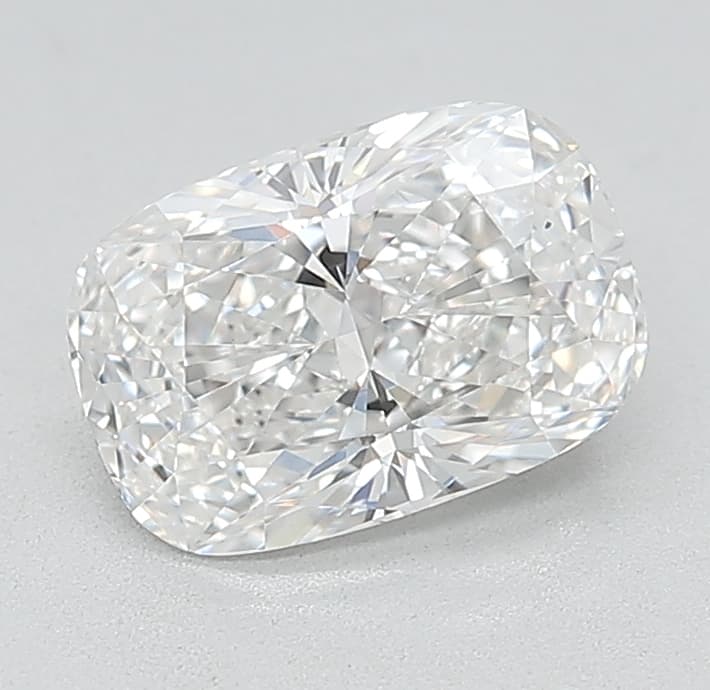
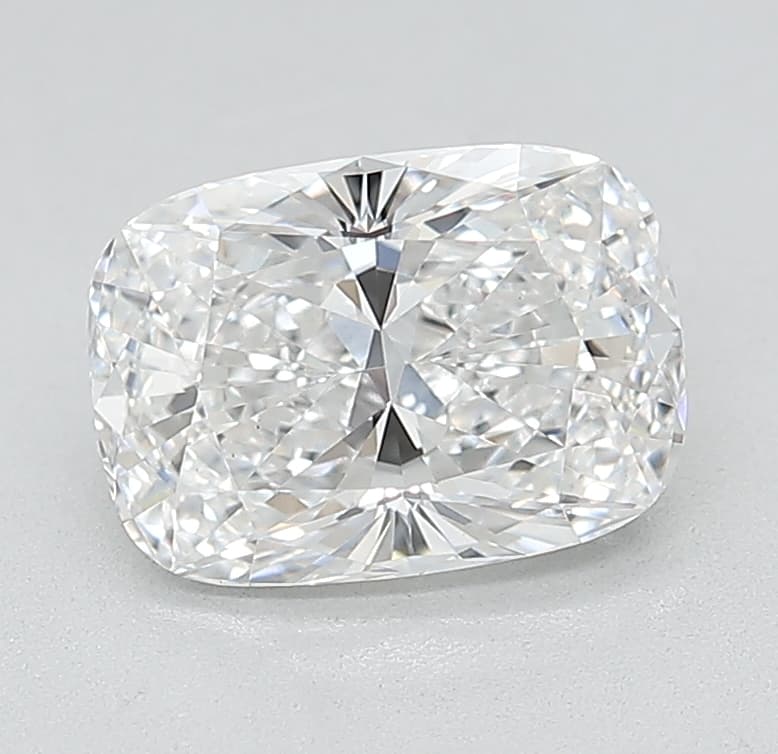
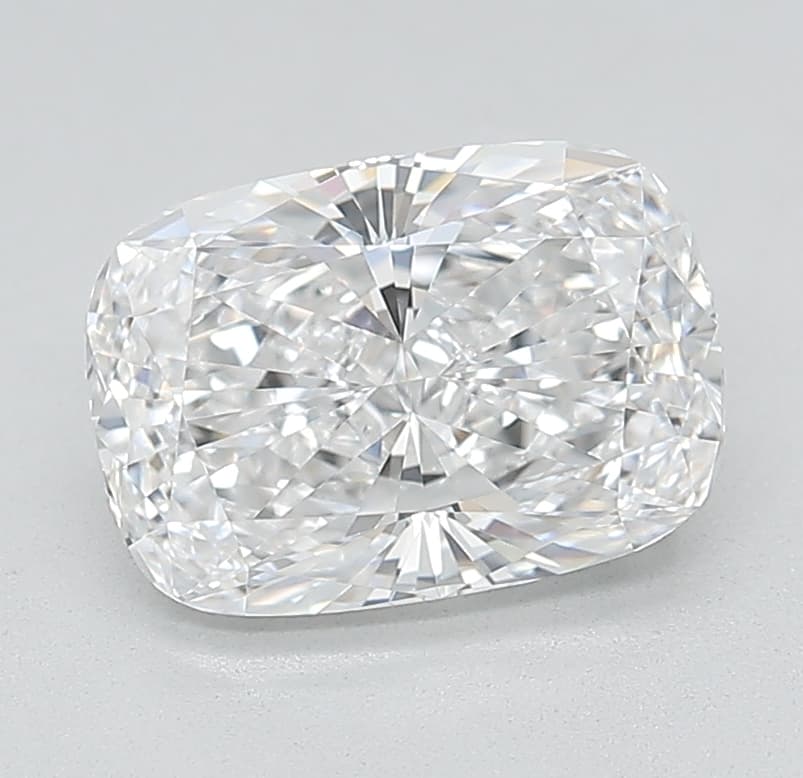
Cushion brilliant and cushion modified brilliant are two ways of faceting the same soft-cornered outline. A cushion brilliant usually has larger, bolder facets that give distinct, chunky flashes, while a cushion modified brilliant usually adds an extra row of facets below the girdle, which breaks the light into smaller, busier sparkles often called crushed ice. The name on the report is a clue, not a guarantee, so judge the look from the video.
Where you see these names
Every grading report has a line for the shape and cutting style. For a cushion, that line may say something like cushion brilliant or cushion modified brilliant. GIA uses these descriptions; other labs may word the same shapes a little differently, or simply say "cushion".
The words describe the facet pattern, not the quality. "Modified" does not mean lower grade, altered or repaired. It means the arrangement of facets has been adapted from the classic pattern. Both styles can be beautifully cut, and both can be cut poorly; the description tells you which family the faceting belongs to, nothing more.
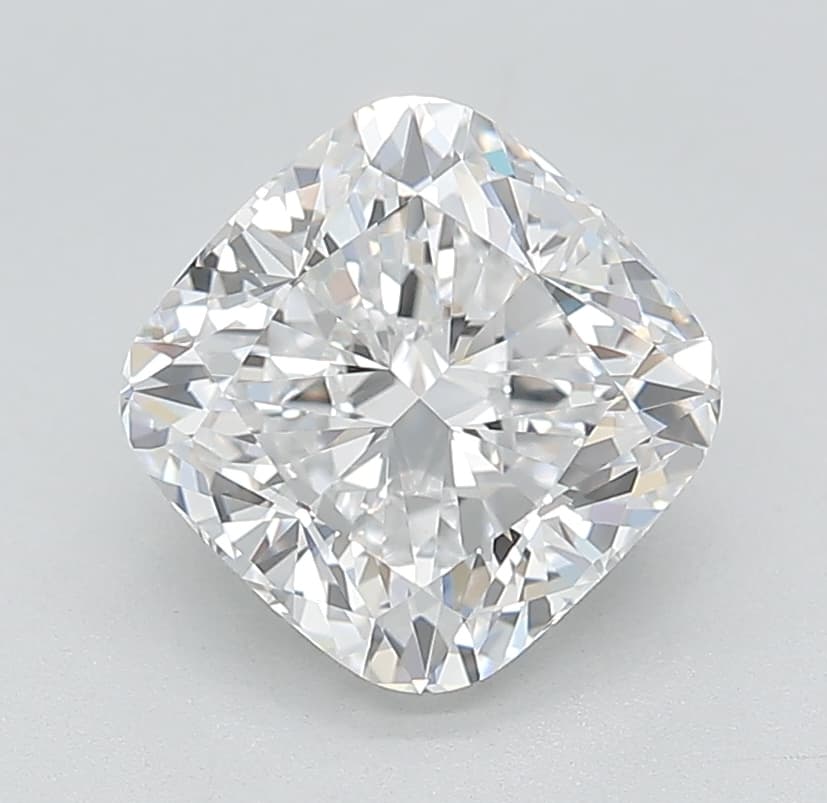
All cushions share the same outline: a square or rectangle with rounded corners and gently curved sides, like a pillow. Our cushion guide covers the shape itself, and our post on elongated vs square cushions covers the choice of outline.
- Typical L/W1.00–1.05 square1.10–1.30 elongated
- Typical L/WAbout 1.00–1.10
- Typical L/W1.00–1.05 square1.20–1.40 rectangular
The cushion brilliant: bigger facets, chunkier flashes
A cushion brilliant follows a more traditional layout. On the pavilion, the lower part of the stone, the main facets run from the girdle down toward the culet in fewer, larger pieces.
Larger facets reflect light in larger patches. Face-up, that gives distinct, bold flashes of light and dark, sometimes compared to the look of antique stones. The pattern is easy to read: you can often pick out individual facets as the stone moves. Many people find that the bigger flashes also make flashes of color easier to notice in point lighting.
This look descends from older cushion cuts such as the old mine cut, which has a small table, a high crown and large, hand-cut facets. Our post on old mine cut diamonds shows that antique style.
The cushion modified brilliant: smaller facets, crushed ice
A cushion modified brilliant usually adds an extra row of facets on the pavilion, just below the girdle. More facets, each smaller, means light comes back in many small pieces.
Face-up, the result is a busy, glittering pattern often called crushed ice: lots of tiny sparkles spread across the stone rather than a few large flashes. Many modern cushions are cut this way, and it is the style many buyers picture when they think of a cushion today.
The busy pattern can make small inclusions harder to spot, much as brilliant faceting does in a round. Some buyers love the shimmer; others find it less defined than the chunky style. Our post on crushed ice vs chunky facets goes deeper into the two looks, including in radiant cuts.
| Compared | Cushion brilliant | Cushion modified brilliant |
|---|---|---|
| Pavilion facets | Fewer, larger facets | Usually an extra row below the girdle |
| Face-up look | Distinct, chunky flashes | Many small sparkles, crushed ice |
| Reads as | Bold and defined, antique in feel | Busy and glittering, modern in feel |
| Best judged by | The video in moving light | The video in moving light |
Why the name alone does not tell you the look
The two descriptions are broad categories. Within each, cutters vary the number, size and angles of the facets, and the proportions of the stone change how the pattern looks. So two stones described the same way can look quite different, and a modified brilliant can sometimes look fairly chunky, or a brilliant fairly busy.
Proportions matter too. A deep cushion can look darker in the center or smaller face-up for its weight; a shallow one can show a washed-out window. Our post on windowing and extinction explains both effects.
That is why the report line is a starting point. It narrows the field, and the video settles it.
Other names you may see for cushions
Listings use more names than reports do, which adds to the confusion. A few you may meet:
- Antique cushion is a descriptive name, not a lab term. It usually points to a chunky, old-style facet pattern, but sellers use it loosely, so check the video.
- Old mine or old miner describes an antique style of cushion with a small table, a high crown and an open culet, a small flat facet at the bottom that can show as a dot face-up.
- Square and elongated cushion describe the outline, not the faceting. A square cushion can be cut in either style, and so can an elongated one.
The lines on the report that matter most beside the cutting style are the measurements, the table and depth percentages, and the polish and symmetry grades. Cushions are often cut deeper than rounds or ovals, so a depth figure toward the high end of the usual range is common, but very deep stones can look small for their weight. As a common guideline, many well-proportioned cushions fall roughly between 61% and 68% depth; our post on table and depth percentages gives ranges by shape.
How to judge a cushion from its video
When you watch a cushion's 360° video, look for:
- The size of the flashes. Large, separate patches of light point to a chunky look; a fine, even shimmer points to crushed ice.
- Even light across the face. The center should not stay dark as the stone turns, and the corners should not look glassy or see-through.
- The outline. Check that the four sides curve evenly and the corners match, and read the length-to-width ratio in the measurements: about 1.00 to 1.05 for a square cushion, about 1.10 to 1.30 for an elongated one.
- Size for the weight. Compare the millimeter measurements, not just carat weight, since cushions vary in depth.
If you are not sure which look you are seeing, a diamond specialist can describe the pattern from the stone and its video before you buy.
Which one should you choose?
There is no better style, only the one you prefer:
- Choose a chunky look if you like bold, readable flashes and a vintage character.
- Choose a crushed-ice look if you like a soft, glittering shimmer, or want a cushion that sparkles in a way closer to a radiant.
- Not sure? Compare one of each in their videos, side by side, in the same lighting. Try to view them in both soft daylight and point lighting, such as a lamp or spotlight, since chunky facets come alive under point light and crushed ice shimmers in both.
Whichever you choose, the usual priorities still apply: an even, lively face, a clean look to the eye, and a color that suits your setting metal. Browse cushion cut diamonds and compare the patterns for yourself.
Cushion brilliant and cushion modified brilliant are broad facet families, not grades. Two stones with the same description can look quite different, so choose the pattern you like in the video.
Frequently asked questions
What does cushion modified brilliant mean?
It describes the facet pattern of a cushion diamond. A modified brilliant usually has an extra row of facets on the pavilion, just below the girdle, which breaks light into many small sparkles, often called crushed ice. It is a description of the faceting, not a quality grade.
Is a cushion modified brilliant better than a cushion brilliant?
Neither is better. They are two facet styles for the same outline. A cushion brilliant usually shows larger, chunkier flashes; a modified brilliant usually shows a busier, crushed-ice sparkle. The quality of the cut and how the stone looks in its video matter more than the description.
How can I tell if a cushion diamond is chunky or crushed ice?
Watch its video. Large, separate flashes that you can follow as the stone turns point to a chunky look; a fine, even shimmer across the face points to crushed ice. The report description is a clue, but stones with the same description can vary.
Does the word modified mean the diamond was treated?
No. In the shape and cutting style line, modified only means the facet arrangement differs from the classic pattern for that shape. Treatments are reported separately: an IGI report on a lab-grown diamond states its growth method and any treatment it finds, while GIA’s assessment, issued since October 2025, states neither.
Glossary terms in this article
More on Shapes & Cuts in the journal.