Diamond glossary
CVD (chemical vapor deposition)
Last reviewed
Also called CVD, chemical vapor deposition
Definition
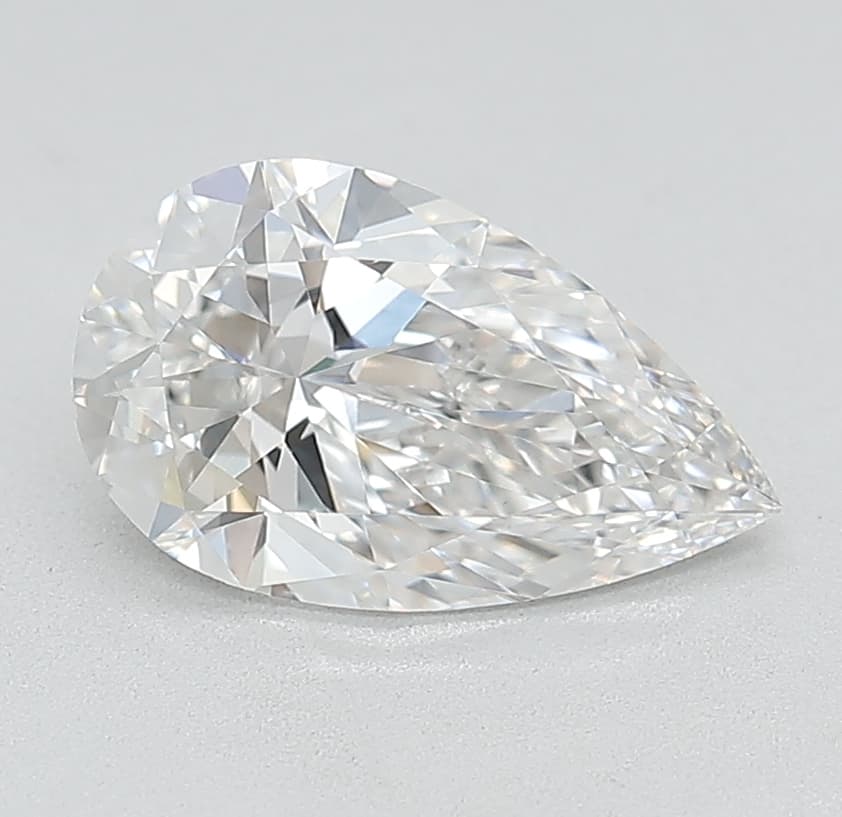
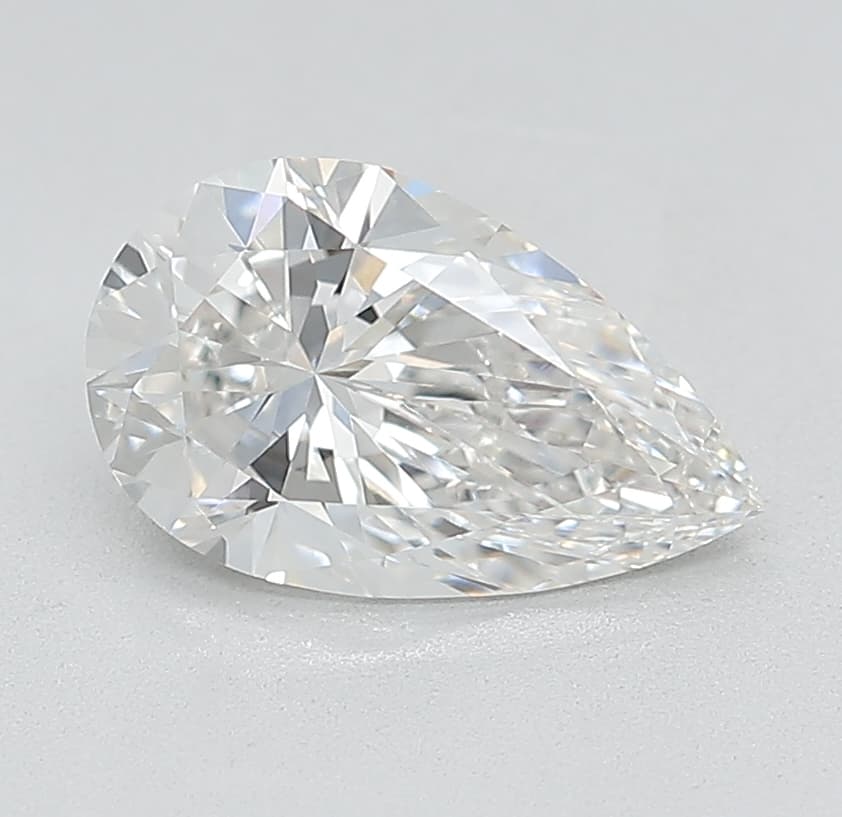
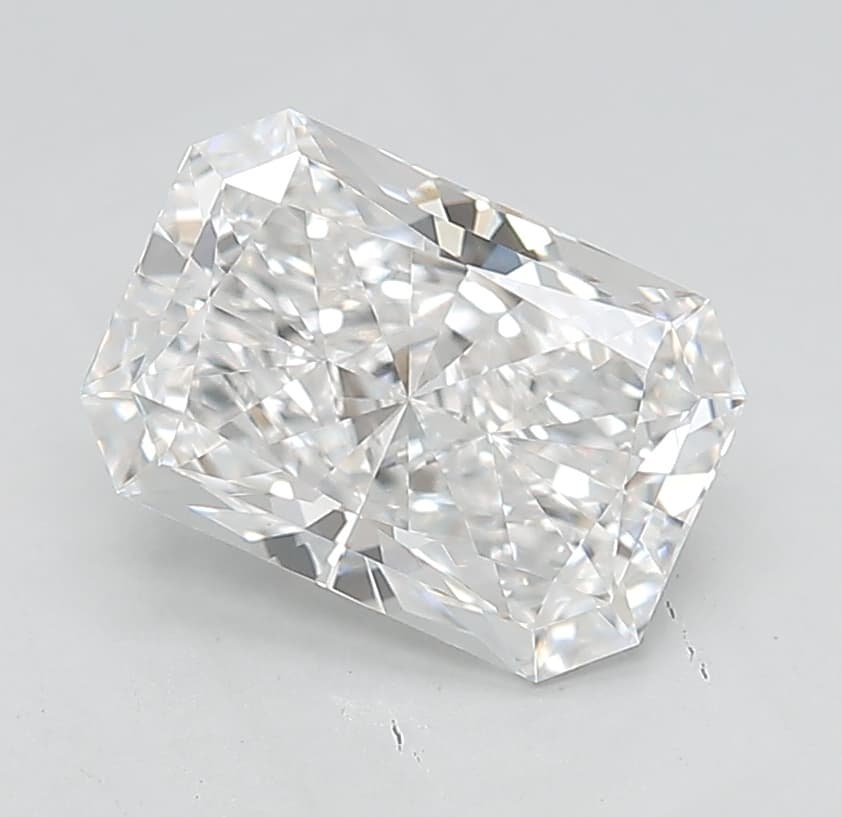
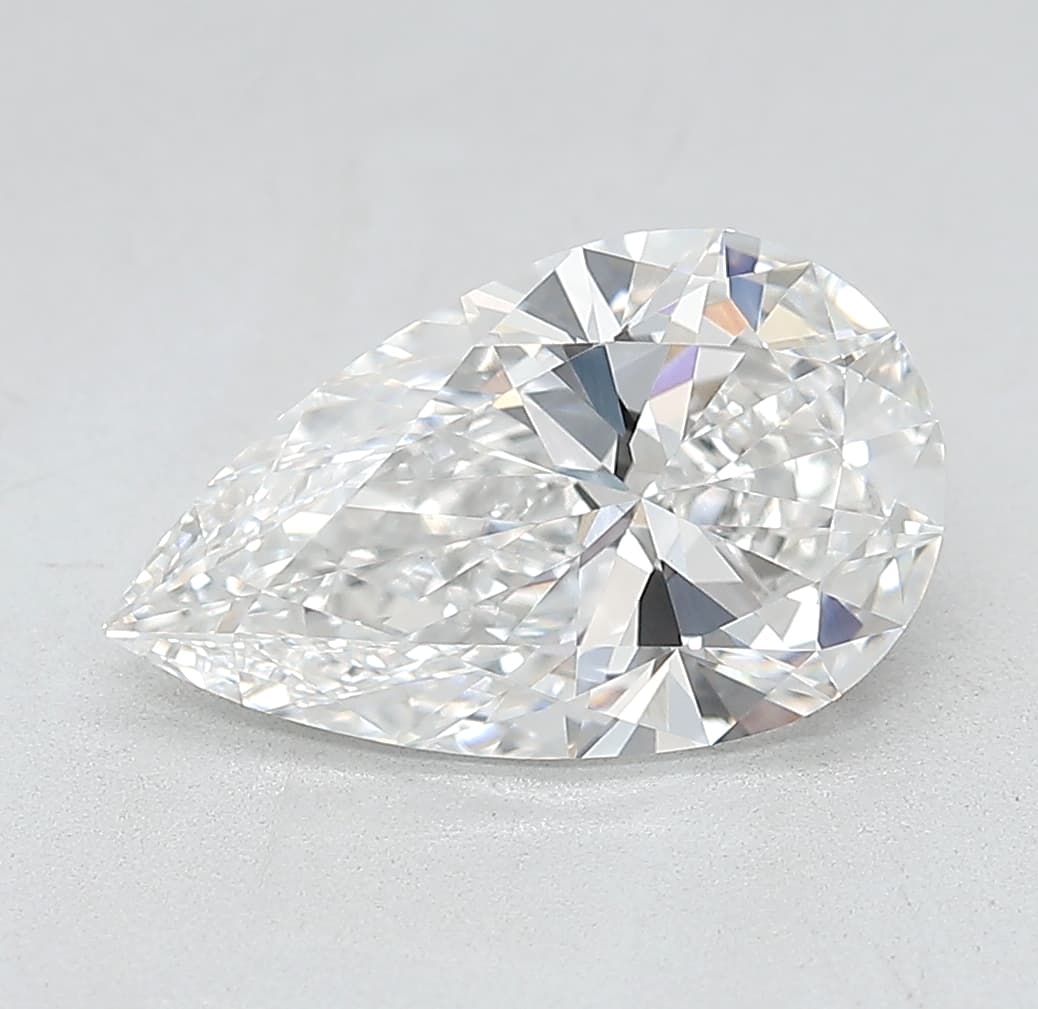
CVD (chemical vapor deposition) is a method of growing diamond in which carbon from a gas is deposited, layer by layer, onto thin diamond seed plates inside a low-pressure chamber.
- 1A gas mixture, typically methane and hydrogen, flows into a low-pressure chamber.
- 2Energy turns the gas into a plasma.
- 3Carbon from the gas settles on thin, flat diamond seed plates and builds the crystal up layer by layer.
- 4The flat, tabular rough is then cut and polished.
- 1A large press creates roughly 5 to 6 gigapascals and 1,300 to 1,600 °C.
- 2Inside the growth cell, a molten metal such as iron, nickel or cobalt dissolves a carbon source.
- 3The carbon crystallizes on a small diamond seed, typically as a cuboctahedron.
- 4The rough is then cut and polished.
How CVD growth works
A gas mixture, typically methane and hydrogen, is fed into a chamber at low pressure and energized into a plasma. Carbon from the gas deposits onto thin, flat diamond seed plates and builds the crystal up one layer at a time. Because growth starts from a flat seed, CVD crystals come out as flat, tabular blocks, which a cutter then plans and polishes like any other diamond rough.
Many CVD diamonds receive a post-growth treatment, for example HPHT annealing, to improve their color. That step is separate from the growth itself; see as-grown vs post-growth treatment. CVD diamonds are usually type IIa, meaning no nitrogen is detectable by infrared spectroscopy.
How CVD shows up on a report
IGI lab-grown reports usually state the growth process in the comments, for example "created by Chemical Vapor Deposition (CVD) growth process", and often add "Type IIa". Since January 2021, IGI also writes "As Grown – No indication of post-growth treatment" when it detects no treatment; otherwise the report can say the stone may include post-growth treatment. Read both lines together: the first tells you how the stone grew, the second whether it was treated afterwards.
Why it matters to a buyer
Neither CVD nor HPHT is inherently better. A CVD diamond and an HPHT diamond with the same grades and proportions can look the same, so judge each stone by its report and how it looks in a video. The growth method is useful background: it tells you how the stone was made and points you to the treatment comment, which some buyers care about. Our CVD vs HPHT guide compares the two methods in more detail.