Grading, Explained
Brilliance, Fire and Scintillation: The Three Kinds of Sparkle
By the Vanora Diamond team
Published Last reviewed 5 min read

Quick answer
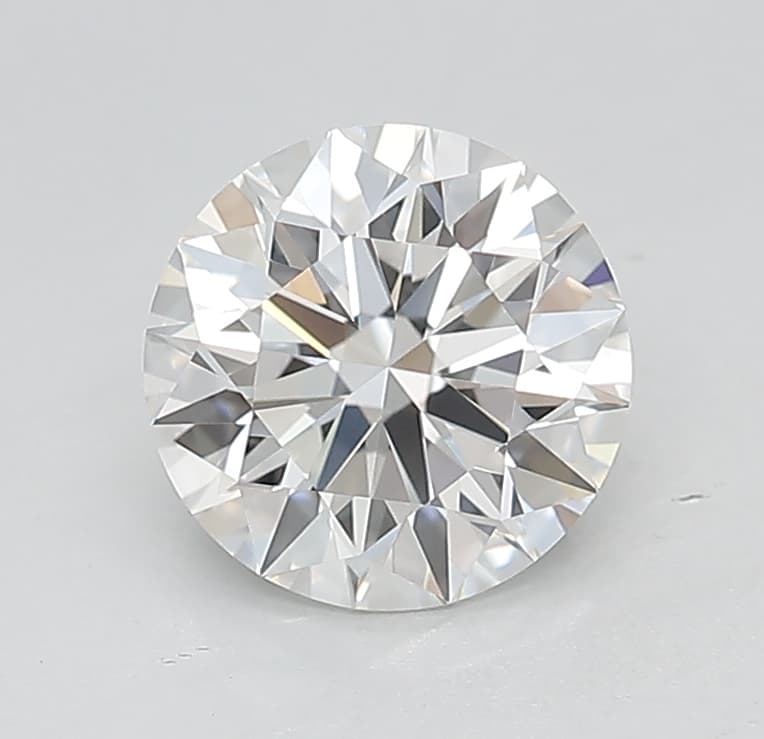
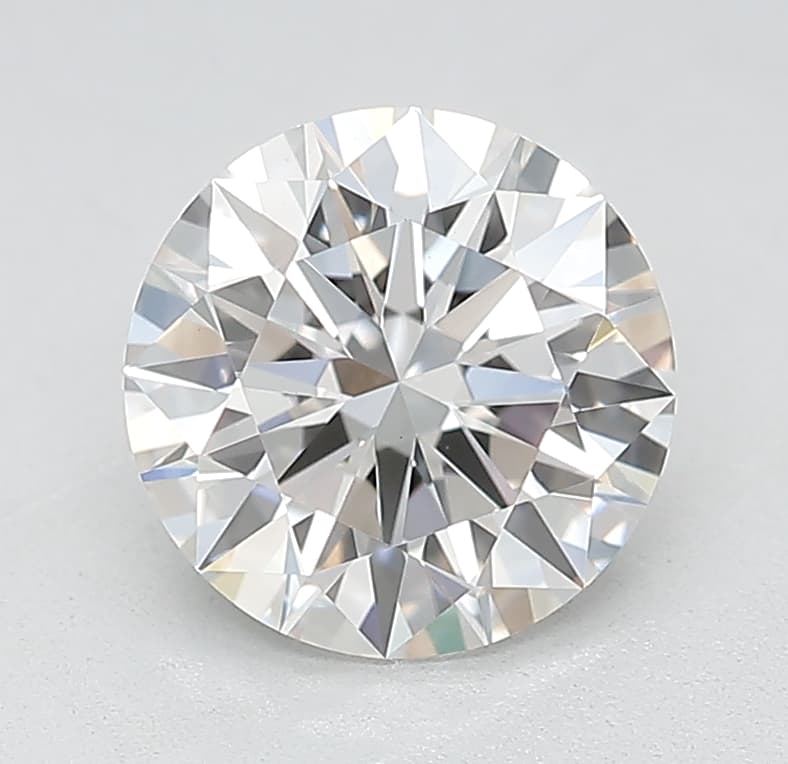
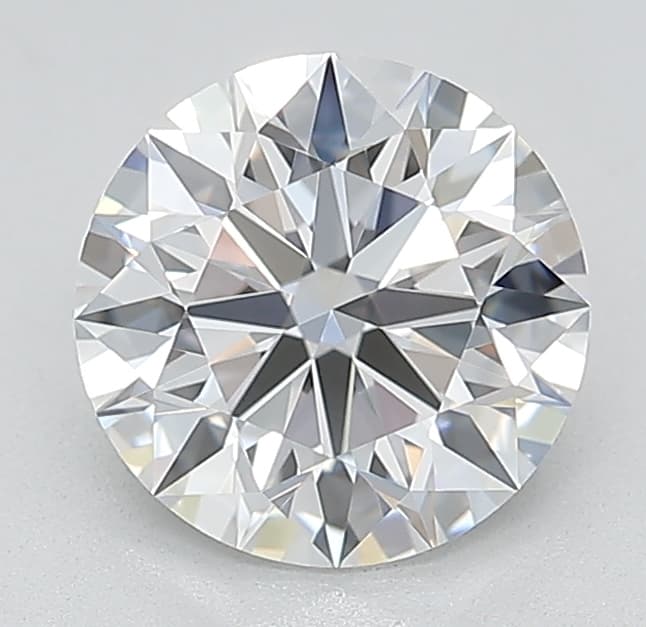
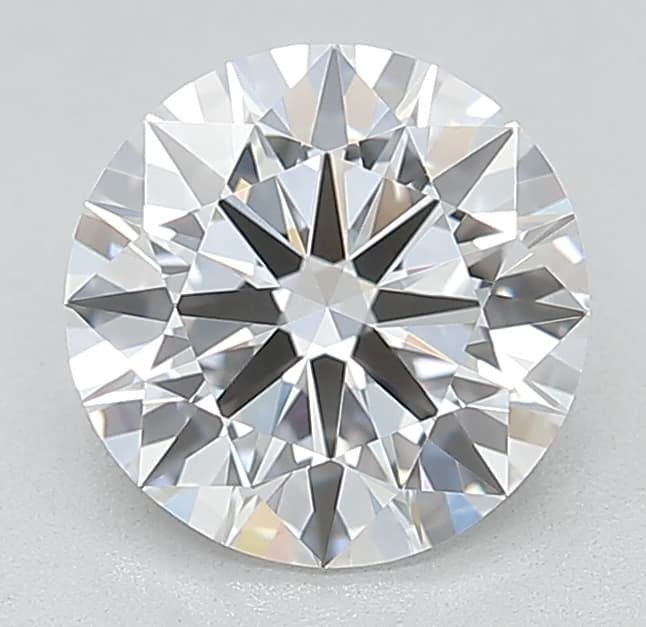
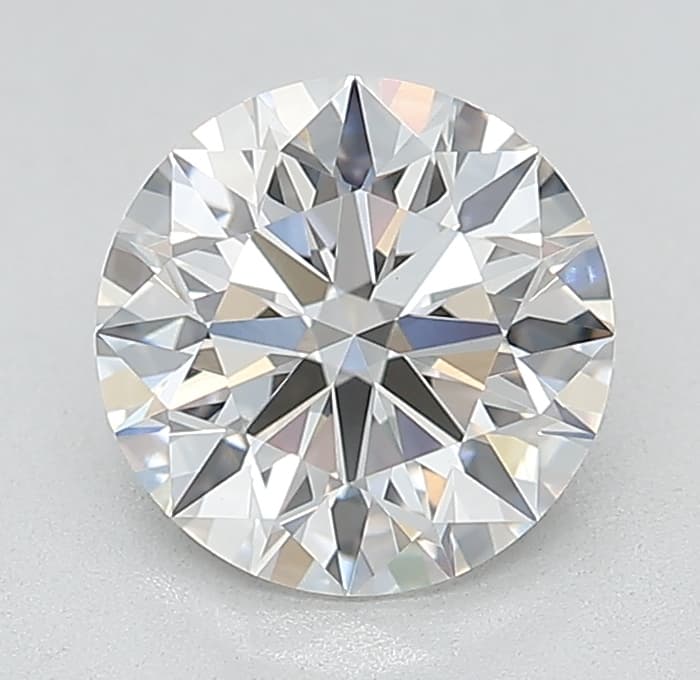
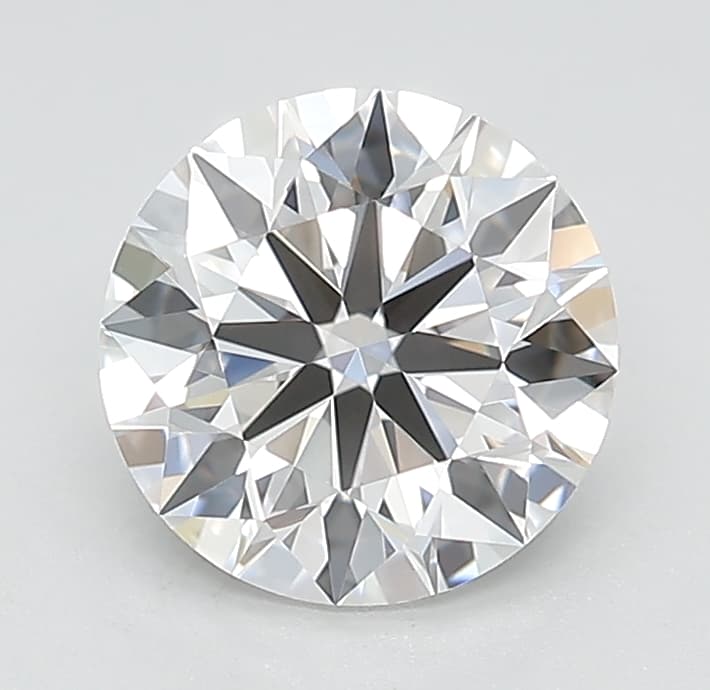
Brilliance is the white light a diamond returns to your eye, fire is that light split into flashes of color, and scintillation is the pattern of sparkles and dark areas that changes as the stone or you move. Lab-grown and mined diamonds share the same optics, so all three depend on the cut and on the light around you. A well-cut stone shows all three; the lighting decides which one you notice most.
Three kinds of sparkle, one sentence each
"Sparkle" is really three different effects, and jewelers use a word for each:
- Brilliance is the bright, white light that comes back out of the top of the stone.
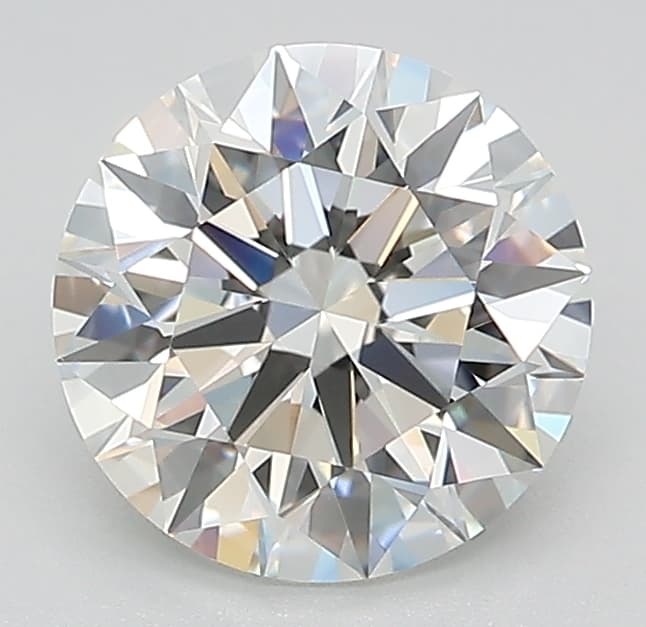
- Fire is flashes of color, like tiny rainbows, as white light is split on its way out.
- Scintillation is the play of sparkles and dark areas that flicker as the diamond, the light or your eye moves.
All three come from the way light travels through a cut diamond, and all three are the same in lab-grown and mined diamonds, because they are the same material with the same optics. Our lab-grown vs natural guide covers what the two share.
Why a diamond sparkles at all: two numbers
Two physical properties make diamond special.
Refractive index, about 2.42. This measures how strongly a material bends light. Diamond bends it a great deal, and inside a diamond, light that meets a facet at a glancing angle (more than about 24.4° from straight on) is reflected back in rather than escaping. A good cut uses this to bounce light off the lower facets and send it back up toward you.
Dispersion, about 0.044. White light is a mix of colors, and each color bends by a slightly different amount. Dispersion measures how far apart they spread. Diamond's dispersion is high enough that, as light leaves through an angled facet, the colors fan out into visible flashes.
These numbers are fixed for every diamond. What changes from stone to stone is the cut, which decides how well the stone uses them.
Brilliance: the white light
Brilliance is what makes a diamond look bright from across a room. It depends most on the pavilion, the lower half of the stone. When the pavilion angle is right, light entering the top reflects off one side of the pavilion, then the other, and comes back out through the top. When it is too shallow, light leaks out of the bottom and leaves a washed-out window; when it is too deep, light escapes through the far side and the center can look dark. Our post on crown and pavilion angles traces those paths.
You see brilliance best in soft, even light: daylight near a window, an office, an overcast day.
Fire: flashes of color
Fire needs light from a single bright point, such as a spotlight, a candle, a halogen lamp or the sun. As that light leaves through the sloping crown facets, dispersion splits it, and you see flashes of red, orange, green and blue that move as the stone moves.
The crown shapes how much fire a stone shows. Within the common guideline range for rounds, a slightly steeper crown and a slightly smaller table tend to favor fire, while a flatter crown and larger table favor white brightness. Larger stones show bigger, more visible flashes.
In soft, diffuse light, even a beautifully cut diamond shows little fire, which is why the same ring can look white and bright at the office and colorful at dinner. Moissanite, for comparison, has much higher dispersion, which is why it shows stronger rainbow flashes than diamond; our post on lab-grown diamond vs moissanite explains the difference.
Scintillation: the sparkle that moves
Scintillation is the flicker of light and dark as the stone moves. It has two parts: the sparkle itself, as individual facets catch the light and go dark again, and the pattern of bright and dark areas across the face of the stone.
Some darkness is needed. A diamond reflects your own head and the room around it, and those reflections create the dark facets that make the bright ones stand out. A stone with no contrast at all can look flat.
The size and style of the facets change the character:
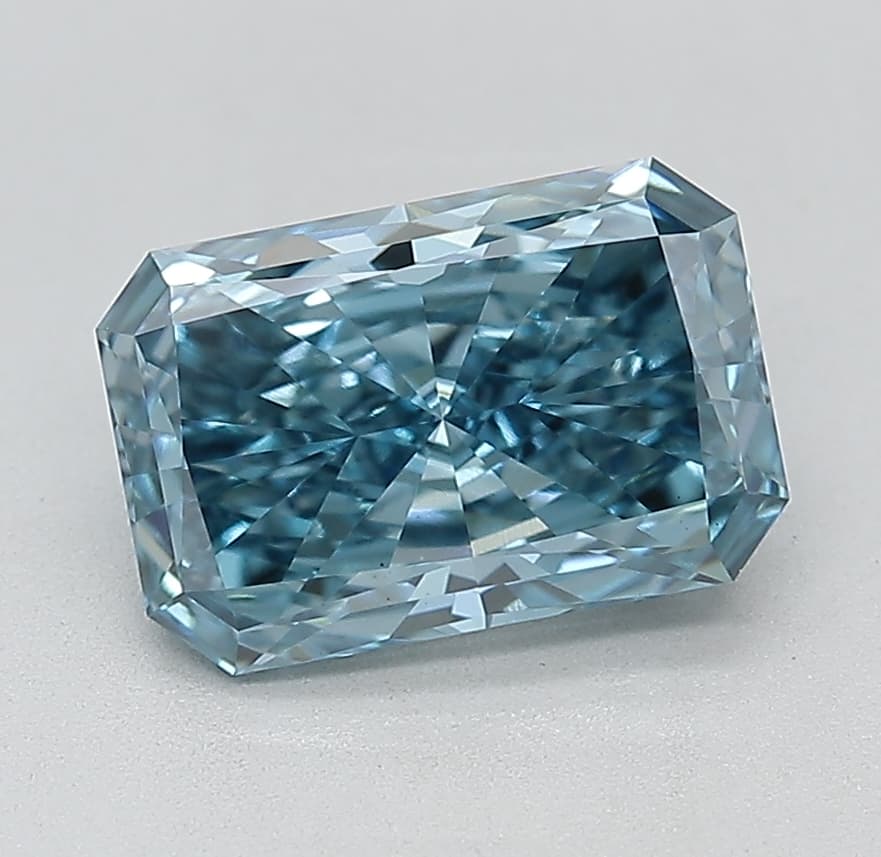
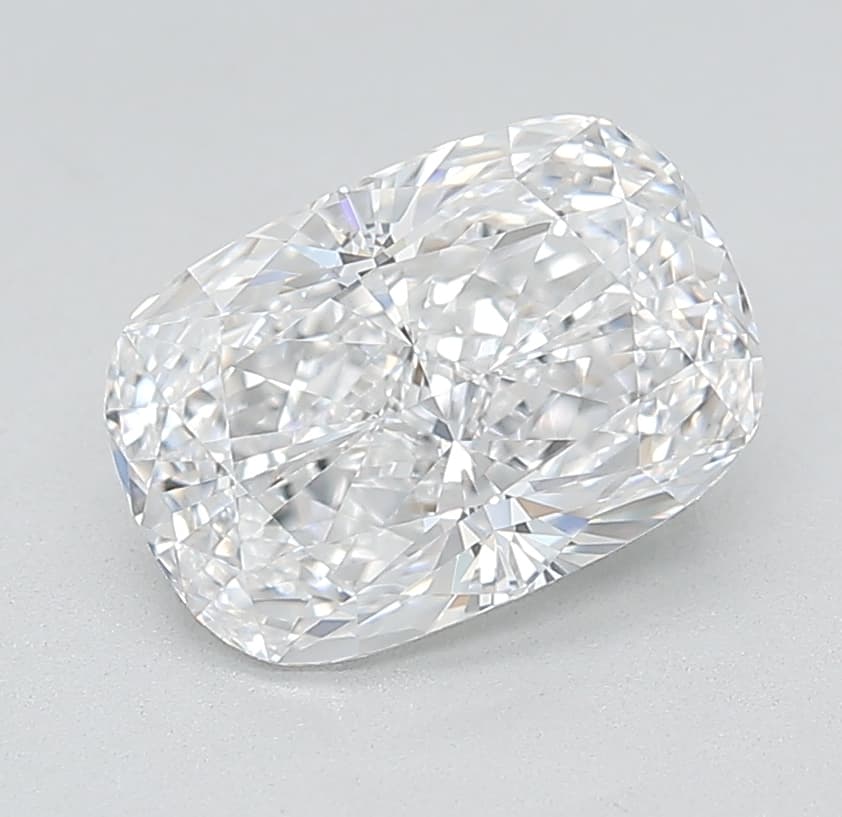
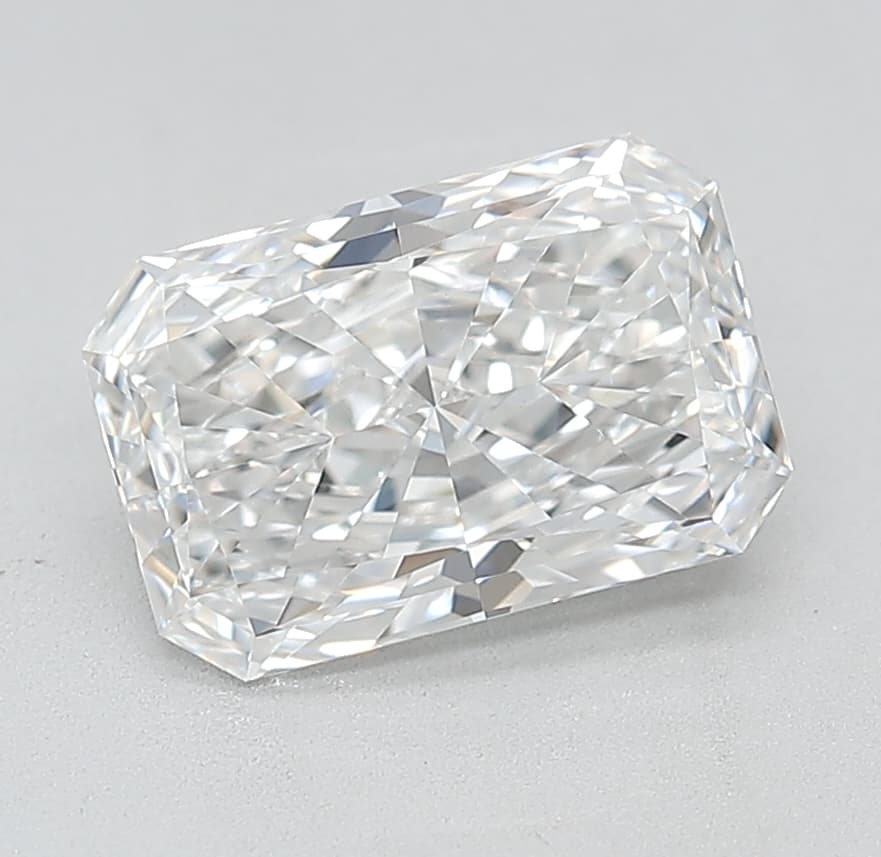
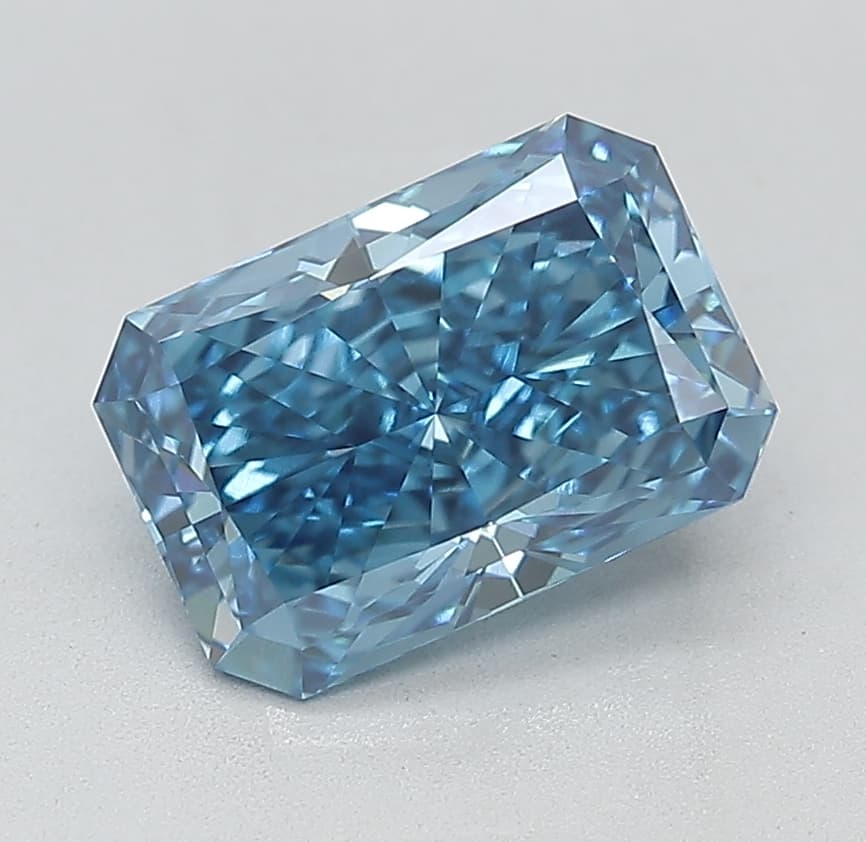
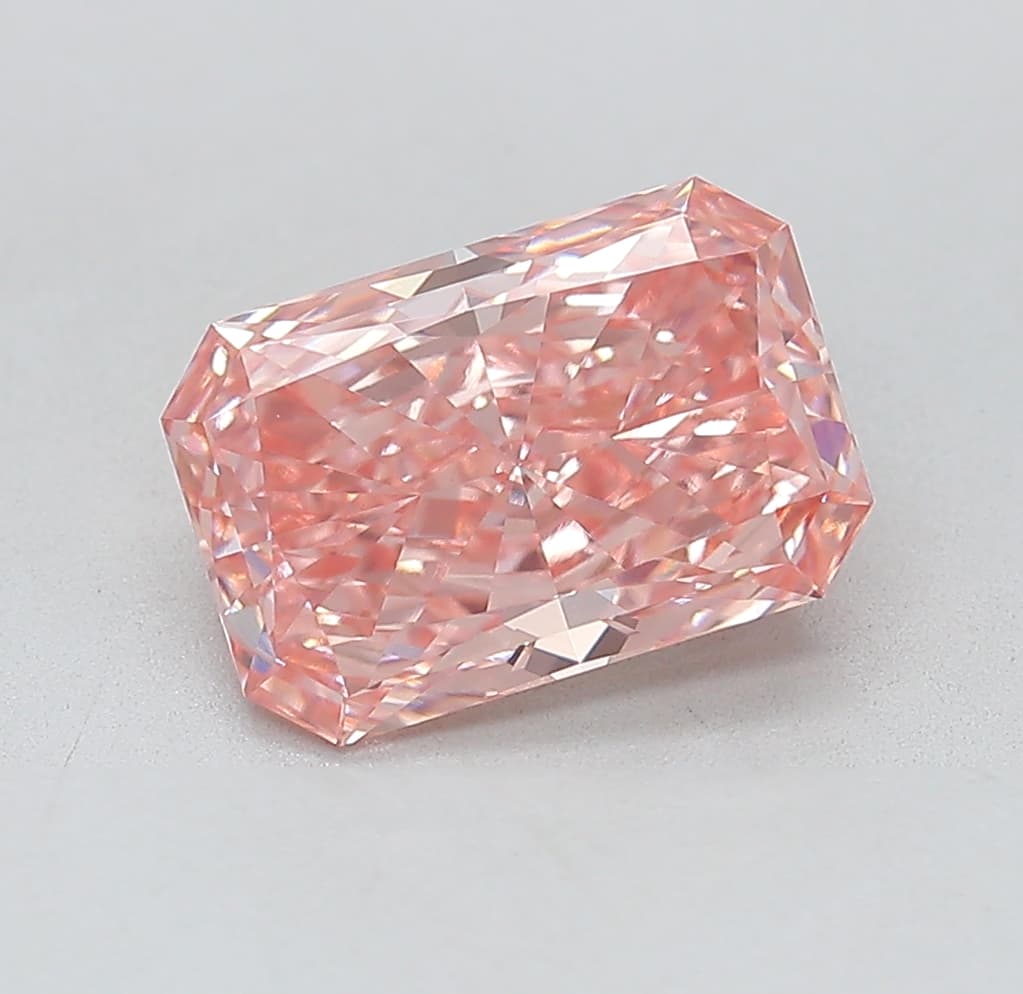
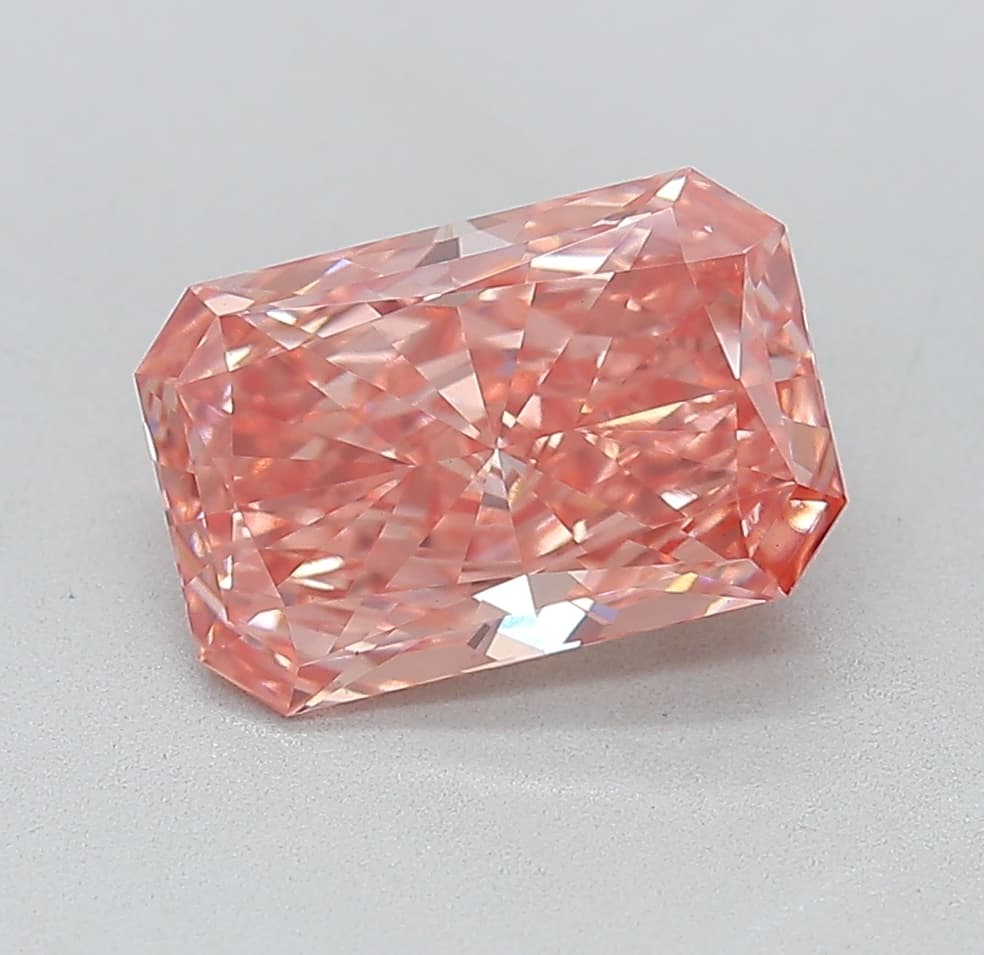
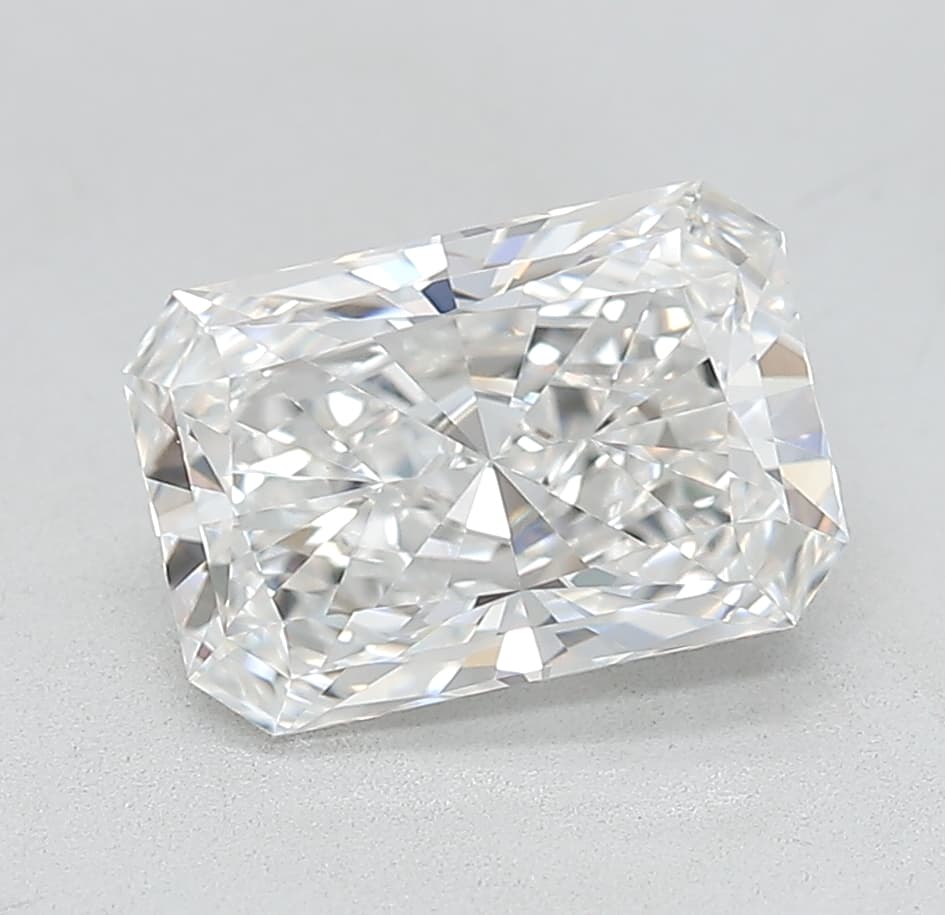
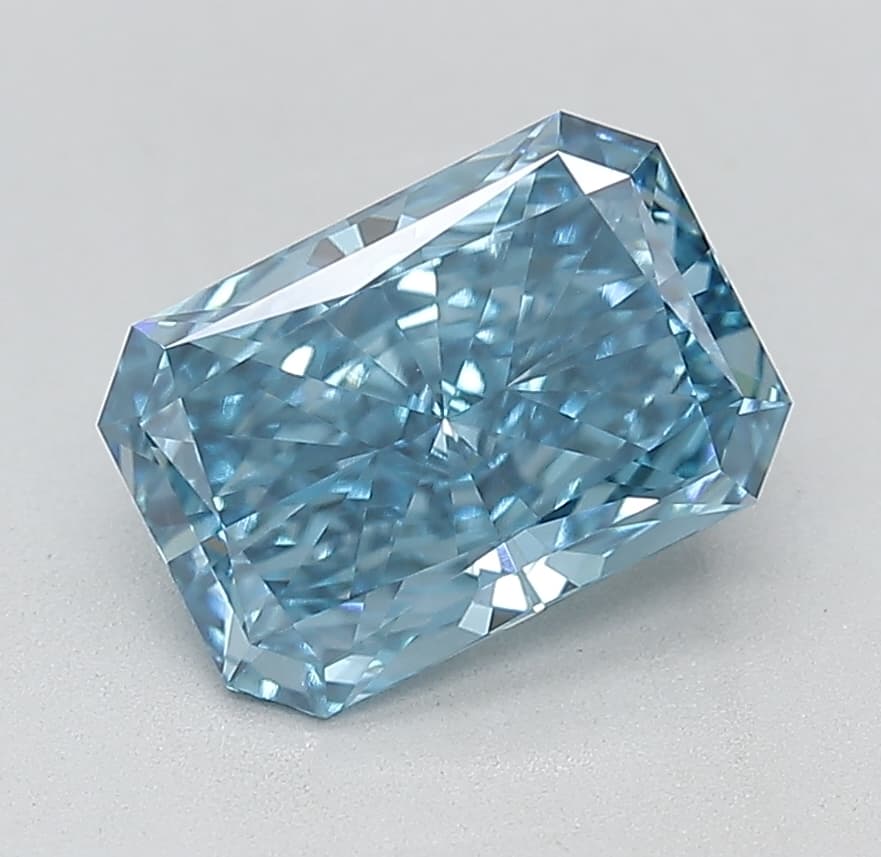
- Brilliant cuts (round, oval, cushion, radiant, pear, marquise, princess) have many triangular and kite-shaped facets. They give lots of small, busy sparkles.
- Step cuts (emerald, asscher) have long, parallel facets. They give fewer, broader flashes and bold contrast, often called a hall-of-mirrors look.
Our post on brilliant vs step cuts compares the two families.
| Compared | What you see | What causes it | Light that shows it best |
|---|---|---|---|
| Brilliance | Bright white light from the top | Light reflected back up by the pavilion | Soft, even light such as daylight |
| Fire | Flashes of color | Dispersion splitting light as it leaves the crown | A single bright point, such as a spotlight or candle |
| Scintillation | Sparkles and dark areas that flicker | Facets catching and losing light as things move | Several bright points and some movement |
Why a well-graded stone can still look flat
A good cut grade promises a stone that can sparkle. A few everyday things can stop it from doing so:
- Dirt. A film of skin oil on the underside blocks the reflections that create brilliance. It is the most common reason a ring looks dull, and a clean fixes it; see our post on hazy lab-grown diamonds.
- Flat lighting. Under soft, even light with no bright points, there is little fire and scintillation to see. Move the stone toward a window or a lamp.
- No movement. Scintillation needs motion. A stone held perfectly still under one light shows only part of what it can do.
- Proportions at the edge of the range. A deep or shallow stone that still earned a fair grade can lose brightness in the center; our post on table and depth percentage shows what to look for.
None of these is visible on a report, which is why videos and viewings matter as much as grades.
Judging sparkle from a video
Photos freeze a stone; videos show what it does. When you watch the 360° view of a lab-grown diamond:
- Look for even brightness. The stone should look bright across its face, without a dead dark center or a pale, see-through patch.
- Watch it turn. Sparkles should move across the whole stone, not stay stuck in one area.
- Compare like with like. Videos filmed under the same setup can be compared fairly; a stone filmed under a strong spotlight will always show more fire than one filmed in soft light.
- Start from the cut grade for rounds. IGI's top grade is Ideal; GIA's is Excellent on reports that print a cut grade (its lab-grown assessment since October 2025 does not). Our diamond cut guide explains them.
Seeing stones in person settles it, because you can move them under different lights. You can request a viewing or ask a diamond specialist to compare two stones' videos with you, or browse round lab-grown diamonds and radiant lab-grown diamonds to compare brilliant styles.
Spotlights bring out fire, soft daylight brings out brilliance, and movement brings out scintillation. A stone that looks calm in one video may look fiery in another, so compare videos filmed the same way.
Frequently asked questions
What is the difference between brilliance and fire in a diamond?
Brilliance is the white light a diamond reflects back to your eye; fire is the flashes of color you see when that light is split into its colors on the way out. Brilliance shows best in soft, even light, and fire in light from a single bright point such as a spotlight or candle.
Do lab-grown diamonds sparkle as much as mined diamonds?
Yes. Lab-grown diamonds have the same refractive index and dispersion as mined diamonds, so a lab-grown and a mined diamond cut to the same proportions sparkle the same way. The difference between stones comes from the quality of the cut, not from where the diamond formed.
Which diamond shape sparkles the most?
The round brilliant is designed to return the most white light, and it is the shape most often chosen for sparkle. Other brilliant cuts such as oval, cushion and radiant are also very lively. Step cuts such as emerald and asscher sparkle differently, with broader flashes and stronger contrast.
Why does my diamond look different in different lighting?
Because each kind of sparkle needs a different light. Soft daylight shows brilliance, spotlights and candles show fire, and moving light shows scintillation. A diamond can look white and bright in an office and colorful under restaurant lighting without anything about the stone changing.
Glossary terms in this article
More on Grading, Explained in the journal.