Color & Carat
Diamonds Over 7 Carats: Choosing a True Statement Stone
By the Vanora Diamond team
Published Last reviewed 5 min read

Quick answer
A diamond over 7 carats is a true statement stone: a well-cut 7 carat round is about 12.3 mm across and a 10 carat round about 13.9 mm, while elongated shapes stretch to 16 mm or more in length. At this size, choose the shape first, insist on clean proportions and a symmetrical outline, pick a color and clarity that stay crisp across a large table, and plan the setting around the stone’s height and weight.
How big are 7, 8, 10 and 12 carats?
Approximate face-up sizes for well-proportioned stones, estimated from common weight formulas and typical depths for each shape. Actual stones vary with their cut, so check the measurements on the IGI report or stone page:
| Shape (ratio used) | 7 ct | 8 ct | 10 ct | 12 ct |
|---|---|---|---|---|
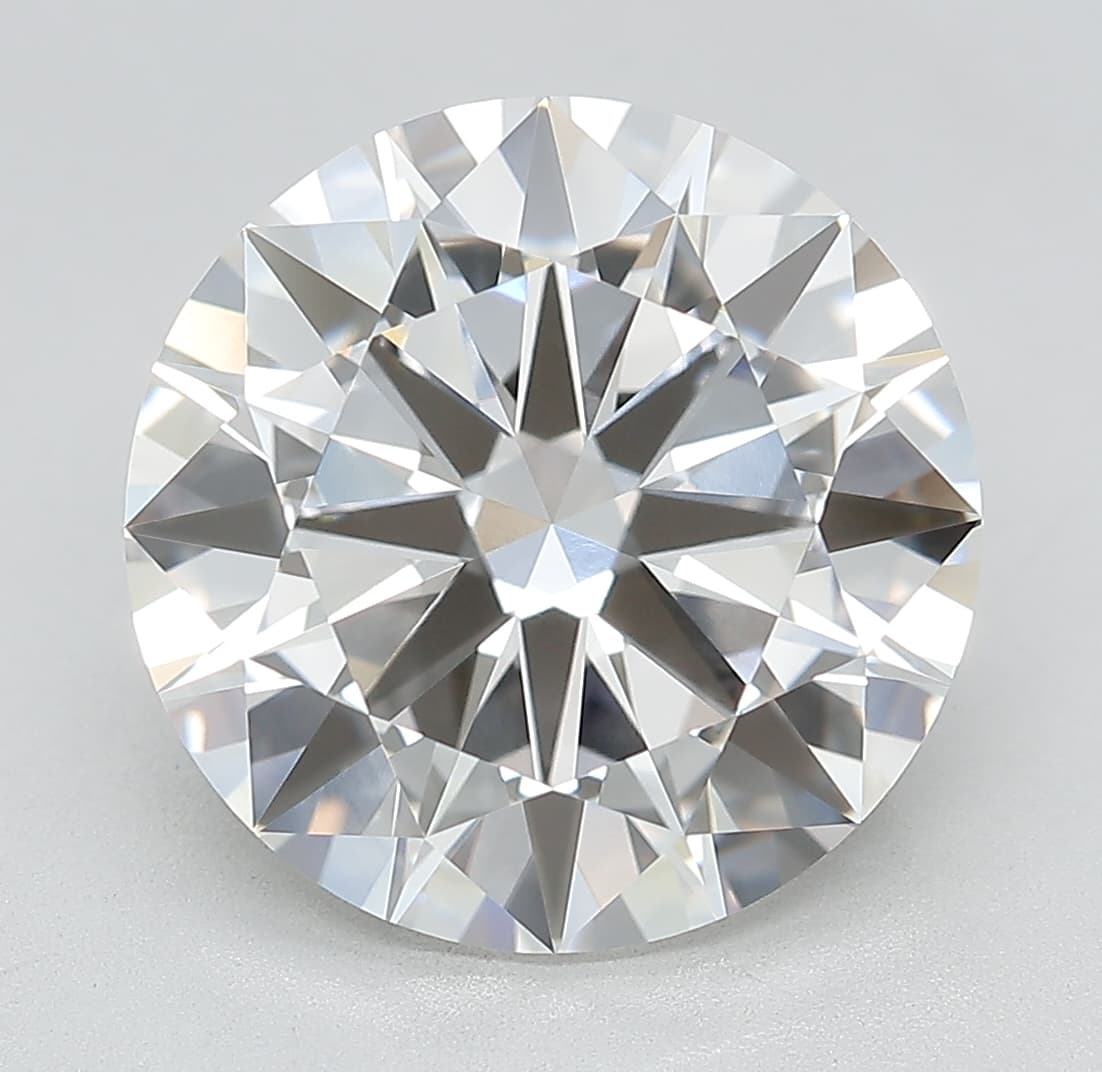
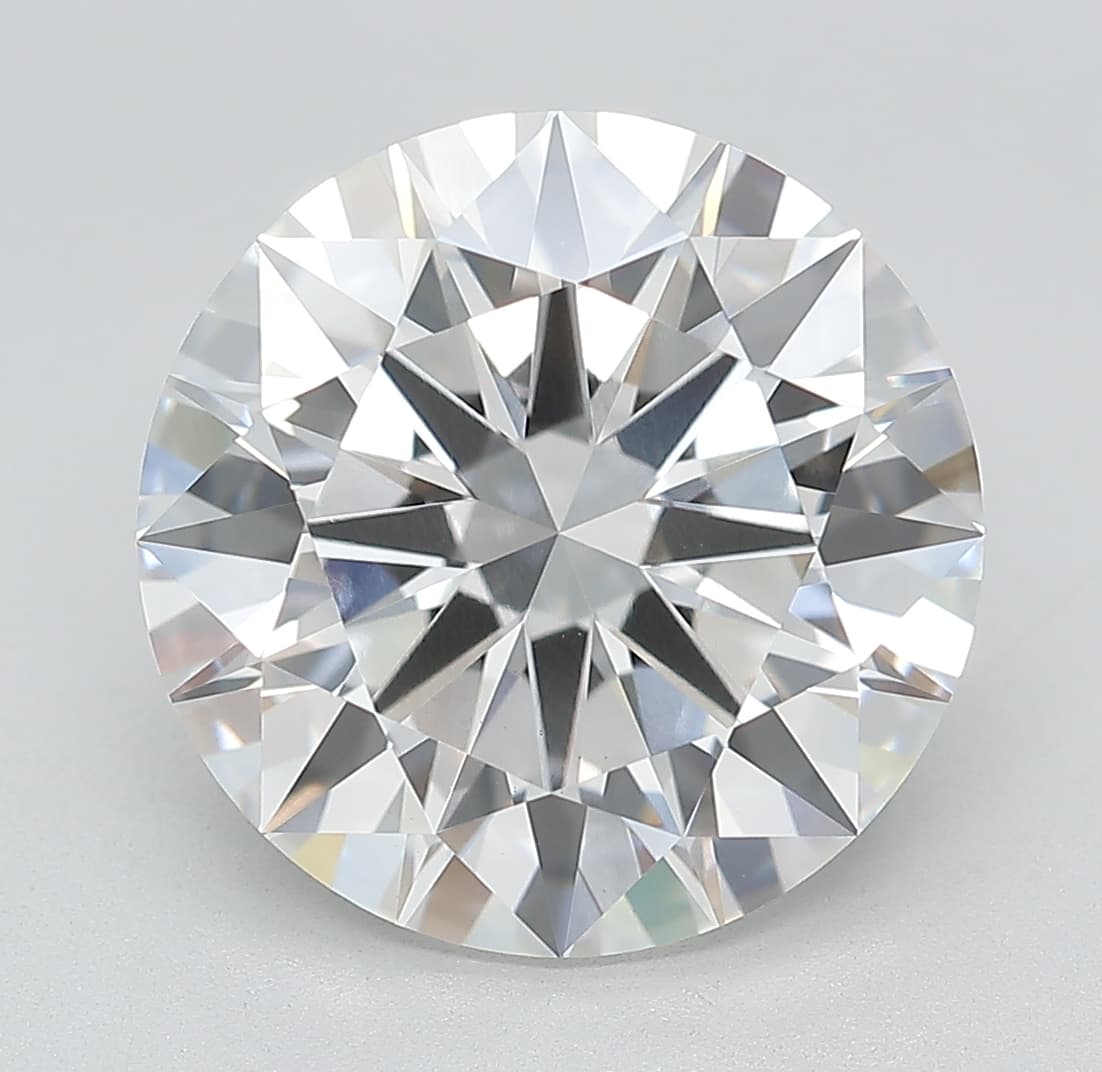
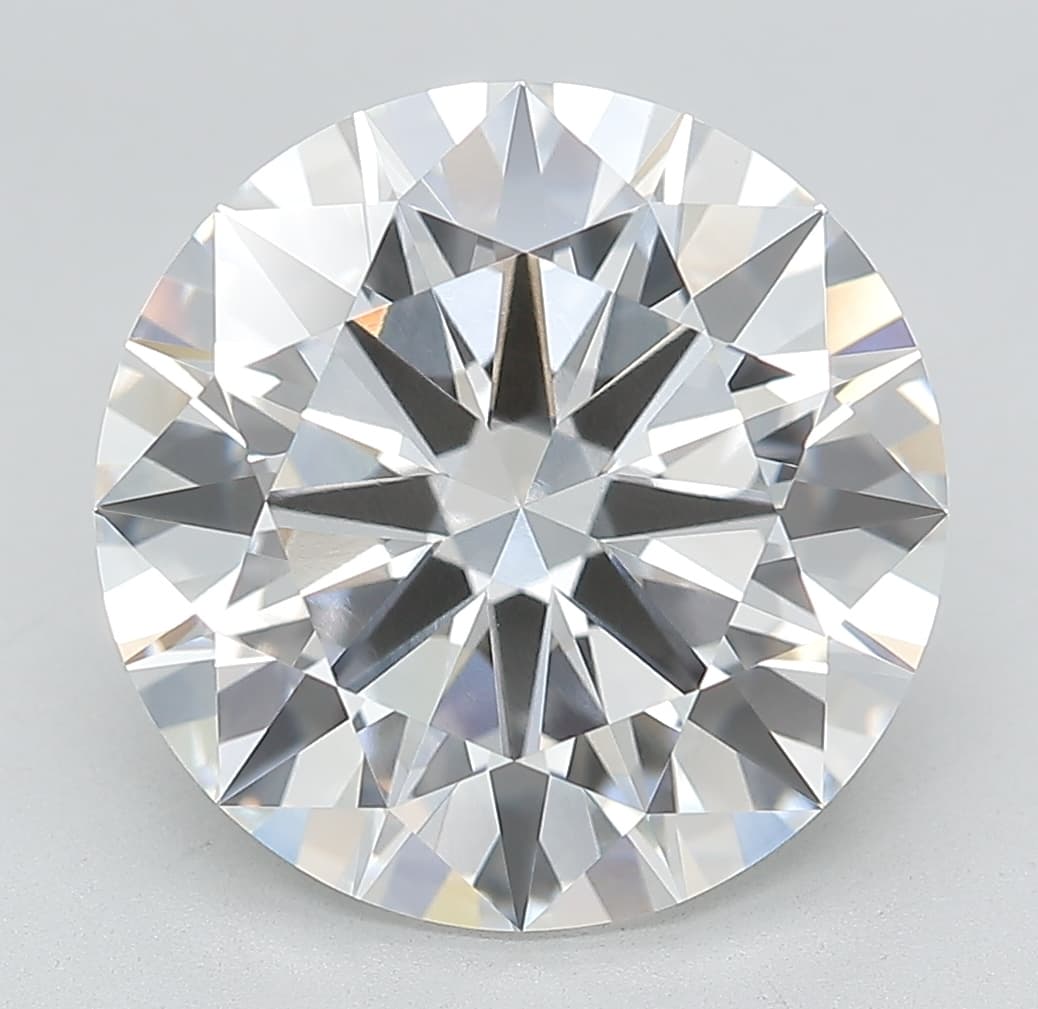
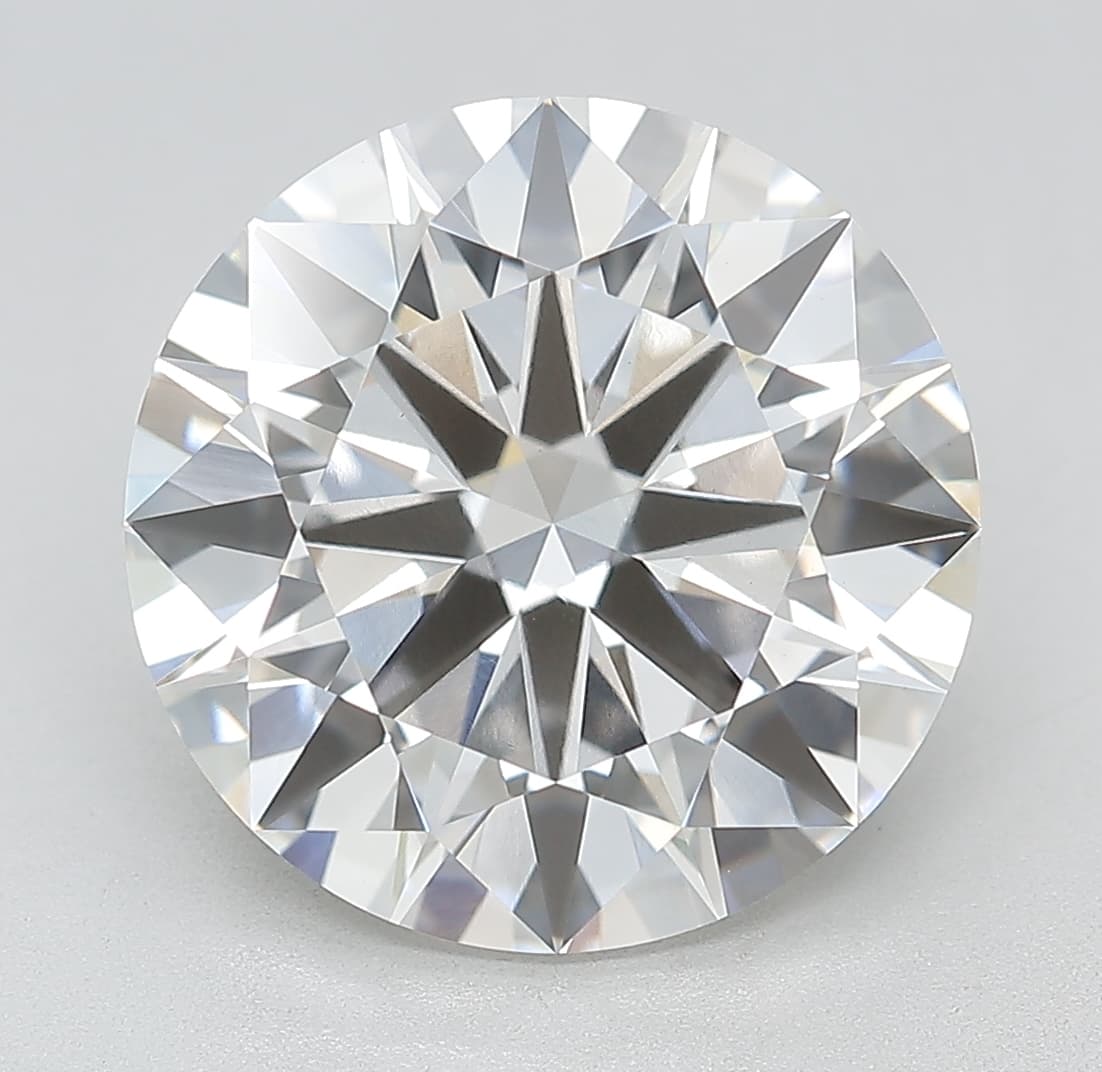
| Round | 12.3 mm | 12.9 mm | 13.9 mm | 14.7 mm |
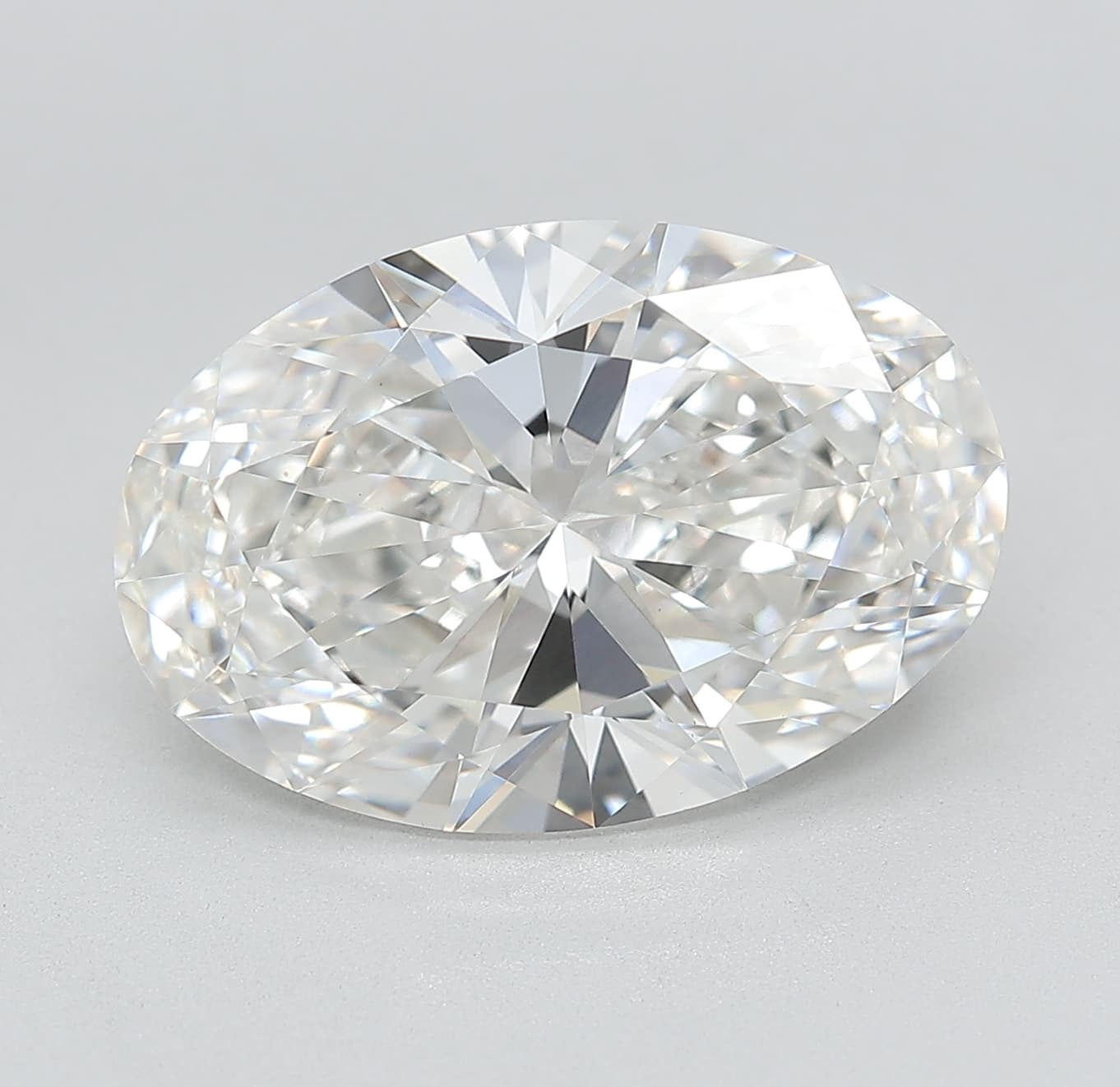
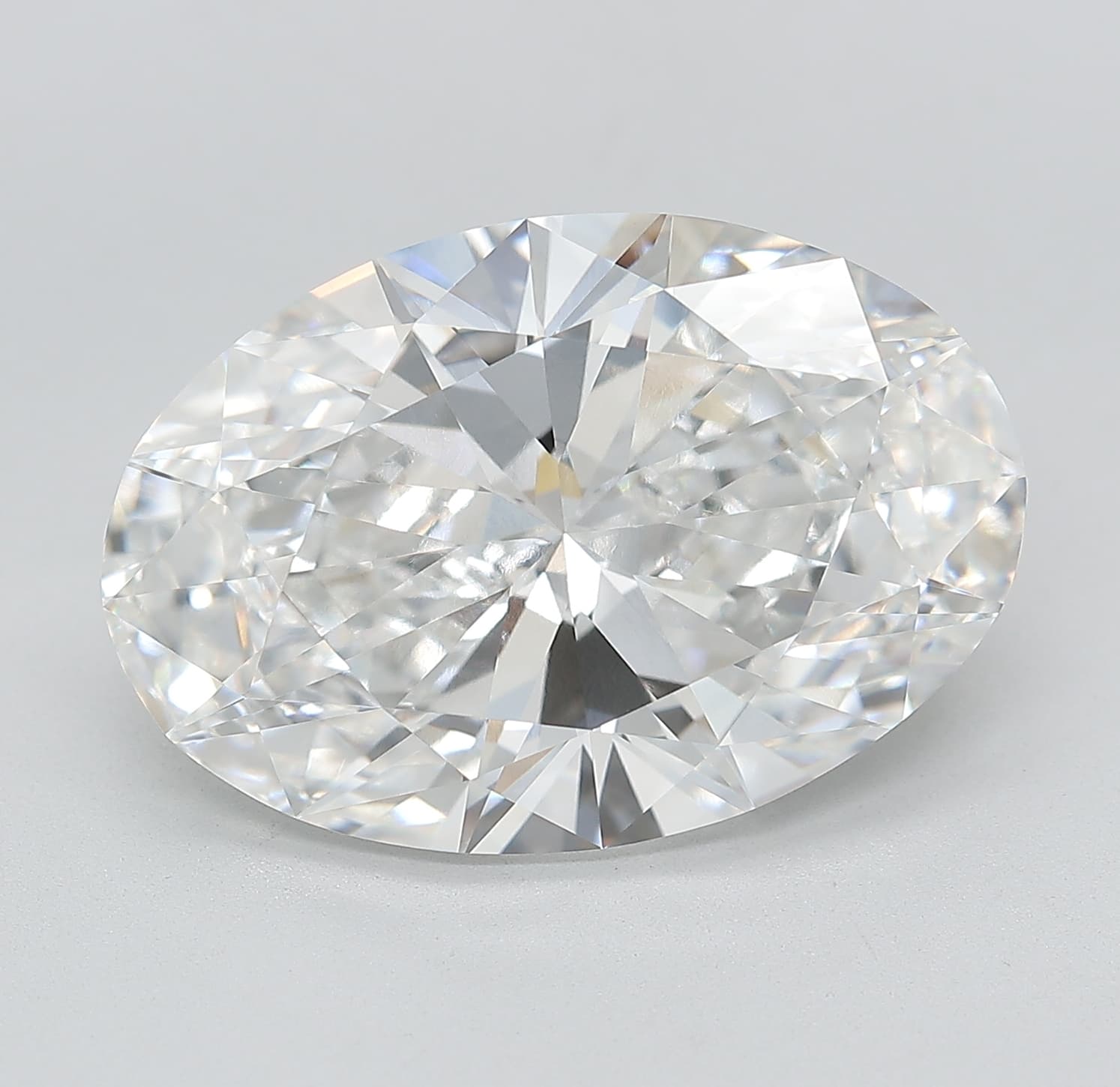
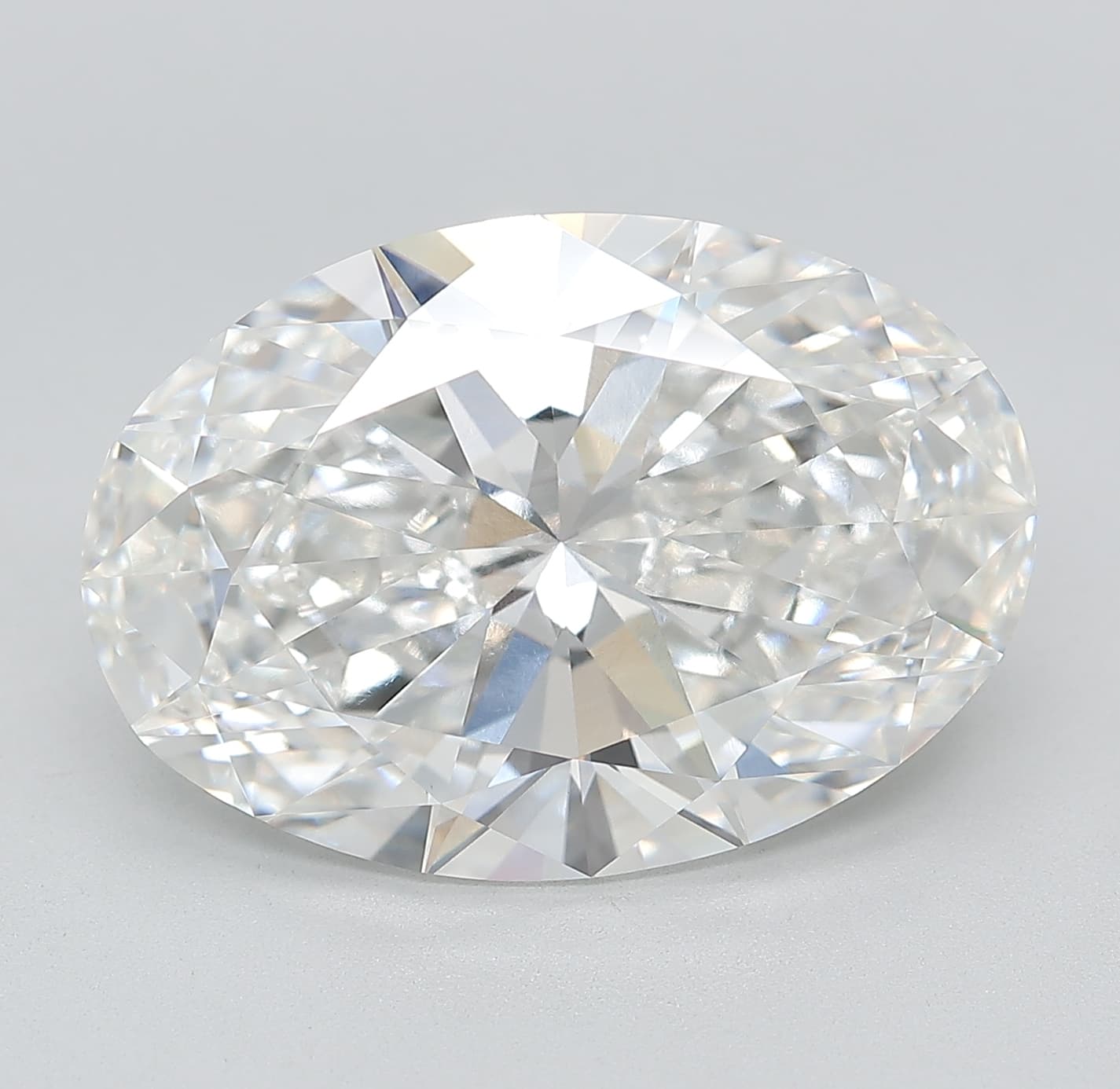
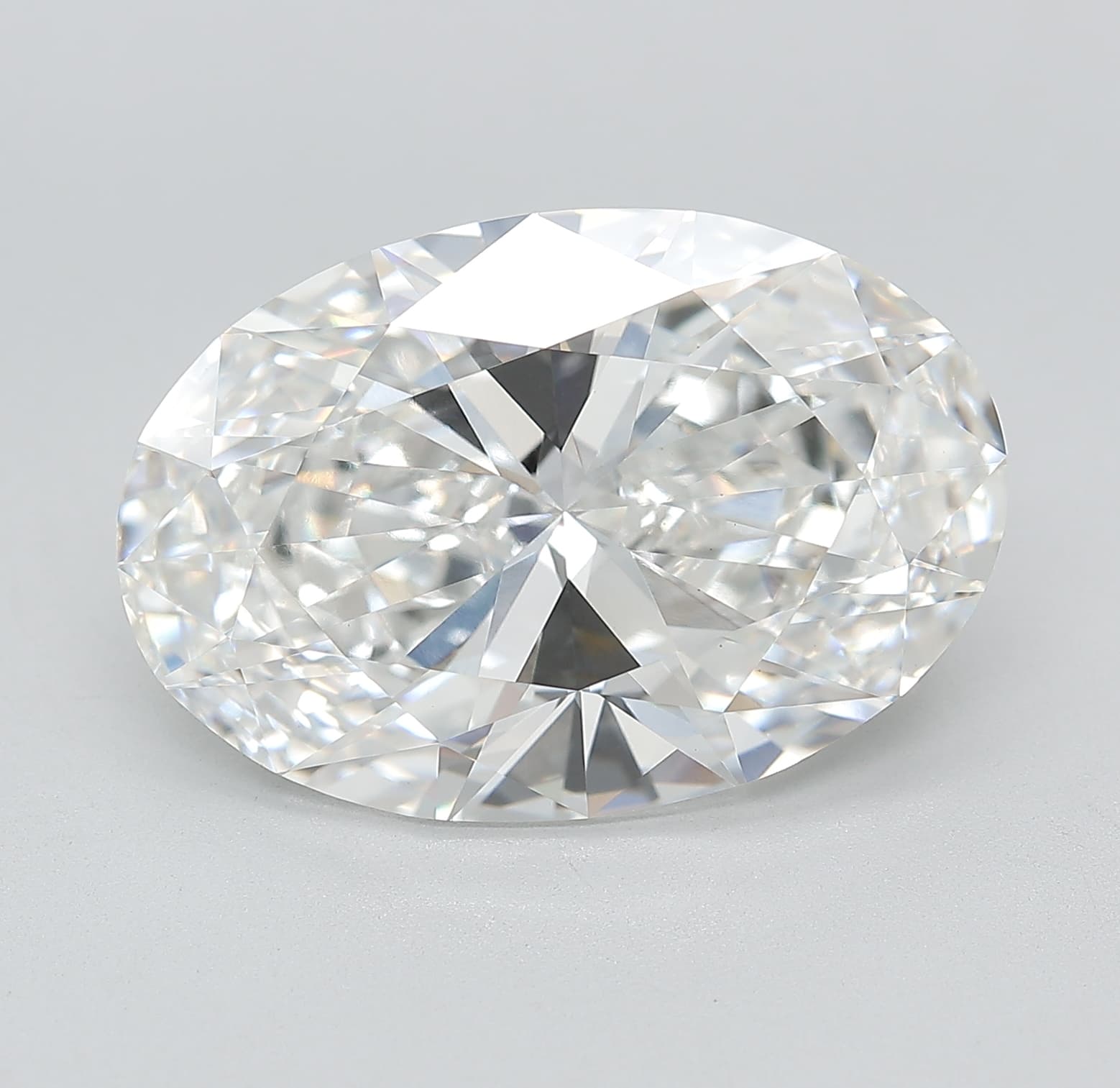
| Oval (about 1.45) | 15.7 × 10.8 mm | 16.4 × 11.3 mm | 17.7 × 12.2 mm | 18.8 × 13.0 mm |
| Pear (about 1.60) | 17.0 × 10.6 mm | 17.8 × 11.1 mm | 19.2 × 12.0 mm | 20.4 × 12.7 mm |
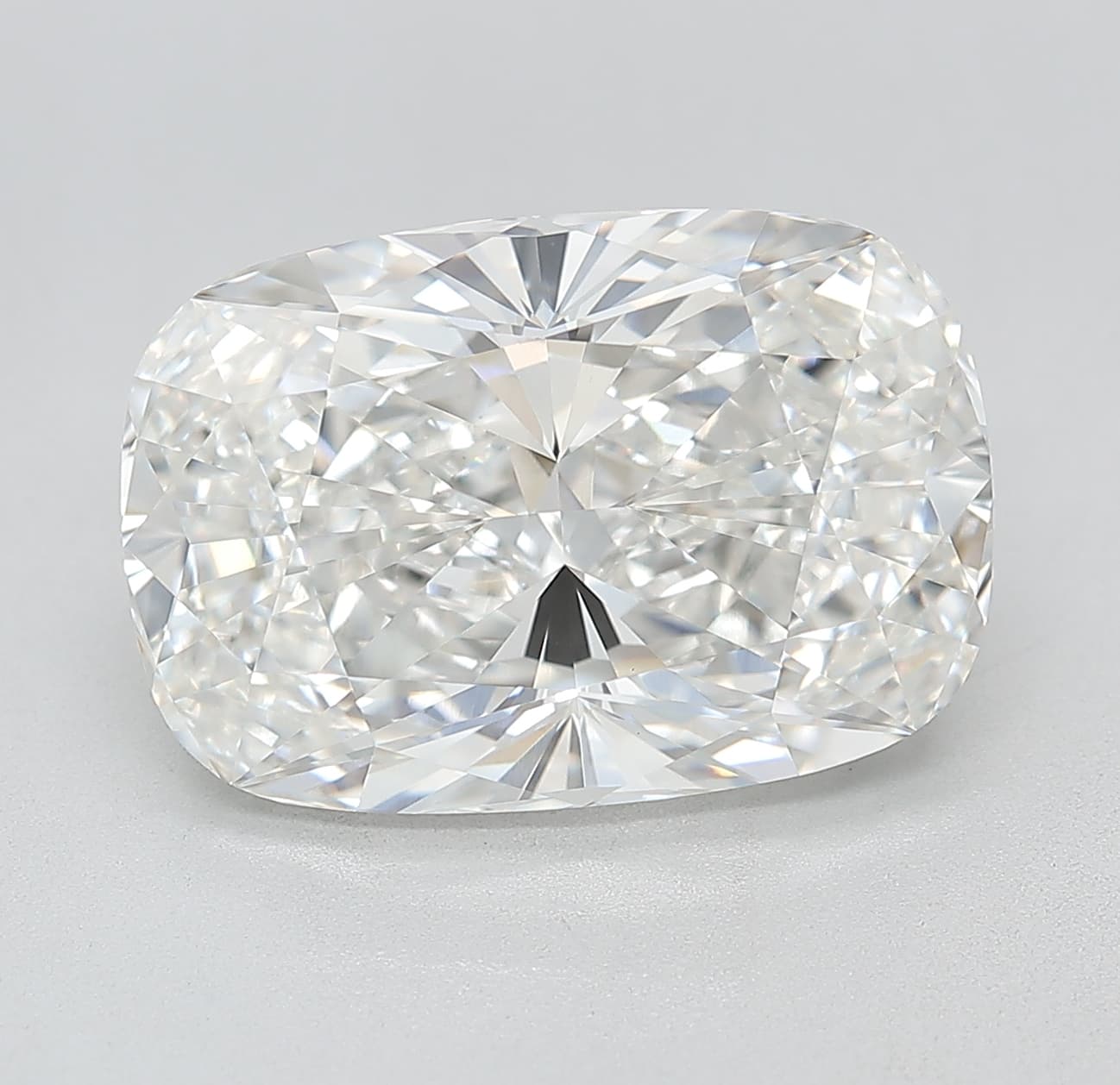
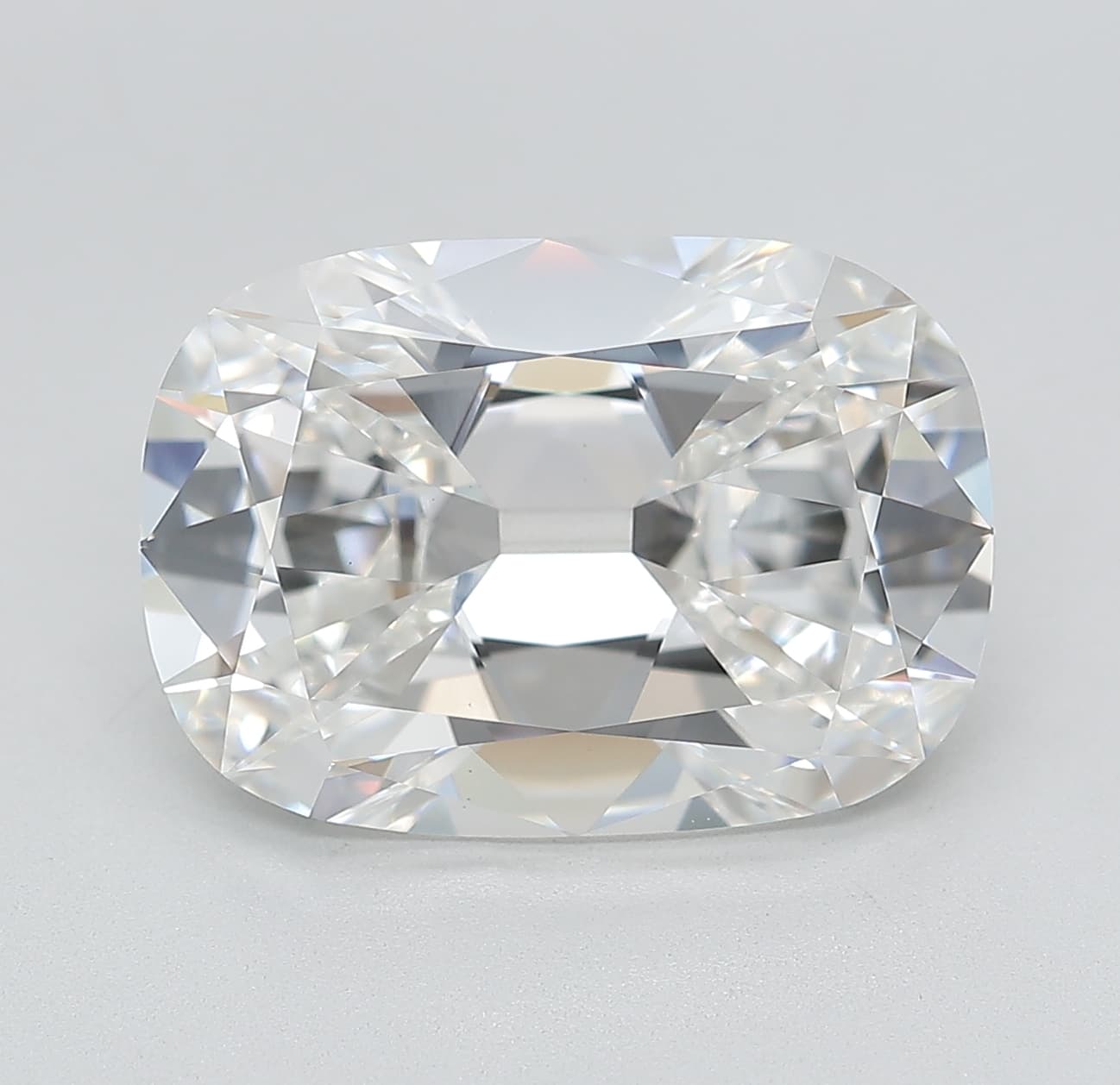
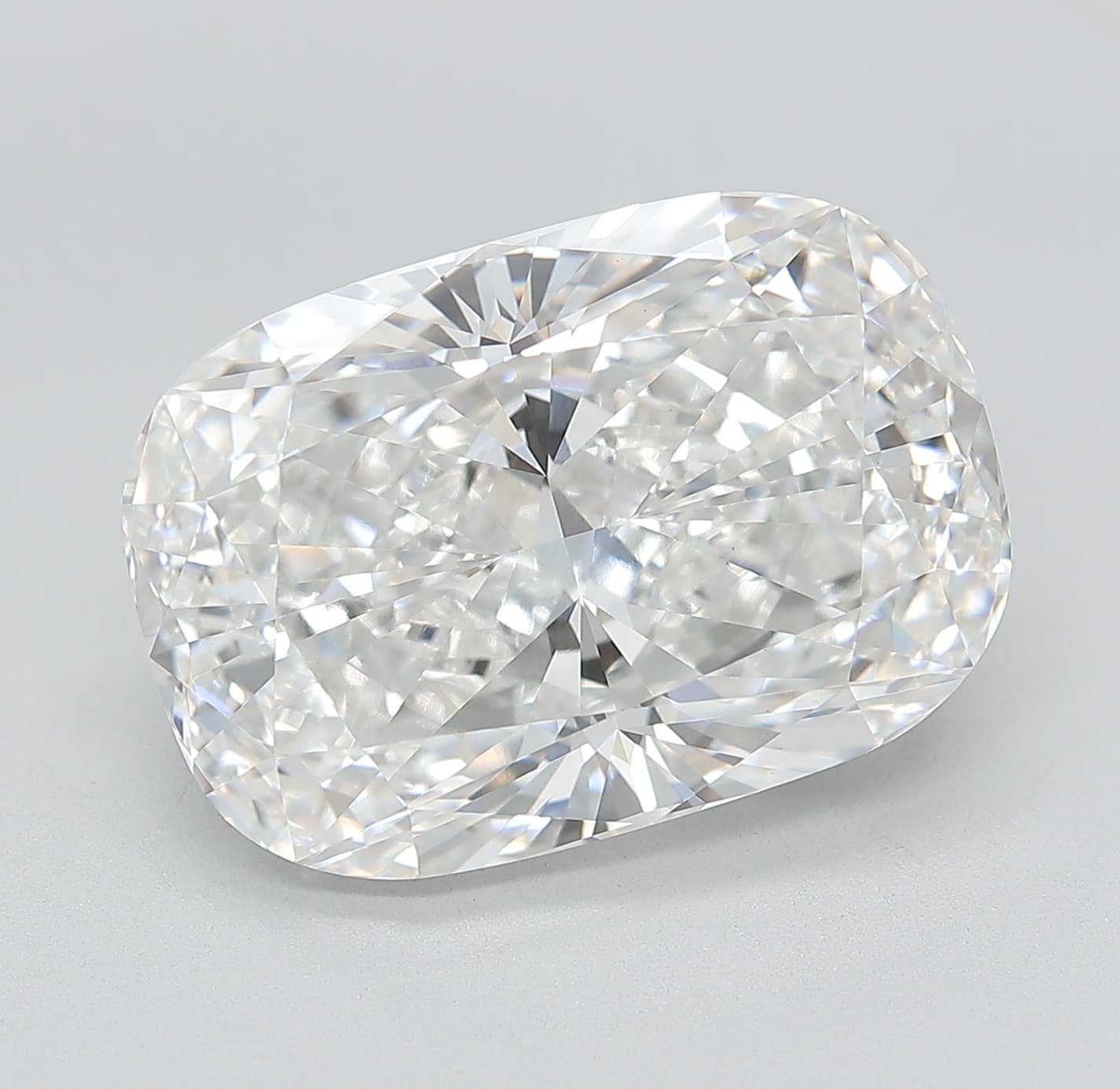
| Cushion, elongated (about 1.40) | 14.0 × 10.0 mm | 14.6 × 10.4 mm | 15.7 × 11.2 mm | 16.7 × 11.9 mm |
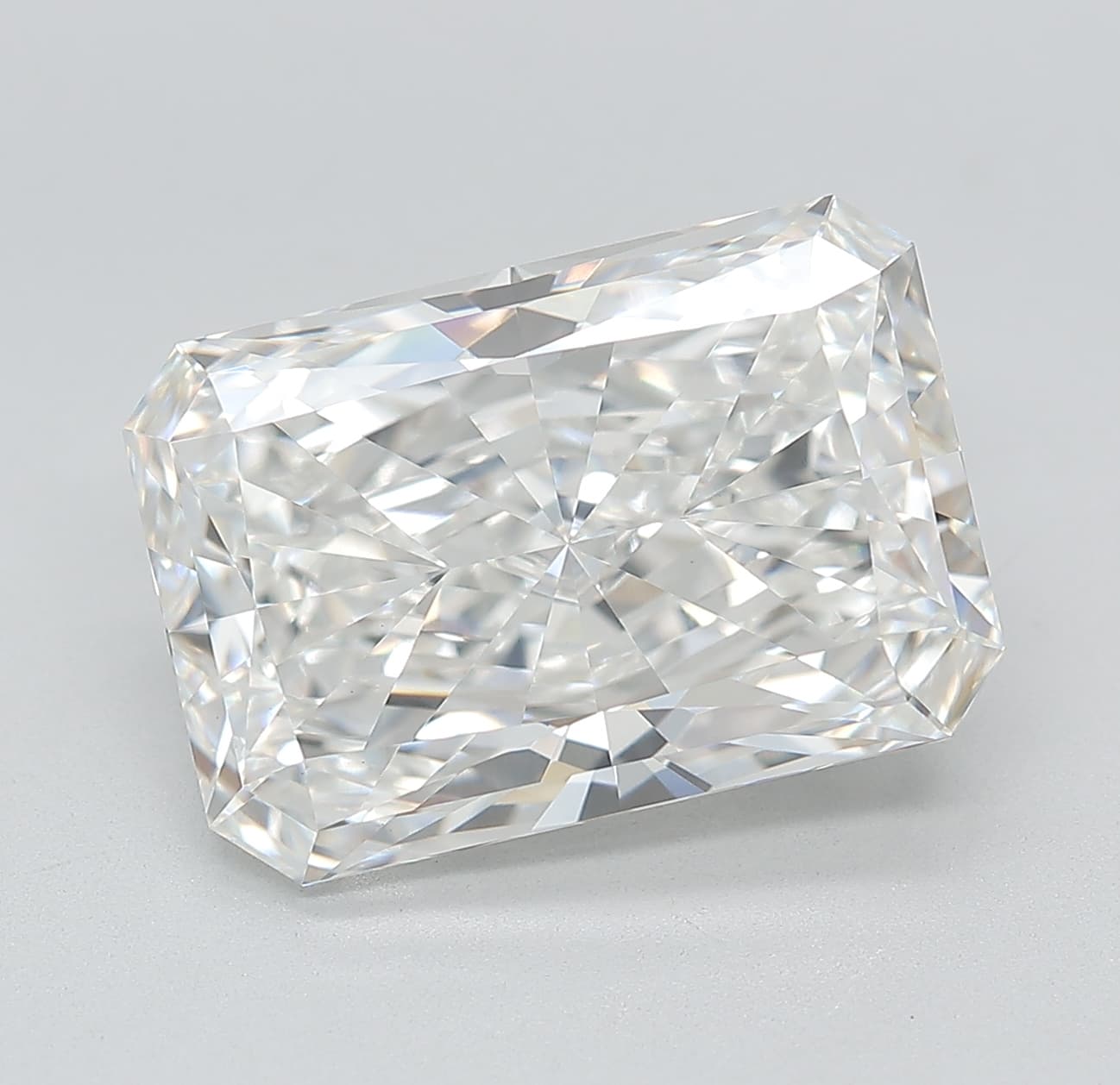
| Radiant, rectangular (about 1.45) | 13.9 × 9.6 mm | 14.6 × 10.0 mm | 15.7 × 10.8 mm | 16.7 × 11.5 mm |
| Emerald (about 1.45) | 13.3 × 9.2 mm | 13.9 × 9.6 mm | 15.0 × 10.3 mm | 15.9 × 11.0 mm |
On a US size 6 finger, with an inner ring diameter of about 16.5 mm, a 7 carat round covers about three-quarters of the finger’s width and a 10 carat round more than four-fifths. A 7 carat stone weighs 1.4 grams and a 10 carat stone 2 grams, so the stone is light; its presence comes from its size and height. A simple test before you choose: draw the outline at full size on paper, cut it out and hold it on your hand.
Browse 7 carat, 8 carat and 10 carat and above lab-grown diamonds to see real measurements.
Before you choose, draw the stone’s outline at full size on paper, cut it out and hold it on your hand.
Shape first: what reads best at this scale
At 7 carats and above, the shape defines the ring more than any grade does:
- Emerald and asscher: step cuts show broad, mirror-like flashes and a clear view into the stone. At large sizes they look architectural and calm, but they show color and inclusions readily.
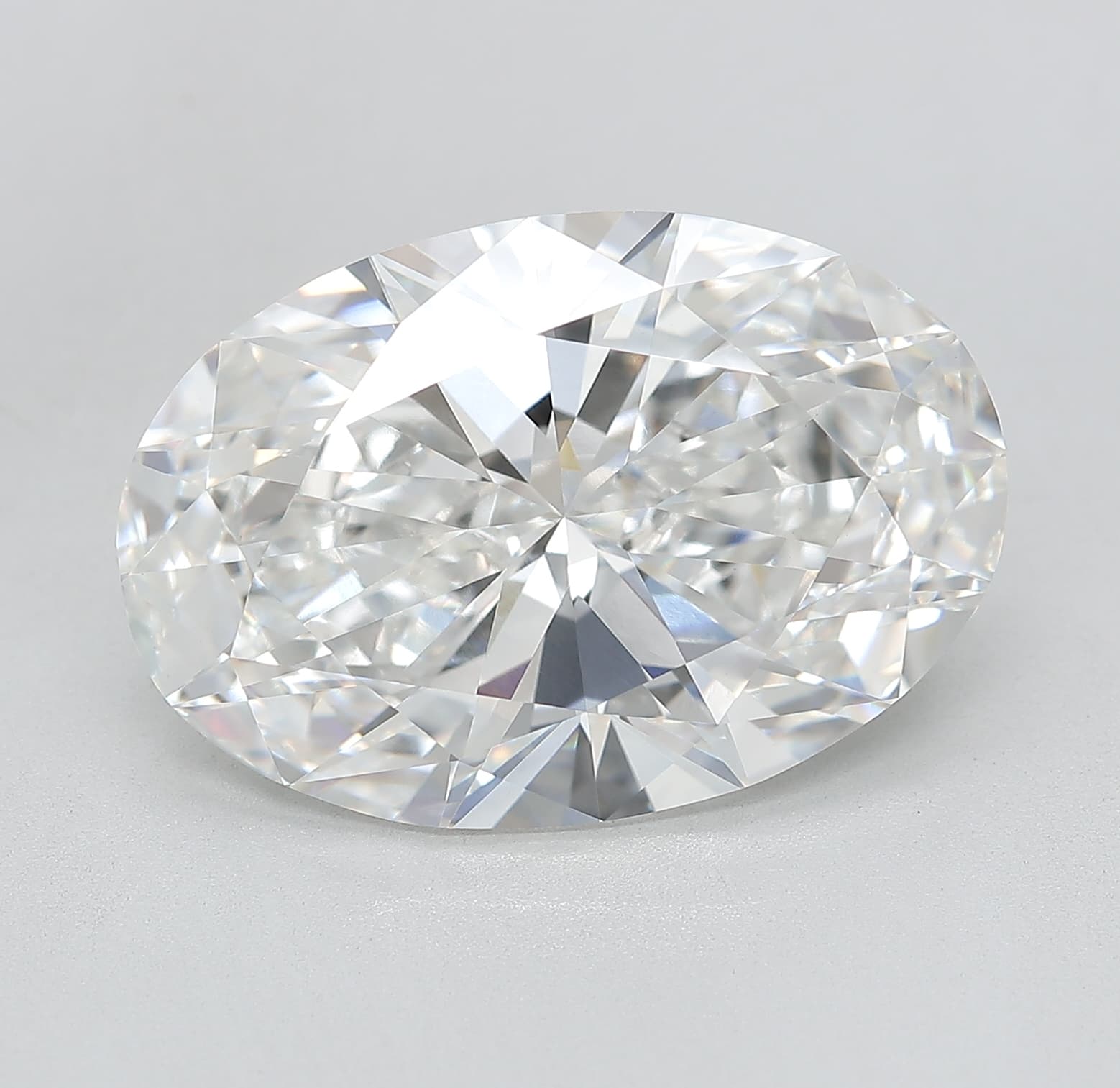
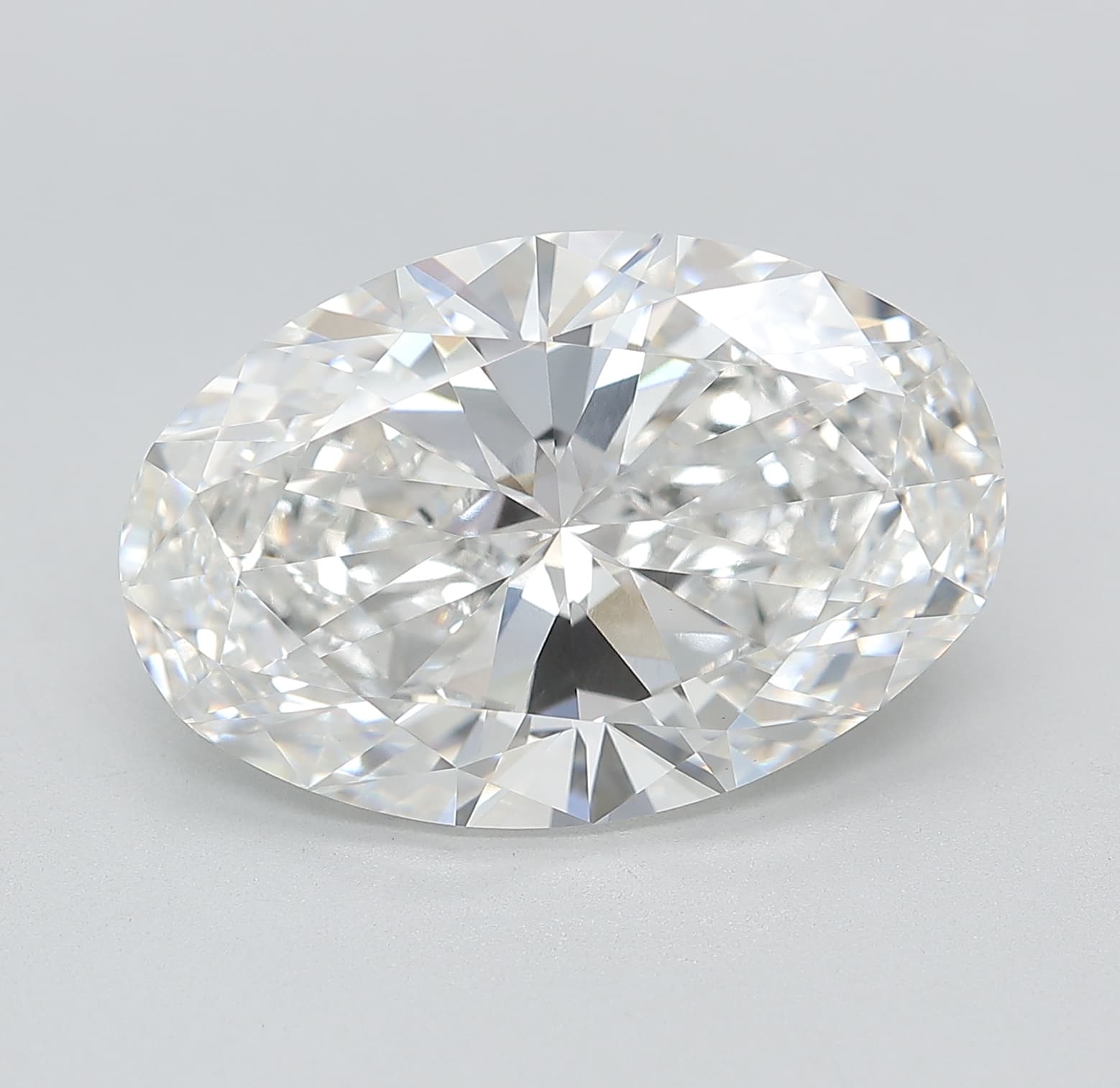
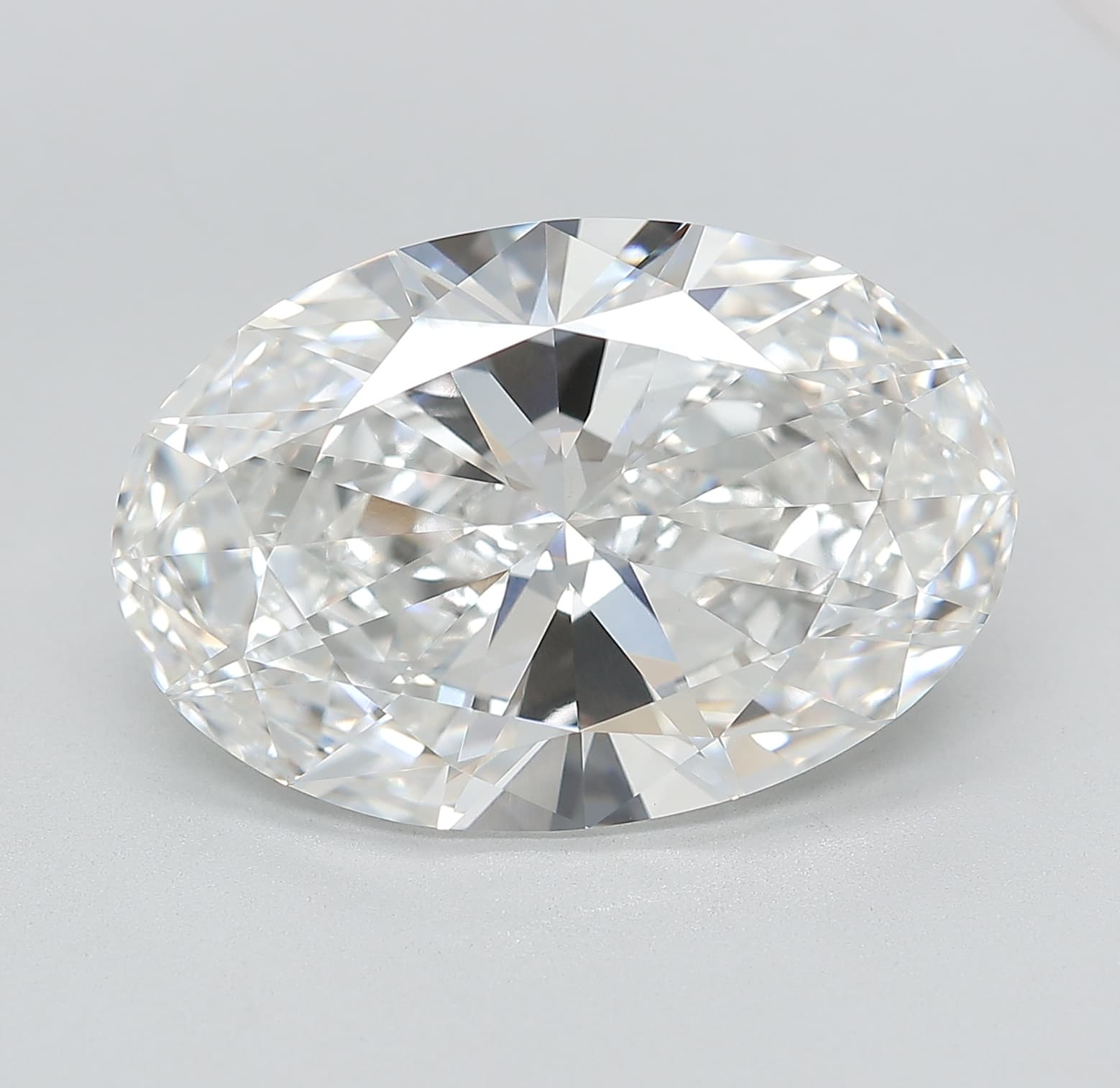
- Oval, radiant and cushion: brilliant faceting gives lively sparkle and hides small inclusions well. Ovals look large for their weight; cushions and radiants have no sharp points to protect.
- Round: the classic, with the most even sparkle and more width across the finger than most elongated shapes of the same weight.
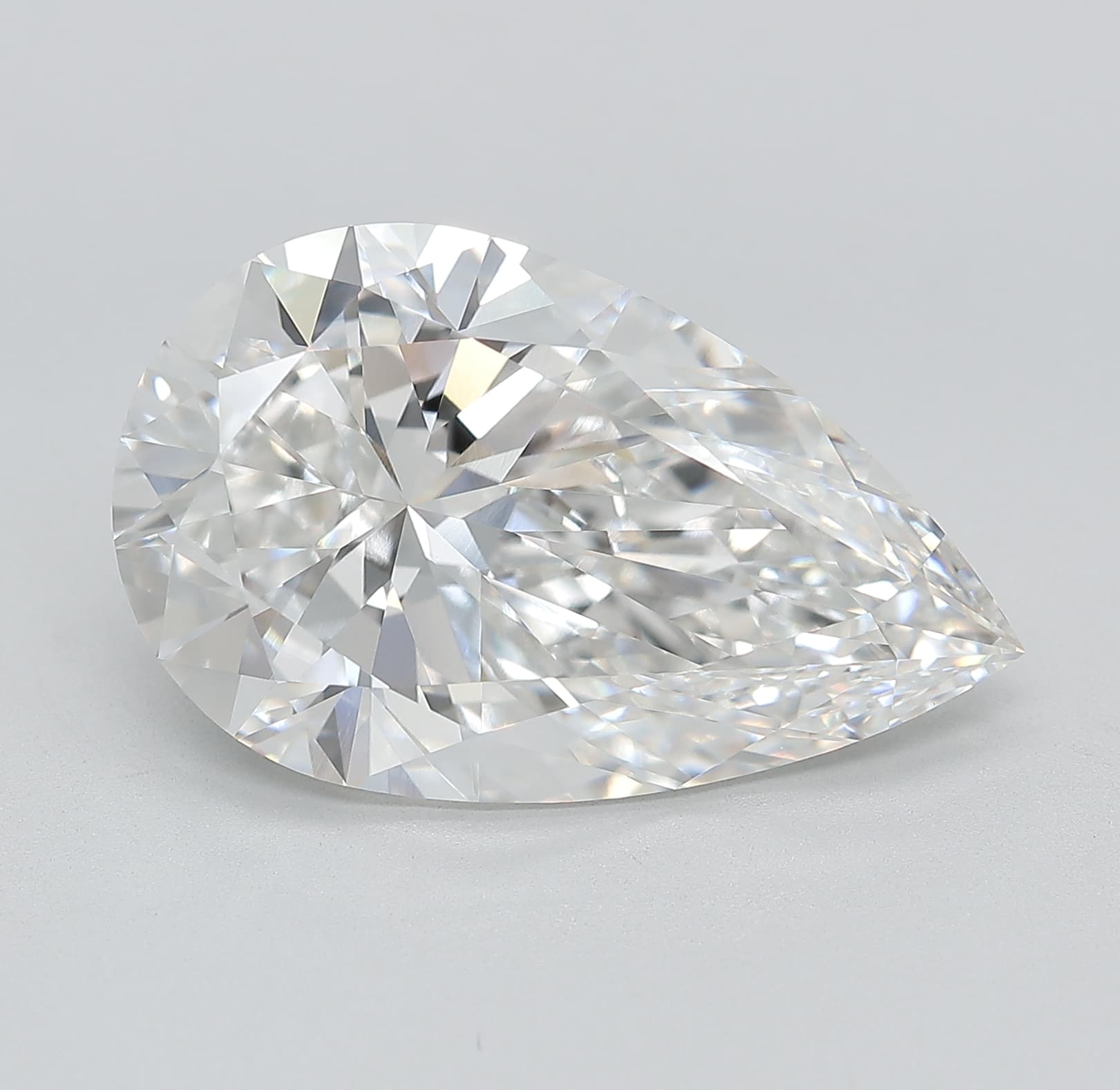
- Pear and marquise: dramatic and long. At these weights a pear can be 17 mm or more, so try the paper outline to see where it sits relative to your knuckle.
Fancy colors also work beautifully at this scale, and color tends to look stronger in a large stone; see pink lab-grown diamonds.
- Typical L/W1.30–1.50
- Typical L/W1.00–1.05
- Typical L/W1.30–1.50
- Typical L/W1.00–1.05 square1.20–1.40 rectangular
- Typical L/W1.00–1.05 square1.10–1.30 elongated
- Typical L/WAbout 1.00
- Typical L/W1.45–1.75
- Typical L/W1.75–2.25
Proportions and outline at large sizes
Everything about the cut is magnified. Things that pass unnoticed at 1 carat become visible features at 10:
- Outline symmetry: uneven shoulders, a pear point off-center or one end of an oval fuller than the other.
- Bow-tie and windowing: a dark band across an oval, or a washed-out, see-through center in a stone cut too shallow.
- Fish-eye: in a very shallow stone, a reflection of the girdle can appear as a gray ring inside the table.
- Hidden weight: a thick girdle or deep pavilion adds carats, not face-up size.
Polish and symmetry of Excellent, or Very Good at minimum, are sensible floors, and the video matters more than ever. Our diamond cut guide explains the proportions behind each of these.
Color and clarity at 7 carats and above
Light travels a long way through a stone this size, so body color is easier to see:
- White stones: many buyers choose D to F in platinum or white gold. In yellow or rose gold, G can still look white. Check for tinge, which the color grade does not capture.
- Brilliant shapes: VS1 or above is a common clarity floor, confirmed on video.
- Step cuts: the open facets make inclusions easier to see, so many buyers choose VVS2 or above.
In every case, the test is whether the stone looks eye-clean at normal viewing distance, from the top and from the side.
Report, growth method and treatment
Every single stone of this size we list has an IGI or GIA grading report (mix parcels are sold by the parcel, without individual reports). At this size it is worth going through it line by line:
- Verify the report on the lab’s website using its number; see IGI and GIA.
- Match the measurements on the IGI report with the stone page.
- Read the comments on an IGI report, or a GIA report for a fancy color: the growth process (CVD or HPHT) and what the lab found about post-growth treatment.
- Check the inscription: the report number is usually laser-inscribed on the girdle, which you or a jeweler can confirm under magnification.
GIA's Laboratory-Grown Diamond Quality Assessment, issued since October 1, 2025 for colorless to near-colorless stones, gives only Premium or Standard, with no measurements in millimeters, growth method, treatment statement or comments. The diamond certificates guide explains each section of the report.
- 1. Report numberThe number you verify on the lab’s own website, and the one laser-inscribed on the girdle.
- 2. DescriptionStates that the stone is laboratory-grown.
- 3. Shape, measurements and weightShape and cutting style, length, width and depth in millimeters, and carat weight to two decimals.
- 4. GradesColor, clarity, cut (round brilliants), polish, symmetry and fluorescence. Since October 2025, GIA’s assessment of colorless to near-colorless lab-grown stones gives only Premium or Standard instead of these grades.
- 5. CommentsThe growth method (CVD or HPHT), the diamond type and whether there is any indication of treatment. GIA’s assessment since October 2025 has no such comments.
- 6. Proportions diagramTable and depth percentages, crown and pavilion angles, girdle and culet.
- 7. Clarity plotOn reports that include one, a map of where the main inclusions sit.
Settings, wear and care
A large stone sits high and takes knocks first, so the setting does important work:
- Prongs: six prongs or four double-claw prongs are common for large rounds; V-prongs protect pear and marquise points. Heavier prongs are worth the small loss of visible stone.
- Bezel or half-bezel: a metal rim protects the edge and suits everyday wear.
- Profile: a lower setting snags less; a taller one gives a dramatic look on special occasions.
- Band: a slightly wider or heavier band helps keep a large stone upright on the finger.
- Beyond rings: a large stone also makes a striking pendant, where it is protected from most knocks.
Have the prongs checked periodically, keep the report somewhere safe, and if you insure the piece, your insurer may ask for the report and a current appraisal.
Seeing and buying a stone this size
Every single stone page shows the report, measurements and a photo and 360° view where available (mix parcels are sold by the parcel, without individual reports). When one stands out, you can buy it online through the cart: at checkout we re-check its availability and price live and hold it for you for 15 minutes while you pay, and nothing is charged until a diamond specialist confirms the order. Approved trade accounts can hold a stone or ask for it on memo.
The suggestions below show live lab-grown diamonds over 7 carats and over 10 carats. A diamond specialist can go through the report and video of any of them with you, or ask about a viewing where one can be arranged.
Frequently asked questions
How big is a 7 carat diamond?
A well-cut 7 carat round brilliant is about 12.3 mm across. A 7 carat oval at a ratio of about 1.45 is roughly 15.7 × 10.8 mm, and a 7 carat emerald cut about 13.3 × 9.2 mm. Check the measurements on the grading report of the stone itself.
How big is a 10 carat diamond on the hand?
A well-cut 10 carat round is about 13.9 mm across, which covers more than four-fifths of the width of a US size 6 finger. A 10 carat oval is roughly 17.7 × 12.2 mm and runs a long way along the finger.
What is the best shape for a diamond over 7 carats?
It depends on the look you want. Emerald and asscher cuts look calm and architectural but show color and inclusions readily; ovals, radiants and cushions sparkle and hide small inclusions well; rounds give the most even sparkle. Try a full-size paper outline on your hand before you choose.
Is a 10 carat lab-grown diamond too heavy to wear?
The stone itself weighs only 2 grams. What you notice is its size and height, so a sturdy, well-balanced setting with a slightly heavier band makes it comfortable and keeps it upright on the finger.
Glossary terms in this article
More on Color & Carat in the journal.