Shapes & Cuts
Round vs Princess Cut Diamond: Which Suits You Better?
By the Vanora Diamond team
Published Last reviewed 5 min read

Quick answer
A round diamond gives the most even sparkle, the most face-up size for its weight and no corners to protect, while a princess cut gives a crisp, modern square with bright, sharp flashes. The princess’s pointed corners need protecting in the setting, and it tends to face up a little smaller per carat when measured edge to edge. Choose the round for classic brilliance and easy wear, the princess for clean, geometric lines.
A circle and a square
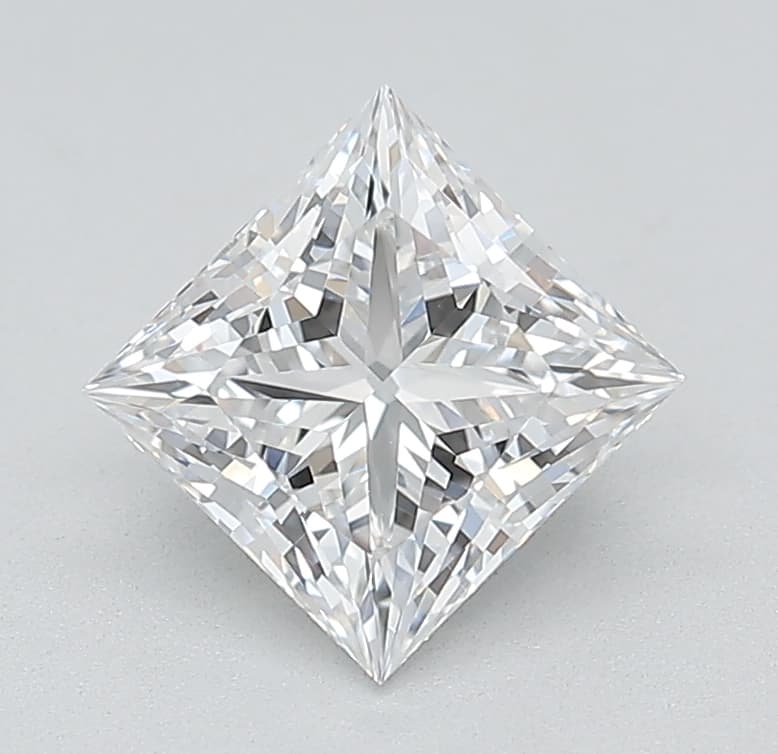
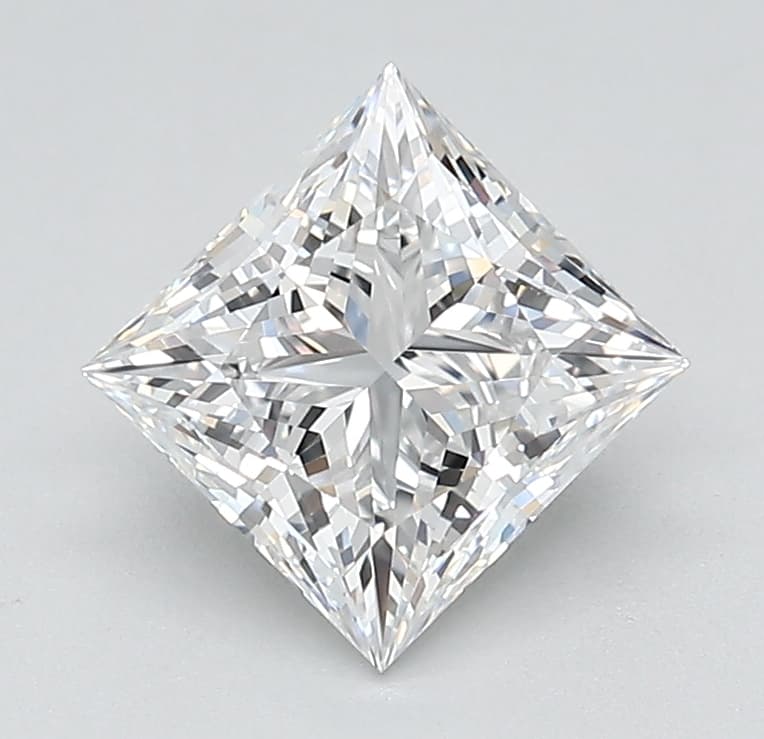
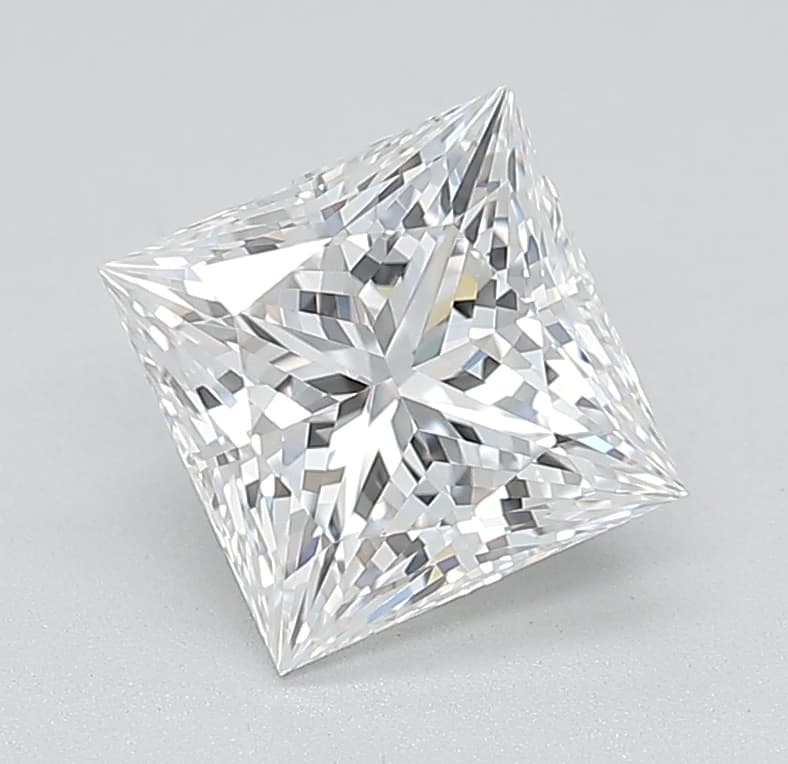
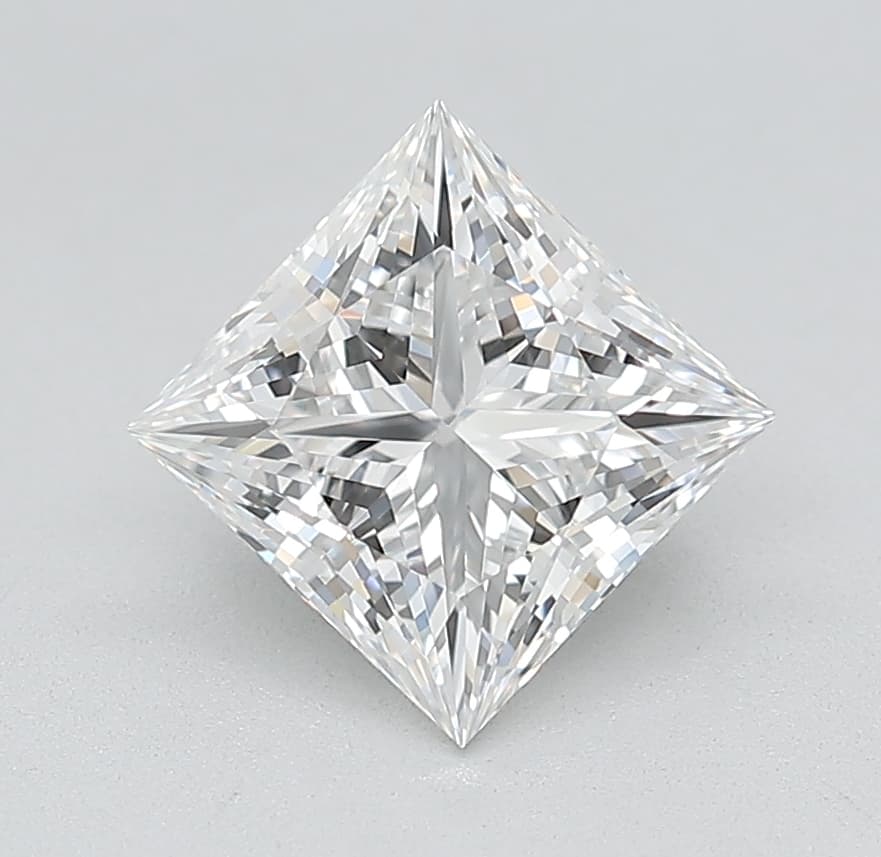
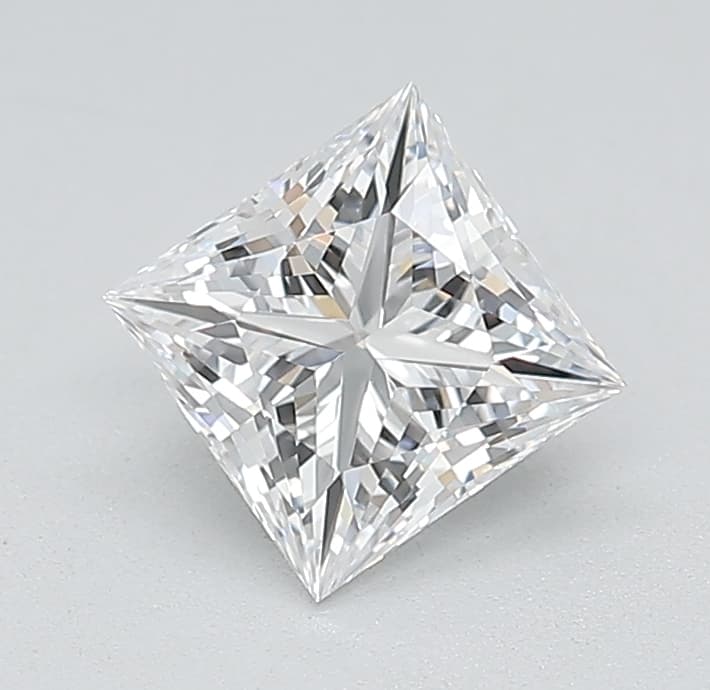
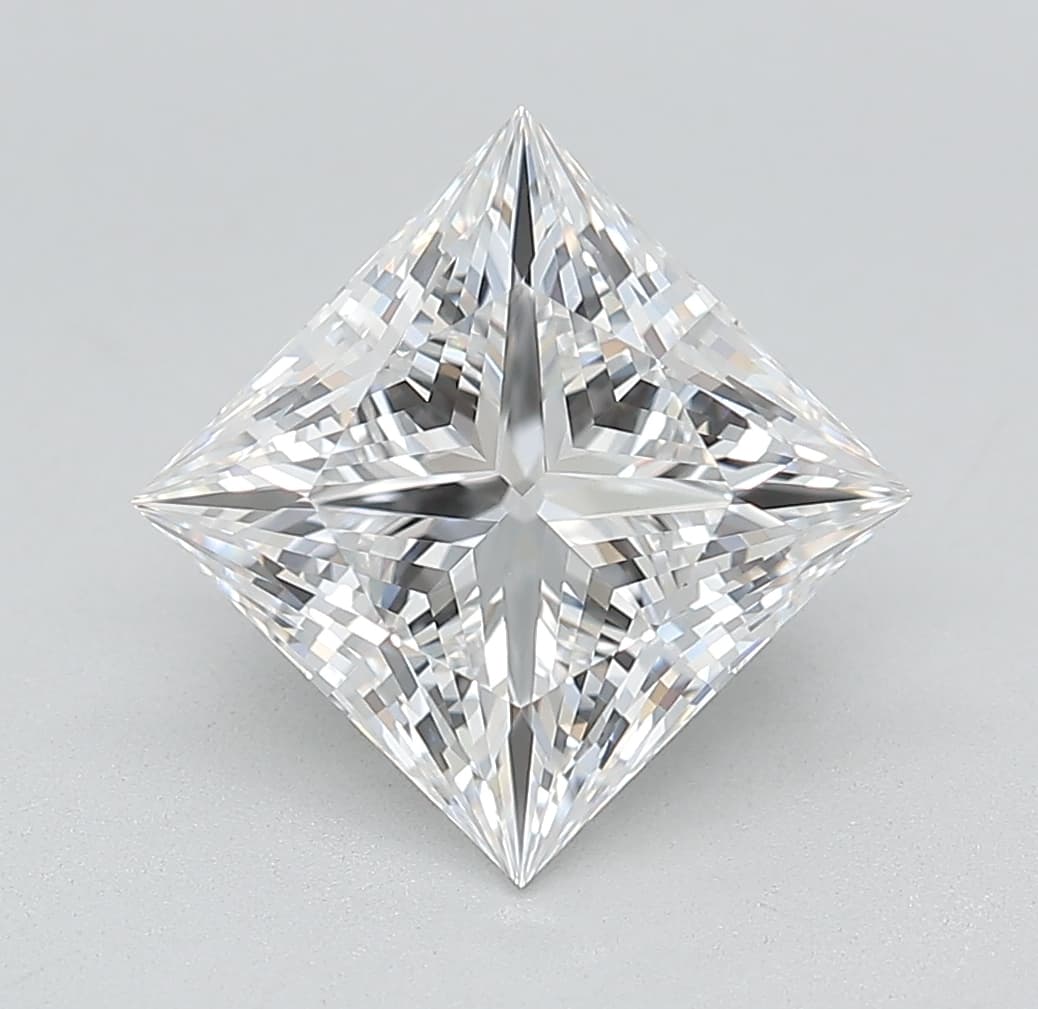
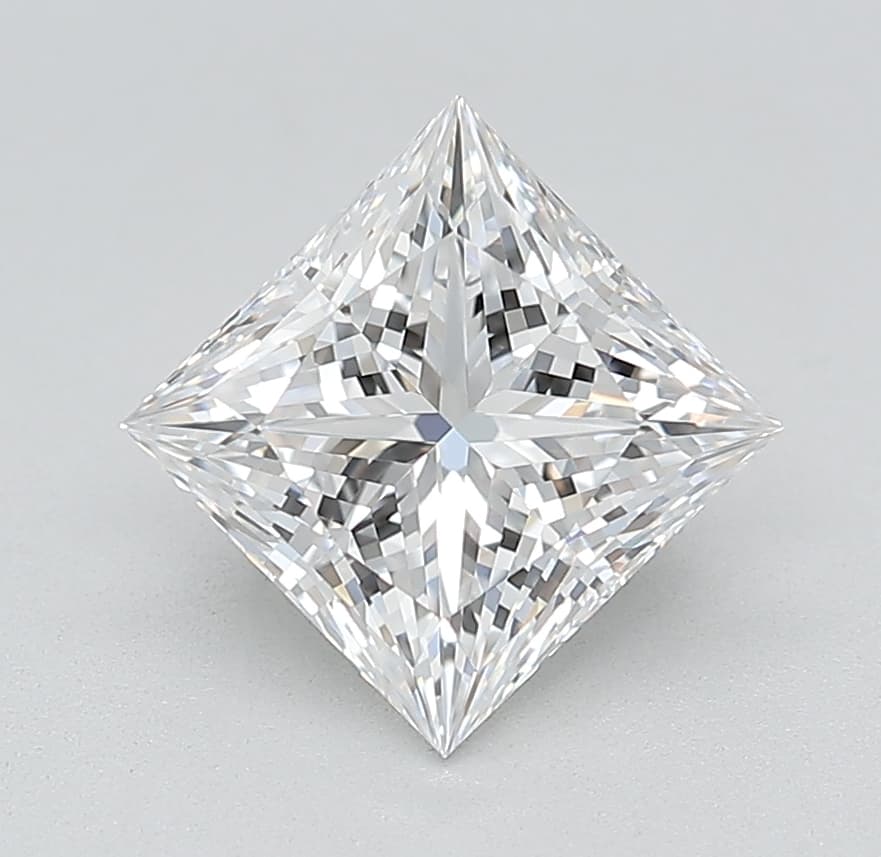
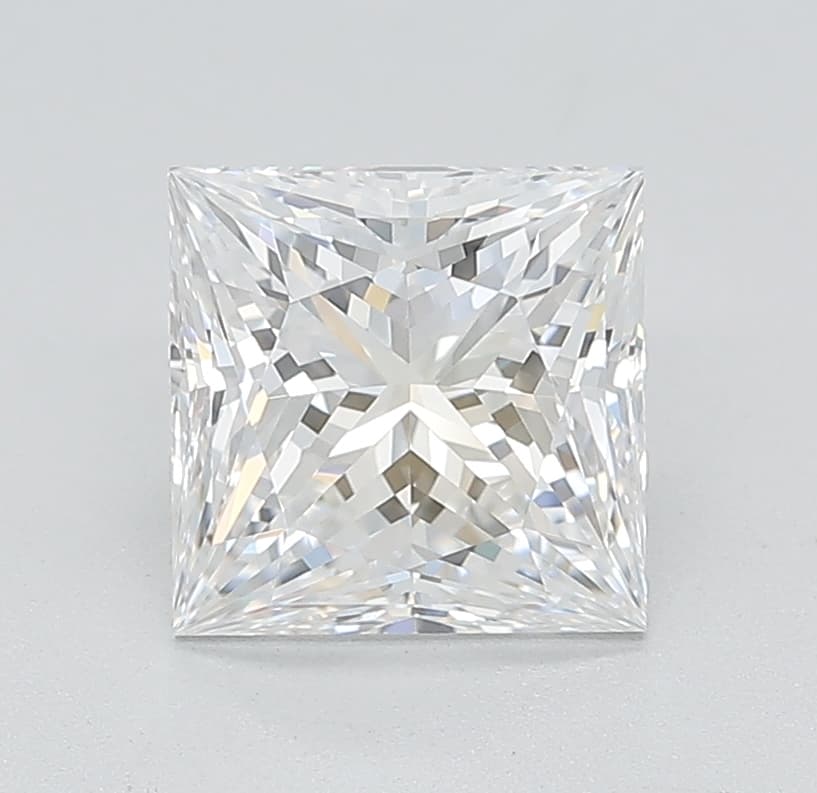
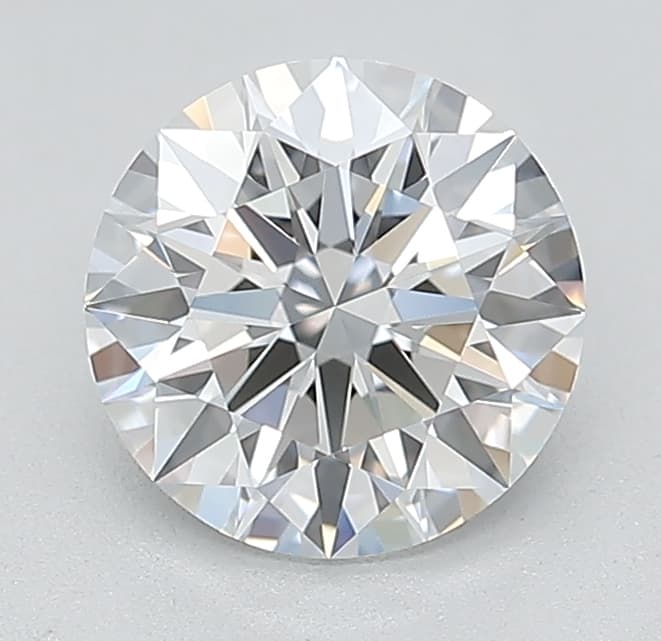
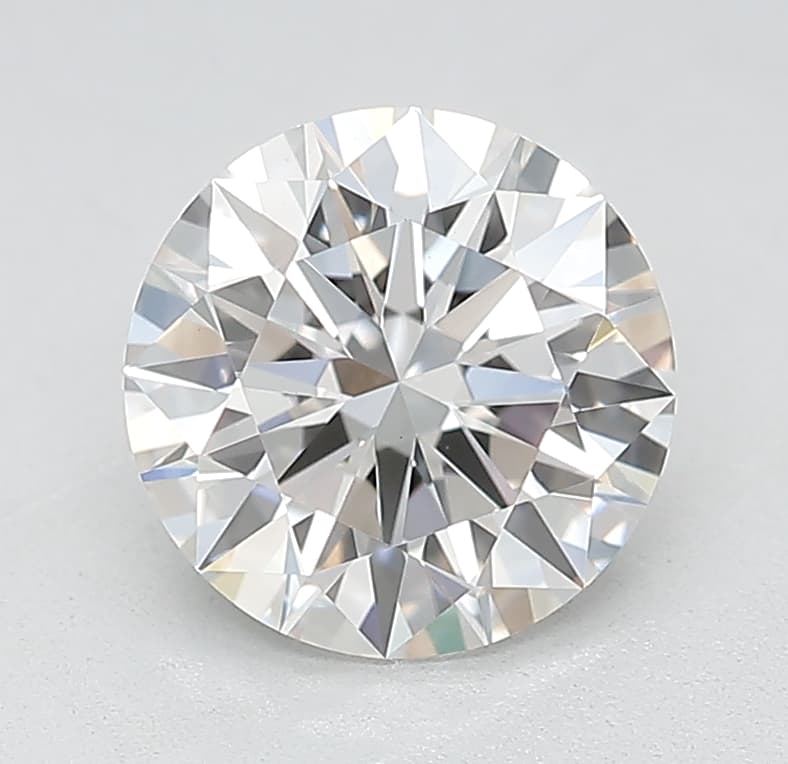
A round brilliant is a circle, faceted with triangles and kites that radiate from the center. A princess cut is a square, or very nearly square, with sharp corners. Its outline has the straight sides of a step cut, but its facets are brilliant-style, arranged to sparkle rather than to show the long, mirror-like flashes of an emerald or asscher.
That makes the princess a square brilliant. It sits between two families: it shares the round's sparkle and the step cut's geometry.
The two cuts also come from different eras. The proportions of the modern round brilliant were worked out in the early twentieth century and refined ever since, which is why it is so well understood. The princess is much newer, developed in the second half of the twentieth century as a square alternative that keeps a brilliant's sparkle. Our post on brilliant vs step cuts explains the two facet styles, and princess vs asscher compares the princess with its step-cut square cousin.
- Typical L/WAbout 1.00
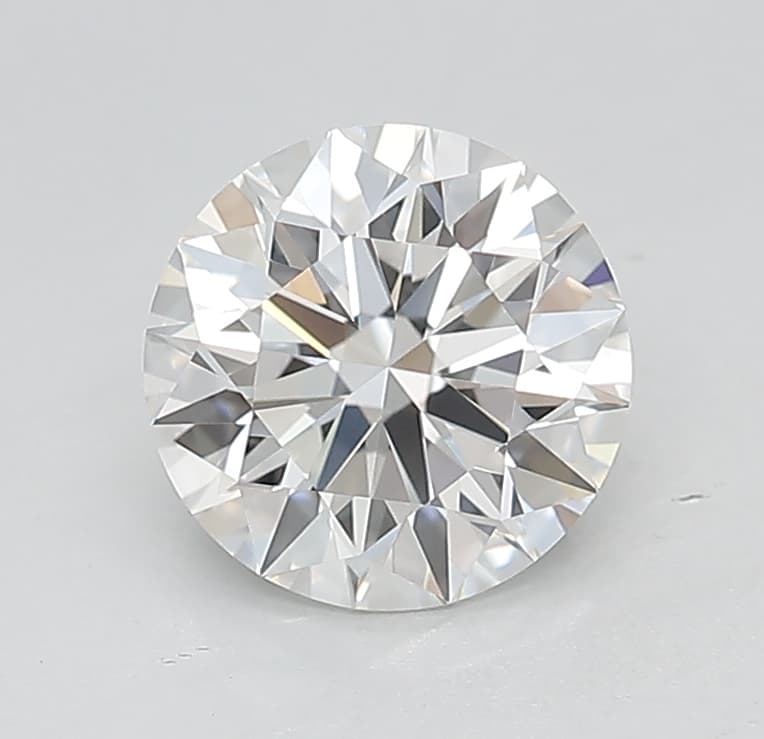
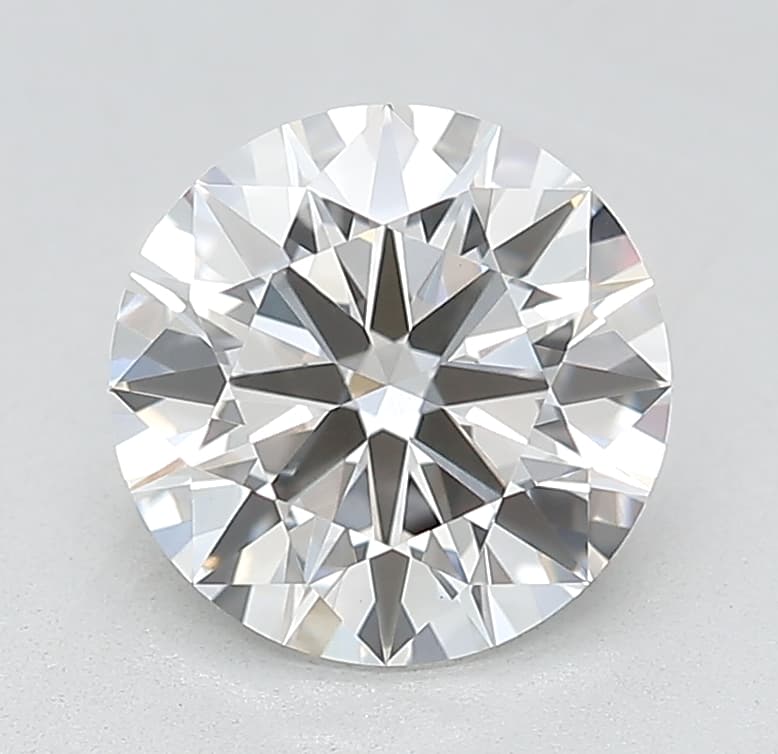
- Typical L/W1.00–1.05
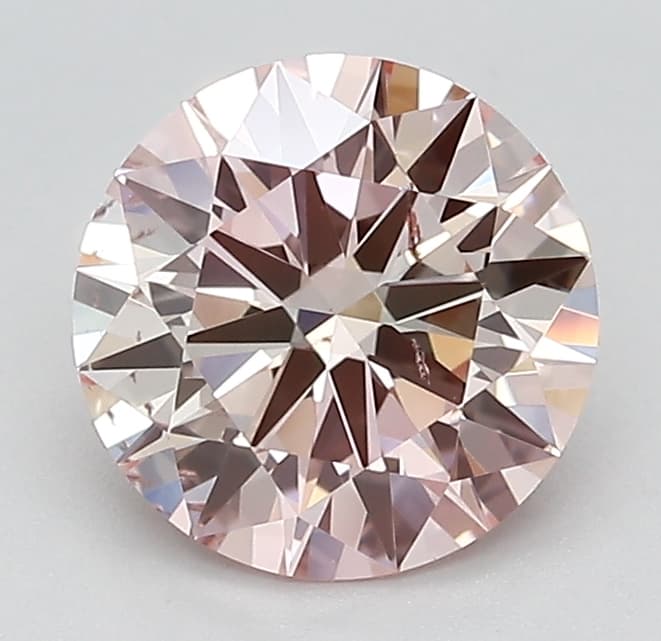
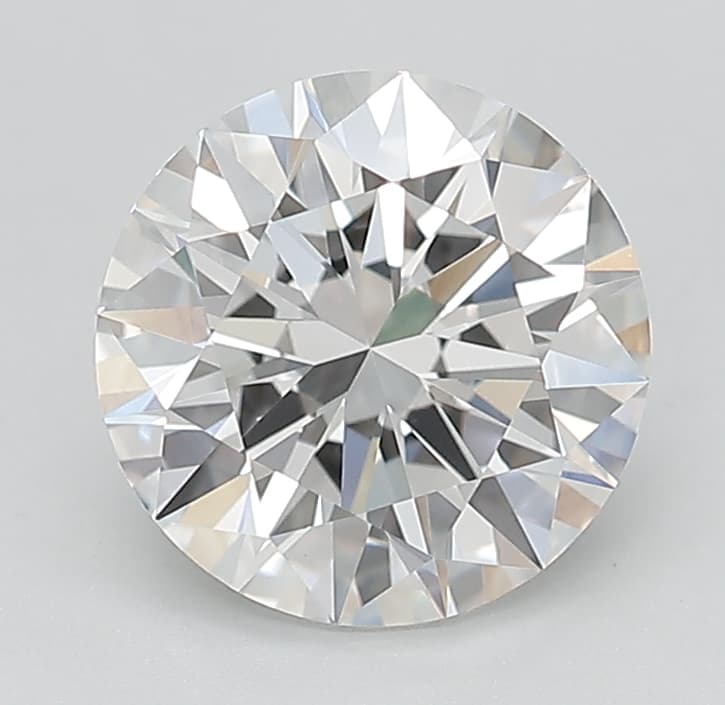
- Typical L/W1.00–1.05
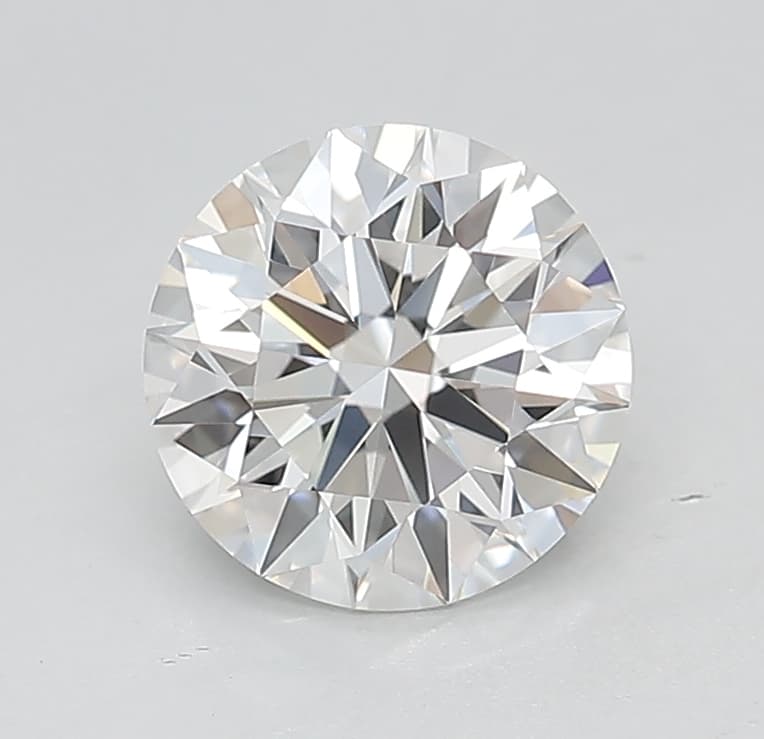
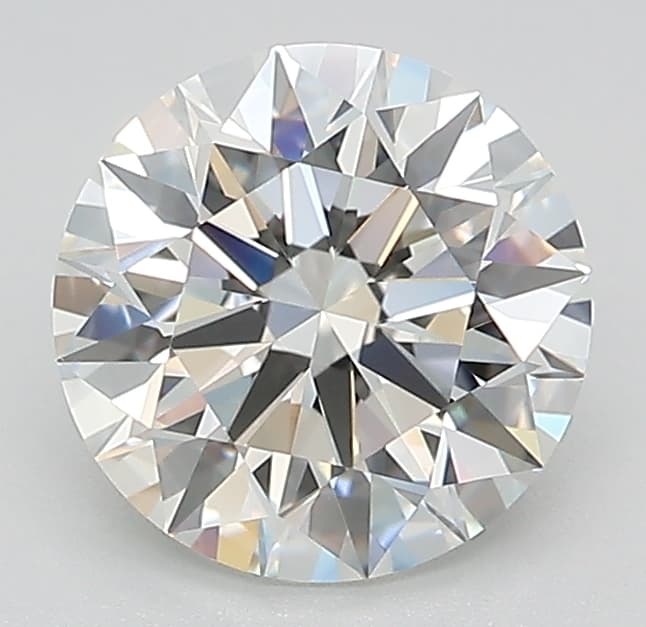
- Typical L/W1.00–1.05 square1.20–1.40 rectangular
Sparkle: two kinds of brilliance
A round brilliant returns light most evenly, because every facet sits at the same angle around the stone. Rounds are the shape labs have graded for cut the longest, so you can lean on the grade: Ideal on IGI (its top grade, used for rounds only), or Excellent on a GIA report issued before October 2025, with Excellent polish and symmetry, is a dependable choice. GIA’s assessment for laboratory-grown diamonds, issued since October 2025, gives only Premium or Standard. Our post on ideal vs excellent cut covers the top grades.
A princess sparkles too, often with a crisp, bright look and a cross-like pattern of flashes that follows its square outline. IGI has graded the cut of fancy shapes, from Excellent to Poor, since September 2022; GIA does not. So a princess may or may not carry a cut grade, and its proportions and its video tell you how well it performs either way. A princess that is very deep can look dark in the center; one that is too shallow can look glassy. The video shows both.
Corners: the princess’s weak point
Sharp corners are the most exposed part of any diamond. Diamond is very hard, so it resists scratching, but a hard knock on a thin corner can chip it. That is why a princess is almost always set with V-prongs or prongs that cover each corner, or in a bezel, rather than with plain claws placed along its sides.
Two things on the report help. The girdle line tells you whether the edge is very thin anywhere; a very thin girdle at a corner is worth avoiding in a ring. And the polish and symmetry grades show how carefully the stone was finished. Our posts on girdle and culet and four or six prongs go further.
A round has no corners at all, which is one reason it is so easy to wear every day.
Face-up size and depth
Princess cuts are usually cut deeper than rounds, so as a rule of thumb a princess faces up a little smaller than a round of the same weight when you measure it edge to edge. Corner to corner, though, a square is longer than its side, so a princess can look bold and full on the hand, especially in a setting that shows its corners.
Because depth varies from stone to stone, compare the measurements on the reports rather than the carat weight. Our post on diamond spread explains why two stones of the same weight can look different sizes.
Choosing a well-cut princess
A round's cut grade does much of the choosing for you. A princess may have an IGI cut grade or none at all, so make these checks either way:
- Depth and table. Princess cuts are deeper than rounds by design, but a stone far outside the common ranges for princesses can look dark or glassy. Our post on table and depth percentage lists the guidelines for each shape.
- Squareness. A length-to-width ratio of about 1.00 to 1.05 looks square; above that, the stone starts to look slightly rectangular.
- Corners and girdle. Avoid very thin girdles at the corners, and check the photos for any visible nicks.
- Polish and symmetry. Excellent or Very Good on the report shows careful finishing and even facets.
- The video. Look for bright flashes spread across the whole face, without a dark center or a dull cross.
Our stone pages list all of these together, and the compare page lets you put up to four stones side by side.
Settings and style
A round suits every kind of setting, from a simple solitaire to a halo, three-stone or vintage design, and there is no orientation to think about.
A princess has a clean, modern look. Its straight sides sit neatly against a straight wedding band and next to other square or rectangular stones, which makes it a good fit for channel-set bands and geometric designs. It can be set square, with sides parallel to the band, or turned to a diamond orientation with a corner pointing along the finger.
Turned on its corner, a princess looks wider across the finger, because its diagonal is longer than its side. Set square, it looks crisp and architectural. Both are good choices; the only practical difference is that a corner pointing along the finger is a little more exposed, so its prong should cover it well. Our post on four or six prongs covers prong styles for pointed shapes.
How to decide
A few questions usually settle it:
- Do you want maximum sparkle with the least to check? A round with a top cut grade.
- Do you love straight lines and a modern feel? A princess, with protected corners.
- Is size per carat your priority? A round, or compare both by millimeters.
- Are you hard on your hands? A round has no corners; a princess needs V-prongs.
Browse princess and round lab-grown diamonds, add a few to the compare page, and ask our diamond specialists if you would like a second opinion on a video.
| Compared | Round | Princess |
|---|---|---|
| Outline | Circle | Square with sharp corners |
| Sparkle | The most even light return | Crisp, bright flashes |
| Overall cut grade | Yes, on IGI reports (Ideal to Poor) | Possible on IGI reports (Excellent to Poor); none from GIA |
| Face-up size per carat | The reference | Often a little smaller edge to edge |
| To protect | Nothing in particular | The four corners |
A princess cut should be set so the metal covers or guards each corner, usually with V-prongs. Check the girdle line on the report too: a very thin girdle at a corner is more easily chipped.
Frequently asked questions
Is a princess cut diamond cheaper than a round?
Princess cuts are often priced lower per carat than rounds, but there is no fixed rule. Exact prices depend on the stone, so compare individual diamonds rather than relying on a rule; trade buyers see trade prices once approved.
Does a princess cut look smaller than a round?
Measured edge to edge, a princess often faces up a little smaller than a round of the same weight, because it is usually cut deeper. Corner to corner it is longer, so it can still look full on the hand. Compare the millimeters on each report.
Do princess cut diamonds chip easily?
Their sharp corners are more exposed than a round’s edge, so a hard knock can chip one. A setting with V-prongs or a bezel that covers the corners protects them well, and a girdle that is not very thin at the corners helps too.
Is a princess cut a brilliant cut or a step cut?
It is a brilliant cut with a square outline. Its facets are arranged for sparkle, like a round’s, while its straight sides and corners give it the geometric outline more often associated with step cuts such as the asscher.
Glossary terms in this article
More on Shapes & Cuts in the journal.