Grading, Explained
Girdle and Culet: The Two Report Lines Most Buyers Skip
By the Vanora Diamond team
Published Last reviewed 5 min read

Quick answer
The girdle is the narrow band around a diamond’s widest edge, and the culet is the point or tiny facet at the very bottom. A girdle in the thin to slightly thick range and a culet graded None (pointed) or very small suit almost any lab-grown diamond and setting. Very thin girdle areas can chip, especially at a point or corner, while very thick girdles add weight you cannot see face-up.
What the girdle and the culet are
Seen from the side, a diamond has two sloping halves: the crown on top and the pavilion underneath. The girdle is the thin band where they meet, at the stone's widest point. It forms the outline you see from above, it is where the prongs or bezel of a setting grip the stone, and it is where labs place the laser inscription with the report number.
The culet is the bottom tip of the pavilion. On most modern stones it is a sharp point. On some it is a tiny flat facet polished across the tip.
Both are small, and both appear on IGI and GIA reports and on our stone pages as the Girdle and Culet lines. They rarely make or break a stone, but each can point to a problem worth knowing about before you choose.
Reading the girdle line
Labs describe girdle thickness on a scale of words rather than numbers:
Extremely Thin · Very Thin · Thin · Medium · Slightly Thick · Thick · Very Thick · Extremely Thick
A girdle is never exactly even all the way around, so the report usually gives a range from its thinnest to its thickest point, for example "Medium to Slightly Thick" or "Thin to Medium". Some reports add the thickness as a percentage of the diameter as well.
The girdle's surface can also be finished in different ways. A faceted girdle has dozens of tiny polished facets around it and is the most common finish on modern brilliants. A polished girdle is smooth all the way around. A bruted girdle is left with a fine, frosted texture. None of these changes how the stone looks face-up.
As a common guideline, a girdle anywhere from thin to slightly thick suits nearly every shape and setting. On our stone pages you will most often see medium or slightly thick.
| Girdle | What it usually means |
|---|---|
| Extremely thin | A knife edge, the most easily chipped |
| Very thin | Can chip, especially at points and corners |
| Thin | Generally fine, set with care |
| Medium | Durable, with little hidden weight |
| Slightly thick | Durable, with a little extra weight |
| Thick | Durable; some weight that adds nothing face-up |
| Very thick | Noticeable hidden weight; looks smaller for its carat |
| Extremely thick | A lot of hidden weight; looks small for its carat |
When a thin girdle is a risk
Diamond is the hardest gemstone, but hardness is about resisting scratches, not knocks. Where the crown and pavilion meet at a very thin girdle, the edge becomes almost knife-like, and a sharp knock against a door frame or a slip of a tool during setting can chip it.
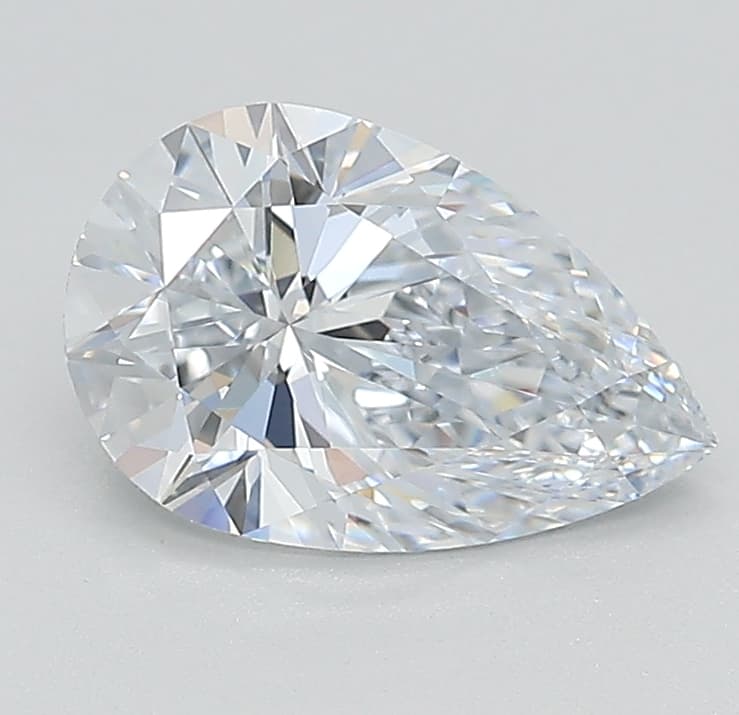
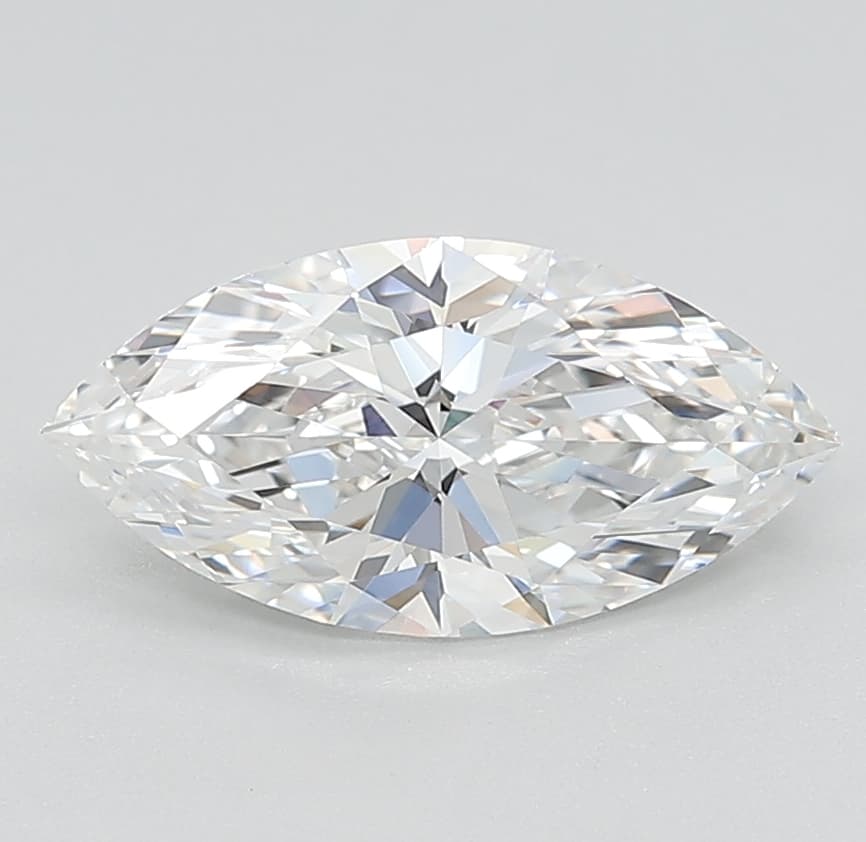
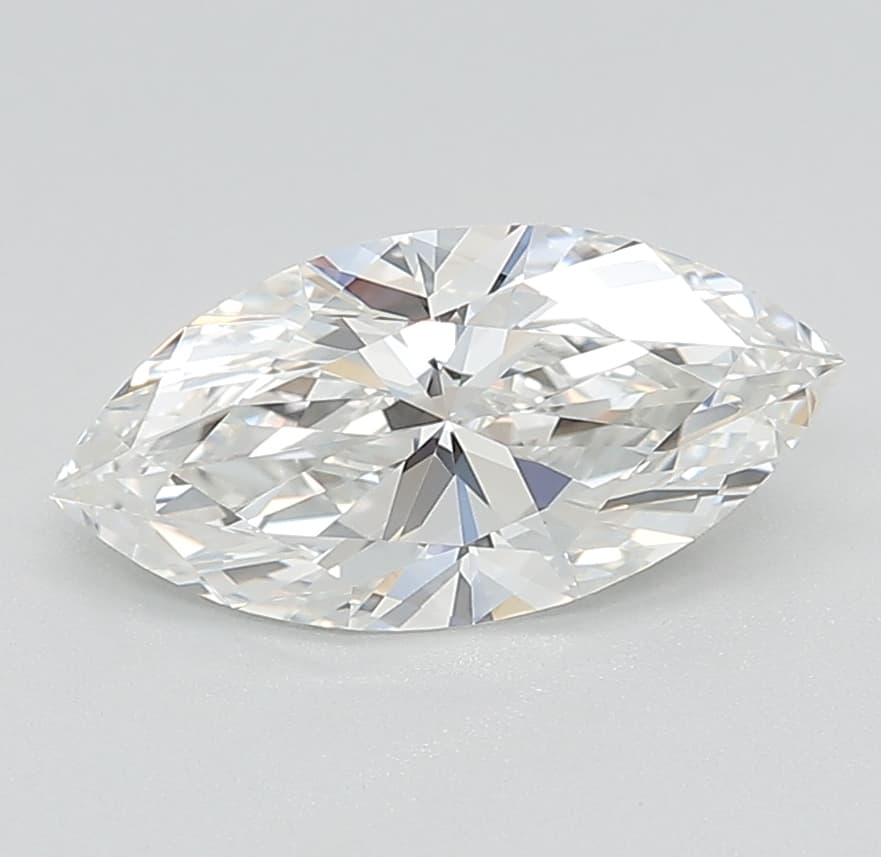
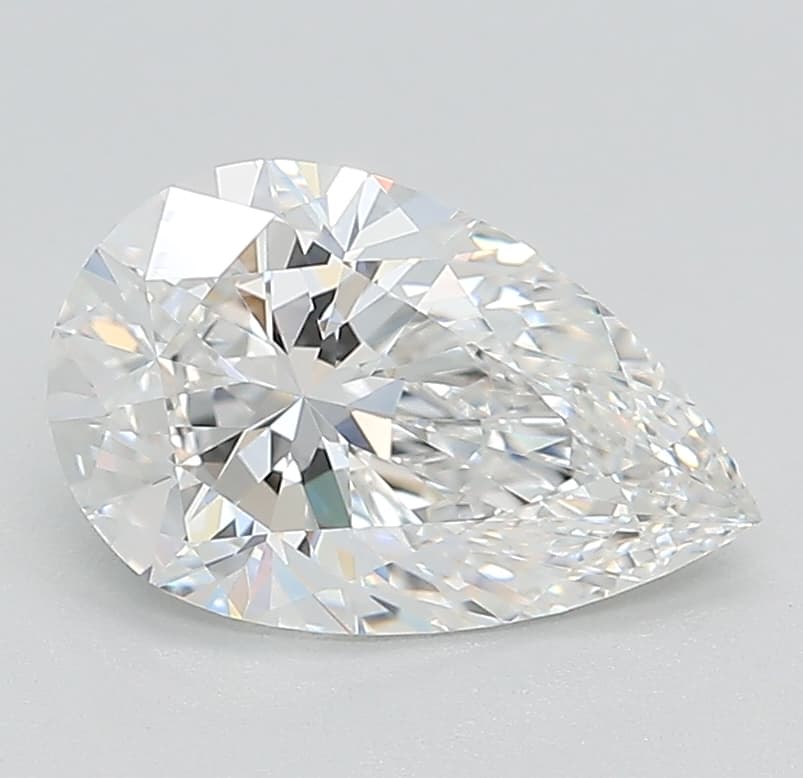
The risk is highest where the outline comes to a point or corner:
If a stone has Very Thin or Extremely Thin areas, ask where they are. A thin area at a point should sit under a protective V-prong or a bezel, and your jeweler will want to know about it before setting the stone. Our post on hardness versus toughness explains why diamonds can chip at all.
When a thick girdle costs you
A thick girdle protects the edge, but the weight in it does nothing for face-up size. Very Thick and Extremely Thick girdles put extra carat weight into a band you only see from the side, so the stone looks smaller from above than its weight suggests. It can also push the total depth percentage up, which is one reason depth alone can mislead; our post on diamond spread shows how much face-up size this can cost.
A very wide range, such as "Thin to Very Thick", is worth a second look too. It can mean the stone is uneven around its outline, which often goes with weaker symmetry. In that case, check the symmetry grade and the video.
The girdle, the setting and the inscription
The girdle is the part of the stone your jeweler works with most. Prongs and bezels grip it, so a jeweler setting a stone will look at the girdle line on the report to judge how much pressure it can take and where the thinnest areas sit. Giving them the report, or the stone page, before the work starts is always a good idea.
The girdle also carries the lab's laser inscription: the report number, often with the words "Laboratory-Grown" or "LG". It is far too small to see without magnification and does not affect how the stone looks. A jeweler with a loupe can read it and match it to the report, which is the quickest way to confirm a stone is the one described. Our post on checking a laser inscription shows how. A faceted or polished girdle makes the inscription easy to read; on a bruted girdle it can be a little harder to find.
The culet: a point or a tiny facet
Labs grade the culet by size: None (a point, sometimes written as Pointed), then Very Small, Small, Medium, Slightly Large, Large, Very Large and Extremely Large.
On modern round brilliants and most fancy shapes, a culet of None or Very Small is the norm and is invisible face-up. A large culet can show through the table as a small dark or see-through dot in the center of the stone, which most buyers would rather avoid in a modern cut. In elongated shapes such as ovals and marquises, the pavilion facets often meet in a short line (a keel) rather than a single point.
The exception is antique cuts. Old European and old mine cuts were made with an open culet on purpose, and the small circle you see through the table is part of their character.
A pointed culet is sometimes described as fragile. In practice the point sits deep inside the setting, protected by the metal, and chips there are uncommon.
On a modern brilliant, a large culet can show as a dot in the center. On an old European or old mine cut, a visible culet is part of the antique design, not a fault.
What to look for
A short checklist for the two lines:
- Girdle: thin to slightly thick is ideal for most stones; medium to thick is fine too. Ask about any Very Thin or Extremely Thin area, especially at a point or corner.
- Very thick girdles: compare the stone's millimeter measurements with others of the same weight. If it looks smaller, the girdle may be why.
- Culet: None or very small for modern cuts; an open culet is expected on antique cuts.
- The side view: our 360° videos show the girdle as the stone turns. An even, neat band is a good sign.
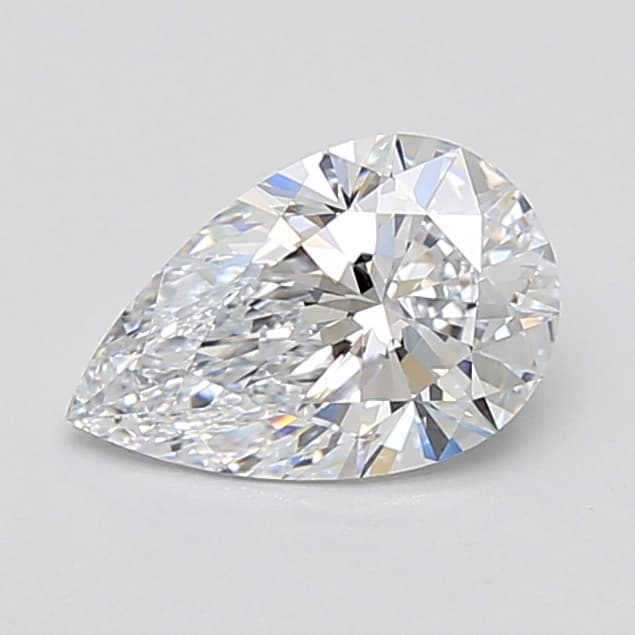
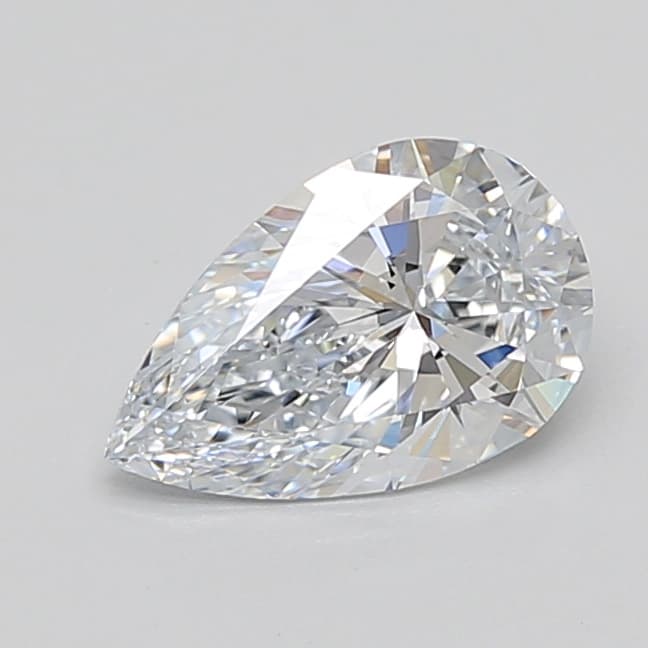
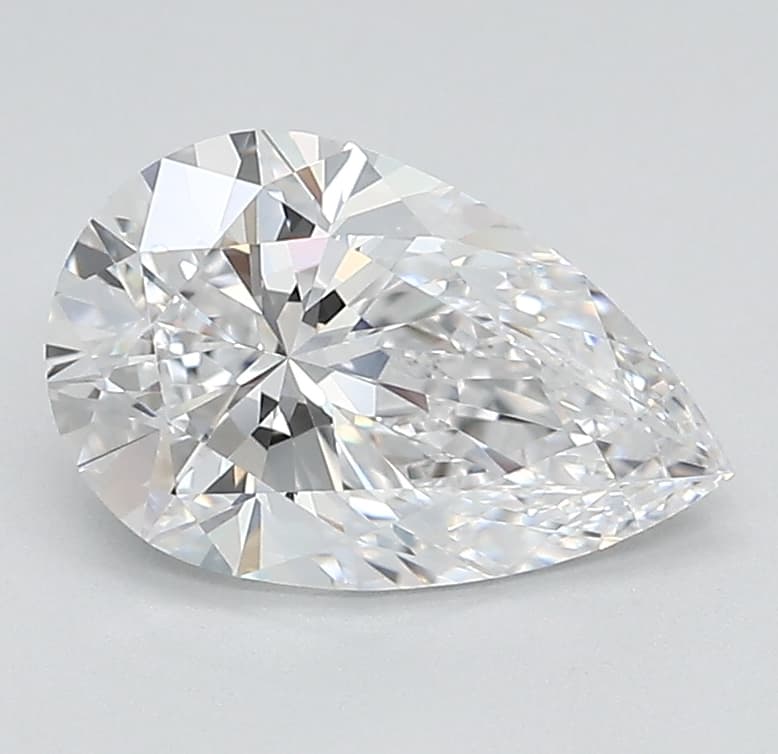
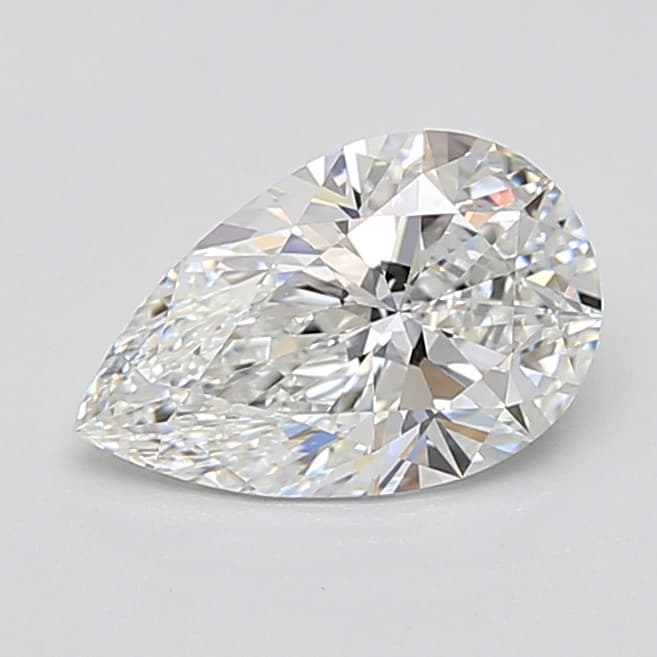
Our diamond cut guide puts these lines in context with the other proportions. You can browse pear-shaped lab-grown diamonds with the girdle and culet listed on every stone page, or ask a diamond specialist about a particular stone.
Frequently asked questions
What is a good girdle thickness for a diamond?
As a common guideline, anywhere from thin to slightly thick suits nearly every shape and setting, and medium to thick is also fine. Avoid stones with extremely thin areas, which can chip, and be wary of very thick girdles, which add hidden weight without adding face-up size.
Is a thick girdle bad?
A thick girdle is not a flaw, and it makes the edge sturdier. Very thick and extremely thick girdles are the ones to question, because the extra weight sits in a band you cannot see face-up, so the stone looks smaller for its carat weight.
What does culet None mean on a diamond report?
It means the pavilion comes to a point rather than ending in a small flat facet. It is the norm for modern round and fancy cuts and cannot be seen face-up. In a well-made setting the point is protected by the metal around it.
Can a diamond chip at the girdle?
Yes, it can. Diamond resists scratching very well but can chip from a hard knock, and a very thin girdle is the most vulnerable spot, especially at the point of a pear or marquise or the corner of a princess. A protective prong or bezel over thin points helps.
Glossary terms in this article
More on Grading, Explained in the journal.