Shapes & Cuts
Oval vs Round Diamond: Size, Sparkle and Which to Choose
By the Vanora Diamond team
Published Last reviewed 5 min read

Quick answer
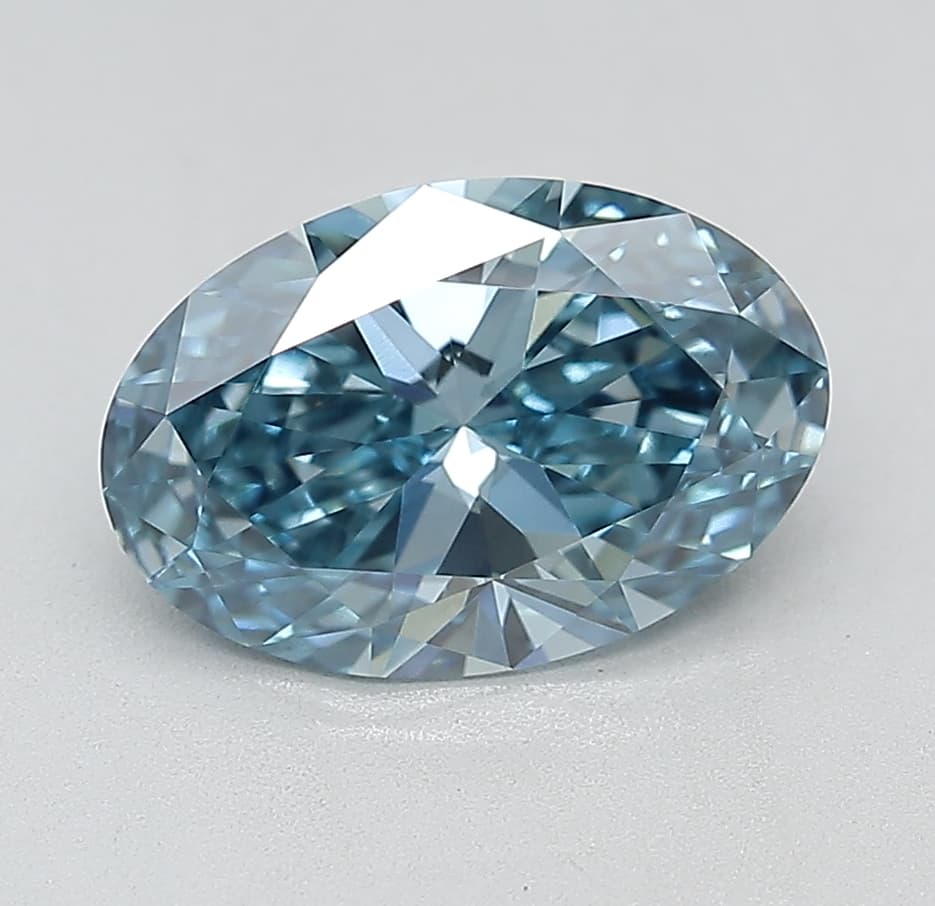
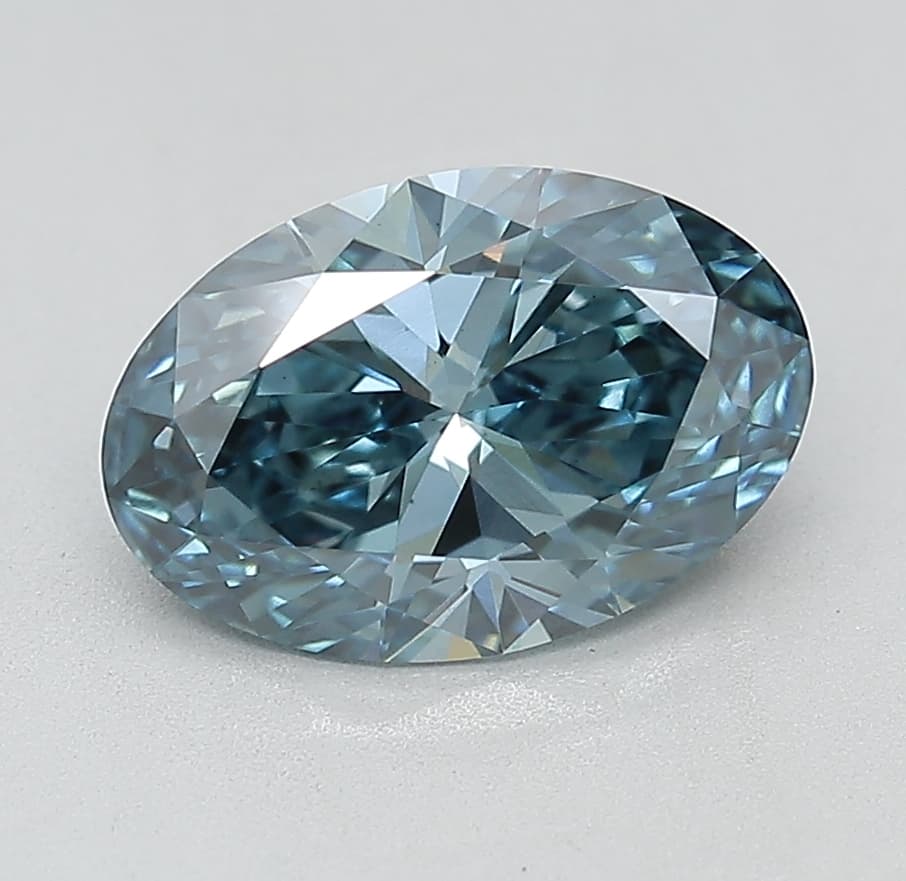
An oval looks larger than a round of the same carat weight and makes the finger look longer, while a round gives the most even, reliable sparkle and comes with an overall cut grade. Ovals can show a bow-tie and a little more color at their ends, so they need a closer look at the video. Choose the round for classic brilliance, the oval for more size on the hand and a softer, elongated look.
The short difference
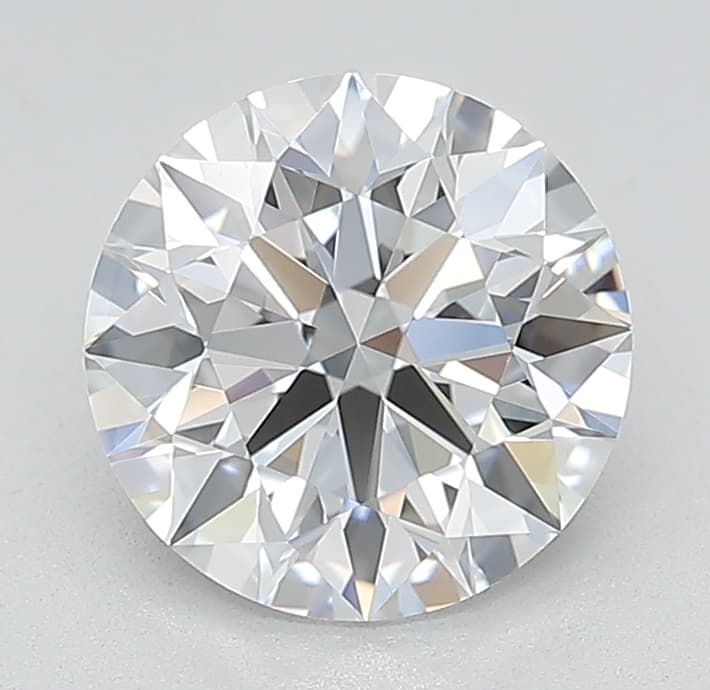
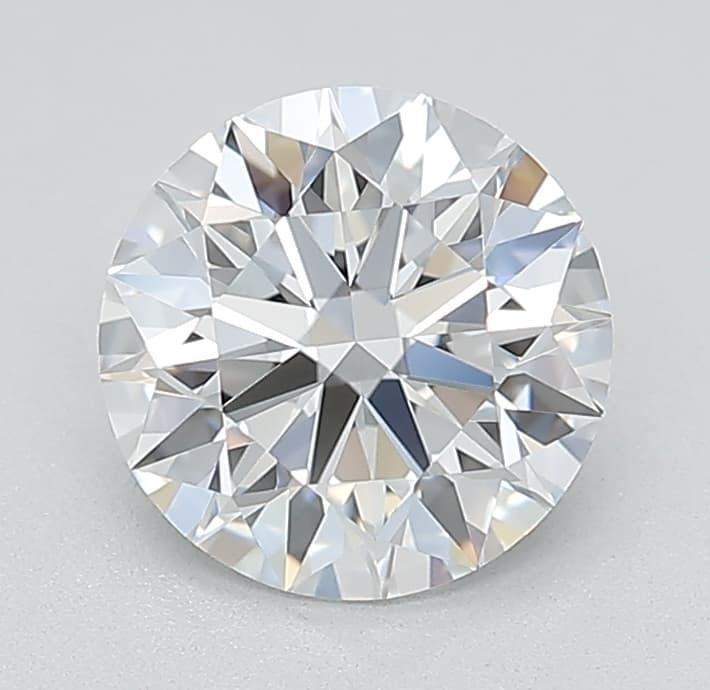
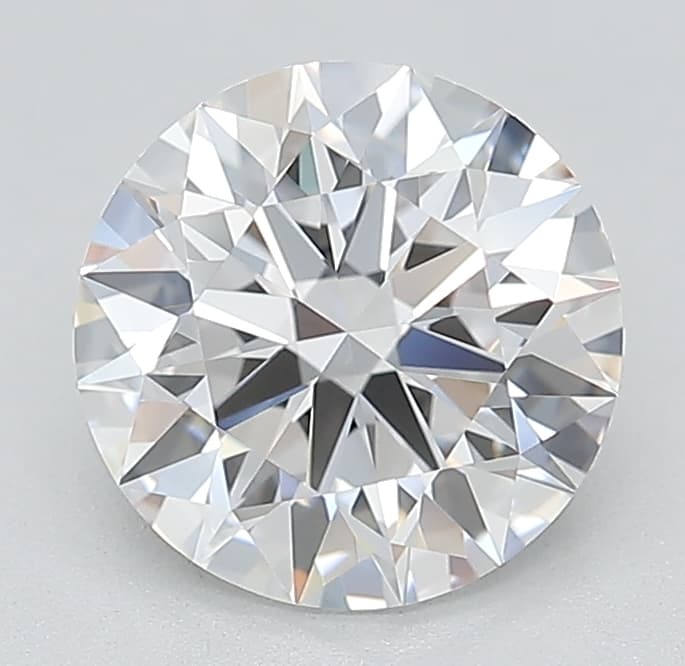
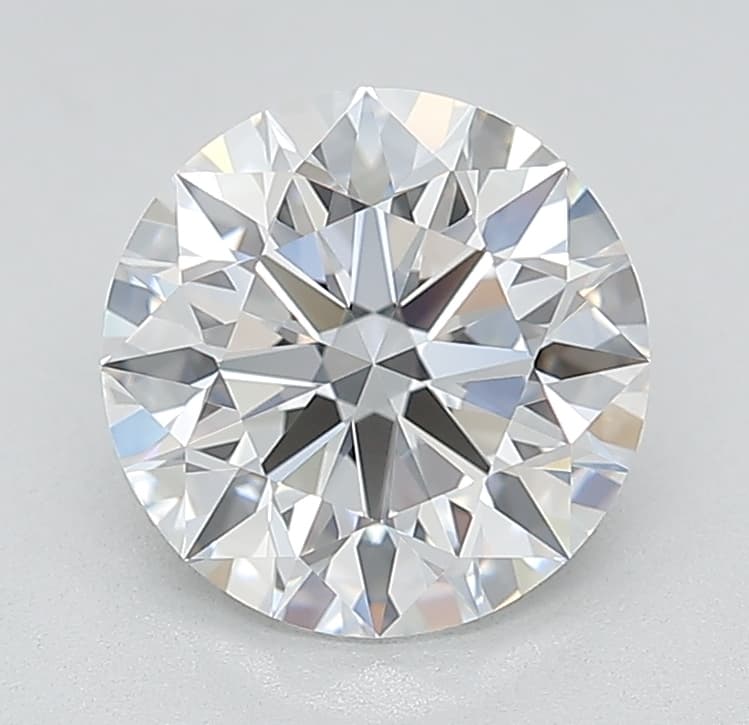
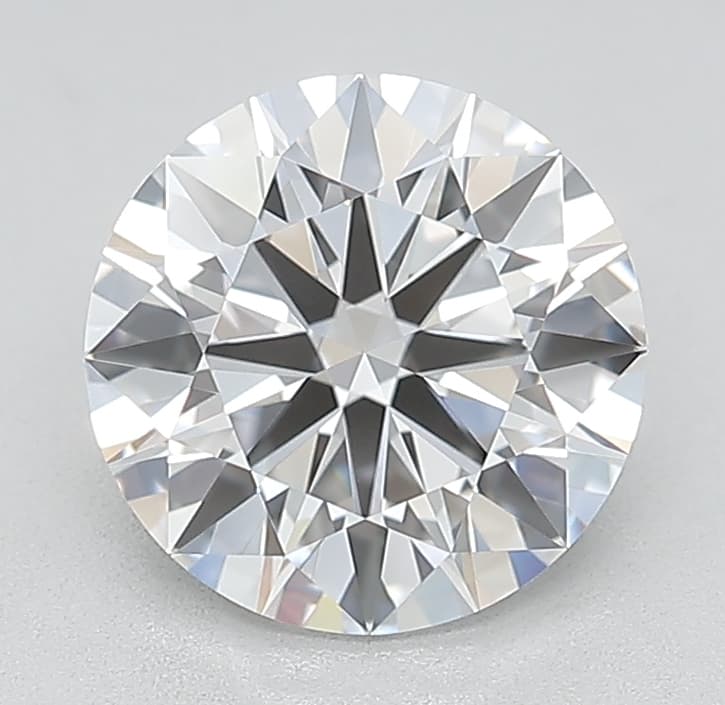
Both shapes are brilliant cuts: their facets are mostly triangles and kites, arranged to return as much sparkle as possible. The difference is the outline.
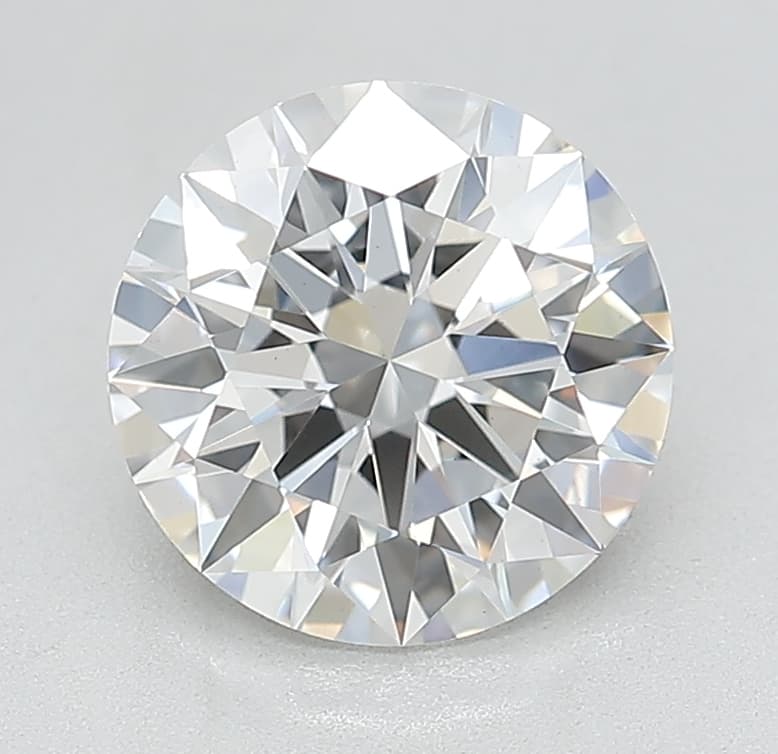
- A round is a circle. It is the most widely cut shape, its proportions have been studied more than any other, and labs give it an overall cut grade.
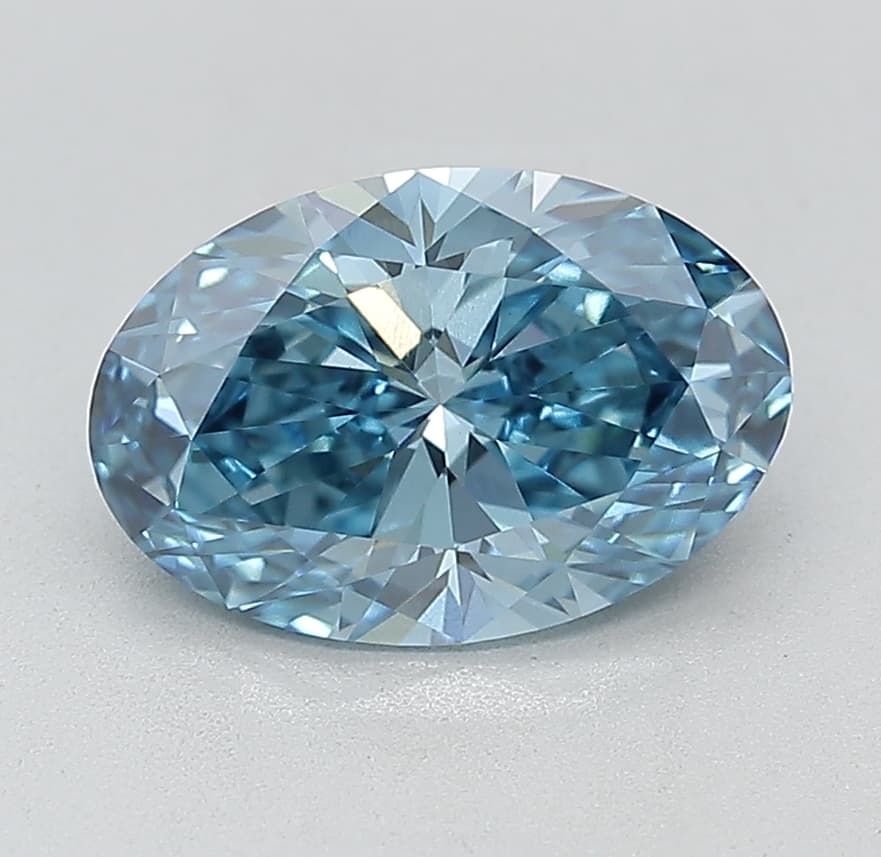
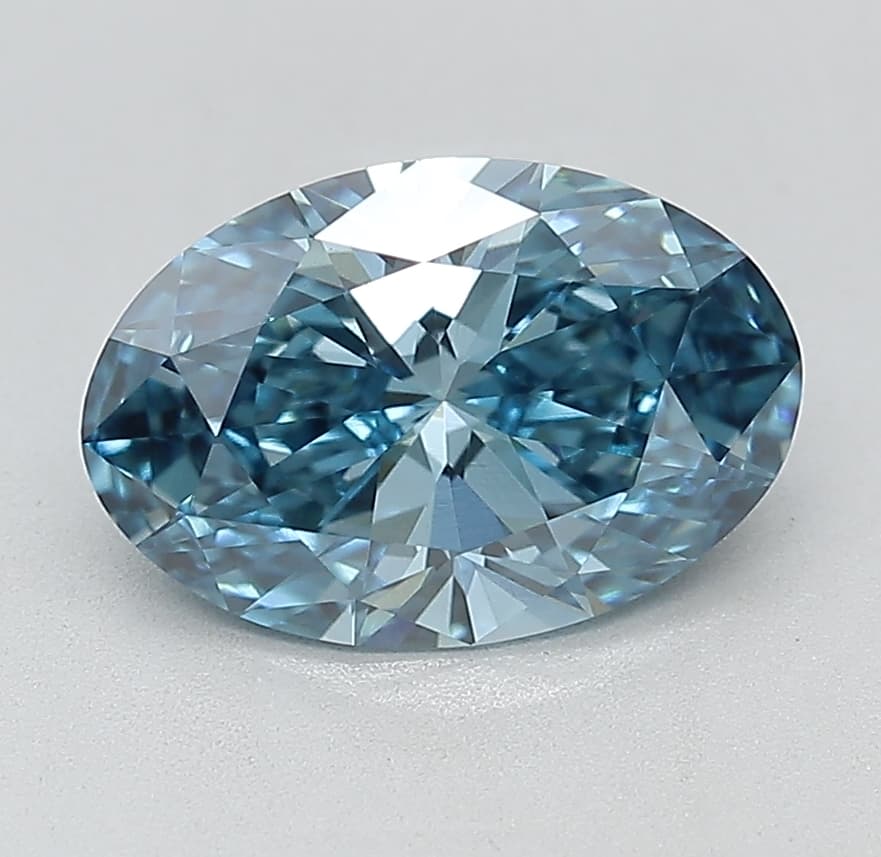
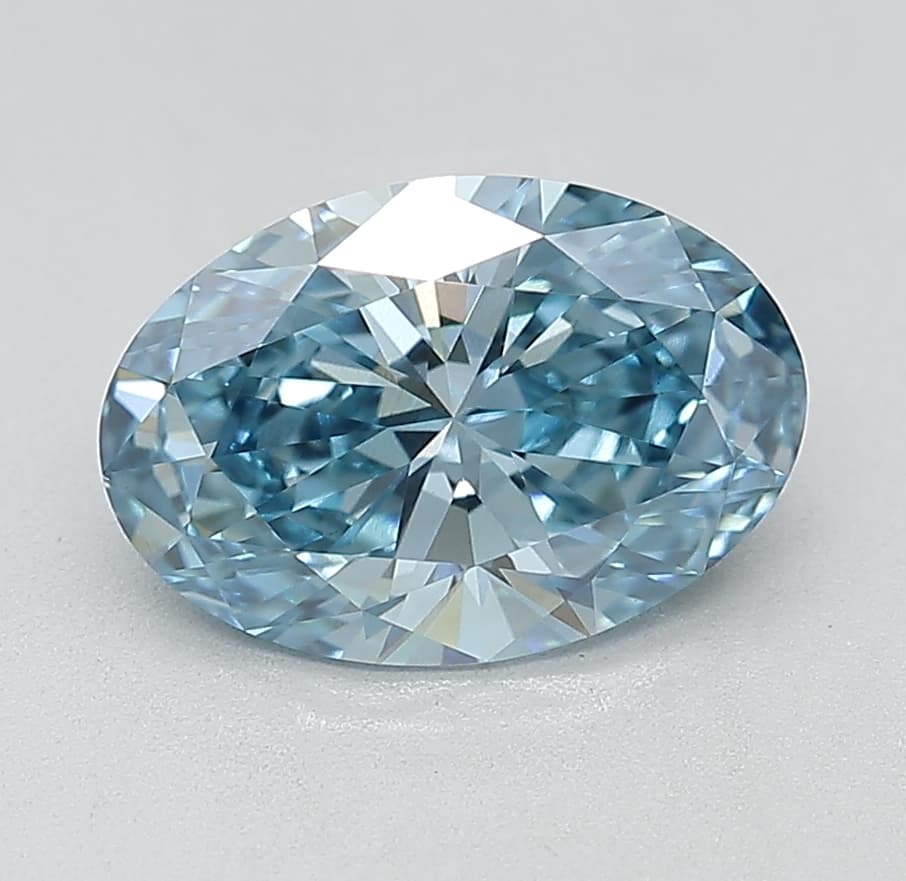
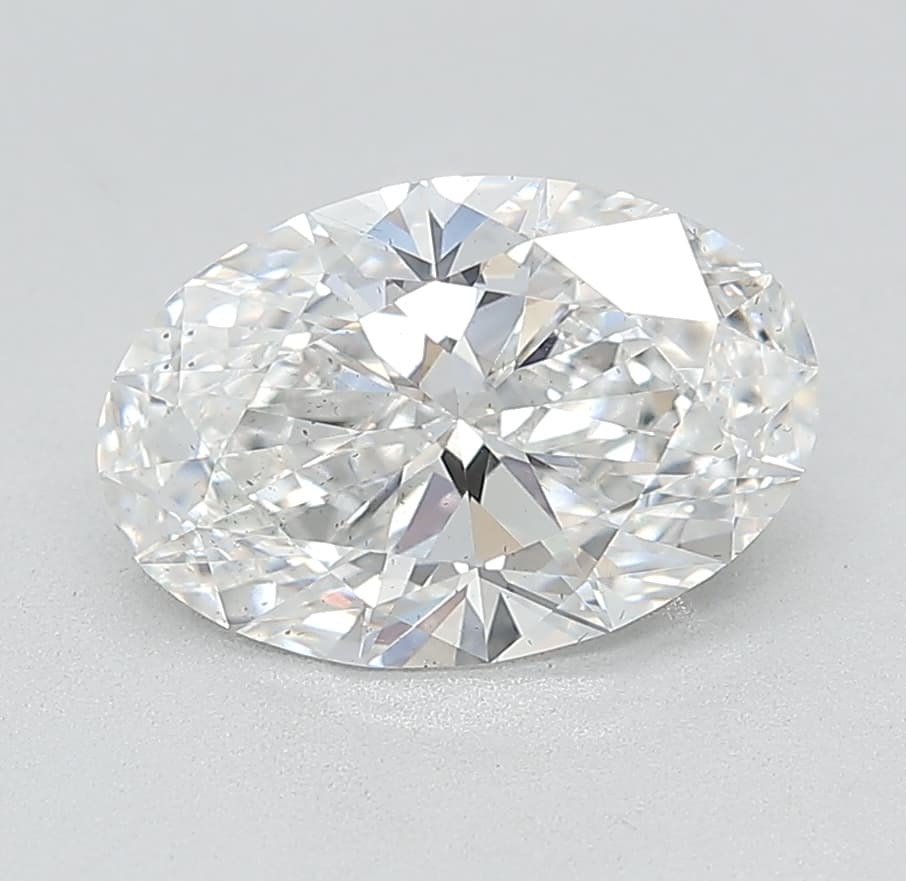
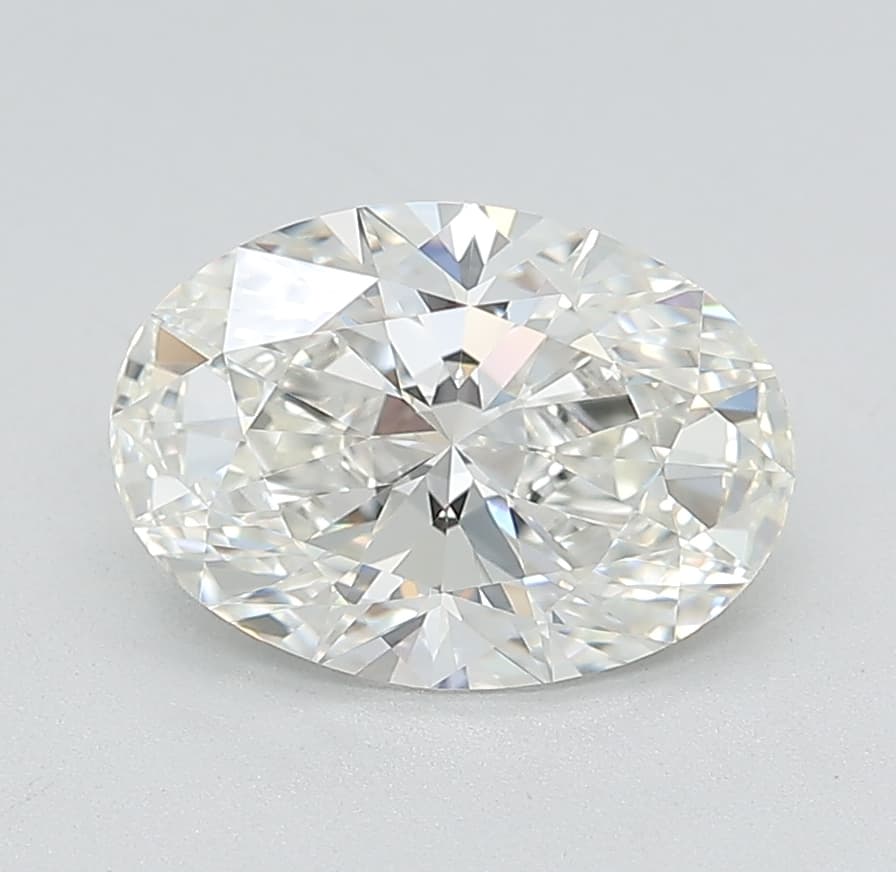
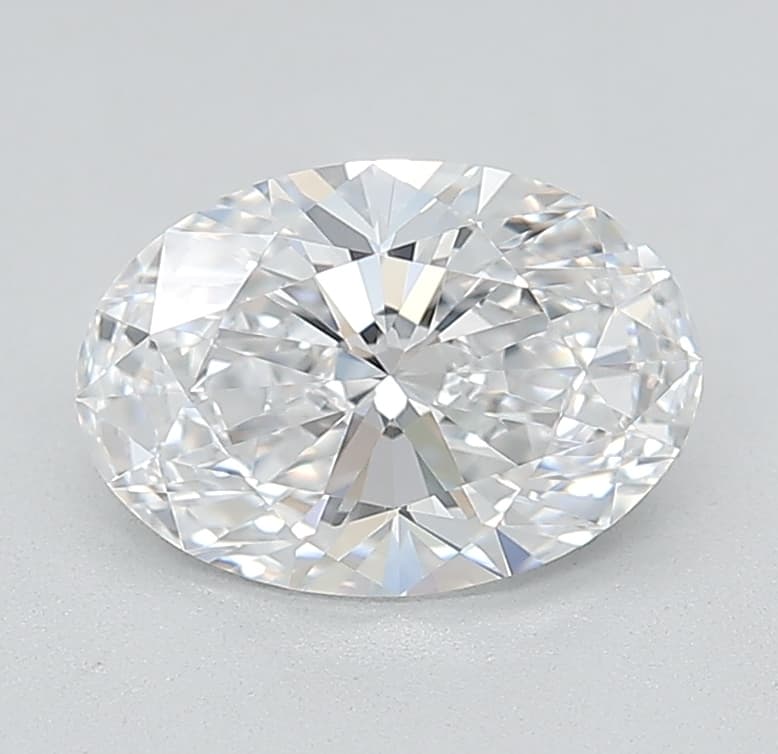
- An oval is a round stretched into an ellipse, usually with a length-to-width ratio of about 1.30 to 1.50. It keeps much of the round's sparkle but spreads its weight over a longer outline.
Neither is better in general. They suit different priorities: the round puts sparkle and consistency first, the oval puts face-up size and an elongated look first.
Face-up size: why ovals look bigger
Carat is a weight, not a size. An oval spreads that weight into a longer outline, and its length is greater than the diameter of a round of the same weight. In most cases its face-up area is a little larger too, so at the same carat weight an oval tends to look bigger.
The drawing below shows the two shapes at 2 carats, drawn to scale from the median sizes of the stones we list. Actual stones vary with their depth and ratio: a deep oval can face up no larger than a well-cut round, which is why the millimeters on the report matter more than the shape alone. Our posts on which shape looks biggest and how big a 2 carat oval is go further.
On the hand, an oval's length also does something a round cannot: set north to south, it draws the eye along the finger, which many people find slimming.
| Shape | Stones | Median length (mm) | Median width (mm) |
|---|---|---|---|
| Round | 17 | 8.20 | 8.26 |
| Oval | 14 | 10.68 | 7.21 |
Sparkle: the round’s advantage
A round brilliant has the same facet angles all the way round, so light returns evenly across the whole face. That symmetry is why round diamonds are the reference for sparkle, and why IGI gives rounds an overall cut grade. With a round, choosing the top grade (Ideal on IGI, or Excellent on a GIA report issued before October 2025) with Excellent polish and symmetry is a dependable shortcut (GIA’s assessment since October 2025 gives only Premium or Standard); our ideal vs excellent cut post explains the grades.
An oval cannot keep every facet at the same angle, because the pavilion has to reach the long ends as well as the narrow middle. Most ovals therefore show some bow-tie, a darker band across their width. A soft one that flickers as the stone moves is normal; a wide, fixed one is not. IGI has graded the cut of fancy shapes, from Excellent to Poor, since September 2022; GIA does not. Even with a cut grade, the video is how you judge an oval’s bow-tie.
Color and clarity
Both shapes are good at hiding small inclusions, because their many facets break up what you see. Neither needs the very high clarity grades that step cuts such as the emerald ask for; an eye-clean VS stone works well in either.
Color is a little different. A round spreads its color evenly. An oval can show a hint of body color a little more at its two ends than in the center, so a warmer grade can show slightly more in an oval than in a round. If you are choosing near the lower end of your color range, that is a reason to look harder at an oval. Our post on shapes that show color explains why.
In practice, most buyers choose a colorless or near-colorless grade for either shape and an eye-clean clarity. The difference between the shapes is small, but if you are torn between two color grades for an oval, the higher one is the safer choice; for a round, the lower one is more likely to look just as white face-up.
What makes a good round, and a good oval
The checks differ because a round’s cut grade does much of the work, while an oval needs your own eye whatever its report says.
For a round, the report does much of the work:
- choose the top cut grade with Excellent polish and symmetry;
- check that the table and depth sit inside the common guideline ranges for rounds;
- if you like the look of perfect symmetry, filter for hearts and arrows.
For an oval, you combine the report with your own eye:
- pick a ratio you like, usually somewhere between about 1.30 and 1.50;
- check the depth is within the common range for ovals, since a very deep oval faces up small and can look dark in the middle;
- look at the outline: both ends should match and the sides should curve smoothly, not look flat;
- watch the video for a soft, moving bow-tie rather than a fixed dark band.
Our post on fancy shape cut quality gives the full checklist for fancy shapes.
On the hand and in a setting
Rounds suit every setting style, from a simple four-prong solitaire to a halo or a three-stone ring, and they never point in a direction, so there is nothing to align.
Ovals are most often set north to south, along the finger, though an east-west setting turns them sideways for a different look. Neither shape has sharp points, which makes both comfortable and practical to wear. An oval is usually held by four or six prongs, with the prongs at the ends protecting the narrowest parts of its girdle.
Both shapes sit well next to a wedding band. A round looks the same whichever way the ring turns on the finger; an oval looks best when the ring fits snugly enough to stay aligned, so a correct ring size matters a little more.
How to decide
Start with the look you love, then use the differences below to check the practical side.
- You want maximum sparkle with the least guesswork: a round with a top cut grade.
- You want more size on the hand for the weight: an oval with a ratio you like, and a video that shows a soft, moving bow-tie.
- You are near the bottom of your color range: a round hides warmth slightly better.
- You are unsure: compare the two in their videos, at similar weights, and look at the millimeters on each report.
You can browse round and oval lab-grown diamonds side by side, add up to four stones to the compare page, and ask one of our diamond specialists to talk you through the shortlist.
| Compared | Round | Oval |
|---|---|---|
| Outline | A circle | An ellipse, usually 1.30–1.50 long |
| Face-up size per carat | The reference | Usually a little larger, and longer |
| Sparkle | The most even light return | Lively, with some bow-tie |
| Overall cut grade | Yes, on IGI reports (Ideal to Poor) | Possible on IGI reports (Excellent to Poor); none from GIA |
| Color showing | Spread evenly | A touch more at the ends |
Two stones of the same weight can face up at different sizes. Compare the length and width on each report, not just the carat weight, before deciding which looks bigger.
Frequently asked questions
Does an oval diamond look bigger than a round?
Usually, yes. At the same carat weight an oval is longer than a round is wide, and its face-up area is often a little larger, so it tends to look bigger on the hand. A deep oval can lose that advantage, so compare the length and width on the reports.
Do oval diamonds sparkle as much as round diamonds?
A well-cut oval is very lively, but a round brilliant returns light most evenly because every facet sits at the same angle. Most ovals show some bow-tie, a darker band across the middle. A soft, moving bow-tie is normal; choose by watching the video.
Which is more classic, oval or round?
The round brilliant is the most traditional engagement ring shape and suits every setting style. The oval has become a popular alternative for buyers who want a similar sparkle with more length and a slightly more distinctive look. Both are timeless enough to wear for life.
Is an oval diamond harder to choose than a round?
A little. With a round you can lean on the cut grade; an oval may have an IGI cut grade too, but you also check the ratio, the outline, the depth and the bow-tie in the video. A diamond specialist can help you shortlist.
Glossary terms in this article
More on Shapes & Cuts in the journal.