Shapes & Cuts
Diamond Shape vs Cut: Why One Word Means Two Things
By the Vanora Diamond team
Published Last reviewed 5 min read

Quick answer
Shape is the outline of a diamond seen from above, such as round, oval or emerald; cut, in the sense of the 4Cs, is how well the diamond is proportioned, faceted and finished, which decides how brightly it returns light. People also say "cut" for the faceting style, brilliant or step. So an "oval cut" names a shape, while an "Excellent cut" describes quality, and you should check both separately.
Why the word "cut" is confusing
In everyday speech, "cut" is used for at least three different things:
- The shape. "An oval cut" or "a pear cut" simply means an oval or a pear: the outline you see when you look down on the stone.
- The faceting style. "A step cut" or "a brilliant cut" describes the pattern of facets, the small flat surfaces polished onto the stone.
- The cut quality. "An Excellent cut" or "a well-cut diamond" describes how well the stone is proportioned, faceted and finished. This is the cut in the 4Cs.
Listings often mix the three, so it is easy to assume that a "beautiful oval cut" is a well-cut oval. It may be, but the phrase only tells you the shape. Keeping the meanings apart helps you read listings and reports with confidence.
Shape: the outline you choose by taste
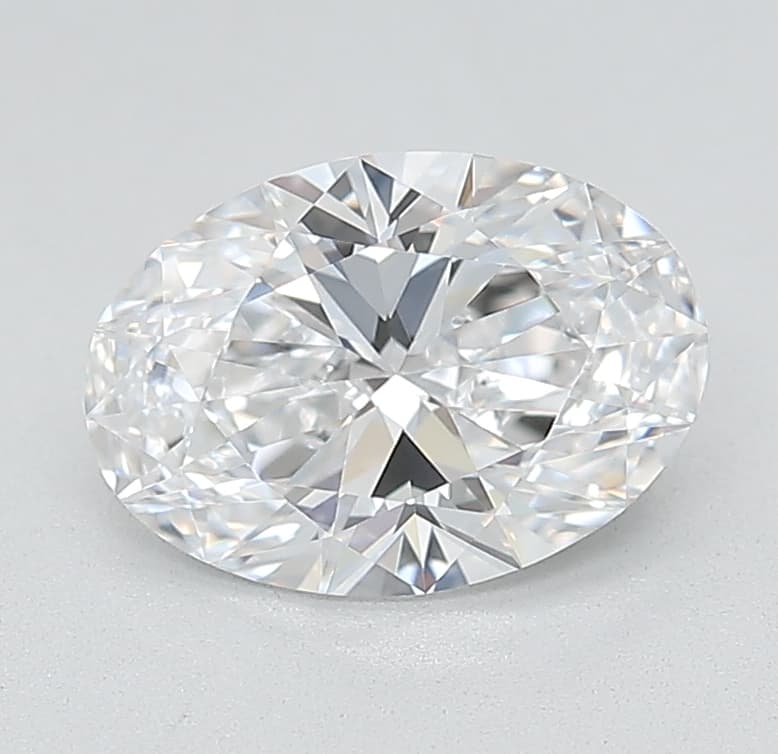
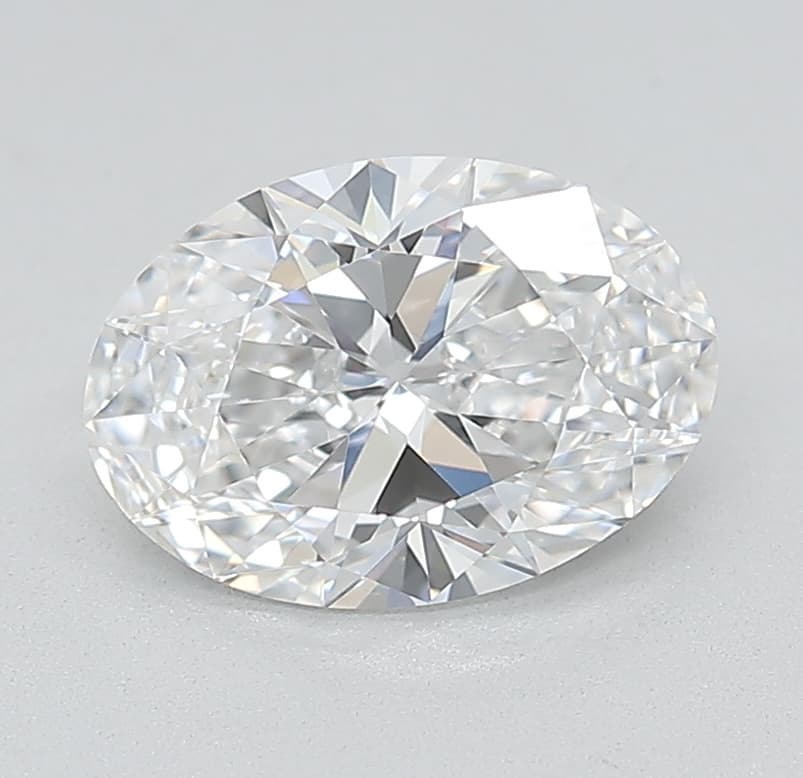
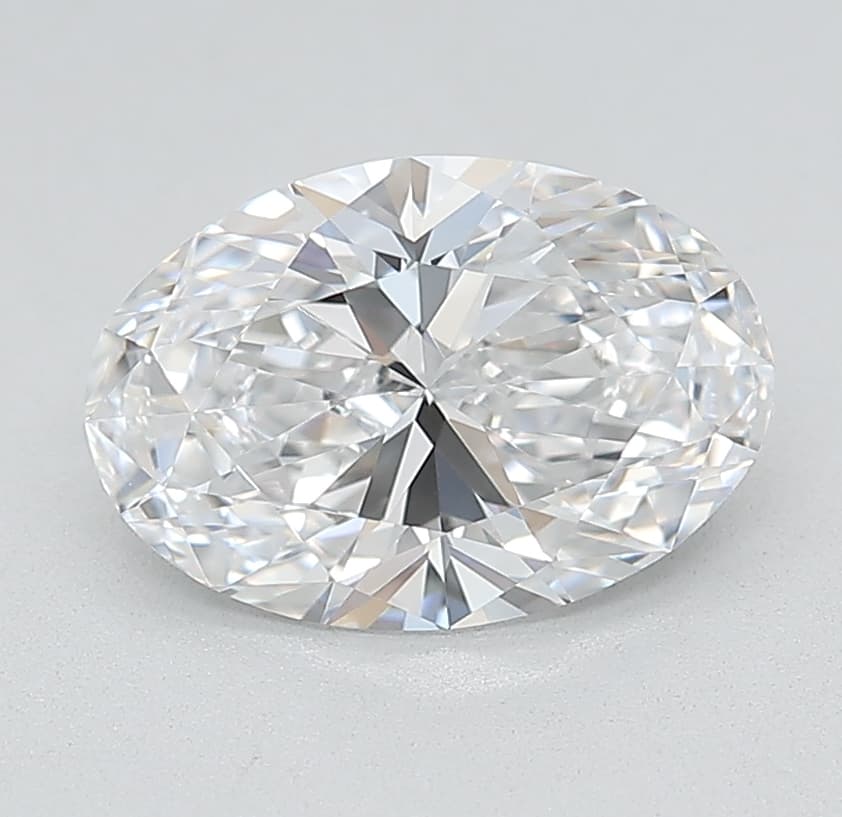
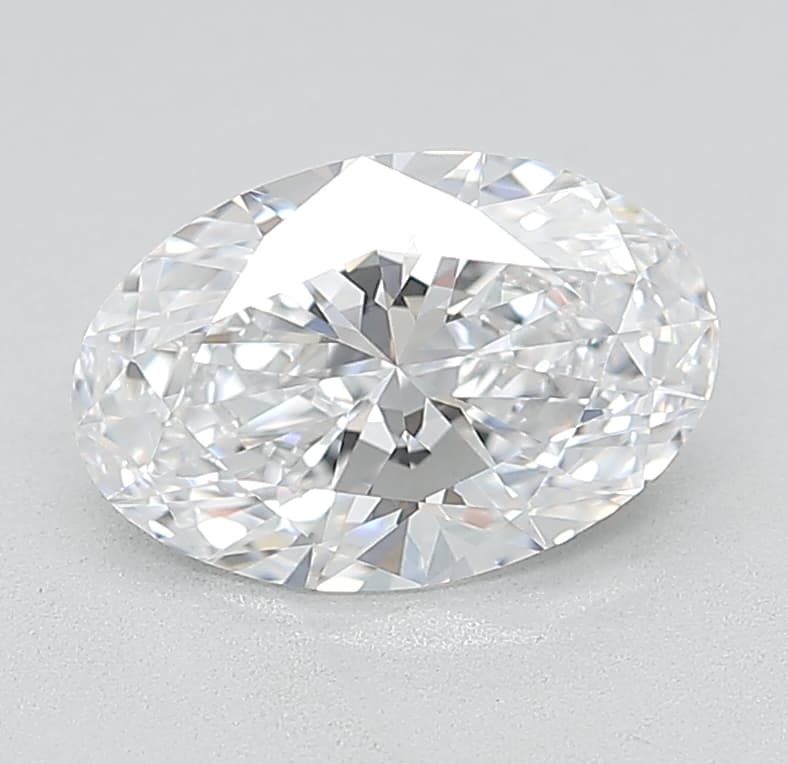
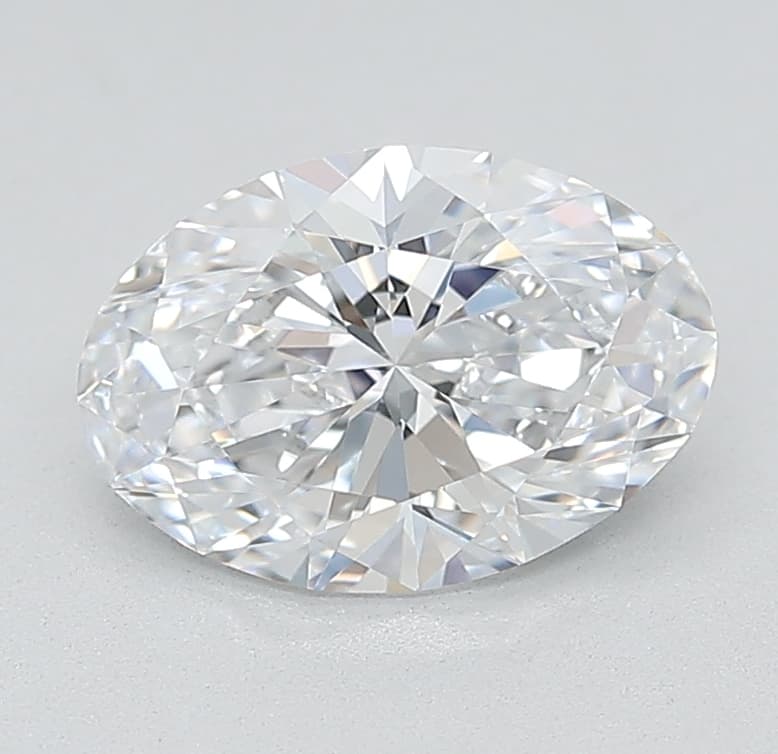
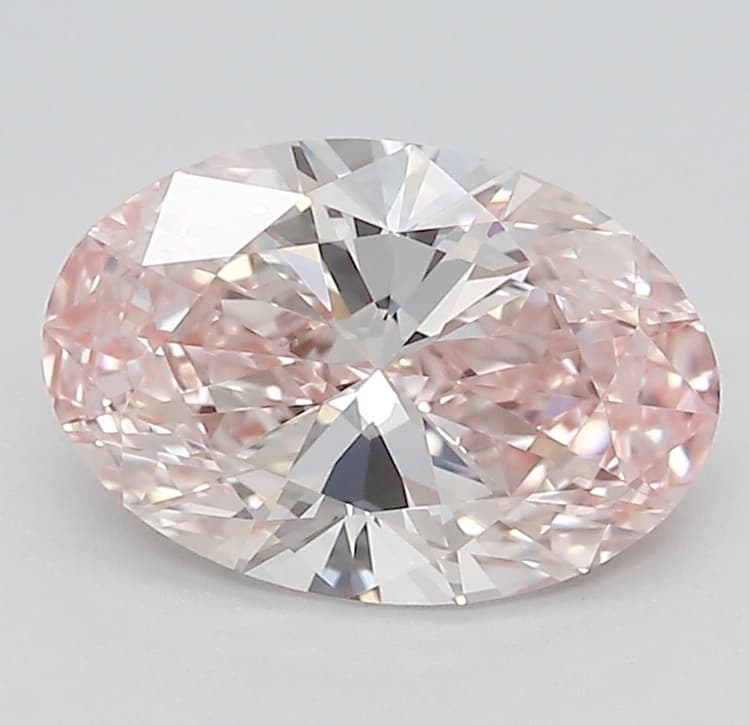
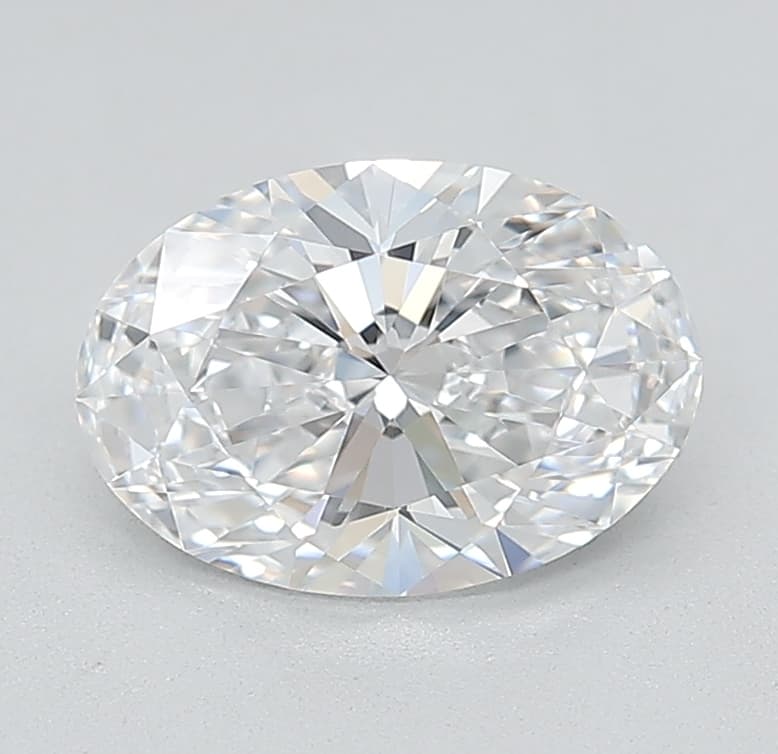
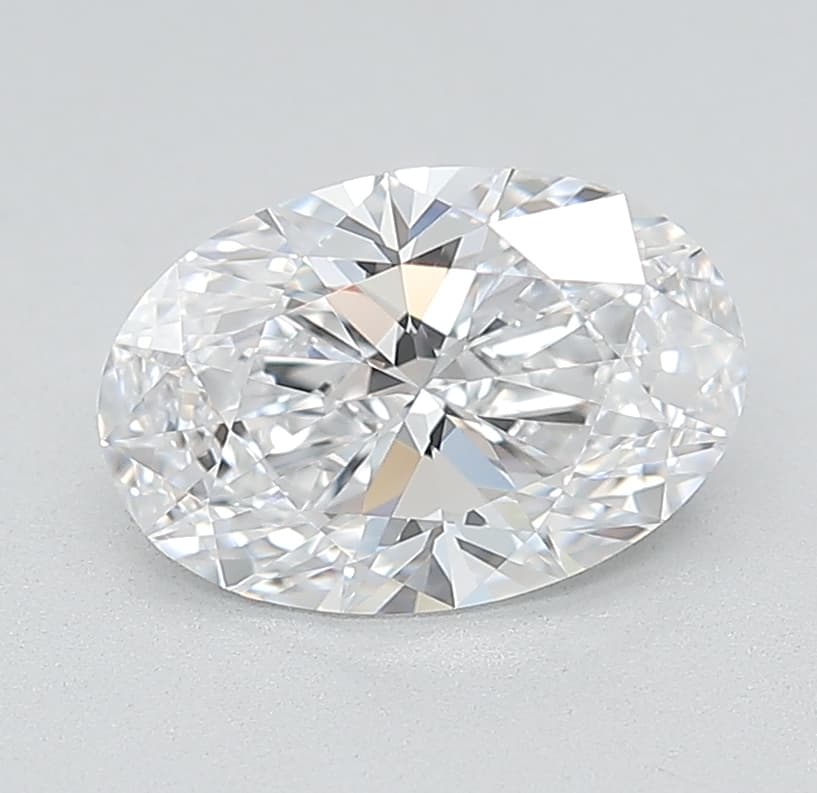
Shape is a matter of taste. Round, oval, cushion, emerald, radiant, pear, princess, marquise, heart and asscher are the familiar outlines, and each has its own character on the hand. Elongated shapes are described further by their length-to-width ratio, which tells you how long or square the outline is.
No shape is better quality than another. A round is not "better" than an oval; it is different. Our shape guides and the post on how to choose a diamond shape help you pick one.
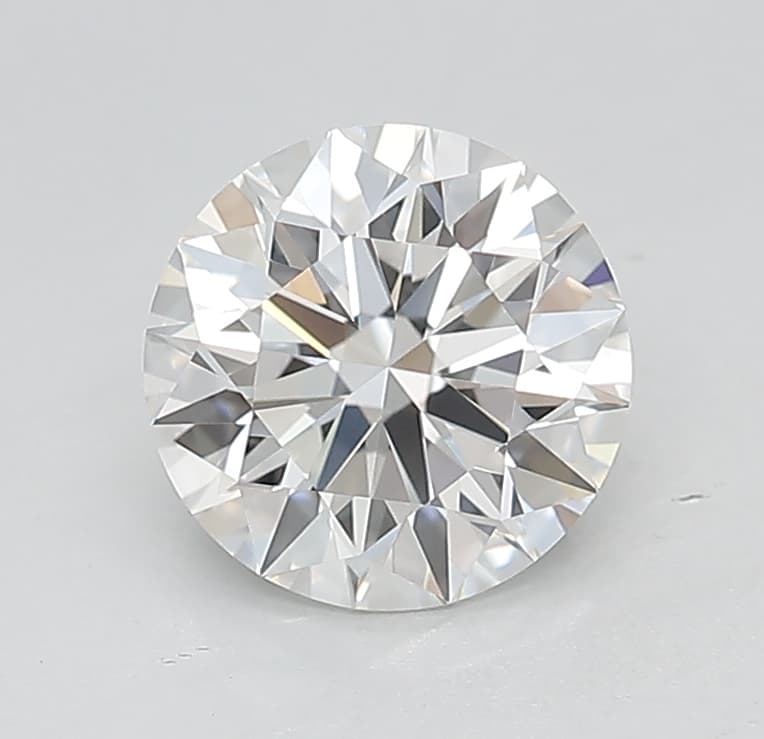
- Typical L/WAbout 1.00
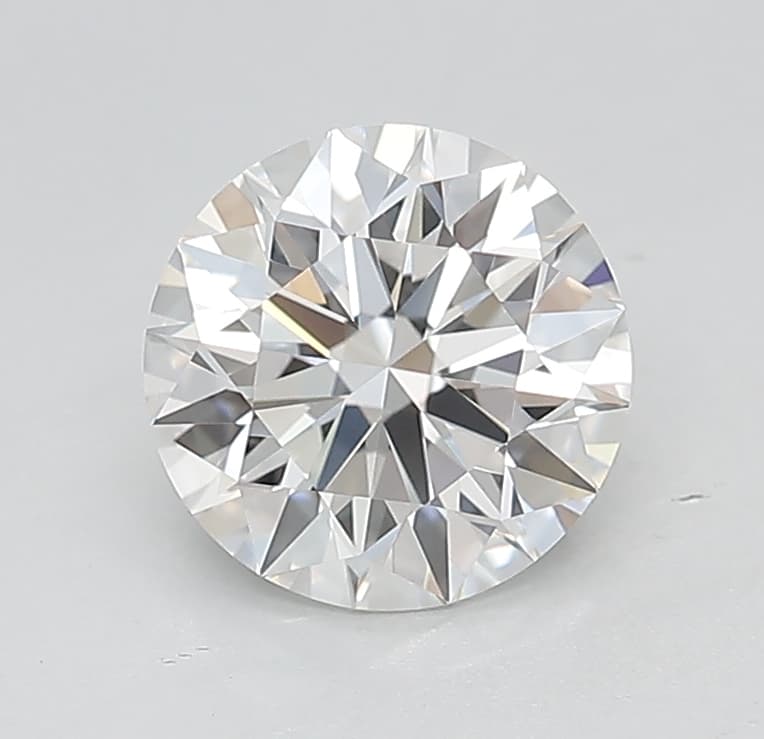
- Typical L/W1.30–1.50
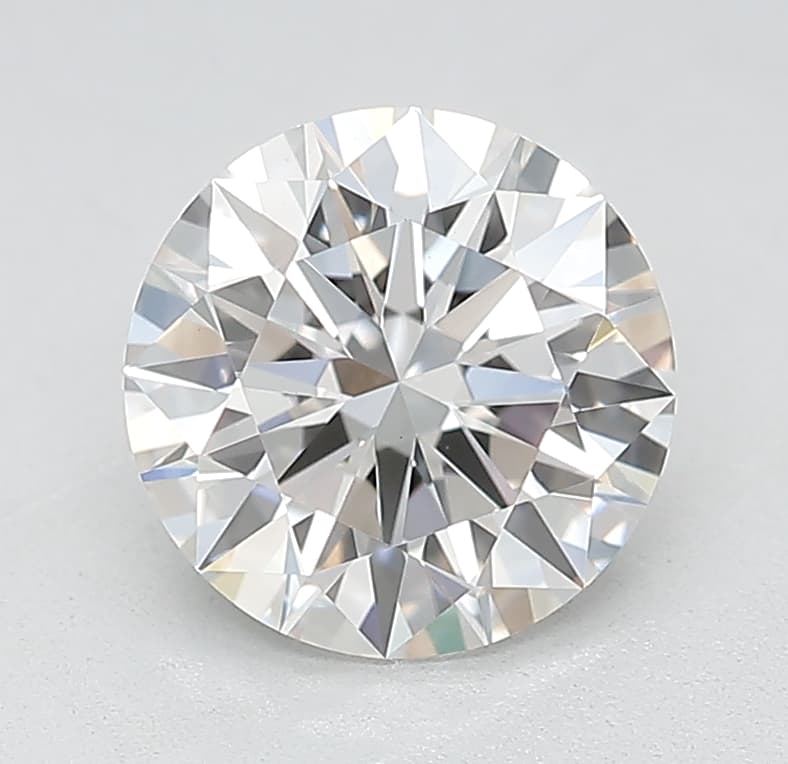
- Typical L/W1.30–1.50
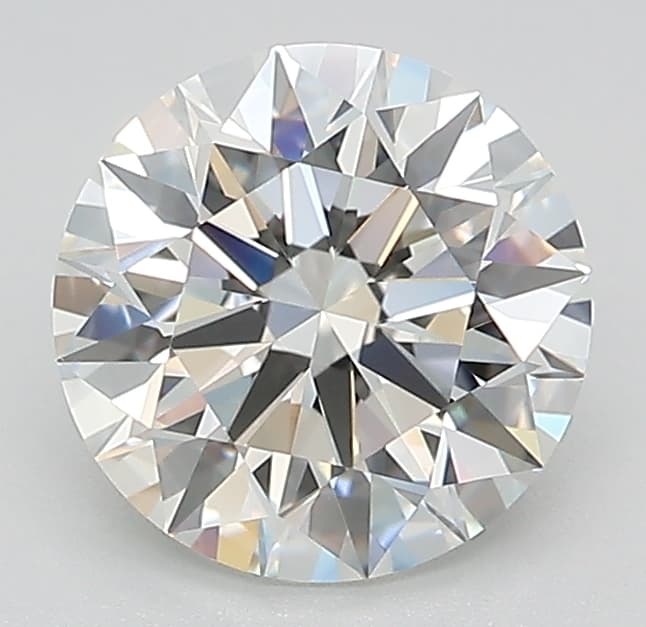
- Typical L/W1.45–1.75
Faceting style: brilliant or step
Within each shape, the facets follow a style. Most shapes are brilliant styles, covered in triangular and kite-shaped facets that create lots of small sparkles. Emerald and asscher cuts are step cuts, with long, straight facets in rows that give broad flashes.
Some shapes are cut in more than one way. A cushion, for example, can have larger, chunkier facets or smaller, busier ones. Reports describe this in the shape and cutting style line, with words such as "brilliant", "modified brilliant" or "step cut". "Modified" means the facet pattern has been adapted to the outline; it is not a grade. Our post on brilliant vs step cuts explains the two families.
Cut quality: what the 4Cs mean by cut
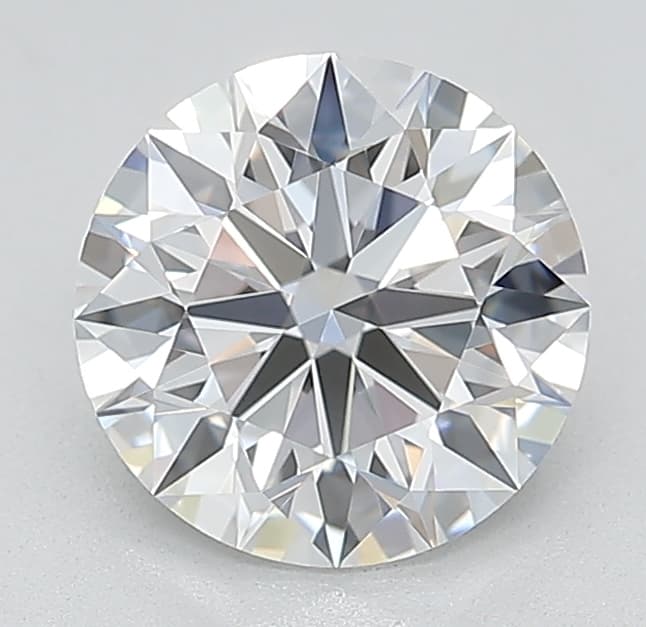
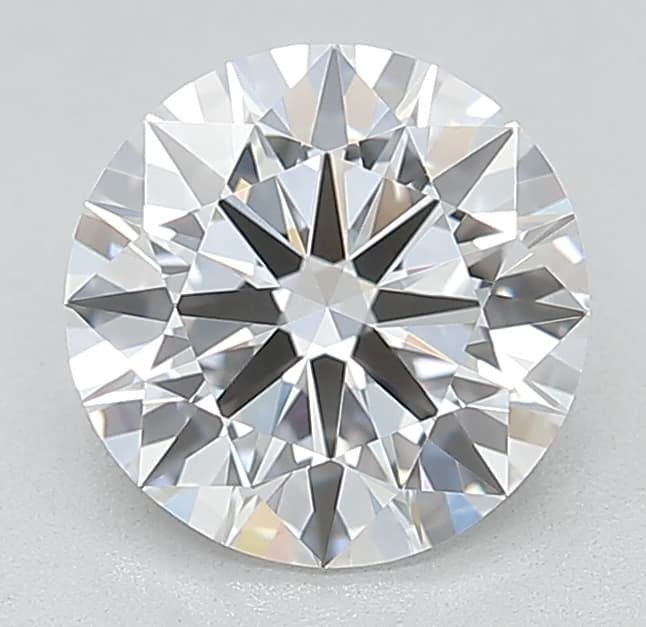
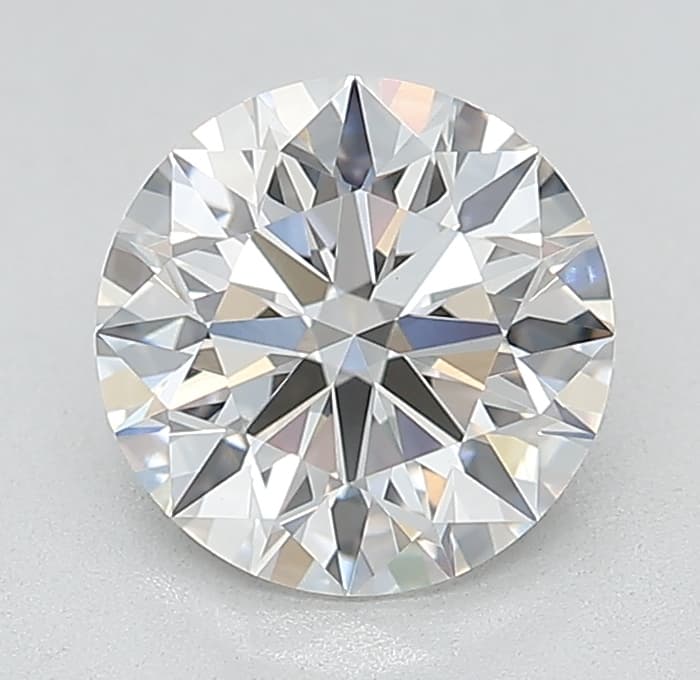
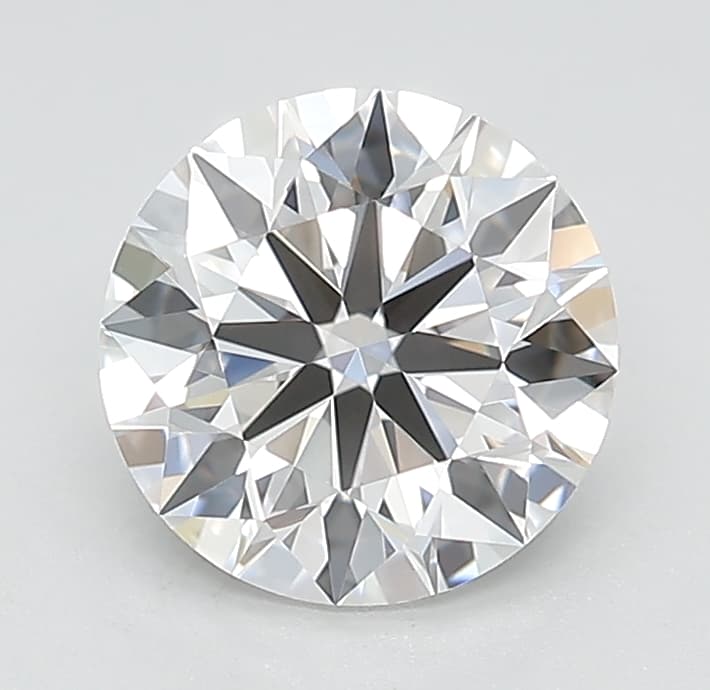
Cut quality is about how well the diamond handles light. It depends on the proportions (the table size, depth and angles), the symmetry (how precisely the facets line up) and the polish (how smooth the surfaces are). A well-cut stone returns light to your eye and looks bright and lively; a poorly cut one can look dark in the center or glassy. A stone cut too deep can also look smaller face-up than its weight suggests, and one cut too shallow can show a washed-out window in the middle, so cut quality affects size as well as sparkle.
For round brilliants, labs give an overall cut grade. IGI's scale runs from Ideal down to Poor. GIA's ran from Excellent down to Poor on its laboratory-grown reports until September 2025; its assessment since October 2025 gives only Premium or Standard. For other shapes there is no single agreed model for, say, the best oval, so labs differ. IGI has graded the cut of fancy shapes, from Excellent to Poor, since September 2022; GIA does not. Ideal is IGI's top grade for rounds only. Every shape still receives polish and symmetry grades on IGI reports. Our diamond cut guide explains the scales in full.
- Ideal
- Excellent
- Very Good
- Good
- Fair
- Poor
- Excellent
- Very Good
- Good
- Fair
- Poor
- ProportionsTable, depth, crown and pavilion angles, and the girdle
- FinishPolish of the facet surfaces and the symmetry of their placement
- The result: lightBrightness, fire and scintillation, the sparkle you see as the stone moves
Reading a listing or report with this in mind
When you look at a diamond, read each meaning from the right place:
- Shape comes from the shape and cutting style line on the report, for example "Round Brilliant" or "Oval Brilliant", and from the photos.
- Faceting style is in the same line, and you can see it in the video: small sparkles for a brilliant, broad flashes for a step cut.
- Cut quality comes from the cut grade (rounds, and fancy shapes on IGI reports that give one), the polish and symmetry grades (all shapes), the proportions printed on the report and, above all, the video.
So "Excellent cut oval" is a claim worth checking: unless a report shows a cut grade for that stone, it is the seller's description. For a fancy shape, judge the cut yourself from the ratio, the proportions and the video. Our post on cut quality in fancy shapes lists what to look for, and the post on table and depth percentages explains the numbers.
Four listing phrases, decoded
A few common phrases show how the three meanings get mixed:
- "2 ct oval cut." This gives the shape and the weight, nothing about quality. Look up the polish, symmetry and proportions on the report, and watch the video.
- "Ideal cut round." Ideal is IGI's top cut grade for round brilliants, so this phrase names a shape and a quality. Check that the report really shows that grade.
- "Triple Excellent." Shorthand for Excellent cut, polish and symmetry, used mainly for rounds. On IGI reports the top cut grade is Ideal, so the equivalent there is an Ideal cut with Excellent polish and symmetry. Our post on Ideal vs Excellent cut explains the difference.
- "Brilliant cut emerald." Emerald cuts are step cuts by definition. A stone with an emerald-like outline and brilliant faceting is usually called a radiant, so a phrase like this is worth a question to the seller.
When in doubt, go back to the report. It names the shape and cutting style in its own line, and grades cut only where the lab gives one.
Putting it together when you choose
A simple order keeps the three meanings straight:
- Choose the shape you love.
- Notice the faceting style it comes in, and whether you prefer sparkle or broad flashes.
- Insist on good cut quality within that shape: the top cut grade for a round, and sound proportions, good polish and symmetry and an even, lively video for any other shape.
Cut quality has more effect on beauty than any other grade, so it is the last thing to compromise on. Browse round or oval diamonds and filter by cut, polish and symmetry, or ask a diamond specialist to explain any line of a report.
Phrases such as oval cut or pear cut only name the shape. Check cut quality separately: the cut grade for a round, and the proportions, polish, symmetry and video for every other shape.
Frequently asked questions
What is the difference between diamond shape and cut?
Shape is the outline of the diamond seen from above, such as round, oval or emerald. Cut, in the 4Cs, is the quality of the diamond’s proportions, faceting and finish, which decides how well it returns light. People also use cut for the faceting style, brilliant or step.
Does an oval cut diamond have a cut grade?
It depends on the lab. On an IGI report an oval can carry a cut grade from Excellent to Poor (Ideal is for rounds only); GIA gives ovals no cut grade. Its proportions are printed on the report too, so also judge its cut from those, from its length-to-width ratio and from its video.
What does modified brilliant mean on a diamond report?
It describes the faceting style. A modified brilliant has a brilliant facet pattern adapted to a shape other than the round, for example a radiant or a princess. It is not a quality grade and does not mean the diamond was treated or altered.
Which matters more, shape or cut?
They answer different questions. Shape is a matter of taste, so choose the one you love. Cut quality decides how bright and lively that shape looks, so once you have chosen a shape, make cut quality a priority within it.
Glossary terms in this article
More on Shapes & Cuts in the journal.