Shapes & Cuts
Windowing and Extinction: Washed-Out Centers and Dark Spots
By the Vanora Diamond team
Published Last reviewed 5 min read

Quick answer
A window is a pale, see-through area in the middle of a diamond, where light passes straight through instead of bouncing back; it usually comes from a pavilion cut too shallow. Extinction is the opposite: areas that look dark because they return little light, often from a pavilion cut too deep or from the viewer blocking the light. Neither is graded on the report, so check a lab-grown diamond’s video for both.
Two ways a diamond can lose its light
A well-cut diamond acts like a set of angled mirrors. Light enters through the top, bounces off the facets of the pavilion (the lower half) and comes back out through the top toward your eye. That returned light is what makes the stone look bright.
Two things can go wrong with that path:
- Windowing. Light goes in and simply passes out through the bottom. The area where this happens looks pale, glassy and see-through, as if you were looking through a window. You may even be able to read print through it.
- Extinction. Light is lost or blocked, so parts of the stone look dark or black. Some dark areas are normal and give a diamond contrast; too many make it look dull.
Both are about the cut, not about color or clarity. A D color, flawless stone can still have a window or heavy extinction if its proportions are off.
What the light diagram shows
The diagram below traces a single ray of light through three round brilliants that differ only in their pavilion angle.
- Well proportioned. The ray reflects off one side of the pavilion, then the other, and comes back out through the top. This is the stone doing its job.
- Too shallow. The pavilion is flatter, so the ray meets it too directly and passes straight out through the bottom. Repeat that across the middle of the stone and you get a window.
- Too deep. The pavilion is steeper. The ray reflects once, then meets the far side too directly and escapes through the side of the pavilion. Across the stone, that leaves the center looking darker.
Actual stones have dozens of facets and light comes from every direction, so this is a simplification. But it shows the main idea: the pavilion angle decides whether light comes back to you, leaks out the bottom, or escapes out the sides.
Windowing in rounds, ovals and step cuts
Round brilliants are cut to well-researched proportions, and stones with a top cut grade rarely show a window. A round with a very shallow pavilion can show a pale ring or center, sometimes called a "fish-eye" when the reflection of the girdle appears as a gray circle under the table.
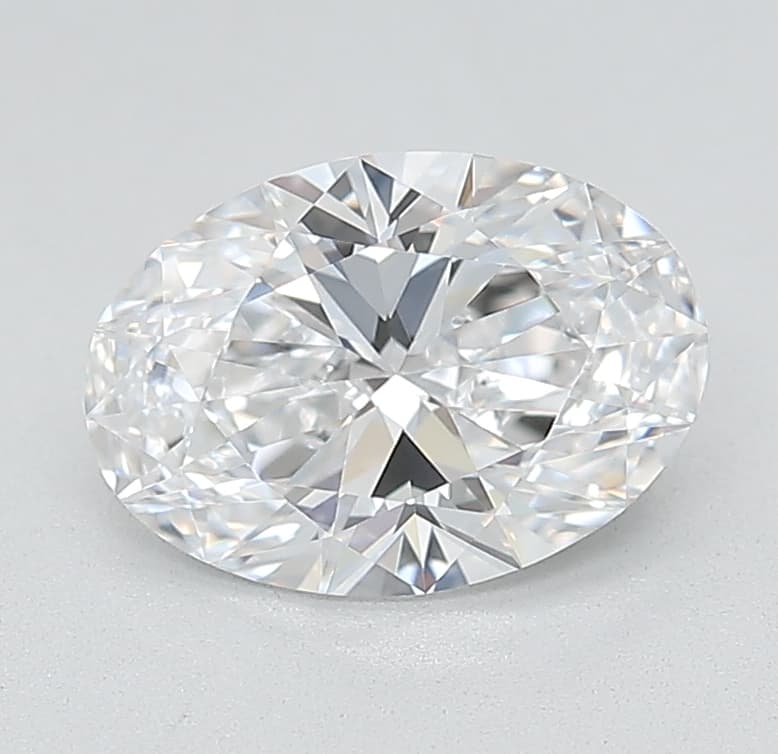
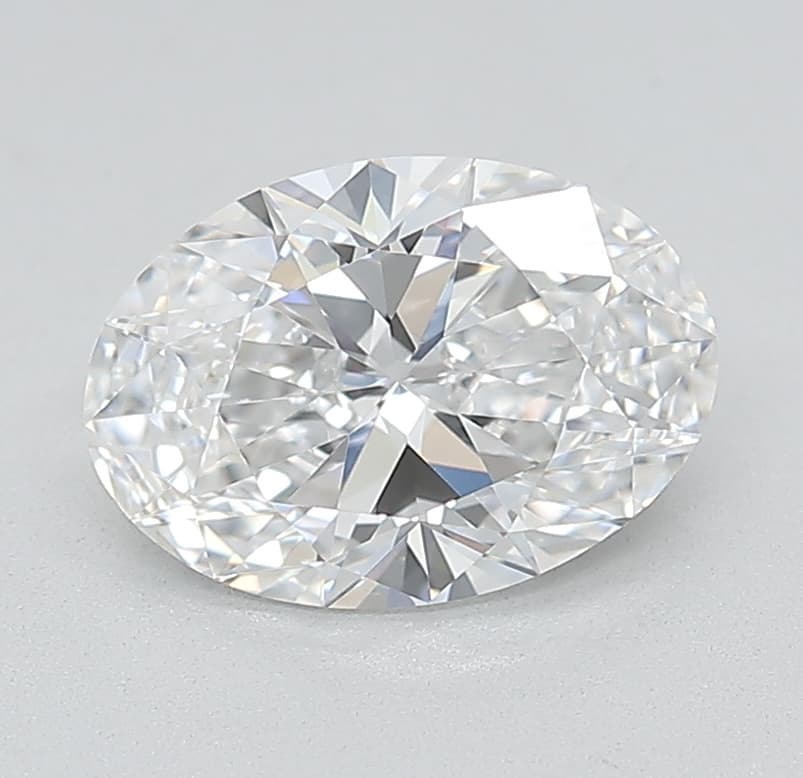
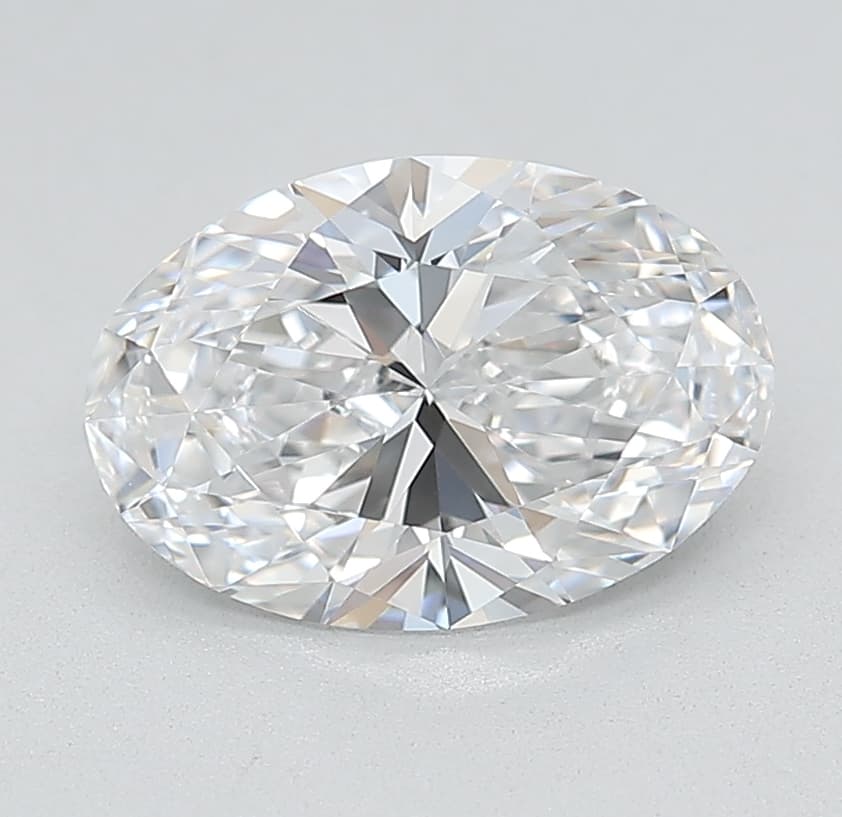
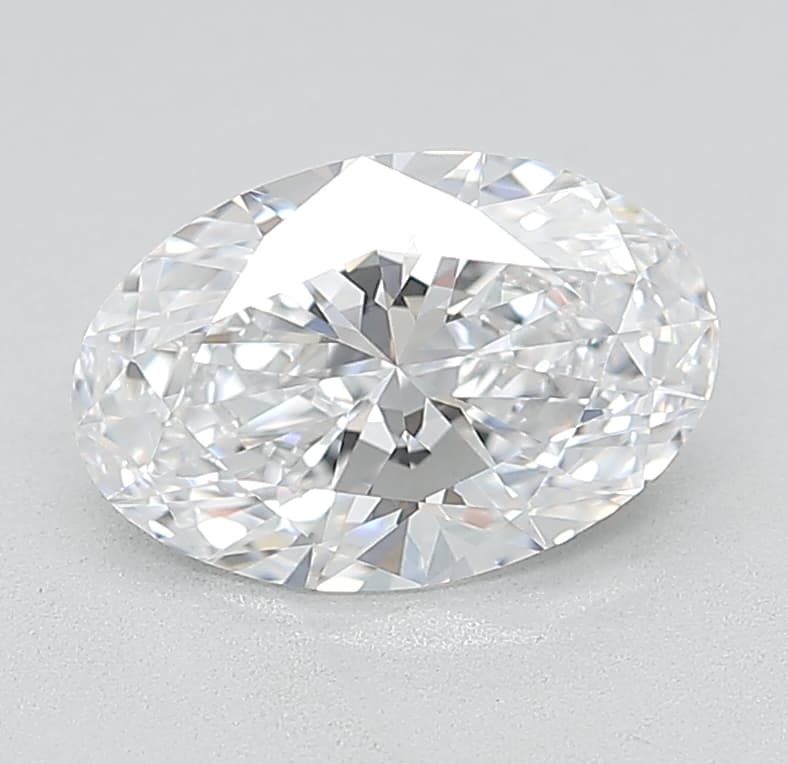
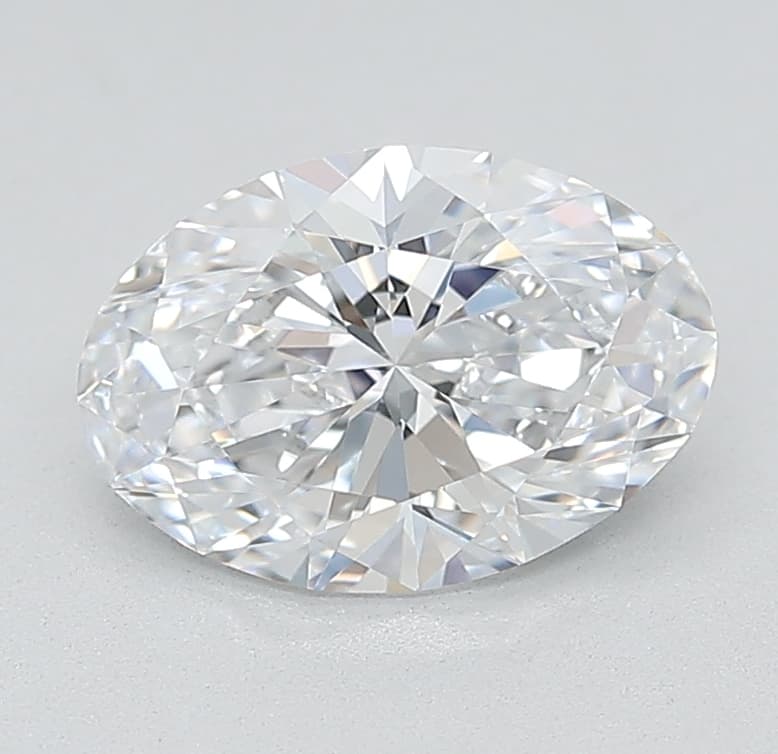
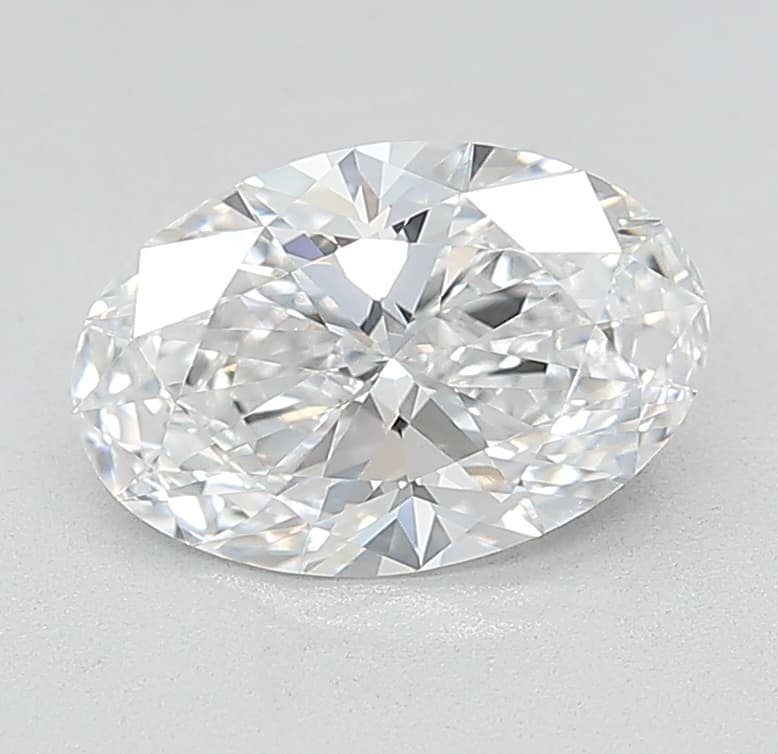
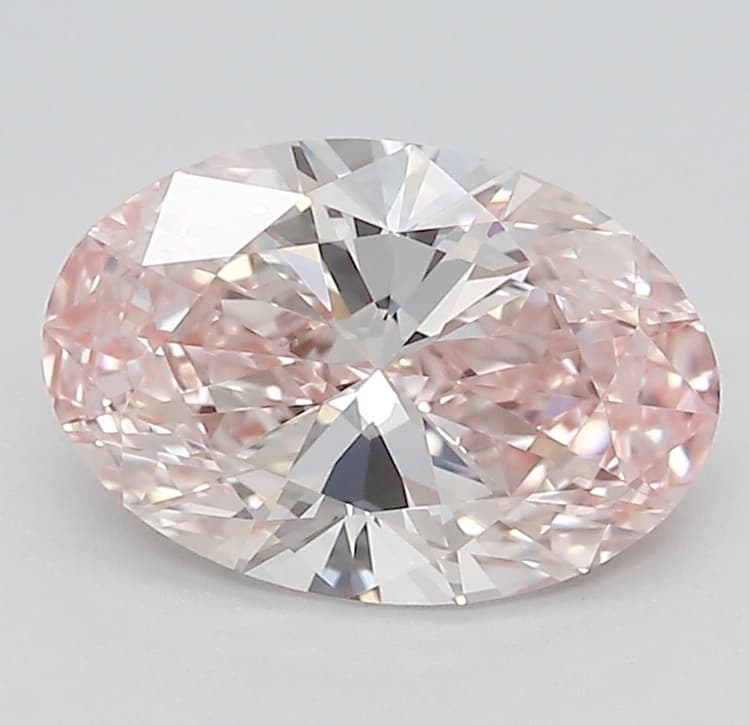
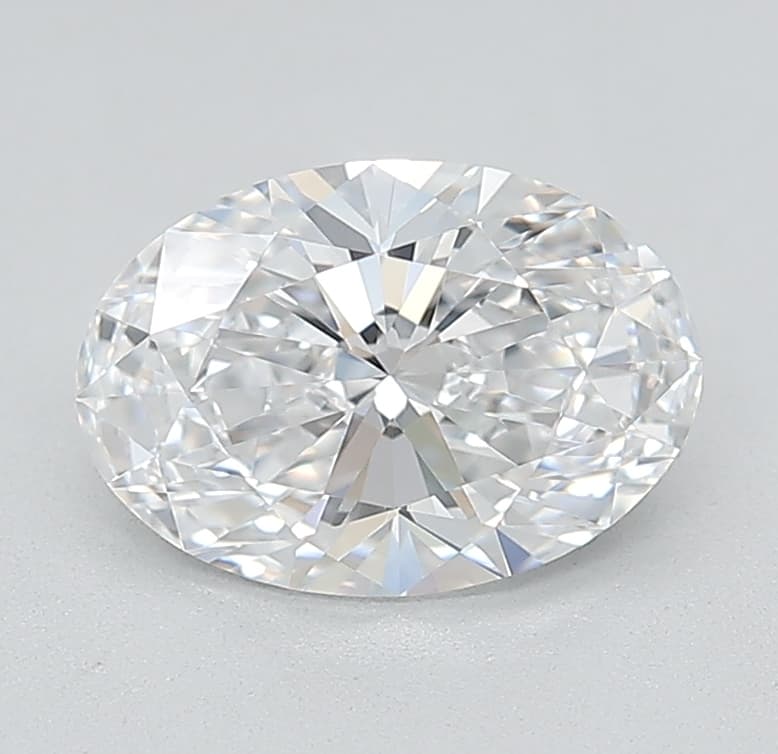
Elongated brilliants such as ovals, pears and marquises are more prone to windows, usually in the center or toward the ends. Cutters sometimes keep a stone shallow to make it spread wider, and the price of that extra width can be a window.
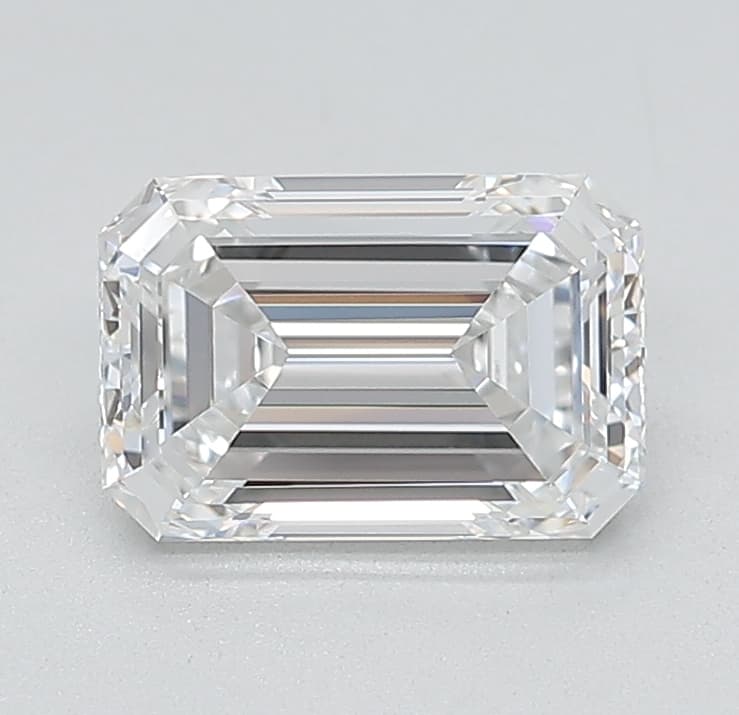
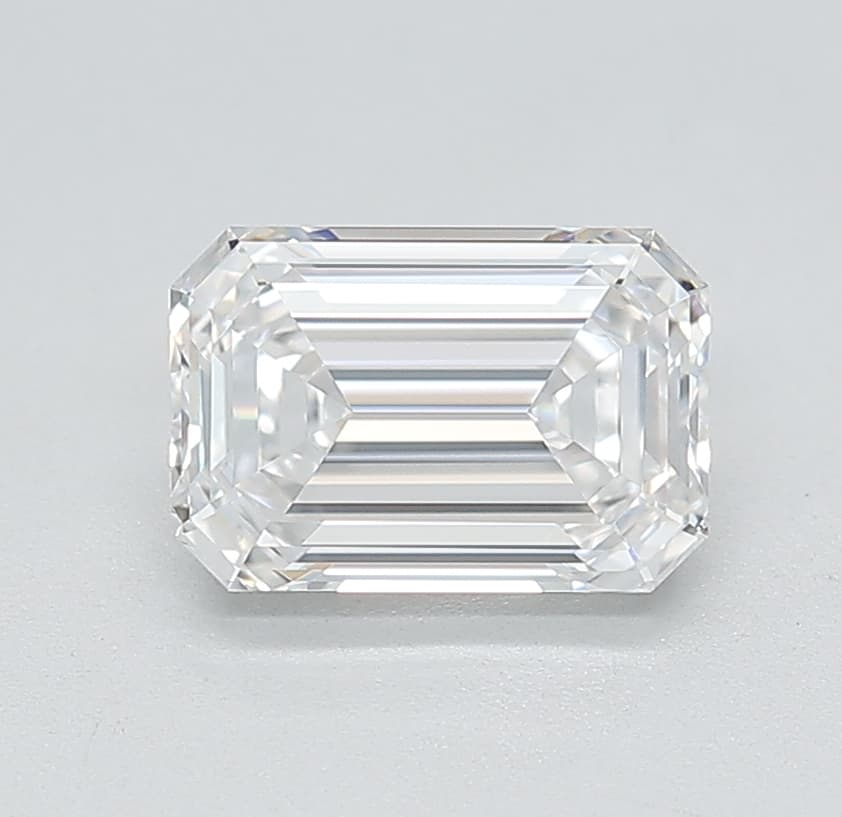
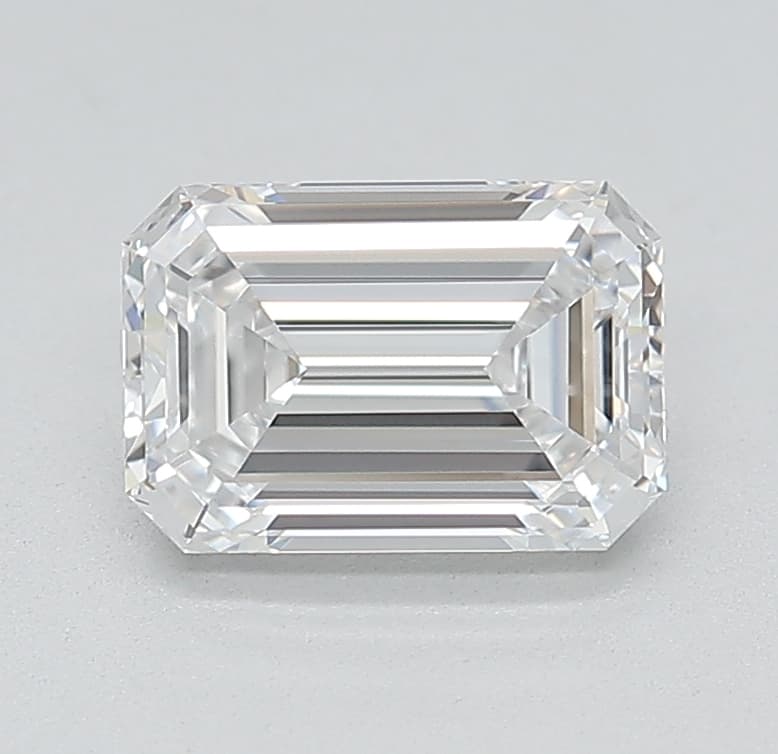
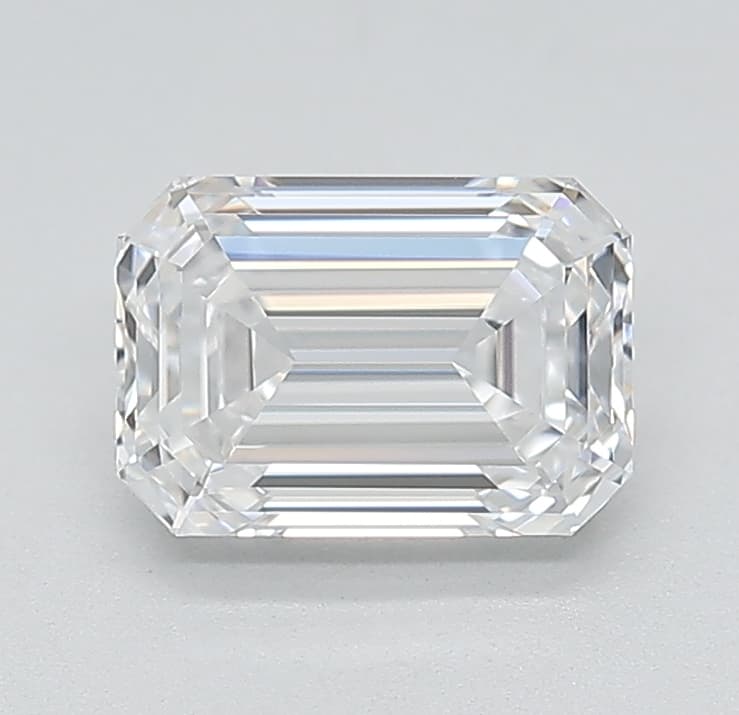
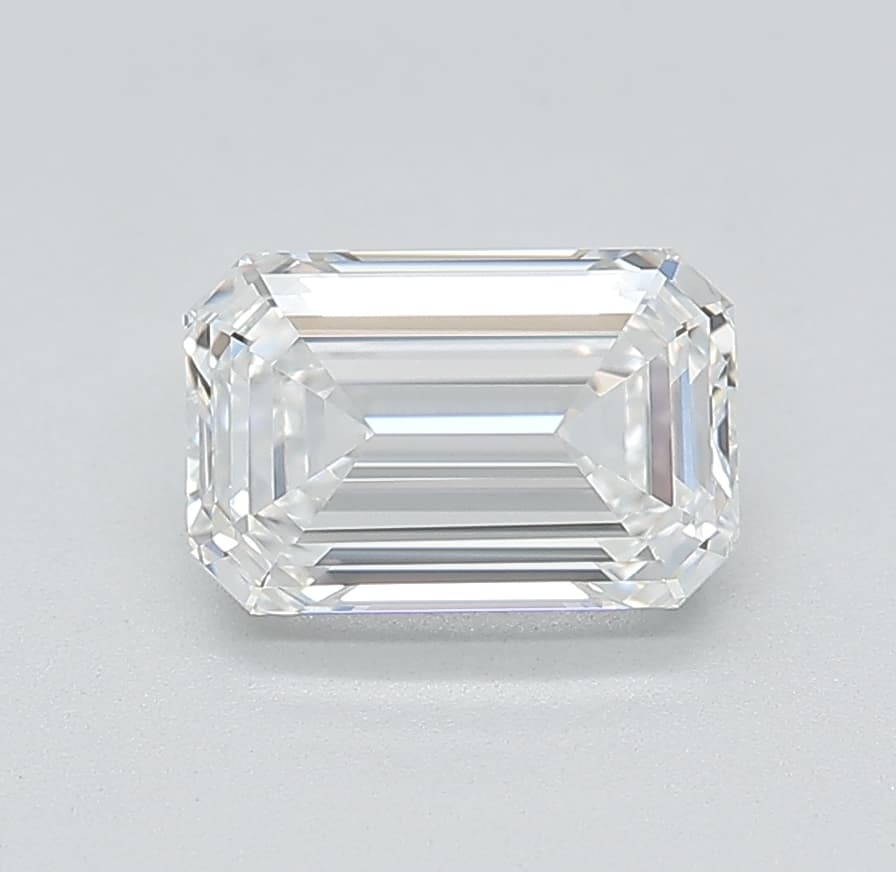
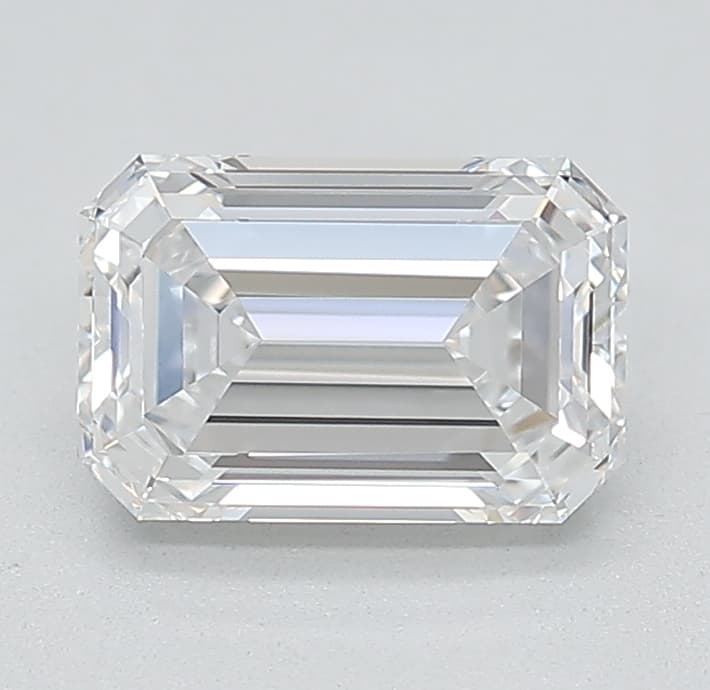
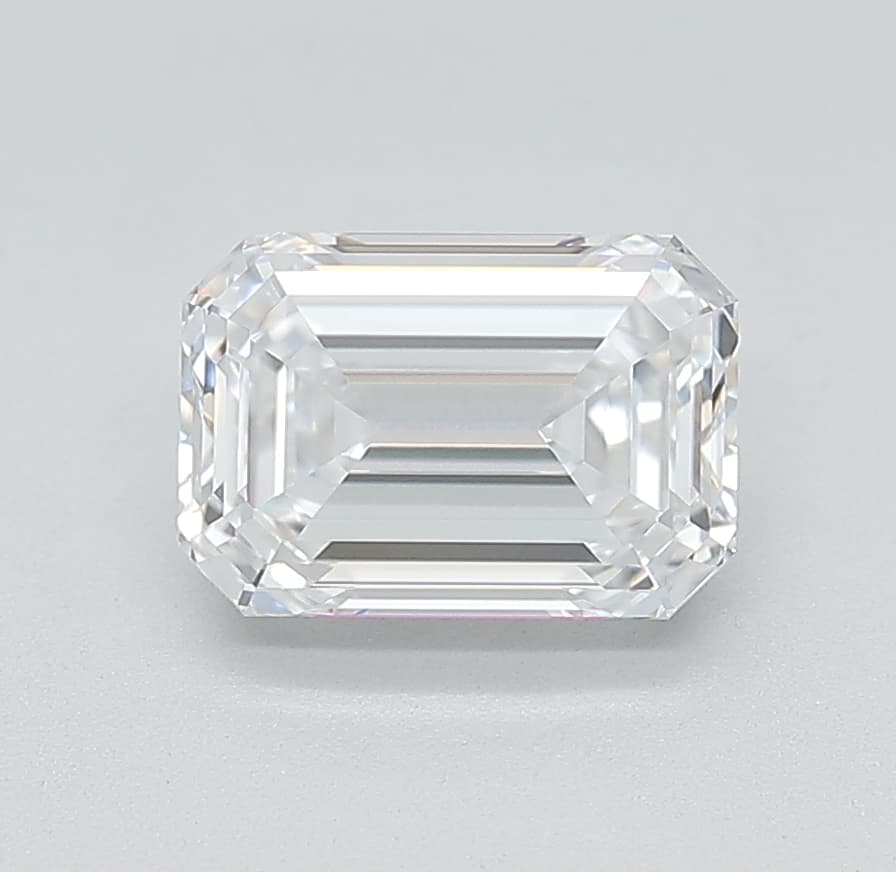
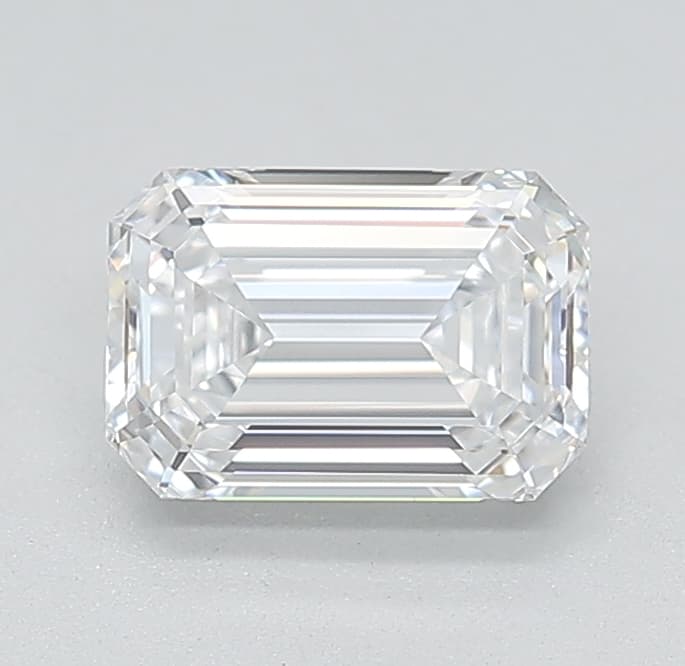
Step cuts such as emeralds and asschers are meant to look different: broad, mirror-like flashes rather than sparkle, with a clear view into the stone. That openness is part of their style, but a step cut that is too shallow can look washed out and lifeless across its center. Our post on brilliant vs step cuts explains the two styles.
Extinction: when dark areas are too much
Every diamond shows some dark areas. Part of what we call sparkle is the switching between bright and dark facets as the stone moves, and some of the dark comes from your own head and shoulders reflected in the facets. That is healthy contrast.
Extinction becomes a problem when the dark areas are large, fixed and in the middle of the stone. Common causes:
- A pavilion that is too deep or too steep, which sends light out the sides. A stone like this also carries extra weight below the girdle, so it looks smaller face-up for its carat weight.
- Elongated geometry. The bow-tie effect in ovals, pears and marquises is a form of extinction across the width of the stone.
- Poor optical symmetry, where facets do not line up, which can leave patchy dark zones.
In step cuts, a too-deep stone can show dark corners or a dark band rather than bright, mirror-like steps.
Why a stone ends up with a window or dark areas
Every diamond starts as a piece of rough, and the cutter has to balance three things: how much weight to keep, how wide the stone looks from above, and how well it returns light. The best light return does not always give the heaviest or widest stone.
- Cutting shallow spreads the weight across a wider outline, so the stone looks bigger for its carat weight. Go too far and the pavilion angles become too flat to reflect light back, and a window opens up.
- Cutting deep keeps more weight from the rough, which can make a stone reach a popular weight such as 2.00 carats. Go too far and light escapes through the sides, the center darkens, and the stone looks smaller face-up than its weight suggests.
Neither choice shows in the color or clarity grades, which is why a cut problem can hide behind excellent grades. Our post on diamond spread and face-up size explains the weight side of this trade-off.
What depth percentage can and cannot tell you
The depth percentage on the report is total depth divided by width. It is a useful hint, because stones far below the common range for their shape are more likely to window, and stones far above it are more likely to look dark or small.
But depth is a single number that combines the crown, the girdle and the pavilion. Two stones with the same depth can have very different pavilion angles. That is why depth works best as a first filter, and the video works as the proof. Our shape guides list the common depth ranges, for example the oval guide and the emerald guide, and the diamond cut guide explains the angles behind them.
Depth combines the crown, girdle and pavilion in one number, so two stones with the same depth can behave differently. Use depth to narrow the list, then let the video decide.
How to check a diamond video for both
Every stone page shows photos, and most have a video or 360° view. Use them like this to spot windowing and extinction before you buy:
Watch for a center that looks pale or glassy while the edges sparkle, and for dark patches that stay put as the stone turns. If you see either, compare it with a similar stone of the same shape and size. If you are unsure, our diamond specialists can review the video with you or arrange to show you the stone.
- Step 1: Look at the center firstA pale, glassy or see-through middle, while the edges sparkle, suggests a window.
- Step 2: Watch the stone moveDark areas that flicker and change are normal contrast. Dark areas that stay fixed are extinction.
- Step 3: Check the ends of elongated shapesOvals, pears and marquises can window or darken toward the tips as well as the middle.
- Step 4: Compare in similar lightingBright spotlights can hide both effects, so compare stones filmed in similar, even light.
- Step 5: Read the depth and the measurementsA depth far outside the common range for the shape is a reason to look more closely.
Frequently asked questions
What does windowing mean in a diamond?
Windowing is a pale, see-through area, usually in the middle of the stone, where light passes straight through the pavilion instead of reflecting back. It is most often caused by a pavilion cut too shallow, and it is more common in elongated shapes such as ovals than in well-cut rounds.
What is extinction in a diamond?
Extinction means dark areas where the diamond returns little light to your eye. Some dark areas are normal and create contrast. Extinction becomes a problem when large dark zones stay fixed as the stone moves, often because the pavilion is too deep or, in elongated shapes, as a strong bow-tie.
Does the grading report show windowing?
No. An IGI report lists measurements, depth, table, polish and symmetry, and an overall cut grade for rounds, but it does not grade windowing or extinction (GIA’s assessment since October 2025 shows table and depth percentages, but no measurements in millimeters and none of those grades). A depth far outside the common range for the shape is a hint. The video is how you actually see it.
Is a window the same as a clarity problem?
No. A window is about the cut and how light travels through the stone, not about inclusions. A flawless, D color diamond can still have a window if its pavilion is too shallow, while a well-cut VS stone may have none.
Glossary terms in this article
More on Shapes & Cuts in the journal.