Shapes & Cuts
Radiant vs Cushion Cut: Straight Edges or Soft Corners?
By the Vanora Diamond team
Published Last reviewed 5 min read

Quick answer
A radiant cut has straight sides and cropped corners, like an emerald cut, but sparkles like a brilliant; a cushion has gently curved sides and rounded corners, like a pillow, and a softer, more romantic look. Both come in square and elongated versions, both sparkle strongly, and both are often cut fairly deep, so compare their size in millimeters. Choose the radiant for crisp, modern lines and the cushion for softness.
Two sparkling shapes with different outlines
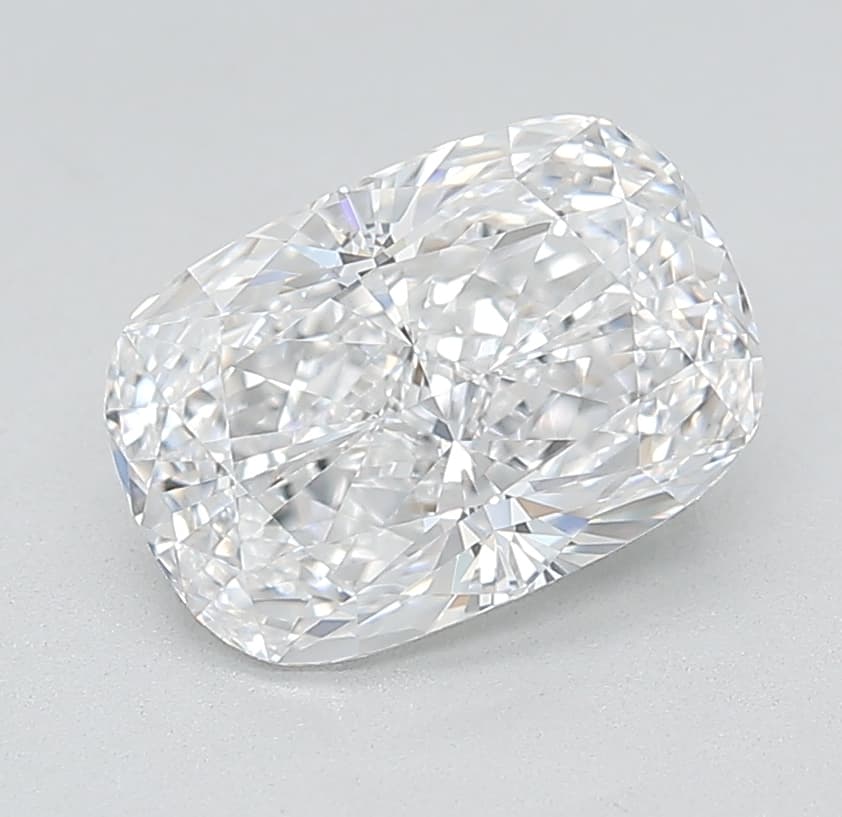
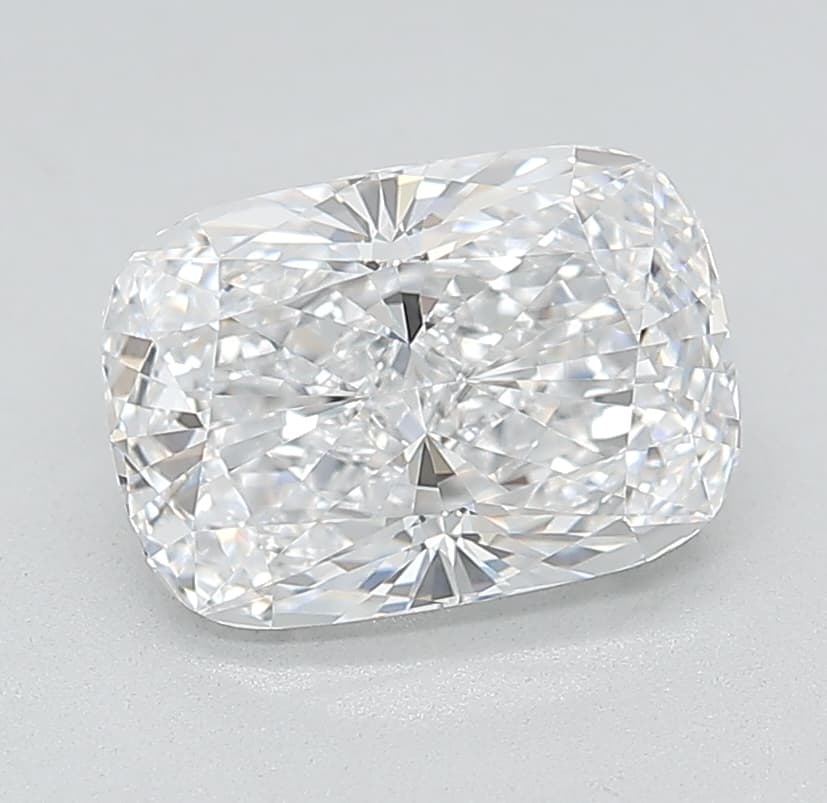
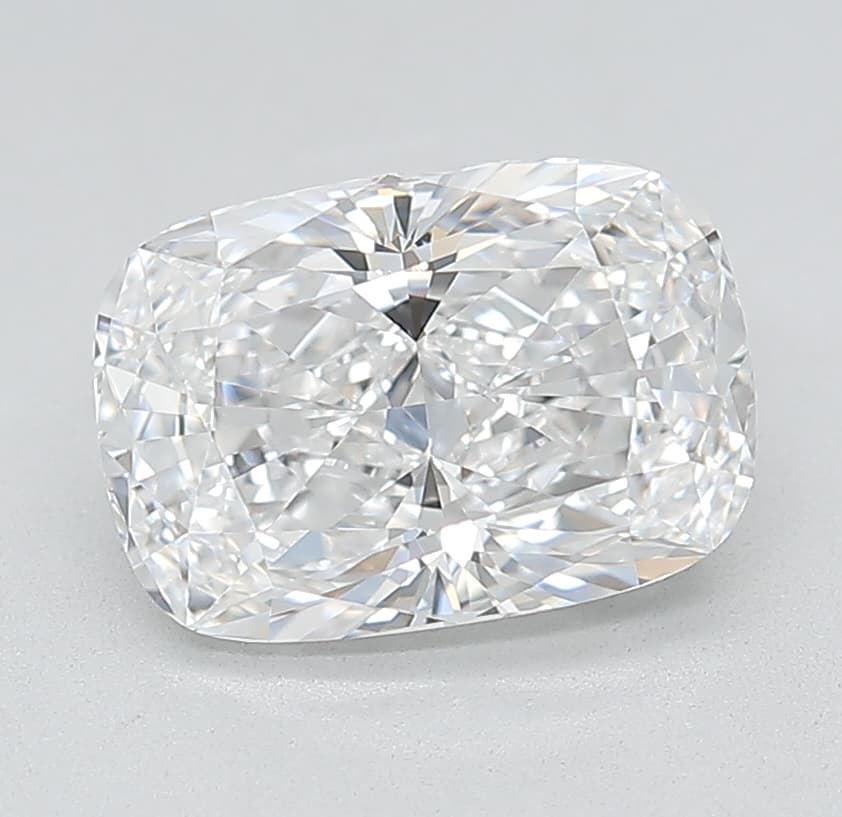
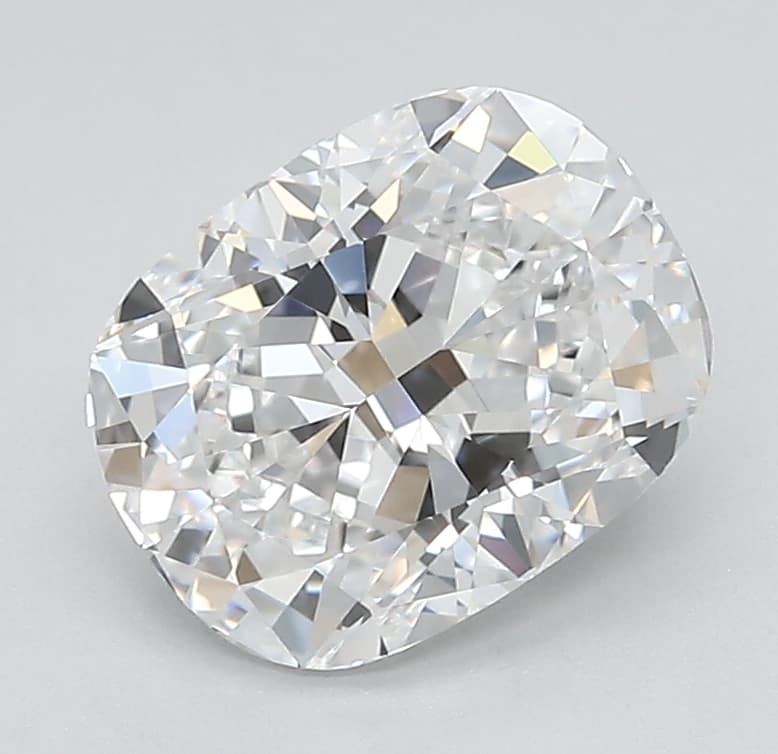
Radiant and cushion cuts are often shortlisted together, because both are brilliant-style shapes with four sides and strong sparkle. The difference is mostly in the outline:
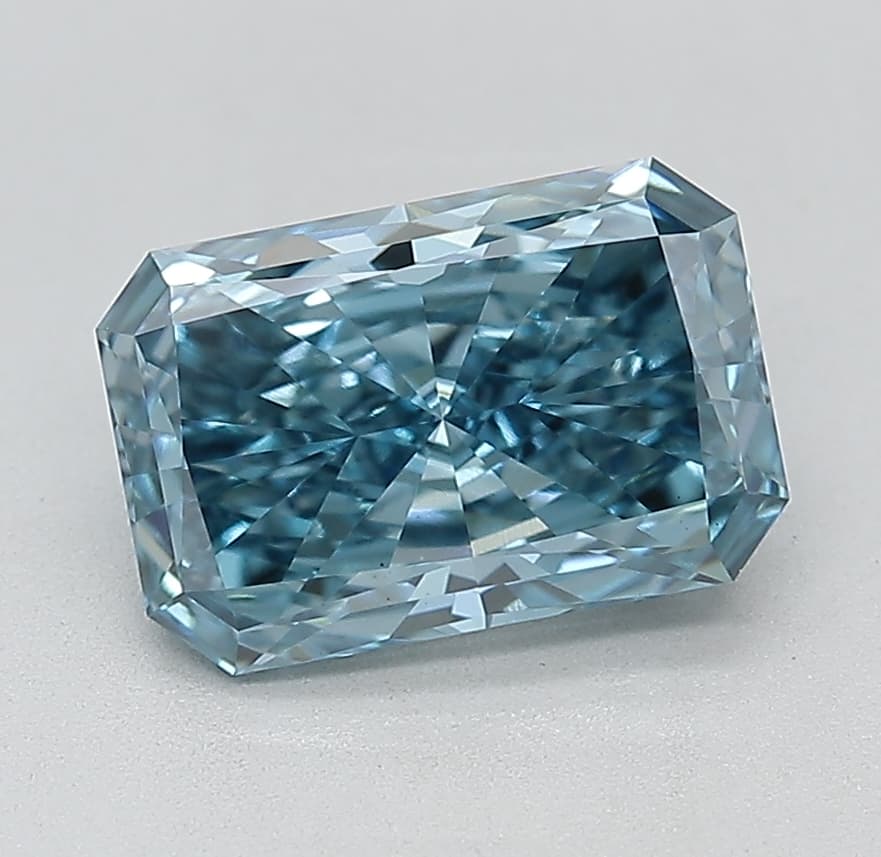
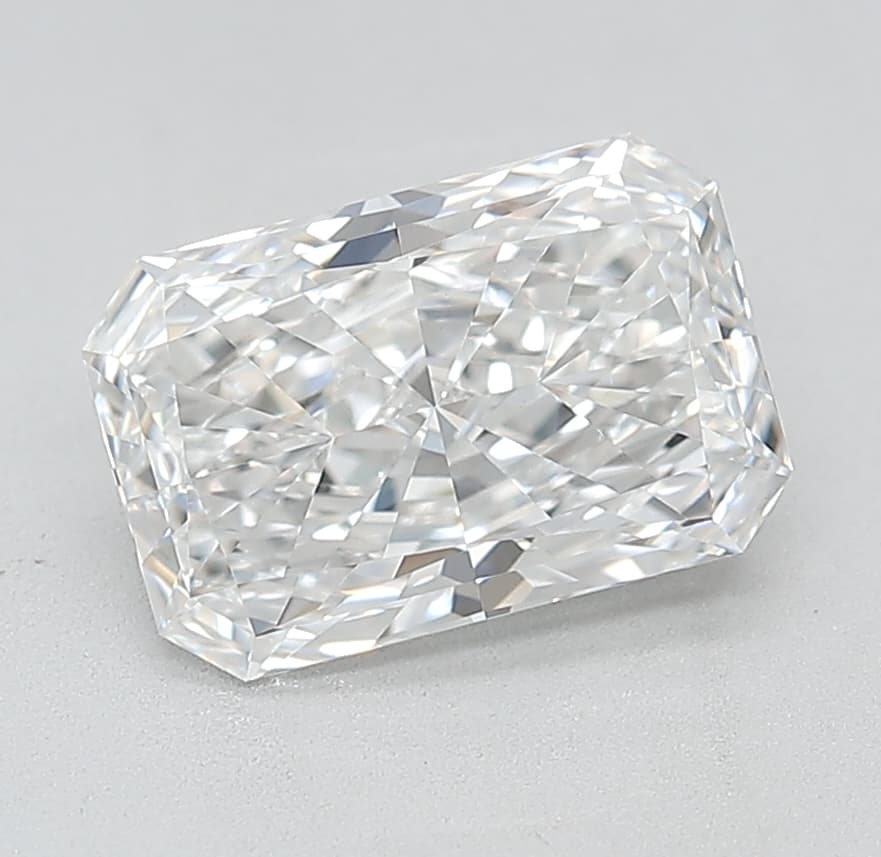
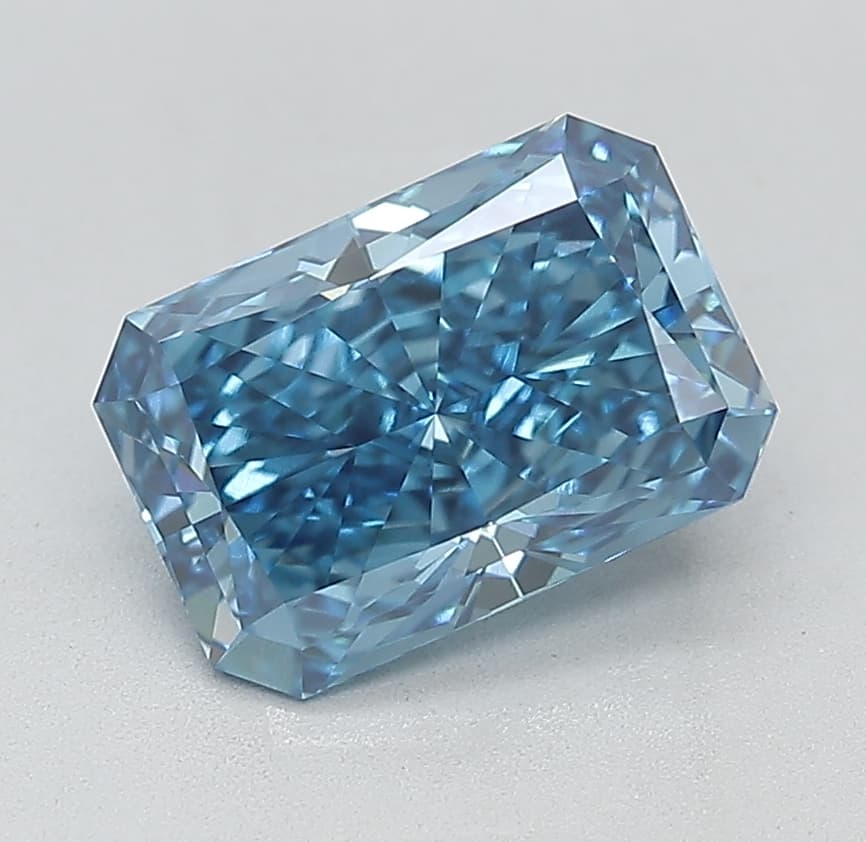
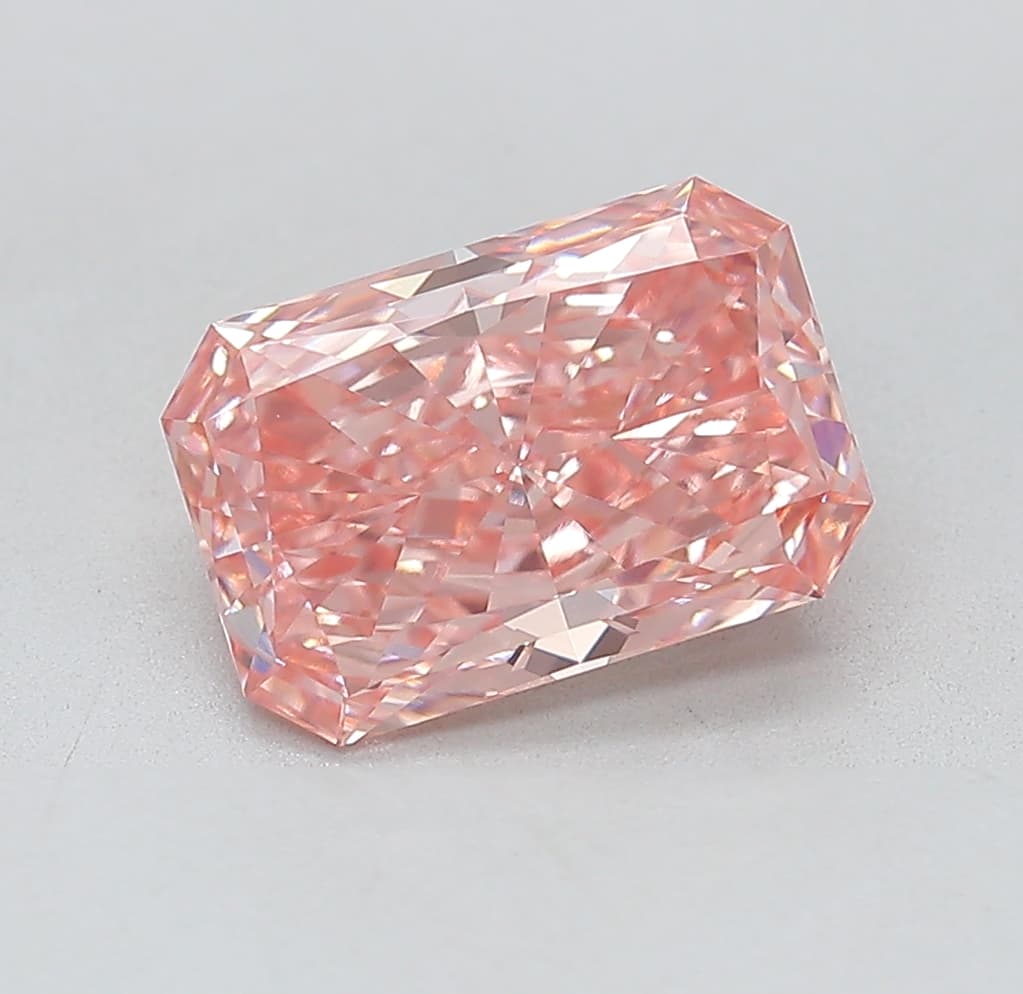
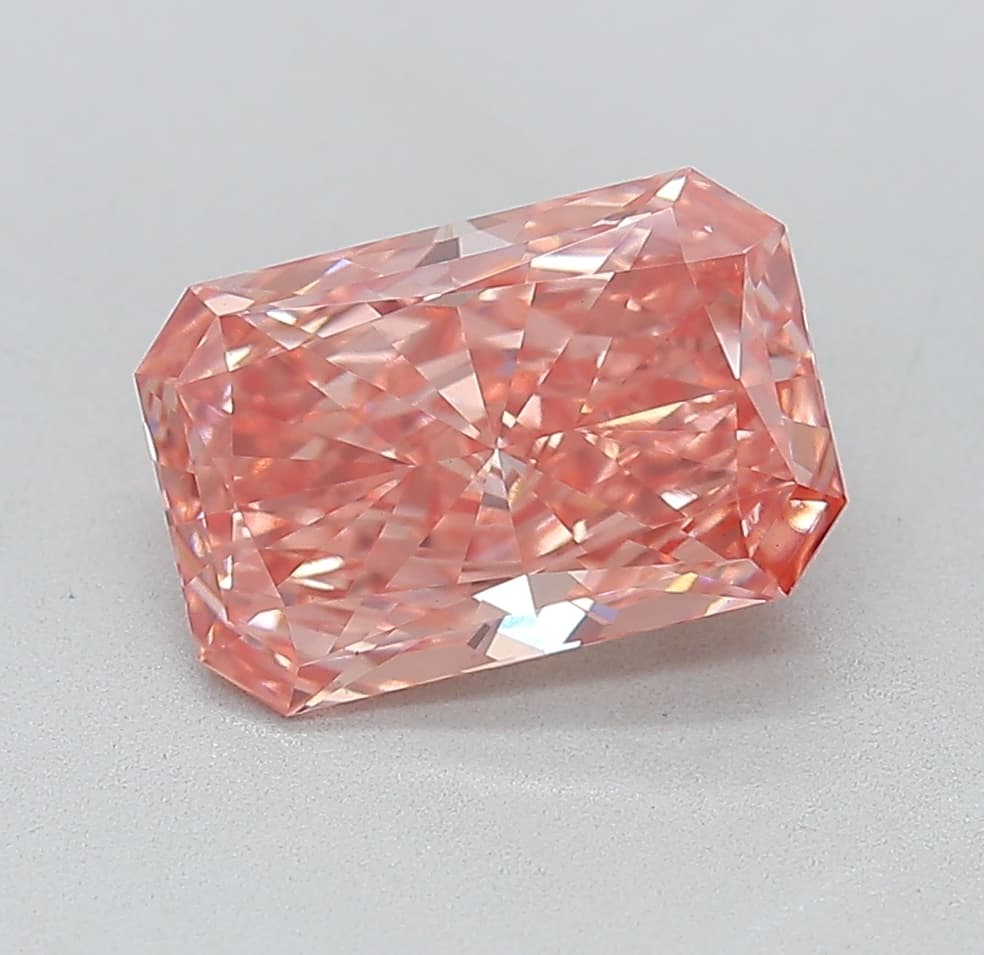
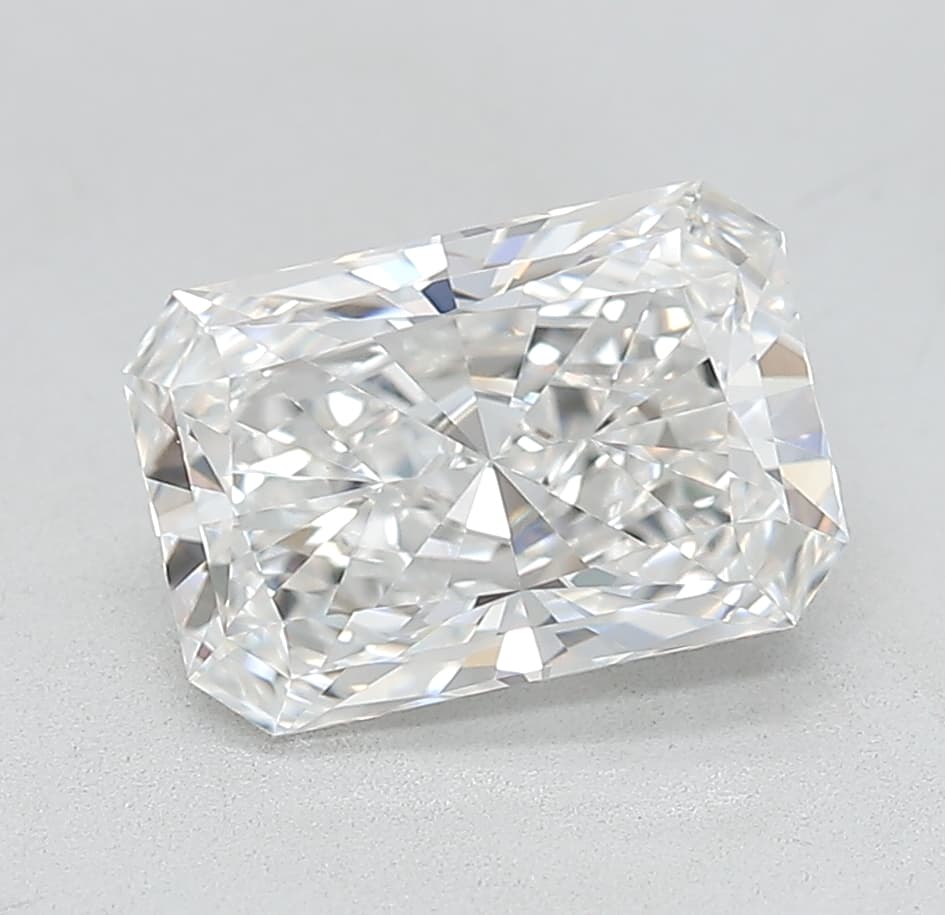
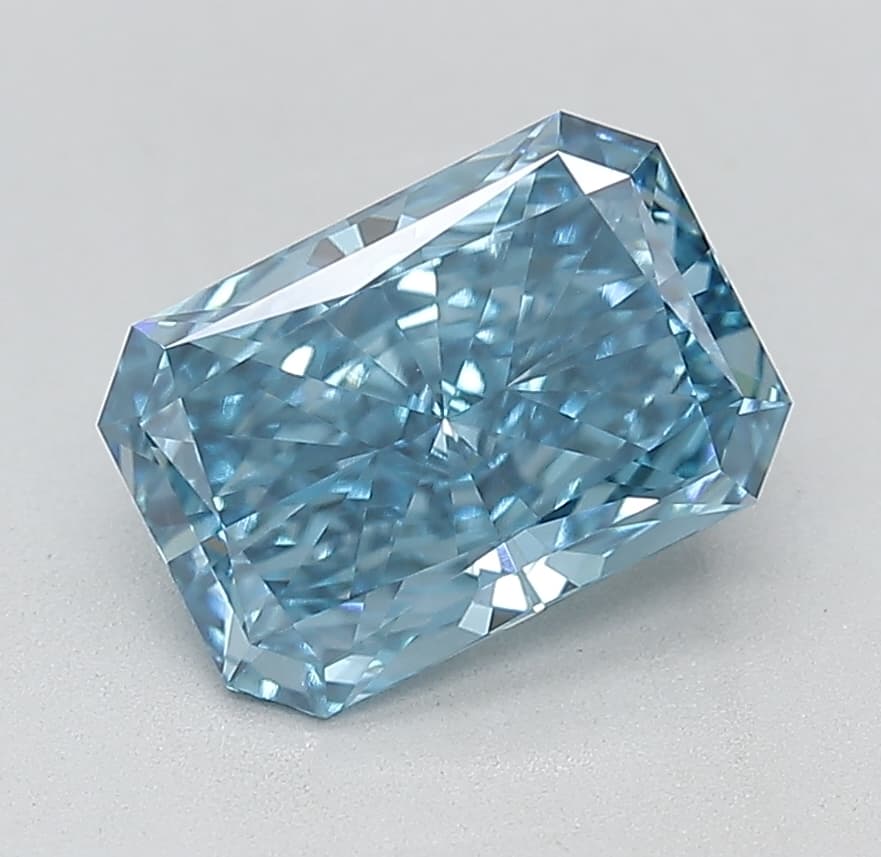
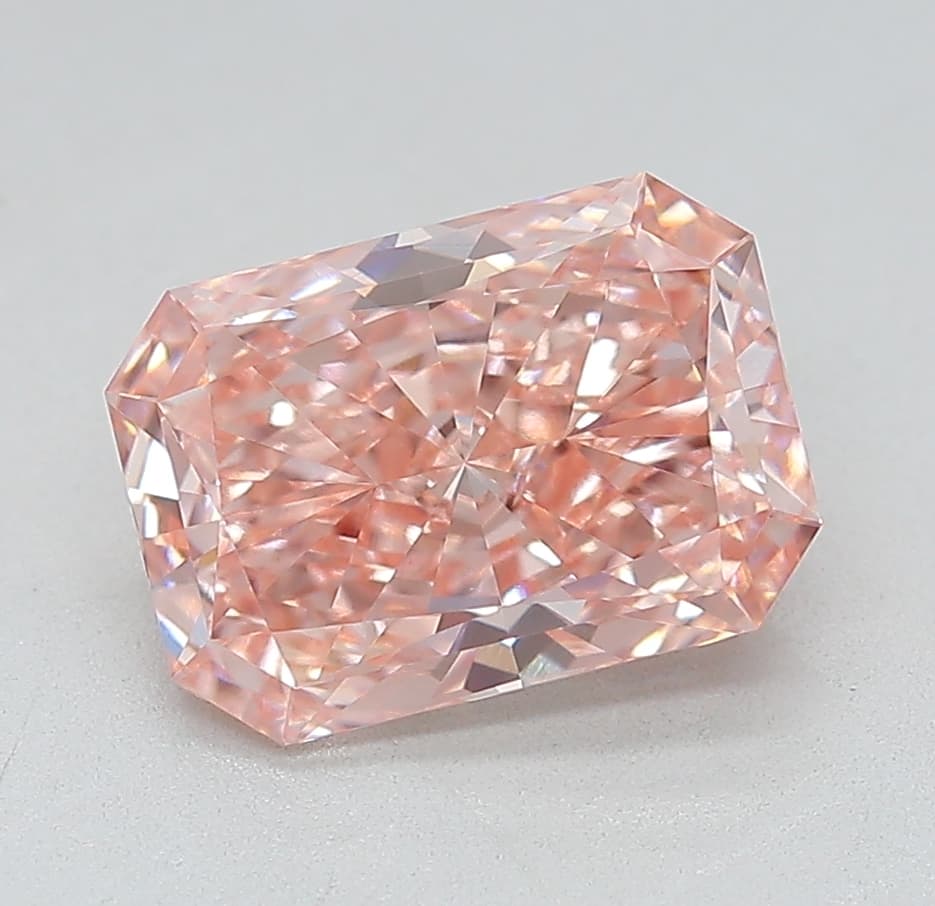
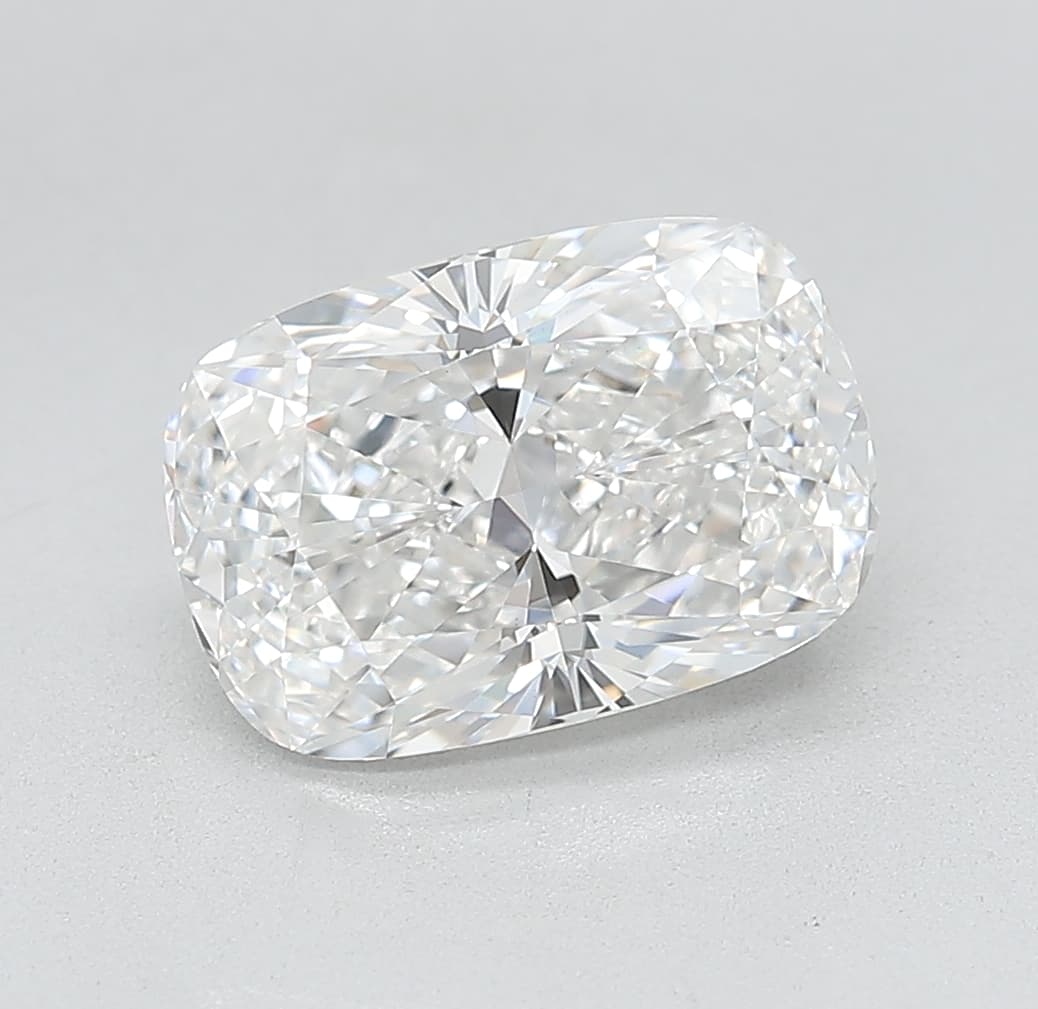
- A radiant has straight sides and cropped corners: the corners are cut off at an angle, giving an outline like an emerald cut. Its facets, though, are brilliant style, so it sparkles rather than flashing like a step cut.
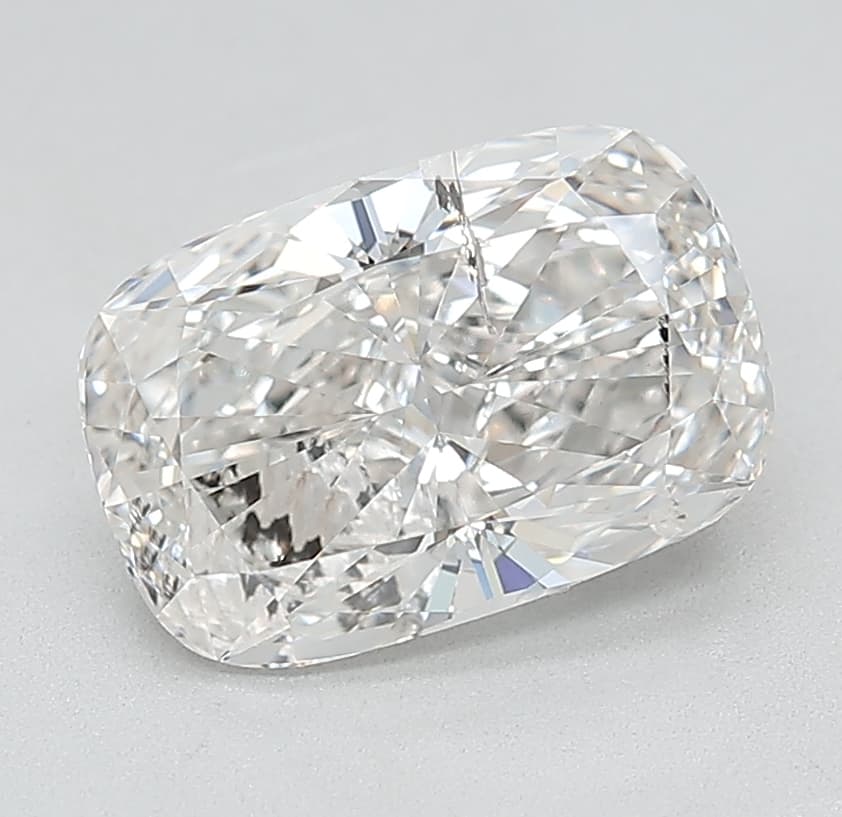
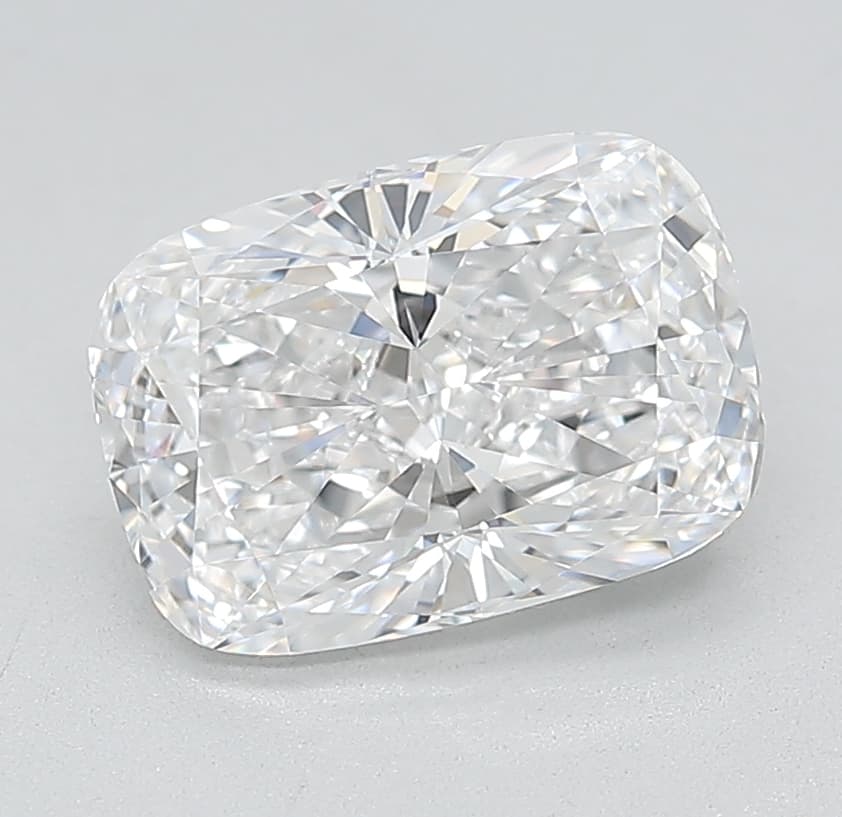
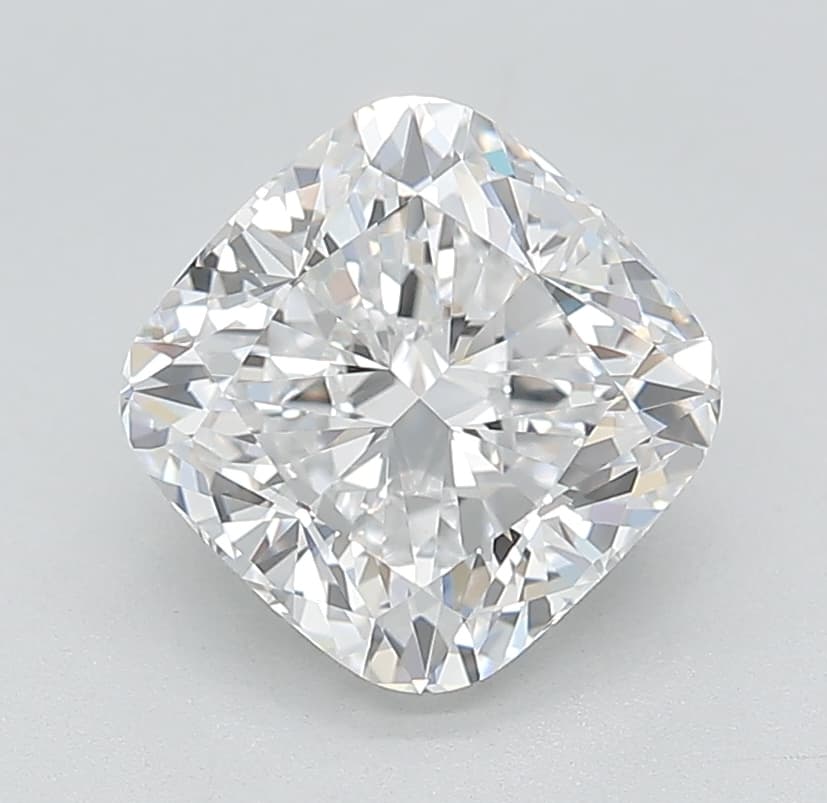
- A cushion has gently curved sides and rounded corners, like a pillow. The outline is soft, with no straight edges or sharp angles.
Put side by side, the radiant looks crisp and architectural, and the cushion looks soft and romantic. Our radiant guide and cushion guide describe each shape in full.
- Typical L/W1.00–1.05 square1.20–1.40 rectangular
- Typical L/W1.00–1.05 square1.10–1.30 elongated
How they sparkle
Both shapes are faceted to sparkle, and both often show a crushed-ice look: many small, busy reflections spread across the face. Many cushions are cut instead in a chunkier style, with larger, bolder flashes; radiants lean more consistently toward crushed ice.
In practice:
- A radiant usually gives a lively, glittering face edged by clean, straight lines, which many buyers describe as the sparkle of a round in a rectangular frame.
- A cushion gives either a fine shimmer or larger, distinct flashes, depending on its faceting. Our post on cushion brilliant vs cushion modified brilliant explains the two cushion styles, and the post on crushed ice vs chunky facets compares the looks.
Whichever you prefer, the video shows it better than any description.
Square or elongated: both come in two versions
Both shapes are cut square and elongated, and the length-to-width ratio tells you which you are looking at:
| Shape | Square | Elongated |
|---|---|---|
| Radiant | About 1.00–1.05 | About 1.20–1.40 |
| Cushion | About 1.00–1.05 | About 1.10–1.30 |
These are common guidelines rather than fixed rules. They are compiled from widely published trade guidelines, and sources vary. An elongated radiant looks like a sparkling version of an emerald cut and lengthens the finger. An elongated cushion is a soft, slightly oval-like rectangle. Square versions of both look compact and bold. Our post on elongated vs square cushions looks at the cushion choice in detail.
Size on the hand, color and durability
Size for the weight. Radiants and cushions are both often cut deeper than rounds or ovals. Extra depth puts more of the weight below the surface, so they can look a little smaller face-up than a shallower shape of the same carat weight. Compare the millimeter measurements on the report, and see our post on diamond spread for why it matters.
Color. Both are brilliant styles, so they often hide faint color better than step cuts, but their corners can concentrate a little color, especially in larger or deeper stones. Many buyers stay in the colorless to high near-colorless range for either.
Durability. Neither has a sharp point. The radiant's cropped corners and the cushion's rounded corners are both sturdier than a princess cut's sharp corners. Corners still take the knocks, so four prongs placed at the corners, or a bezel, protect them well.
| Compared | Radiant | Cushion |
|---|---|---|
| Outline | Straight sides, cropped corners | Curved sides, rounded corners |
| Sparkle | Usually crushed ice | Crushed ice or chunky flashes |
| Typical ratio | 1.00–1.05 square, 1.20–1.40 long | 1.00–1.05 square, 1.10–1.30 long |
| Feel | Crisp and modern | Soft and romantic |
| Corners | Cropped, sturdy | Rounded, sturdy |
Clarity: how much each shape hides
Both shapes are brilliant styles, so both hide small inclusions better than step cuts such as the emerald and asscher. A busy, crushed-ice face is especially good at breaking up the view into the stone, which is one reason radiants are often chosen by buyers who love the emerald outline but want a more forgiving stone.
A chunky cushion, with its larger facets, gives a slightly clearer view inside than a crushed-ice one, so a small inclusion under the table may be easier to spot. As a common guideline, many buyers look for an eye-clean stone in the VS range for either shape, and then confirm it in the video rather than relying on the grade alone. Inclusions near the corners deserve a second look, because corners are where a stone takes knocks.
Settings and side stones
Both shapes sit well in four-prong settings, with a prong at each corner, and both suit a bezel. The radiant's straight sides pair well with geometric designs and with tapered or straight side stones; the cushion's soft outline pairs well with halos and vintage-style designs, which is why it is a common choice for a halo ring. Our post on ring setting styles covers the options.
Elongated versions of both can be set north to south, along the finger, or east to west for a modern twist. Whatever you choose, give your jeweler the stone's measurements so the setting fits its exact outline.
What to check in the video and on the report
For either shape, a few checks separate a lovely stone from an ordinary one:
- Even light. The face should sparkle across its whole surface, with no dark patch in the center and no glassy, see-through window in the middle.
- A clean outline. A radiant's sides should be straight and its corners even; a cushion's sides should curve evenly, with matching corners.
- Depth and table. Very deep stones can look small and dark; compare the depth percentage with similar stones.
- Polish and symmetry. Excellent or Very Good is the usual aim.
Our post on cut quality in fancy shapes gives a fuller checklist.
How to choose between them
Let the outline lead:
- Choose a radiant for clean, straight lines with plenty of sparkle, a modern feel, and an elongated option that resembles a sparkling emerald cut.
- Choose a cushion for a softer, rounder outline, a romantic or vintage feel, and a choice between shimmering and chunky faceting.
Compare one of each at a similar size and ratio, in the same lighting. Browse radiant diamonds and cushion diamonds, or ask a diamond specialist to line them up for you before you buy.
A square cushion and an elongated radiant look very different for reasons that have nothing to do with the shape itself. Compare stones of similar ratio and size to see the real difference.
Frequently asked questions
What is the difference between a radiant and a cushion cut?
A radiant has straight sides and cropped corners, like an emerald cut, with brilliant faceting that sparkles. A cushion has curved sides and rounded corners, like a pillow, and can be faceted in a chunky or a crushed-ice style. The radiant looks crisp and modern; the cushion looks soft and romantic.
Which sparkles more, a radiant or a cushion?
Both sparkle strongly. Radiants usually show a busy, crushed-ice sparkle, while cushions show either a fine shimmer or larger, chunkier flashes depending on their faceting. Watch each stone’s video, because the cut of the individual stone matters more than the shape name.
Do radiant and cushion diamonds look smaller for their weight?
They can. Both are often cut deeper than rounds or ovals, which puts more weight below the surface, so they may look a little smaller face-up for the same carat weight. Compare the millimeter measurements on the report rather than carat weight alone.
Is a radiant or a cushion more durable?
Both are well suited to everyday wear. Neither has a sharp point: the radiant’s corners are cropped and the cushion’s are rounded. As with any diamond, corners take the knocks, so prongs at the corners or a bezel are a sensible way to protect them.
Glossary terms in this article
More on Shapes & Cuts in the journal.