Shapes & Cuts
Pear vs Oval Diamond: Outline, Sparkle and Practical Differences
By the Vanora Diamond team
Published Last reviewed 5 min read

Quick answer
A pear and an oval are both elongated brilliant cuts with similar sparkle and face-up size; the difference is that a pear has one rounded end and one point, while an oval is rounded at both ends. The pear’s point needs protecting and its outline has more to check for symmetry, while the oval is simpler to choose and wear. Pick the pear for a distinctive teardrop, the oval for a softer, balanced look.
Two elongated brilliants
Pears and ovals are close relatives. Both are brilliant cuts, faceted with triangles and kites for sparkle, and both are longer than they are wide. That shared shape gives them similar strengths: they face up larger than a round of the same weight and lengthen the look of the finger.
The difference is the outline:
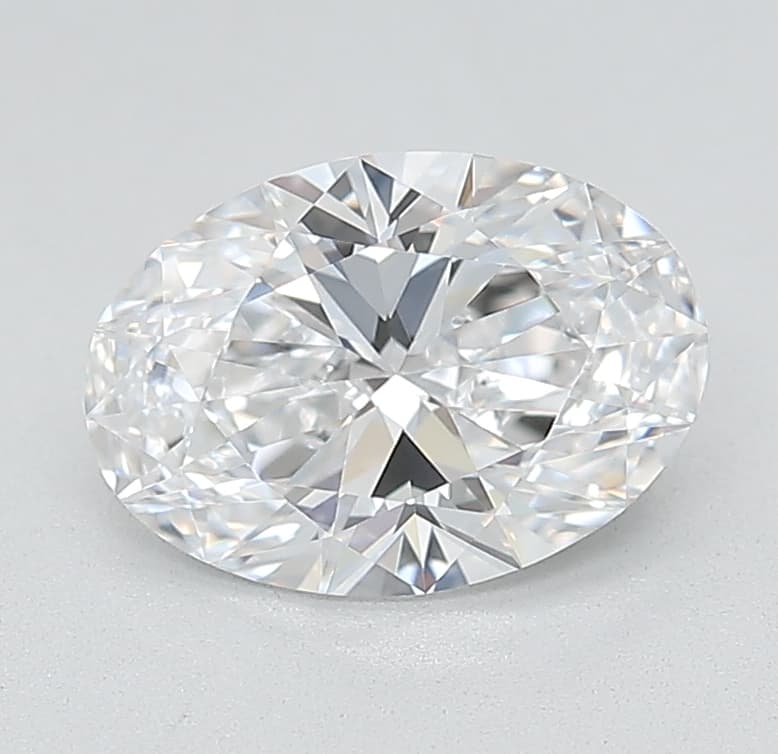
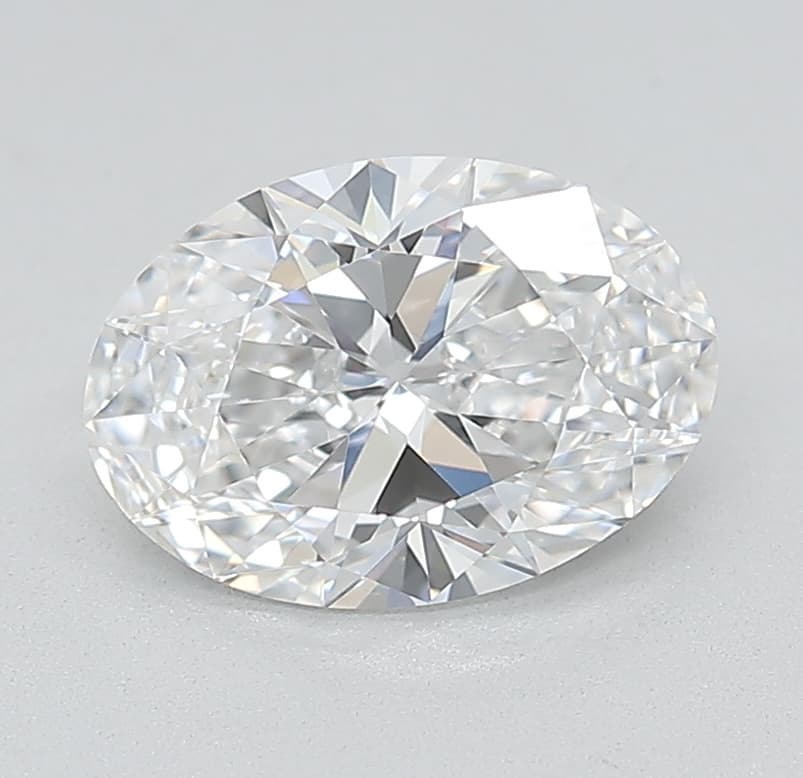
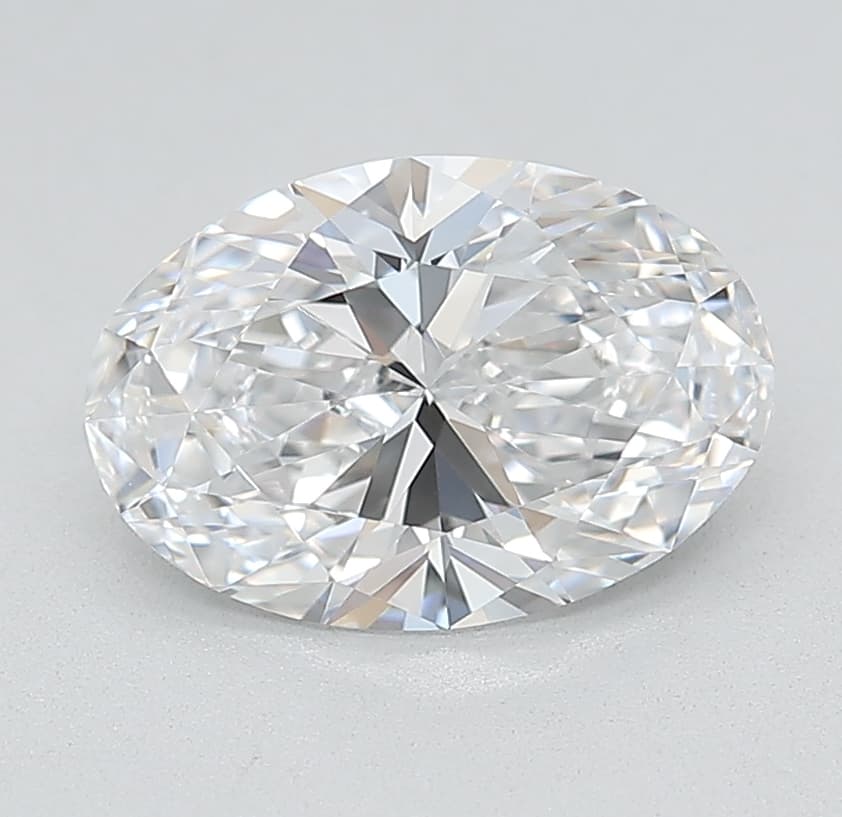
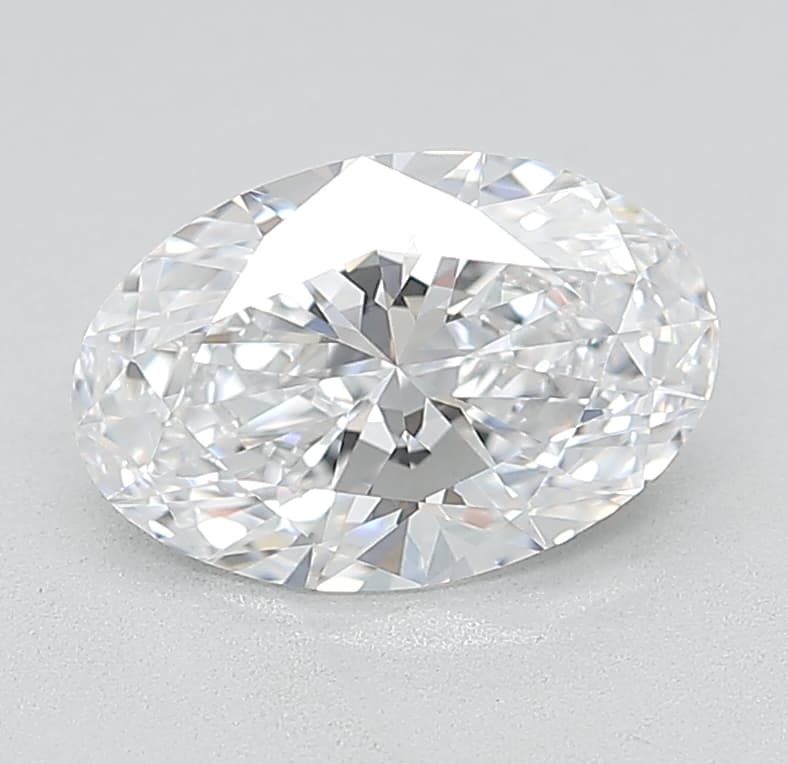
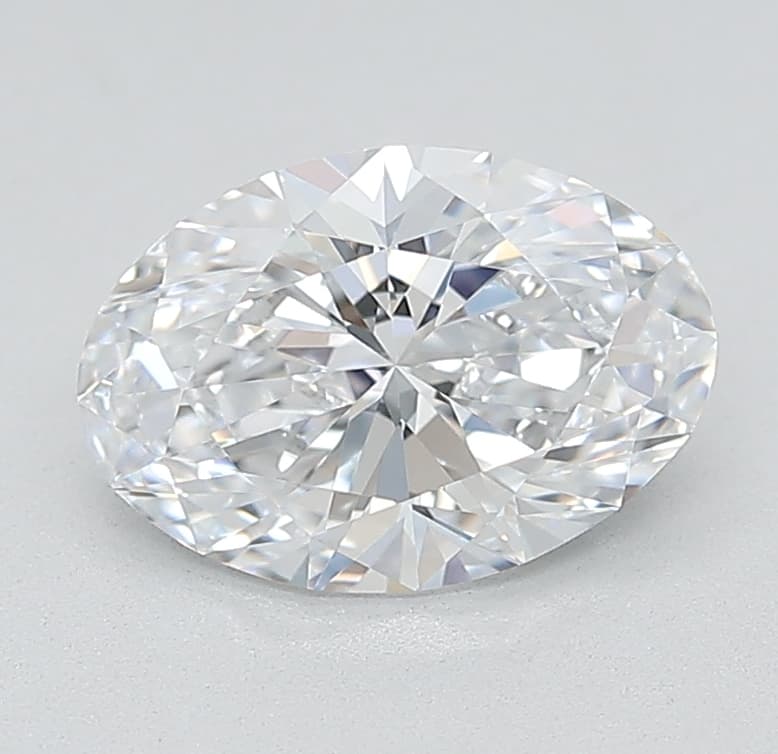
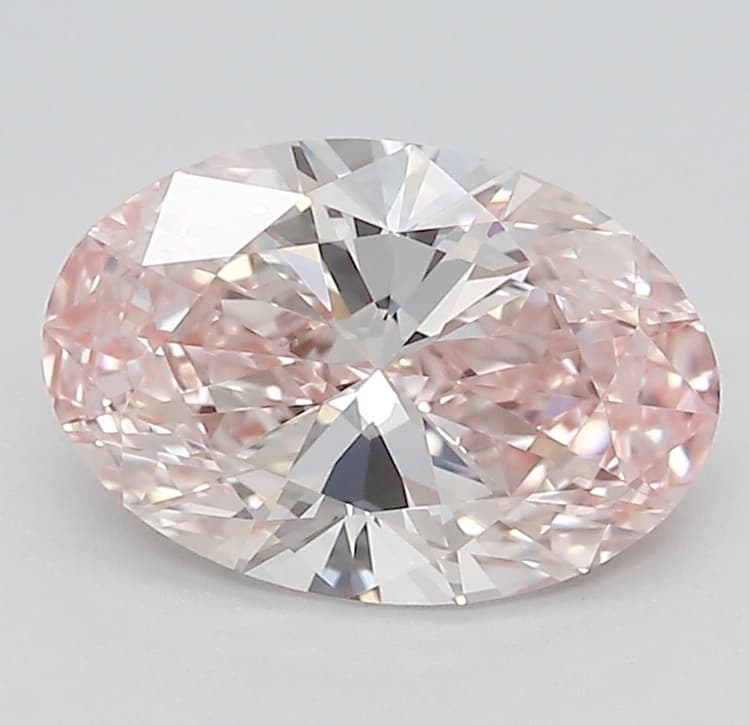
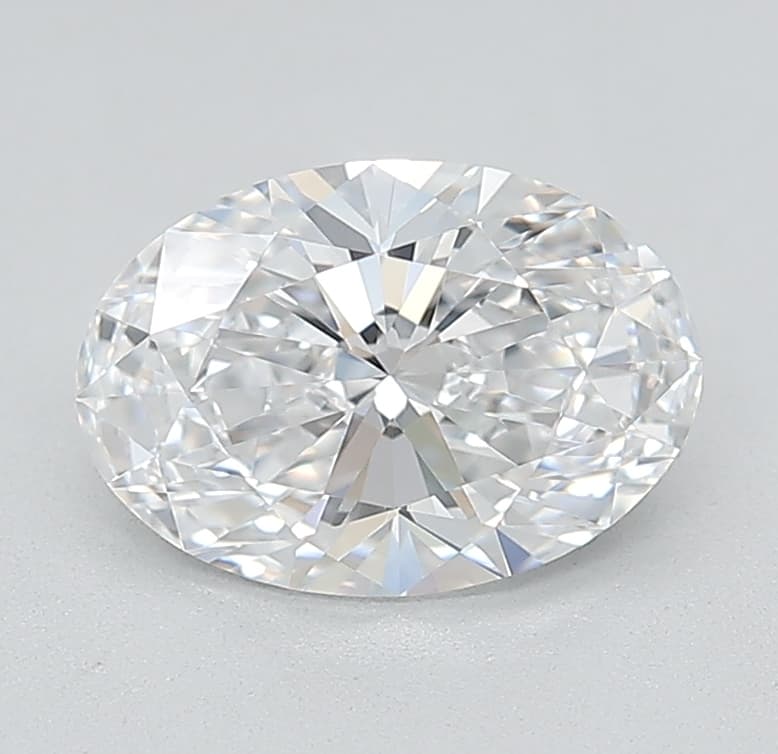
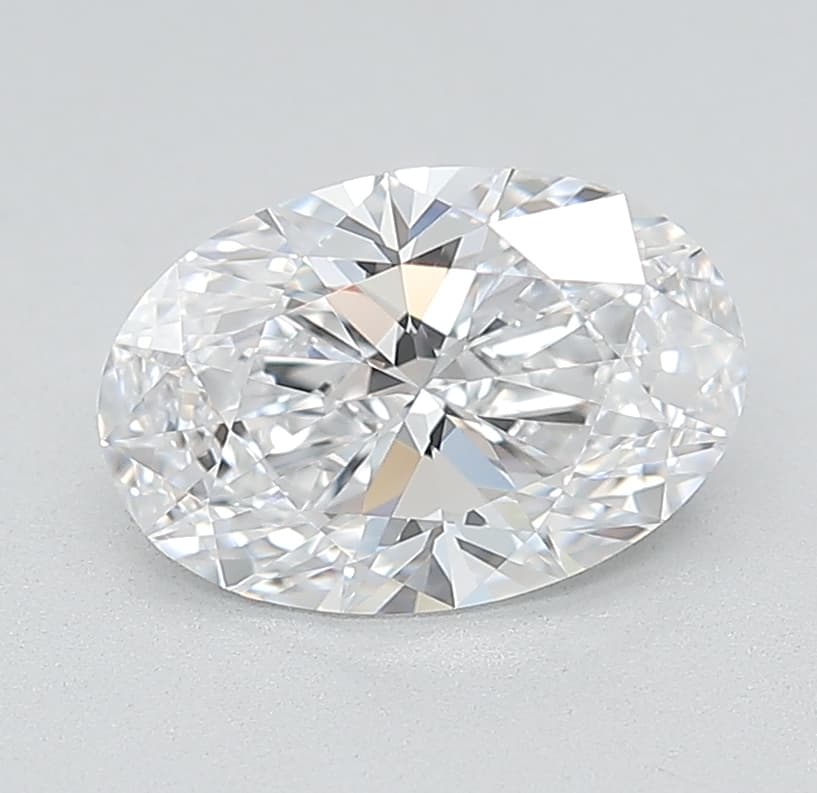
- An oval is rounded at both ends, like a stretched circle, usually with a length-to-width ratio of about 1.30 to 1.50.
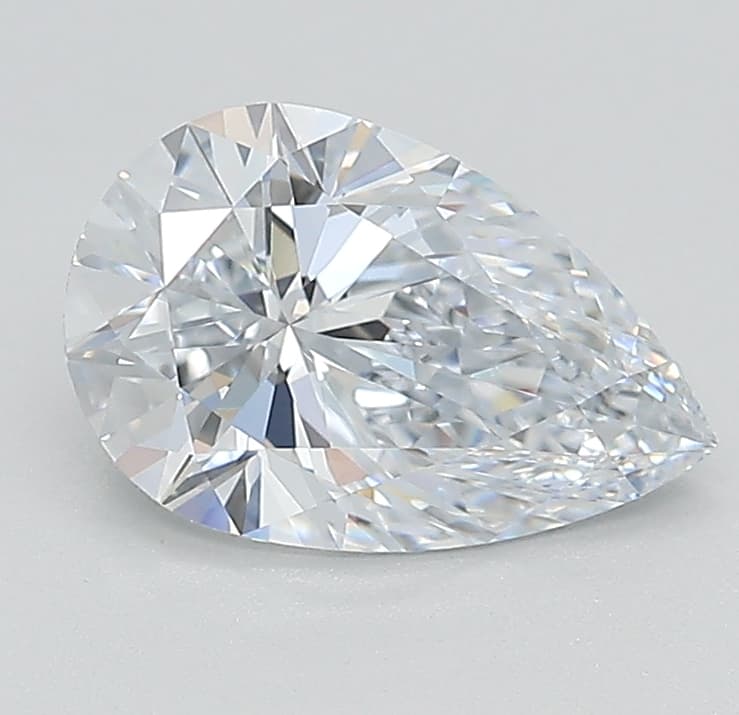
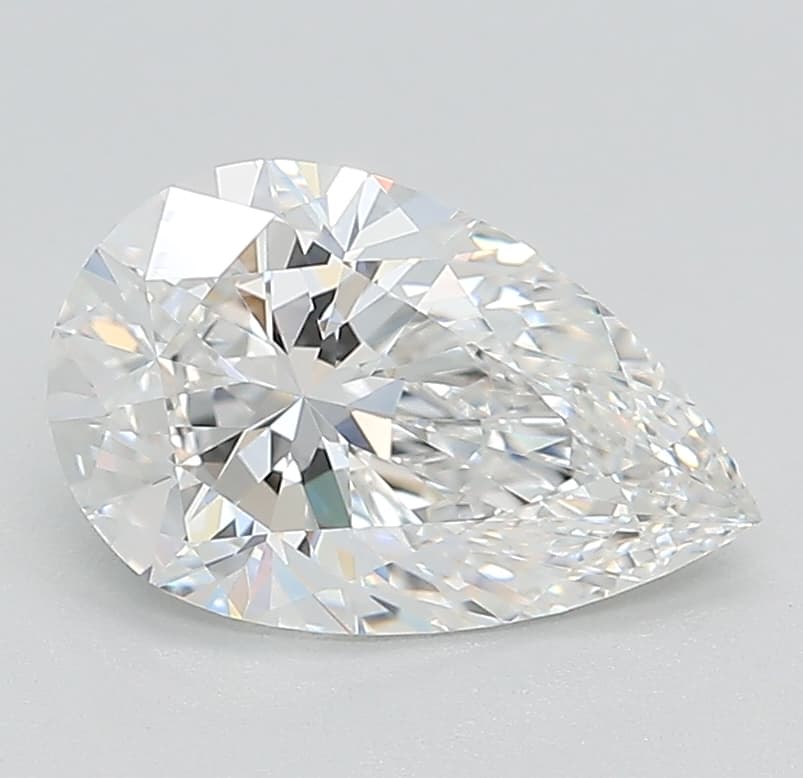
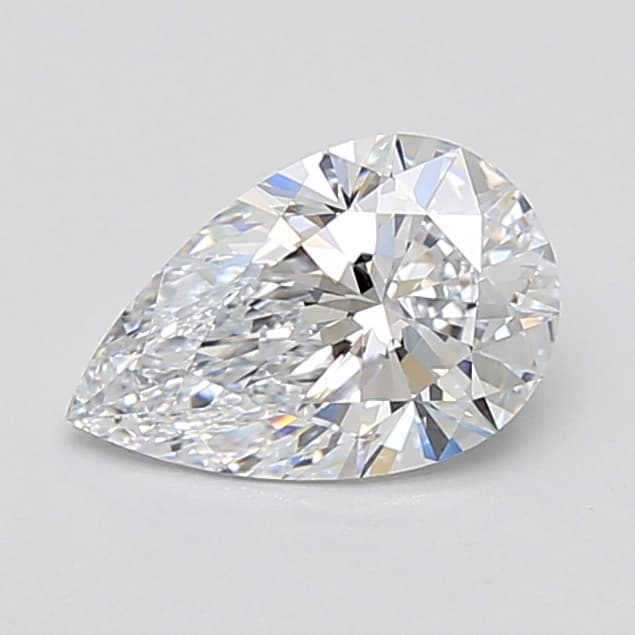
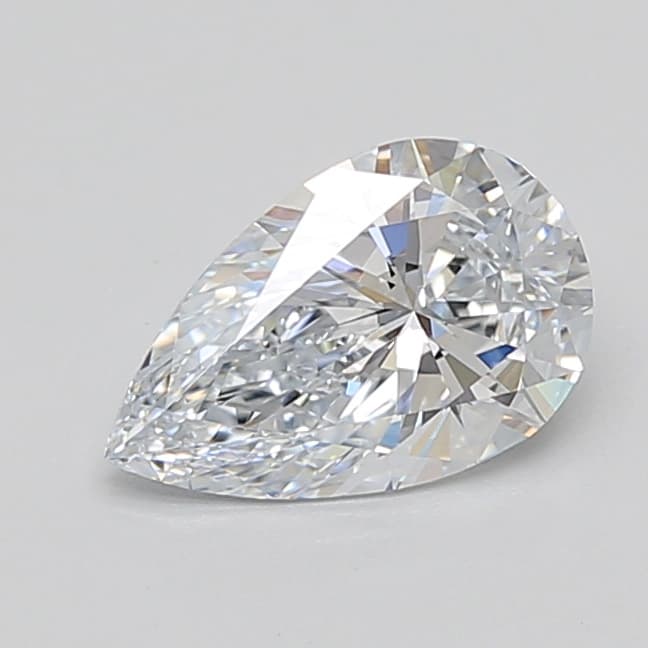
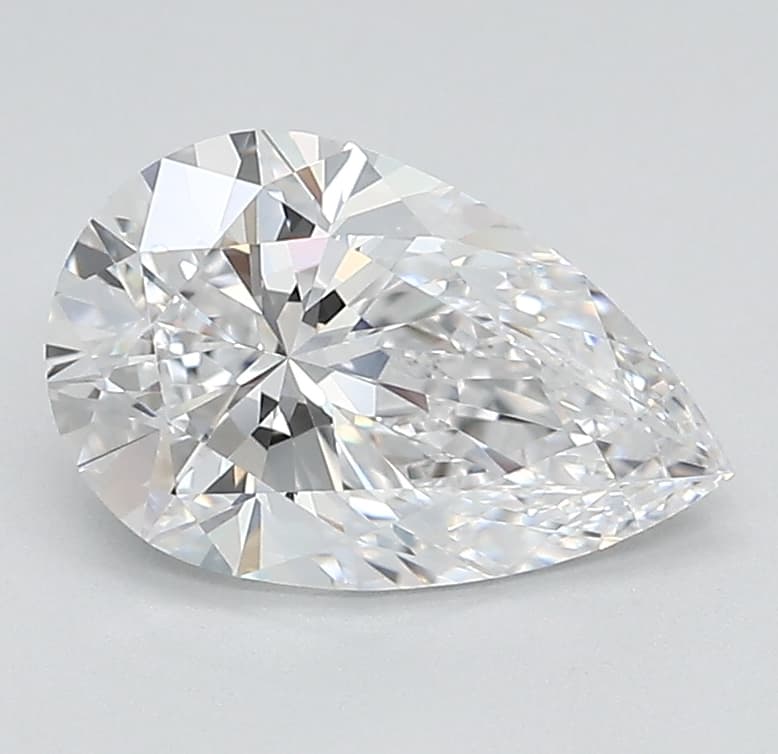
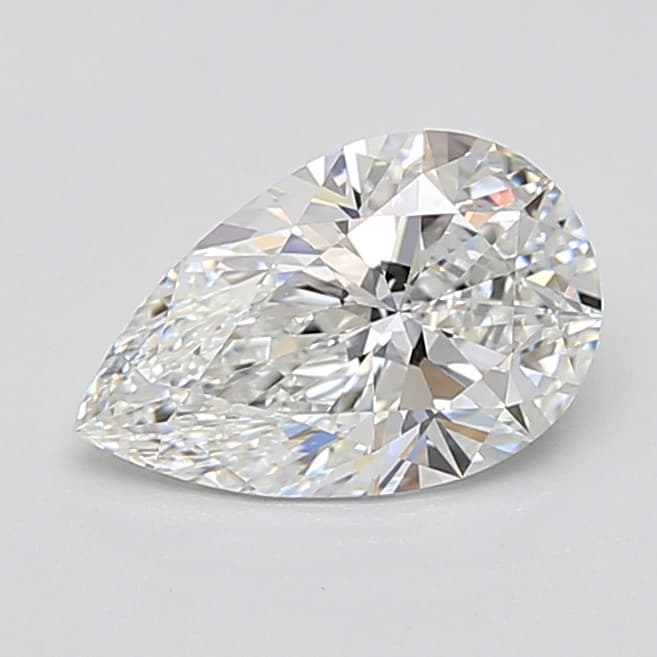
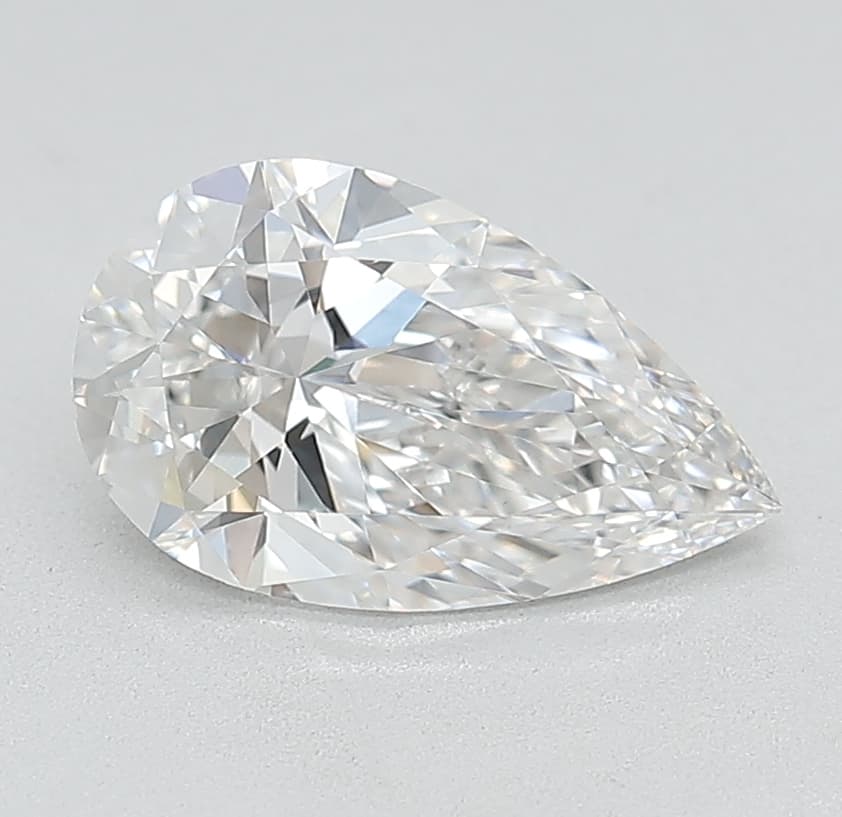
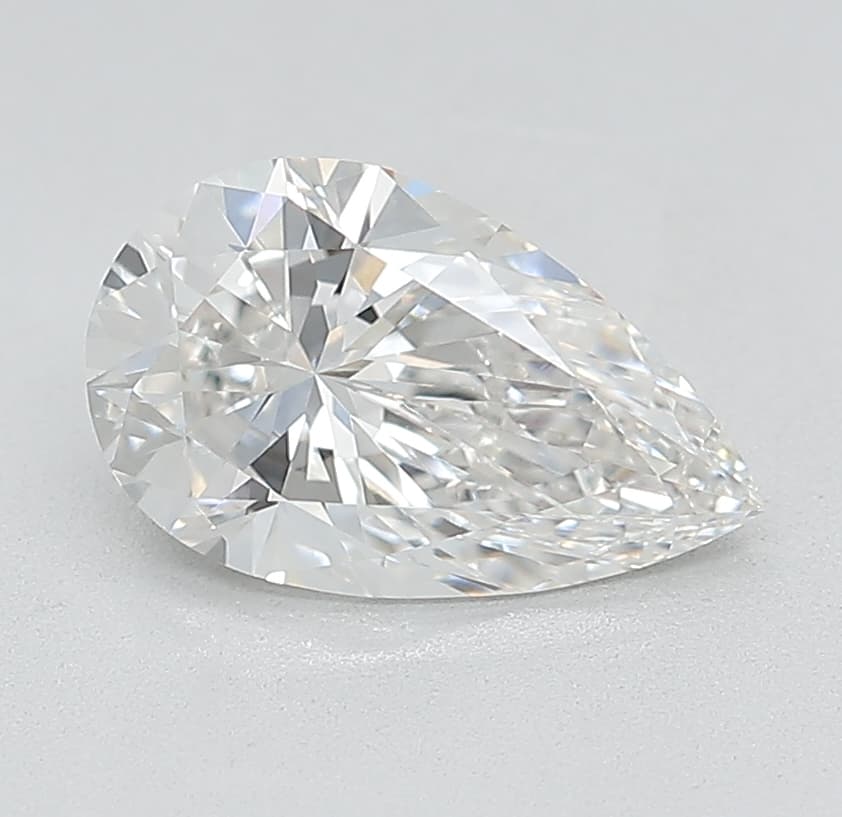
- A pear, also called a teardrop, has one rounded end and one point, usually with a ratio of about 1.45 to 1.75.
That single point changes how the stone is set, worn and judged, as the sections below explain.
- Typical L/W1.45–1.75
- Typical L/W1.30–1.50
The point: protection and direction
A pear's point is its most delicate part. A sharp corner on any diamond can chip if it takes a hard knock, because diamond is hard but not unbreakable. Pears are therefore usually set with a V-prong or a small bezel that wraps the point, so the metal takes the knocks instead of the stone. Our post on four or six prongs explains prong styles.
A pear also points somewhere. On engagement rings it is traditionally worn with the point toward the fingertip, which tends to make the finger look longer, but turning it the other way is a perfectly good choice. Our post on pear point up or down weighs the two.
It is also worth checking what sits near the point. A feather, a small crack-like inclusion, close to the tip is more of a concern in a pear than the same feather in the middle of an oval, because it sits where knocks land. The clarity plot on the report shows where each inclusion is, and the prong covering the point can hide a small one entirely.
An oval has none of this to think about. It has no point to protect, no direction to pick, and it can be held securely by four or six ordinary prongs.
Symmetry: what to check in each
Because a pear is not the same at both ends, its outline gives more room for small imbalances. When you look at a pear face-up, check that:
- the shoulders are even, so the curves either side of the point rise at the same height;
- the rounded end is a smooth half-circle, not flattened or lopsided;
- the point sits on the center line, so the stone is not leaning to one side.
An oval is easier: its two ends should match, and its sides should curve smoothly rather than look flat or boxy. For both shapes the report's symmetry grade covers facet alignment, but the outline itself is best judged by eye from the photo and the video.
Bow-tie and sparkle
Elongated brilliants cannot keep every pavilion facet at the same angle, so most pears and ovals show a bow-tie, a darker band across their width. In an oval it crosses the middle; in a pear it usually sits across the widest part, near the rounded end.
A soft bow-tie that flickers as the stone moves is normal contrast. A wide band that stays dark from every angle makes the stone look smaller and is the one to avoid. A cut grade, where the report has one, does not show the bow-tie, so the video does that job. Our post on the bow-tie effect shows how to judge it, and fancy shape cut quality lists the other things to check.
Size and the look on the hand
At the same weight, pears and ovals face up at broadly similar sizes, and both look larger than a round. A pear's tapering point adds visual length, so a slimmer pear can look especially long and elegant. A fuller oval looks softer and more classic.
The ratio changes the look more than the shape name does. A 1.40 oval and a 1.60 pear sit very differently on the finger, so compare ratios as well as shapes. Long fingers carry a slim pear or a long oval easily; on shorter fingers, a slim stone can make the finger look longer and a fuller one can look more balanced, so personal taste matters more than any rule. Both shapes also work turned sideways in an east-west setting, which gives a wider, more modern look. Our posts on length-to-width ratio by shape and diamond size and finger size help you picture both.
Choosing a well-cut pear or oval
IGI has graded the cut of fancy shapes, from Excellent to Poor, since September 2022; GIA does not. Either way, a good stone comes from combining the report with what you see. The checklist is much the same for both:
- Ratio. Choose the outline you like within the common ranges, and compare two or three ratios before deciding, because the number on the report is hard to picture.
- Depth. A stone far deeper than usual for its shape faces up small and can look dark; one far shallower can look glassy. Our post on table and depth percentage lists common guidelines.
- Outline. For a pear, even shoulders, a round head and a centered point; for an oval, matching ends and smooth sides.
- Polish and symmetry. Excellent or Very Good on the report shows careful finishing.
- The video. Look for bright ends, lively flashes and a bow-tie that moves rather than stays dark.
Our stone pages show the ratio, table, depth, polish and symmetry together, so you can run through this list quickly for each stone on your shortlist.
How to choose
Most buyers decide on the look first, then let the practical points confirm it:
- Choose a pear if you love the teardrop, want a stone that feels a little unusual, and are happy to check symmetry carefully and protect the point.
- Choose an oval if you want the size and elongation without a point, a simpler setting and fewer things to check.
- For both, shortlist by ratio, watch the videos for the bow-tie and compare the millimeters on the reports.
Browse pear and oval lab-grown diamonds, or ask our diamond specialists to compare a few for you.
| Compared | Pear | Oval |
|---|---|---|
| Outline | One rounded end, one point | Rounded at both ends |
| Common ratio | About 1.45–1.75 | About 1.30–1.50 |
| Part to protect | The point, with a V-prong | Nothing in particular |
| Symmetry to check | Shoulders, rounded end, point on center | Matching ends, smooth sides |
| Bow-tie | Near the rounded end | Across the middle |
In a pear, look at the two curves either side of the point. If one rises higher than the other, the stone will look lopsided on the hand, whatever its grades say.
Frequently asked questions
Which looks bigger, a pear or an oval diamond?
At the same carat weight they face up at broadly similar sizes, and both look larger than a round. A slim pear can look longer because of its point, while a fuller oval looks wider. Compare the length and width on each report to see the real difference.
Are pear-shaped diamonds more fragile than ovals?
The point is the delicate part. A sharp tip can chip from a hard knock, so pears are usually set with a V-prong or bezel that protects it. Ovals have no point, so they are slightly easier to wear every day without special protection.
Do pear and oval diamonds both have a bow-tie?
Usually, yes. Both are elongated brilliants, so most show a darker band across the width: across the middle of an oval, near the rounded end of a pear. A soft bow-tie that moves as the stone turns is normal; judge it from the video.
What ratio is best for a pear or an oval?
Common guidelines are about 1.45 to 1.75 for pears and 1.30 to 1.50 for ovals. Within those ranges it is a matter of taste: lower ratios look fuller, higher ratios slimmer and longer. Compare stones at a few different ratios before deciding.
Glossary terms in this article
More on Shapes & Cuts in the journal.